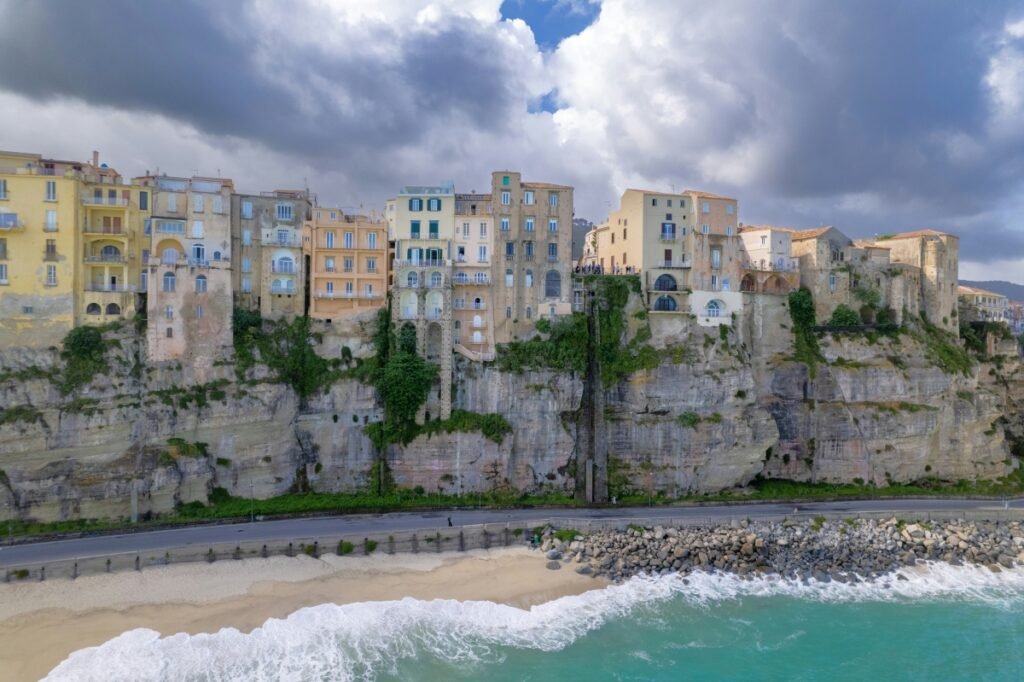


Forget Santorini’s shoulder-to-shoulder sunsets and Barcelona’s tourist-trap tapas. The Mediterranean’s best-kept secrets are tucked away in sleepy fishing villages and ancient hilltop towns where locals still outnumber visitors, and your biggest decision is whether to have that third gelato or save room for dinner.
Ready to discover places where you can actually hear the waves instead of cruise ship horns? Here are 10 authentic Mediterranean hideaways that’ll give you all the charm without the chaos.
1. Santa Maria di Castellabate, Castellabate, Italy
Picture this: a UNESCO World Heritage medieval village perched on a hill, with a beach town below that looks like it was painted by someone who really loves the color blue. Santa Maria di Castellabate is where Italian families come to escape the madness of the Amalfi Coast, and honestly, they’re onto something.
The old town of Castellabate sits 280 meters above sea level, offering views that’ll make your Instagram followers seriously jealous. Down at sea level, Santa Maria’s beaches are pure magic – think crystal-clear water and that perfect Italian beach vibe without the crowds.
Where to Stay:
- Hotels: Palazzo Belmonte (luxury in a 17th-century palace) or Villa Sirio (budget-friendly with sea views)
- Campervan: Camping Village Baia Blu offers campervan spots right near the beach, or try free camping at Punta Licosa (about 10km away)
Summer Activities:
- Beach hopping along the Cilento Coast
- Boat trips to hidden coves
- Evening passeggiata through Castellabate’s medieval streets
- Local sagras (food festivals) – summer weekends are packed with them
Winter Charm:
- Hiking the Cilento National Park trails
- Truffle hunting season (November-March)
- Cozy trattorias with fewer tourists and better service
- Christmas markets in nearby Agropoli
Events & Festivals:
- Castellabate Film Festival (July) – Entry: Free
- Sagra del Pesce (Fish Festival, August) – Entry: Free, food prices vary
- Medieval reenactment events (summer months)
Useful Info: The train from Naples takes about 2 hours to Agropoli, then it’s a 15-minute bus ride. Parking in summer can be tricky – arrive early or use the paid lots outside the old town.
2. Cadaqués, Spain
Salvador Dalí called this place home, and one look at Cadaqués’ dreamlike white houses tumbling down to a perfect blue bay will tell you why. This Catalonian fishing village on the Costa Brava has managed to stay authentically Spanish despite being discovered by artists decades ago.
The town feels like it exists in its own time zone – slower, more thoughtful, with narrow cobblestone streets that seem designed for wandering rather than rushing. The bay is protected from the worst of the Mediterranean’s summer crowds by its slightly remote location, making it perfect for those who want beauty without the battle for beach space.
Where to Stay:
- Hotels: Hotel Llane Petit (boutique charm) or Hostal Cristina (budget-friendly in the old town)
- Campervan: Camping Cadaqués is your best bet, though wild camping is technically allowed in designated areas outside town
Summer Activities:
- Swimming at Platja Gran (the main beach) or hiking to hidden Cala Portlligat
- Visiting Dalí’s House-Museum in nearby Portlligat
- Boat trips along the dramatic Costa Brava coastline
- Evening drinks at the waterfront bars
Winter Discoveries:
- Tramontana winds create dramatic seascapes perfect for photography
- Art galleries and museums with fewer crowds
- Hiking the coastal paths without the summer heat
- Local restaurants serving hearty Catalonian winter dishes
Events & Festivals:
- Cadaqués International Music Festival (July-August) – Entry: €20-40
- Festival Internacional de Música de Cadaqués (classical music, summer)
- Local saint celebrations throughout the year
Useful Info: The drive from Barcelona takes about 2.5 hours, and parking in summer is limited. The town gets busy on weekends, so midweek visits are ideal. Many restaurants close on Mondays.More read…
3. Komiža, Island of Vis, Croatia
Until 1989, this Croatian island was off-limits to foreigners due to its military importance. Today, Komiža feels like Croatia’s best-kept secret – a traditional fishing town where the boats in the harbor actually catch fish instead of just looking pretty for tourists.
The town wraps around a horseshoe bay backed by dramatic mountains, and the whole place has this wonderful end-of-the-world feeling. It’s where Croatians go when they want to escape the crowds of Dubrovnik and Hvar, and the local fishing culture remains refreshingly authentic.
Where to Stay:
- Hotels: Hotel Bisevo (waterfront location) or Villa Dalmacija (family-run guesthouse)
- Campervan: Camping Mindel is the main option, though wild camping is possible in designated areas around the island
Summer Activities:
- Blue Cave excursions to nearby Biševo Island
- Swimming at Stiniva Beach (one of Croatia’s most beautiful)
- Fishing trips with local fishermen
- Exploring abandoned military tunnels and bunkers
Winter Atmosphere:
- Peaceful walks along empty beaches
- Local konoba (tavern) culture thrives in cooler months
- Hiking and cycling with perfect weather
- Traditional fishing season activities
Events & Festivals:
- Komiža Cultural Summer (July-August) – Entry: Various prices
- Traditional fishing festival “Falkuša” (September)
- Local wine harvest celebrations (autumn)
Useful Info: Getting here requires a ferry from Split (2.5 hours) or a faster catamaran in summer. Rent a scooter or small car to explore the island properly. Book accommodation well in advance for summer. More read…
4. Koroni, Greece
Forget Mykonos – Koroni is where you’ll find the Greece of your dreams without the nightmare crowds. This Peloponnese town sits on a peninsula jutting into the Messenian Gulf, crowned by a 13th-century Venetian fortress that offers views across olive groves to the sea.
The town beach is right there when you want it, but Koroni’s real magic lies in its unhurried pace and genuine Greek atmosphere. This is where you’ll find locals playing backgammon in the plateia while their grandmothers hang laundry from ancient balconies.
Where to Stay:
- Hotels: Auberge de la Plage (beachfront boutique) or Koroni Beach (budget-friendly)
- Campervan: Camping Koroni Beach offers facilities, or try free camping at Peroulia Beach (20km away)
Summer Activities:
- Swimming at Zaga Beach (often empty despite being gorgeous)
- Exploring the Venetian fortress and its chapel
- Day trips to ancient Messene ruins
- Sunset drinks at waterfront tavernas
Winter Wonders:
- Olive harvest season (November-December)
- Perfect hiking weather in the Taygetos Mountains
- Local festivals and religious celebrations
- Cozy tavernas with fireplace dining
Events & Festivals:
- Koroni Festival (July-August) – Entry: Free for most events
- Local religious festivals throughout the year
- Traditional music nights at local tavernas
Useful Info: The drive from Athens takes about 3 hours via Kalamata. Most tavernas close for siesta from 3-7 PM. The fortress is free to explore and offers the best sunset views. More read…
5. Giovinazzo, Italy
Just 20 kilometers from Bari, Giovinazzo proves that sometimes the best discoveries are hiding in plain sight. This Apulian fishing town sits right on the Adriatic, with a perfectly preserved medieval old town that juts into the sea like a ship’s bow.
The town’s limestone buildings glow golden in the late afternoon sun, and the small port still brings in the day’s catch while locals gather to watch the evening ritual. It’s Puglia without the tourist buses – authentic, beautiful, and blissfully under-discovered.
Where to Stay:
- Hotels: Palazzo Ducale (historic luxury) or Casa Mathis (charming B&B)
- Campervan: Camping Baia Azzurra nearby, or free camping areas along the coast toward Molfetta
Summer Activities:
- Swimming from the rocky platforms around the old town
- Evening aperitivo at bars overlooking the harbor
- Exploring the narrow streets of the historic center
- Day trips to nearby Trani and its famous cathedral
Winter Discoveries:
- Truffle season in nearby countryside
- Local olive oil production tours
- Traditional sagras (food festivals) in cooler months
- Cozy wine bars and restaurants
Events & Festivals:
- Giovinazzo Summer Festival (July-August) – Entry: Free
- Patron saint celebrations (various dates)
- Local food and wine festivals
Useful Info: Bari airport is 20 minutes away, making this perfect for short breaks. The train from Bari takes about 30 minutes. Parking is free outside the old town walls. More read..
6. Lopud, Croatia
One of the Elaphiti Islands near Dubrovnik, Lopud is what happens when you take everything beautiful about the Croatian coast and remove the cars, the crowds, and the commercialization. This car-free island is small enough to walk across in 30 minutes, but charming enough to keep you for days.
The island’s main settlement curves around a protected bay, backed by pine forests and dotted with stone houses that look like they’re posing for a travel magazine. The famous Šunj Beach on the island’s south side is often called Croatia’s most beautiful, and for once, the hype is justified.
Where to Stay:
- Hotels: Hotel Pracat (the island’s main hotel) or Villa Vilina (boutique option)
- Campervan: Not applicable – no cars allowed on the island
Summer Activities:
- Beach time at Šunj Beach (sandy, rare for Croatia)
- Kayaking around the island’s coastline
- Hiking to the fortress ruins for panoramic views
- Swimming in secluded coves accessible only by foot
Winter Peace:
- Quiet walks through abandoned villages
- Local restaurants with winter menus
- Perfect weather for hiking and cycling
- Traditional island life continues year-round
Events & Festivals:
- Lopud Summer Festival (July-August) – Entry: Free
- Traditional boat races and regattas
- Local saint celebrations
Useful Info: Regular boats from Dubrovnik (45 minutes) or Slano (20 minutes). Bring comfortable walking shoes – the island is hilly. Most restaurants close in winter, so check ahead. More read..
7. Torre delle Stelle, Sardinia
This isn’t technically a town – it’s more of a carefully planned coastal development that somehow got everything right. Torre delle Stelle sits on Sardinia’s southeast coast, surrounded by some of the island’s most beautiful beaches and maintaining a low-key vibe that feels worlds away from the Costa Smeralda’s flashy excess.
The area takes its name from a 16th-century Spanish watchtower, and the modern development respects the natural landscape with low-rise buildings scattered among Mediterranean vegetation. It’s where Sardinians come for peaceful beach holidays.
Where to Stay:
- Hotels: Hotel Cala Caterina (beachfront luxury) or Villa del Sole (apartment-style)
- Campervan: Camping Torre delle Stelle or free camping at nearby Cala Pira
Summer Activities:
- Beach hopping – Cala Pira and Simius are stunning
- Snorkeling and diving in crystal-clear waters
- Hiking in the surrounding hills
- Day trips to nearby Villasimius
Winter Attractions:
- Perfect weather for outdoor activities
- Local festivals and traditional celebrations
- Hiking and mountain biking trails
- Quiet beaches perfect for long walks
Events & Festivals:
- Local summer festivals (July-August)
- Traditional Sardinian music events
- Seasonal food festivals
Useful Info: About 45 minutes from Cagliari airport. Car rental essential for exploring the area. Many restaurants and hotels close November-March, so check ahead for winter visits. More read..
8. Afitos (Afytos), Greece
Perched on cliffs overlooking the Toroneos Gulf, Afitos is Halkidiki’s prettiest village – and that’s saying something in a region blessed with stunning coastal towns. This traditional Greek village has managed to preserve its authentic character while offering all the amenities modern travelers need.
The village center is a maze of cobblestone streets lined with traditional stone houses, many now converted into charming guesthouses and tavernas. The clifftop location means spectacular views are basically unavoidable, and the nearby beaches are some of northern Greece’s best.
Where to Stay:
- Hotels: Afitis Boutique Hotel (luxury with sea views) or Guesthouse Kritikos (traditional charm)
- Campervan: Camping Afitos Beach or free camping areas along the coast
Summer Activities:
- Swimming at Afitos Beach or nearby Varkes Beach
- Exploring the traditional village architecture
- Day trips to Mount Athos (for male visitors) or Petralona Cave
- Evening dining at clifftop tavernas
Winter Charm:
- Cozy tavernas with fireplace dining
- Hiking in the surrounding hills and forests
- Local festivals and celebrations
- Perfect weather for sightseeing
Events & Festivals:
- Afitos Festival (July-August) – Entry: €10-25
- Traditional Greek music and dance events
- Local wine festivals
Useful Info: About 90 minutes from Thessaloniki airport. The village gets busy on summer weekends, so weekday visits are preferable. Most businesses close for siesta 2-6 PM. More read..
9. Port-Vendres, France
This Catalonian fishing port near the Spanish border is where France meets the Mediterranean with a distinctly different flavor. Port-Vendres has been a working port for over 2,000 years, and that maritime heritage permeates everything from the colorful houses lining the harbor to the excellent seafood restaurants.
The town sits in a natural amphitheater protected by hills, with a harbor that’s still busy with fishing boats and pleasure craft. It’s close enough to the Spanish border to feel slightly exotic, but unmistakably French in its dedication to good food and wine.
Where to Stay:
- Hotels: Hotel Les Templiers (historic character) or Casa Pairal (boutique charm)
- Campervan: Camping Les Mimosas or designated parking areas near the port
Summer Activities:
- Swimming at nearby beaches like Paulilles
- Exploring the active fishing port and morning fish market
- Hiking the coastal paths toward Spain
- Wine tasting in the surrounding Banyuls vineyards
Winter Discoveries:
- Storm watching from the harbor walls
- Local restaurants serving hearty winter cuisine
- Art galleries and museums with fewer crowds
- Perfect weather for hiking and cycling
Events & Festivals:
- Port-Vendres Festival (July-August) – Entry: Various prices
- Local wine harvest celebrations (autumn)
- Traditional Catalonian festivals
Useful Info: About 30 minutes from Perpignan, which has train connections to Barcelona and Paris. The morning fish market (6-10 AM) is not to be missed. Most restaurants close on Mondays. More read..
10. Perast, Montenegro
This tiny Baroque town on the Bay of Kotor is so perfectly preserved it looks like a movie set. With just 349 residents, Perast consists of little more than a single street lined with stone palaces and churches, but what it lacks in size it makes up for in sheer beauty.
The town’s golden age was during the 17th and 18th centuries when Perast was a major naval power. Today, those grand maritime mansions house boutique hotels and restaurants, while the famous artificial island of Our Lady of the Rocks sits just offshore like a fairytale vision.
Where to Stay:
- Hotels: Hotel Conte (waterfront luxury) or Villa Perast (boutique charm)
- Campervan: Camping options in nearby Kotor, or designated areas along the bay
Summer Activities:
- Boat trips to Our Lady of the Rocks island
- Swimming in the calm bay waters
- Exploring the baroque architecture
- Evening dining at waterfront restaurants
Winter Atmosphere:
- Peaceful walks along the empty waterfront
- Local museums and churches with no crowds
- Traditional Montenegrin cuisine in cozy restaurants
- Perfect weather for exploring the Bay of Kotor
Events & Festivals:
- Perast Cultural Summer (July-August) – Entry: Various prices
- Traditional boat races and regattas
- Local religious celebrations
Useful Info: About 20 minutes from Kotor by car. Our Lady of the Rocks boat trips cost around €5 per person. The town is tiny, so everything is within walking distance. Most restaurants close November-March. More read…
Final Thoughts
These Mediterranean hideaways prove that the best travel experiences often come from the places that haven’t made it onto every Instagram feed yet. Each of these towns offers something different – whether it’s the artistic heritage of Cadaqués, the untouched beauty of Vis, or the baroque elegance of Perast.
The key to enjoying these destinations is to slow down and embrace the local rhythm. Don’t try to tick off every sight in a day – instead, find a good café, order something local, and watch the world go by. These places reward travelers who take time to appreciate the small details: the way the light hits ancient stone walls, the sound of fishing boats returning at sunset, the taste of wine made from grapes grown on nearby hills.
Remember that part of what makes these places special is their authenticity. Respect local customs, support family-run businesses, and leave them as beautiful as you found them. After all, the best hidden gems stay hidden when visitors help keep them that way.
Disclaimer: All information in this article was accurate at the time of writing, but travel conditions, prices, and accessibility can change. Always check current information before traveling, including visa requirements, local regulations, and business hours. Some activities may have seasonal restrictions or weather dependencies. Accommodation and restaurant recommendations are based on available information and traveler reviews, but individual experiences may vary.