
TL;DR: 5 Amazing Christmas Traditions Across Europe ,From Germany’s legendary Christmas markets to Spain’s Three Kings parades, Europe transforms into a winter wonderland each December. This guide covers five must-visit destinations where centuries-old traditions meet modern festivities—complete with skiing opportunities, budget tips, and the tastiest seasonal treats you’ll ever encounter.
- 1. Germany – Christmas Markets (Weihnachtsmärkte)
- Highlights
- Local Traditions
- Outdoor Activities & Skiing
- Budget Considerations
- Food You Can’t Miss
- Cultural Aspects
- Events & Timing
- Useful Information
- 2. Austria – Alpine Christmas & Outdoor Skiing Magic
- Highlights
- Local Traditions
- Outdoor Activities & Skiing
- Budget Considerations
- Food You Can’t Miss
- Cultural Aspects
- Events & Timing
- Useful Information
- 3. Czech Republic – Enchanting Festivities in Prague
- Highlights
- Local Traditions
- Outdoor Activities & Skiing
- Budget Considerations
- Food You Can’t Miss
- Cultural Aspects
- Events & Timing
- Useful Information
- 4. Sweden – St. Lucia Day & Soft Nordic Christmas Charm
- Highlights
- Local Traditions
- Outdoor Activities & Skiing
- Budget Considerations
- Food You Can’t Miss
- Cultural Aspects
- Events & Timing
- Useful Information
- 5. Spain – Three Kings Day & Late-Season Festivities
- Highlights
- Local Traditions
- Outdoor Activities & Skiing
- Budget Considerations
- Food You Can’t Miss
- Cultural Aspects
- Events & Timing
- Useful Information
- Final Thoughts
- Disclaimer
1. Germany – Christmas Markets (Weihnachtsmärkte)
User Rating: ★★★★★ (4.8/5 across major travel platforms)
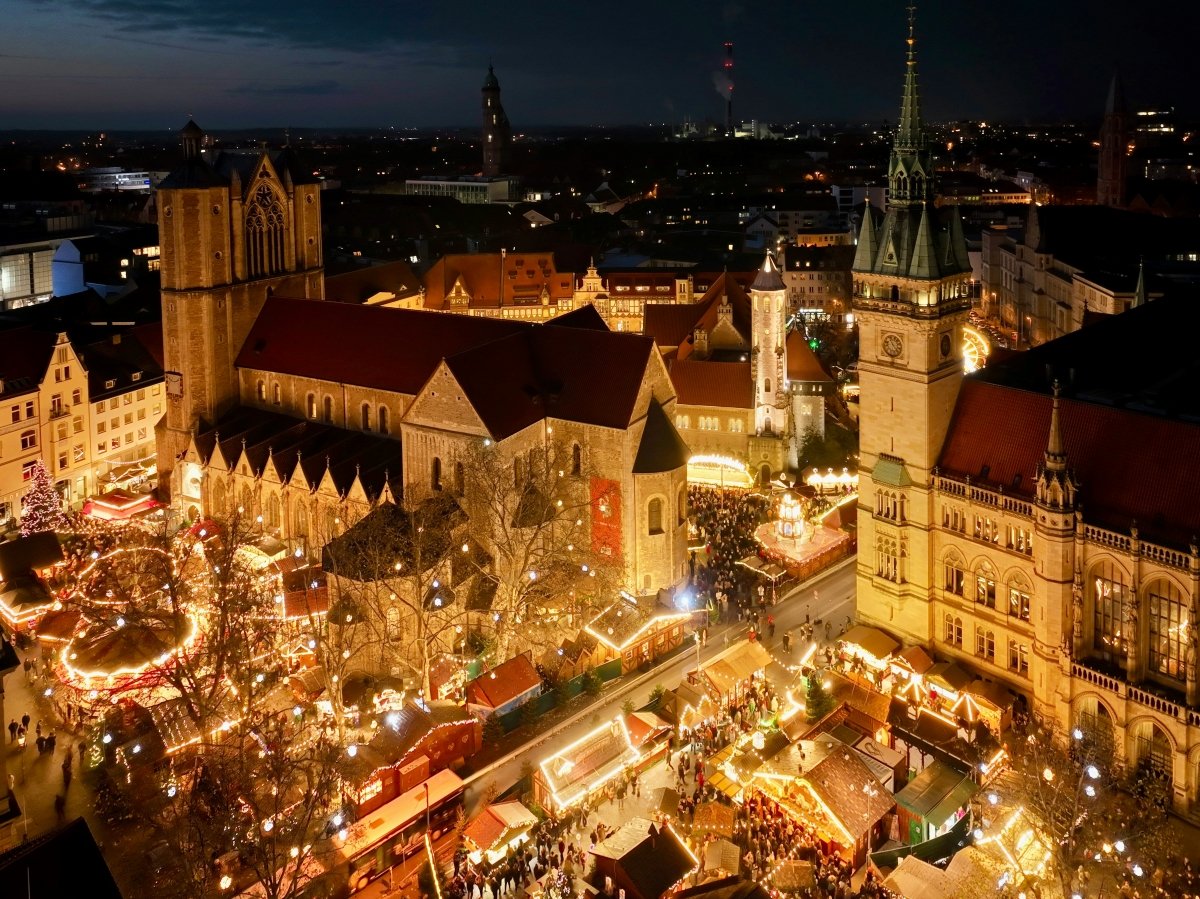
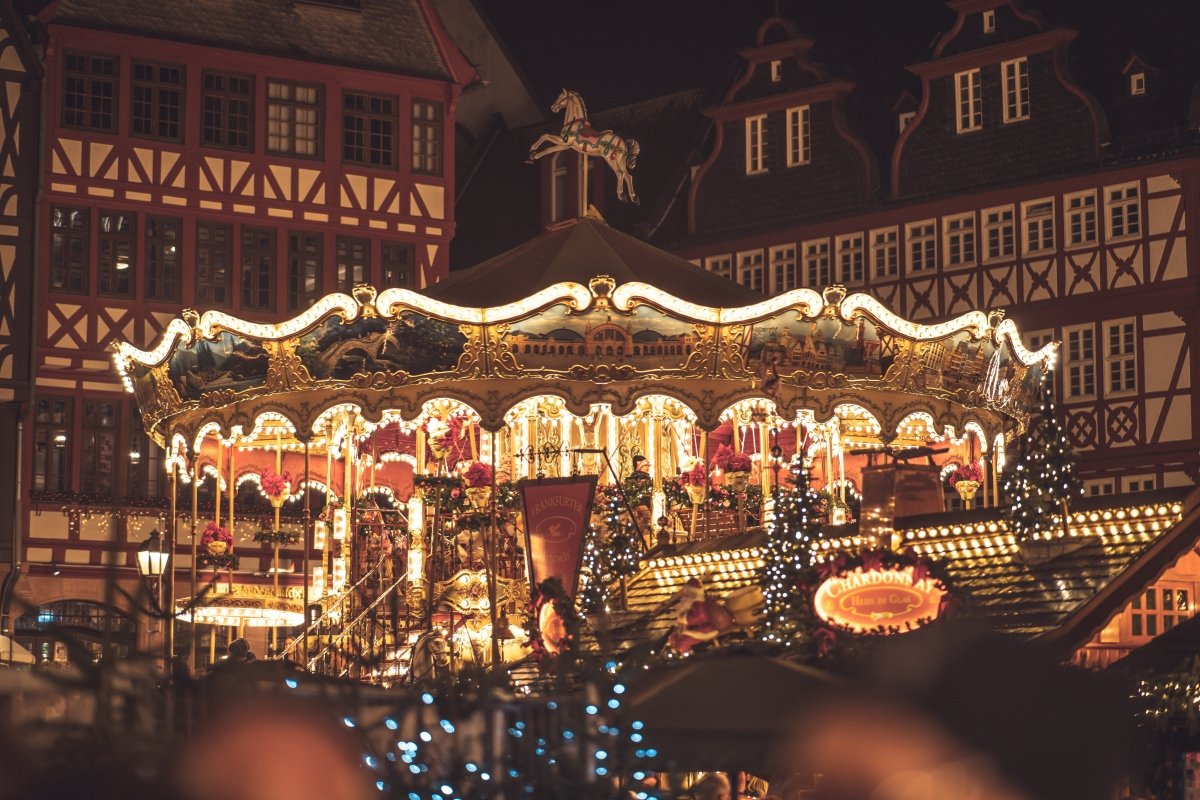
There’s something absolutely intoxicating about stepping into a German Christmas market for the first time. The scent of roasted almonds mingles with mulled wine, twinkling lights reflect off centuries-old architecture, and suddenly you’re living inside a snow globe.
Highlights
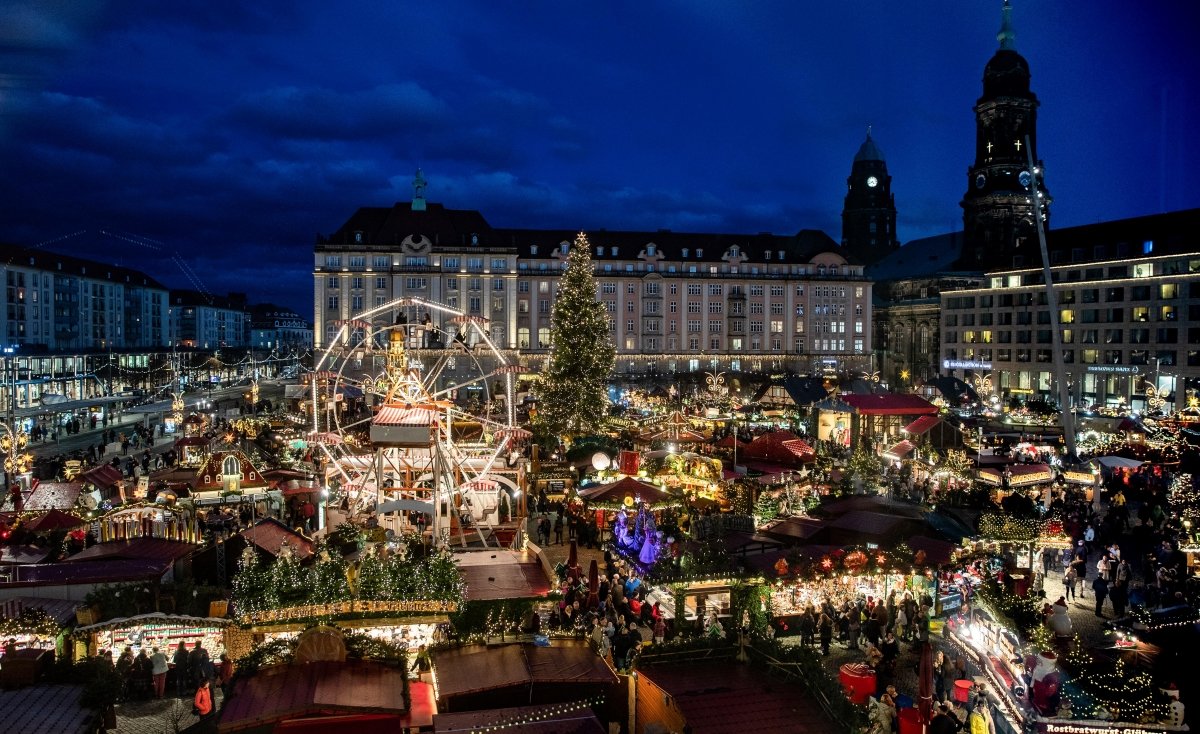
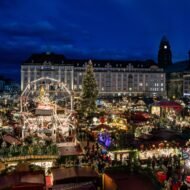
Germany doesn’t just do Christmas markets—they practically invented them. Nuremberg’s Christkindlesmarkt dates back to 1628, while Dresden’s Striezelmarkt has been running since 1434. These aren’t tourist traps; they’re genuine community gatherings where locals shop for handcrafted ornaments, sip Glühwein (mulled wine), and reconnect with neighbors.
Local Traditions
The magic here goes deeper than shopping. Watch for the Christkind (Christ Child), an angelic figure who opens many markets with a prologue spoken from church balconies. In southern Germany, you’ll encounter Krampus—Saint Nicholas’s terrifying horned companion who “disciplines” naughty children. It’s folklore that’s genuinely unsettling yet fascinating.
Don’t miss the Advent wreath tradition. Four Sundays before Christmas, families light one candle each week, building anticipation. Markets mirror this countdown with special events each Advent weekend.
Outdoor Activities & Skiing
While Germany isn’t known for world-class skiing, the Bavarian Alps (especially around Garmisch-Partenkirchen) offer solid winter sports just 90 minutes from Munich’s famous markets. Zugspitze, Germany’s highest peak, provides glacier skiing and breathtaking views. Many visitors combine Munich’s Marienplatz market with day trips to Alpine slopes.
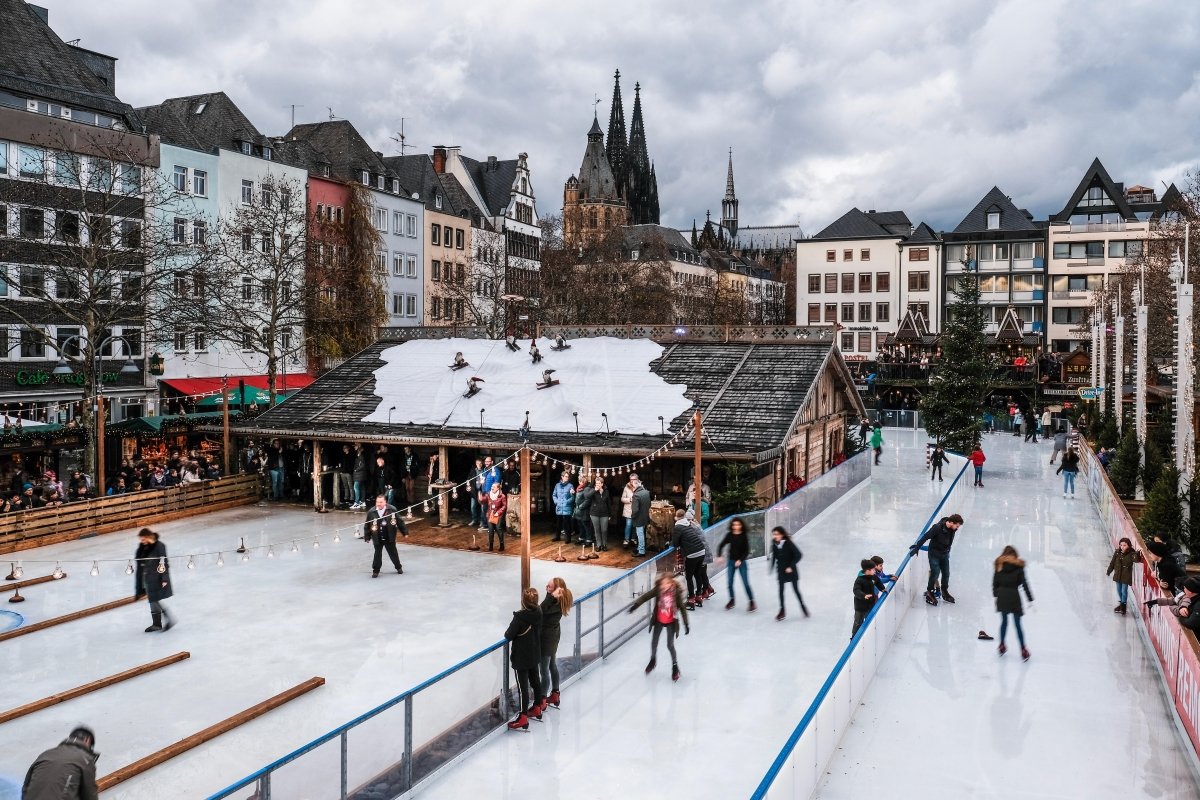
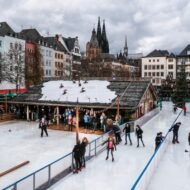
Ice skating rinks pop up in market squares across the country—skating beneath medieval cathedrals in Cologne or surrounded by timber-framed houses in Rothenburg ob der Tauber creates memories that outlast any souvenir.
Budget Considerations
Mid-range budget: €80-150/day per person (accommodations, food, activities)
Markets themselves are free to enter, but your wallet will tempt you at every stall. A mug of Glühwein runs €3-5 (plus a €2-3 deposit for the ceramic mug—keep it as a souvenir or return it). Bratwurst costs €4-6, and handcrafted ornaments range from €5-50.
Money-saving tips:
- Book accommodations 3-6 months ahead; December prices surge
- Visit smaller markets (Bamberg, Freiburg) for better value than Munich or Cologne
- Lunch specials at traditional restaurants beat dinner prices by 30-40%
- Many museums offer free entry on specific days
Food You Can’t Miss
Lebkuchen (gingerbread) from Nuremberg is Germany’s edible Christmas crown jewel. These spiced cookies, some chocolate-covered, others glazed, have protected geographical indication status.
Other essentials:
- Stollen: Dresden’s butter-rich fruit bread dusted with powdered sugar
- Gebrannte Mandeln: Caramelized roasted almonds (addictive warning)
- Reibekuchen: Crispy potato pancakes topped with applesauce
- Feuerzangenbowle: Theatrical mulled wine where rum-soaked sugar burns over the pot
Cultural Aspects
German Christmas is deeply rooted in Gemütlichkeit—that untranslatable concept of cozy contentment. Markets close relatively early (around 8-9 PM) because this is family time. Sundays see many shops closed, preserving rest day traditions.
The Erzgebirge region in Saxony produces those iconic wooden nutcrackers, smoking incense figures, and pyramid carousels. Visiting workshops here connects you to centuries of craftsmanship passed through generations.
Events & Timing
Peak season: Late November through December 23 (most markets close on Christmas Eve)
Special events:
- Nuremberg’s Christkindlesmarkt opening ceremony (Friday before first Advent)
- Stuttgart’s market features elaborate light displays and an antique carousel
- Dresden’s Medieval Christmas Market transports you to the Middle Ages
- Berlin offers over 100 markets, including alternative markets in Kreuzberg
Useful Information
- Markets operate daily, typically 10 AM-8 PM (longer on weekends)
- Most vendors accept cash only; ATMs get crowded
- Germany uses Type F electrical outlets (230V)
- Public transport is excellent; consider multi-day passes
- Bring reusable bags; plastic bag charges apply
- Download Google Translate; English varies by vendor
2. Austria – Alpine Christmas & Outdoor Skiing Magic
User Rating: ★★★★★ (4.9/5—consistently tops winter destination lists)
If Germany offers Christmas charm, Austria delivers Christmas glamour. This is where imperial elegance meets Alpine adventure, where you can ski world-class slopes by day and attend classical concerts in baroque palaces by night.
Highlights
Vienna’s Christmas markets glow against Habsburg palaces—the one outside Schönbrunn Palace feels like stepping into an imperial winter ball. Meanwhile, mountain villages like Innsbruck and Salzburg offer markets with dramatic Alpine backdrops where the smell of pine forests competes with cinnamon-spiced treats.
Local Traditions
Austria’s Krampuslauf (Krampus run) is spectacular and slightly terrifying. On December 5, people dressed as demonic Krampus creatures parade through streets with bells, chains, and torches. It’s pre-Christian Alpine folklore at its wildest—definitely not Disney Christmas.
Perchten runs in some regions take this even further with elaborate carved wooden masks representing winter spirits. In Salzburg, don’t miss the Turmblasen—trumpeters playing from fortress towers, a tradition since the 1300s.
Austrian families celebrate Silent Night with special reverence. The carol was written in Oberndorf bei Salzburg in 1818, and the chapel where it premiered still hosts annual commemorations.
Outdoor Activities & Skiing
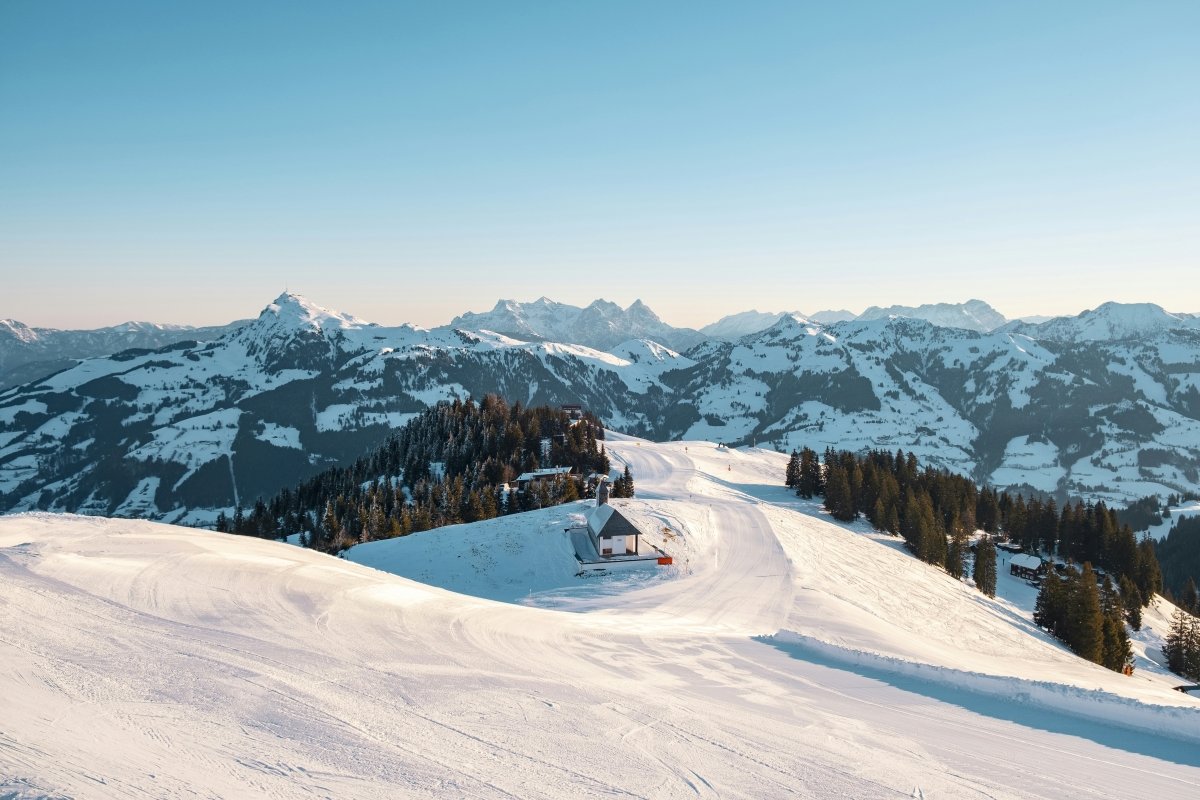
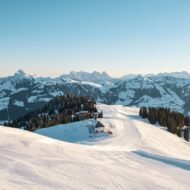
Austria is Europe’s skiing paradise. Innsbruck hosted two Winter Olympics and offers access to nine ski areas on one lift pass. From the city center, you’re on slopes in 20 minutes.
Top skiing Christmas destinations:
- St. Anton am Arlberg: Legendary après-ski and challenging terrain
- Kitzbühel: Glamorous resort town with the infamous Hahnenkamm downhill race course
- Sölden: Glacier skiing ensuring snow through Christmas
- Ski Amadé region: 760km of interconnected slopes near Salzburg
Cross-country skiing, winter hiking, and horse-drawn sleigh rides through snowy forests offer gentler alternatives. Many mountain huts serve traditional meals accessible only by ski or snowshoe.
Budget Considerations
Mid to upper-mid budget: €100-200/day per person
Austria costs more than Germany but delivers premium experiences. Ski passes run €50-65/day (book multi-day passes for savings). Equipment rental adds €25-40/day, though many resorts offer packages.
Cost-cutting strategies:
- Stay in valley towns (Wörgl, Kufstein) and commute to expensive resorts
- Supermarkets like Spar and Hofer offer affordable groceries
- “Jausenstation” mountain huts serve hearty meals cheaper than resort restaurants
- Many museums offer under-19 free entry
- Vienna’s Christmas markets are less expensive than Salzburg’s tourist-heavy ones
Food You Can’t Miss
Vanillekipferl (vanilla crescent cookies) and Linzer Augen (jam-filled sandwich cookies) appear everywhere. These aren’t just sweets; they’re family recipes passed down through generations.
Must-tries:
- Glühwein & Punsch: Austrian mulled wine often includes rum-based Punsch varieties
- Maroni: Roasted chestnuts sold from street carts
- Raclette: Melted cheese scraped onto bread—pure comfort
- Kaiserschmarrn: Torn pancake with plum compote (perfect after skiing)
- Sachertorte: Vienna’s famous chocolate cake with apricot jam
Cultural Aspects
Austrian Christmas balances refined culture with rustic Alpine traditions. Vienna’s concert halls overflow with Mozart and Strauss performances. The Spanish Riding School hosts special Christmas galas featuring Lipizzaner stallions.
Yet in mountain villages, you’ll find Adventkranzweihe (Advent wreath blessings) in centuries-old churches where Latin hymns echo off frescoed walls. This duality—imperial sophistication and earthy mountain culture—defines Austrian Christmas.
The concept of Weihnachtsruhe (Christmas peace) means December 24 becomes almost silent by afternoon. Shops close, streets empty, and families gather for private celebrations.
Events & Timing
Optimal visit: First week of December through January 6 (Epiphany)
Key events:
- Vienna’s Christmas Dream market at Rathausplatz (mid-November to December 26)
- Salzburg Advent Singing at Fortress Hohensalzburg (multiple December dates)
- New Year’s Concert by Vienna Philharmonic (broadcast globally)
- Three Kings Procession in Gmunden (January 6)
- Perchten runs (early January in various Alpine towns)
Useful Information
- Austrian ski resorts cater excellently to families and beginners
- Excellent train connections; the ÖBB Sparschiene offers advance-purchase discounts
- Many Austrians speak excellent English in tourist areas
- Tipping: Round up or add 5-10% in restaurants
- Book ski rentals online for 20-30% savings
- Mountain weather changes rapidly; layer your clothing
3. Czech Republic – Enchanting Festivities in Prague
User Rating: ★★★★☆ (4.6/5—praised for authenticity and value)
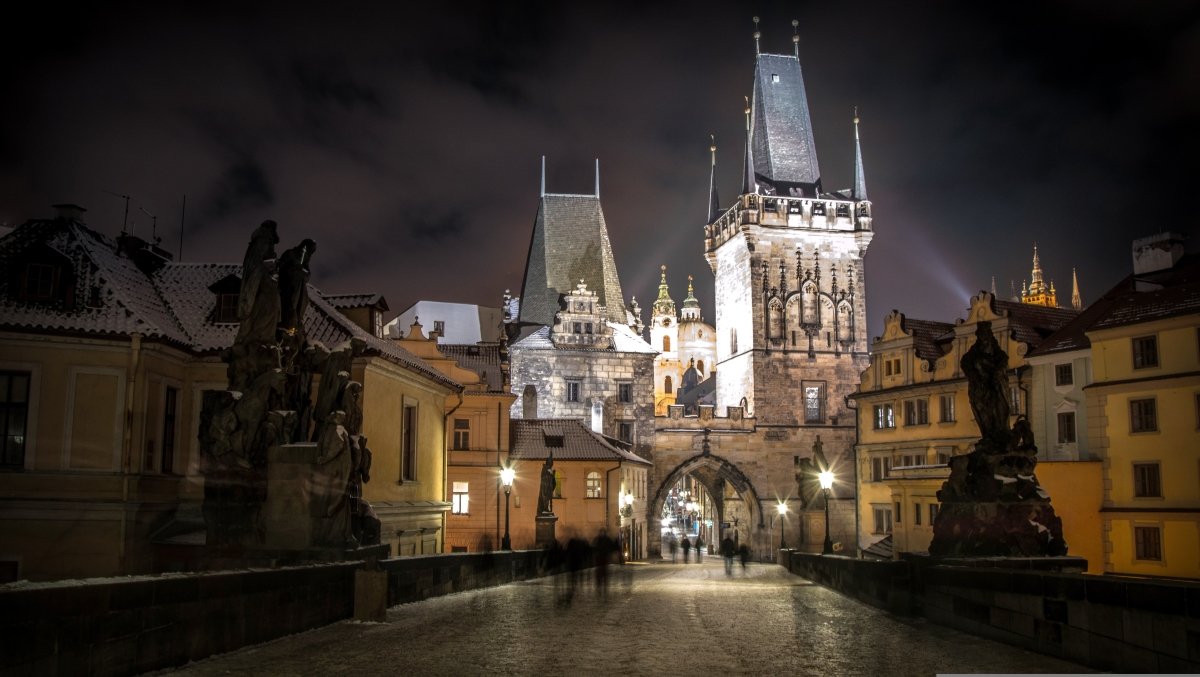
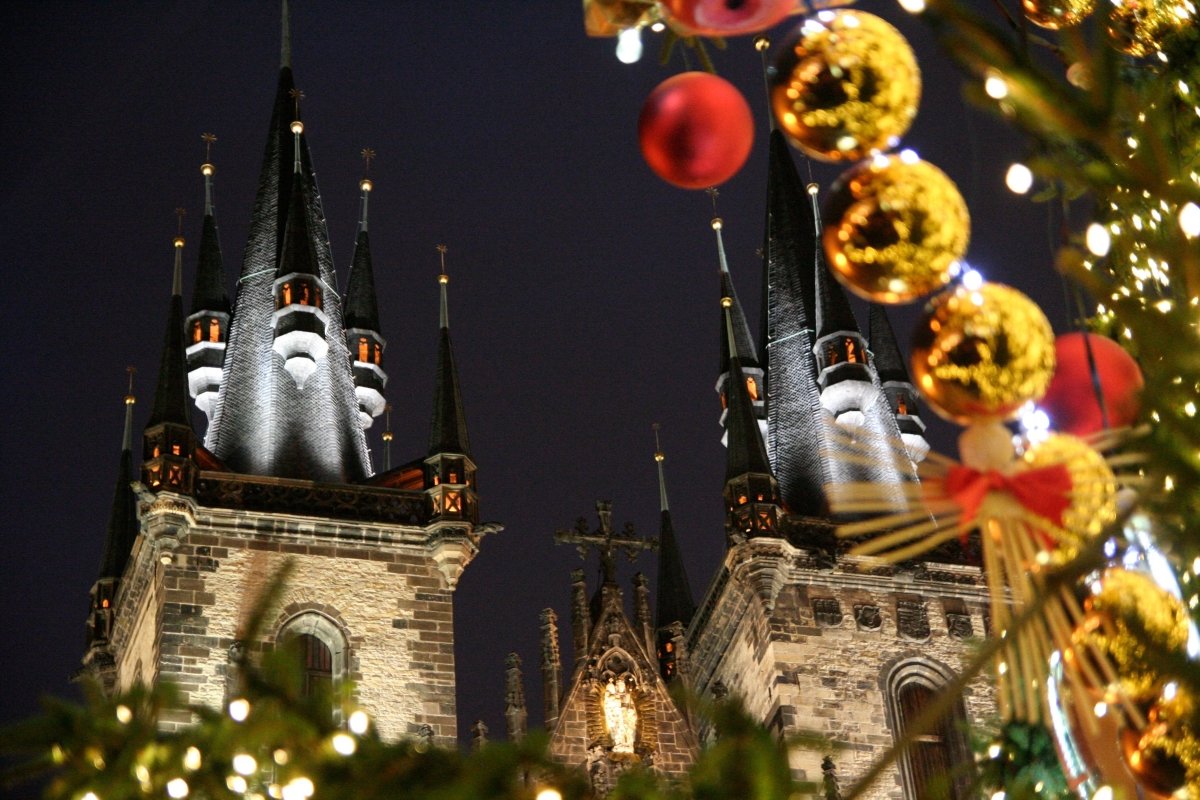
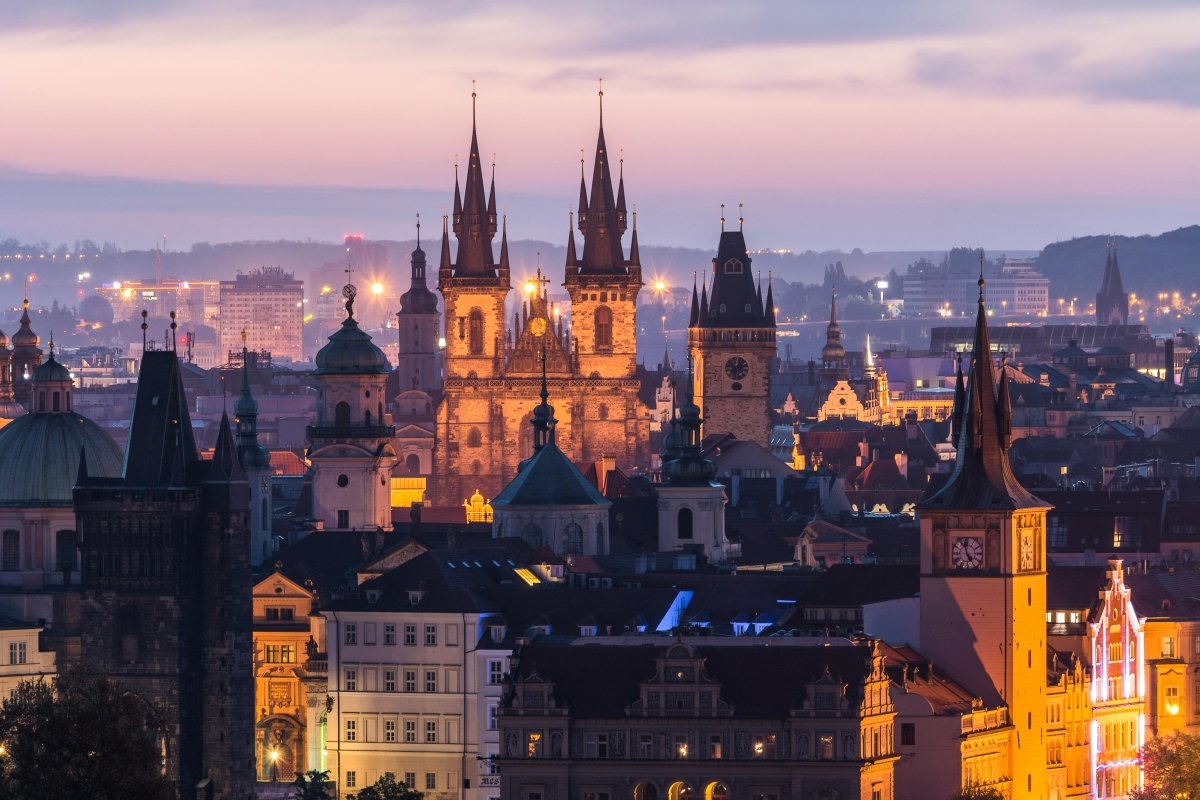
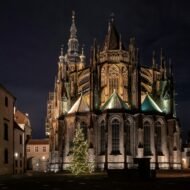
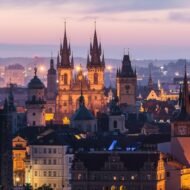
Prague at Christmas feels like discovering a secret. While western European cities draw millions, Prague offers equally stunning experiences with fewer crowds and significantly lower prices. Gothic spires, medieval squares, and fairytale architecture create Christmas card scenes at every turn.
Highlights
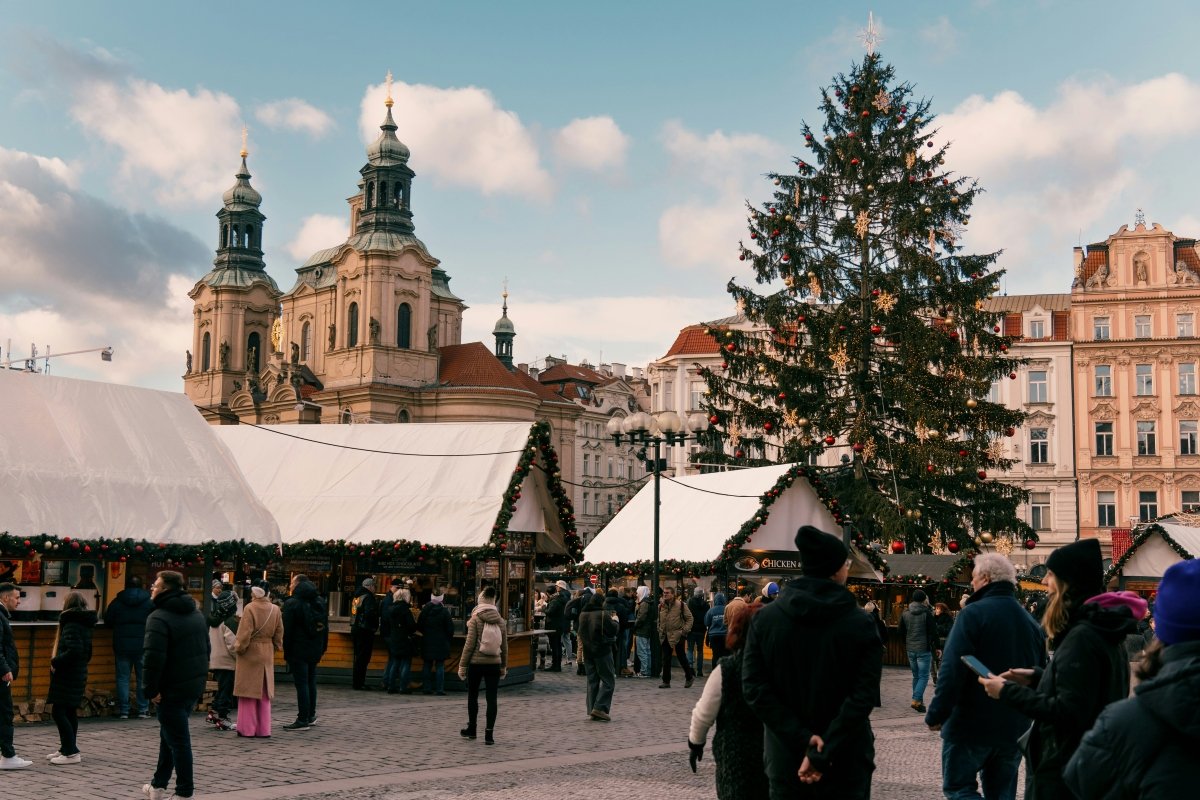
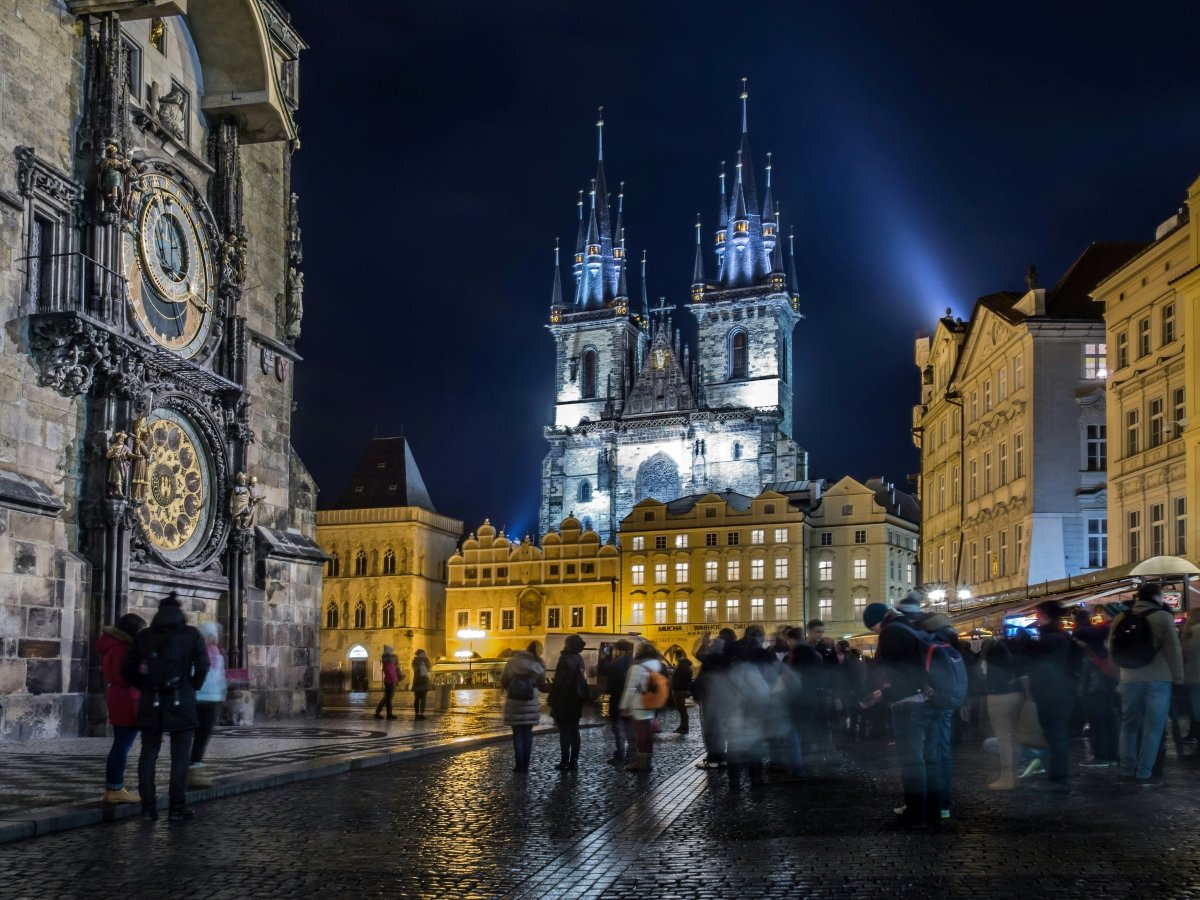
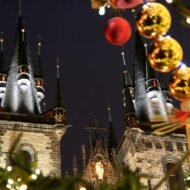
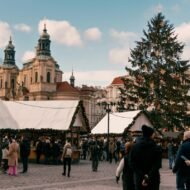
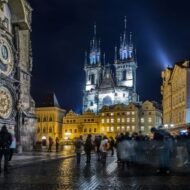
Old Town Square transforms into a winter wonderland with an enormous Christmas tree (often from the Czech countryside) and markets dating back centuries. The astronomical clock’s hourly show draws crowds even in freezing temperatures. Wenceslas Square hosts a second major market, offering a slightly more local vibe.
Unlike heavily commercialized markets elsewhere, Prague’s retain authenticity. Local artisans sell Bohemian crystal, wooden toys, and traditional puppets—crafts with real Czech heritage.
Local Traditions
Carp for Christmas dominates Czech holiday meals. Live carp swim in bathtubs for days before Christmas Eve (yes, really), when they’re traditionally killed, prepared, and served with potato salad. If this sounds intense, many Czechs now debate the practice, and some restaurants serve carp to spare families the bathtub drama.
St. Nicholas Day (December 5) features costumed trios—St. Nicholas, an angel, and a devil—visiting homes to quiz children on behavior. Well-behaved kids receive sweets; naughty ones get potatoes or coal (and terrifying devil encounters).
Czechs practice apple divination on Christmas Eve: slice an apple horizontally, and the seed pattern predicts your year. A star shape promises happiness; a cross suggests challenges.
Outdoor Activities & Skiing
The Czech Republic isn’t an Alpine nation, but the Krkonoše Mountains (Giant Mountains) along the Polish border offer excellent skiing at budget prices. Špindlerův Mlýn is the country’s premier ski resort with 25km of slopes, night skiing, and spa facilities.
Ještěd Mountain near Liberec features a futuristic tower-hotel and slopes with stunning views. It’s more about the experience than extreme skiing—perfect for families and intermediates.
Prague itself offers ice skating at several outdoor rinks, including a romantic one on Štvanice Island with castle views. Petřín Hill provides sledding and winter hiking through forested paths above the city.
Budget Considerations
Budget-friendly: €50-100/day per person
Prague is Western Europe’s wallet-friendly alternative. Quality hotels cost half of Vienna or Munich prices. Three-course restaurant meals run €10-15 per person, including local beer cheaper than water.
Maximizing your Czech crown:
- Markets offer better exchange rates than airport booths
- Lunch menus (“denní menu”) provide restaurant-quality food at café prices
- Prague Card includes public transport and museum entry
- Free walking tours operate year-round (tip-based)
- Stay in Vinohrady or Žižkov neighborhoods for local prices with easy tram access
Ski savings: Multi-day passes in Krkonoše cost €35-45/day versus €60+ in Austria. Equipment rental runs about €15-20/day.
Food You Can’t Miss
Trdelník is controversial—these spiral pastries sold at markets are actually a recent import marketed as traditional. They’re delicious (cinnamon-sugar dough wrapped around a stick, grilled, and optionally filled with ice cream), just not authentically Czech. Locals roll their eyes but tourists devour them.
Authentic Czech Christmas foods:
- Vánočka: Braided sweet bread with raisins and almonds (Christmas morning staple)
- Carp & potato salad: The Christmas Eve main event
- Gingerbread cookies (Perníčky): Spiced and decorated, often hung on trees
- Svařák: Czech mulled wine, often more affordable and potent than German versions
- Medovina: Hot honey wine, an ancient Slavic drink
Don’t leave without trying Koláče, fruit-filled pastries found in bakeries, not just at markets.
Cultural Aspects
Czech Christmas blends Catholic traditions with deep-rooted pagan customs. The country’s complicated religious history (influenced by Jan Hus’s Protestant reformation centuries before Luther) means celebrations often emphasize family and folklore over religious observance.
Štědrý den (Generous Day—Christmas Eve) is more important than Christmas Day itself. Families fast until dinner, when they gather for carp and traditional foods. Gifts appear mysteriously under the tree while children sing carols, supposedly brought by Ježíšek (Baby Jesus), not Santa.
The Czech love of puppetry shows in Christmas markets selling marionettes. This UNESCO-recognized tradition connects to centuries of Czech cultural resistance and artistic expression.
Events & Timing
Best period: Late November through January 6
Notable events:
- Old Town Square market opening ceremony (late November)
- St. Nicholas Eve celebrations (December 5) citywide
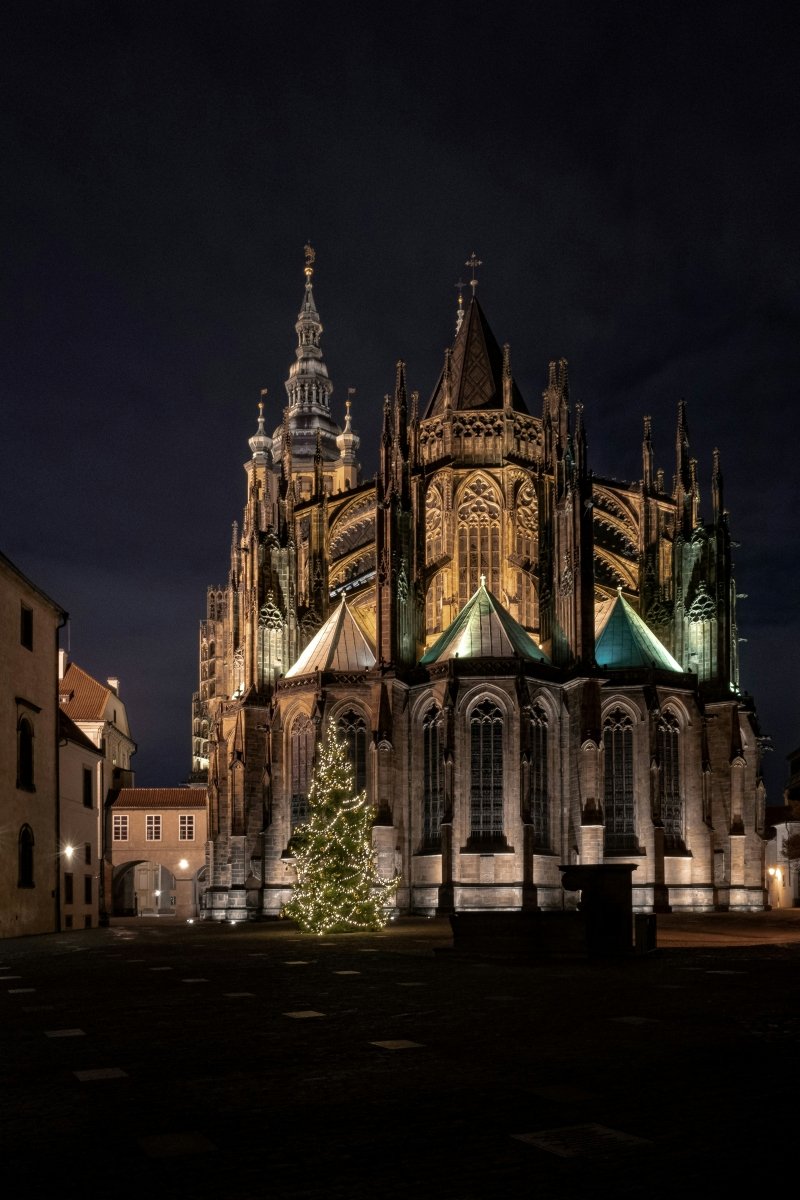
- Christmas Mass at St. Vitus Cathedral (December 24, tickets required)
- New Year’s fireworks over Charles Bridge (December 31)
- Three Kings Day markets wind down (January 6)
Prague’s Christmas markets stay open until early January, unlike German markets that close December 24.
Useful Information
- Prague uses Czech koruna (CZK), not euros; credit cards widely accepted
- Taxis can overcharge tourists; use Uber/Bolt or ask hotels to order taxis
- “Dobrý den” (hello) and “děkuji” (thank you) go far with locals
- Excellent public transport; buy tickets before boarding trams/metro
- Petty theft exists in tourist areas; watch belongings in crowds
- Many museums close Mondays; plan accordingly
4. Sweden – St. Lucia Day & Soft Nordic Christmas Charm
User Rating: ★★★★☆ (4.5/5—loved for unique traditions and cozy atmosphere)
Swedish Christmas is different. Forget flashy lights and commercial excess—this is about mysig (Swedish coziness), candlelight, and traditions that pre-date Christianity. It’s quieter, more introspective, and utterly enchanting if you embrace the Nordic aesthetic.
Highlights
Stockholm’s Gamla Stan (Old Town) feels like a storybook setting with its ochre and rust-red buildings dusted with snow. The Nobel Prize ceremony (December 10) brings international glamour, while traditional markets sell handcrafted Swedish goods.
But Sweden’s real Christmas magic happens in smaller settings: Skansen Open-Air Museum in Stockholm recreates historical Swedish Christmas traditions, while cities like Gothenburg and Malmö offer charming markets without Stockholm’s crowds.
The Swedish emphasis on lagom (just right, balanced) means Christmas here never feels overwhelming. It’s intentionally understated—and surprisingly powerful because of it.
Local Traditions
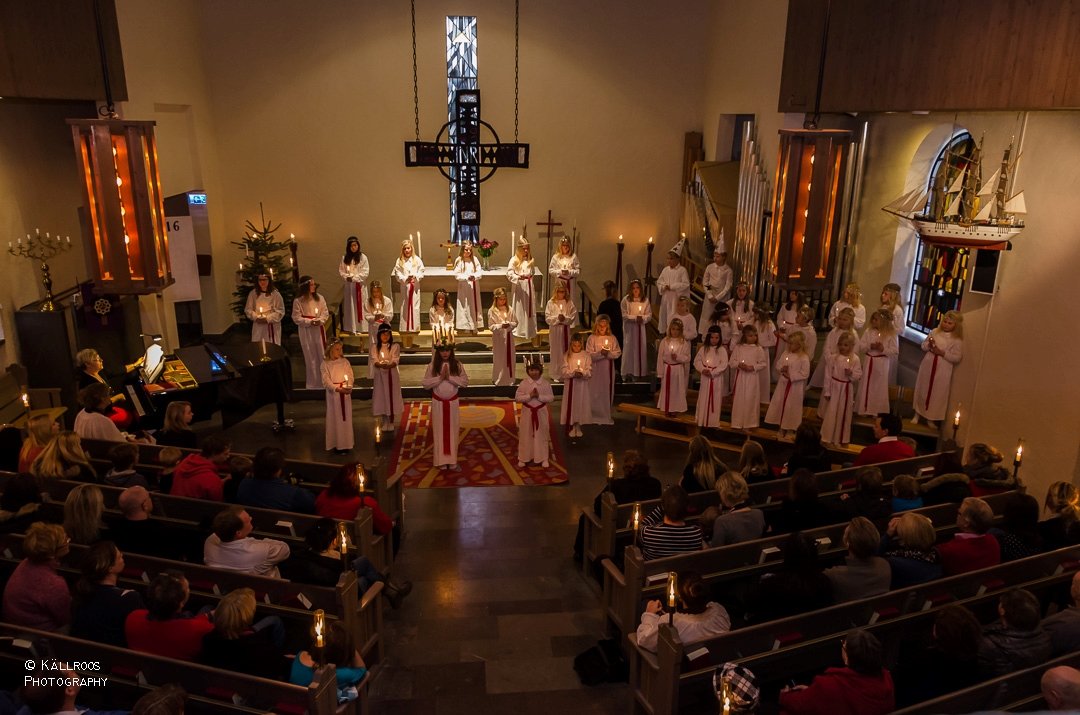
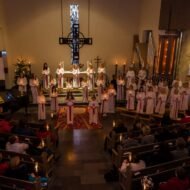
St. Lucia Day (December 13) is Sweden’s most photogenic tradition. Before dawn, girls dressed in white robes with candle crowns lead processions singing traditional Lucia songs. Schools, churches, and even workplaces host Lucia celebrations. It’s a pre-Christian light festival Christianized over centuries, marking the darkest point of winter with candlelight and song.
Advent begins with the first of four Sunday candles and accelerates with “Lilla Julafton” (Little Christmas Eve) on December 23—the day for decorating, baking, and building anticipation.
Christmas Eve is the main event. Families watch “Kalle Anka” (Donald Duck Christmas special)—yes, a 1960s Disney compilation that 40% of Sweden watches annually at 3 PM. It’s bizarre, beloved tradition.
Tomte (gnome-like creatures) supposedly live in homes and barns, protecting families. Christmas decorations feature these red-capped figures everywhere.
Outdoor Activities & Skiing
Sweden offers two winter sports worlds: easily accessible areas near cities and remote wilderness experiences in Lapland.
Åre in central Sweden is Scandinavia’s largest ski resort, comparable to Alpine resorts with 89 lifts and slopes, plus charming village atmosphere. The season runs into May thanks to northern latitude.
Sälen provides family-friendly skiing closest to Stockholm and Oslo. Idre Fjäll offers affordable options with guaranteed snow.
For something extraordinary, Swedish Lapland delivers arctic experiences: dog sledding, northern lights hunts, ice hotels, and wilderness skiing. Kiruna and Abisko are popular bases.
Cross-country skiing is the national sport. Virtually every Swedish town maintains lit trails (“elljusspår”) for evening skiing—locals ski to work, the gym, or to visit friends.
Budget Considerations
Upper-mid budget: €120-180/day per person
Sweden is expensive but manageable with planning. The strong Swedish crown means dining out costs significantly more than central Europe.
Budget strategies:
- Book hotels/hostels with breakfast included (saves €10-15/day)
- Supermarkets (ICA, Coop, Hemköp) offer quality prepared foods
- Fika (coffee break) at cafés costs less than full meals
- SL cards in Stockholm offer unlimited transport for 72 hours (good value)
- Many museums have free admission days or evening hours
- Allemansrätten (Right to Roam) lets you camp/hike freely
Skiing: Lift passes run €40-60/day, comparable to Alps but with simpler, less crowded slopes.
Food You Can’t Miss
Julbord (Christmas buffet) is Sweden’s culinary centerpiece—an elaborate spread that makes Thanksgiving dinner look minimalist. Traditional julbord includes:
- Julskinka: Christmas ham, mustard-glazed and central to celebrations
- Gravlax: Cured salmon, typically with dill
- Pickled herring: Multiple preparations (curry, mustard, onion)
- Meatballs (köttbullar) & sausages
- Janssons frestelse: Anchovy and potato casserole
- Lutfisk: Lye-treated dried fish (acquired taste, controversial even among Swedes)
- Rice pudding: Hide one almond; whoever finds it marries next year
Glögg (mulled wine) comes with raisins and almonds added to the cup. Julmust (a sweet, non-alcoholic malt drink) outsells Coca-Cola in December—Swedes are fiercely loyal to this holiday beverage.
Don’t skip pepparkakor (ginger snaps) and lussekatter (saffron buns shaped like S-curves, eaten especially on St. Lucia Day).
Cultural Aspects
Swedish Christmas reflects Jantelagen—cultural modesty discouraging showiness. Decorations lean toward natural materials: straw ornaments, wooden figures, and candles rather than LED explosions.
The fika tradition—coffee breaks with pastries—intensifies during Christmas. Swedes bake seven types of Christmas cookies (“sju sorters kakor”), and sharing these over coffee is serious business.
Midwinter darkness shapes Swedish Christmas. At Stockholm’s latitude, December daylight lasts about 6 hours. Candles aren’t decorative; they’re psychological necessities. Advent stars hang in virtually every window, creating a collective display of light against darkness.
Swedes value lugn och ro (peace and quiet) during holidays. Christmas Day is genuinely quiet—shops close, streets empty, and families retreat into private celebrations.
Events & Timing
Optimal visit: December 1-26 (especially December 13 for St. Lucia Day)
Key events:
- Nobel Prize ceremony and banquet (December 10, Stockholm)
- St. Lucia celebrations (December 13, citywide)
- Stockholm Christmas Market at Stortorget (Old Town, throughout December)
- Skansen Christmas Market (weekends, late November-December 23)
- Gothenburg Christmas Market at Liseberg (one of Europe’s largest, through December)
- New Year’s fireworks at Skansen (broadcast nationally)
Useful Information
- Sweden uses Swedish krona (SEK); cards accepted everywhere
- Tipping: round up or add 10% if service was excellent (not obligatory)
- Nearly everyone speaks excellent English
- Stockholm’s archipelago is stunning in winter but dress warmly
- SJ trains are comfortable but book ahead for Christmas period travel
- Systembolaget (state alcohol monopoly) has limited holiday hours; plan ahead
- Days are very short; plan indoor activities for dark afternoons
5. Spain – Three Kings Day & Late-Season Festivities
User Rating: ★★★★☆ (4.4/5—unique for extending celebrations into January)
Spain flips the Christmas script. While northern Europe winds down after December 25, Spain’s celebrations are just hitting stride. Christmas here stretches through Epiphany (January 6), with milder weather, incredible food traditions, and festivities that feel genuinely joyful rather than commercially obligatory.
Highlights
Spain’s Christmas markets are smaller and less famous than German counterparts, but cities like Barcelona, Madrid, and Seville compensate with spectacular nativity scenes, festive lighting, and holiday food markets.
Barcelona’s Fira de Santa Llúcia (operating since 1786) specializes in nativity figurines, including the infamous Caganer—a defecating figure hidden in nativity scenes (yes, seriously—it’s a Catalan tradition representing fertility and equality).
Madrid’s Plaza Mayor hosts a traditional Christmas market, while Sevilla offers a magical setting with Gothic cathedral, Moorish palace, and balmy December weather that lets you enjoy outdoor festivities without thermal gear.
Local Traditions
El Gordo lottery (December 22) is Spain’s massive Christmas lottery. Entire towns buy tickets collectively, and winners celebrate publicly with champagne and singing. It’s less about gambling and more about communal hope and celebration.
Nochebuena (Christmas Eve) centers on family dinners lasting hours, followed by Misa del Gallo (Rooster’s Mass) at midnight. Christmas Day is relatively quiet—many Spanish people rest after late-night celebrations.
But the main event is Día de Reyes (Three Kings Day, January 6). This is when Spanish children receive gifts, delivered by the three wise men rather than Santa Claus. Cabalgata de Reyes (Three Kings Parade) on January 5 features elaborate floats, costumed kings throwing candy to children, and city-wide celebration.
Children leave shoes on balconies with water and snacks for the kings’ camels. Morning brings gifts—or coal (actually sugar painted black) for naughty kids.
Outdoor Activities & Skiing
Spain surprises winter sports enthusiasts. The Pyrenees along the French border and Sierra Nevada near Granada offer excellent skiing with Spanish flair—think sunshine, tapas at mountain huts, and après-ski that’s more civilized lunch than drunken revelry.
Baqueira-Beret in the Catalan Pyrenees is Spain’s premier resort, favored by Spanish royalty. Formigal and Cerler offer extensive terrain with excellent facilities.
Sierra Nevada claims Europe’s southernmost skiing and highest resort elevation. You can ski in the morning and reach Mediterranean beaches by afternoon—Granada to Costa Tropical is 90 minutes.
The season typically runs December through April, with Christmas and New Year being prime (and pricey) periods.
Barcelona and Madrid offer ice skating rinks in central locations during the holiday season.
Budget Considerations
Mid-range budget: €70-130/day per person
Spain offers excellent value, especially compared to northern Europe. Regional differences matter—Barcelona and Madrid cost more than Andalusian cities like Granada or Seville.
Money-smart moves:
- “Menú del día” (daily lunch menu) provides 3 courses plus drink for €12-18
- Stay in “pensiones” or guesthouses for comfort at hostel prices
- Many museums offer free entry on Sundays or specific afternoons
- RENFE (Spanish rail) advance tickets save 40-60%
- Christmas markets sell food cheaper than restaurants
- Purchase Jamón Ibérico at supermarkets, not tourist shops
Skiing: Lift passes cost €40-55/day, comparable to Austria but with warmer temperatures and later sunsets.
Food You Can’t Miss
Spanish Christmas food deserves its own guidebook. Every region has specialties, but certain dishes appear nationwide:
Turrón: Spain’s signature Christmas sweet—nougat made from almonds, honey, and egg whites. Two main types: Turrón de Jijona (soft) and Turrón de Alicante (hard with whole almonds). Variations include chocolate, fruit, and modern flavors.
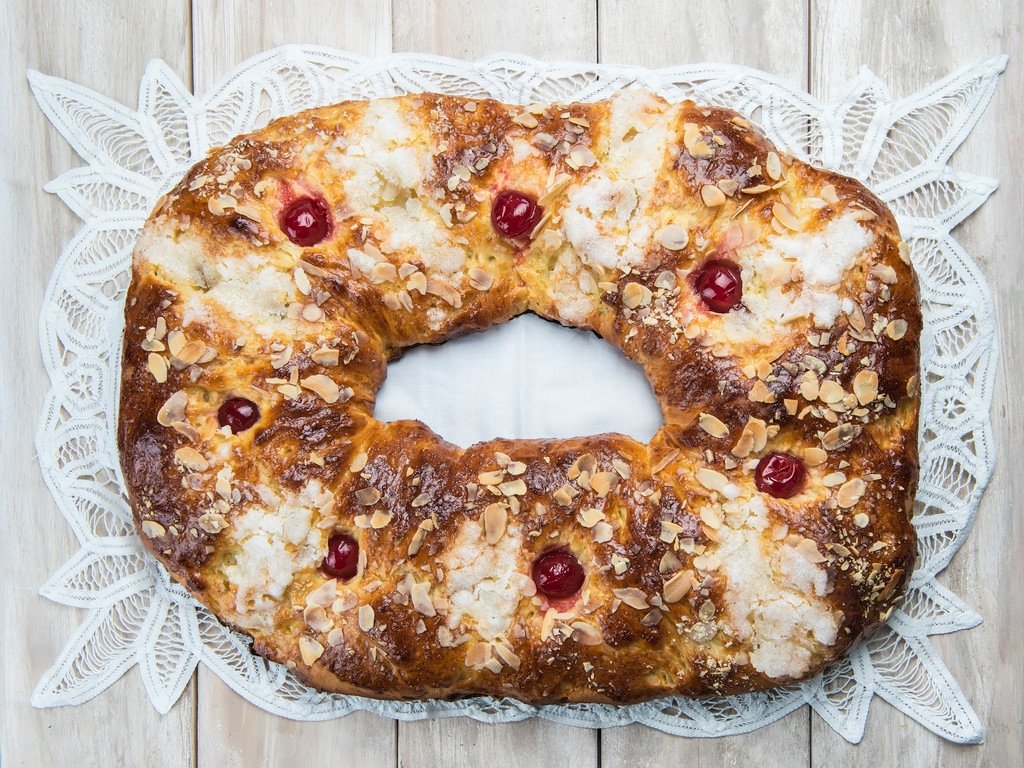
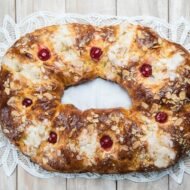
Roscón de Reyes: Oval-shaped sweet bread eaten on Three Kings Day, decorated with candied fruit resembling jewels. Contains hidden figurines; finding the king brings good luck, while the bean means you buy next year’s roscón.
Regional specialties:
- Cochinillo asado (roast suckling pig) in Castile
- Polvorones and mantecados: Crumbly almond cookies from Andalusia
- Seafood extravaganza: Prawns, lobster, percebes (goose barnacles), sea bass
- Cava: Spanish sparkling wine, perfect for toasts
- Turrones variety: Each Spanish region claims the best recipe
Christmas tapas crawls in cities like San Sebastián or Madrid offer festive small plates paired with wine—a more relaxed way to experience holiday foods.
Cultural Aspects
Spanish Christmas balances religious devotion with exuberant celebration. Belenes (nativity scenes) are serious artistic endeavors. Cities create elaborate displays; families craft their own with incredible detail.
The tradition of villancicos (Christmas carols) involves groups singing door-to-door, though this has declined in cities. Churches host carol concerts throughout December.
Sobremesa—the Spanish custom of lingering at tables after meals—extends to hours during Christmas. Meals aren’t just about food but conversation, family connection, and slowing down.
Spain’s late schedule means Christmas celebrations happen later than northern Europe. Dinner on Nochebuena might start at 10 PM, with midnight mass following. Three Kings parades begin around 6-7 PM but the evening extends late.
Events & Timing
Best period: December 20-January 6 (to capture Three Kings celebrations)
Major events:
- Christmas lottery “El Gordo” drawing (December 22, nationally televised)
- Nochebuena and Misa del Gallo (December 24, citywide)
- Día de los Inocentes (December 28, Spain’s April Fools’ Day)
- New Year’s Eve grape tradition (December 31, at midnight eat 12 grapes for luck—one per bell chime)
- Cabalgata de Reyes parades (January 5, every city and town)
- Día de Reyes gift-giving morning (January 6)
Barcelona’s Santa Llúcia Market runs from late November through December 23. Madrid’s ARCO contemporary art fair in late February attracts international visitors if you extend your trip.
Useful Information
- Spain uses euros; cards accepted widely in cities
- Tipping: 5-10% or rounding up is standard
- Siesta still exists; shops close 2-5 PM in smaller towns
- Spanish people speak less English than northern Europeans; learn basics
- Pickpockets target tourists in Barcelona and Madrid; stay aware
- Regional languages matter: Catalan in Barcelona, Basque in Bilbao, Galician in Santiago
- Spain’s excellent train network (AVE high-speed) connects major cities
Final Thoughts
Europe’s Christmas traditions offer something profound that’s increasingly rare: connections to centuries of history, culture, and community. Whether you’re gliding down Austrian Alps, sipping Glühwein in a 600-year-old German market, watching candle-crowned singers in Sweden, experiencing Prague’s fairytale charm, or eating 12 grapes at midnight in Spain, you’re participating in living traditions that have survived wars, revolutions, and modernization.
These aren’t museum exhibits—they’re evolving celebrations where locals genuinely participate. Yes, tourism has commercialized aspects, but core traditions remain authentic. German families still bake together using great-grandmother’s recipes. Czech children still get terrified by St. Nicholas’s devil companion. Swedish Lucia processions still mark the darkest days with candlelight. Spanish families still gather for hours-long Christmas Eve dinners.
The beauty of European Christmas is its diversity. Five countries, five entirely different approaches to celebrating the same season. Choose based on what calls to you: Alpine adventure, market hopping, budget travel, cultural immersion, or extended festivities.
Practical advice: book accommodations and flights 3-6 months ahead. December is peak season. Consider traveling early December for smaller crowds and lower prices while still catching the festive atmosphere. If skiing matters, prioritize Austria or Spain. For markets and traditions, Germany and Czech Republic deliver. For something different, Sweden offers a quieter, more introspective experience.
Pack layers—European winter varies wildly from Stockholm’s -10°C to Seville’s sunny 15°C. Bring comfortable waterproof boots; you’ll walk miles on cobblestones and through markets.
Most importantly: slow down. European Christmas rewards those who linger, who sit with coffee and cookies watching locals, who attend concerts in medieval churches, who chat with market vendors. This isn’t about checking boxes on an itinerary. It’s about feeling the weight of tradition, the warmth of community, and the magic that happens when entire cities pause to celebrate together.
Your Christmas in Europe won’t just be a vacation—it’ll be a story you’ll retell for decades. The one where you skied Austrian Alps before warming up with Glühwein. Where Prague’s astronomical clock chimed under snowfall. Where you finally understood why Germans take Christmas markets so seriously. Where Swedish Lucia singers made you cry despite not understanding the lyrics. Where Spanish children’s faces lit up as Three Kings threw candy from parade floats.
That’s the magic worth crossing continents for.
Disclaimer
Travel information accuracy: This guide reflects general information current as of 2025. Specific details—including prices, opening hours, event dates, and travel restrictions—change frequently. Always verify current information through official tourism websites, local authorities, and accommodation providers before finalizing travel plans.
Pricing: Quoted prices are estimates in euros for 2024-2025, subject to currency fluctuations, seasonal variations, and individual travel styles. Budget calculations assume mid-range accommodations and moderate dining; luxury or ultra-budget travel will differ significantly.
Safety and health: Travelers are responsible for checking current travel advisories, visa requirements, health recommendations, and insurance needs for their nationality and destinations. Winter weather can create hazardous conditions; exercise appropriate caution in winter sports activities.
Cultural sensitivity: Descriptions of traditions reflect general practices but may not represent all regional variations or individual experiences. Approach local customs with respect and openness to learning.
Skiing and outdoor activities: Winter sports carry inherent risks. Ensure appropriate insurance coverage, follow safety guidelines, and honestly assess your skill level. Conditions vary by season, weather, and location.
Accessibility: Not all historic Christmas markets and venues are fully accessible to people with mobility challenges. Contact specific locations ahead of time to inquire about accommodations.
Dietary needs: While this guide highlights traditional foods, most European cities now accommodate various dietary restrictions. Always communicate allergies and requirements clearly when dining out.
This guide aims to inspire and inform but cannot replace thorough personal research and preparation. Travel safely, respect local communities, and create your own magical European Christmas story.