














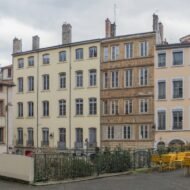













TL;DR: Skip the tourist traps of major capitals and dive into Europe’s incredible second cities where authentic flavors, innovative chefs, and local food cultures thrive. From Lyon’s legendary bouchons to Bilbao’s pintxos paradise, these destinations offer world-class dining without the crowds—and your wallet will thank you too.
You know what? Everyone talks about Paris, Rome, and Barcelona when it comes to European food scenes. But here’s the thing—some of the most mind-blowing culinary experiences are happening in Europe’s “second cities.” These places have all the passion for food without the tourist markup, plus you’ll actually get to eat where locals hang out instead of fighting for a table next to someone taking Instagram photos of their pasta.
After extensive research and considering feedback from food enthusiasts across Europe, here are the top 5 second cities that’ll make your taste buds absolutely sing, ranked by foodie travelers who’ve actually been there and done that.
1. Lyon, France 🥇
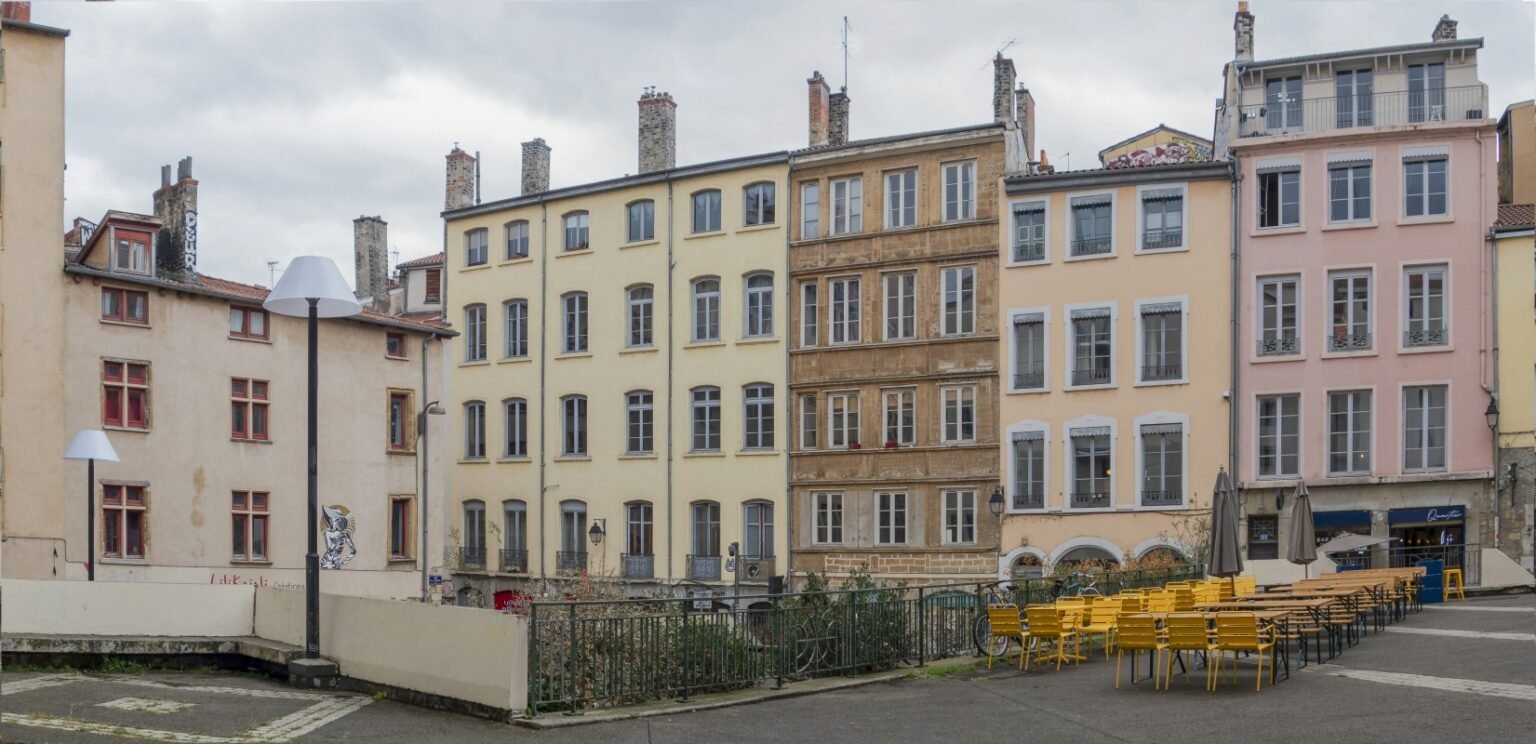
The Undisputed Food Capital of France
Why Lyon Rules the Food Scene
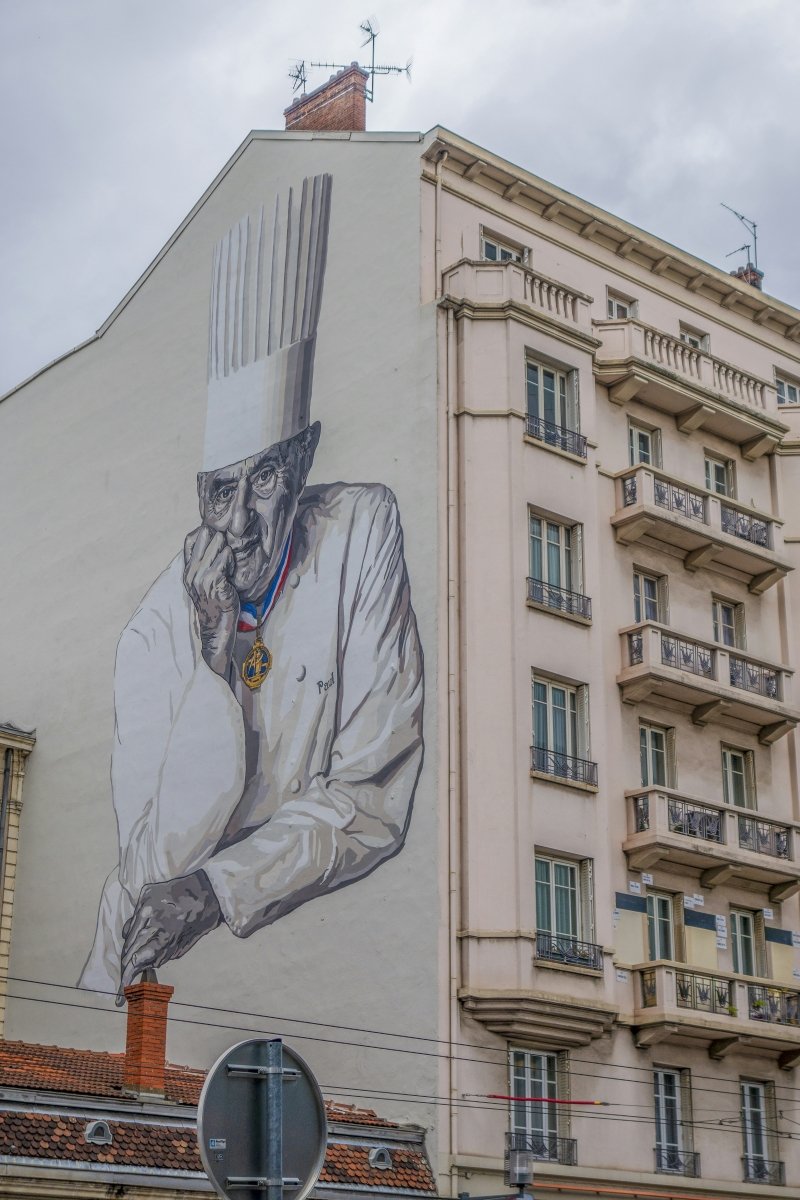
Lyon is known as the culinary hotspot of France and the birthplace of Nouveau Cuisine, which basically means if you’re serious about food, you need to get here. This isn’t just hype—Lyon has legendary chef Paul Bocuse leading the city to maintain incredibly high culinary standards, with amazing restaurants serving the best food in the region.
What Makes It Special:
- Bouchons: These traditional eateries serve hearty Lyonnais cuisine with rich ingredients like butter, cream, and wine—comfort food that’ll ruin you for anywhere else
- Market Culture: Les Halles de Lyon Paul Bocuse is where local chefs shop, so you know it’s the real deal
- Wine Access: You’re literally between Beaujolais and Burgundy regions—need we say more?
Must-Try Local Specialties
- Quenelle de Brochet: Pike dumplings in creamy sauce (sounds weird, tastes incredible)
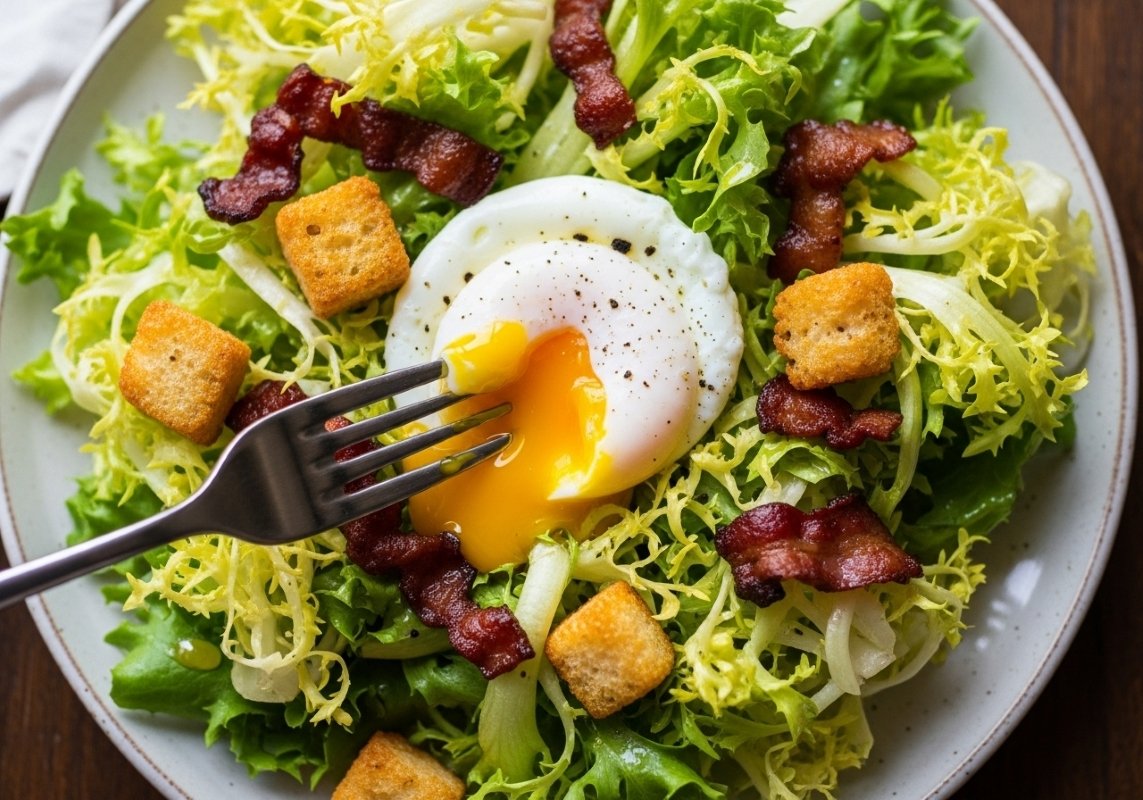
- Salade Lyonnaise: Frisée with bacon, croutons, and a poached egg that breaks just right
- Coq au Vin: The definitive version of this classic dish
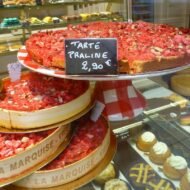
- Tarte à la Praline: Pink praline tart that’s basically edible art
Where to Eat
- Paul Bocuse: If you’re splurging, this is your moment
- Local Bouchons: Ask any local—they’ll point you to their favorite hidden gem
- Covered Markets: Perfect for assembling picnic spreads or just grazing
Insider Tips
- Visit during Beaujolais Nouveau season (November) for epic wine events
- Many bouchons are closed Sundays and Mondays—plan accordingly
- Lunch is often better value than dinner at high-end spots
2. Bilbao, Spain 🥈
The Basque Country’s Crown Jewel
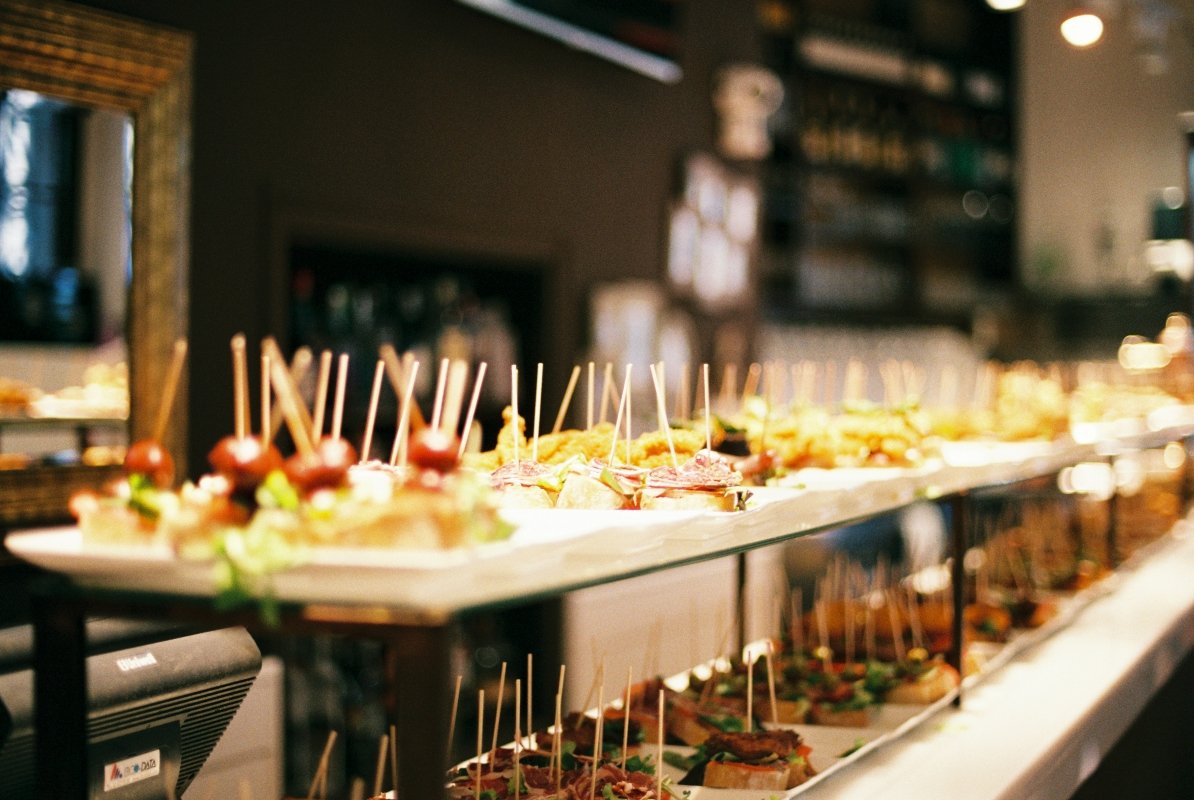
The Pintxos Paradise
The Basque Country is a foodie heaven with Michelin-star studded San Sebastian, culture-hotspot Bilbao, and the Rioja wine region nearby. But here’s why Bilbao edges out its more famous neighbor: it’s got the same incredible food culture without feeling like a food theme park.
What Makes It Special:
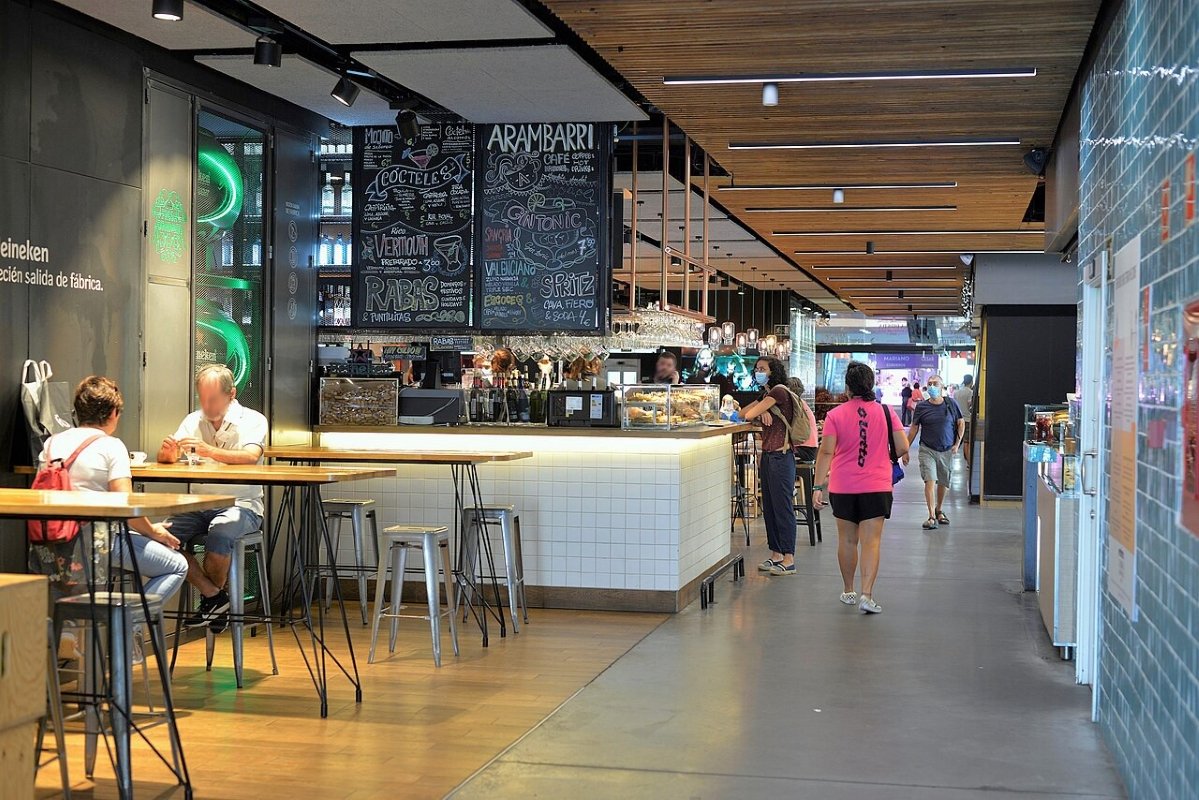
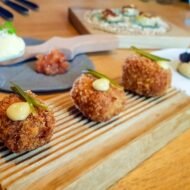
- Pintxos Culture: These aren’t your average tapas—think gourmet small plates that showcase serious culinary skills
- Fresh Seafood: Being near the coast means the catch of the day is actually from today
- Innovation Meets Tradition: Modern Basque cuisine alongside centuries-old recipes
Must-Try Local Specialties
- Bacalao al Pil Pil: Salt cod in a garlic and olive oil emulsion that’ll make you question everything
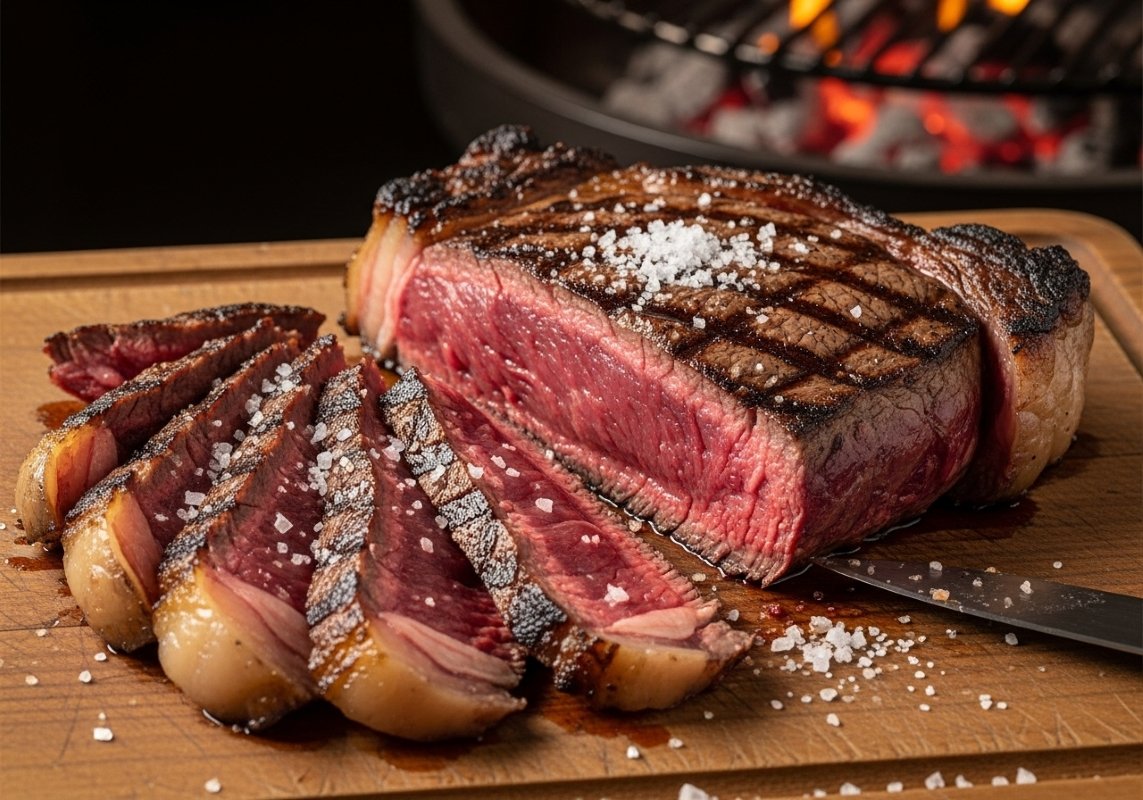
- Txuleta: Massive aged beef steaks grilled over charcoal
- Pintxos Crawl: Hop between bars trying different specialties with local Txakoli wine
- Idiazábal Cheese: Smoky sheep’s milk cheese that pairs perfectly with local cider
Where to Eat
- Casco Viejo (Old Town): The epicenter of pintxos culture
- Mercado de la Ribera: One of Europe’s largest covered markets
- Modern Restaurants: The city’s contemporary dining scene is seriously underrated
Insider Tips
- Evening pintxos crawls start around 7 PM—embrace the late Spanish dining schedule
- Many bars put out their best pintxos before lunch and early evening
- Learn the local etiquette: keep your napkins and toothpicks so the bartender can count them for your bill
3. Bologna, Italy 🥉
La Grassa (The Fat One)
The Pasta Capital of the Universe
Bologna, the medieval city home to the world’s oldest university, is famous for spaghetti bolognese and so much more. This city takes its food so seriously that they actually have legal protections for how certain dishes must be prepared.
What Makes It Special:
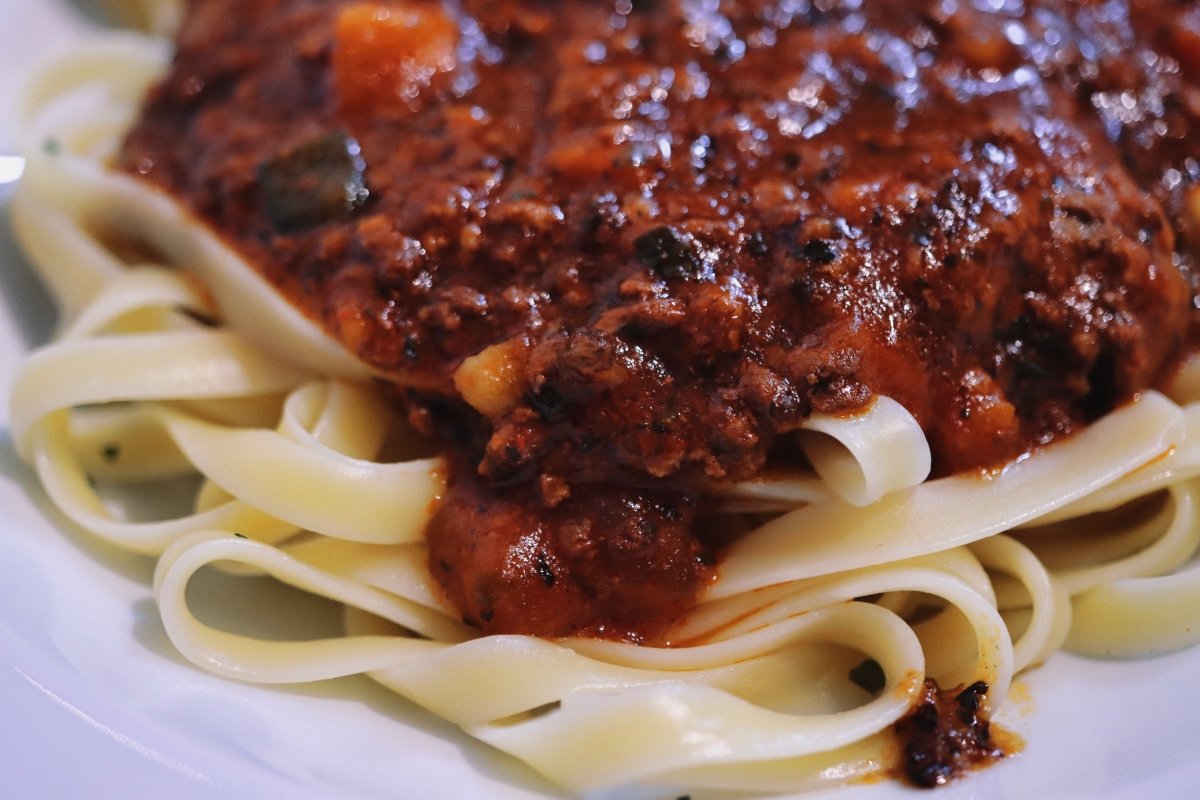
- Pasta Perfection: Home to tagliatelle, tortellini, and the original Bolognese sauce
- Mortadella Heritage: This isn’t your grocery store lunch meat—it’s an art form here
- University Town Energy: Students keep the food scene vibrant and affordable
- Portico Culture: Covered walkways connect the entire city, perfect for food market hopping
Must-Try Local Specialties
- Tagliatelle al Ragù: The REAL Bolognese sauce (and it doesn’t go on spaghetti, thanks)
- Tortellini in Brodo: Hand-folded pasta in rich broth—pure comfort
- Mortadella: Get it sliced thick and taste the difference quality makes
- Crescentina: Flatbread that’s perfect for making sandwiches with local meats and cheeses
Where to Eat
- Osteria del Sole: Bring your own food, they provide wine and atmosphere
- Quadrilatero Market: Historic food market in the heart of the city
- University Quarter: Where students eat = where you’ll find authentic, affordable meals
Insider Tips
- Many traditional restaurants close in August—plan around this if visiting in summer
- Lunch is typically 12:30-2:30 PM, dinner starts around 7:30 PM
- Quality varies wildly near tourist sites—venture into residential neighborhoods
4. Graz, Austria 🏅
The Hidden Alpine Gem
Austria’s Best-Kept Culinary Secret
Graz might not be on your foodie radar yet, but the city offers seasonal dishes with modern twists at Michelin-starred restaurants like dreizehn by Gauster. This UNESCO World Heritage city combines Austrian heartiness with innovative cooking that’ll surprise you.
What Makes It Special:
- Styrian Cuisine: Unique regional dishes you won’t find anywhere else
- Pumpkin Seed Oil: Liquid green gold that transforms everything it touches
- Wine Region Access: Surrounded by some of Austria’s best vineyards
- Student City Vibe: University keeps things fresh and affordable
Must-Try Local Specialties
- Steirisches Kürbiskernöl: Pumpkin seed oil drizzled on everything from salads to ice cream
- Verhackertes: Chopped pork seasoned with pumpkin seed oil and served with dark bread
- Backhendl: Austrian fried chicken that’s crispy perfection
- Schilcher: Local rosé wine that’s perfect with the hearty local cuisine
Where to Eat
- Farmer’s Markets: Saturday market at Kaiser-Josef-Platz is legendary
- Traditional Gasthauses: Family-run spots serving multi-generational recipes
- Modern Austrian: New generation of chefs putting creative spins on classics
Insider Tips
- Pumpkin harvest season (September-November) is peak time for local specialties
- Many restaurants close between lunch and dinner—plan accordingly
- Local wine tours are incredibly affordable compared to other Austrian regions
5. Ljubljana, Slovenia 🎯
The Underdog Champion
Central Europe’s Emerging Food Scene
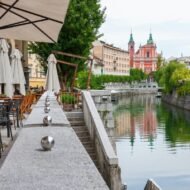
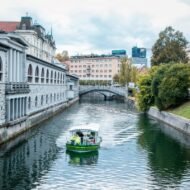
Ljubljana is having a major culinary moment right now. This charming capital (yes, it’s technically a capital, but feels like a cozy second city) is where Mediterranean, Alpine, and Balkan cuisines collide in the most delicious ways possible.
What Makes It Special:
- Fusion Without Confusion: Three culinary traditions blend naturally here
- Farm-to-Table Philosophy: Shorter supply chains mean fresher ingredients
- Emerging Wine Scene: Slovenian wines are seriously underrated and incredibly affordable
- Car-Free City Center: Perfect for food crawling without traffic stress
Must-Try Local Specialties
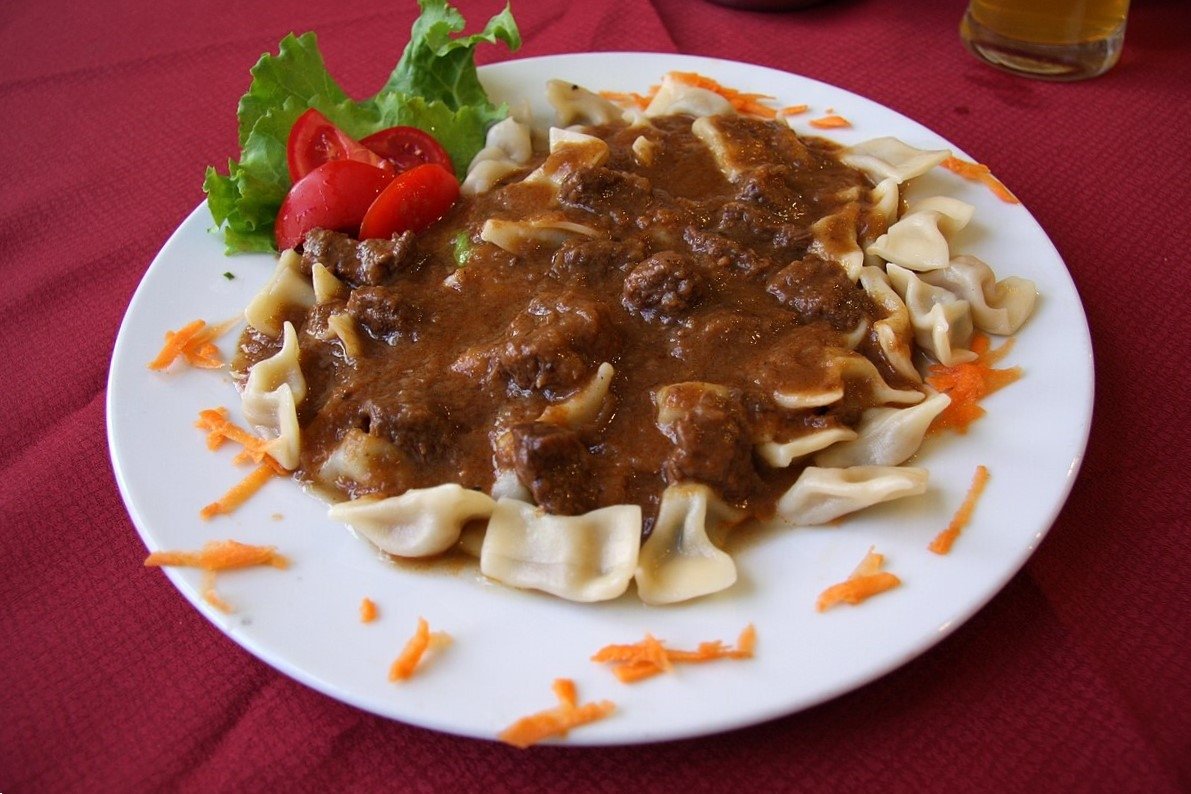
- Štruklji: Rolled dumplings that can be sweet or savory—comfort food perfection
- Idrijski Žlikrofi: UNESCO-protected dumplings filled with potato and herbs
- Bled Cream Cake: If you take a day trip to Lake Bled, this is mandatory
- Local Wines: Rebula and Pinot Grigio from nearby vineyards
Where to Eat
- Central Market: Jože Plečnik’s architectural masterpiece filled with local producers
- Metelkova District: Alternative neighborhood with innovative restaurants
- Wine Bars: Incredible selection of local wines you’ve never heard of
Insider Tips
- Many restaurants offer excellent value lunch menus on weekdays
- The city is small enough to walk everywhere—perfect for working off meals
- Local wines cost a fraction of what you’d pay for similar quality elsewhere
Planning Your European Foodie Adventure
Getting Around
Most of these cities are well-connected by budget airlines or scenic train routes. Consider creating a food-focused itinerary hitting 2-3 cities for a proper culinary tour.
Budget Tips
- Second cities generally offer 30-50% better value than major capitals
- Look for lunch menus at upscale restaurants for high-end dining on a budget
- Local markets and food halls offer amazing value for breakfast and light meals
- Student areas consistently have the best price-to-quality ratio
Cultural Considerations
- Dining times vary significantly—research local customs
- Tipping practices differ across countries
- Many traditional restaurants close between lunch and dinner
- Sunday closures are common in smaller establishments
What to Pack
- Comfortable walking shoes for market exploration
- Slightly dressier clothes for evening dining
- Appetite for adventure—these cities reward culinary curiosity
Final Thoughts
These five second cities prove that the best food experiences often happen away from the spotlight. You’ll eat better, spend less, and actually interact with locals instead of just taking photos of your food. Each destination offers something unique while delivering that authentic European food culture that’s becoming harder to find in major tourist centers.
Whether you’re dreaming of Lyon’s buttery bouchon cuisine, Bilbao’s innovative pintxos, Bologna’s pasta perfection, Graz’s pumpkin seed oil magic, or Ljubljana’s emerging wine scene, these cities deliver culinary adventures that’ll stick with you long after you’ve returned home.
Ready to eat your way through Europe’s best-kept secrets? Your taste buds will thank you, your wallet will thank you, and you’ll have stories that go way beyond “I ate pasta in Rome.” Trust us—this is how you do European food travel right.
Bon appétit, buen provecho, buon appetito, guten Appetit, and dober tek!
Disclaimer
This travel guide is for informational purposes only and based on research current as of July 2025. Restaurant availability, prices, opening hours, and local regulations may change without notice. We strongly recommend verifying current information directly with establishments and local tourism boards before traveling. Travel requirements, including visas, health protocols, and safety guidelines, vary by destination and nationality—please consult official government sources and your travel insurance provider. While we strive for accuracy, we cannot guarantee the completeness or timeliness of all information. Travelers are responsible for their own safety, health precautions, and compliance with local laws and customs. Food allergies, dietary restrictions, and personal health conditions should be discussed with establishments and healthcare providers as needed.