


















Forget Paris, Rome, and Barcelona for a hot minute. These tiny wine villages pack more charm per square meter than any capital city – plus you get to drink your way through centuries of history.
Picture this: cobblestone streets that have witnessed Roman legions and medieval merchants, cellars that house liquid gold aged to perfection, and locals who treat wine-making like a sacred art passed down through generations. These aren’t your typical tourist traps – they’re living, breathing pieces of European heritage where every sip tells a story.
Whether you’re rolling up in a campervan, seeking that perfect romantic getaway, or just want to trade museum queues for vineyard views, these seven wine villages will completely change how you think about European travel.
1. Saint-Émilion, Bordeaux, France
Where Medieval Monks Created Liquid Poetry
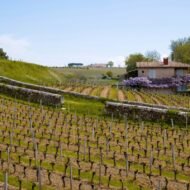
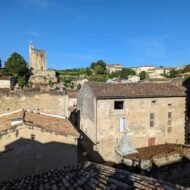
Saint-Émilion isn’t just pretty – it’s UNESCO World Heritage Site pretty. This medieval hilltop town has been perfecting wine since the 8th century, when a Breton monk named Émilion decided this limestone plateau was heaven on earth.
The Legend Behind the Label Local folklore says Émilion performed miracles here, including making spring water flow from solid rock. Whether you believe in miracles or not, one sip of Saint-Émilion’s Merlot-based blends and you’ll understand why people have been making pilgrimages here for over a millennium.
What Makes It Special Those famous underground limestone caves aren’t just Instagram-worthy – they’re working cellars where some of the world’s most expensive wines age in perfect conditions. The monolithic church, carved entirely from limestone, hosts concerts that’ll give you goosebumps even before the wine kicks in.
Stay & Play
- Accommodation: Boutique hotels like Hostellerie de Plaisance offer vineyard views, while budget travelers love the charming B&Bs scattered through the village
- Campervan Friendly: Aire de camping-car just outside town with easy walking access
- Summer Vibes: Jazz festival in July, harvest celebrations in September
- Winter Magic: Fewer crowds mean intimate cellar tours and cozy fireside tastings
Pro tip: Book the underground cellar tour – it’s like exploring a wine cathedral.
2. Barolo, Piedmont, Italy
The King of Wines in a Fairy Tale Setting
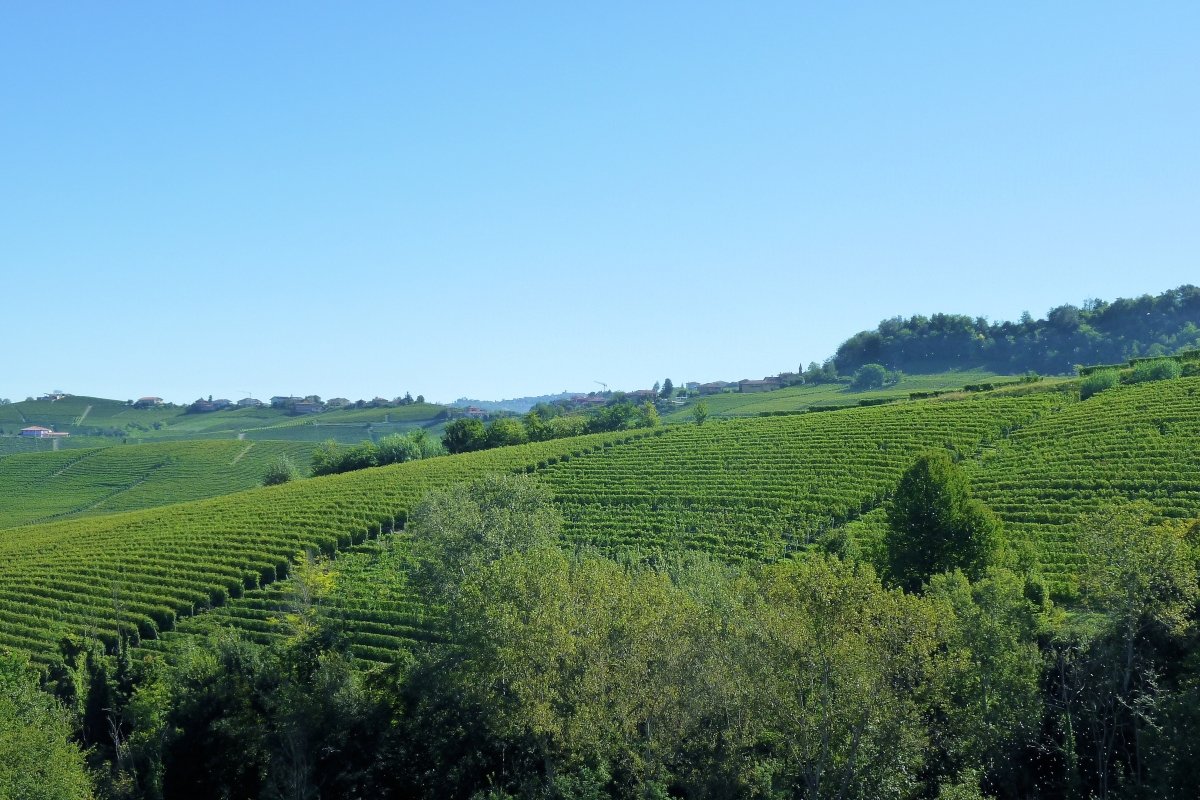
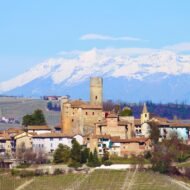
Barolo might be tiny (we’re talking 700 residents), but it punches way above its weight in the wine world. This is where Nebbiolo grapes transform into “the wine of kings and the king of wines.”
Royal Connections & Local Lore The Marquise of Barolo literally changed wine history in the 1840s when she hired French consultants to perfect the wine-making process. Legend has it she was trying to impress the King of Sardinia – mission accomplished, considering Barolo became Italy’s first DOCG wine.
What You Can’t Miss The medieval castle now houses a wine museum that’s surprisingly fun (even for non-wine nerds). The views from the hilltop village stretch across vineyard-covered hills that look like they’ve been painted by someone with serious artistic skills.
Your Home Base
- Where to Sleep: Converted farmhouses (agriturismos) offer authentic experiences, or splurge on Relais San Maurizio for spa luxury
- Campervan Spots: Several family-owned vineyards welcome self-contained vehicles
- Summer Highlights: White truffle season (October-November) is pure foodie heaven
- Winter Wonders: Cozy wine bars and the famous fog (nebbia) that gives Nebbiolo its name
Don’t leave without trying the local tajarin pasta – those golden threads pair perfectly with Barolo.
3. Haro, La Rioja, Spain
Where Wine Wars Are Fought With Good Humor
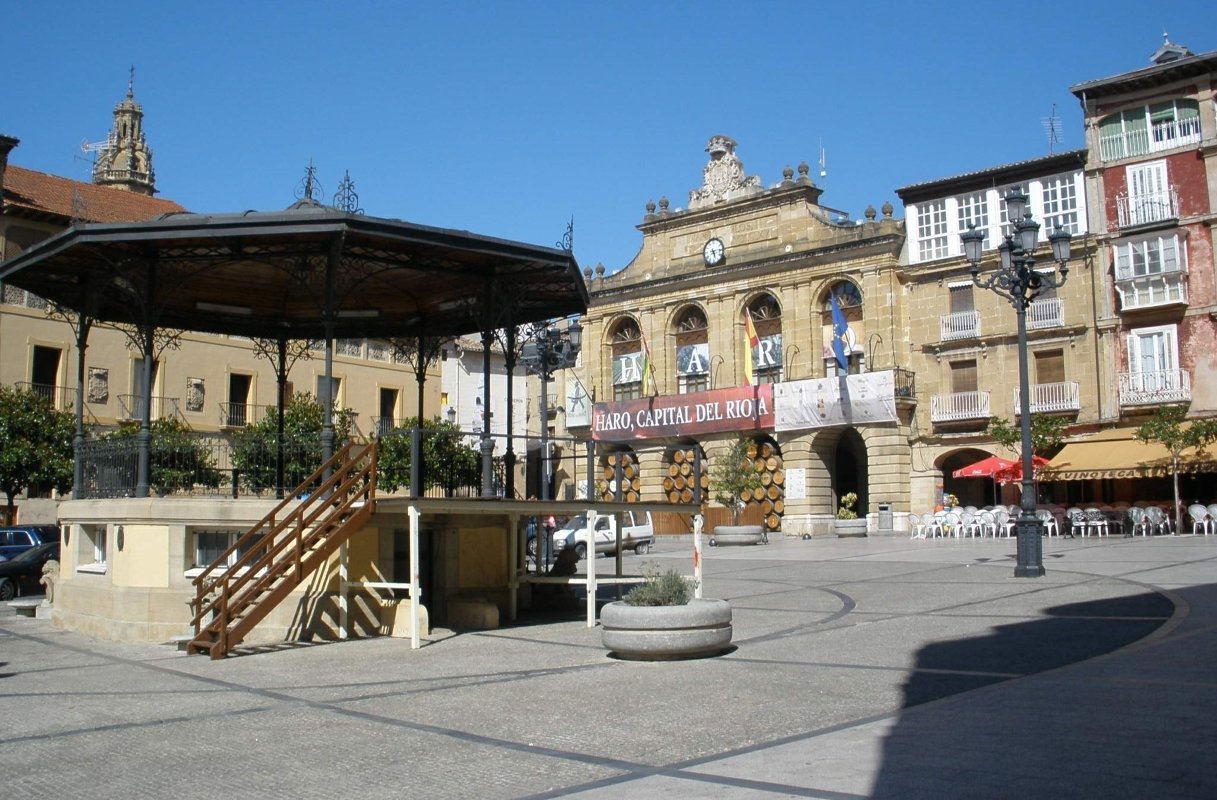
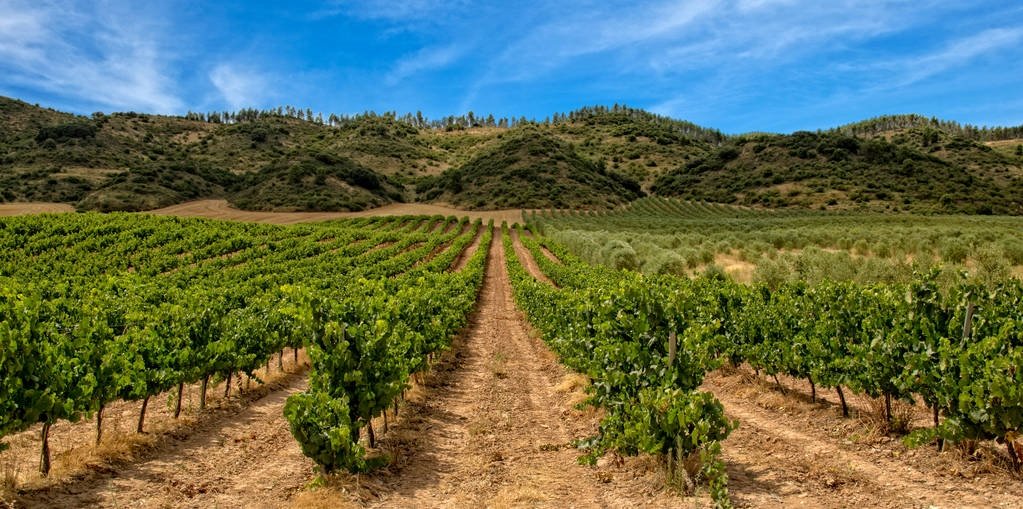
Haro is La Rioja’s unofficial wine capital, and trust us, they take that title seriously. This is where Spanish wine-making tradition meets serious fun – think centuries-old bodegas and the world’s messiest wine festival.
Battle of Wine (Yes, Really) Every June 29th, Haro hosts Batalla del Vino, where locals dress in white and literally throw wine at each other. It started as a territorial dispute in the 12th century and somehow evolved into the world’s most delicious food fight. You’ve been warned – and you’re welcome.
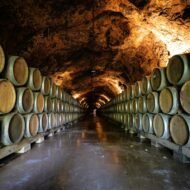
Bodega Central The old town’s “Barrio de la Estación” houses legendary bodegas like López de Heredia, where they still age wines in underground caves built in 1877. The labels are hand-painted, the cellars are candlelit, and everything feels delightfully unchanged.
Planning Your Visit
- Sleep Tight: Parador hotels offer historic luxury, while family-run pensiones provide authentic local charm
- Campervan Life: Municipal campsite with vineyard views, plus several wineries offer overnight parking
- Festival Season: Besides the wine battle, harvest festivals run September through October
- Quieter Times: Winter visits mean personal attention from winemakers and cozy tastings
Book ahead for harvest season – helping with the vendimia is an unforgettable experience.
4. Cochem, Mosel Valley, Germany
Fairy Tale Castles Meet Liquid Sunshine
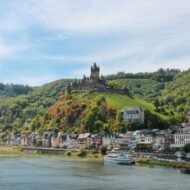
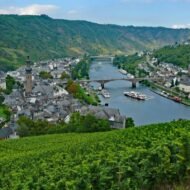
Cochem looks like someone built a Disney castle in the middle of Germany’s most scenic wine region – which is basically what happened. This medieval town sits on a dramatic bend in the Mosel River, surrounded by impossibly steep vineyards that somehow produce some of the world’s best Rieslings.
Castle Tales & Riesling Legends The Reichsburg castle, perched 300 feet above the river, was destroyed by French troops in 1689 and rebuilt in neo-Gothic style in the 1870s. Local winemakers swear the castle’s presence creates a unique microclimate that makes their Rieslings extra special – we’re not arguing with results this good.
Steep Slopes, Sweet Rewards Those nearly vertical vineyards aren’t just for show – they catch maximum sunlight, which is why Mosel Rieslings have that perfect balance of sweetness and acidity. Plus, the slate soil adds mineral notes that sommeliers rave about.
Your German Adventure
- Traditional Stays: Half-timbered guesthouses and river-view hotels capture the fairy tale vibe perfectly
- Campervan Central: Multiple stellplätze (campervan sites) along the river, some right in vineyard settings
- Summer Fun: River cruises, hiking trails, and open-air wine festivals
- Winter Charm: Christmas markets and gemütlich wine taverns (weinstuben) with roaring fires
Take the chairlift up to Pinnerkreuz for panoramic views – bring a bottle for the ultimate picnic.
5. Épernay, Champagne, France
Where Bubbles Meet Boulevard Luxury
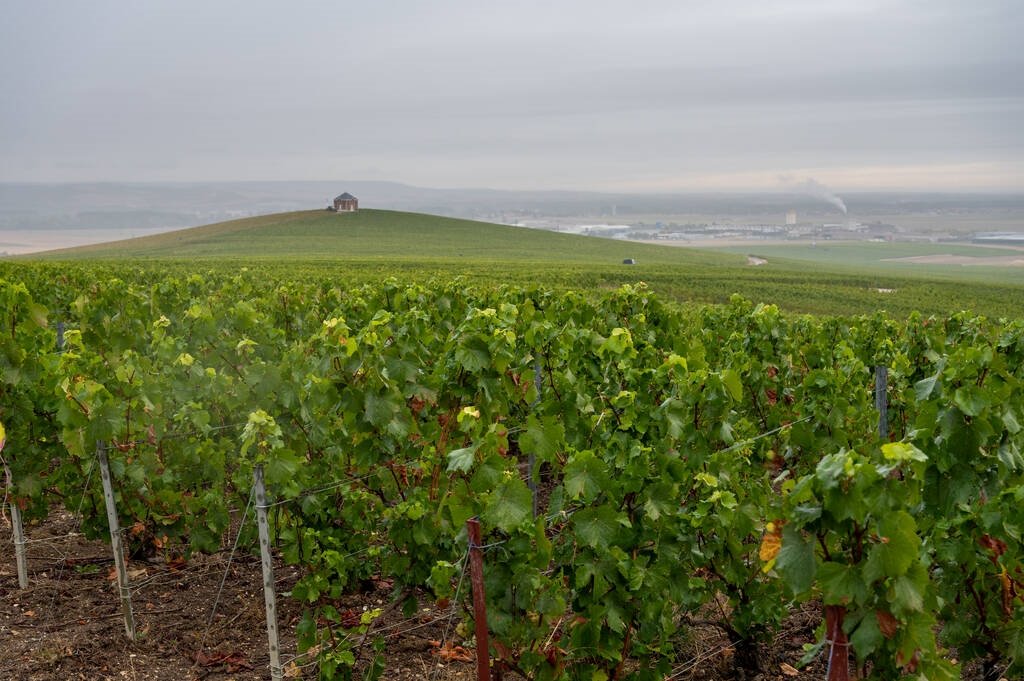
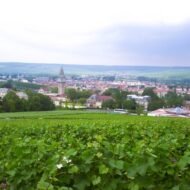
Épernay might not be as famous as Reims, but it’s got something even better – the Avenue de Champagne, literally the most expensive street in the world thanks to the billions of bottles aging in cellars beneath your feet.
Dom Pérignon’s Playground This is where Dom Pérignon supposedly exclaimed “I am drinking stars!” when he first tasted champagne in 1693. Whether he actually said it or not, standing in those same cellars still gives you chills. The monk’s grave is right here in the village – talk about drinking with history.
Champagne Houses & Hidden Gems Sure, everyone knows Moët & Chandon, but smaller houses like Pol Roger and De Castellane offer more intimate experiences. Some of the best champagne comes from tiny family producers who’ve been perfecting their craft for generations.
Bubbles & Accommodation
- Luxury Living: Stay at Les Crayères for Michelin-starred dining, or choose boutique champagne hotels
- Budget Bubbles: Family-run chambres d’hôtes often include tastings with breakfast
- Campervan Culture: Several aires near champagne houses welcome visitors
- Year-Round Sparkle: Harvest festivals in September, winter cellar tours, spring vineyard walks
Join a sabrage lesson – opening champagne with a sword is easier than you think and way more fun.
6. Montepulciano, Tuscany, Italy
Renaissance Beauty Meets Noble Wine
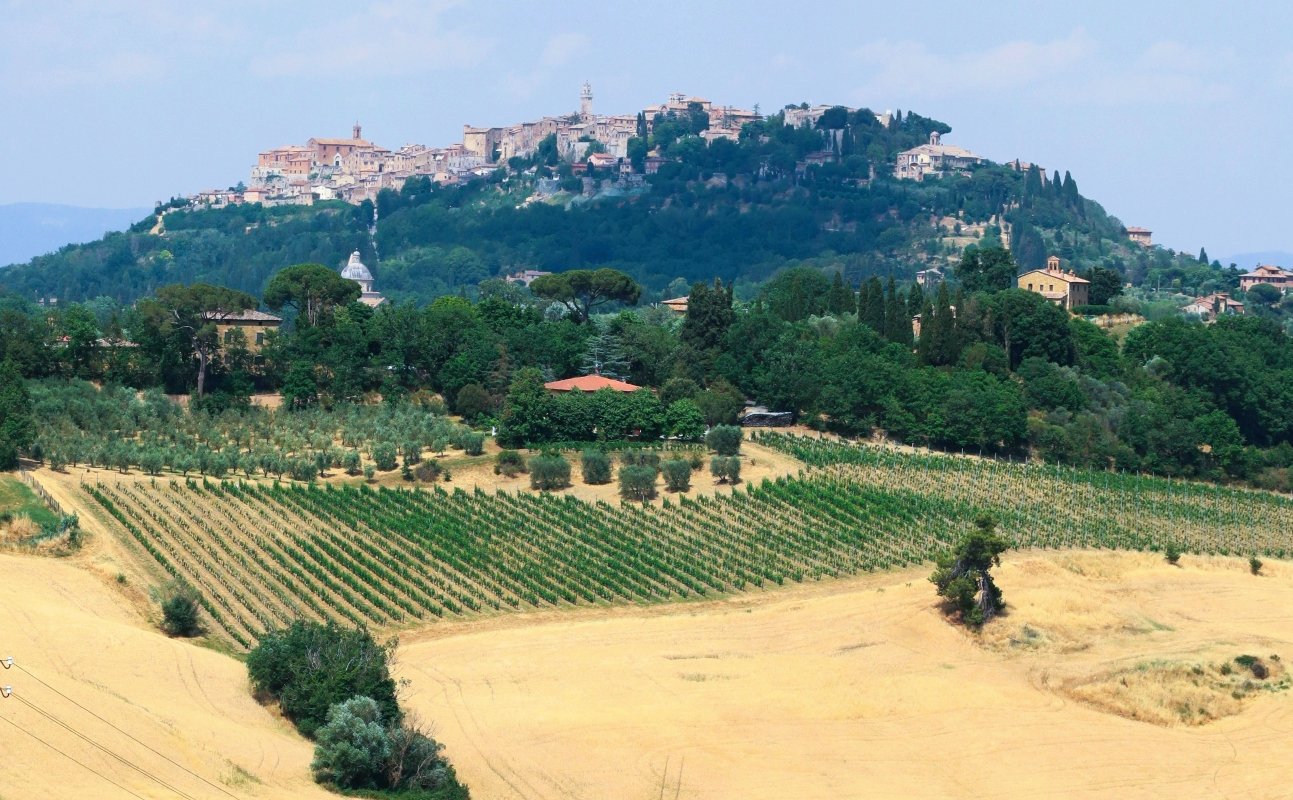
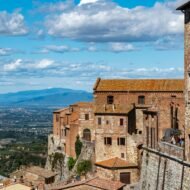
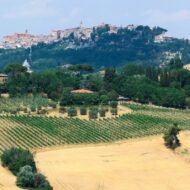
Perched on a hilltop like something out of a Renaissance painting, Montepulciano has been charming visitors since the Etruscans figured out this was the perfect spot for both defense and wine-making. The views alone are worth the trip, but the Vino Nobile will make you want to stay forever.
Noble Wine, Noble History Vino Nobile di Montepulciano was literally the wine of choice for Renaissance nobles – Pope Paul III declared it “perfect wine” in 1549. The underground cellars, carved from volcanic rock, create ideal aging conditions that haven’t changed in centuries.
Twilight Movie Magic Yes, this is where they filmed parts of New Moon – the Palazzo dei Priori stood in for Volterra. But forget vampires; the real magic happens during golden hour when the sunset lights up the Val d’Orcia like a living painting.
Tuscan Dreams
- Romantic Retreats: Converted palazzos and vineyard estates offer pure Renaissance luxury
- Authentic Experiences: Stay in family-run agriturismos for home-cooked meals and farm-fresh everything
- Campervan Paradise: Numerous farm stays welcome self-contained vehicles with vineyard parking
- Festival Fun: Bravio delle Botti (barrel racing) in August is absolutely bonkers in the best way
- Quiet Season: Winter visits mean cozy wine bars and personal attention from winemakers
Time your visit for the vendemmia (harvest) – helping pick grapes is surprisingly addictive.
7. Pinhão, Douro Valley, Portugal
Where Rivers Curve and Port Ages to Perfection
Pinhão sits at the heart of the Douro Valley, where the river curves dramatically through terraced vineyards that look like giant staircases carved into the mountainsides. This is port wine country, where fortified wines age in lodges that have been perfecting their craft since the 18th century.
Port Wine Pioneers British merchants discovered this remote valley in the 1700s and immediately recognized its potential for creating the perfect after-dinner drink. The unique schist soil and extreme climate (scorching summers, freezing winters) stress the vines just enough to concentrate flavors into liquid gold.
Train Station Art Gallery Don’t miss the azulejo tiles at Pinhão train station – they tell the story of the Douro’s wine harvest in beautiful blue and white ceramic art. It’s possibly the world’s most beautiful train station, and that’s saying something.
Douro Dreams
- Quinta Stays: Wine estates offer everything from rustic farmhouses to luxury spa hotels
- River Views: Many accommodations overlook the Douro with terraced vineyards rising on both sides
- Campervan Spots: Several quintas welcome campervans, some with wine tasting included
- Boat Life: River cruises and traditional rabelo boat trips bring the valley’s history to life
- Seasonal Highlights: Harvest season (September) is magical, while winter offers cozy tastings and smaller crowds
Take the train from Porto – the journey through the Douro Valley is one of Europe’s most scenic rail trips.
Final Thoughts: Why These Villages Beat Any City Break
Here’s the thing about these wine villages – they offer something no big city can match: the chance to taste history, literally. Every bottle tells the story of centuries of tradition, every cellar holds secrets passed down through generations, and every local you meet has stories that’ll make you see wine (and travel) completely differently.
These aren’t just destinations; they’re experiences that connect you to something deeper than Instagram-worthy photos. You’ll find yourself slowing down, savoring conversations with passionate winemakers, and discovering that sometimes the best travel memories come from the smallest places.
Whether you’re planning a romantic escape, a friends’ adventure, or a solo journey of discovery, these villages welcome everyone with open arms and full glasses. The beauty of wine culture is that it’s universally inclusive – good wine and good company transcend all boundaries.
So pack light, bring your curiosity, and prepare to fall in love with places that prove the best things in life really do come in small packages. Just remember to pace yourself – you’ve got seven villages to explore, and each one deserves your full attention.
Disclaimer: This article is for informational purposes only. Always drink responsibly and in accordance with local laws. Wine tourism activities, accommodation availability, and seasonal events may vary. Please verify current information and book accommodations in advance, especially during harvest season and local festivals. Campervan regulations and parking availability can change, so check with local authorities before traveling. We are not responsible for any travel disruptions, changes in business operations, or personal experiences that may differ from those described.
Photo credit: Épernay , Haro , Batalla del Vino – Haro