


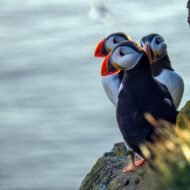
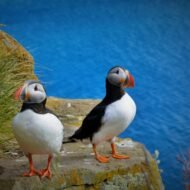
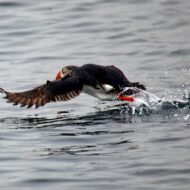
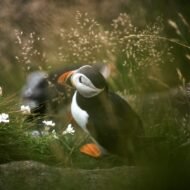
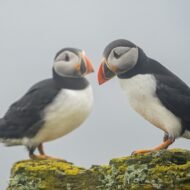
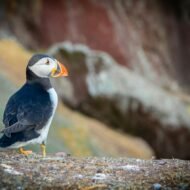
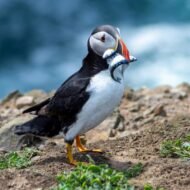
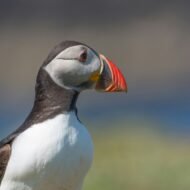
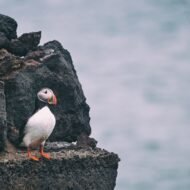
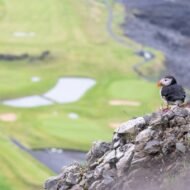
TL;DR: Europe’s best puffin-watching happens April-August on remote islands and dramatic cliffs. Iceland (especially Westman Islands), Norway’s Runde Island, Scotland’s Isle of May, and Wales’ Skomer Island offer the most spectacular sightings. Pack layers, bring binoculars, and prepare for boat rides to witness millions of these adorable “sea parrots” in action.
- Why Puffin-Watching Will Steal Your Heart (And Instagram Feed)
- When to Go: Timing Your Puffin Adventure
- Top Puffin Destinations: Where to Find Europe’s Cutest Seabirds
- 🇮🇸 ICELAND: The Puffin Capital of the World
- 🇳🇴 NORWAY: Wild Beauty Meets Puffin Paradise
- 🏴 SCOTLAND: Island-Hopping for Puffins
- Isle of May (Firth of Forth)
- Farne Islands (Northumberland)
- Staffa Island (Inner Hebrides)
- Shetland Islands
- 🏴 WALES: Pembrokeshire Puffin Magic
- 🇮🇪 IRELAND: Emerald Isle Puffin Adventures
- Planning Your Perfect Puffin Trip
- Transportation: Getting to the Birds
- What to Pack: Puffin-Watching Essentials
- Photography Tips: Capturing Puffin Magic
- Making the Most of Your Trip
- Beyond Puffins: Bonus Wildlife
- Climate and Conservation: The Bigger Picture
- The Verdict: Why Puffin-Watching Should Top Your Bucket List
Why Puffin-Watching Will Steal Your Heart (And Instagram Feed)
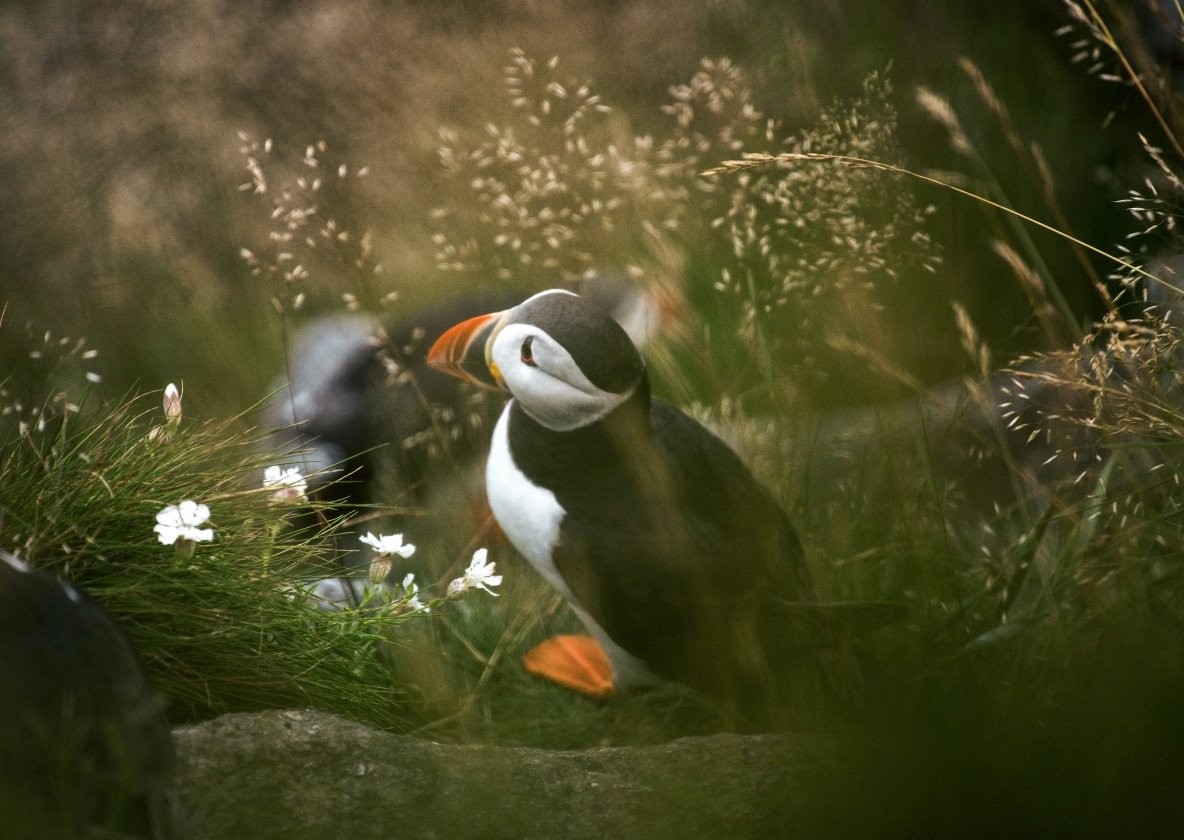
Picture this: you’re standing on a windswept cliff, watching thousands of tuxedo-clad birds with rainbow beaks waddle around like tiny, drunk butlers. That’s the magic of puffin-watching – it’s impossible not to smile when you see these endearingly clumsy seabirds in action.
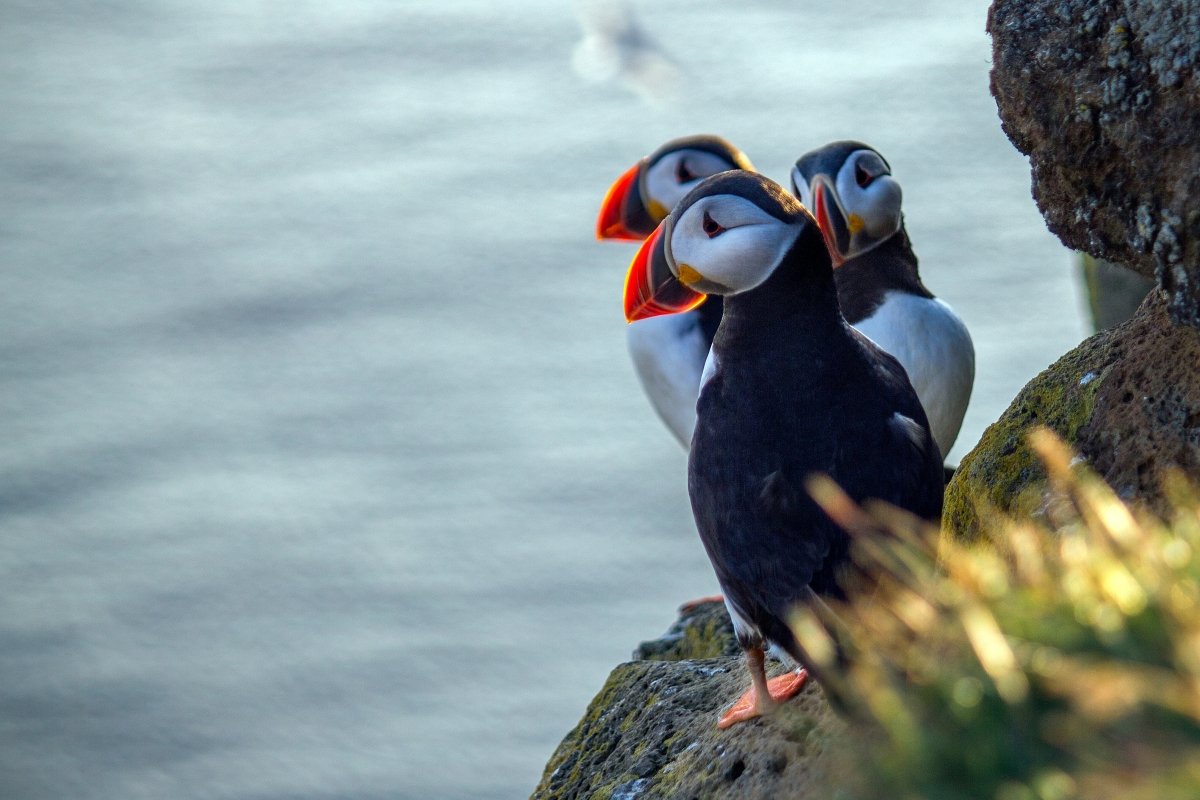
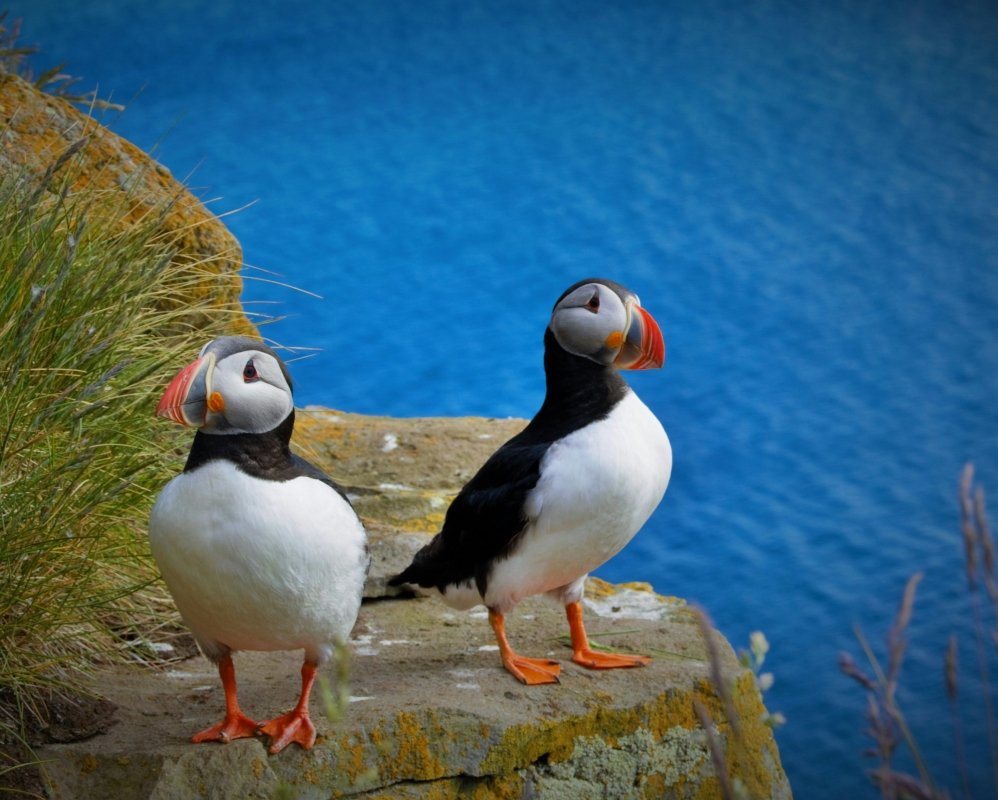
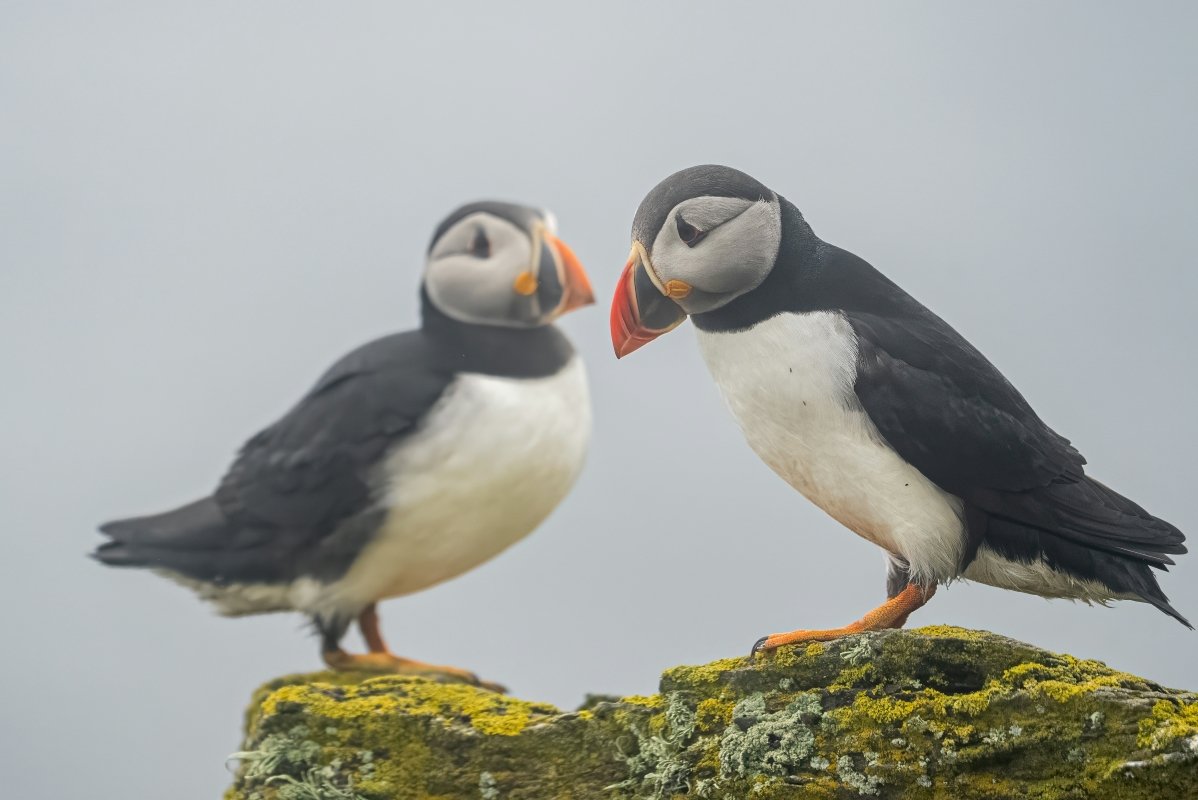
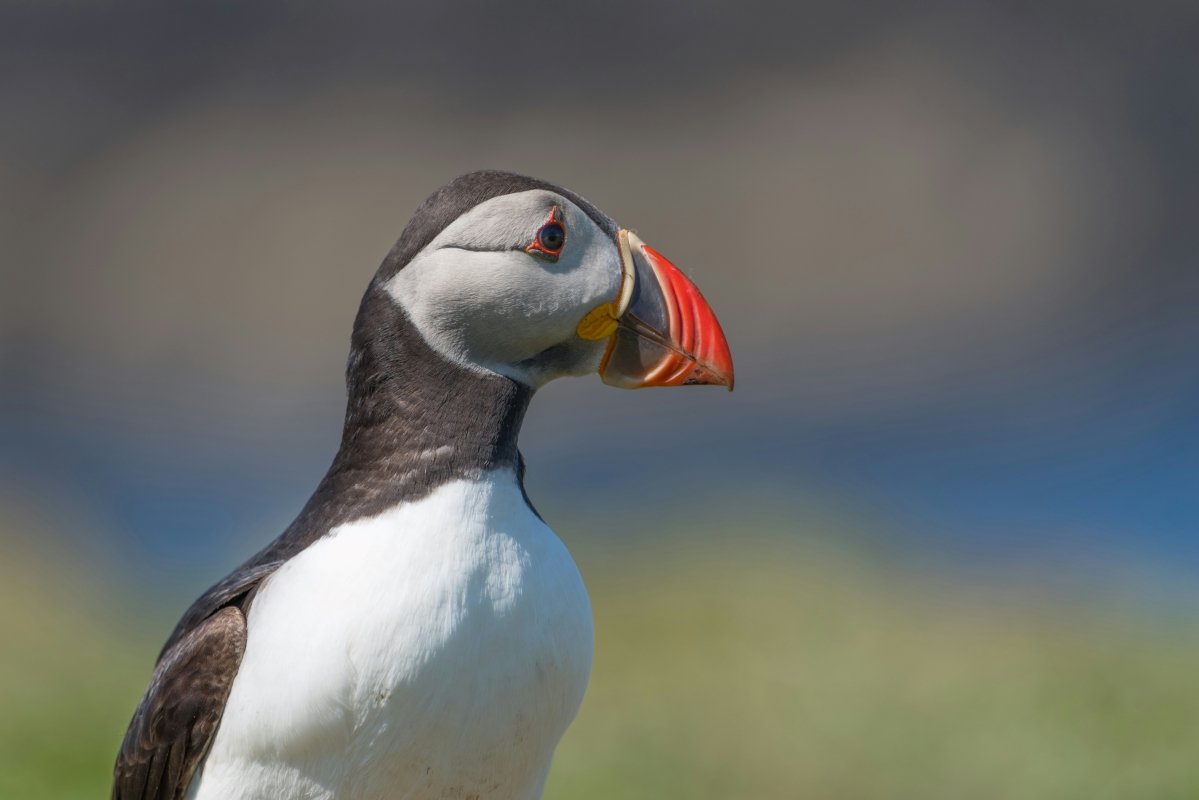
Puffins aren’t just cute (though they absolutely are) – they’re incredible survivors who spend most of their lives braving storm-tossed seas, only coming to land during breeding season. Their colorful orange beaks? That’s actually seasonal bling to attract mates! Come winter, those technicolor bills fade to dull gray – nature’s way of saying “the party’s over.”
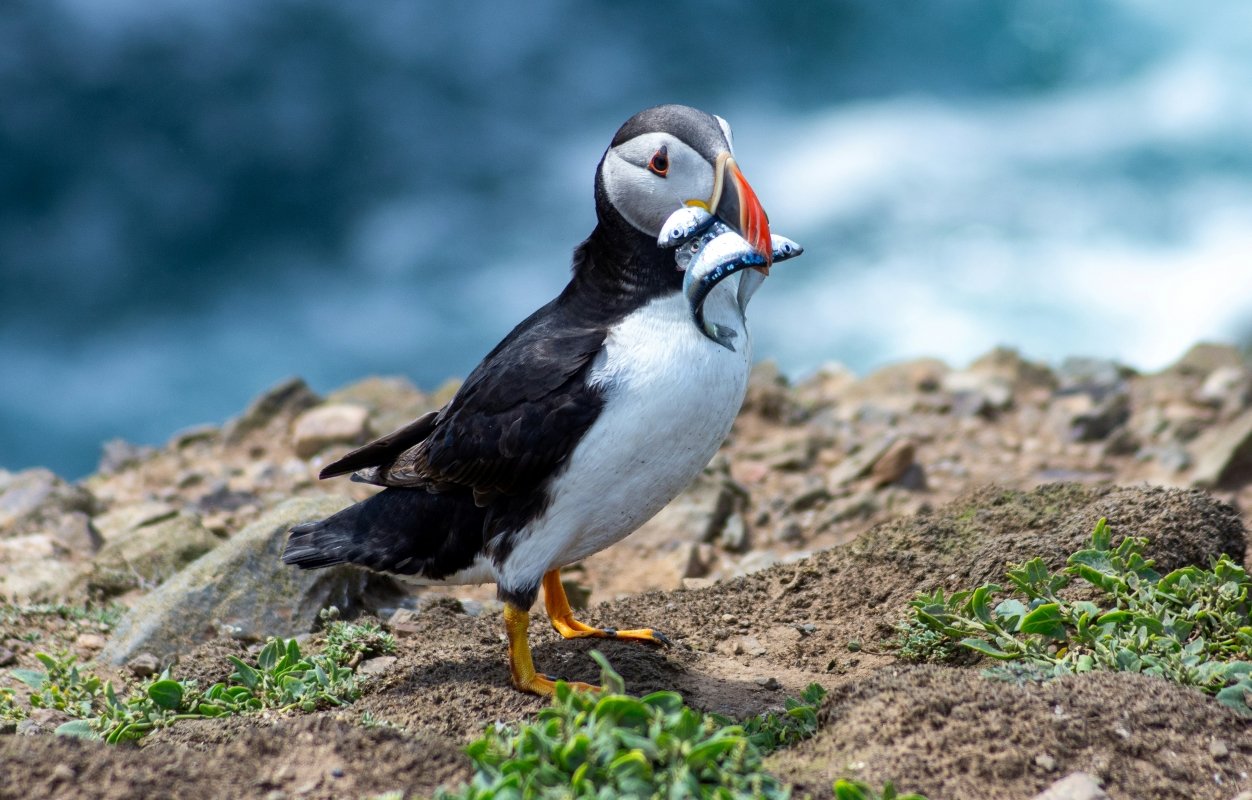
Fun fact: These “sea parrots” can dive up to 200 feet underwater and carry multiple fish crosswise in their beaks – sometimes as many as 20 at once! Talk about efficient grocery shopping.
When to Go: Timing Your Puffin Adventure
The Golden Window: April to August
Puffins follow a strict schedule, so timing is everything:
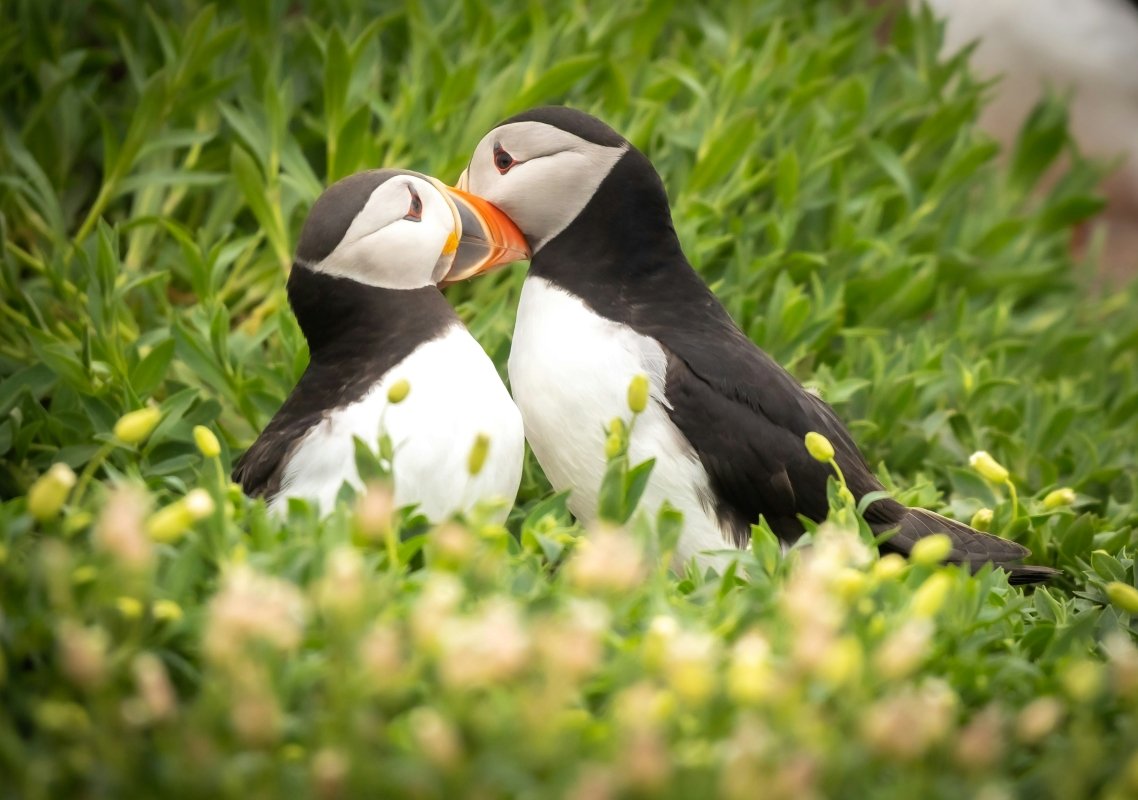
April-May: Arrival party time! Puffins return from winter at sea, establish territories, and start their elaborate courtship rituals (called “billing” – basically aggressive beak bumping that somehow equals romance).
June-July: Peak season magic! This is when you’ll see the most action. Adult puffins are busy feeding their single chick (called a “puffling” – yes, really), flying back and forth from sea to burrow with beaks full of fish.
August: The farewell tour. Pufflings take their first flights, and families begin departing for another winter at sea.
Best Times of Day
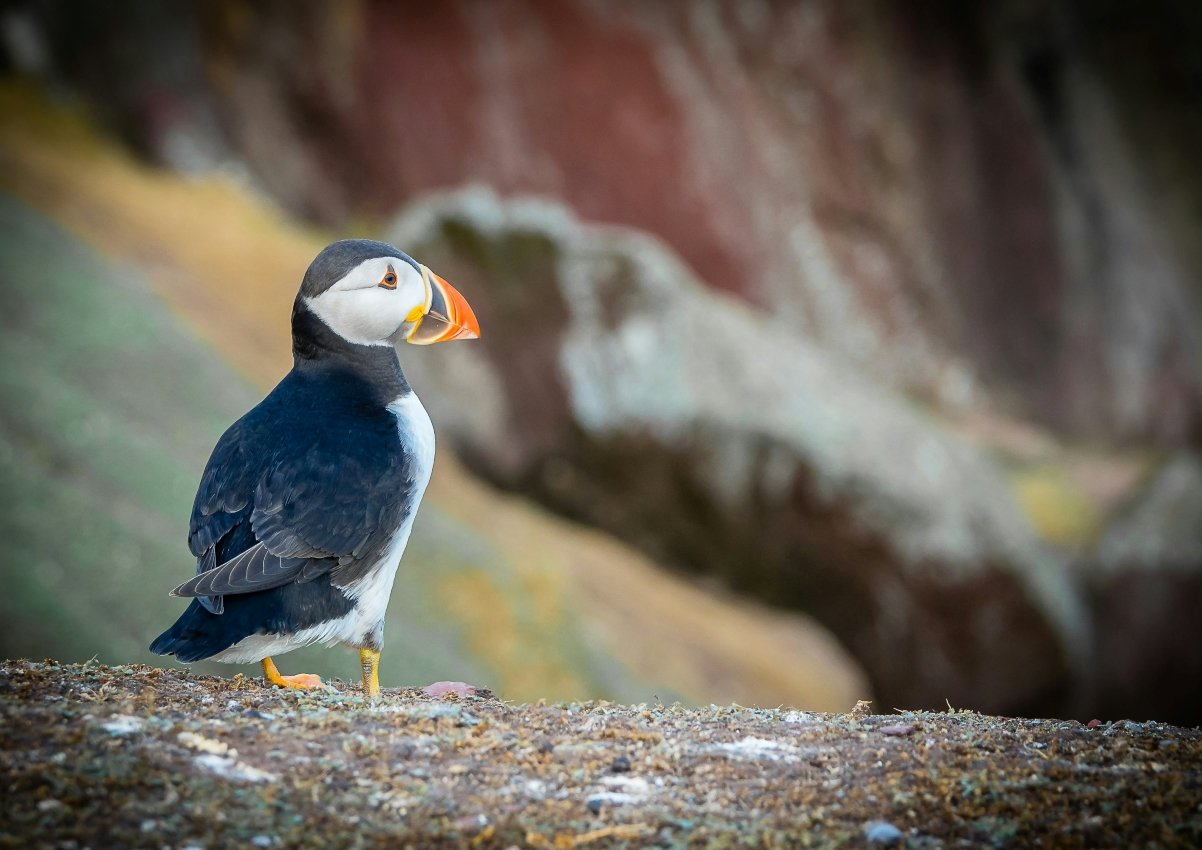
Evening golden hour (around sunset) is prime time – puffins are most active when returning from fishing trips. The soft light also makes for incredible photography, turning those orange beaks absolutely luminous.
Pro tip: Summer days are long this far north, so “sunset” might be 9-10 PM – perfect for after-dinner wildlife watching!
Top Puffin Destinations: Where to Find Europe’s Cutest Seabirds
🇮🇸 ICELAND: The Puffin Capital of the World
Iceland hosts 60% of the world’s Atlantic puffin population – we’re talking millions of birds!
Westman Islands (Vestmannaeyjar)
- The crown jewel: Heimaey Island has over 1 million puffins
- Getting there: 35-minute ferry from Landeyjahöfn
- Bonus: Combine with volcano museum and dramatic landscapes
- Best for: Multi-day puffin immersion
Reykjavik Area Islands
- Super convenient: Akurey, Lundey, and Engey islands just minutes from the capital
- Perfect for: Short city breaks or cruise passengers
- Tour options: 1-hour boat trips from Old Harbor
- Why it rocks: No long travel time, easy to fit into any itinerary
Látrabjarg Cliffs
- The dramatic option: Europe’s largest bird cliffs in the Westfjords
- What makes it special: You can literally get within arm’s reach of puffins
- Travel time: 4-5 hours drive from Reykjavik (perfect for Ring Road trips)
🇳🇴 NORWAY: Wild Beauty Meets Puffin Paradise
Norway’s 30% of the global puffin population nests along dramatic Atlantic coastlines.
Runde Island
- The treasure island: 100,000+ puffins plus actual shipwreck treasure hunting
- Accessibility: Connected by bridge – you can drive there!
- Peak time: Late June-August for maximum bird activity
- Special feature: Evening puffin safaris with local guides
Lovund Island
- The celebration: Famous for “Lundkommardagen” – Puffin Arrival Day (April 14th)
- Numbers: 200,000 puffins arrive almost exactly on schedule every year
- Getting there: Ferry from Sandnessjøen (1-2 daily)
- Atmosphere: Small community celebrates the birds’ return like a holiday
Bleiksøya (Vesterålen)
- The remote experience: 50,000 puffins on Norway’s largest bird cliff
- Access: Boat tours only – adds to the adventure
- Best for: Serious birders and photographers wanting unspoiled nature
🏴 SCOTLAND: Island-Hopping for Puffins
Scotland’s wild coastlines and remote islands offer some of Europe’s most accessible puffin colonies.
Isle of May (Firth of Forth)
- The convenient choice: 40,000+ puffins just off the Fife coast
- Getting there: Boat trips from Anstruther
- Why choose this: Easy day trip from Edinburgh
- Population boom: Numbers increased 33% since 2017!
Farne Islands (Northumberland)
- The classic: 50,000 breeding pairs on 28 dramatic islands
- Access: Boat tours from Seahouses (April-July)
- Bonus wildlife: Seals, guillemots, and thousands of other seabirds
- Special feature: National Trust guides ensure responsible viewing
Staffa Island (Inner Hebrides)
- The geological wonder: Puffins plus the famous Fingal’s Cave
- Getting there: Boat tours from Oban or Isle of Mull
- Unique selling point: Dramatic basalt columns create an otherworldly backdrop
Shetland Islands
- The northernmost adventure: Multiple locations including Sumburgh Head and Hermaness
- Accessibility: Sumburgh has roads right to viewing areas
- Numbers: Hermaness hosts tens of thousands of puffins
- For adventurers: Remote location means fewer crowds
🏴 WALES: Pembrokeshire Puffin Magic
Skomer Island
- The wildlife paradise: Part of a Marine Nature Reserve
- Getting there: Daily ferries from Martin’s Haven (except Mondays)
- Experience: Walk coastal paths where puffins nest just meters away
- Warning: You literally might trip over a puffin – they’re everywhere!
🇮🇪 IRELAND: Emerald Isle Puffin Adventures
Cliffs of Moher
- The increasing population: Unlike many places, numbers here are growing
- Best viewing: May-June along the cliff length
- Bonus: 20+ seabird species in this Special Protection Area
Great Saltee Island
- The birdwatcher’s haven: Remote island with diverse seabird colonies
- Access: Boat trips from Kilmore Quay
- History: Ancient settlements, Viking connections, and a self-proclaimed king!
Planning Your Perfect Puffin Trip
Transportation: Getting to the Birds
Most puffin colonies are on islands, so prepare for boat trips! Here’s what to expect:
- Ferry services: Range from 20 minutes (Iceland) to several hours (remote Scottish islands)
- Weather dependent: Rough seas can cancel trips – always have backup days
- Advance booking: Peak season boats fill up fast, especially weekends
- Motion sickness: Even short trips can be choppy – bring remedies if you’re sensitive
What to Pack: Puffin-Watching Essentials
Layer up: Weather changes fast on exposed cliffs and islands
- Waterproof jacket (rain is common)
- Warm fleece or wool layer
- Comfortable, grippy walking shoes
- Hat and gloves (even in summer!)
Observation gear:
- Binoculars: 8×42 is perfect for most viewing distances
- Camera with zoom: Long lens helpful for boat-based viewing
- Rain covers: Protect your expensive gear!
Comfort items:
- Small folding chair or cushion for long waits
- Snacks and water (islands often have limited facilities)
- Sunscreen (reflection off water intensifies UV)
Photography Tips: Capturing Puffin Magic
Best shots happen when you’re patient:
- Arrive early to claim good spots near colonies
- Golden rule: If a puffin has fish in its beak, stay back – it’s trying to feed its chick
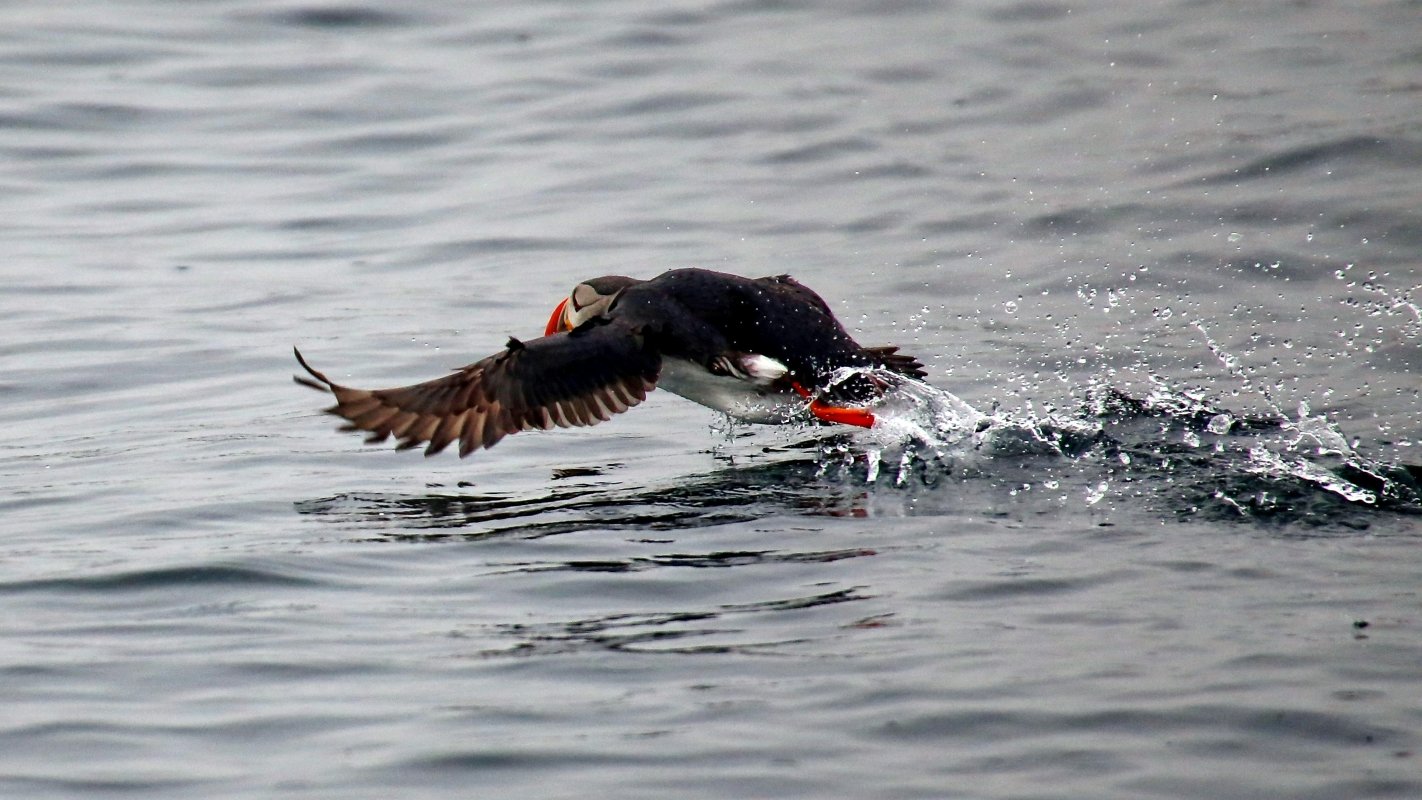
- Use burst mode for flight shots (they’re faster than they look!)
- Ethical distance: Stay on marked paths – burrows are underground and invisible
Technical settings:
- Fast shutter speed (1/500s+) for flying birds
- Continuous autofocus for tracking movement
- Shoot in RAW for better color editing of those brilliant beaks
Making the Most of Your Trip
Combine with Other Experiences
Iceland: Pair puffin watching with whale watching, glacier tours, or Golden Circle sightseeing
Norway: Add fjord cruises, Northern Lights (if visiting late season), or scenic drives
Scotland: Island-hop through the Hebrides, visit whisky distilleries, or explore historic castles
Wales: Explore Pembrokeshire’s coastal path, visit St. David’s Cathedral, or try coasteering
Budget Considerations
Boat trips: €30-80 per person depending on duration and location Accommodation: Island stays are pricier but offer early morning/late evening viewing Food: Pack lunches – island cafes are limited and expensive Photography tours: Specialized guides cost more but know the best spots and times
Responsible Puffin Watching
These birds face real challenges – climate change is affecting their fish supplies, and human disturbance can impact breeding success.
Be a responsible visitor:
- Stay on designated paths (burrows are underground and fragile)
- Keep noise levels down, especially near colonies
- Never chase or corner birds for photos
- Take only pictures, leave only footprints
- Support conservation efforts through entrance fees and donations
Beyond Puffins: Bonus Wildlife
Puffin colonies are seabird cities – you’ll likely spot:
- Guillemots: Black and white, but longer and more elegant than puffins
- Razorbills: Flat, blade-like beaks and striking black/white plumage
- Kittiwakes: Graceful gulls with yellow beaks
- Fulmars: Gray seabirds that glide effortlessly along cliff faces
- Gannets: Impressive diving seabirds with 6-foot wingspans
Marine life bonuses:
- Seals and sea lions often haul out near bird colonies
- Whales and dolphins sometimes appear during boat trips
- Fascinating tide pools to explore during low tide
Climate and Conservation: The Bigger Picture
Puffin populations face real challenges. While some colonies are thriving (like Ireland’s Cliffs of Moher), others are declining due to:
- Ocean warming: Changes fish distribution and availability
- Overfishing: Reduces food supplies for both adults and chicks
- Plastic pollution: Birds mistake plastic for food
- Extreme weather: More frequent storms affect breeding success
Your visit helps: Tourism revenue supports research, conservation efforts, and local communities who protect these colonies year-round.
The Verdict: Why Puffin-Watching Should Top Your Bucket List
There’s something genuinely magical about watching puffins. Maybe it’s their comical waddle, their expressive orange beaks, or the way they seem perpetually surprised by life. These birds survived ice ages and ocean storms, yet they’re trusting enough to let you sit nearby and observe their daily routines.
You’ll come for the cute factor and leave with a deeper appreciation for the incredible resilience of wildlife and the importance of protecting these special places. Plus, you’ll have some of the most unique and joyful photos in your travel collection.
Whether you choose the volcanic drama of Iceland, the fjord-studded coasts of Norway, the historic islands of Scotland, or the emerald beauty of Ireland and Wales, puffin-watching offers something for every type of traveler – from cruise passengers wanting a quick wildlife fix to serious birders planning multi-week expeditions.
So pack your warmest layers, charge your camera batteries, and prepare to fall head-over-heels for Europe’s most charming seabirds. The puffins are waiting!
Remember: Puffin seasons are short and weather-dependent. Always check local conditions and book tours in advance, especially for popular destinations during peak summer months.