

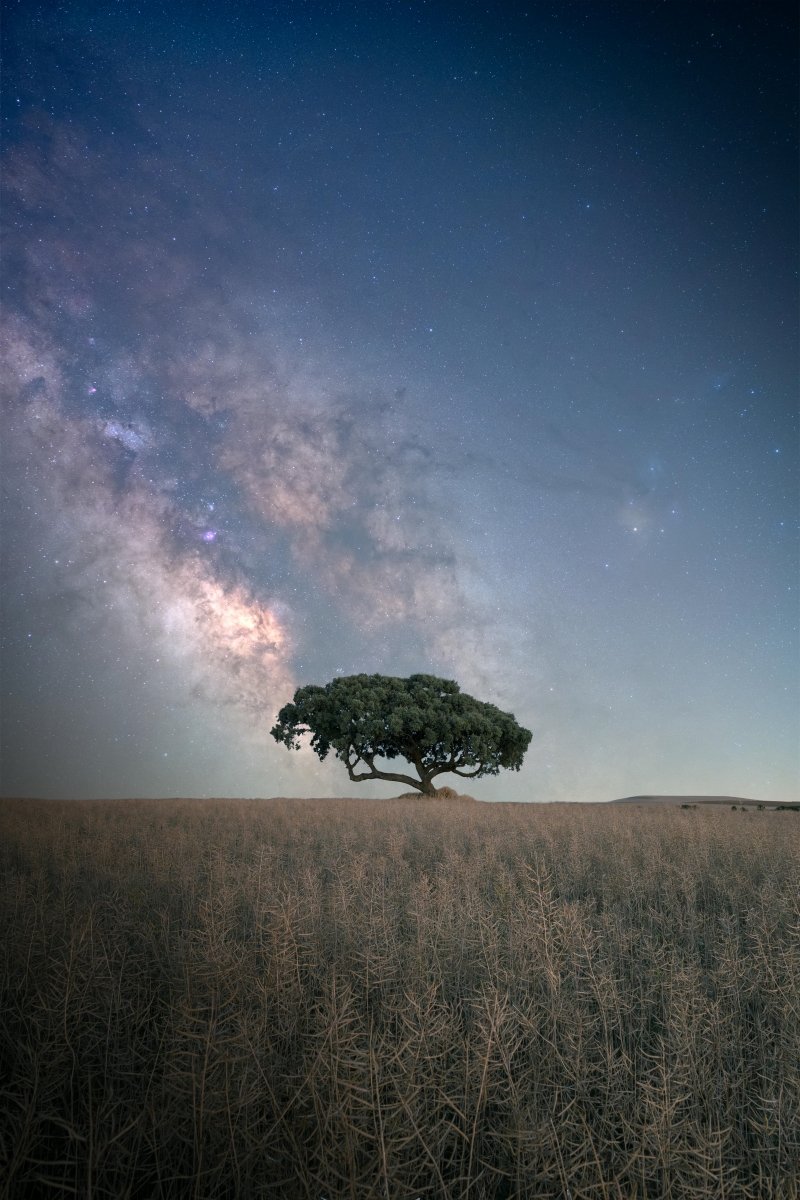
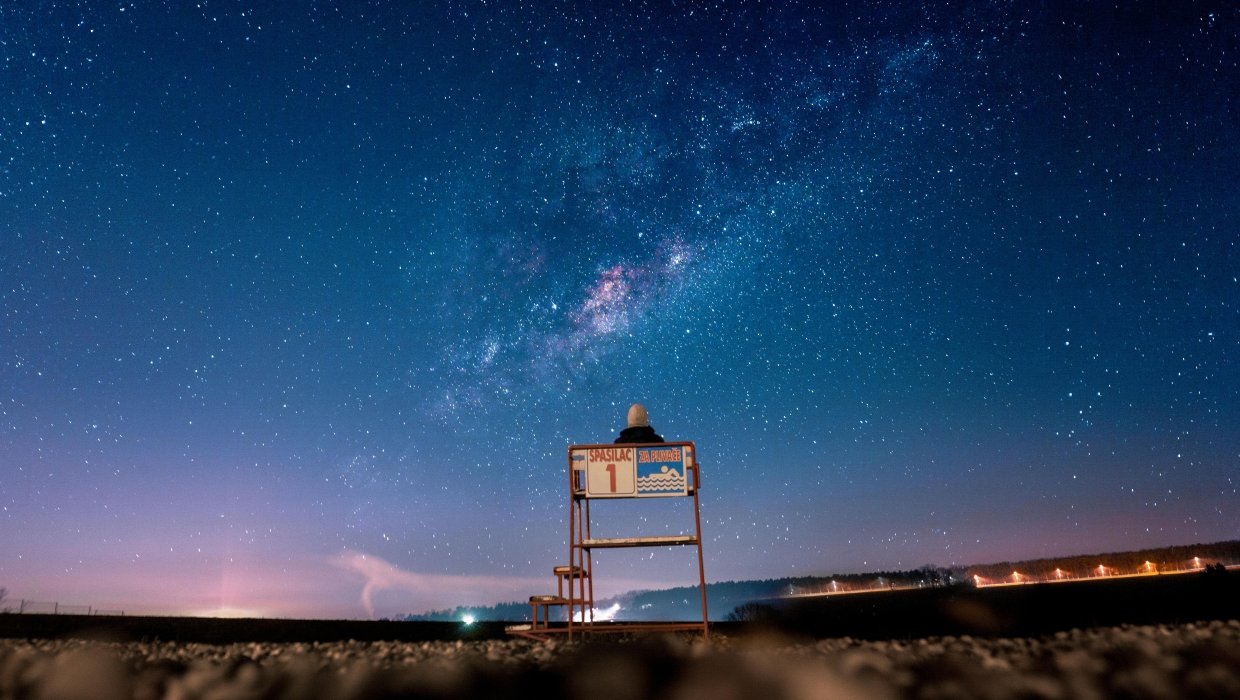
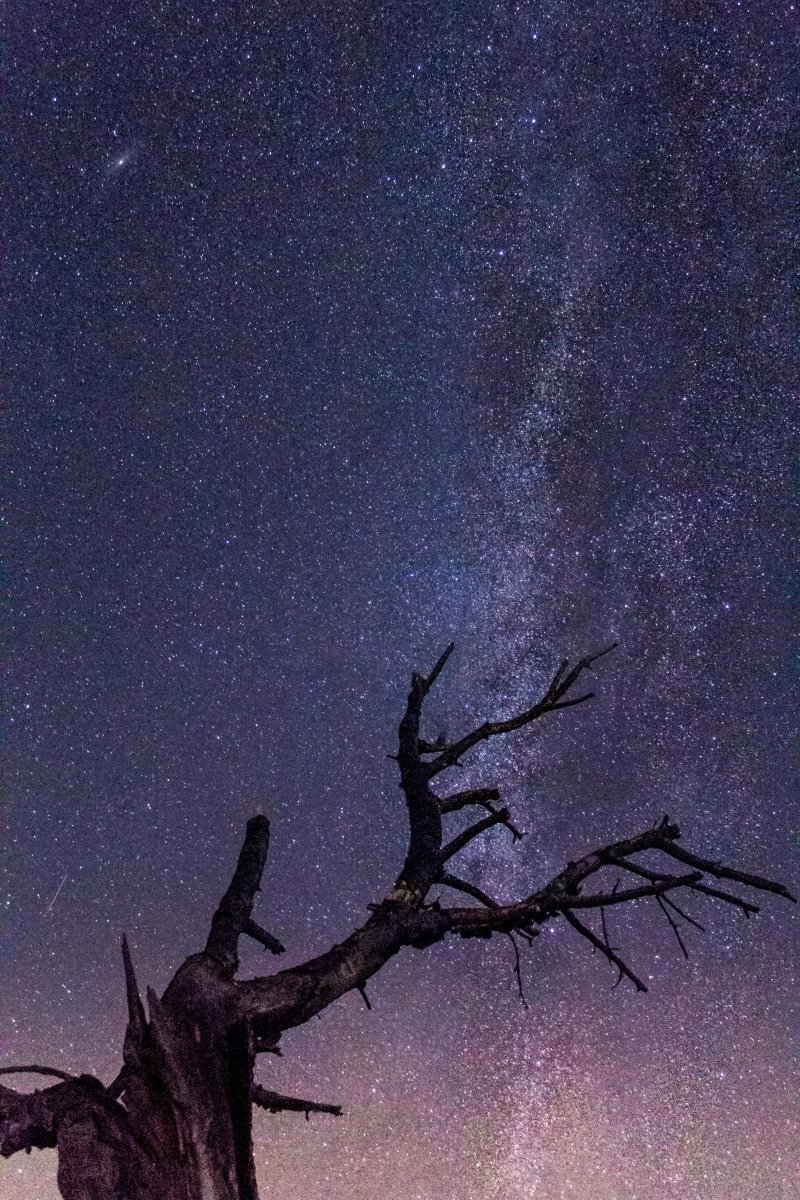
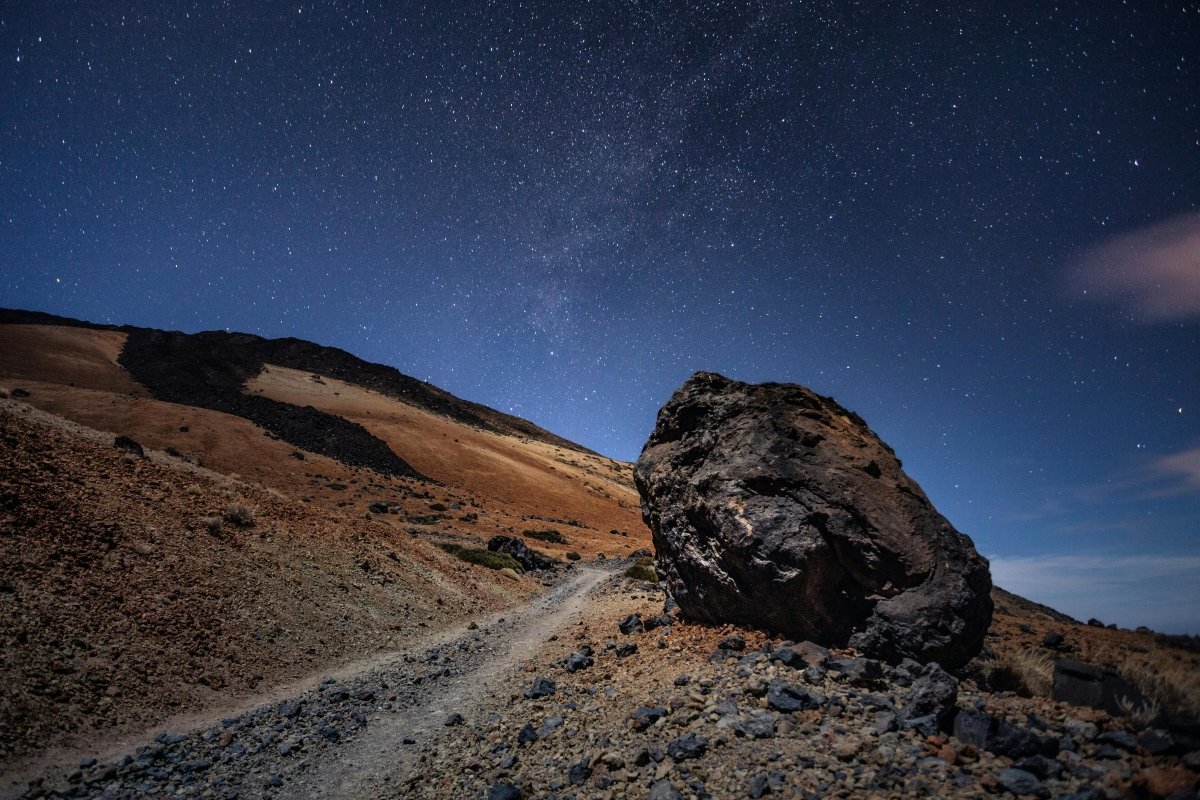
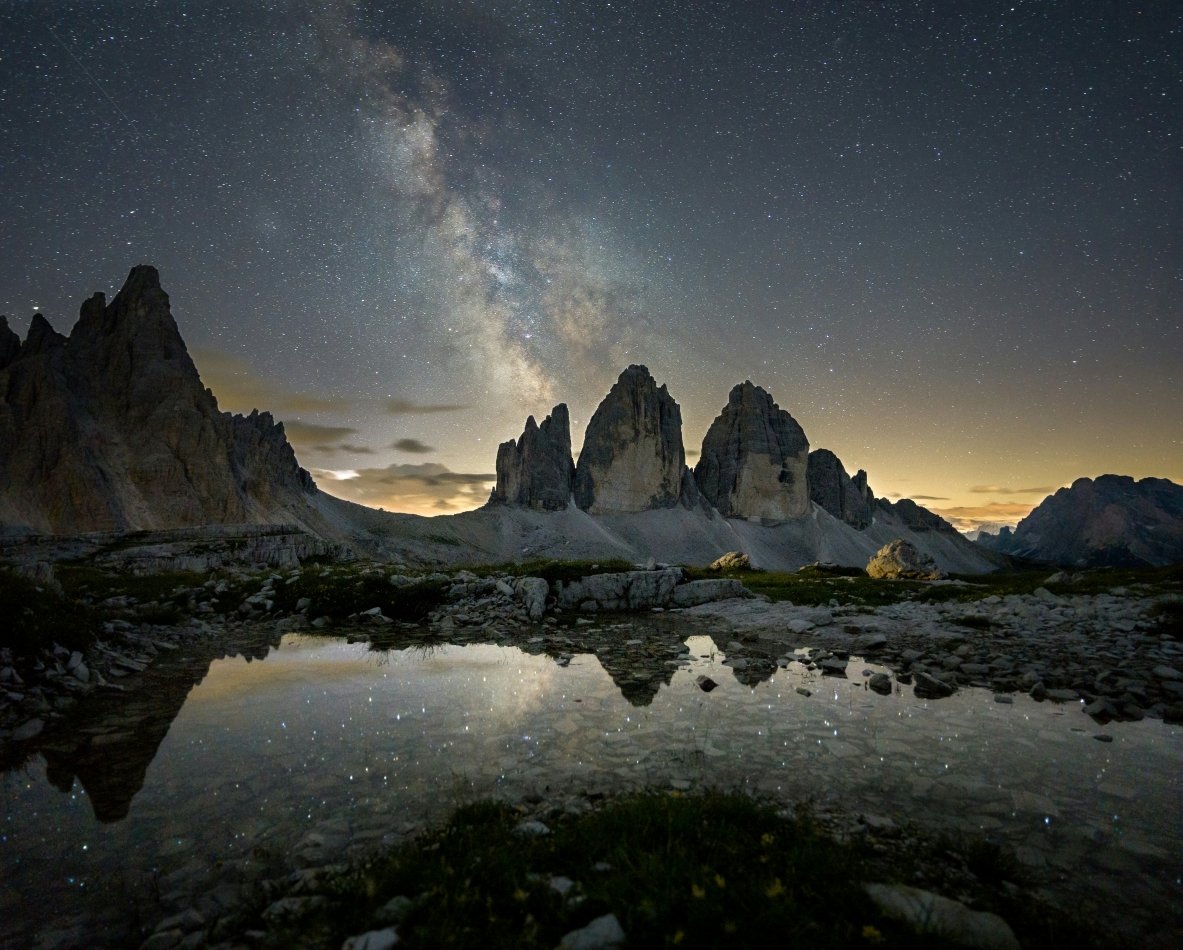
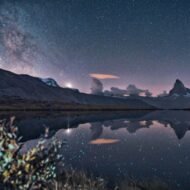
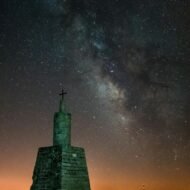
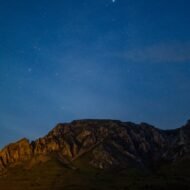
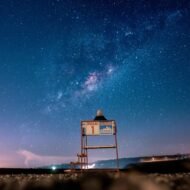
TL;DR: Europe offers incredible stargazing from Iceland’s Northern Lights to the Canary Islands’ volcanic peaks. Top spots include Exmoor (UK), Pic du Midi (France), La Palma (Spain), and Romania’s Carpathians. Best viewing: new moon phases, clear weather, away from cities. Pack warm clothes, red flashlight, and stargazing apps.
- Why Europe is Actually Amazing for Stargazing
- The Absolute Best Stargazing Destinations in Europe
- United Kingdom: Where Ancient History Meets Cosmic Wonder
- France: Sophisticated Stargazing with a Side of Wine
- Spain: From Volcanic Islands to Mountain Peaks
- Eastern Europe: Hidden Gems with Incredible Value
- Northern Europe: Aurora Hunting Territory
- When to Go: Timing Your Cosmic Adventure
- Essential Gear for Your Stargazing Adventure
- Making the Most of Your Stargazing Experience
- Practical Planning Tips
- Photography Tips for Stunning Star Photos
- Budget-Friendly Stargazing Tips
- Responsible Stargazing: Protecting Dark Skies for Everyone
- Planning Your European Stargazing Adventure
Looking up at a sky full of stars can literally change your perspective on life – and Europe has some absolutely mind-blowing spots where the cosmos puts on a show that’ll make your Instagram followers seriously jealous. Whether you’re a seasoned astronomer or someone who just thinks stars are pretty cool, this guide will help you find the perfect dark-sky destination for your next adventure.
Why Europe is Actually Amazing for Stargazing
You might think Europe’s too crowded and bright for serious stargazing, but you’d be wrong! The continent is home to numerous International Dark-Sky Reserves, has minimal light pollution in rural areas, and offers incredible diversity – from arctic landscapes perfect for aurora hunting to Mediterranean islands with crystal-clear skies.
Plus, the infrastructure makes it super accessible. You can literally take a train to some of the world’s best stargazing spots. Try doing that in the middle of the Atacama Desert!
The Absolute Best Stargazing Destinations in Europe
United Kingdom: Where Ancient History Meets Cosmic Wonder
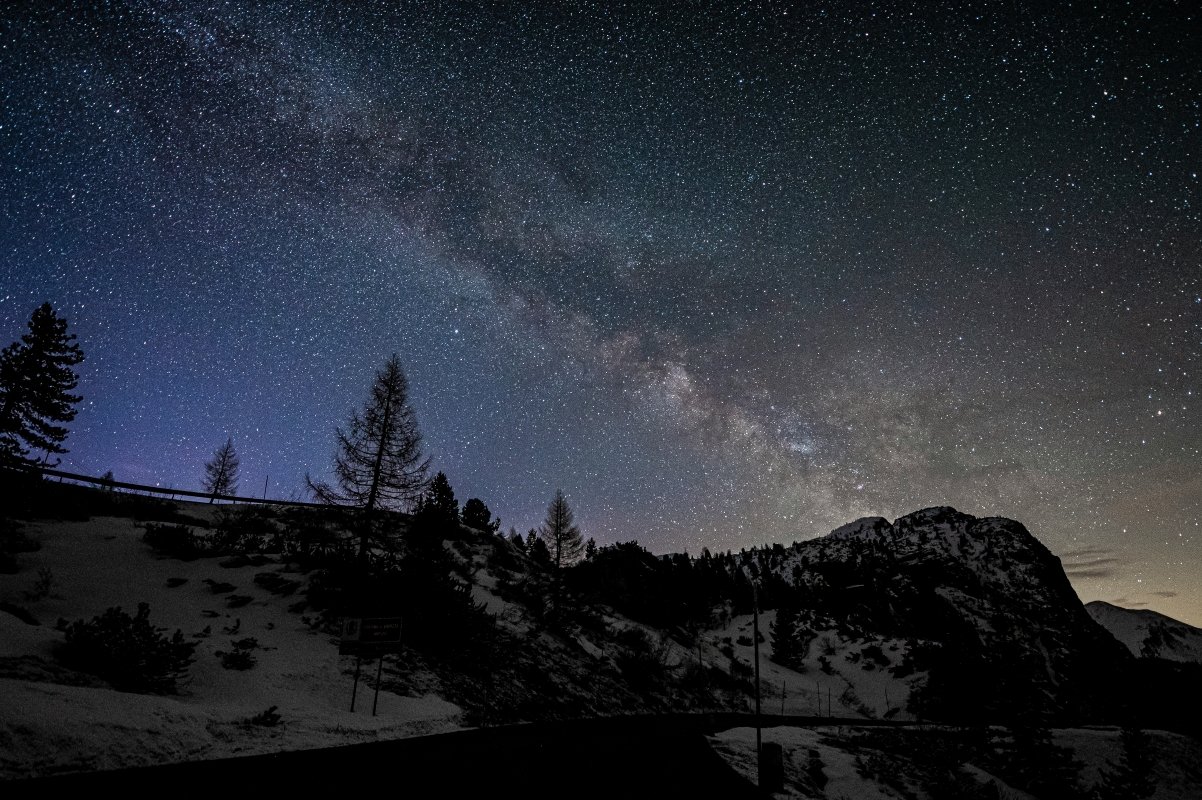
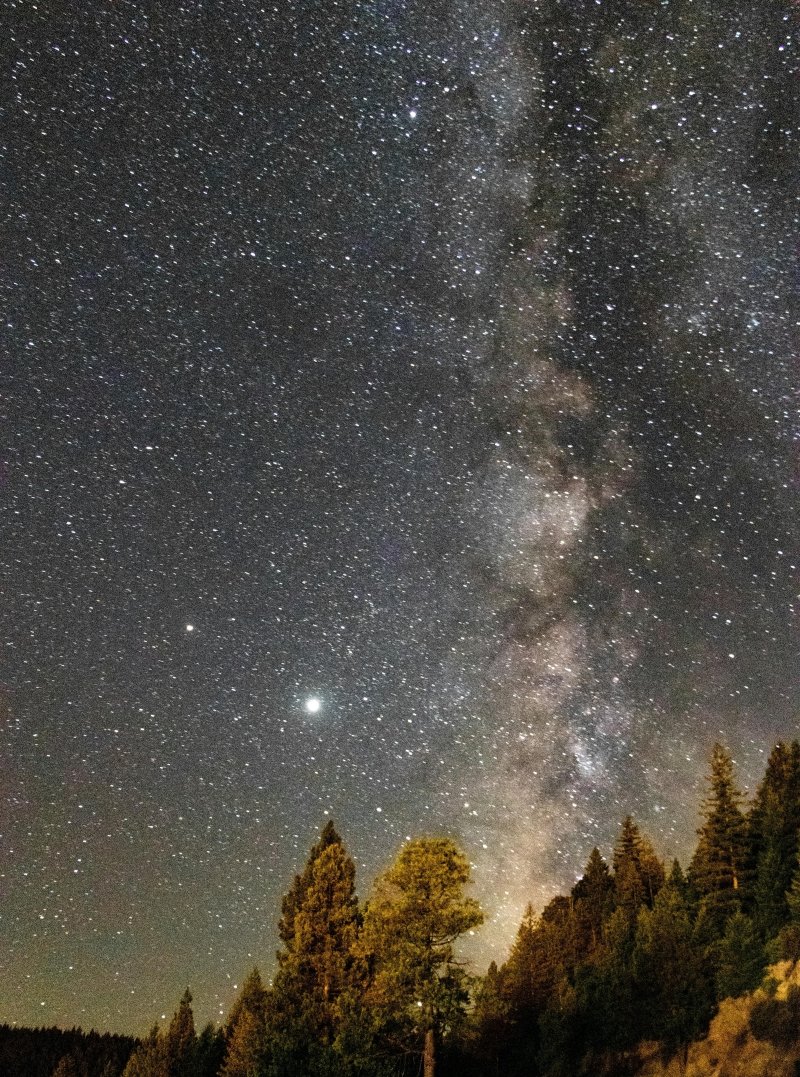
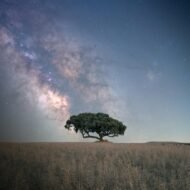
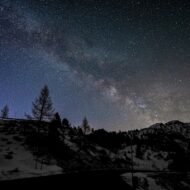
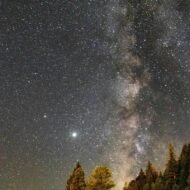
Exmoor National Park, England Europe’s first International Dark Sky Reserve isn’t messing around. With some of the darkest skies in England, you can see the Milky Way stretching across the horizon like a cosmic highway. The best part? Cozy pubs nearby where you can warm up with a pint after your stargazing session.
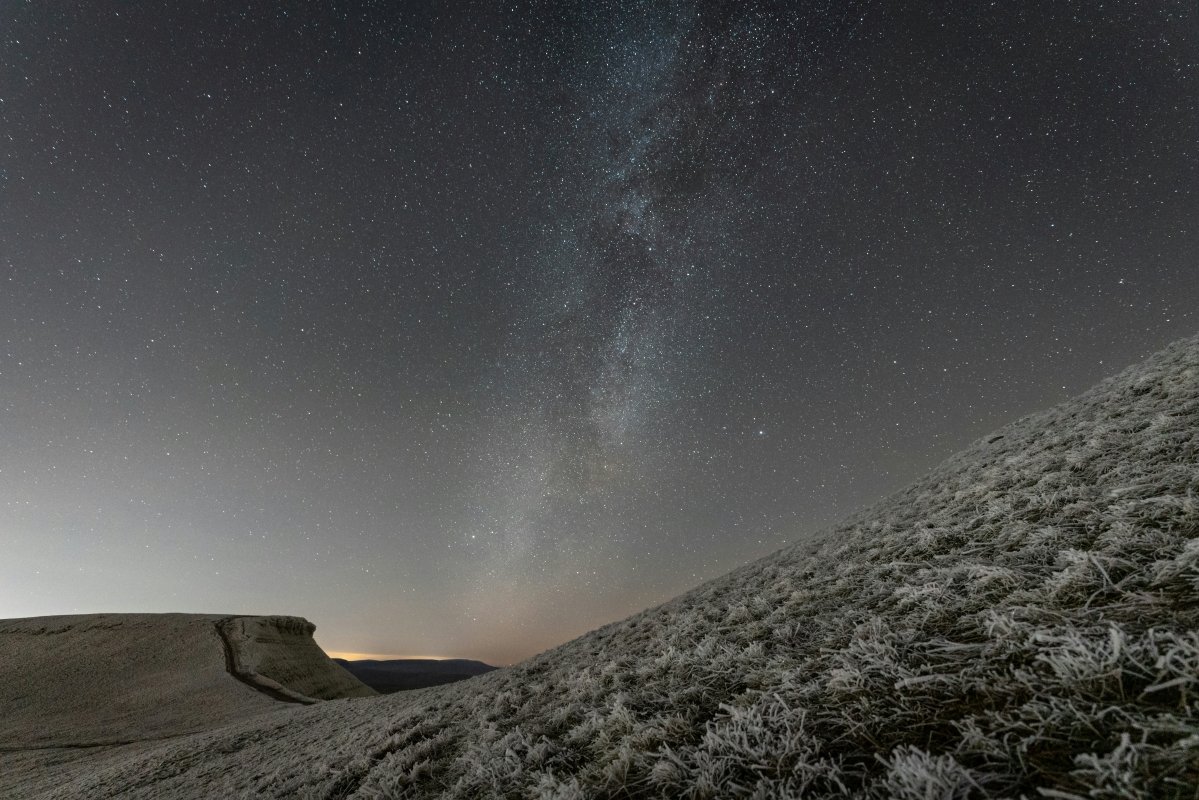
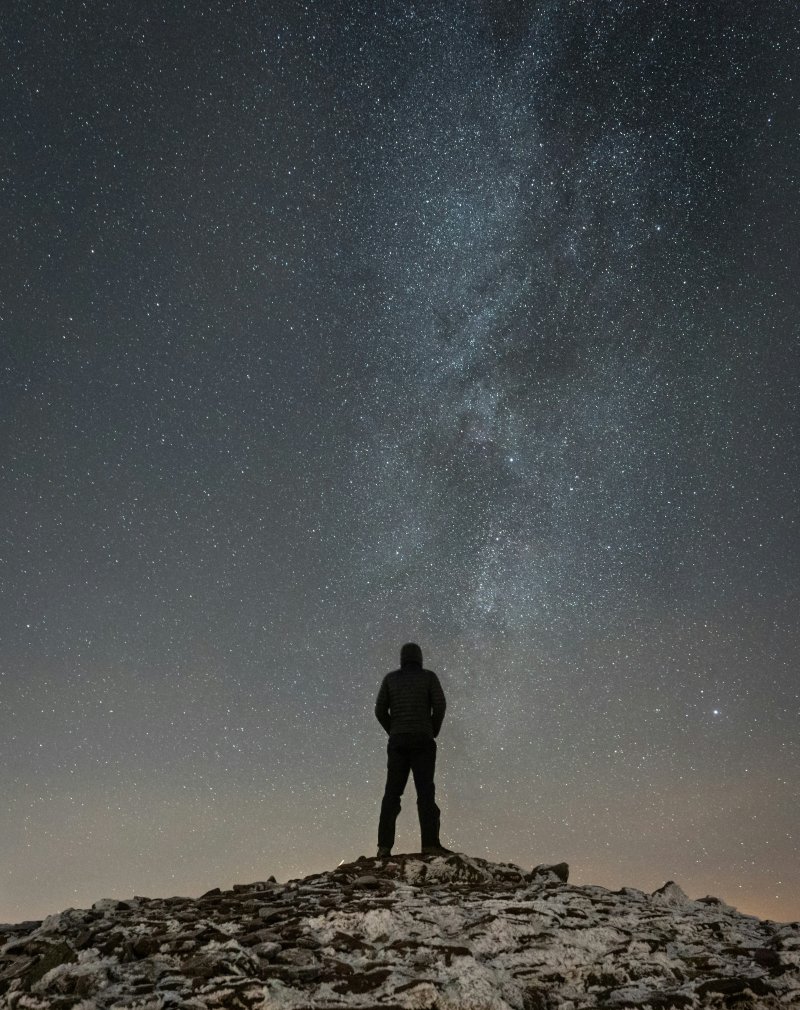
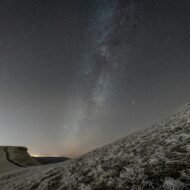
Brecon Beacons, Wales This International Dark Sky Reserve offers stunning views of the Milky Way, and the Welsh countryside provides the perfect romantic backdrop. The area hosts regular astronomy events, so you might catch a guided tour with local experts who know exactly where to look.
Galloway Forest Park, Scotland Scotland’s first Dark Sky Park covers 300 square miles of pristine wilderness. On clear nights, you can see up to 7,000 stars with the naked eye (compared to maybe 200 in a typical city). The park also offers excellent chances to spot the Northern Lights during active periods.
France: Sophisticated Stargazing with a Side of Wine
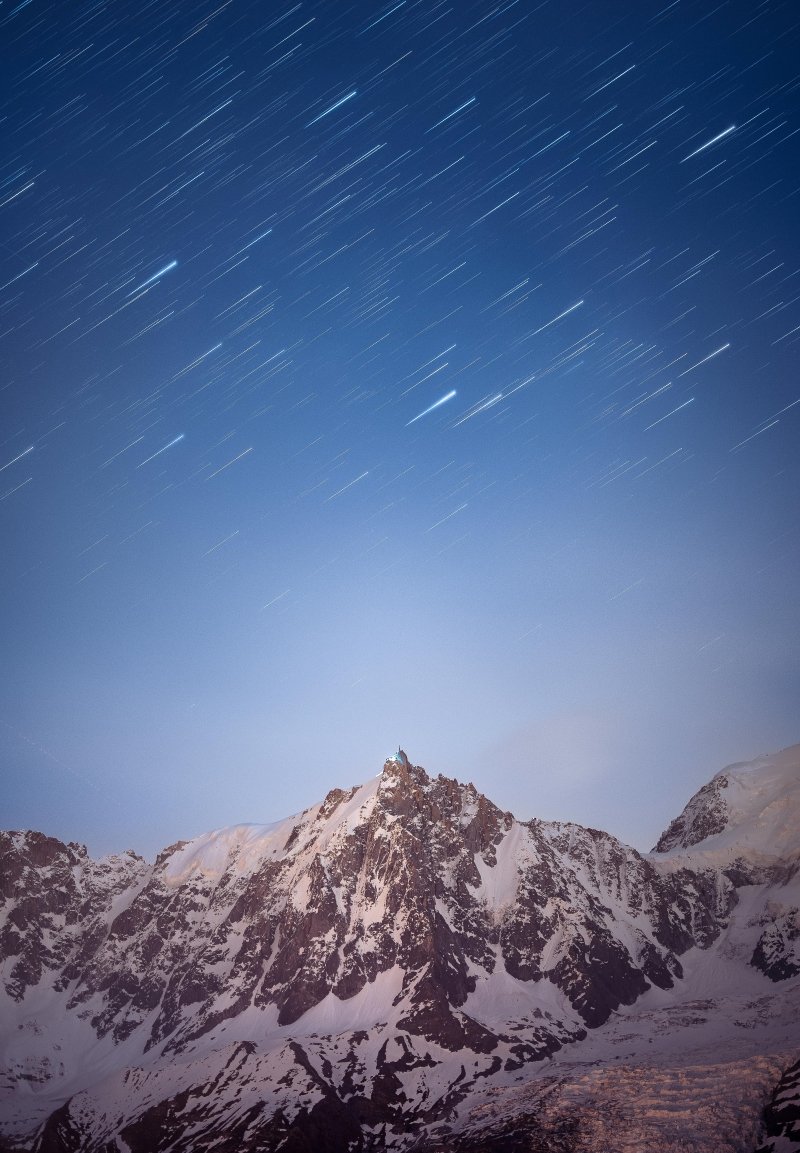
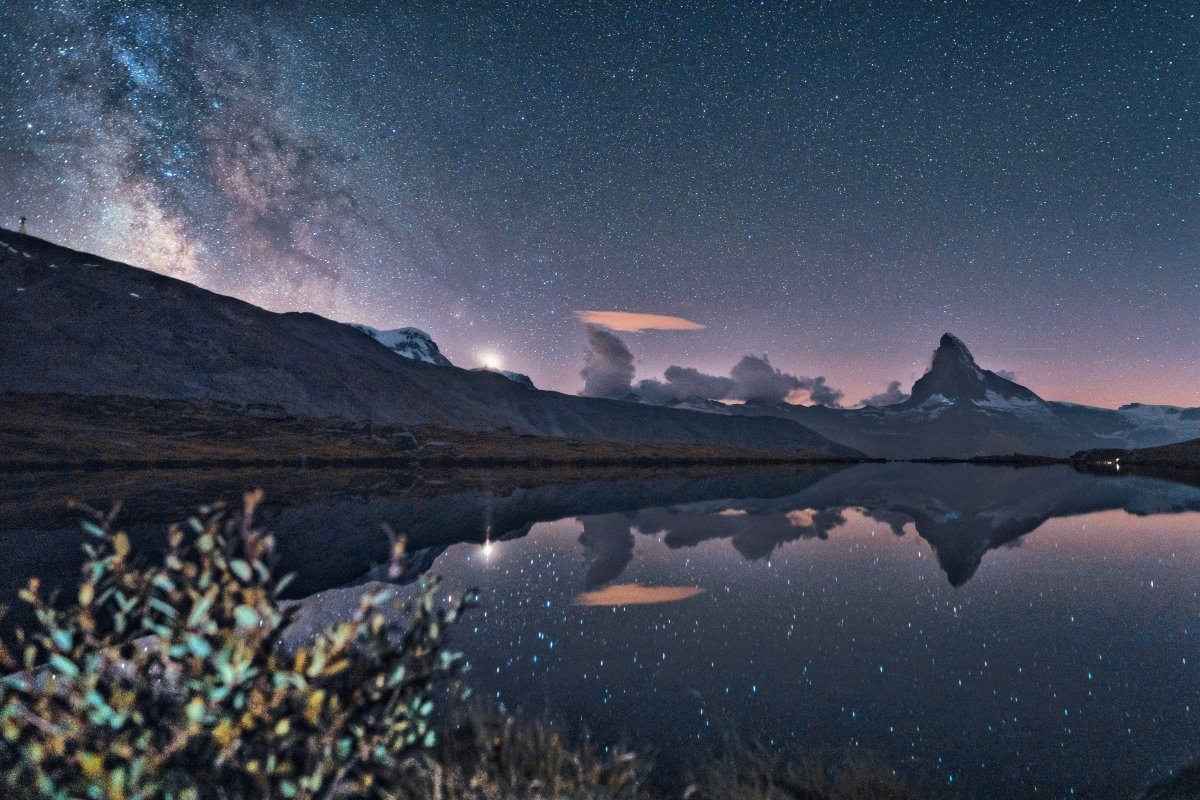
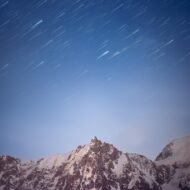
Pic du Midi Observatory, Pyrenees At over 9,400 feet above sea level, this UNESCO World Heritage site offers some of the clearest skies in Europe. You can actually stay overnight in the observatory – imagine waking up literally among the clouds with the entire universe spread out below you.
Cévennes National Park France’s first International Dark Sky Reserve combines incredible astronomy with beautiful Mediterranean landscapes. The area has been fighting light pollution since the 1990s, making it a pioneer in dark-sky preservation.
Spain: From Volcanic Islands to Mountain Peaks
La Palma, Canary Islands This volcanic island is basically a giant natural observatory. The combination of high altitude, clean air, and strict light pollution laws makes it one of the world’s premier stargazing destinations. Professional observatories here make discoveries regularly – you’re literally looking at the same skies that help us understand the universe.
Picos de Europa, Northern Spain These dramatic mountains offer excellent dark skies and the chance to combine stargazing with incredible hiking. The contrast between the rugged peaks and the cosmic display above is absolutely breathtaking.
Eastern Europe: Hidden Gems with Incredible Value
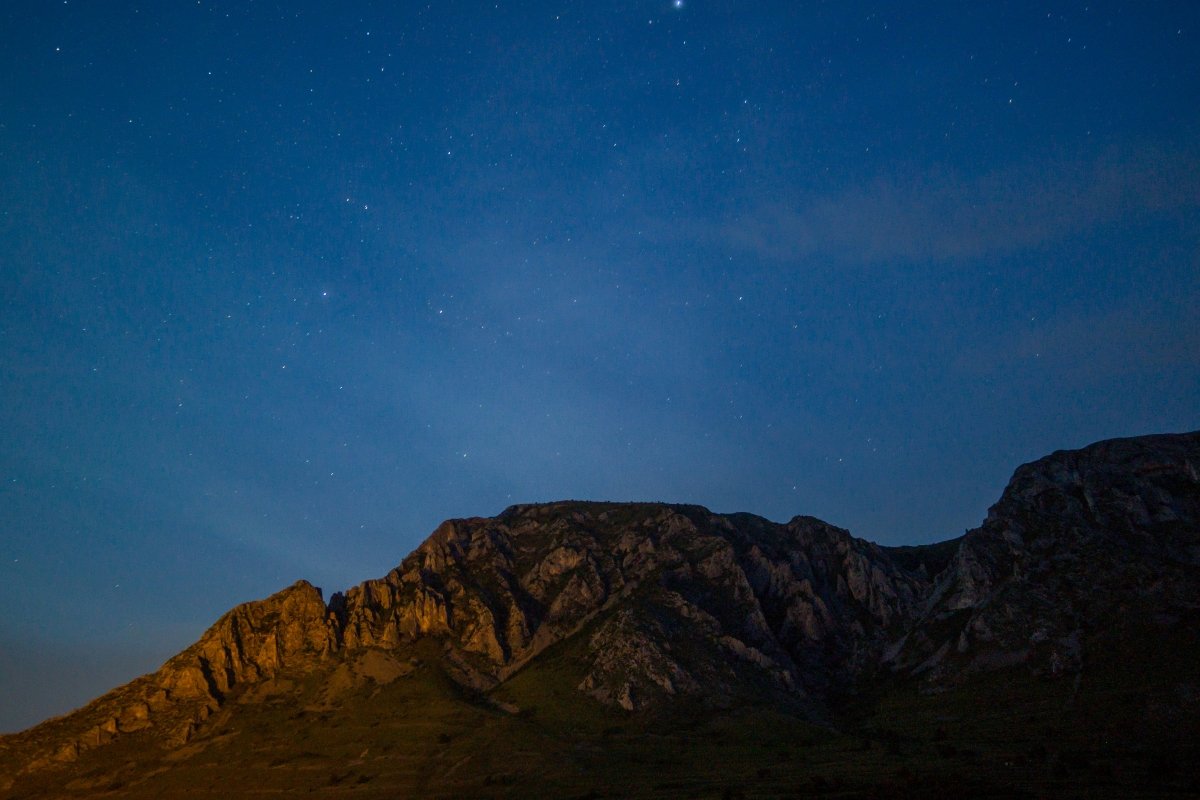
Carpathian Mountains, Romania Transylvania isn’t just about vampires – it has some of Europe’s most pristine dark skies. The Carpathians offer excellent stargazing opportunities with much lower costs than Western European destinations. Plus, the local folklore about the stars adds an extra layer of magic to your experience.
Tatra Mountains, Poland/Slovakia These peaks provide excellent high-altitude stargazing with relatively easy access from major cities. The area has been working to reduce light pollution, making the night skies increasingly spectacular.
Northern Europe: Aurora Hunting Territory
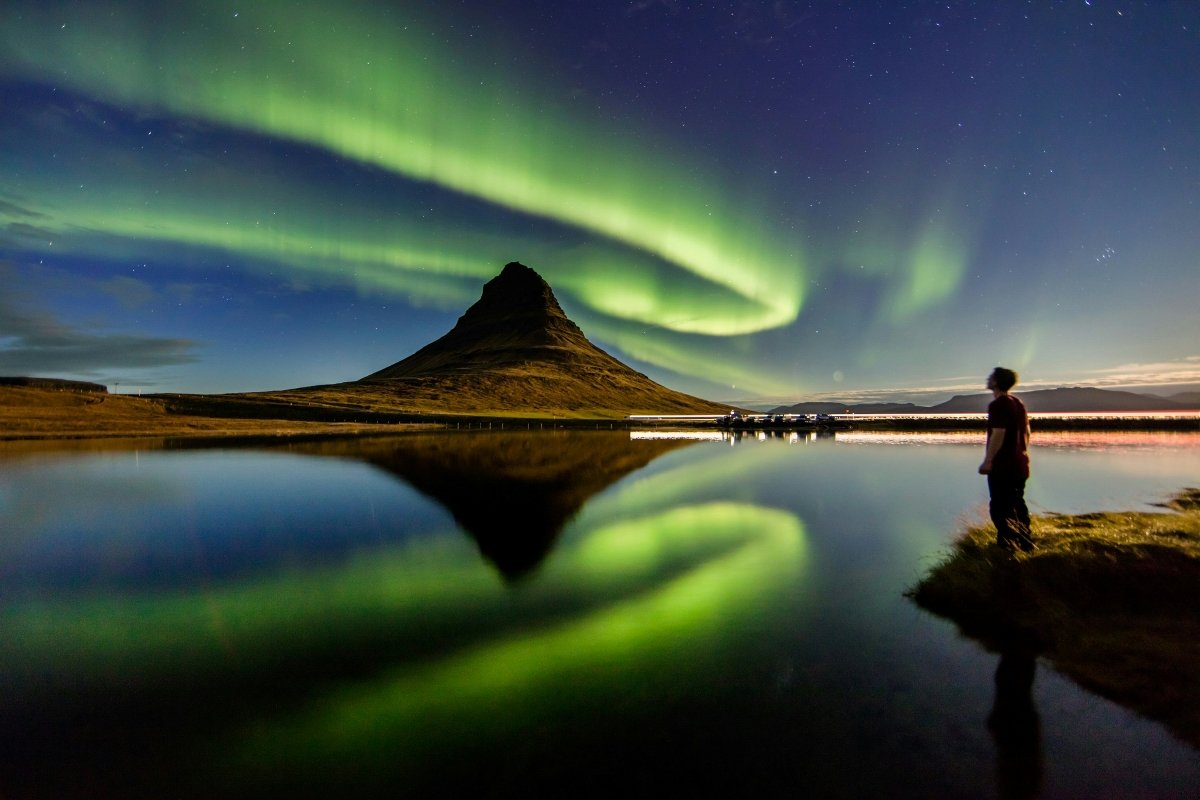
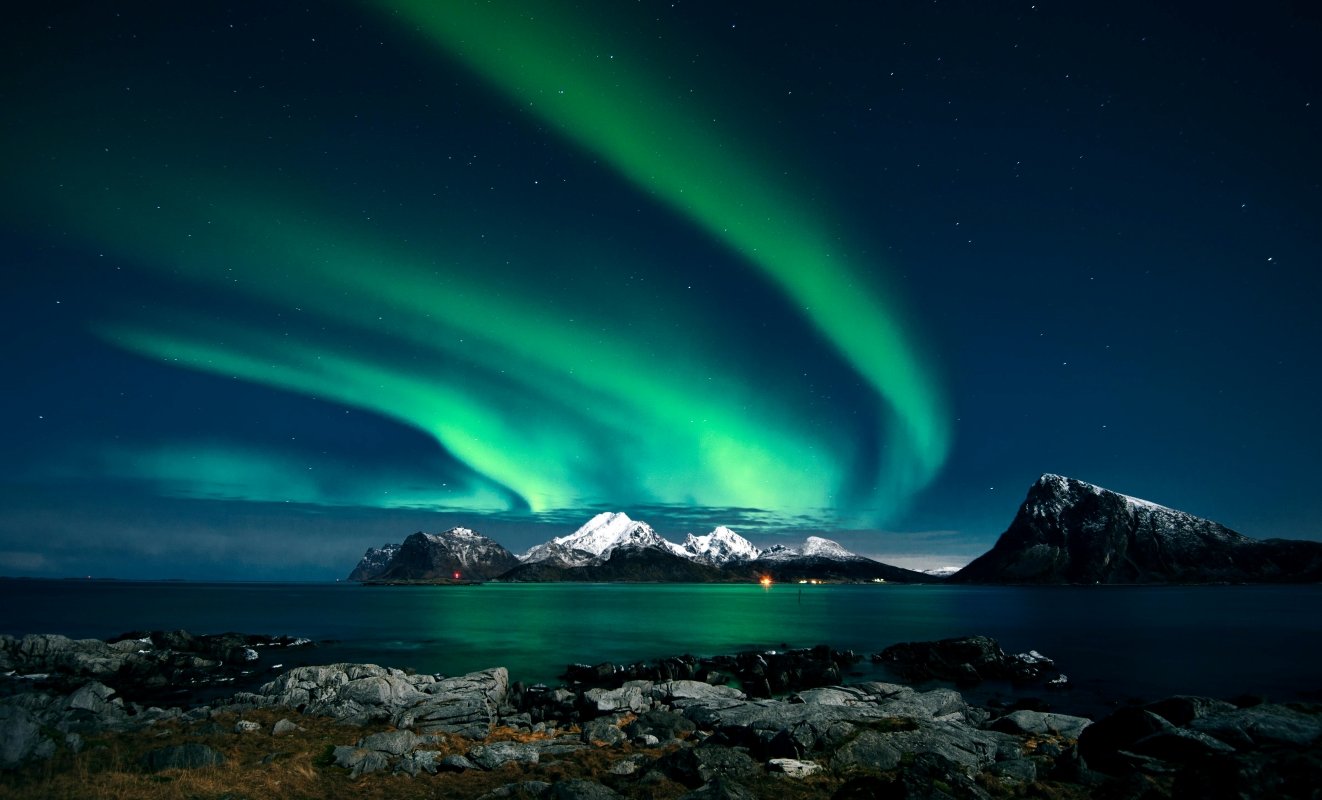
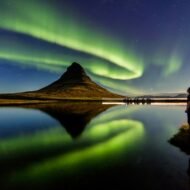
Iceland From September to March, Iceland becomes one of the world’s best places to see the Northern Lights. But even during summer’s midnight sun season, the crystal-clear air and minimal light pollution make it perfect for deep-sky observation when darkness returns.
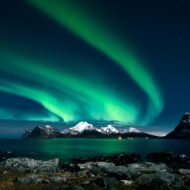
Northern Norway The combination of Arctic darkness and clear skies makes Northern Norway a stargazer’s paradise. Places like the Lofoten Islands offer the perfect mix of dramatic landscapes and cosmic displays.
When to Go: Timing Your Cosmic Adventure
Best Months: Generally, October through March offer the longest nights and clearest skies. Summer can work too, especially in Northern Europe where you get those incredible white nights.
Moon Phases: Plan around new moon periods for the darkest skies. However, a slight crescent moon can actually help illuminate the landscape for photography.
Weather Patterns: Check long-range forecasts and be flexible. Mountain areas can have sudden weather changes, while coastal locations might deal with marine layers.
Essential Gear for Your Stargazing Adventure
Must-Haves:
- Warm layers (trust me, it gets cold at night even in summer)
- Red flashlight to preserve night vision
- Comfortable reclining chair or blanket
- Thermos with hot drinks
- Smartphone with stargazing apps (Star Walk, SkySafari, or PhotoPills)
Nice-to-Haves:
- Binoculars (even basic ones reveal incredible detail)
- Star charts specific to your location and time of year
- Camera with manual settings for astrophotography
- Power bank to keep devices charged
Making the Most of Your Stargazing Experience
Arrive Early: Get to your spot while there’s still some light to set up safely and let your eyes adjust as darkness falls.
Learn the Basics: Download a stargazing app before you go. Being able to identify constellations and planets makes the experience so much more engaging.
Join Local Groups: Many destinations have astronomy clubs that welcome visitors. Local knowledge can make a huge difference in finding the best spots and understanding what you’re seeing.
Consider Guided Tours: Especially for your first stargazing trip, a knowledgeable guide can help you see things you’d never notice on your own.
Practical Planning Tips
Transportation: Rent a car for maximum flexibility, especially in rural areas. Many of the best stargazing spots aren’t accessible by public transport.
Accommodation: Look for astronomy-friendly lodges, observatories with guest facilities, or camping options. Some places offer special “astro-tourism” packages.
Weather Backup Plans: Always have indoor alternatives nearby. Museums, planetariums, or cozy restaurants can save a cloudy night.
Local Regulations: Some protected areas have specific rules about lighting, camping, or access hours. Check ahead to avoid disappointment.
Photography Tips for Stunning Star Photos
Camera Settings: Start with ISO 1600-3200, aperture f/2.8-f/4, and 15-30 second exposures. Adjust based on your results.
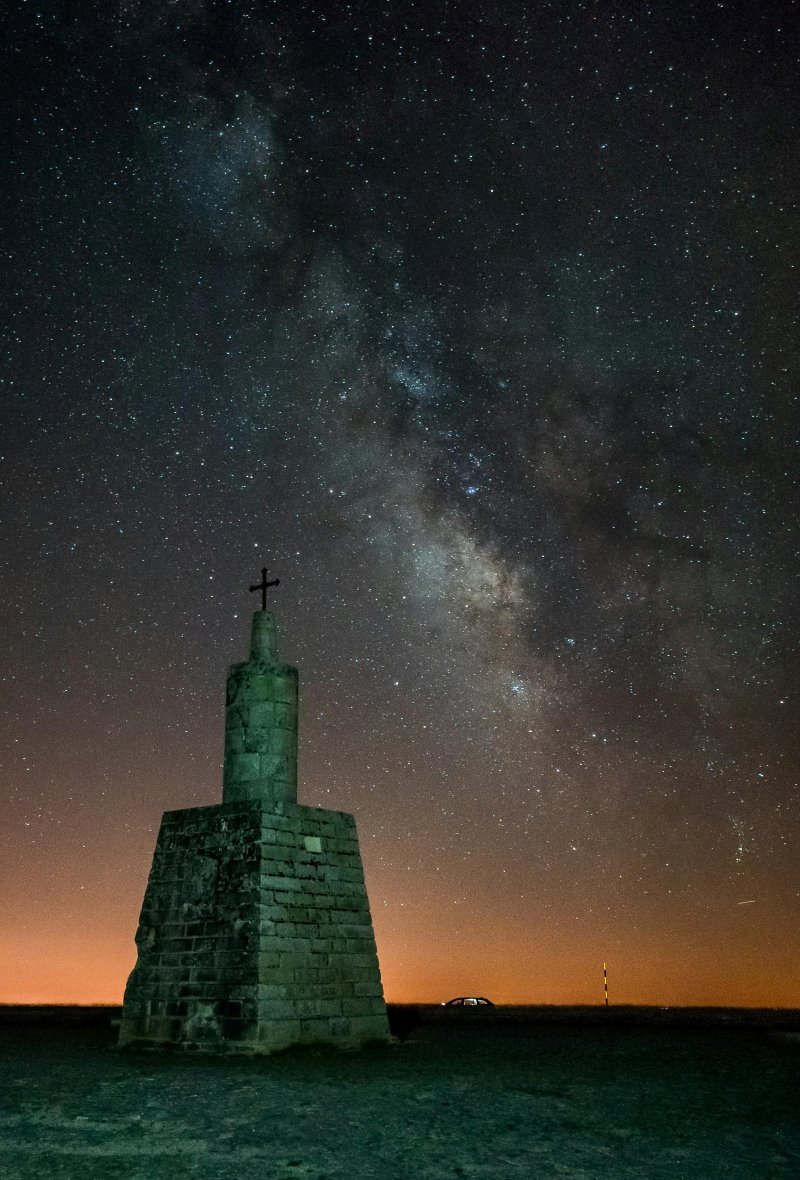
Composition: Include interesting foreground elements like trees, mountains, or historic buildings to add context and scale.
Focus: Use live view and zoom in on a bright star to achieve perfect focus. Infinity focus on your lens might not actually be at the infinity mark.
Patience: The best shots often require multiple attempts and post-processing. Don’t expect perfection on your first try.
Budget-Friendly Stargazing Tips
Free Alternatives: Many excellent stargazing spots don’t require paid access. Research public areas, national forests, and coastal locations.
Off-Season Travel: Visit during shoulder seasons for lower accommodation costs and potentially better weather.
Group Travel: Split costs for car rentals and accommodation. Plus, stargazing is more fun with friends!
Local Resources: Connect with local astronomy clubs, universities, or visitor centers for free events and insider tips.
Responsible Stargazing: Protecting Dark Skies for Everyone
Light Discipline: Use only red lights, shield any white lights, and never point lights at other stargazers.
Leave No Trace: Pack out all trash, stay on designated paths, and respect private property.
Support Dark-Sky Initiatives: Choose accommodations and businesses that actively work to reduce light pollution.
Spread Awareness: Share your experiences responsibly and encourage others to protect these precious dark-sky resources.
Planning Your European Stargazing Adventure
Europe’s stargazing destinations offer something for everyone – from budget-conscious backpackers to luxury travelers wanting world-class astronomical experiences. The key is matching your interests, budget, and travel style with the right destination.
Whether you’re hoping to see your first Milky Way, photograph the Northern Lights, or just spend a peaceful night under the stars, Europe’s dark-sky destinations will deliver experiences that’ll stay with you long after you return home. The universe is waiting – and it’s closer than you think.
Ready to start planning? Research your chosen destination’s current weather patterns, moon phases, and any special astronomical events happening during your visit. The cosmos puts on different shows throughout the year, so timing can make your trip even more spectacular.
Safe travels and clear skies!