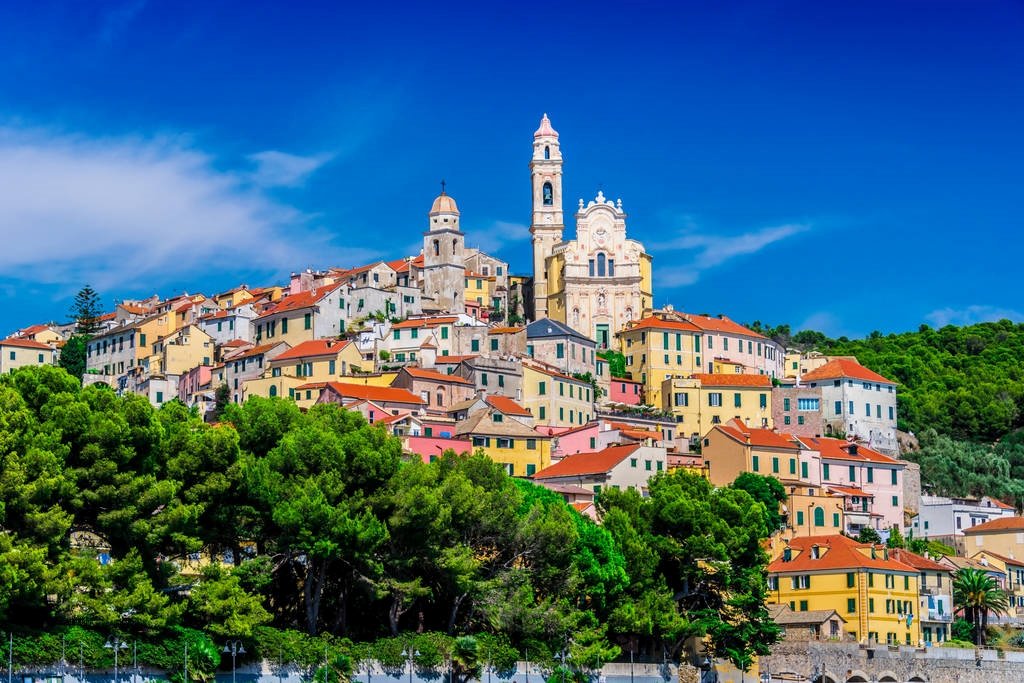


TL;DR: Cervo is a stunning hilltop medieval village on the Riviera dei Fiori or Riviera of Flowers that most tourists completely miss. Think pastel houses, incredible sea views, world-class music festivals, and zero crowds. It’s basically Cinque Terre’s cooler, more authentic cousin.
- What Makes Cervo So Special?
- Getting There (Easier Than You Think)
- The Village Layout: Small But Mighty
- Must-See Attractions
- When to Visit
- Where to Stay
- Food and Drink
- Cultural Experiences
- Day Trip Ideas
- Practical Tips for Visitors
- Hidden Gems and Local Secrets
- Budget Considerations
- Why Cervo Should Be Your Next Italian Destination
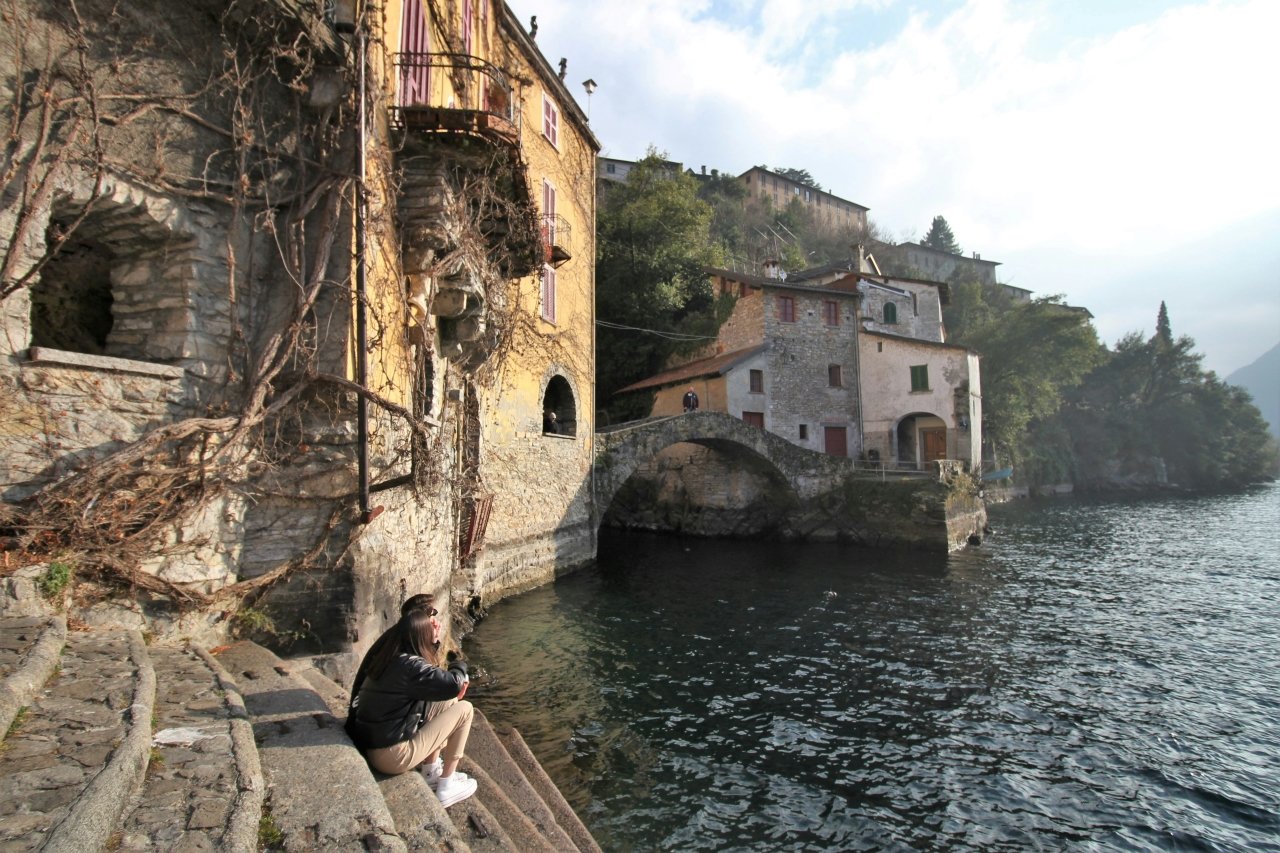
Let me tell you about a place that’ll make you question why anyone bothers with overcrowded Portofino when this gem exists just down the coast. Cervo isn’t just another pretty Italian village – it’s a time capsule perched dramatically on a cliff, where every cobblestone seems to whisper stories from centuries past.
What Makes Cervo So Special?
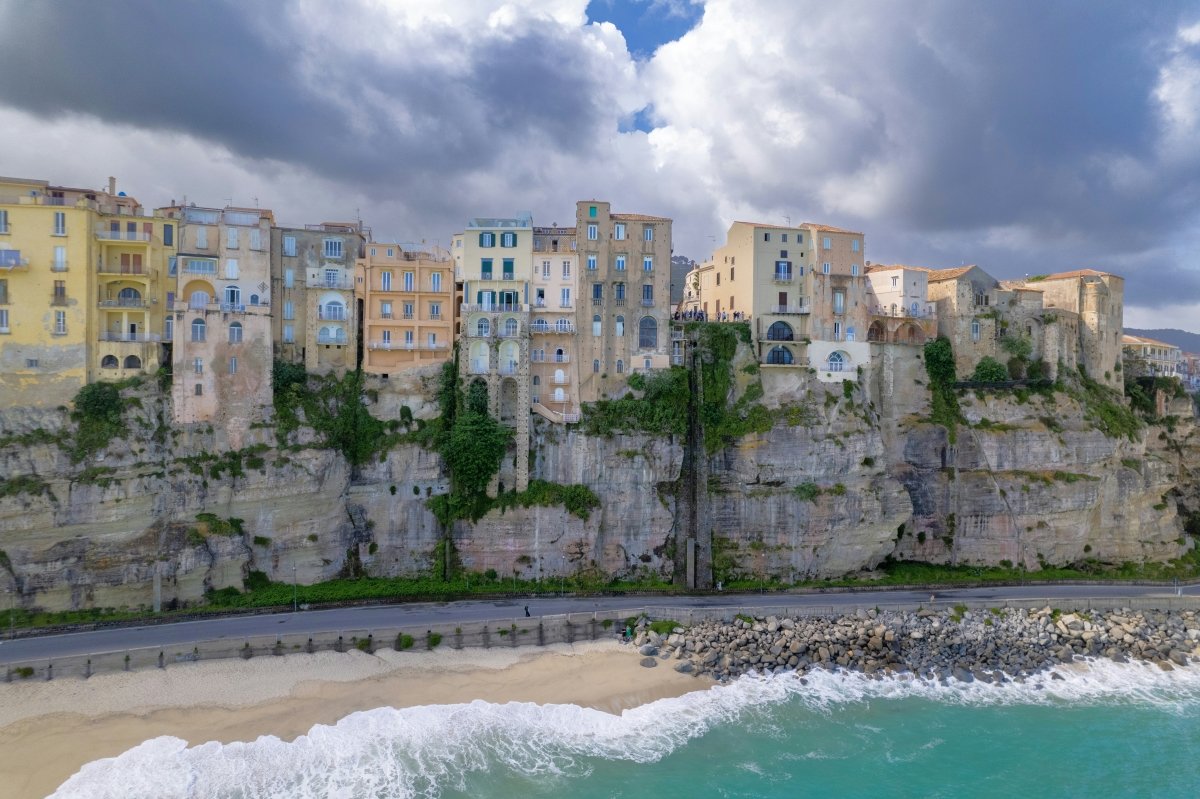
Picture this: coral-pink and ochre houses cascading down a hillside toward the Mediterranean, their shuttered windows catching the golden hour light like something straight out of a Renaissance painting. The village sits on a rocky promontory between Imperia and Alassio, and honestly? The views alone are worth the trip.
But here’s what really sets Cervo apart – it’s remained authentically Italian. While other coastal towns have been overrun by tour buses and souvenir shops, Cervo maintains its medieval character. The population hovers around 1,200 residents who’ve managed to preserve their village’s soul while welcoming visitors with genuine warmth.
Getting There (Easier Than You Think)
Coordinates: 43°55′N 8°07′E
By Train: The closest station is Andora, about 15 minutes away by bus or taxi. Trains run regularly from major cities like Nice (1.5 hours), Monaco (1 hour), and Genoa (2 hours).
By Car: Take the A10 motorway and exit at Andora. Fair warning – parking in the historic center is limited, but there’s a decent-sized lot at the village entrance.
By Plane: Nice airport is your best bet (about 1.5 hours by car), though Genoa works too if you’re coming from elsewhere in Italy.
The Village Layout: Small But Mighty
Cervo’s historic center is compact enough to explore in a few hours, but trust me – you’ll want to linger. The village essentially consists of a few main areas:
The Upper Village houses the famous Church of San Giovanni Battista, whose baroque facade serves as a stunning backdrop for summer concerts. The narrow streets here are perfect for getting delightfully lost among medieval archways and hidden courtyards.
The Marina sits below, where local fishing boats bob alongside modern yachts. It’s the perfect spot for aperitivo with a view.
The Castle Ruins crown the highest point, offering panoramic vistas that’ll have you reaching for your camera every few minutes.
Must-See Attractions
Church of San Giovanni Battista
This baroque beauty isn’t just architecturally stunning – it’s the star of Cervo’s famous International Chamber Music Festival. Imagine listening to world-class musicians perform against this backdrop with the Mediterranean stretching to the horizon. Even if you visit outside festival season, the church’s coral-colored facade is absolutely Instagram-worthy.
The Medieval Streets
Forget following a map – the best way to experience Cervo is to wander. Via Santa Caterina and Via Romana wind through the heart of the village, lined with artisan workshops, tiny galleries, and homes that have stood for centuries. Each turn reveals new architectural details, from ancient stone portals to wrought-iron balconies dripping with bougainvillea.
Oratorio di Santa Caterina
This small 14th-century oratory houses some surprisingly beautiful frescoes. It’s often overlooked by visitors, making it a peaceful spot for reflection.
The Scenic Overlooks
Multiple viewpoints offer different perspectives of the coastline. The terrace near the church provides classic postcard views, while the castle ruins offer a more dramatic, elevated perspective.
When to Visit
Summer (June-August): Peak season brings warm weather, the music festival, and bustling marina life. Expect higher prices and more crowds, though “crowded” in Cervo is relative.
Spring/Fall (April-May, September-October): My personal favorite times. Pleasant temperatures, fewer tourists, and locals are more available for genuine interactions. Many restaurants and shops remain open.
Winter (November-March): Many establishments close, but if you enjoy solitude and don’t mind cooler weather, winter Cervo has a contemplative beauty. Just check accommodation availability first.
Where to Stay
Hotel Villa Belvedere
A family-run gem offering stunning sea views and traditional Italian hospitality. The restaurant serves excellent local cuisine, and the terrace is perfect for morning coffee with a view.
Palazzo del Parco
This boutique option combines historic charm with modern amenities. Located in a renovated noble palace, it offers an authentic yet comfortable experience.
Vacation Rentals
Several apartments and villas are available through local agencies. Staying in a traditional Ligurian house gives you a real taste of village life.
Pro tip: Book accommodations well in advance for summer visits, especially during the music festival in July and August.
Food and Drink
Ligurian cuisine is all about fresh ingredients, olive oil, and herbs – basically the Mediterranean diet at its finest.
Local Specialties to Try:
- Focaccia col formaggio: Cervo’s version is particularly divine, with cheese melted between thin layers of dough
- Farinata: Chickpea flatbread that’s crispy, savory, and totally addictive
- Pesto: Obviously – this is Liguria, where pesto was born
- Fresh seafood: The catch of the day is always excellent
- Local wines: Vermentino and Pigato pair perfectly with the coastal cuisine
Restaurant Recommendations:
Osteria del Borgo serves traditional dishes with a creative twist in a cozy medieval setting. Ristorante San Giorgio offers upscale dining with panoramic views. For casual meals, Bar Gelateria Centrale has excellent paninis and, obviously, gelato.
Cultural Experiences
International Chamber Music Festival
Running from July to August, this world-renowned festival transforms the village into an outdoor concert hall. Performances happen in various venues, with the church courtyard being the most spectacular. Even if classical music isn’t usually your thing, the combination of music, architecture, and setting creates something magical.
Artisan Workshops
Several local artisans still practice traditional crafts. You might find ceramicists, painters, or jewelers working in small studios tucked into medieval buildings. These interactions offer authentic glimpses into local culture.
Seasonal Festivals
Throughout the year, Cervo celebrates various saints’ days and local traditions. These smaller festivals offer wonderful opportunities to experience genuine Italian village culture.
Day Trip Ideas
Alassio (15 minutes): A larger beach resort with excellent shopping and restaurants.
Imperia (20 minutes): Explore olive oil museums and enjoy a more urban Italian experience.
Sanremo (45 minutes): Famous for its casino, flower market, and the annual music festival.
Monaco (1 hour): If you want to add some glamour to your Ligurian adventure.
Cinque Terre (2.5 hours): The famous five villages, though you’ll probably prefer Cervo’s authentic atmosphere.
Practical Tips for Visitors
- Language: While Italian is primary, many locals speak some English, especially in tourist-facing businesses
- Currency: Euro (credit cards widely accepted)
- Dress code: Casual but respectful, especially when visiting churches
- Walking: Comfortable shoes are essential – those medieval streets weren’t designed for heels
- Photography: The village is incredibly photogenic, but always ask permission before photographing locals
- Shopping: Small boutiques and artisan shops offer unique souvenirs, but don’t expect major shopping opportunities
Hidden Gems and Local Secrets
The real magic of Cervo reveals itself to those who venture beyond the obvious attractions. Early morning walks through the village offer the best light for photography and peaceful moments before day-trippers arrive. The small garden behind the church provides a quiet retreat with stunning views.
Local fishermen still head out before dawn – watching them prepare their boats and nets offers authentic glimpses of traditional Ligurian life. The weekly market (usually Thursdays) brings together vendors from surrounding villages, creating a genuine local atmosphere.
Budget Considerations
Cervo offers options for various budgets, though it’s not exactly a backpacker destination. Expect to pay premium prices during peak summer months and festival periods. However, shoulder seasons offer excellent value, with many establishments offering discounts and more flexible booking terms.
A mid-range daily budget might include €80-120 for accommodation, €30-50 for meals, and minimal costs for attractions since most of Cervo’s charm is free to experience.
Why Cervo Should Be Your Next Italian Destination
In a world where authentic experiences become increasingly rare, Cervo offers something precious – the chance to experience a genuine medieval Italian village that hasn’t been transformed into a tourist theme park. Here, you’ll find real residents living real lives in an extraordinarily beautiful setting.
Whether you’re seeking cultural enrichment, scenic beauty, culinary adventures, or simply a peaceful escape from modern life’s chaos, Cervo delivers. It’s the kind of place that reminds you why you fell in love with Italy in the first place – or will make you fall in love for the very first time.
The village works its magic slowly, rewarding those who take time to truly see it. Rush through, and you’ll miss the subtle details that make Cervo special. Linger, and you’ll discover why this little-known gem might just become your favorite Italian destination.
Pack light, bring comfortable walking shoes, and prepare to fall under the spell of one of Liguria’s most enchanting villages. Cervo isn’t just a destination – it’s a reminder of why we travel in the first place.