






















TL;DR: Skip the crowds in Paris and Rome! These incredible European second cities offer world-class art scenes, affordable prices, and authentic local vibes. From Lyon’s street art revolution to Porto’s contemporary galleries, here’s where art lovers should really be heading in 2025.
- Why Second Cities Are Art Lovers’ Best-Kept Secrets
- Lyon, France: The Unexpected Street Art Capital
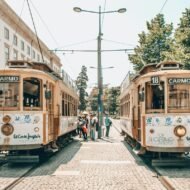
- Porto, Portugal: Where Tradition Meets Innovation
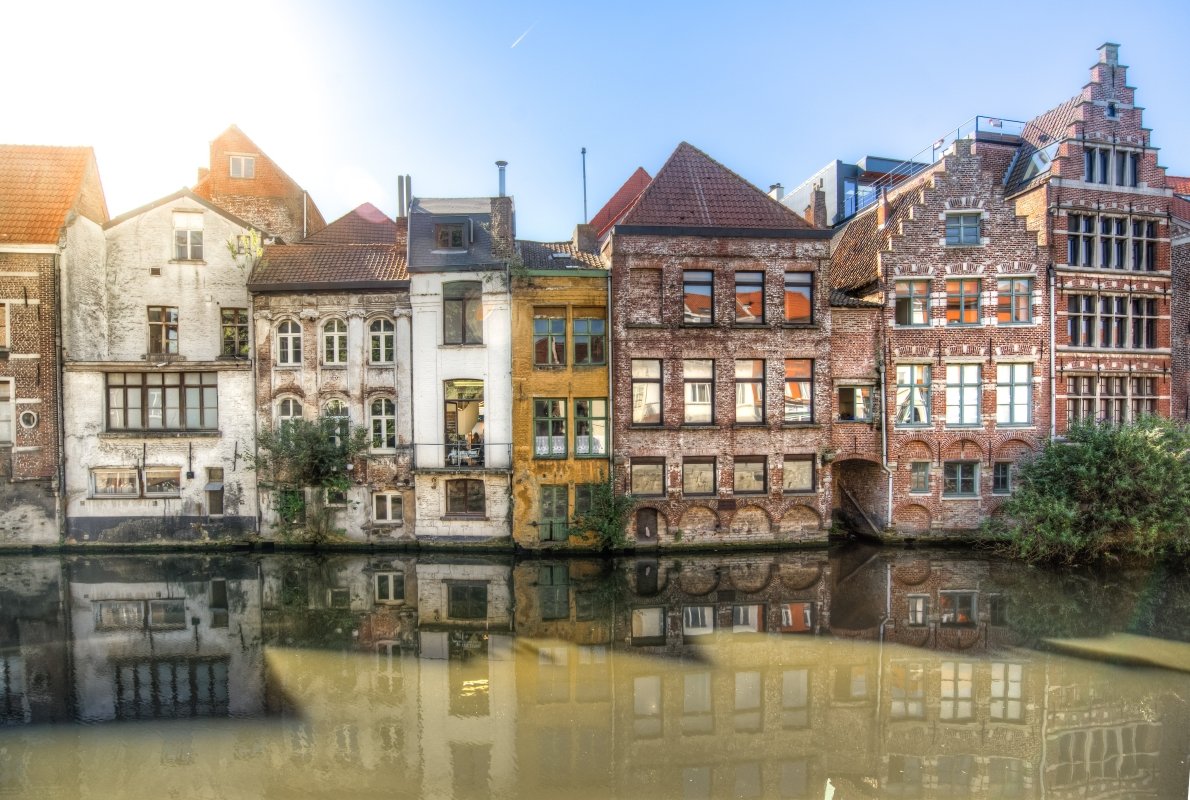
- Ghent, Belgium: Medieval Meets Modern Perfection
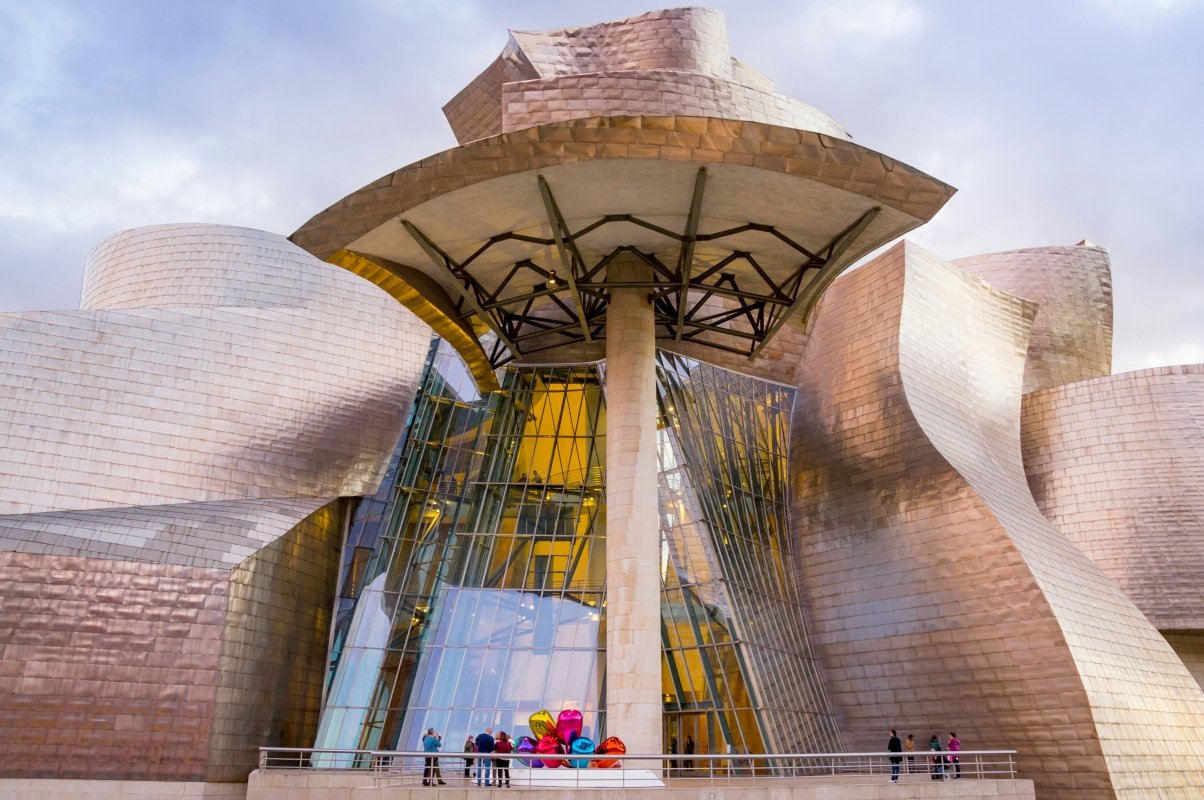
- Bilbao, Spain: The Guggenheim’s Incredible Neighbors
- Antwerp, Belgium: Diamonds, Fashion, and Fantastic Art
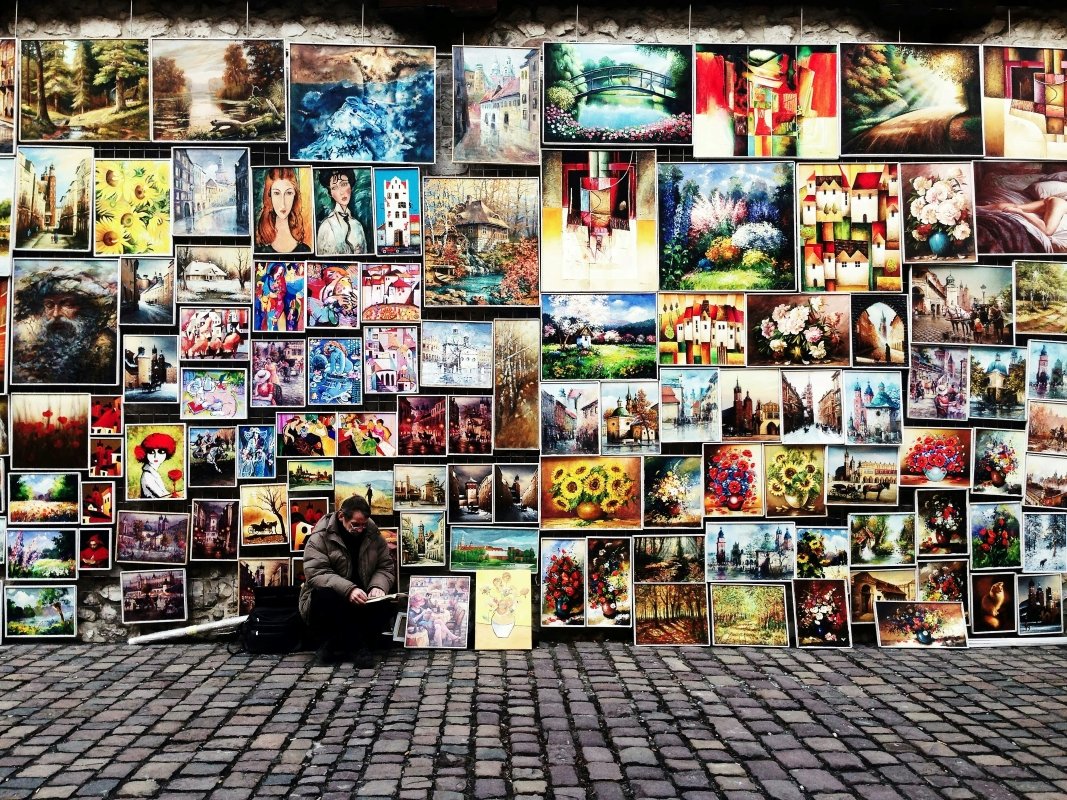
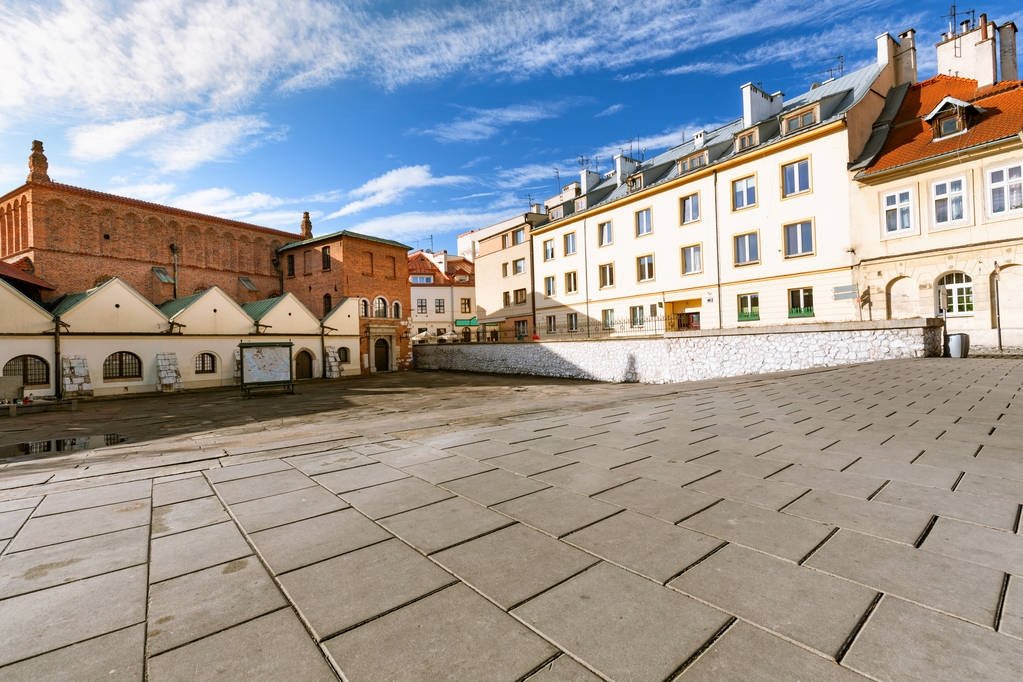
- Kraków, Poland: Eastern Europe’s Cultural Crown Jewel
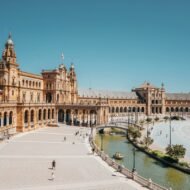
- Seville, Spain: Moorish Magic Meets Modern Art
- How to Make the Most of Your Art-Focused Trip
- Final Thoughts: Why Second Cities Deserve the Spotlight
Tired of fighting tourist hordes at the Louvre? Ready to discover Europe’s most exciting art scenes without breaking the bank? You’re in for a treat. While everyone’s Instagram feed is flooded with the same shots from Paris, Florence, and Amsterdam, savvy art lovers are discovering that Europe’s second cities often punch way above their weight when it comes to cultural offerings.
These hidden gems serve up everything from cutting-edge contemporary galleries to stunning street art, medieval masterpieces to avant-garde installations—all without the massive crowds and eye-watering prices of their famous neighbors. Plus, you’ll actually get to chat with local artists, gallery owners, and fellow art enthusiasts instead of being swept along in a river of selfie sticks.
Why Second Cities Are Art Lovers’ Best-Kept Secrets
Here’s the thing about second cities: they’re hungry. Hungry to prove themselves, hungry to attract visitors, and hungry to showcase their incredible talent. This means more experimental exhibitions, more accessible artist studios, better value for money, and way more authentic experiences.
You’ll find cutting-edge contemporary art spaces housed in converted industrial buildings, local artists who have time to actually talk about their work, and gallery openings where you’re welcomed with open arms rather than treated like tourist number 47,392.
Lyon, France: The Unexpected Street Art Capital
Why it’s amazing: Forget the Mona Lisa—Lyon’s got murals that’ll blow your mind and a contemporary art scene that puts Paris to shame.
Lyon isn’t just France’s gastronomic capital; it’s become Europe’s most exciting street art destination. The city’s famous “mur peint” (painted walls) tradition has evolved into something spectacular, with over 150 large-scale murals decorating buildings across the city.
Must-see art spots:
- Musée des Confluences: This architectural marvel houses mind-bending contemporary exhibitions
- Le Sucre: A rooftop cultural space in a former sugar factory with rotating art installations
- Croix-Rousse district: The historic silk-weaving neighborhood is now an open-air street art gallery
- Institut d’Art Contemporain: Cutting-edge exhibitions in a sleek modern space
Insider tip: Download the “Street Art Lyon” app for self-guided walking tours, or join one of the free weekend street art walks that local artists lead.
Budget-friendly bonus: Many galleries offer free entry, and you can see incredible street art just by walking around. A coffee and croissant costs half what you’d pay in Paris!
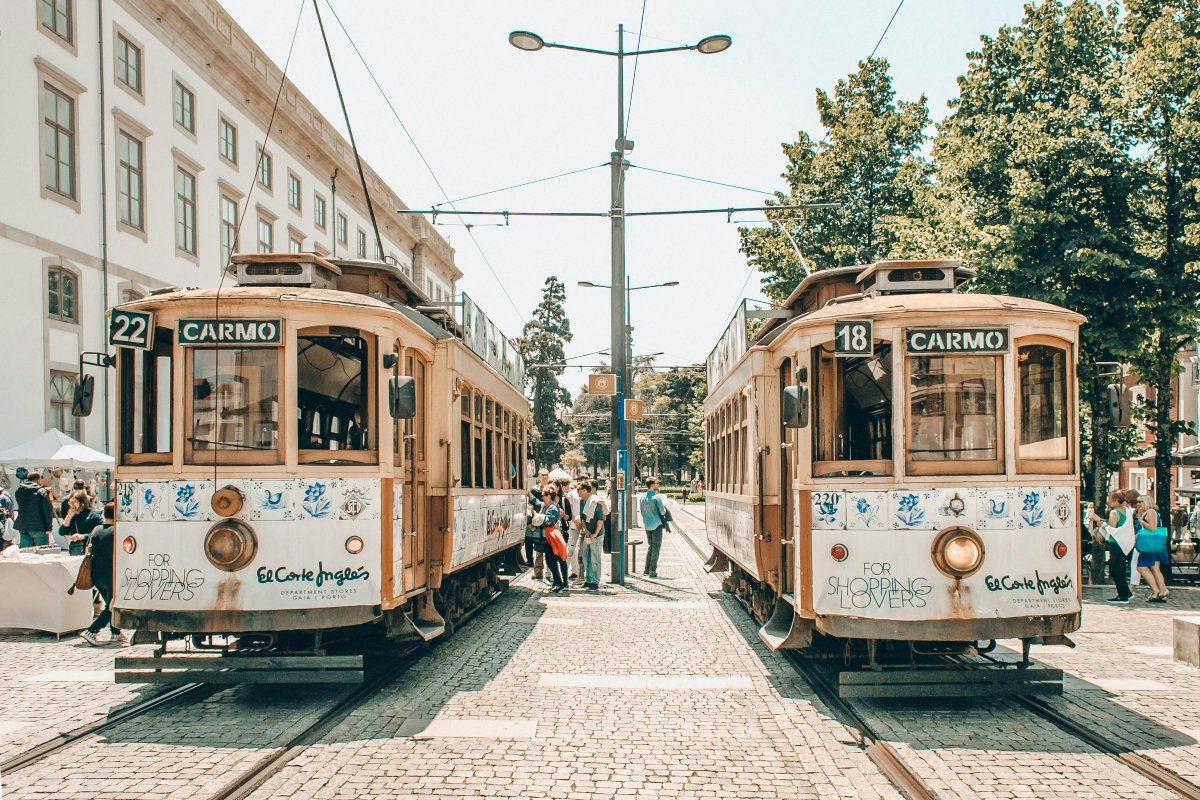
Porto, Portugal: Where Tradition Meets Innovation
Why it’s amazing: Stunning azulejo tile art meets contemporary galleries, all wrapped up in one of Europe’s most photogenic cities.
Porto’s art scene is having a serious moment. The city’s historic center (a UNESCO World Heritage site) provides a gorgeous backdrop for an increasingly dynamic contemporary art scene that’s attracting international attention.
Must-see art spots:
- Museu Nacional Soares dos Reis: Portugal’s first national museum, housed in a beautiful palace
- Rua Miguel Bombarda: The city’s creative quarter packed with independent galleries and artist studios
- Campanhã: An emerging neighborhood where street artists are transforming abandoned buildings
- Galeria Nuno Centeno: One of Portugal’s most respected contemporary art galleries
Don’t miss: The incredible azulejo tiles throughout the city—they’re not just decoration, they’re legitimate art installations telling stories of Portuguese history and culture.
Local secret: Many galleries stay open late on the first Friday of each month for “Gallery Night,” with wine, music, and the chance to meet artists.
Ghent, Belgium: Medieval Meets Modern Perfection
Why it’s amazing: Where else can you see van Eyck’s masterpieces in the morning and cutting-edge video art in the afternoon?
Ghent is Belgium’s best-kept cultural secret. This medieval gem has managed to preserve its historic charm while cultivating one of Europe’s most vibrant contemporary art scenes. Plus, it’s way less touristy than Brussels or Bruges.
Must-see art spots:
- MSK (Museum voor Schone Kunsten): Home to Flemish primitives and contemporary works
- SMAK (Stedelijk Museum voor Actuele Kunst): One of Europe’s top contemporary art museums
- St. Bavo’s Cathedral: Houses van Eyck’s mind-blowing “Ghent Altarpiece”
- Kunsthal Gent: Experimental exhibitions in a converted warehouse
Art lover’s dream: The city’s compact size means you can easily walk between medieval masterpieces and avant-garde installations in the same afternoon.
Budget win: Most museums offer combination tickets, and students/young people get significant discounts. Plus, Belgian beer is cheaper here than in Brussels!
Bilbao, Spain: The Guggenheim’s Incredible Neighbors
Why it’s amazing: Yes, the Guggenheim is here, but the real magic happens in the smaller galleries and street art scenes around the city.
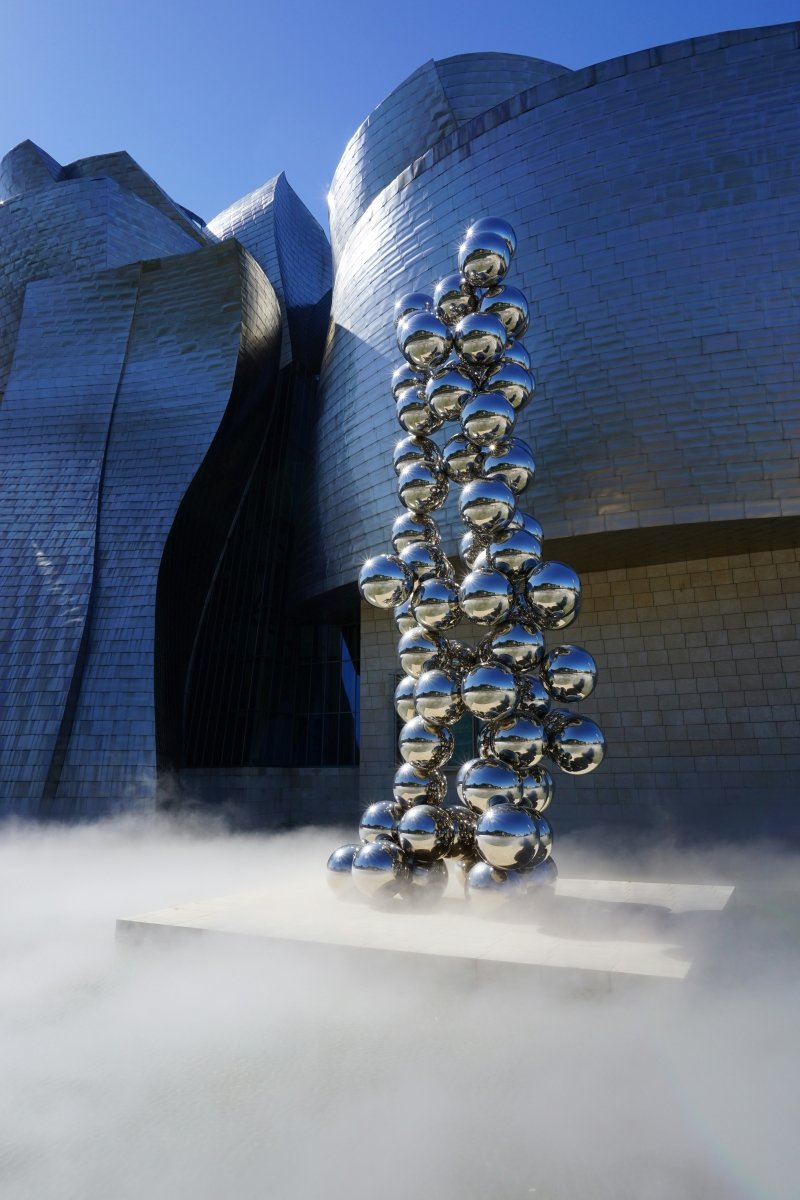
While everyone knows about the Guggenheim Bilbao (and yes, it’s absolutely worth visiting), the museum sparked an entire cultural renaissance that’s transformed this former industrial city into an art lover’s paradise.
Must-see art spots:
- Guggenheim Bilbao: Obviously, but book timed tickets to avoid crowds
- Bilbao Fine Arts Museum: Excellent collection spanning seven centuries
- Azkuna Zentroa: A cultural center in a converted wine warehouse with rotating exhibitions
- Casco Viejo: The old quarter is filled with independent galleries and street art
Hidden gem: The city’s “Bilbao Arte” program offers free guided tours to artist studios and alternative art spaces—an incredible way to see work you won’t find anywhere else.
Foodie bonus: Incredible pintxos culture means you can gallery-hop and eat amazing food at the same time. Win-win!
Antwerp, Belgium: Diamonds, Fashion, and Fantastic Art
Why it’s amazing: This port city combines historic Flemish masters with cutting-edge contemporary art and fashion.
Antwerp has always been a cultural powerhouse, from Rubens’ time to today’s fashion designers and contemporary artists. The city’s Royal Academy of Fine Arts continues to produce some of Europe’s most exciting emerging talent.
Must-see art spots:
- Royal Museum of Fine Arts (KMSKA): Recently renovated, featuring incredible Flemish masters
- M HKA: Contemporary art museum with thought-provoking exhibitions
- Rubens House: The master’s former home and studio
- Fashion Museum (MoMu): Where art meets haute couture
Art scene insider tip: The South district (Zuiderpark area) is where young artists and galleries are setting up shop. Rent is cheaper than the city center, so spaces are bigger and more experimental.
Student-friendly: As a major university city, Antwerp offers lots of student discounts and free cultural events.
Kraków, Poland: Eastern Europe’s Cultural Crown Jewel
Why it’s amazing: Medieval charm meets a thriving contemporary art scene, all at prices that’ll make Western Europeans weep with joy.
Kraków’s Old Town is UNESCO-listed for good reason, but the city’s contemporary art scene is what makes it truly special for modern art lovers. The combination of rich history and affordable living costs has attracted artists from across Europe.
Must-see art spots:
- MOCAK (Museum of Contemporary Art): Excellent contemporary exhibitions in a striking modern building
- Galeria Starmach: One of Poland’s most respected contemporary galleries
- Cricoteka: Dedicated to avant-garde theater and performance art
- Kazimierz district: Former Jewish quarter now packed with galleries and street art
Incredible value: Museum tickets cost a fraction of what you’d pay in Western Europe, and the food and drink are amazing and super affordable.
Cultural bonus: Kraków has a young, international population thanks to its universities, creating a vibrant arts community that’s very welcoming to visitors.
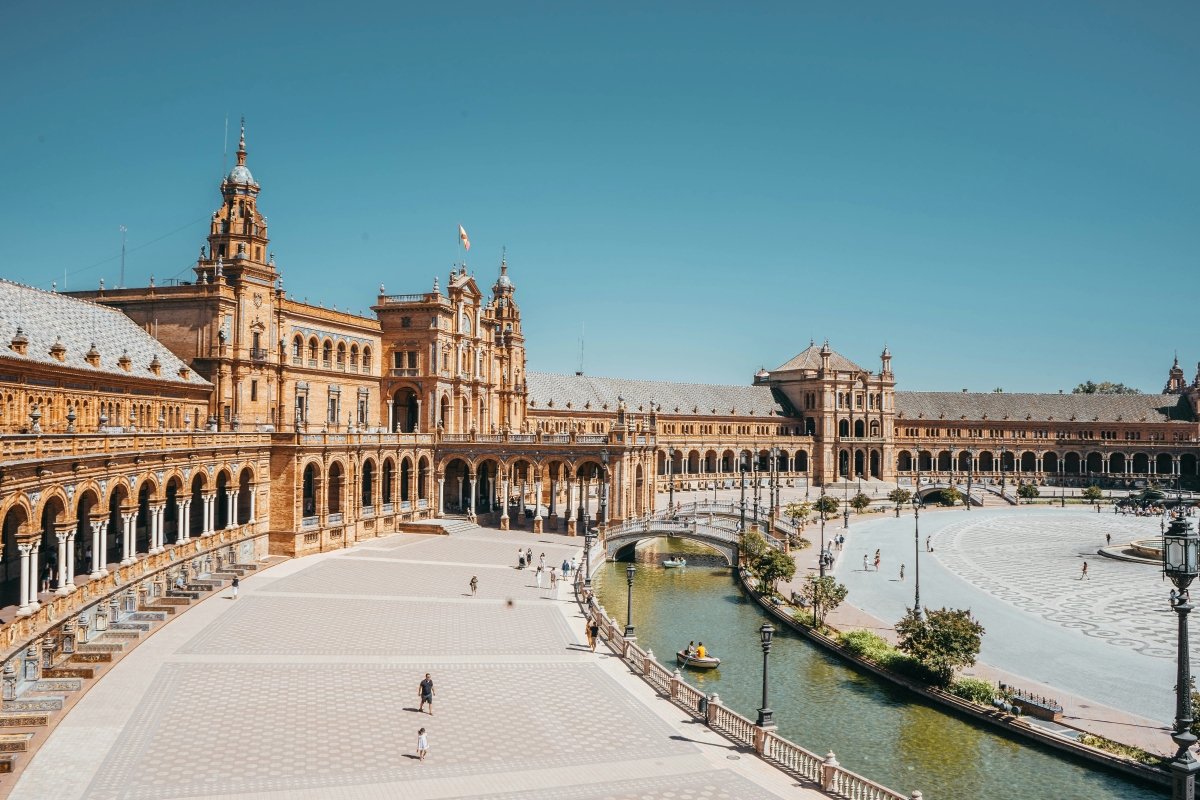
Seville, Spain: Moorish Magic Meets Modern Art
Why it’s amazing: Stunning Islamic architecture provides the backdrop for a sizzling contemporary art scene.
Seville combines some of Europe’s most beautiful historic architecture with an increasingly exciting contemporary art world. The city’s year-round sunshine and relatively low cost of living have attracted artists from across Spain and Europe.
Must-see art spots:
- Contemporary Art Center of Seville: Cutting-edge exhibitions in a converted monastery
- Museum of Fine Arts: Second-largest art gallery in Spain with incredible Spanish masters
- CICUS (International Center for Contemporary Culture): University-run space with experimental exhibitions
- Alameda district: Hip neighborhood with independent galleries and street art
Flamenco connection: Many contemporary artists here incorporate flamenco themes and Andalusian culture into their work—you’ll see art you won’t find anywhere else in Europe.
Perfect timing: Visit during spring or fall when the weather is perfect and you can easily walk between indoor galleries and outdoor art installations.
How to Make the Most of Your Art-Focused Trip
Plan your gallery hopping: Most cities have “gallery districts” where you can see multiple exhibitions in a single afternoon. Research opening hours—many European galleries close on Mondays.
Connect with locals: Use apps like Meetup to find art walks, gallery openings, or artist studio visits. Local art communities are usually super welcoming to genuine art enthusiasts.
Mix high and low: Combine major museums with street art tours, independent galleries, and artist studio visits for the full experience.
Consider timing: Many cities have special art events—gallery nights, art fairs, or festival periods when extra exhibitions are open.
Budget smartly: Look for combination tickets, student discounts, and free museum days. Many cities offer tourist cards that include museum entries plus public transport.
Final Thoughts: Why Second Cities Deserve the Spotlight
These incredible European second cities offer everything major art capitals do—world-class museums, cutting-edge galleries, vibrant street art scenes, and passionate local art communities—but with better prices, smaller crowds, and more authentic experiences.
You’ll leave not just with amazing photos and memories, but with a real connection to local art scenes and maybe even some new artist friends. Plus, you’ll have stories that go way beyond the typical tourist trail.
Ready to swap the Louvre crowds for Lyon’s street art revolution? Or trade Venice’s tourist chaos for Porto’s emerging gallery scene? Your next art adventure awaits in Europe’s most underrated cultural capitals.
Pro tip: These cities are getting more popular every year, so visit sooner rather than later to experience them while they’re still relatively undiscovered!
What’s your favorite European art destination? Have you discovered any amazing second cities we should add to our list? Share your art travel stories and tips!