



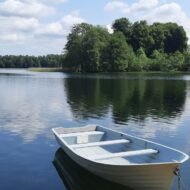
September is prime mushroom season across the Baltic! From Estonia’s chanterelle-filled forests to Lithuania’s porcini paradise, this guide covers where to forage, what to find, safety tips, and the best mushroom experiences for travelers. Perfect for food lovers, nature enthusiasts, and anyone wanting an authentic Baltic adventure.
- The Ritual of the Forest: A Family Tradition
- Why September is Mushroom Magic Time
- Your Baltic Mushroom Hotspots
- Safety First: Mushroom Foraging Rules
- What You’ll Actually Find in September
- How to Join the Foraging Fun
- The Cultural Experience
- From Forest to Fork
- Planning Your Mushroom Adventure
- Sustainable Foraging Practices
- Beyond the Mushrooms
- Final Tips for Mushroom Tourism Success
- The Bottom Line
- Important Disclaimer
Ready to swap your typical tourist traps for something truly wild? September in the Baltic states isn’t just about medieval towns and amber beaches – it’s peak mushroom season, and locals are heading into the forests with baskets and secrets passed down through generations.
Whether you’re a complete beginner or someone who knows their shiitake from their chanterelles, mushroom foraging in Estonia, Latvia, and Lithuania offers an incredible way to connect with local culture while scoring some seriously gourmet ingredients. Plus, it’s one of the most budget-friendly activities you’ll find in the region!
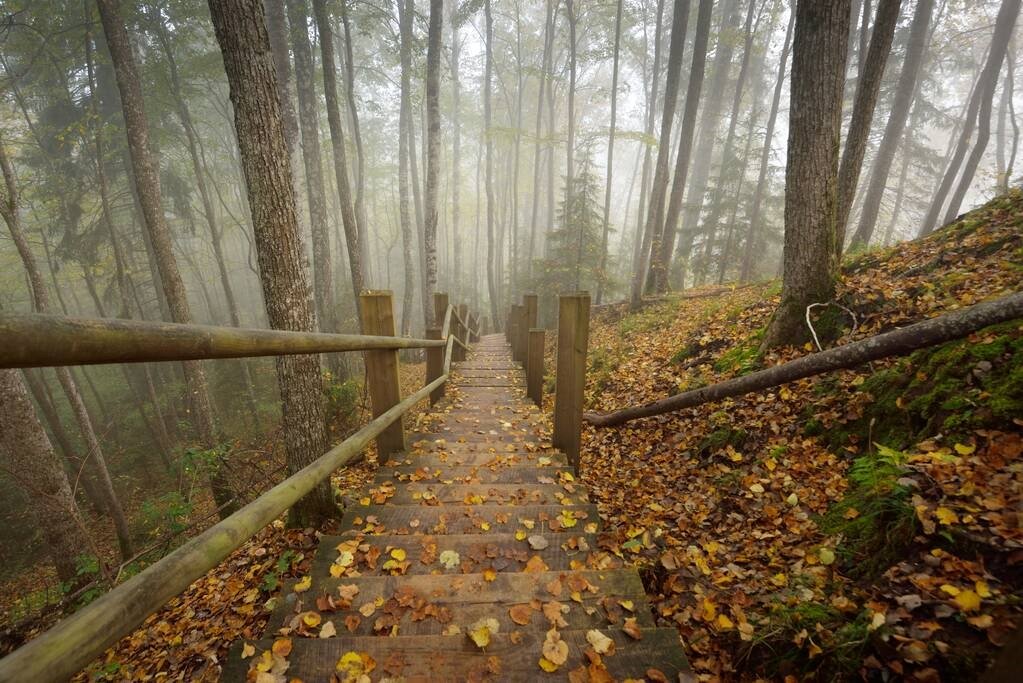
While many travel guides focus on the charming old towns of the Baltics, a true taste of local life awaits you in the forests. In September, the damp, cool woods of Estonia, Latvia, and Lithuania transform into a forager’s paradise, offering not just a harvest of delicious fungi but a deep dive into a cultural tradition that defines the region. Foraging isn’t just an activity—it’s a way of life.
The Ritual of the Forest: A Family Tradition
In the Baltics, mushroom picking is less of a hobby and more of an annual pilgrimage. This tradition, known as grybauti in Lithuania, is a cherished part of family life. Grandparents teach their grandchildren which mushrooms to pick and which to avoid, passing down a vital body of knowledge that has sustained communities for centuries. The experience is meditative and communal, fostering a quiet sense of connection to nature and to each other.
You’ll see families, dressed for the elements, heading into the woods with their woven baskets. This simple ritual, a walk in the forest with a goal, creates a rhythm of life that many locals hold dear. It’s a peaceful escape from the hustle of modern life, a quiet moment to listen to the sounds of the forest and appreciate the bounty it offers. The social aspect is tangible—don’t be surprised to find locals comparing their hauls or a friendly neighbor offering a few tips on where the best spots are.
A Cultural Tapestry Woven with Fungi
The cultural significance of mushroom foraging is woven into the very fabric of Baltic society. In Latvia, the tradition of mushroom gathering has been officially included in the Latvian National Intangible Cultural Heritage list. This formal recognition highlights how deeply the practice is valued as a part of the nation’s identity.
Beyond the formal recognition, mushroom picking shapes local life in more informal ways. Roadside stands pop up along rural highways, where seasoned foragers sell their daily bounty. These spontaneous markets are a testament to a sharing economy rooted in nature’s generosity. It’s a visible sign of the trust and community that this tradition fosters. The act of gathering from the earth and sharing it with others is a fundamental part of the Baltic spirit.
Why September is Mushroom Magic Time
The Baltic’s unique climate creates perfect mushroom conditions by September. Summer’s warmth has done its job, autumn rains are starting, and the humidity levels hit that sweet spot fungi absolutely love. Local foragers call this “the golden weeks” – and trust me, they’re not just talking about the chanterelles.
What makes Baltic forests special:
- Ancient woodlands with diverse tree species
- Perfect soil composition from centuries of leaf decay
- Minimal pollution compared to Western Europe
- Strong foraging traditions keeping knowledge alive
Your Baltic Mushroom Hotspots
Estonia: The Chanterelle Capital
Estonia’s forests are legendary among mushroom enthusiasts. Head to Lahemaa National Park for your first taste – it’s tourist-friendly but still wild enough for serious finds.
Top Estonian spots:
- Lahemaa National Park: Perfect for beginners, guided tours available
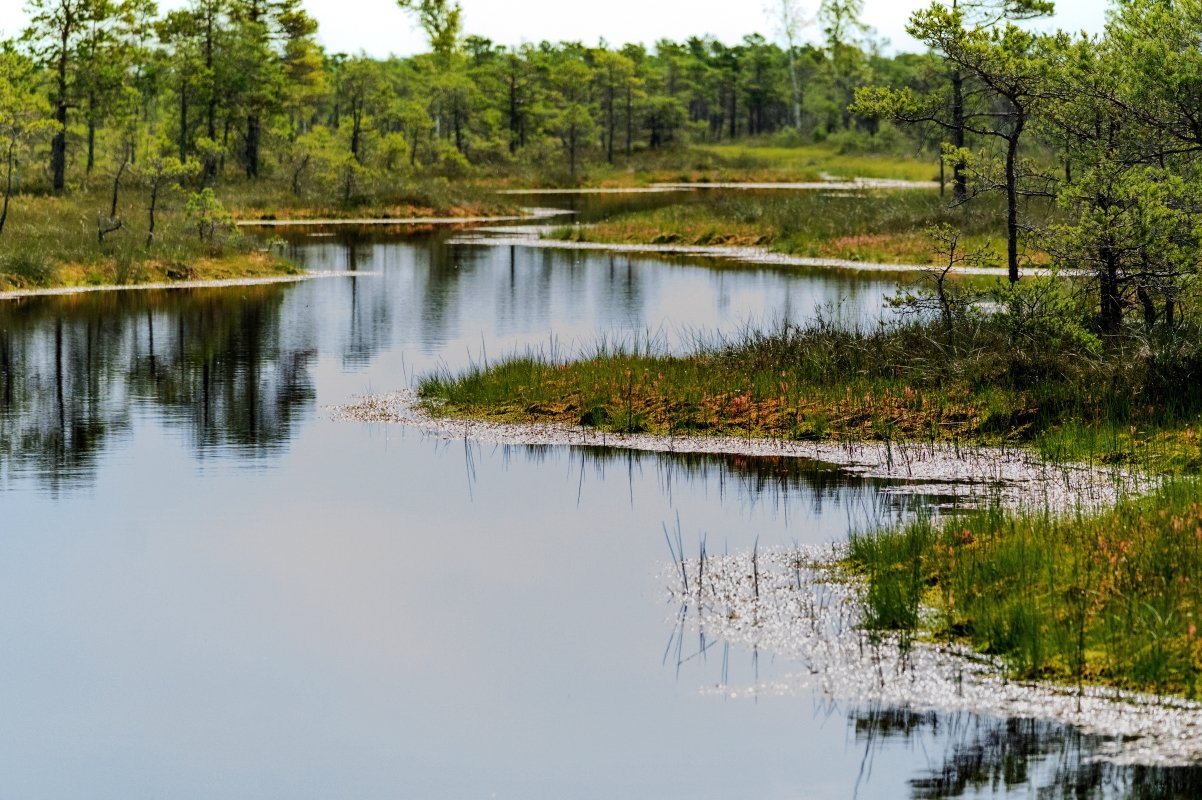
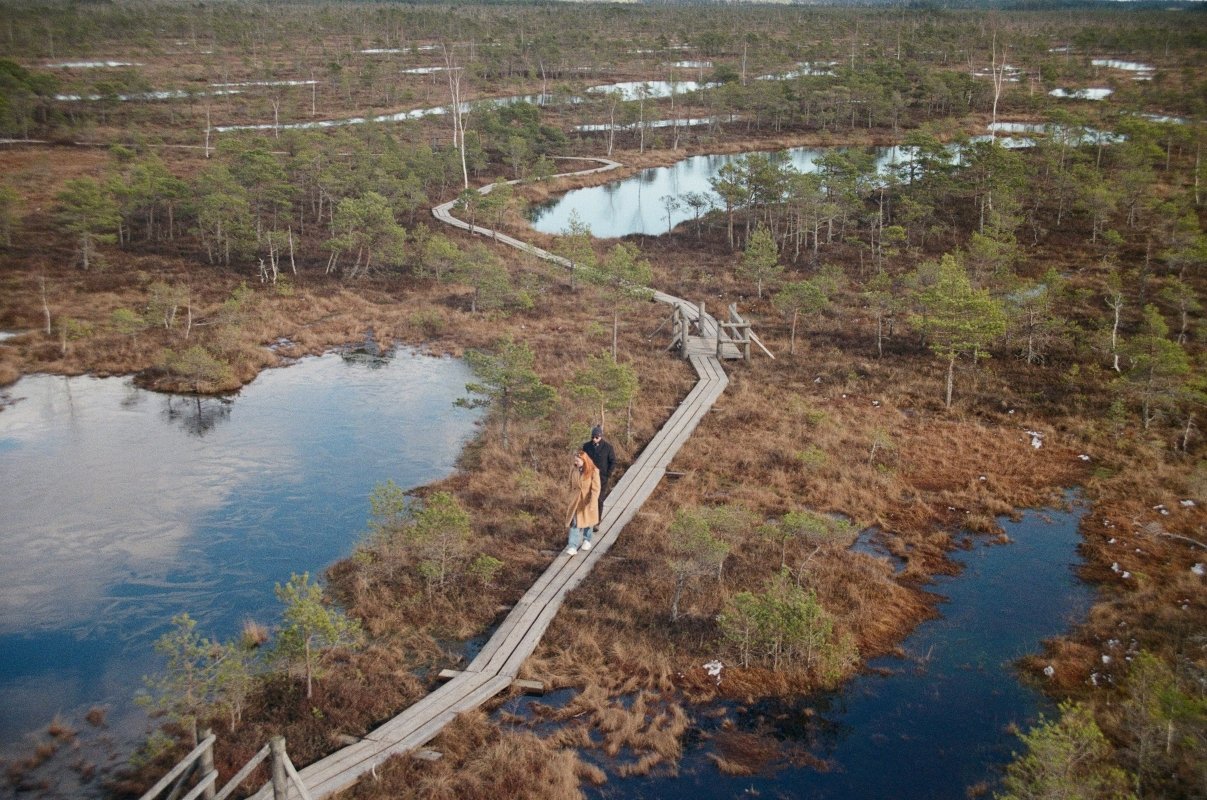
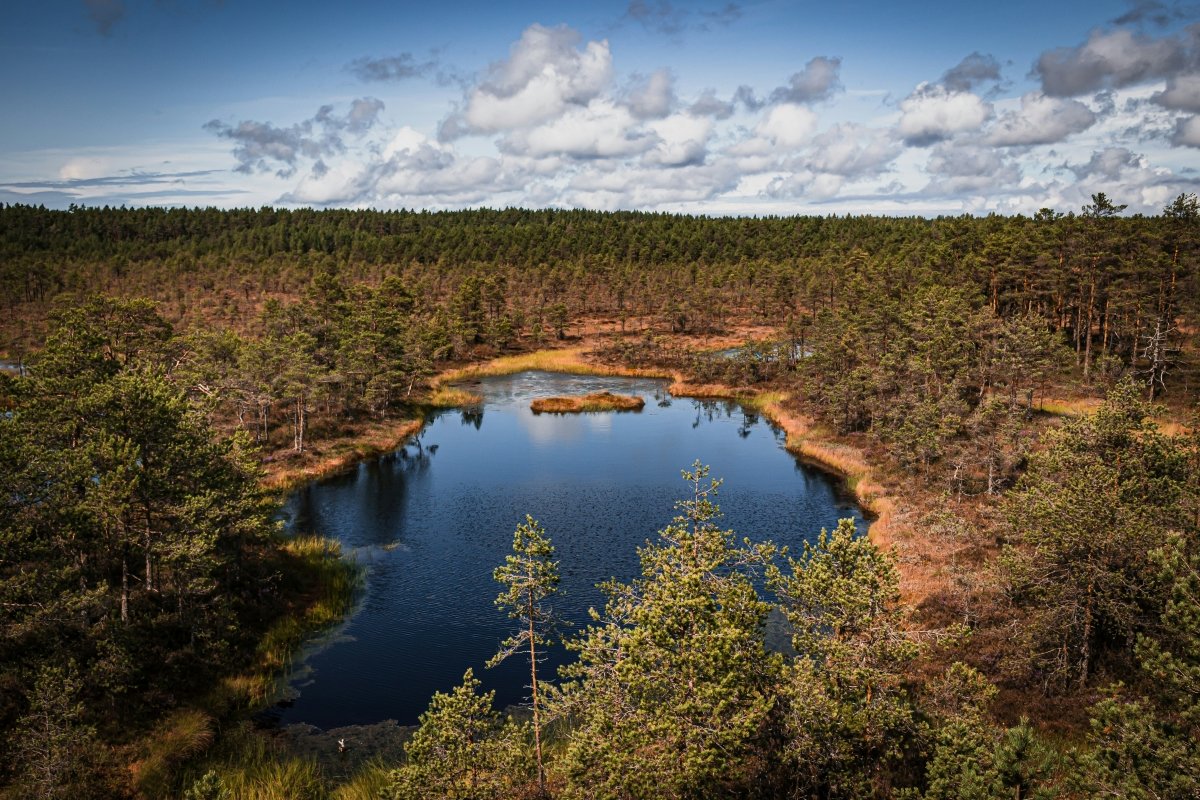
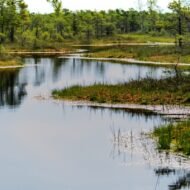
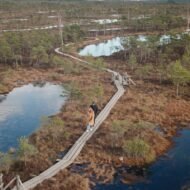
- Soomaa National Park: Bog landscapes with unique species
- Haanja Nature Park: Rolling hills packed with porcini
- Local tip: Ask your accommodation about nearby “mushroom forests” – locals are surprisingly generous with their knowledge!
What you’ll find: Golden chanterelles, meaty porcini, delicate honey mushrooms, and if you’re lucky, the prized matsutake.
Latvia: Forest Floor Treasures
Latvia’s vast forests cover nearly half the country, making it a forager’s dream. The area around Sigulda combines great mushrooming with stunning Gauja Valley scenery.
Must-visit Latvian forests:
- Gauja National Park: Scenic foraging with medieval castle views
- Slītere National Park: Coastal forests with unique varieties
- Kemeri National Park: Wetland edges perfect for specific species
- Around Cēsis: Local secret – amazing porcini territory
Bonus: Many Latvian guesthouses offer “mushroom weekends” with guided foraging and cooking classes.
Lithuania: The Porcini Paradise
Lithuania’s southern forests are porcini central. September brings out locals in droves, and the social aspect here is incredible – foraging is practically a national sport.
Lithuanian mushroom meccas:
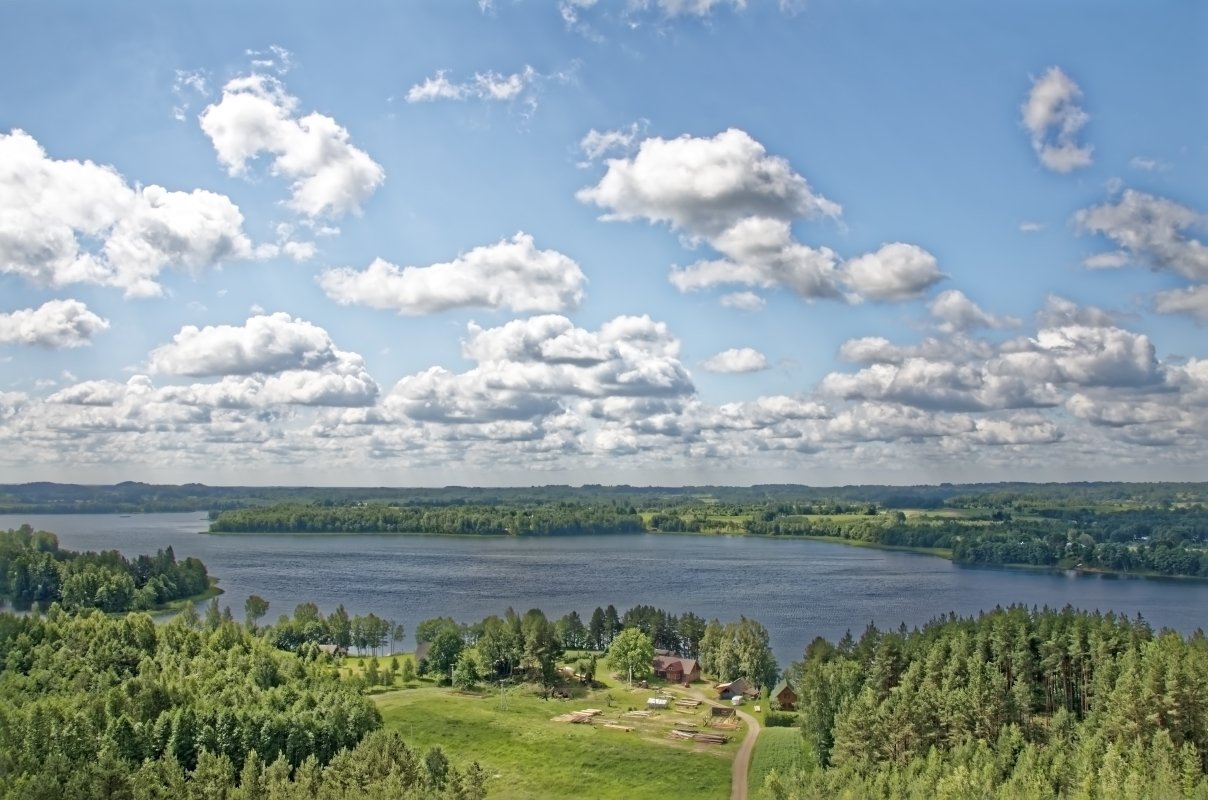
- Aukštaitija National Park: Pristine forests, diverse species
- Dzūkija National Park: Traditional foraging culture still thriving
- Around Trakai: Easy day trips from Vilnius
- Curonian Spit: Unique dune forest ecosystem
Safety First: Mushroom Foraging Rules
Golden rule: Never eat anything you can’t identify 100%. Seriously. The Baltic has some nasty look-alikes that can ruin more than just your vacation.
Essential safety tips:
- Join a guided tour your first time out
- Carry a reliable field guide (get one in English before you go)
- Use mushroom identification apps as backup, not primary ID
- When in doubt, photograph and ask locals
- Never forage alone – make it a group activity
Dangerous look-alikes to know:
- Death cap vs. young porcini
- False chanterelle vs. true chanterelle
- Fly agaric (the red spotted ones) – pretty but toxic
What You’ll Actually Find in September
The Big Five Baltic Mushrooms:
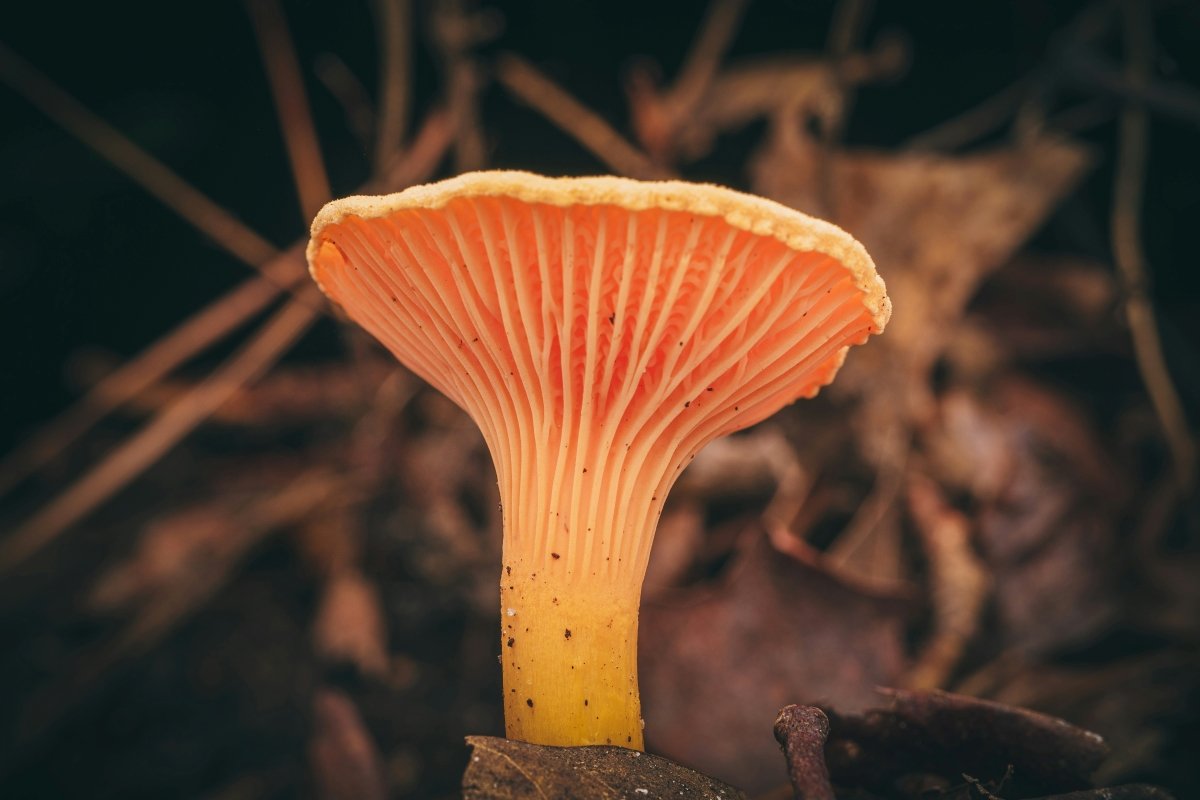
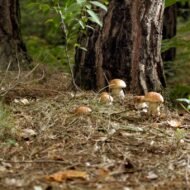
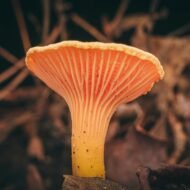
- Chanterelles (Cantharellus cibarius): Golden beauties, impossible to miss when you know what to look for. They love oak and beech areas.
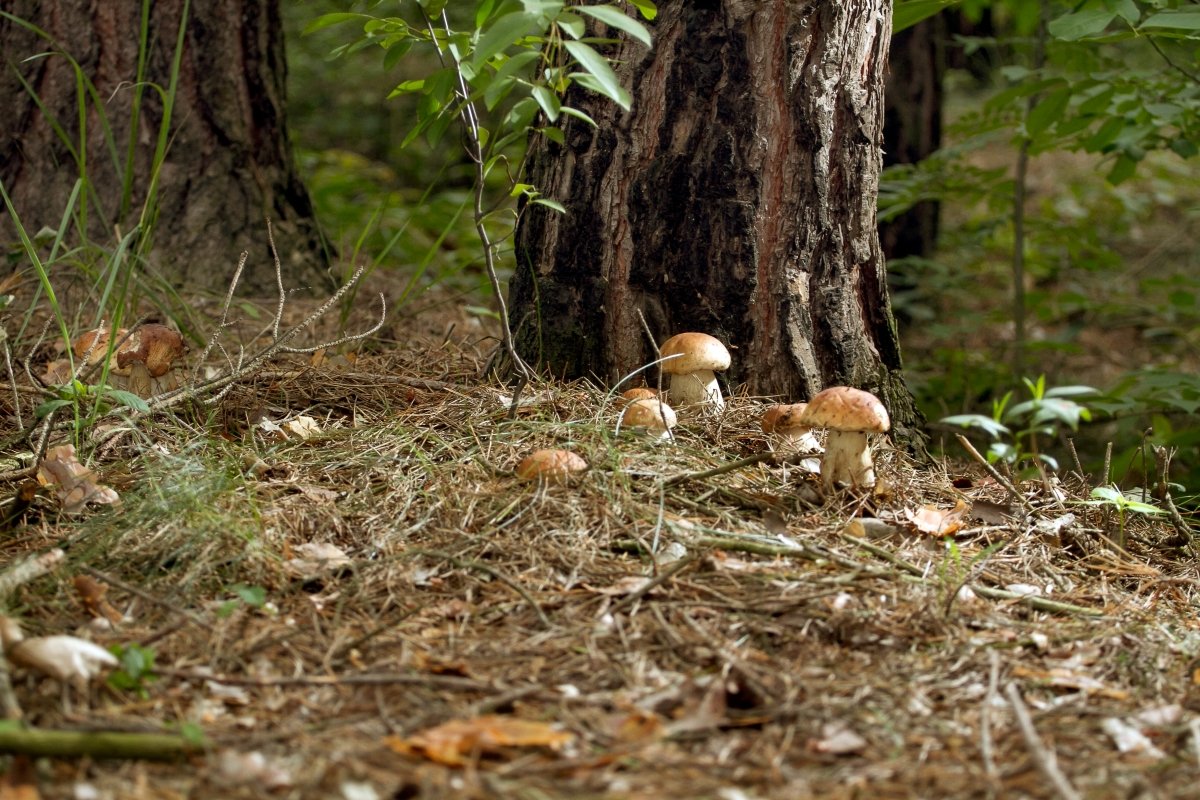
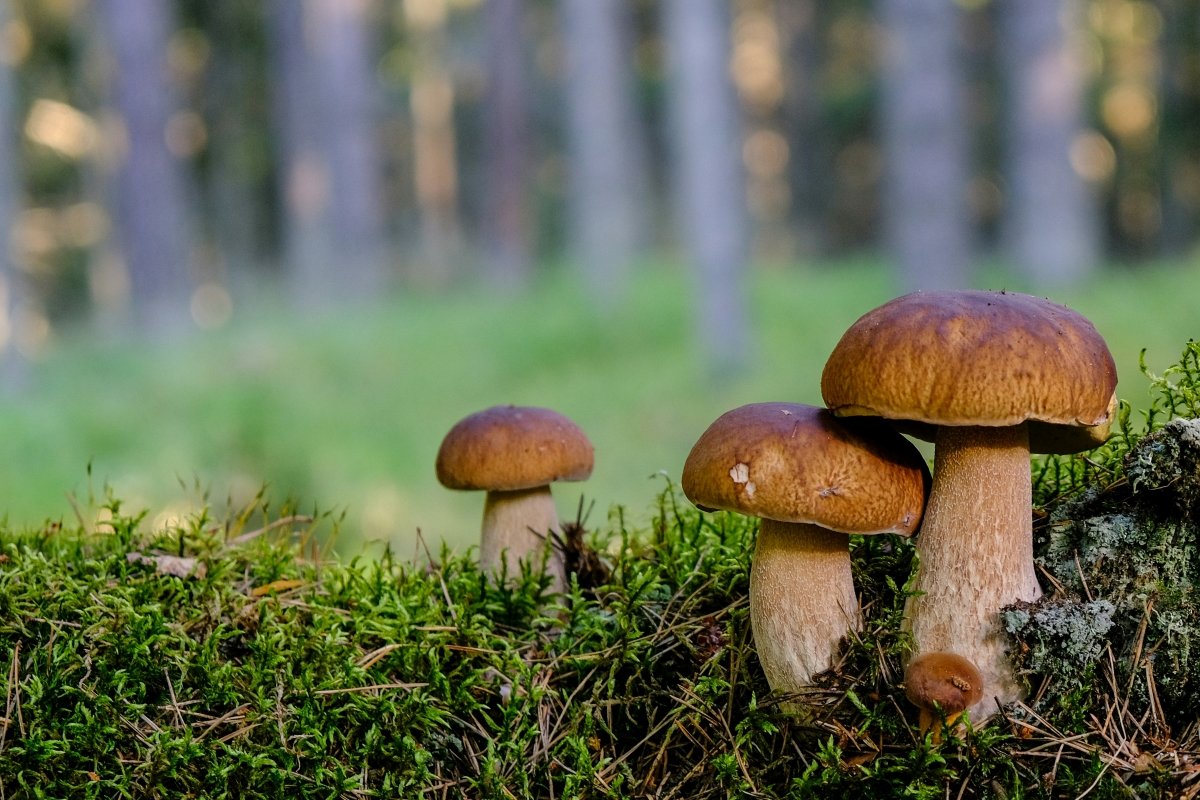
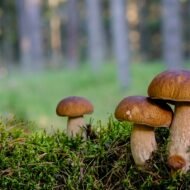
- Porcini (Boletus edulis): The holy grail! Look for their distinctive brown caps and white stems. Check under spruces and pines.
- Honey Mushrooms (Armillaria): Grow in clusters on dead wood. Great for beginners – easy to spot and identify.
- Oyster Mushrooms (Pleurotus ostreatus): Often found on birch trees. Another beginner-friendly choice.
- Hedgehog Mushrooms (Hydnum repandum): Sweet and nutty, with distinctive spines instead of gills.
Pro tip: Don’t just look down! Many choice mushrooms grow on trees or dead logs at eye level.
How to Join the Foraging Fun
Guided Tours and Experiences
Estonia:
- Estonian Museum of Natural History offers weekend foraging walks
- Many eco-lodges include mushroom tours in September packages
- Tallinn food tours sometimes include foraging day trips
Latvia:
- Sigulda tourism office coordinates mushroom walks
- Rural guesthouses often know local guides
- Check Facebook groups for English-speaking foragers
Lithuania:
- Vilnius has several companies offering foraging experiences
- Rural tourism farms frequently include mushrooming activities
- University botanical gardens sometimes host walks
DIY Foraging Tips
What to bring:
- Wicker basket or mesh bag (plastic bags make mushrooms soggy)
- Sharp knife for clean cutting
- Soft brush for cleaning
- Camera for identification help
- Snacks and water – you’ll be out longer than expected!
Best times to hunt:
- Early morning (6-10 AM) for freshest finds
- 2-3 days after rain for peak growth
- Avoid windy days – harder to spot mushrooms
The Cultural Experience
Mushroom foraging isn’t just about food in the Baltics – it’s deeply cultural. You’ll see entire families heading into forests with multiple generations sharing knowledge. Don’t be surprised if friendly locals offer tips or even invite you to join their group.
Cultural insights:
- Foraging spots are often family secrets passed down for generations
- There’s serious etiquette about not over-harvesting areas
- Many families have annual mushroom-picking reunions
- Local markets sell fresh wild mushrooms if foraging isn’t your thing
From Forest to Fork
Found some beauties? Here’s what to do with your haul:
Immediate care:
- Clean gently with a brush (avoid washing if possible)
- Separate by species for different cooking methods
- Use within 24-48 hours for best flavor
Local cooking traditions:
- Estonian mushroom barley soup
- Latvian sautéed chanterelles with sour cream
- Lithuanian mushroom-stuffed dumplings
- All three countries love dried mushrooms for winter cooking
Restaurant recommendations:
- Many farm-to-table restaurants will cook your finds for you
- Some hotels offer “cook your catch” services
- Local cooking classes often focus on wild mushroom preparation
Planning Your Mushroom Adventure
Best duration: 3-5 days gives you multiple foraging opportunities and time to explore different forest types.
Budget breakdown:
- Guided tours: €20-50 per person
- Foraging equipment: €15-30 for basics
- Accommodation in forest areas: €40-80 per night
- Meals featuring wild mushrooms: €15-25
Ideal itinerary:
- Day 1: Guided tour to learn basics
- Day 2: Solo foraging in beginner-friendly area
- Day 3: Try different forest ecosystem
- Day 4: Cooking class or restaurant experience
- Day 5: Local market visits and final forest trip
Sustainable Foraging Practices
The Baltic states have maintained their incredible mushroom diversity through sustainable practices. Do your part:
- Cut mushrooms cleanly instead of pulling them up
- Leave small or damaged specimens to mature/spread spores
- Don’t disturb the forest floor more than necessary
- Take only what you can use
- Respect private property and protected areas
Beyond the Mushrooms
September mushroom season coincides perfectly with other Baltic highlights:
Complementary activities:
- Apple and berry picking in the same forests
- Photography opportunities with golden autumn light
- Traditional craft workshops using natural materials
- Sauna experiences (perfect after muddy forest adventures)
- Medieval festivals in many Baltic towns
Final Tips for Mushroom Tourism Success
Before you go:
- Download offline mushroom identification apps
- Learn basic mushroom terms in local languages
- Check accommodation policies about cleaning/cooking mushrooms
- Consider travel insurance that covers foraging activities
Language helpers:
- Estonian: “seened” (mushrooms)
- Latvian: “sēnes” (mushrooms)
- Lithuanian: “grybai” (mushrooms)
- English is widely spoken in tourist areas
Weather prep:
- Waterproof boots are essential
- Layer clothing – mornings are cool, afternoons warm
- Pack rain gear – September can be unpredictable
The Bottom Line
Mushroom foraging in the Baltic states offers something truly special – a chance to connect with ancient traditions, enjoy incredible natural environments, and score some seriously gourmet ingredients, all while having an adventure that most tourists completely miss.
September is absolutely the perfect time to experience this side of Estonia, Latvia, and Lithuania. The forests are at their peak, locals are excited to share their knowledge, and you’ll come home with stories (and hopefully some dried mushrooms) that’ll last for years.
Ready to swap your guidebook for a mushroom basket? The Baltic forests are calling – and trust me, once you experience the thrill of finding your first perfect chanterelle, you’ll understand why locals guard their favorite spots so carefully.
Getting started: Book accommodation near national parks, pack your sense of adventure, and prepare for one of the most authentic travel experiences the Baltic has to offer. The mushrooms are waiting!
Important Disclaimer
Safety Notice: Mushroom foraging carries inherent risks. This article is for informational purposes only and should not be considered professional mycological advice. Always consult local experts, use multiple reliable identification sources, and never consume any wild mushroom unless you are 100% certain of its identification. Some mushrooms can cause serious illness or death if consumed.
The author and publisher assume no responsibility for any consequences resulting from the use of information contained in this article. When in doubt, don’t risk it – purchase mushrooms from reputable local markets instead.
Always follow local regulations regarding foraging, respect private property, and practice sustainable harvesting. Consider joining organized tours or consulting with local mycological societies for the safest and most educational experience.
Travel responsibly and prioritize your safety above all else.
 Perfect for food lovers, nature enthusiasts, and anyone wanting)