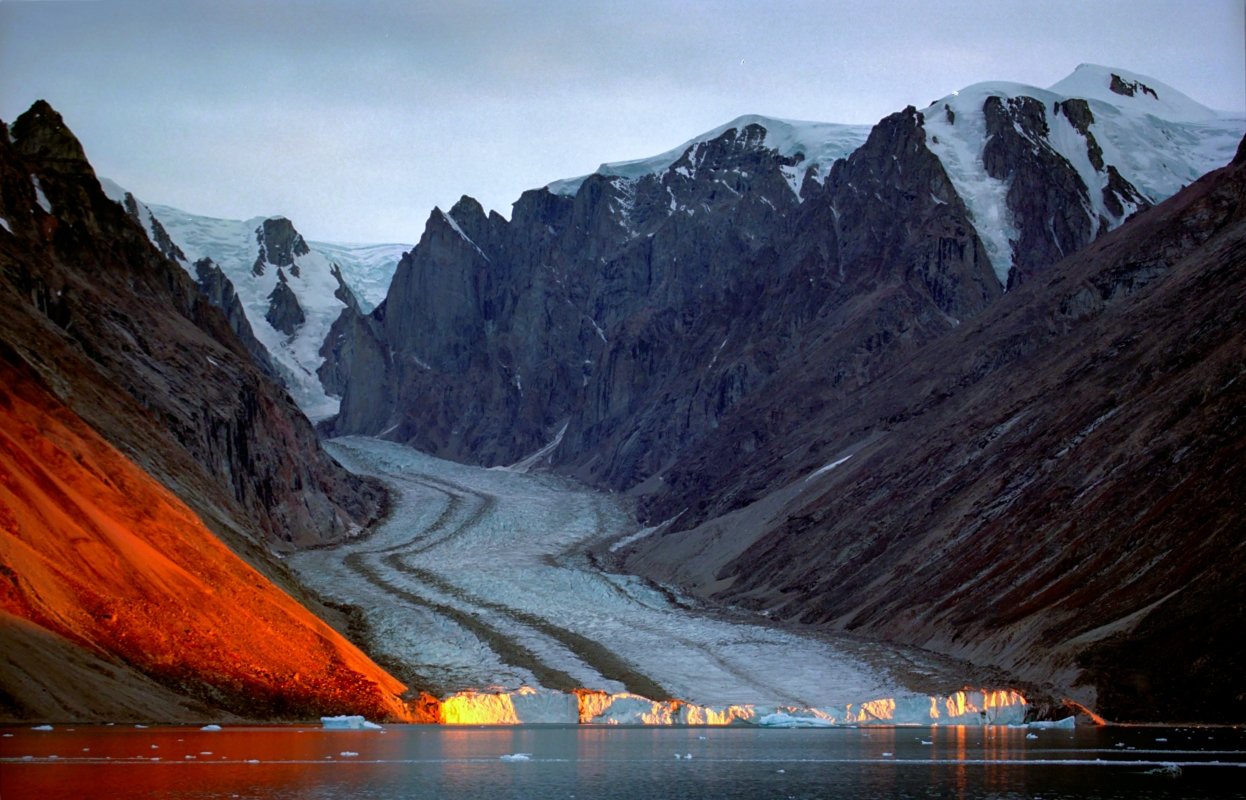


TL;DR: Northeast Greenland National Park is the world’s largest national park, covering 972,000 square kilometers of pristine Arctic wilderness. Access requires special permits and expedition-level planning, but rewards visitors with unparalleled wildlife viewing, Northern Lights, and landscapes unlike anywhere else on Earth.
- What Makes This Place So Special?
- Getting There (Spoiler Alert: It’s Complicated)
- Best Time to Visit
- Wildlife: The Real Stars of the Show
- Key Destinations Within the Park
- What to Expect: Activities and Experiences
- Wildlife Photography
- Northern Lights Viewing
- Glacier Exploration
- Cultural Experiences
- Scientific Research
- Practical Planning Tips
- Environmental Responsibility
- Alternatives for Every Budget and Experience Level
- Is It Worth It?
- Final Thoughts
Ever wondered what it’s like to visit a place so remote that you’re literally one of only a handful of people to set foot there each year? Welcome to Northeast Greenland National Park – a frozen wonderland that makes other “remote” destinations look like Times Square.
What Makes This Place So Special?
Picture this: an area larger than Egypt, almost entirely covered in ice, where polar bears outnumber tourists by about 1,000 to 1. Northeast Greenland National Park isn’t just remote – it’s practically another planet. We’re talking about a place where the sun doesn’t set for four months straight in summer, and where winter temperatures can drop to -40°F (-40°C).
The park covers a staggering 972,000 square kilometers (375,000 square miles), making it not just the largest national park in Greenland, but the largest in the world. To put that in perspective, it’s bigger than most countries – in fact, it’s larger than Egypt, Tanzania, or Nigeria.
Getting There (Spoiler Alert: It’s Complicated)
Here’s where things get real – you can’t just book a flight and show up. Getting to Northeast Greenland National Park requires serious planning, serious money, and serious permits.
The Permit Process
First things first: you need permission from the Greenlandic government. This isn’t like getting a fishing license at your local sporting goods store. You’re looking at:
- Research permits if you’re conducting scientific work
- Tourism permits for organized expeditions
- Military clearance for certain areas
- Processing times of 6-12 months minimum
The Danish Ministry of Defense also has a say since they operate stations in the area. Yeah, it’s bureaucratic, but there’s good reason – this place needs protection.
Transportation Options
By Air: The most common route is flying into Kangerlussuaq, then connecting to smaller aircraft that can land on the ice. Some expeditions use helicopters for the final stretch.
By Sea: Expedition cruises operate during the brief summer season (July-September). These typically depart from Iceland or Norway and navigate through the pack ice.
Overland: Technically possible via dog sled or snowmobile, but we’re talking about epic, multi-week journeys across some of the harshest terrain on Earth.
What It Costs
Let’s be honest – this isn’t budget travel. Expedition cruises start around $15,000-30,000 per person for a basic 10-14 day trip. Private expeditions can easily run $50,000+ per person. Research expeditions might be cheaper if you can get institutional support, but you’re still looking at tens of thousands of dollars.
Best Time to Visit
The park experiences extreme seasonal variations, and your experience will be completely different depending on when you visit.
Summer (June-August)
- Pros: 24-hour daylight, slightly warmer temps (around 32-50°F/0-10°C), wildlife most active, sea ice conditions allow ship access
- Cons: Most expensive time, busiest season (relatively speaking), muddy conditions on land
- Best for: Wildlife viewing, photography, first-time visitors
Winter (October-March)
- Pros: Northern Lights, fewer people, dramatic ice formations, authentic Arctic experience
- Cons: Extreme cold, 24-hour darkness, limited access, dangerous conditions
- Best for: Serious adventurers, Aurora photography, scientific research
Shoulder Seasons (April-May, September)
- Pros: Changing seasons create unique conditions, fewer crowds, potentially lower costs
- Cons: Unpredictable weather, limited access options
- Best for: Experienced Arctic travelers, specific research purposes
Wildlife: The Real Stars of the Show
This is where Northeast Greenland gets seriously exciting. The wildlife here exists in numbers and conditions you won’t find anywhere else on Earth.
Polar Bears
The park is home to roughly 40% of the world’s polar bear population. We’re talking about 15,000-20,000 bears roaming this icy kingdom. Unlike other places where you might spot a bear from a distance, encounters here can be up-close and personal (safely managed by experienced guides, of course).
Musk Oxen
These shaggy, prehistoric-looking creatures thrive in the park’s tundra regions. Seeing a herd of musk oxen against the backdrop of glacial mountains is like stepping back 10,000 years.
Arctic Foxes
Both blue and white Arctic foxes call this place home. They’re incredibly well-adapted to the extreme conditions and surprisingly curious about human visitors.
Marine Life
The coastal waters teem with:
- Walruses gathering in massive colonies
- Several species of seals
- Narwhals (those unicorn whales with the tusks)
- Beluga whales
- Occasionally, bowhead whales
Bird Life
During summer, the park becomes a surprising bird paradise:
- Snow buntings
- Arctic terns
- Snowy owls
- Various seabirds and waterfowl
Key Destinations Within the Park
Daneborg Weather Station
This tiny settlement serves as the unofficial “capital” of the park. Home to about 12 people year-round, it’s where many expeditions check in and resupply.
Station Nord
A joint Danish-Greenlandic research and military base. While not open for casual tourism, it’s a crucial logistics hub for scientific expeditions.
Scoresby Sound
Technically just outside the park but often included in expeditions, this is the world’s largest fjord system. The scenery here will absolutely blow your mind.
Germania Land
Some of the most pristine wilderness in the park, accessible mainly by dog sled or helicopter. This is where you’ll find the largest concentrations of wildlife.
Ice Cap Edge
The boundary between the Greenland Ice Sheet and the coastal areas offers some of the most dramatic landscapes on the planet.
What to Expect: Activities and Experiences
Wildlife Photography
This is photographer heaven. The combination of dramatic landscapes and incredible wildlife creates once-in-a-lifetime shot opportunities. Professional photographers often plan entire careers around single trips here.
Northern Lights Viewing
During the dark winter months, the Aurora Borealis displays here are among the most spectacular on Earth. With virtually no light pollution and crystal-clear skies, the shows can be absolutely mind-blowing.
Glacier Exploration
Getting up close to massive glaciers and ice formations is a humbling experience. You’ll hear them crack, groan, and shift – it’s like listening to the Earth breathe.
Cultural Experiences
While the park itself is uninhabited except for research stations, you’ll often encounter Inuit communities during transit. Learning about their traditional knowledge and survival techniques adds incredible depth to the experience.
Scientific Research
Many visitors participate in citizen science projects or support ongoing research. You might help collect climate data, assist with wildlife surveys, or contribute to archaeological investigations.
Practical Planning Tips
What to Pack
Packing for Northeast Greenland is like preparing for a moon landing. You’ll need:
Essential Clothing:
- Multiple layers of insulation
- Waterproof outer shell rated for extreme conditions
- Insulated boots rated to -40°F
- Face protection and goggles
- Multiple pairs of gloves/mittens
Technical Gear:
- Satellite communication device
- Emergency shelter
- First aid supplies
- Extra batteries (cold kills battery life)
- Headlamp with extra bulbs
Photography Equipment:
- Cold-weather camera protection
- Extra memory cards and batteries
- Tripod for Aurora photography
- Lens cleaning supplies
Health and Safety
This isn’t a place where you can wing it. Proper preparation includes:
- Comprehensive travel insurance with evacuation coverage
- Medical clearance from your doctor
- Vaccinations (though standard travel vaccines are sufficient)
- Mental preparation for extreme isolation
- Basic survival skills training
Accommodation
Don’t expect hotels. Your options are:
- Expedition ship cabins
- Research station bunks (if arranged)
- High-end camping with specialized cold-weather gear
- Emergency shelters
Environmental Responsibility
Visiting Northeast Greenland comes with serious environmental responsibilities. This place is pristine because so few people have been there – let’s keep it that way.
Leave No Trace Principles
- Pack out everything you bring in
- Don’t disturb wildlife or their habitats
- Stay on designated routes when they exist
- Respect indigenous cultural sites
Climate Change Awareness
You’ll witness climate change effects firsthand here. Many visitors become passionate advocates for environmental protection after seeing glacial retreat and ecosystem changes up close.
Supporting Conservation
Consider supporting organizations working to protect Arctic environments. Your trip can contribute to conservation efforts through research support and responsible tourism practices.
Alternatives for Every Budget and Experience Level
Budget-Friendly Alternatives
- Visit West Greenland instead (Ilulissat, Kangerlussuaq)
- Arctic tours in Alaska, Norway, or Canada
- Documentary film experiences and virtual reality tours
Stepping Stone Destinations
- Svalbard, Norway (much more accessible Arctic experience)
- Finnish or Norwegian Lapland
- Iceland’s Westfjords
- Canadian Arctic communities
Similar Extreme Experiences
- Antarctica expeditions
- High-altitude mountaineering
- Deep ocean exploration trips
Is It Worth It?
Here’s the honest truth: Northeast Greenland National Park is not for everyone. It’s expensive, challenging, potentially dangerous, and requires serious commitment. But for those who make the journey, it’s often described as life-changing.
You’re not just visiting a tourist destination – you’re experiencing one of the last truly wild places on Earth. You’ll return home with stories that sound made up and a perspective on our planet that’s impossible to gain anywhere else.
The bragging rights alone are pretty epic too. How many people can say they’ve stood in the world’s largest national park, surrounded by more polar bears than people, under the Northern Lights in complete silence?
Final Thoughts
Northeast Greenland National Park represents the ultimate adventure travel experience. It’s a place that challenges you physically, mentally, and emotionally while rewarding you with experiences that will stay with you forever.
If you’re serious about visiting, start planning now. The permit process alone takes months, and the best expeditions book up years in advance. But trust us – if you can make it happen, it’ll be the adventure of several lifetimes.
Whether you’re a wildlife photographer, climate researcher, adventure seeker, or someone who simply needs to know what the edge of the world looks like, Northeast Greenland National Park delivers an experience unlike anywhere else on Earth.
Just remember to bring a really, really warm coat.