

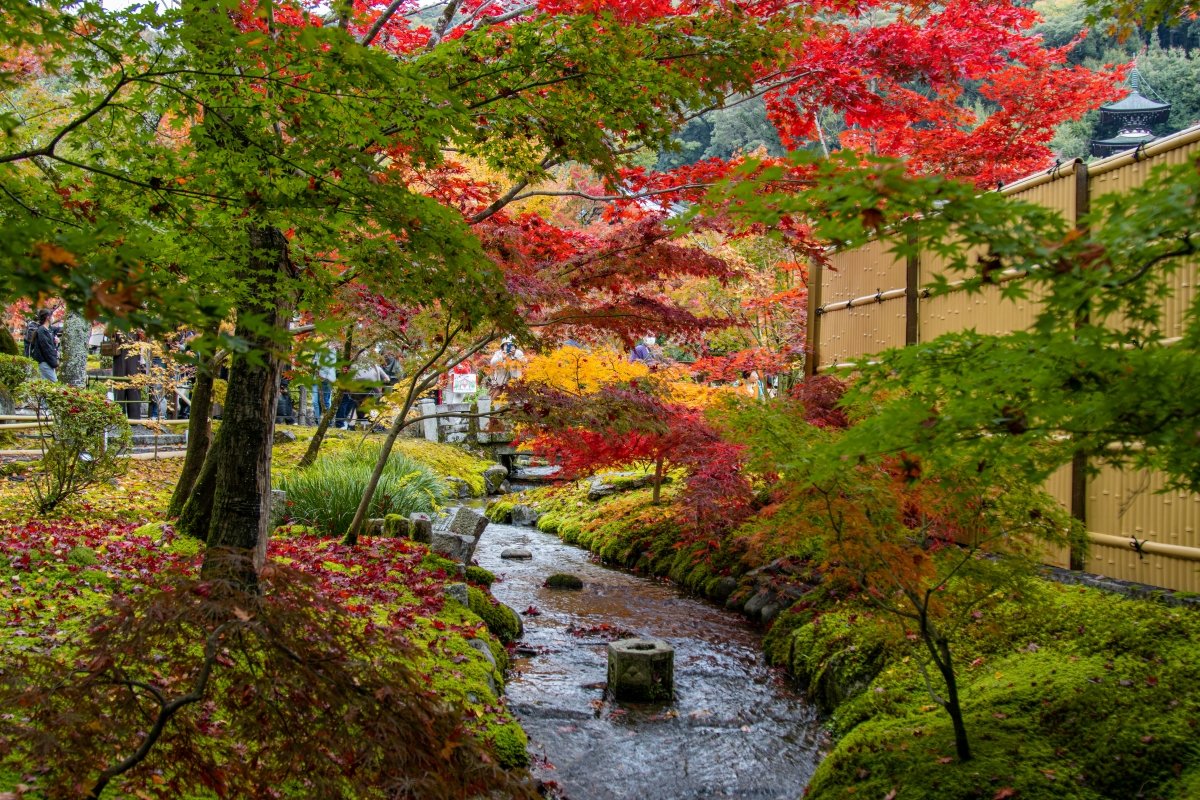
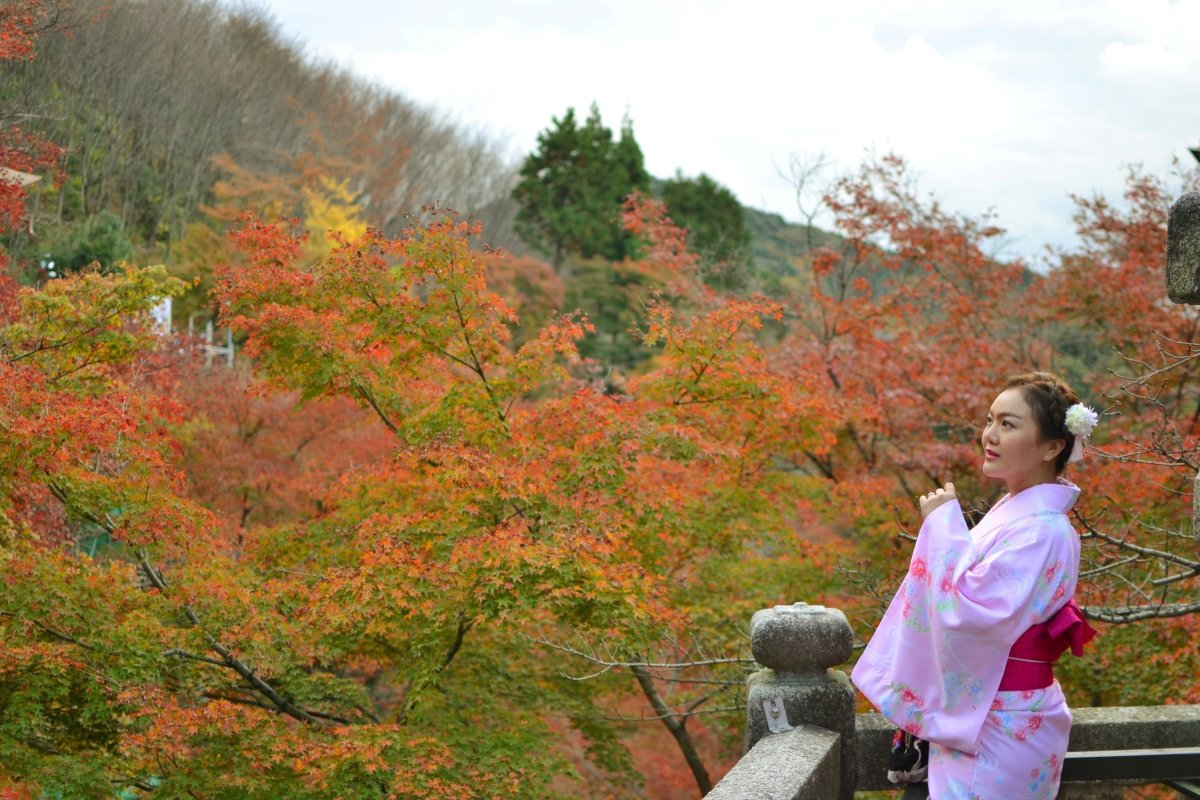
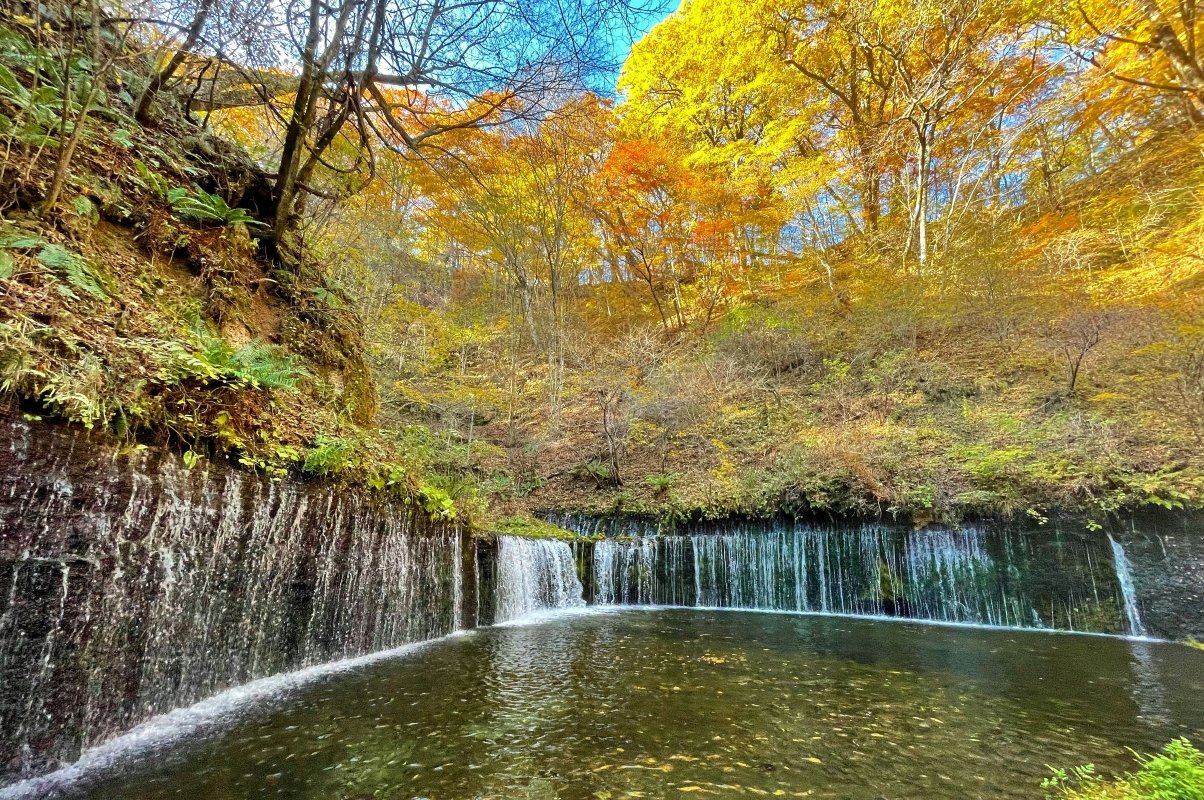
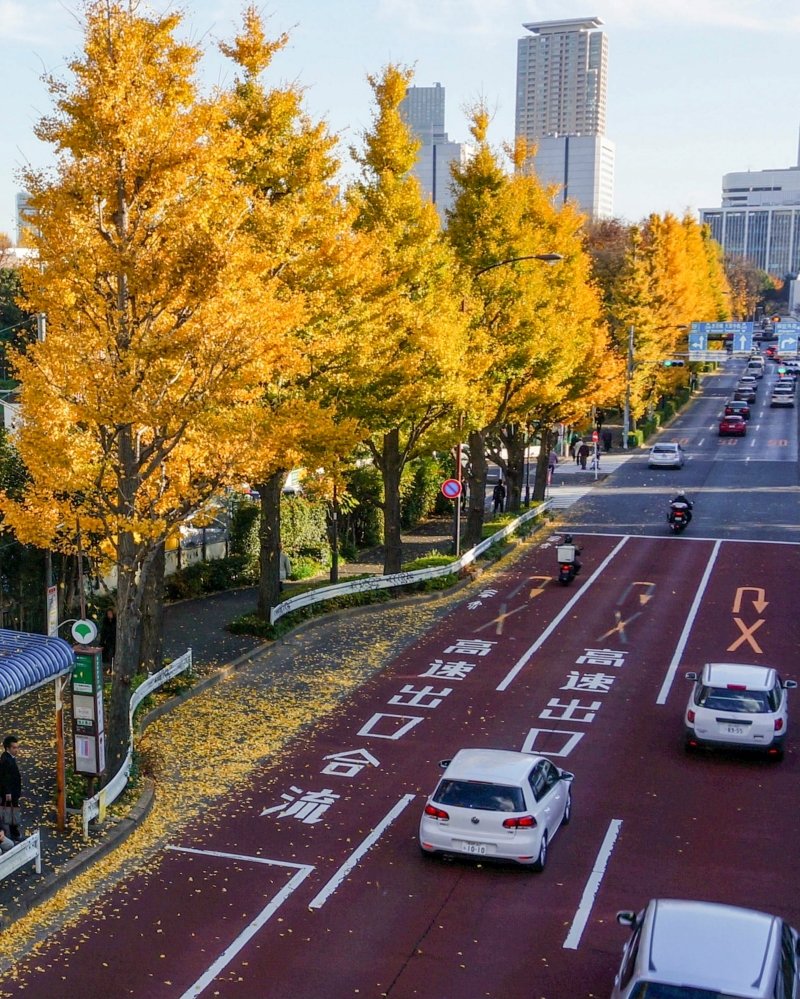
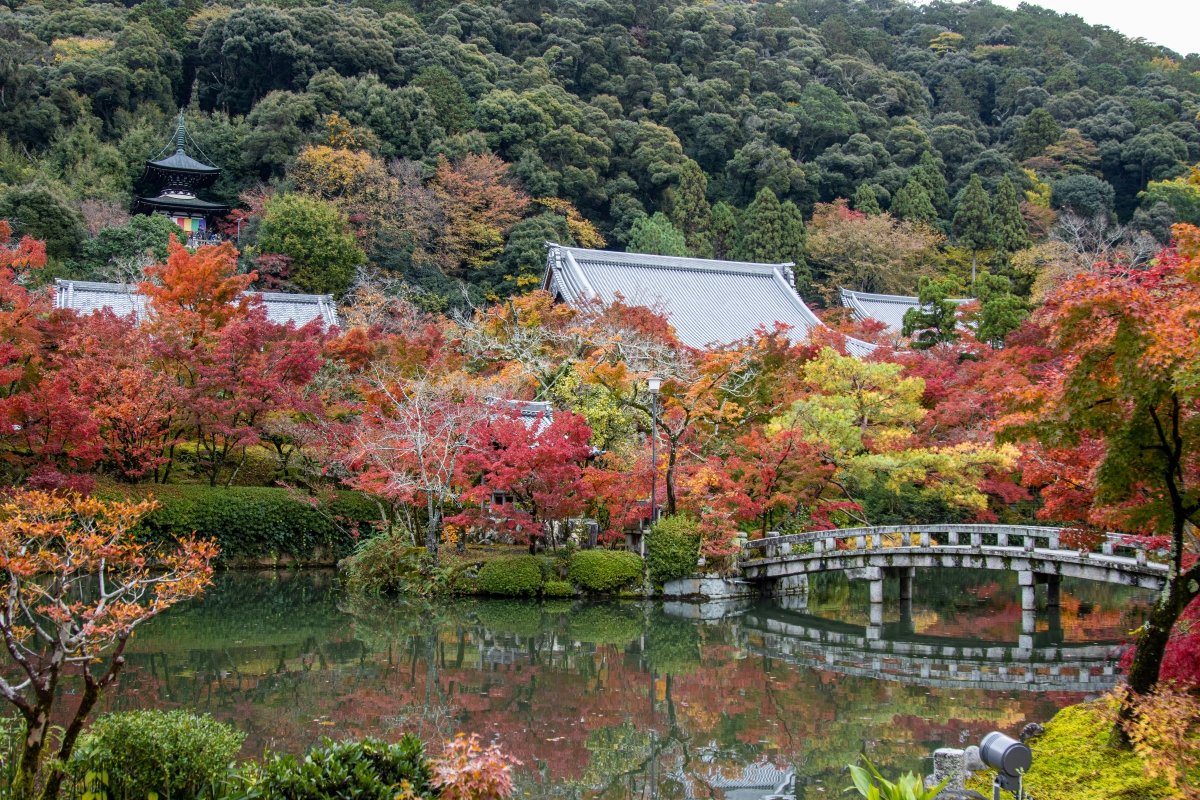
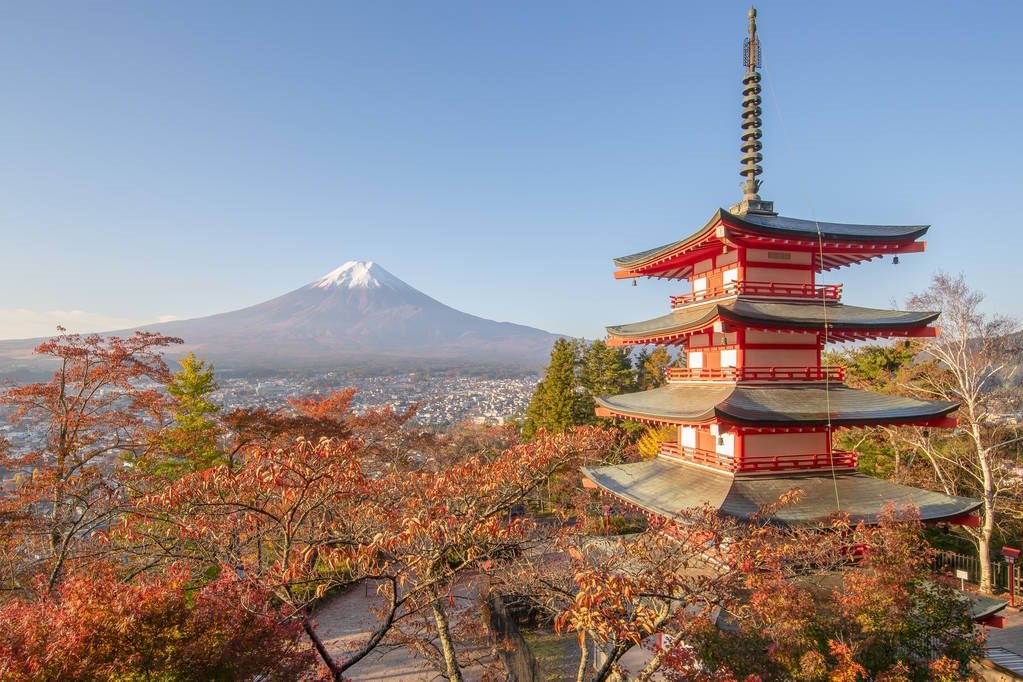
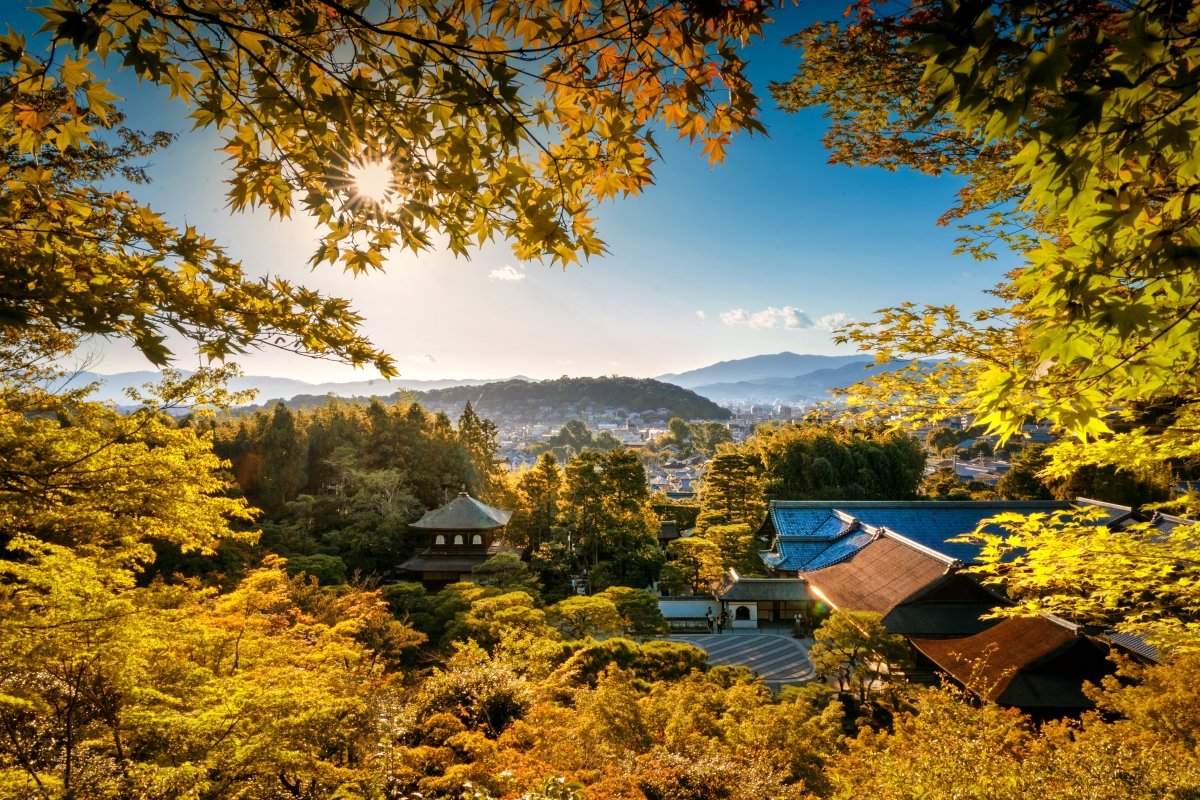
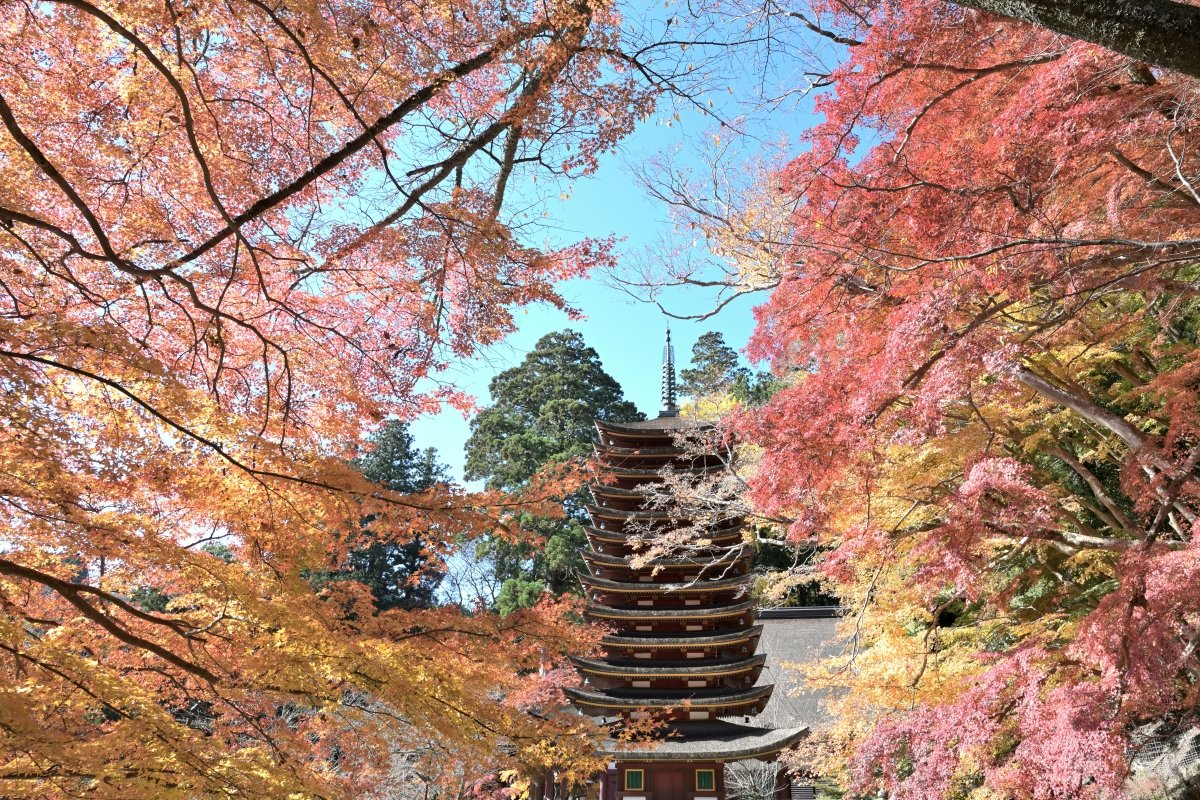
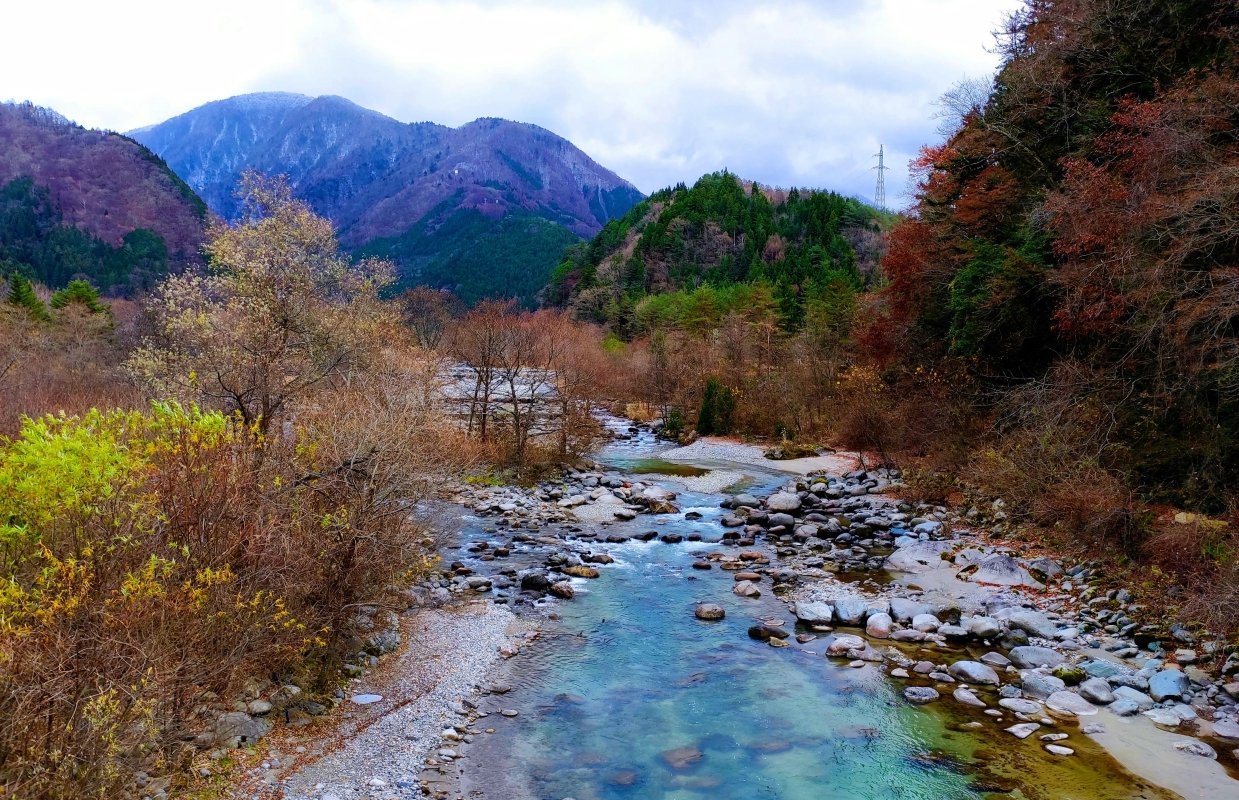
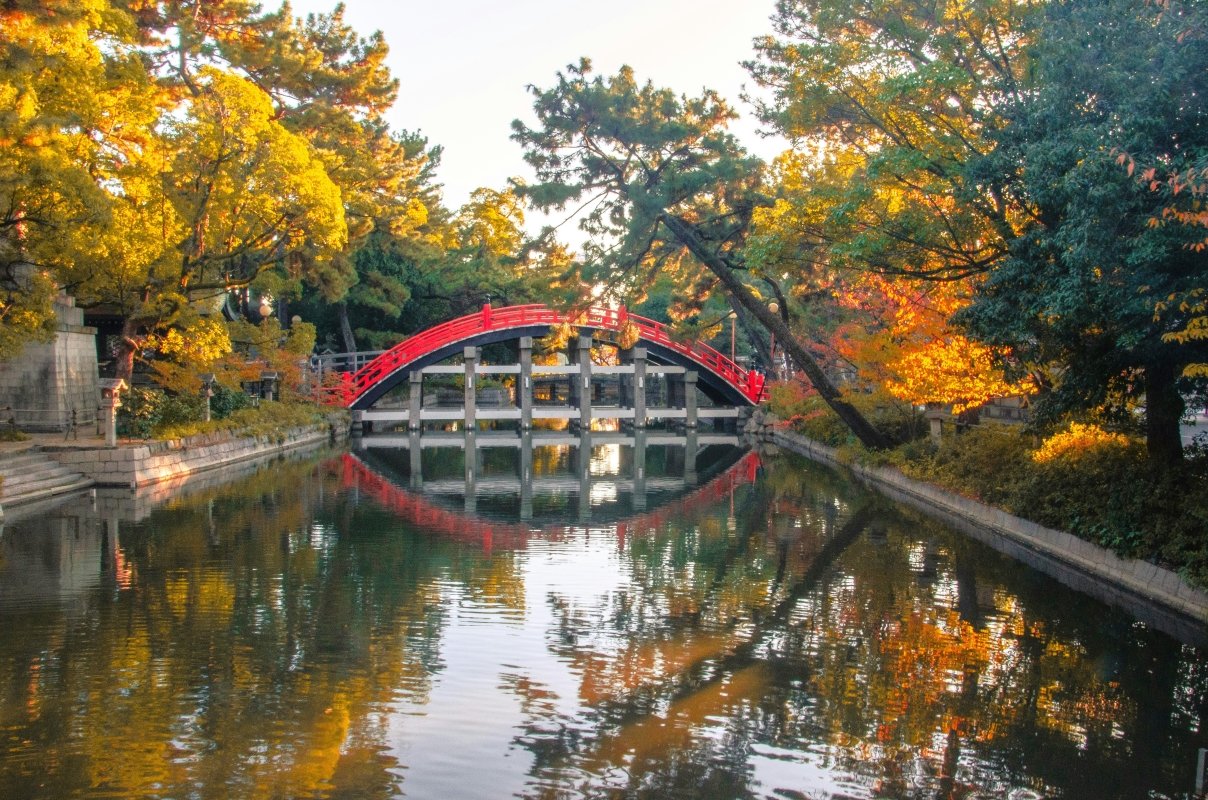
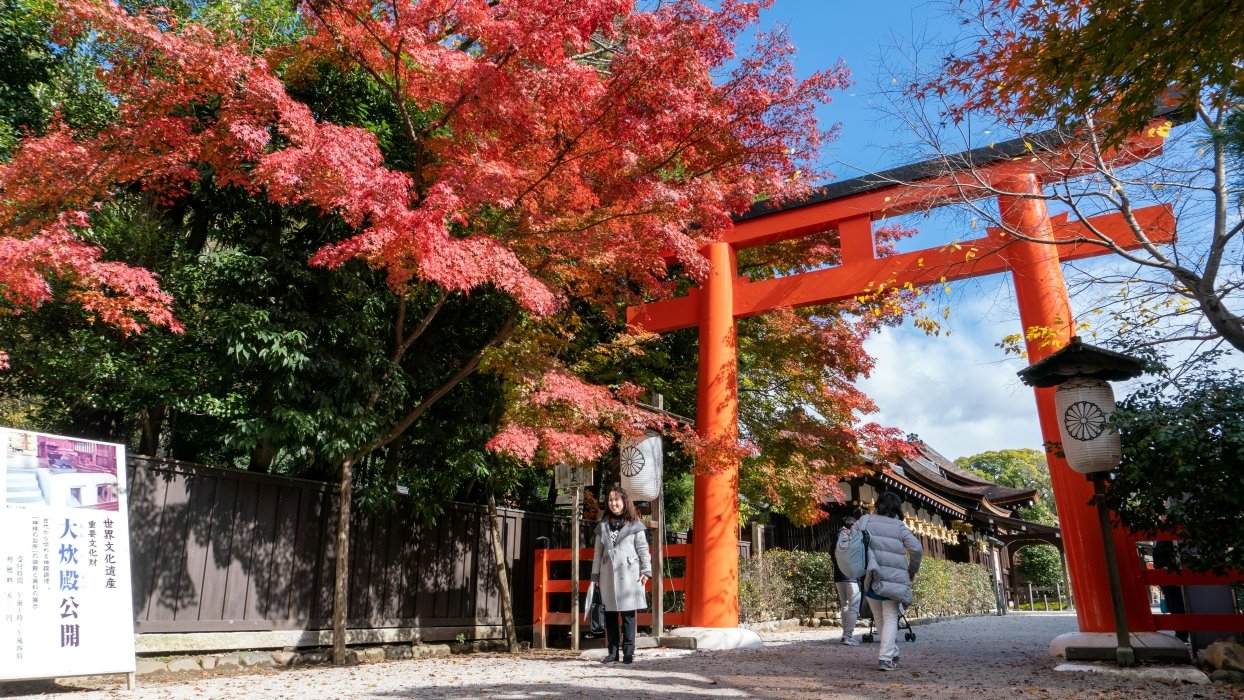
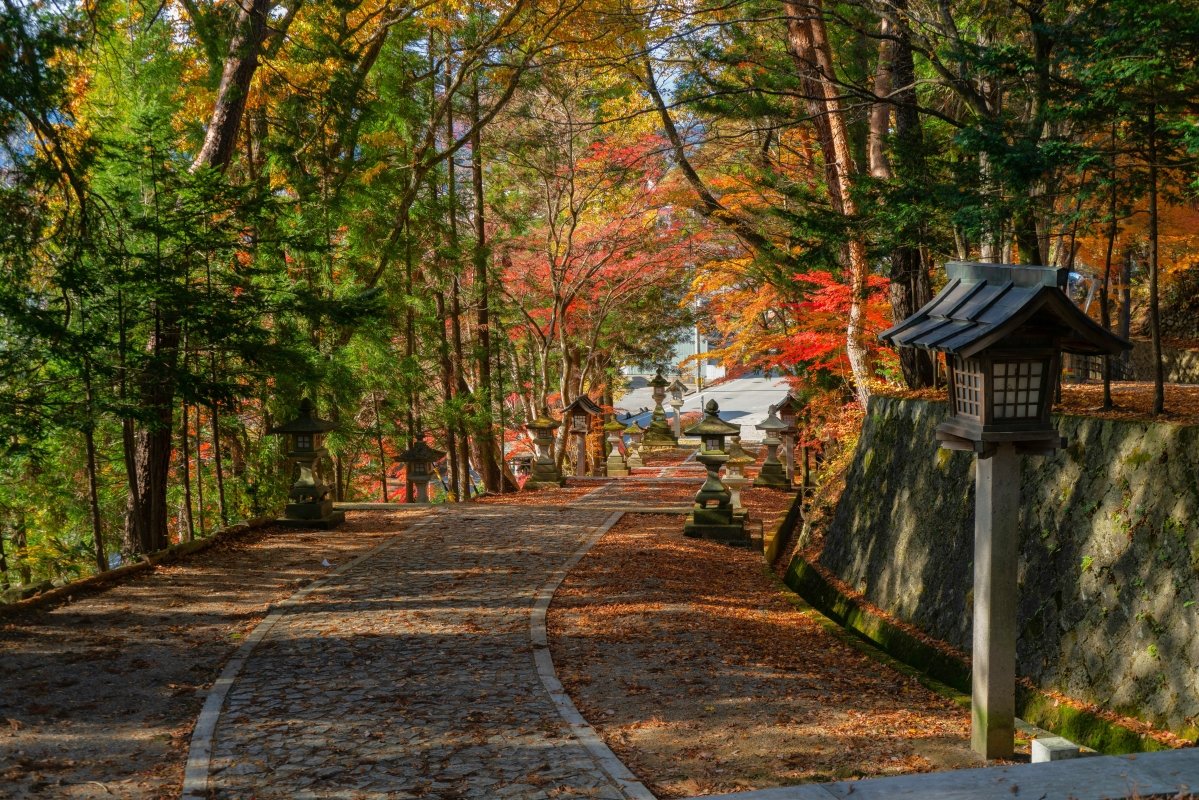
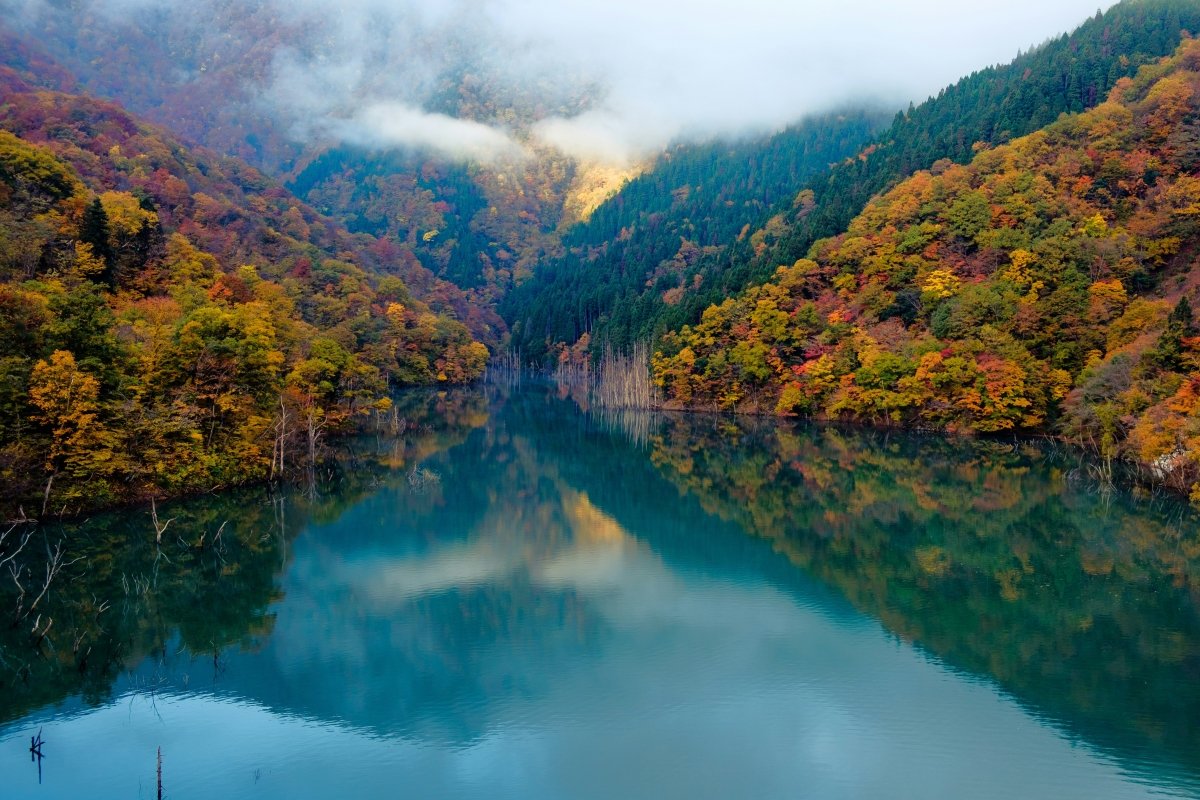
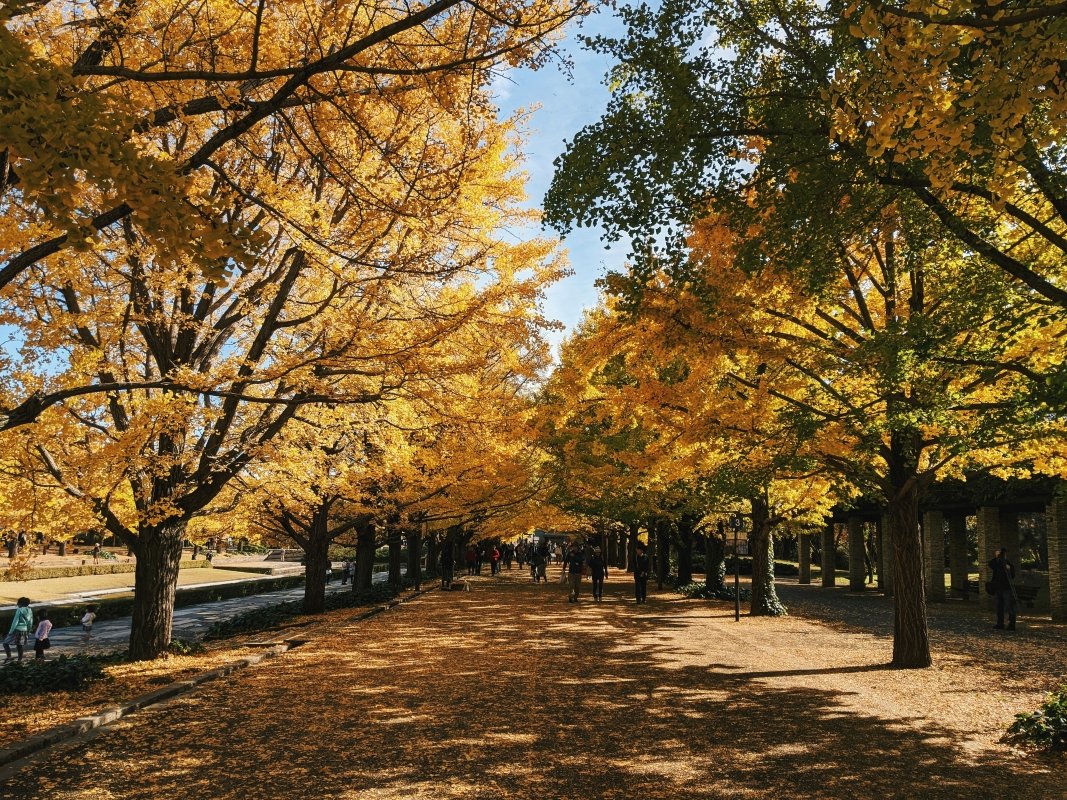
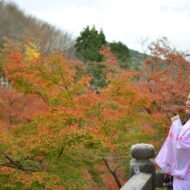
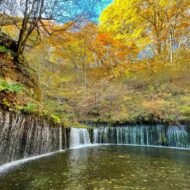
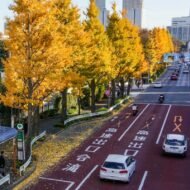
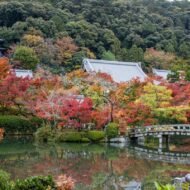
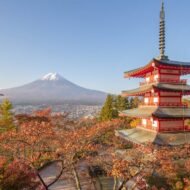

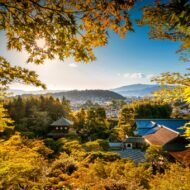
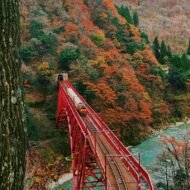
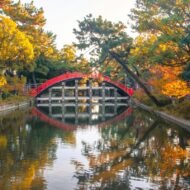
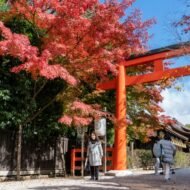
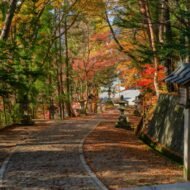
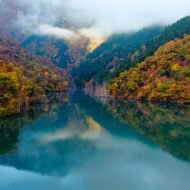
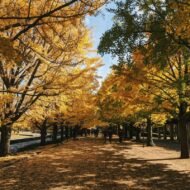
TL;DR: Fall in Japan (mid-September to early December) offers stunning red maple leaves, perfect weather, fewer crowds, amazing seasonal food, and incredible train journeys. Peak foliage is late October to mid-November. Book accommodations early and get a JR Pass for unlimited train travel.
- Why Autumn is Japan’s Best-Kept Secret Season
- When to Visit: Timing Your Autumn Adventure
- Getting Around: Your Train Travel Bible
- Cultural Experiences: Beyond the Tourist Trail
- Must-See Scenic Locations
- Tokyo Area
- Kyoto: The Autumn Capital
- Hidden Gems Beyond the Big Cities
- The Japanese Alps (Nagano & Toyama)
- Seasonal Food Adventures
- Practical Planning Tips
- Sample Itineraries
- 🍁 Classic 7-Day Autumn Japan
- 🏔️ 10-Day Scenic & Cultural Route
- 🌲 Adventure in the North (Hokkaido – 8 Days)
- Making the Most of Your Autumn Adventure
Picture this: You’re sitting on a train winding through mountains painted in impossible shades of crimson and gold, sipping hot green tea while ancient temples peek through forests that look like they’ve been set on fire by the gods themselves. Welcome to autumn in Japan – arguably the most magical time to visit the Land of the Rising Sun.
If you’ve been dreaming of visiting Japan but weren’t sure when to go, let me make this easy for you: autumn is absolutely spectacular. The weather’s perfect, the crowds are manageable, and the entire country transforms into something that looks too beautiful to be real.
Why Autumn is Japan’s Best-Kept Secret Season
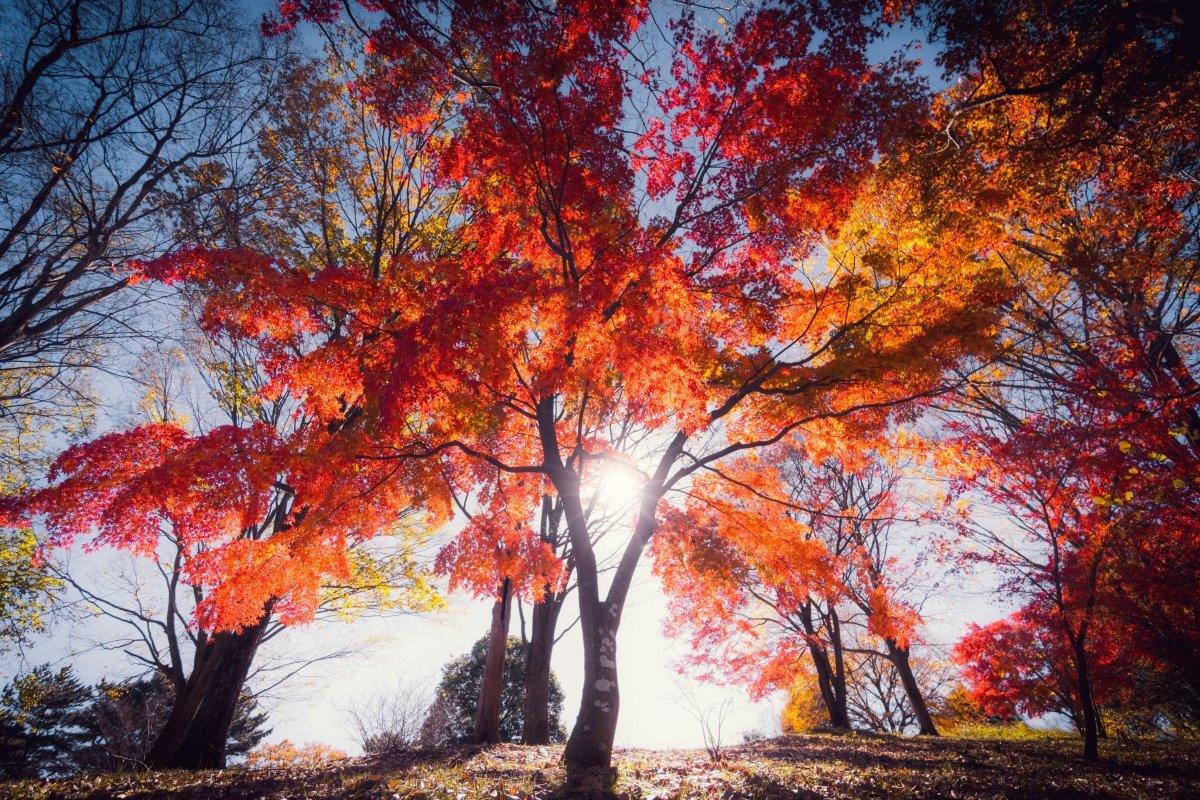
While everyone talks about cherry blossoms in spring, autumn quietly delivers an experience that’s just as breathtaking – maybe even more so. The kouyou (autumn leaves) season brings a different kind of magic. Instead of delicate pink petals, you get bold, dramatic colors that last for weeks rather than days.
The temperatures are perfect for exploring – usually between 50-70°F (10-20°C) – meaning you can actually enjoy those long walks through temple gardens without melting or freezing. Plus, you’ll find better deals on accommodations and fewer tour groups crowding the best photo spots.
- 🍁 Foliage: Fiery red maples, golden ginkgos, and russet mountainsides.
- 🍜 Seasonal Food: Chestnuts, sweet potatoes, matsutake mushrooms, and comforting hotpot.
- 🎎 Cultural Life: Traditional festivals, tea ceremonies, and temples in peak photo mode.
- 🚄 Easy Travel: Japan’s legendary trains make hopping between cities effortless.
When to Visit: Timing Your Autumn Adventure
The Sweet Spot: Late October to mid-November is peak foliage season in most of Japan.
Regional Timing:
- Northern Japan (Hokkaido): Late September to early October
- Central Japan (Tokyo, Kyoto, Osaka): Late October to late November
- Southern Japan (Kyushu): Mid-November to early December
Pro tip: The leaves change from north to south, so if you’re flexible with your dates, you can actually chase the autumn colors across the country. How cool is that?
Getting Around: Your Train Travel Bible
Let’s talk about the real MVP of Japanese travel – the train system. During autumn, train journeys become scenic adventures that are honestly half the reason to visit.
The JR Pass: Your Golden Ticket
If you’re staying more than a week, the Japan Rail Pass is a no-brainer. It covers most trains (including many shinkansen bullet trains) and pays for itself quickly. A 7-day pass costs around ¥29,650 ($200) – that’s less than a round-trip bullet train ticket between Tokyo and Kyoto.
Most Scenic Autumn Train Routes
JR Tohoku Shinkansen to Sendai: The route through northern Honshu is absolutely stunning in early to mid-October. You’ll zip past mountains covered in red and gold at 200+ mph.
Hakone Tozan Railway: This mountain railway near Mount Fuji is famous for its autumn colors. The train literally zigzags up the mountain, giving you incredible views.
JR Takayama Line: Connect Nagoya to Takayama through the Japanese Alps. The scenery is so good you’ll forget to check your phone.
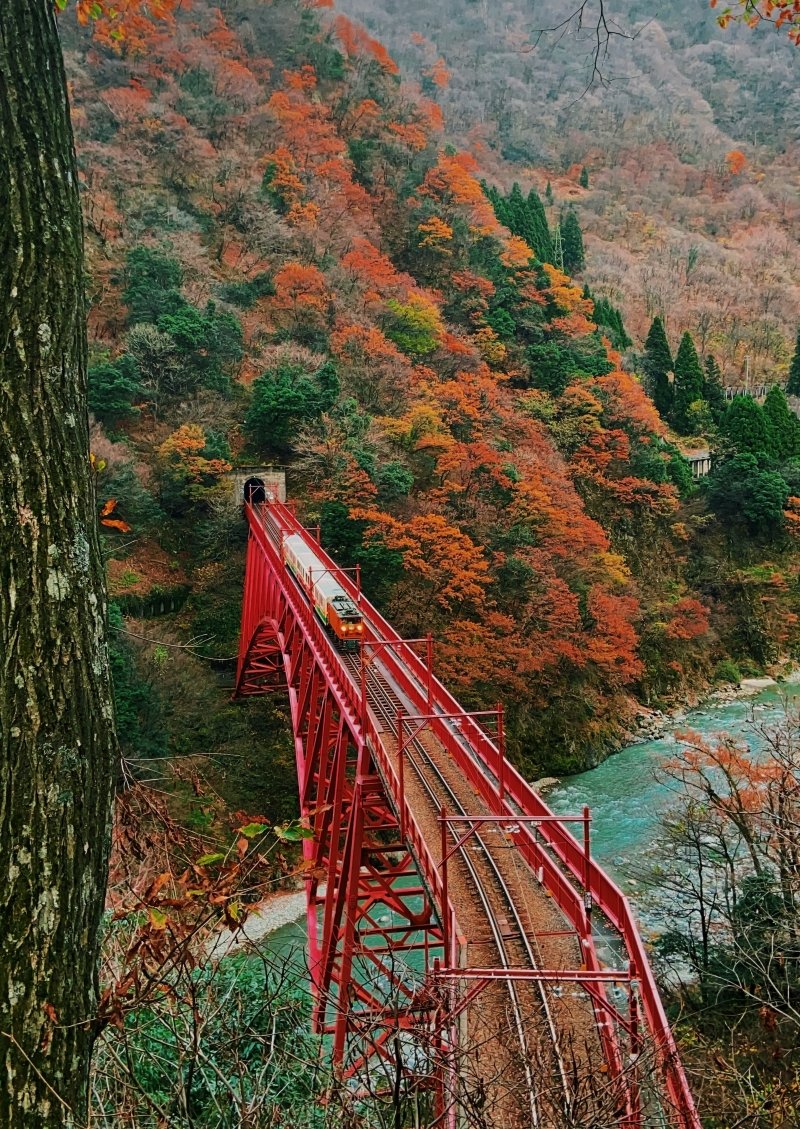
Sagano Romantic Train: Near Kyoto, this scenic railway runs along the Hozu River through a gorge that explodes with color in November.
Train Travel Tips for Autumn
- Book reserved seats on popular routes during peak foliage season
- Sit on the right side when traveling from Tokyo to Kyoto for Mount Fuji views
- Download Google Translate with camera function – lifesaver for reading train signs
- Grab ekiben (station bento boxes) for the ultimate train dining experience
Cultural Experiences: Beyond the Tourist Trail
Autumn isn’t just about pretty leaves – it’s deeply woven into Japanese culture and traditions.
Momiji-Gari: The Art of Leaf Viewing
Momiji-gari literally means “hunting autumn leaves,” and it’s as serious as hanami (cherry blossom viewing). Japanese families pack elaborate picnics and spend entire days in parks and temples, appreciating the changing seasons. Join them! It’s a beautiful way to connect with local culture.
Autumn Festivals You Can’t Miss
Jidai Matsuri (Kyoto, October 22): A massive historical parade with over 2,000 participants in period costumes representing different eras of Japanese history.
Ohara Matsuri (Kagoshima, November): One of Kyushu’s biggest festivals featuring traditional dancing and music.
Chrysanthemum Festivals: Held at various temples and gardens throughout autumn. These aren’t just flower shows – they’re artistic masterpieces.
Traditional Autumn Activities
Temple Visits: Autumn is considered an auspicious time for spiritual reflection. Many temples hold special ceremonies and illuminations.
Hot Springs (Onsen): Nothing beats soaking in natural hot springs surrounded by autumn foliage. Try Hakone, Nikko, or Arima Onsen near Kobe.
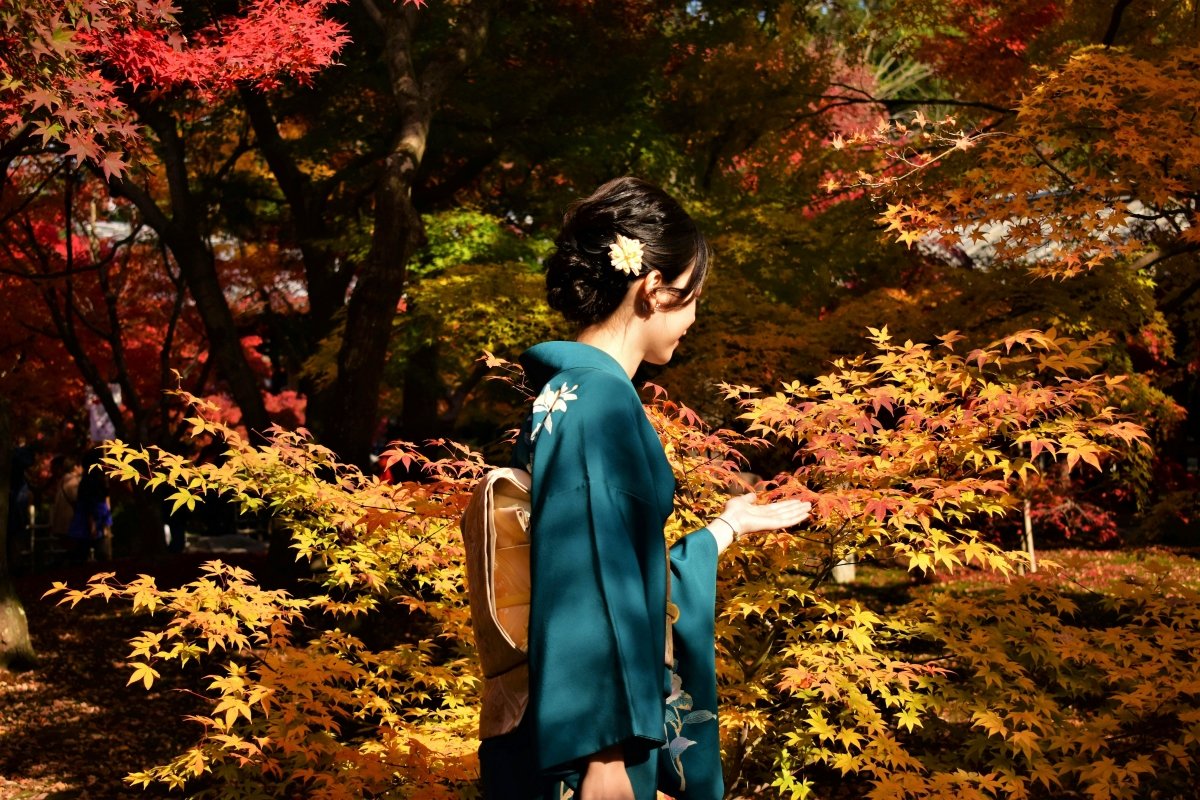
Tea Ceremony: Many tea houses offer special autumn ceremonies featuring seasonal sweets and the opportunity to appreciate the changing gardens.
Must-See Scenic Locations
Tokyo Area
Shinjuku Gyoen: This massive park has different sections with various tree types, meaning extended foliage season. The Japanese garden section is pure magic.
Rikugien Garden: Considered one of Tokyo’s most beautiful gardens, it’s especially stunning during autumn illuminations (usually November).
Mount Takao: Just an hour from central Tokyo, this mountain offers hiking trails through brilliant autumn forests and incredible city views.
Kyoto: The Autumn Capital
Kiyomizu-dera Temple: The wooden veranda offers panoramic views over Kyoto surrounded by red maples. Go for the evening illuminations.
Arashiyama Bamboo Grove: While famous year-round, the contrast between green bamboo and autumn maples around it is spectacular.
Philosopher’s Path: A peaceful stone path along a canal lined with hundreds of cherry trees that turn brilliant colors in fall.
Tofuku-ji Temple: Home to over 2,000 maple trees. The view from Tsuten-kyo Bridge is legendary.
Hidden Gems Beyond the Big Cities
The Japanese Alps (Nagano & Toyama)
- Crisp mountain air, alpine lakes, and early snow dusting the peaks.
- Ride the Tateyama Kurobe Alpine Route for epic landscapes.
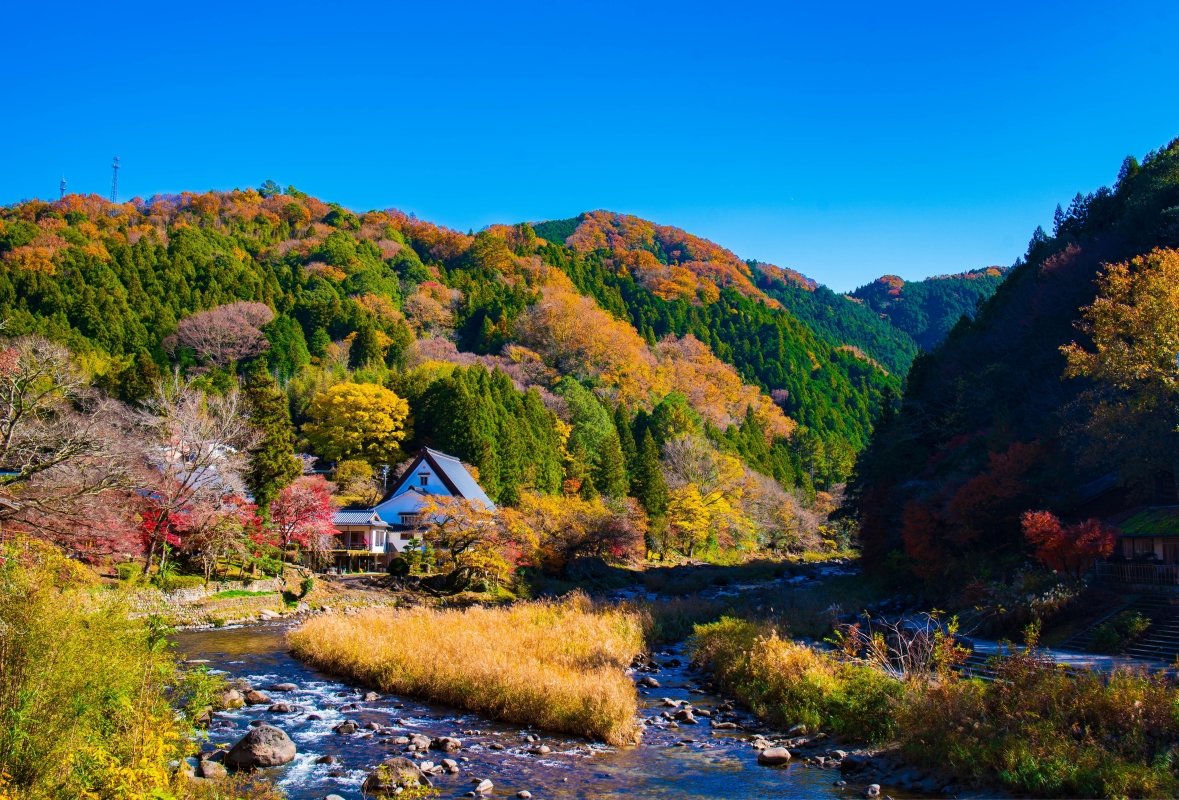
Nikko: Two hours from Tokyo, this mountain town combines stunning temples with natural beauty. Lake Chuzenji surrounded by autumn forests is unforgettable.
Takayama: In the Japanese Alps, this historic town maintains traditional architecture and offers incredible mountain scenery.
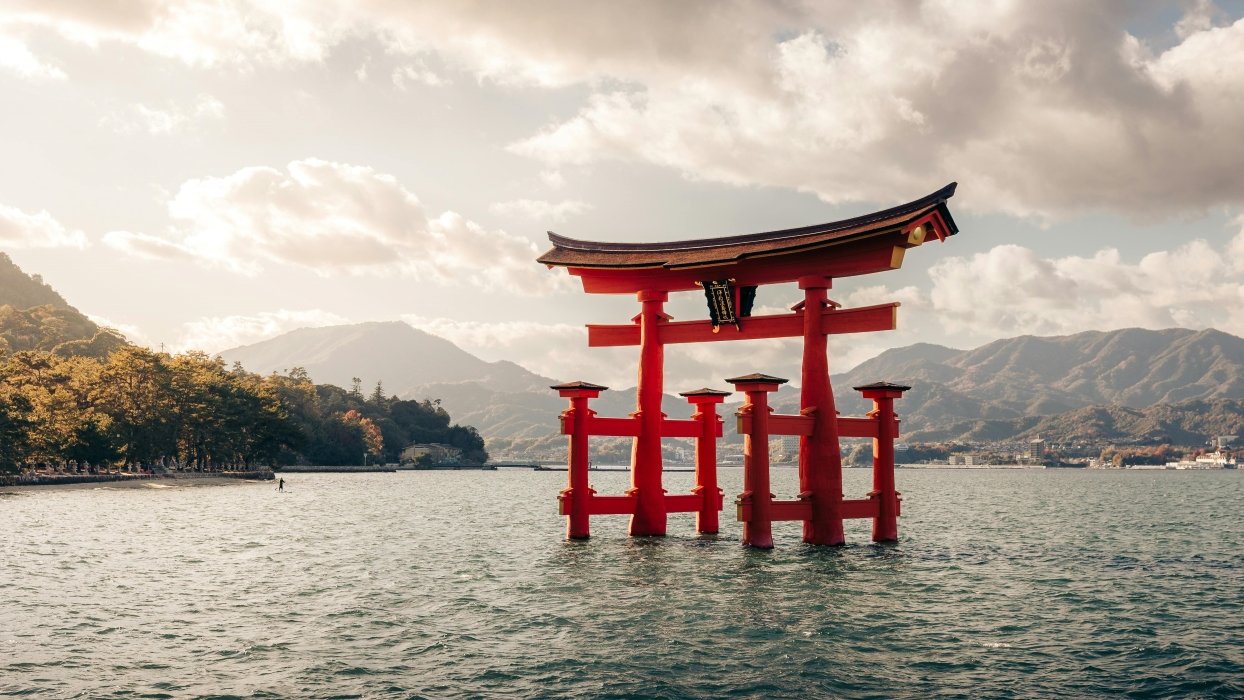
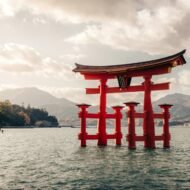
Miyajima Island: The famous floating torii gate looks even more dramatic framed by autumn colors.
Mount Fuji Five Lakes Region: Especially Lake Kawaguchi, where you can capture Mount Fuji reflected in the lake with autumn foliage in the foreground.
Seasonal Food Adventures
Autumn in Japan means incredible seasonal ingredients and comfort foods that’ll make your taste buds dance.
Must-Try Autumn Foods
Chestnuts (Kuri): Used in everything from rice dishes to desserts. Try kuri gohan (chestnut rice).
Sweet Potatoes (Imo): Roasted sweet potatoes from street vendors are autumn comfort food at its finest.
Persimmons (Kaki): These orange fruits are everywhere in fall – sweet, crispy, and refreshing.
Matsutake Mushrooms: Expensive but incredibly flavorful mushrooms that appear in autumn kaiseki meals.
Seasonal Wagashi: Traditional sweets shaped and colored to represent autumn leaves, chestnuts, and persimmons.
Where to Experience Food Culture
Local Markets: Tsukiji Outer Market in Tokyo or Nishiki Market in Kyoto offer the freshest seasonal ingredients.
Department Store Food Floors: The basement food courts (depachika) are mind-blowing showcases of seasonal specialties.
Temple Vegetarian Meals: Many temples serve shojin ryori – elaborate Buddhist vegetarian cuisine featuring autumn ingredients.
Practical Planning Tips
What to Pack
Layers are everything: Mornings can be cool (40-50°F) while afternoons warm up (65-75°F).
Comfortable walking shoes: You’ll be doing lots of walking on various terrains.
Light rain jacket: Autumn can bring occasional showers.
Portable phone charger: You’ll be taking tons of photos.
Money Matters
Japan is still largely cash-based, especially for smaller restaurants and shops. Hit up 7-Eleven ATMs (they accept foreign cards) when you arrive.
Budget roughly:
- Budget travelers: $50-80/day
- Mid-range: $100-150/day
- Luxury: $200+/day
Accommodation Strategy
Book early – autumn is increasingly popular. Consider:
Ryokan: Traditional inns often in scenic locations perfect for autumn viewing.
Business Hotels: Clean, efficient, and usually well-located near train stations.
Capsule Hotels: Unique experience and budget-friendly in major cities.
Cultural Etiquette Reminders
- Remove shoes when entering homes, some restaurants, and all temples
- Bow slightly when greeting people or saying thank you
- Don’t eat while walking – find a place to sit or stand still
- Be quiet on trains – phone calls and loud conversations are frowned upon
- Follow photography rules – some temples prohibit photos inside buildings
Sample Itineraries
🍁 Classic 7-Day Autumn Japan
Day 1–2: Tokyo → Shinjuku Gyoen, Meiji Jingu, day trip to Mount Takao
Day 3–4: Nikko → Temples & waterfalls surrounded by foliage
Day 5–6: Kyoto → Kiyomizudera, Arashiyama, Eikando night light-up
Day 7: Nara or Osaka → Temples + foodie finale
🏔️ 10-Day Scenic & Cultural Route
Day 1–2: Tokyo → Gardens, illuminations
Day 3–4: Hakone → Lake Ashi, Fuji views, hot springs
Day 5–6: Kyoto → Temples, tea ceremonies, autumn flavors
Day 7–8: Kanazawa → Kenrokuen Garden, samurai vibes
Day 9–10: Takayama → Mountain town charm, local sake
🌲 Adventure in the North (Hokkaido – 8 Days)
Day 1–2: Sapporo → Autumn beer fest, food market
Day 3–4: Daisetsuzan National Park → Hiking, hot springs
Day 5–6: Furano → Rolling hills, seasonal produce
Day 7–8: Otaru → Canal town charm, seafood finale
Making the Most of Your Autumn Adventure
The key to an amazing autumn trip to Japan is embracing the season rather than just checking off tourist sites. Wake up early to see temples shrouded in morning mist. Take that extra train to a small mountain town. Sit in a park and watch families enjoying momiji-gari. Try that weird-looking seasonal fruit from a street vendor.
Japan in autumn rewards the curious and the patient. The country reveals itself slowly, layer by layer, just like the changing leaves. Every train journey becomes a moving art gallery. Every temple visit feels like stepping into a painting. Every meal connects you to centuries of seasonal traditions.
Whether you’re planning your first trip to Japan or your fifth, autumn offers a completely different perspective on this incredible country. The combination of perfect weather, stunning natural beauty, rich cultural experiences, and amazing food creates memories that’ll last a lifetime.
So pack those layers, charge your camera, and get ready for the adventure of a lifetime. Japan’s autumn is waiting to show you just how magical travel can be.
Ready to start planning? Book that flight, grab a JR Pass, and prepare for the most beautiful autumn of your life. Trust me – you’ll be planning your next trip before you even leave.







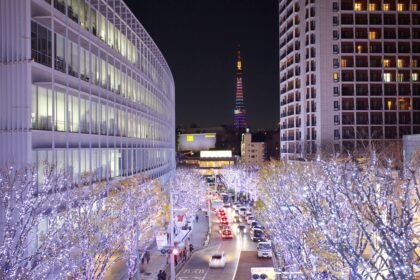


 offers stunning red maple leaves, perfect weather, fewer crowds, amazing seasonal food)