

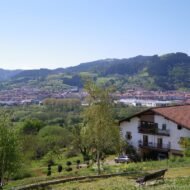
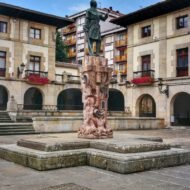
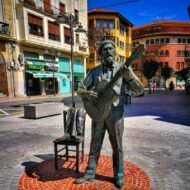
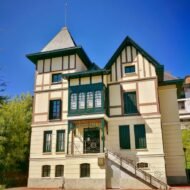
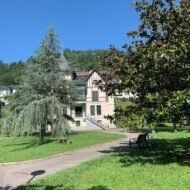
TL;DR: Guernica is a must-visit Basque town that blends tragic history, artistic inspiration, and vibrant Basque culture. Home to iconic peace monuments, the stunning Gernika Peace Museum, and some of the region’s best cider and pintxos, it’s a destination that moves your heart while delighting your palate. Plan 1-2 days minimum, it’s perfect for travelers seeking meaning alongside adventure.
- Why Guernica Deserves Your Travel Plans
- The Story Behind the Legend
- Essential Attractions: What to See & Do
- Gernika Peace Museum (Museo de la Paz de Gernika)
- The Assembly House (Casa de Juntas) & Sacred Oak Tree
- Vizcaya Fine Arts Museum (Museo de Bellas Artes de Bilbao) Connection
- Plaza del Mercado (Market Square)
- The Basilica of Santa María (Iglesia de Santa María)
- Parque de los Pueblos del Mundo (Peace Park)
- Culinary Adventures: Eat Like a Local
- Practical Travel Information
- Sample 1-2 Day Itinerary
- Why Guernica Matters Beyond Tourism
- Final Thoughts
Why Guernica Deserves Your Travel Plans
Let’s be real—Guernica isn’t your typical postcard-perfect Spanish town. It’s something far more compelling: a living monument to resilience, creativity, and the complex beauty of the Basque Country.
This historic town of around 16,000 residents has become a pilgrimage site for peace advocates, art lovers, history enthusiasts, and anyone looking for a destination with actual substance. Sure, you could skip it. But if you’re craving a travel experience that challenges your mind and touches your soul, Guernica is calling.
The Story Behind the Legend
To truly appreciate Guernica, you need to understand its history. On April 26, 1937, during the Spanish Civil War, the German and Italian air forces—supporting Franco’s nationalist forces—bombed this small Basque town. It was devastating. Hundreds of lives were lost, the entire town was decimated, and the world was shocked by what many historians consider the first aerial bombing of a civilian population.
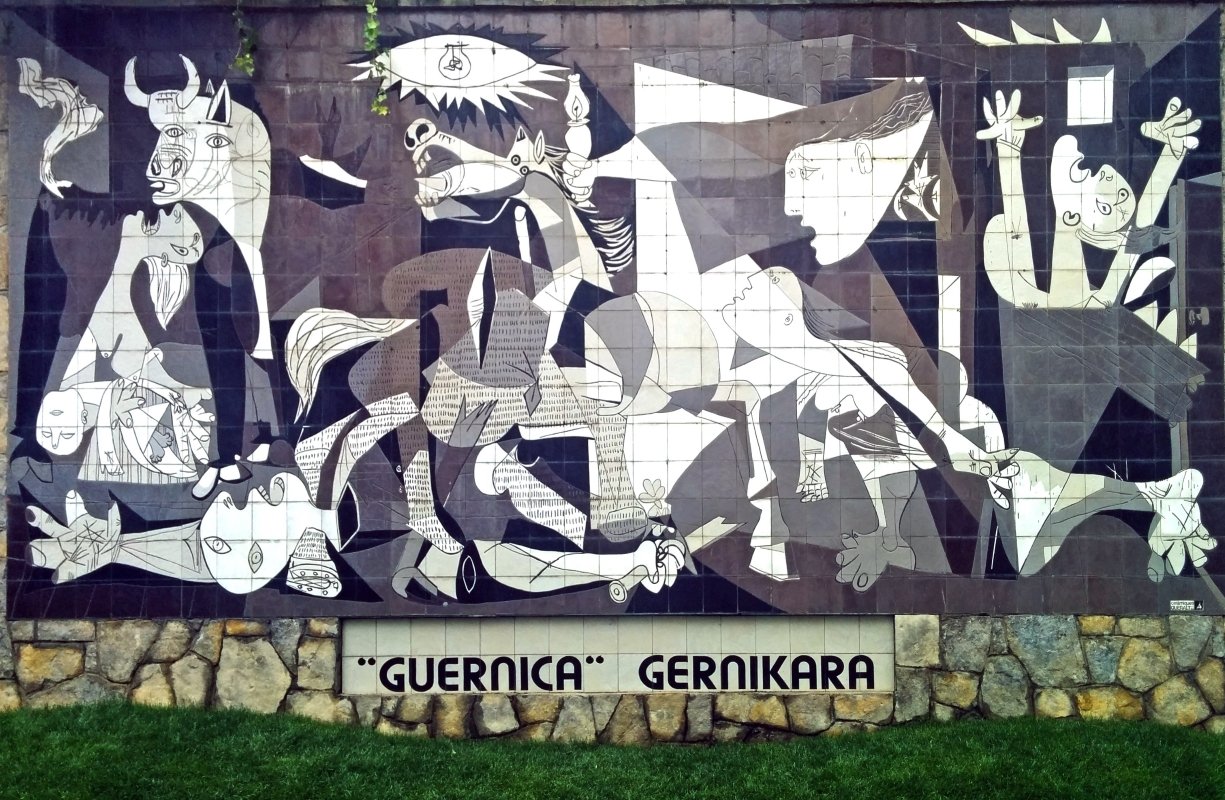
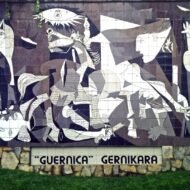
But here’s the powerful part: Guernica didn’t disappear. It rebuilt. It remembered. And in 1937, the artist Pablo Picasso channeled his rage and grief into “Guernica,” one of the most famous paintings of the 20th century. That 3.5-meter-tall masterpiece became an eternal cry against war and a symbol of peace worldwide.
Today, visiting Guernica isn’t just about tourism—it’s about bearing witness to history and understanding the human capacity to overcome tragedy.
Essential Attractions: What to See & Do
Gernika Peace Museum (Museo de la Paz de Gernika)
Why it matters: This is the must-see attraction in town, and honestly, it’s worth the trip alone.
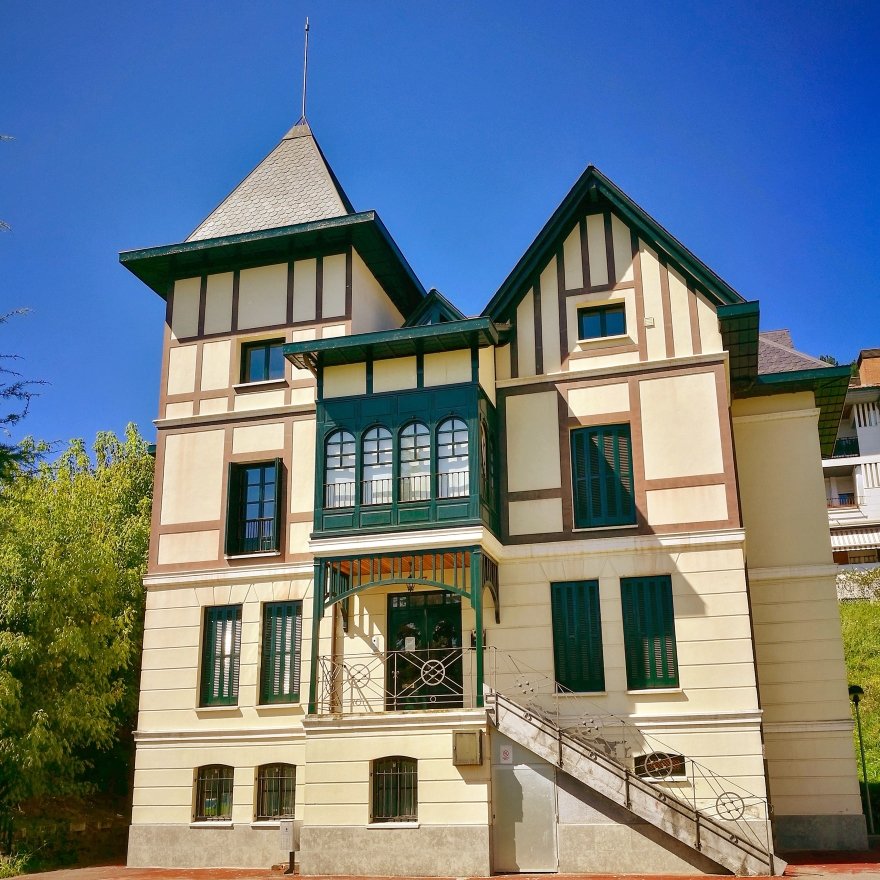
Located in a beautiful historic building, the museum takes you through an immersive journey of the 1937 bombing, its causes, its aftermath, and its global impact on peace movements. The exhibition is thoughtfully curated—featuring photographs, videos, survivor testimonies, and interactive displays. Whether you’re visiting solo, with family, or with older relatives who remember this era, there’s something here for everyone.
The multilingual exhibits (including English, Spanish, Basque, and French) ensure you won’t miss a single meaningful detail. Budget 1.5-2 hours here minimum.
Pro tip: Pick up a guidebook in your preferred language, and don’t rush the survivor testimonies section. They’re haunting and necessary.
Cost: Around €5-7 | Hours: Usually 10am-2pm, 4pm-7pm (closed Mondays—check ahead)
The Assembly House (Casa de Juntas) & Sacred Oak Tree
Why it matters: This is spiritual Basque heritage, full stop.
The Assembly House is where the Basque Parliament traditionally met—a symbol of Basque democracy and self-governance. The neo-Gothic building is striking, but the real magic happens outside: the ancient Oak of Guernica (Gernikako Arbola). This isn’t just any tree. It’s a living symbol of Basque identity, believed to be over 600 years old (though the current trunk was replanted after the bombing damaged the original).
Locals and visitors gather here for reflection, and many visitors find themselves deeply moved simply standing in its presence. There’s a museum inside the Assembly House explaining Basque history and governance structures—fascinating if you’re curious about regional autonomy and cultural preservation.
Cost: Free to see the tree; €3 for the museum | Vibe: Peaceful, contemplative, essential
Vizcaya Fine Arts Museum (Museo de Bellas Artes de Bilbao) Connection
Can’t make it to Bilbao? No worries. Guernica’s own art scene is growing, and the town frequently hosts exhibitions celebrating Picasso’s legacy and contemporary Basque artists. Ask at the tourist office for current exhibitions.
Plaza del Mercado (Market Square)
Why it matters: This is where Guernica’s real pulse beats.
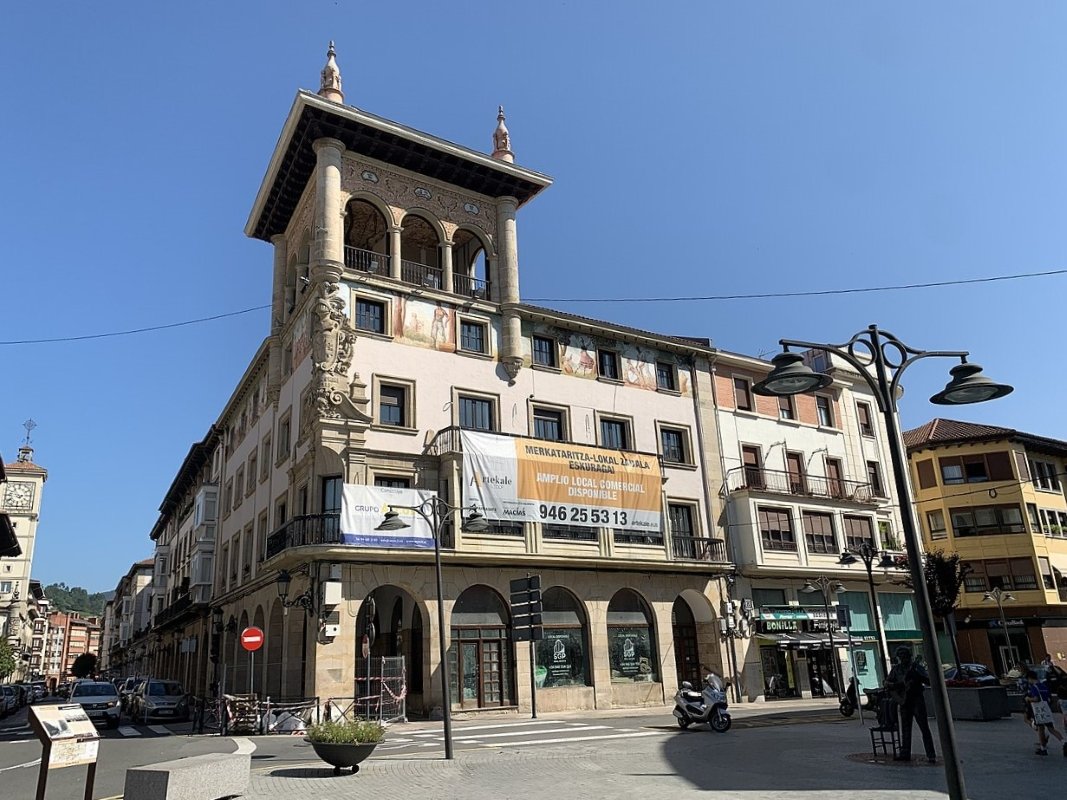
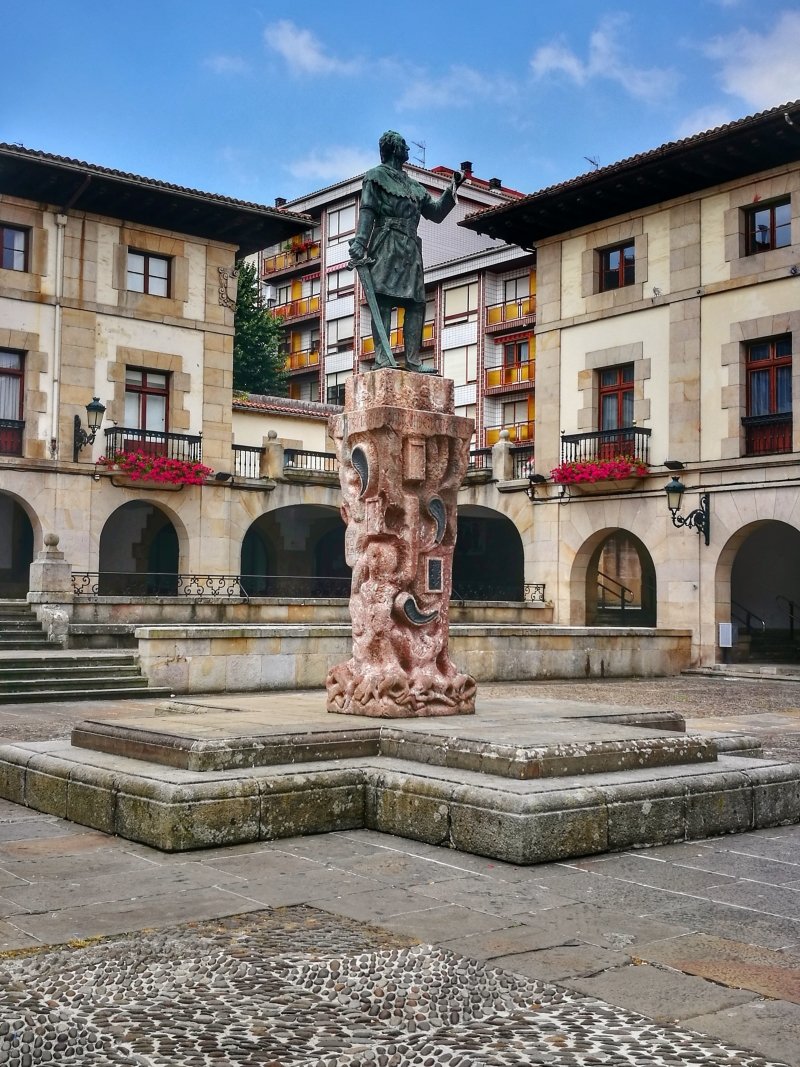
Rebuilt after the bombing, this charming square is surrounded by cafes, pintxos bars, and local shops. It’s where locals gather for morning coffee, afternoon txakoli (Basque white wine), and evening socializing. Grab a seat at a outdoor table, order some local cider or wine, and soak in authentic Basque life. This isn’t staged tourism—this is the real thing.
Insider move: Visit on market day (typically weekends) when local producers sell cheese, produce, and crafts.
The Basilica of Santa María (Iglesia de Santa María)
Partially destroyed in the bombing, this Gothic basilica was restored and remains a beautiful example of Basque religious architecture. It’s peaceful, historically significant, and worth 20 minutes of your time. The modern reconstructed sections blend respectfully with the original medieval stonework.
Parque de los Pueblos del Mundo (Peace Park)
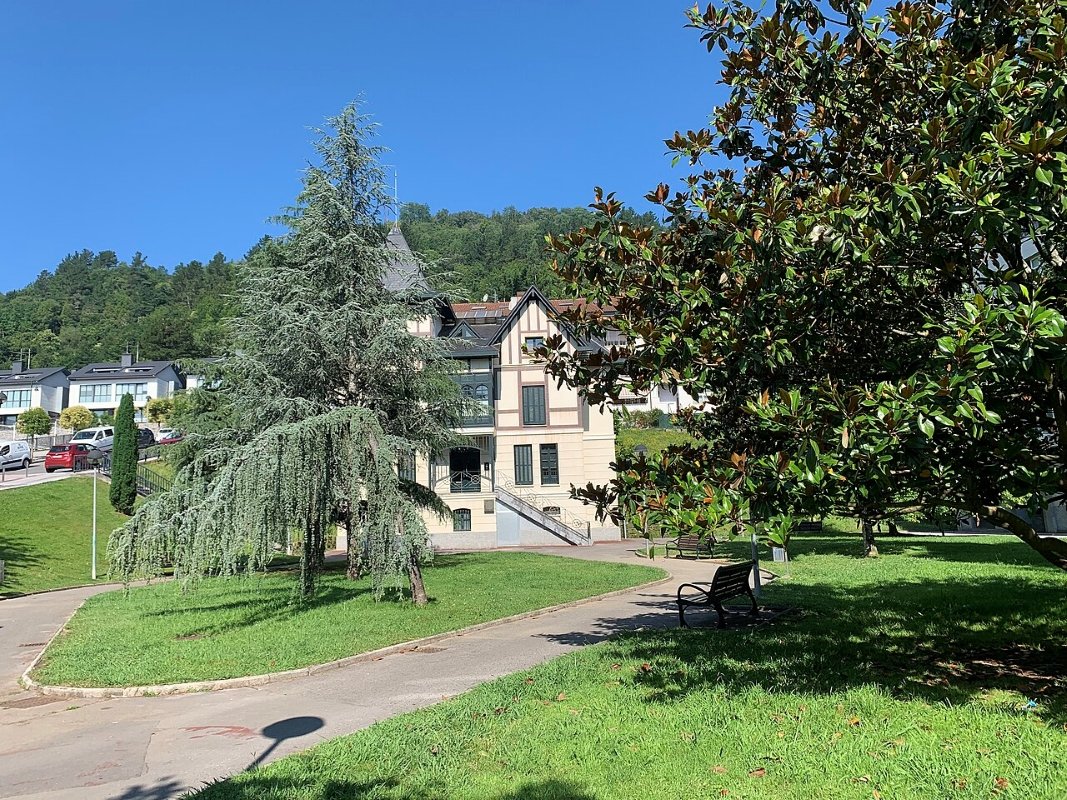
A serene green space featuring sculptures and memorials dedicated to peace and victims of violence worldwide. It’s a contemplative place perfect for reflection after a museum visit.
Culinary Adventures: Eat Like a Local
Here’s something they don’t always mention: Guernica has incredible food. The Basque Country is Spain’s gastronomic powerhouse, and Guernica is no exception.
Pintxos (Basque Tapas)
Hit any bar in Plaza del Mercado and you’ll see the pintxo display—small, artfully arranged bites on bread. Grab 3-5, pair them with cider or txakoli, and experience Basque casual dining at its finest. Cost? Usually €1-3 per pintxo. Local favorites include jamón ibérico, local cheese, and bacalao preparations.
Sagardo (Cider) Houses
The Basque Country has a centuries-old cider tradition, and visiting a sagardo (cider house) is essential. These rustic establishments serve cider directly from the barrel, paired with simple, delicious food: tortillas, chorizo, cheese, and txuleta (steak). The experience is as much about community as the food itself.
Pro tip: Many cider houses operate seasonally (roughly January-April). Plan accordingly or ask your hotel concierge for current options.
Restaurants Worth Your Time
- Local spots in Plaza del Mercado: No fancy reservations needed. Order at the bar, find a table.
- Txoko (private gastronomic societies): Some occasionally open to tourists—ask locals or your accommodation provider. It’s authentic Basque dining, full stop.
- Bacalao a la Vizcaína: A traditional Basque dish featuring salt cod in a rich sauce. Order it everywhere.
Txakoli Wine Pairing
This slightly sparkling, low-alcohol white wine from the Basque region is refreshing, affordable, and pairs beautifully with local food. It’s traditionally poured from height (to create bubbles), which is half the fun.
Budget estimate: €8-15 per person for lunch/dinner with drinks at casual spots; €25-40+ for nicer restaurants.
Practical Travel Information
How to Get There
From Bilbao (closest major city, 30km away):
- Train: Renfe regional trains take 25-35 minutes (€2-5). Easy, reliable, and scenic.
- Bus: Multiple daily connections via Autobusak (€3-6, 45 minutes). Slower but budget-friendly.
- Car rental: If exploring the broader Basque Country. Guernica is well-signposted; parking is easy and affordable.
- Flight: Bilbao Airport is the closest major airport (30km away). Numerous European connections available.
From San Sebastián: 1 hour by car/bus; definitely doable as a day trip.
From Madrid: 3.5-4 hours by train or car; usually visited as part of a Basque Country loop rather than a standalone trip from Spain’s capital.
When to Visit
Best time: May-September (warm, mostly dry, festival season) Shoulder seasons: April and October (mild weather, fewer tourists, authentic vibe) Winter: December-February (quieter, rainy, some restaurants have reduced hours, but still beautiful and atmospheric)
Guernica isn’t a beach destination, so “off-season” is actually pretty wonderful if you prefer contemplative travel and fewer crowds.
Where to Stay
In Guernica:
- Small family-run hotels and guesthouses offer authentic experiences and personal recommendations.
- Budget: €40-70/night for comfortable mid-range options.
In nearby Bilbao (if you want more dining/nightlife variety):
- 30 minutes away by train.
- Range from budget hostels (€20-30) to upscale hotels (€100+).
- Train accessibility makes this a practical base.
Accessibility note: Guernica’s historic town center has some steep streets and uneven cobblestones. Ask your accommodation provider about accessibility features beforehand if mobility is a consideration.
Language & Cultural Tips
- Basque language is spoken locally (Gernika in Basque), but Spanish and English are widely understood in tourist areas. Learning a few words (“Eskerrik asko” = thank you in Basque) is appreciated.
- Respect local culture: The Basque Country has a distinct identity. This isn’t just “Spain with attitude”—it’s a unique culture with its own language, traditions, and strong pride.
- Siesta culture: Some shops close 2pm-5pm. Plan accordingly.
- Tipping: Not obligatory, but rounding up or leaving 5-10% for good service is appreciated.
Money & Practicalities
- Currency: Euro (€)
- ATMs: Readily available in town center; no shortage of banking options.
- Card payments: Widely accepted everywhere; some small pintxo bars may be cash-only.
- Tourist office: Located in the town center; staff speak English and can provide maps, current exhibits, and local recommendations.
Sample 1-2 Day Itinerary
Day 1: History & Reflection
- Morning: Arrive in Guernica (check into accommodation)
- Mid-morning: Visit the Gernika Peace Museum (1.5-2 hours)
- Lunch: Pintxos and local wine in Plaza del Mercado
- Afternoon: Assembly House, Sacred Oak Tree, and Parque de los Pueblos del Mundo (reflection time)
- Evening: Dinner at a local restaurant; walk through town as sun sets
Day 2: Culture & Food
- Morning: Explore the Basilica of Santa María; browse local shops
- Late morning/early lunch: Sagardo (cider house) experience
- Afternoon: Optional—day trip to nearby Axpe or Durango (15-30 mins by car/bus) for additional Basque cultural exploration
- Late afternoon: Final pintxo bar visit; reflection before departure
Why Guernica Matters Beyond Tourism
Here’s what makes Guernica different from typical travel destinations: it’s a place where you leave changed. You’ll learn about art, history, and human resilience. You’ll taste authentic Basque culture. You’ll understand why peace matters, why cultural identity matters, and why remembering difficult histories is essential.
Whether you’re a solo traveler seeking depth, a family exploring Spanish culture, a history enthusiast, or an art lover tracing Picasso’s legacy, Guernica welcomes you—not as a tourist, but as a witness to something profound.
Final Thoughts
Guernica isn’t flashy. There’s no theme park, no Instagram-famous spots (though plenty of beautiful ones), no overcrowded monuments. What it offers is something rarer: authenticity, meaning, and a story that stays with you long after you’ve left.
Plan 1-2 days here. Stay longer if you can. Eat well, reflect deeply, and let this remarkable Basque town remind you why travel matters.
Ready to book your Guernica adventure? Start with flights/trains to Bilbao, and let this UNESCO-adjacent destination surprise you with its power, beauty, and resilience.
Have you visited Guernica? Share your experience in the comments—travelers love hearing from those who’ve been there.