








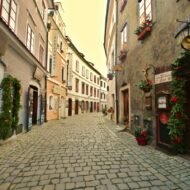
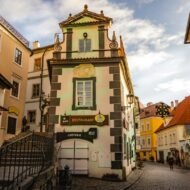
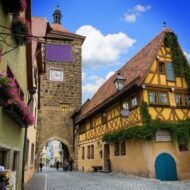
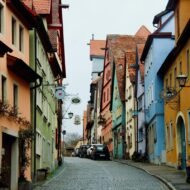





November is the perfect time to explore Europe’s medieval gems without the crowds. We’re diving into five stunning small cities—Bruges, Rothenburg ob der Tauber, Český Krumlov, Toledo, and Tallinn—where cobblestone streets meet cozy cafés, and your travel budget goes further. Expect festive Christmas markets, dramatic autumn scenery, and authentic experiences minus the Instagram hordes.
- Why November is Your Secret Weapon for Medieval Travel
- 1. Bruges, Belgium: The Chocolate Box Come to Life
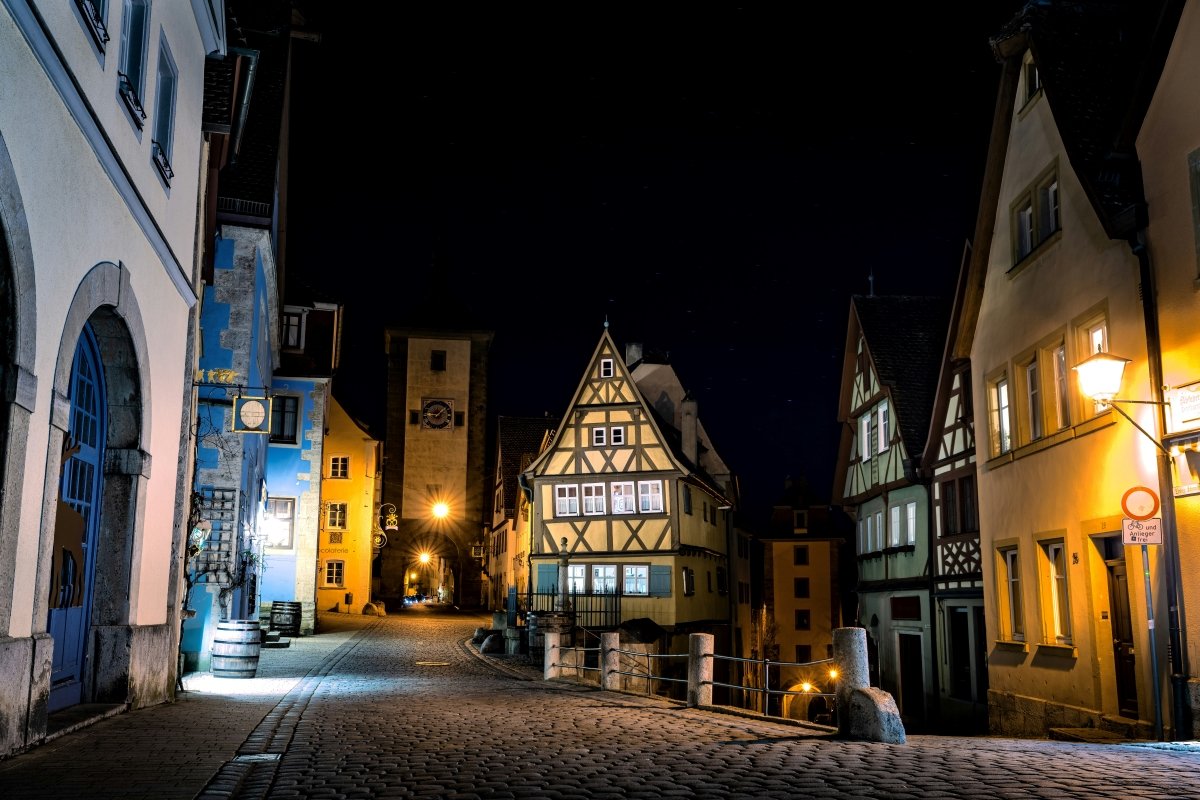
- 2. Rothenburg ob der Tauber, Germany: Medieval Germany’s Crown Jewel
- 3. Český Krumlov, Czech Republic: The Renaissance Time Capsule
- 4. Toledo, Spain: The City of Three Cultures
- 5. Tallinn, Estonia: Medieval Meets Digital
- Practical Planning: Making November Work for You
- Safety and Accessibility Considerations
- Food and Drink: Medieval Cities, Modern Flavors
- Sample Itineraries
- Final Thoughts: Why November Changes Everything
Why November is Your Secret Weapon for Medieval Travel
Listen, we’ve all seen those summer photos of European medieval towns—wall-to-wall tourists, impossible restaurant waits, and prices that make your credit card weep. But November? That’s when the magic really happens.
The tourist masses have retreated, hotels slash their prices by 30-50%, and you’ll actually get to experience these places rather than just photograph them. Sure, you’ll need a decent jacket, but that crisp autumn air makes those medieval atmospheres feel even more authentic. Plus, early Christmas markets start popping up, giving you that festive vibe without the full-blown December chaos.
What to expect in November:
- Average temperatures: 5-12°C (41-54°F)
- Shorter daylight hours (around 8-9 hours)
- Occasional rain (pack that waterproof layer!)
- Significantly fewer tourists
- Lower accommodation prices
- Early Christmas market magic
1. Bruges, Belgium: The Chocolate Box Come to Life
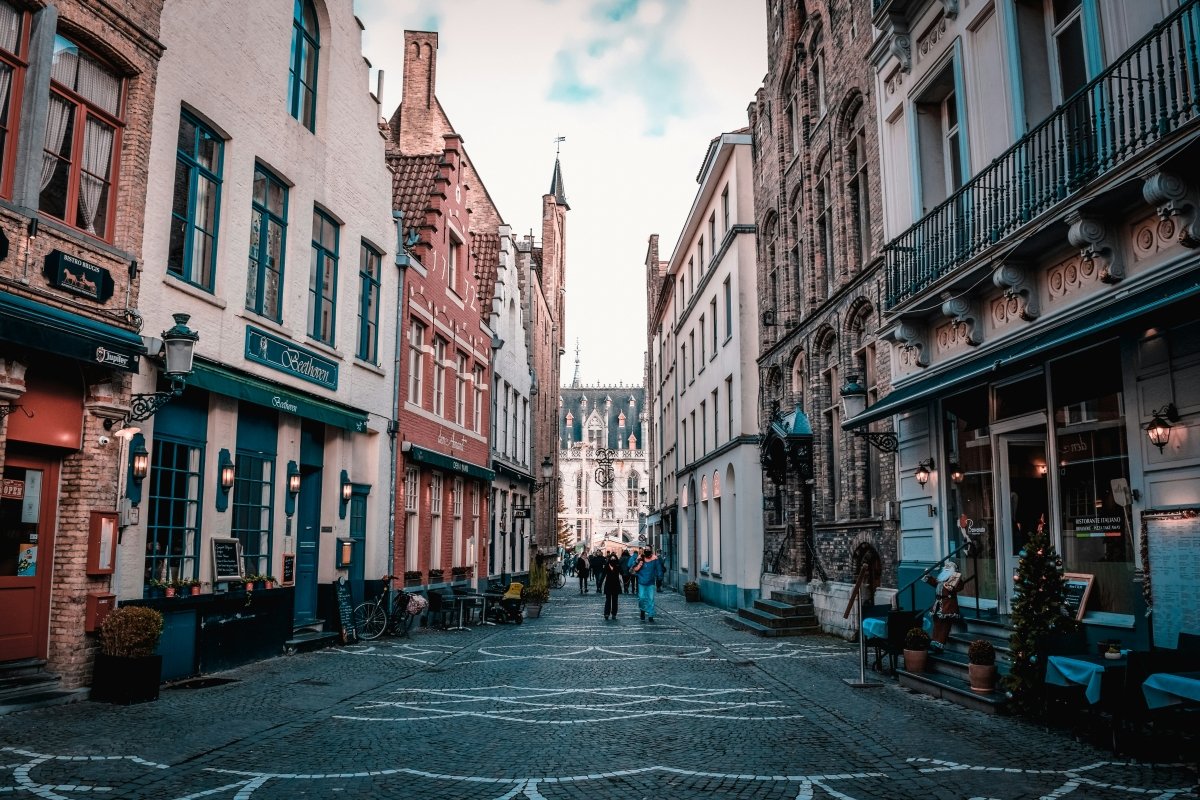
If medieval fairytales had a headquarters, it’d be in Bruges. This UNESCO World Heritage city feels like someone hit pause in the 14th century—except they added world-class chocolate shops and Belgian beer cafés.
Why November Works Here
The November mist rolling off the canals? Chef’s kiss. The city’s medieval architecture becomes even more atmospheric when autumn fog wraps around the bell tower. The annual Bruges Beer Festival happens in early November, and the Christmas market (starting mid-November) transforms the Markt square into a wonderland.
Don’t miss:
- The Belfry tower climb (366 steps, but those views!)
- Canal boat tours (bundle up—it’s worth it)
- The medieval Beguinage
- Chocolate tastings at The Chocolate Line
- Hot Belgian waffles from street vendors
Budget tip: Stay outside the historic center and walk in. You’ll save 40% on accommodation and get your steps in.
Getting there: Brussels is just 1 hour by train, making Bruges perfect for a long weekend escape.
2. Rothenburg ob der Tauber, Germany: Medieval Germany’s Crown Jewel
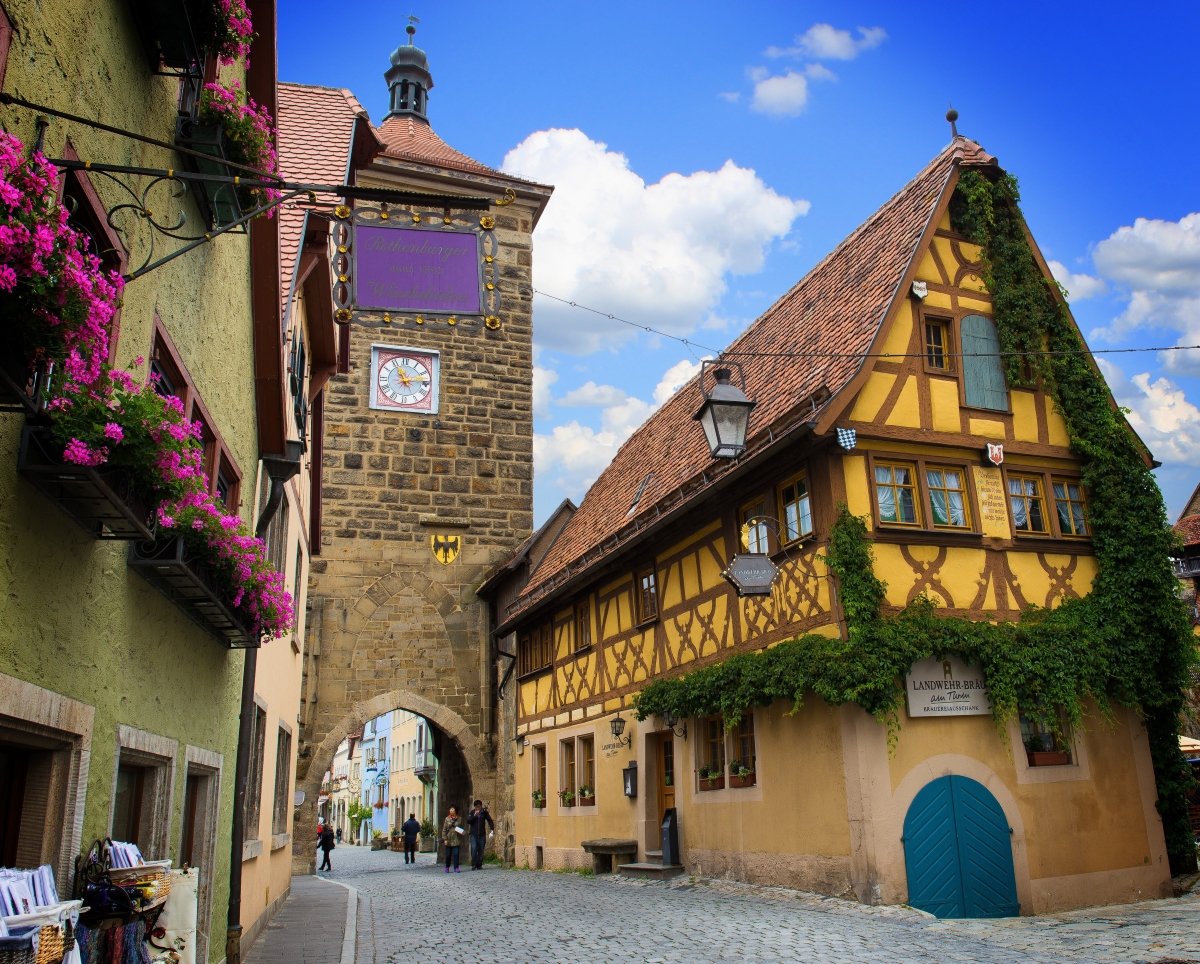
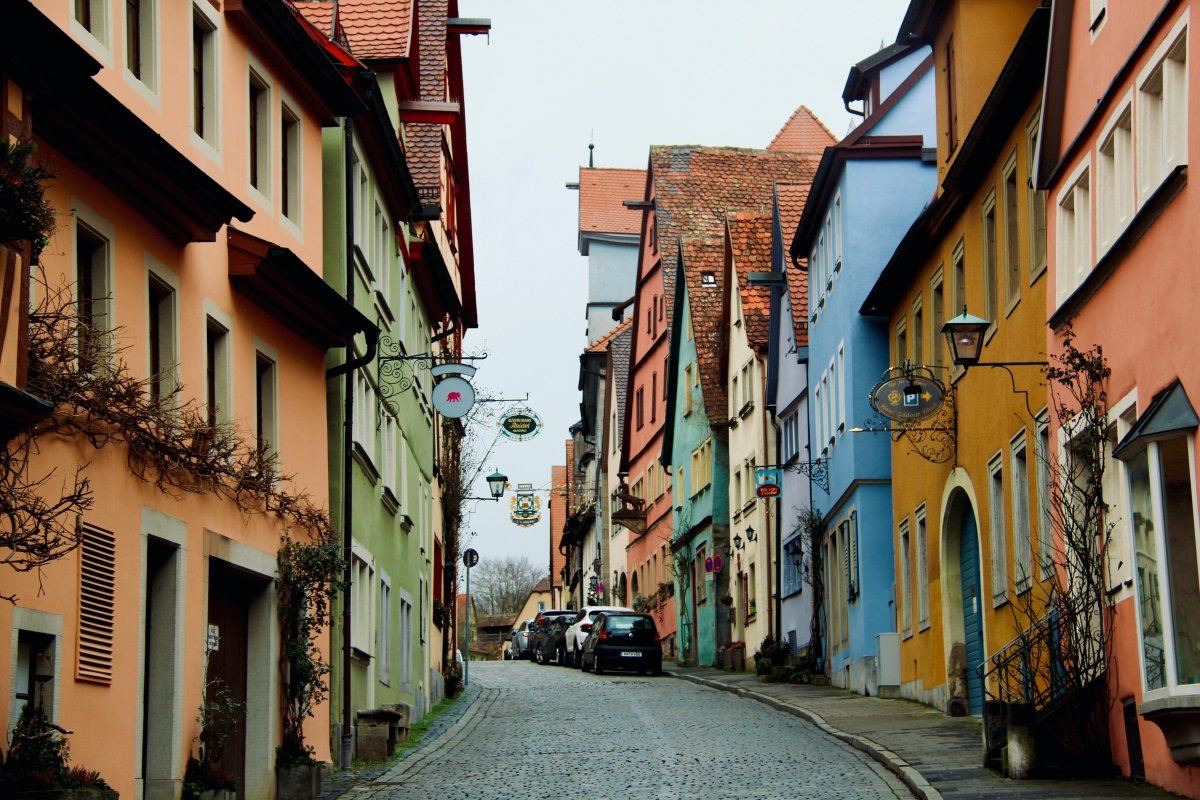
Rothenburg survived World War II largely intact, meaning you’re walking through an actual medieval city, not a reconstruction. The town sits above the Tauber River valley, surrounded by the original 14th-century walls you can still walk along.
November’s Special Sauce
This is where November truly shines. Rothenburg’s Reiterlesmarkt (Christmas market) starts late November and is way less commercialized than Munich’s or Frankfurt’s. The town population is only 11,000, so you’ll experience genuine German hospitality. The autumn colors in the surrounding Franconian countryside create picture-perfect hiking conditions.
Must-experiences:
- Walking the medieval walls (complete circuit: 2.5km)
- Night Watchman Tour (yes, really—it’s entertaining and informative)
- Medieval Crime Museum (surprisingly fascinating)
- Schneeballen (snowball pastries) from any bakery
- Exploring the covered walkways and towers
Accessibility note: The medieval town has cobblestones and stairs, but the main shopping street (Herrngasse) is relatively flat and most major sites are accessible.
Pro traveler move: Book accommodation inside the walls. When day-trippers leave around 5 PM, you’ll have the entire medieval city to yourselves.
3. Český Krumlov, Czech Republic: The Renaissance Time Capsule
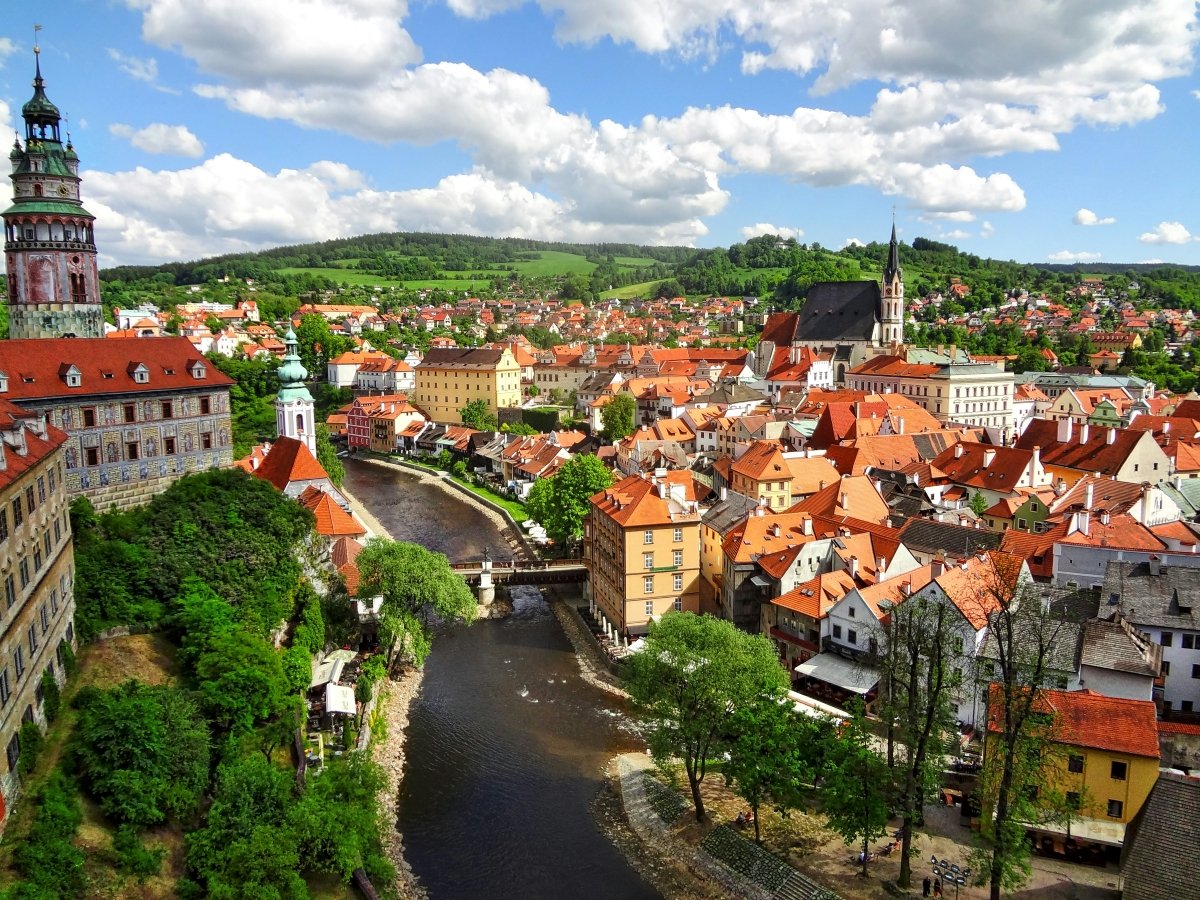
Český Krumlov punches way above its weight. This small South Bohemian town (population: 13,000) boasts one of Europe’s most impressive castle complexes and a medieval core so well-preserved that UNESCO gave it World Heritage status.
November Advantages
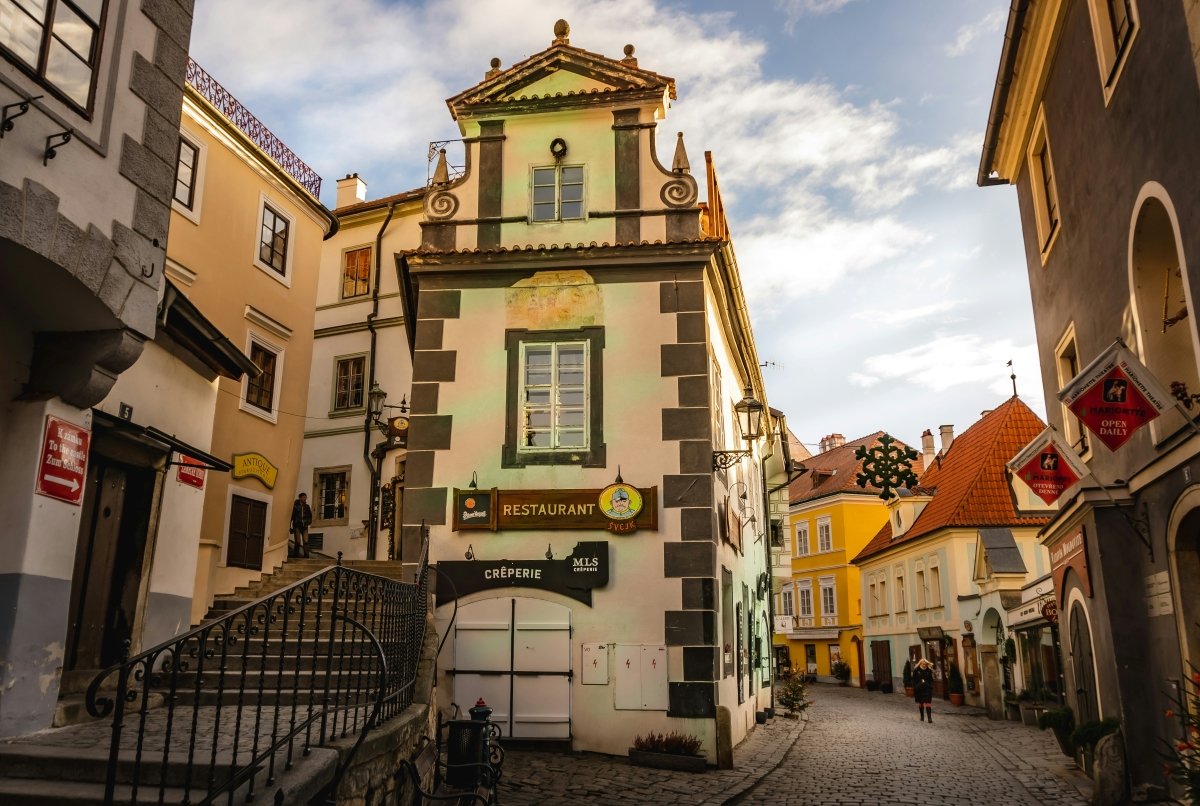
Český Krumlov gets absolutely mobbed in summer—we’re talking 2 million annual visitors. Come in November and you’ll share the Gothic streets with maybe a few dozen other travelers. The castle complex, normally crawling with tour groups, becomes an intimate experience. Plus, Czech beer in cozy medieval taverns when it’s cold outside? That’s the vibe you’re after.
Top picks:
- Český Krumlov Castle (second-largest in Czechia)
- The Baroque castle gardens
- Wandering the medieval streets without a map (seriously, just get lost)
- Traditional Czech cuisine at Krcma v Satlavske
- The viewpoint at Plášťový most (Castle Bridge)
Money-saving reality: Czechia is still one of Europe’s most affordable destinations. A fantastic dinner with local beer costs around €12-15.
Getting there: Direct buses from Prague (3 hours) or Vienna (3.5 hours) make this an easy addition to any Central Europe itinerary.
4. Toledo, Spain: The City of Three Cultures
Toledo sits on a granite hill surrounded by the Tagus River, its medieval skyline dominated by the Alcázar fortress and Gothic cathedral. This former Spanish capital is where Christian, Jewish, and Islamic cultures blended for centuries, creating unique architectural mashups you won’t find anywhere else.
Why November Beats Every Other Month
Spain in November is criminally underrated. While Northern Europe gets chilly, Toledo sits at comfortable 10-15°C (50-59°F)—perfect jacket weather. The summer heat that makes those steep medieval streets brutal? Gone. The city’s museums and synagogues are half-empty, meaning quality time with El Greco’s masterpieces without being elbow-to-elbow with tour groups.
Unmissable experiences:
- The Gothic Cathedral (bring neck-stretching muscles for that ceiling)
- Alcázar fortress views
- Jewish Quarter exploration
- Synagogue of Santa María la Blanca
- Marzipan tasting (Toledo’s specialty)
- Sunset from Mirador del Valle (take the bus—it’s steep!)
Local secret: Stay overnight. Day-trippers from Madrid leave by 6 PM, and nighttime Toledo is absolutely magical—fewer crowds, atmospheric lighting, and authentic local restaurants.
Transport: Just 33 minutes from Madrid by high-speed train. Easy day trip or better as a 2-3 night stay.
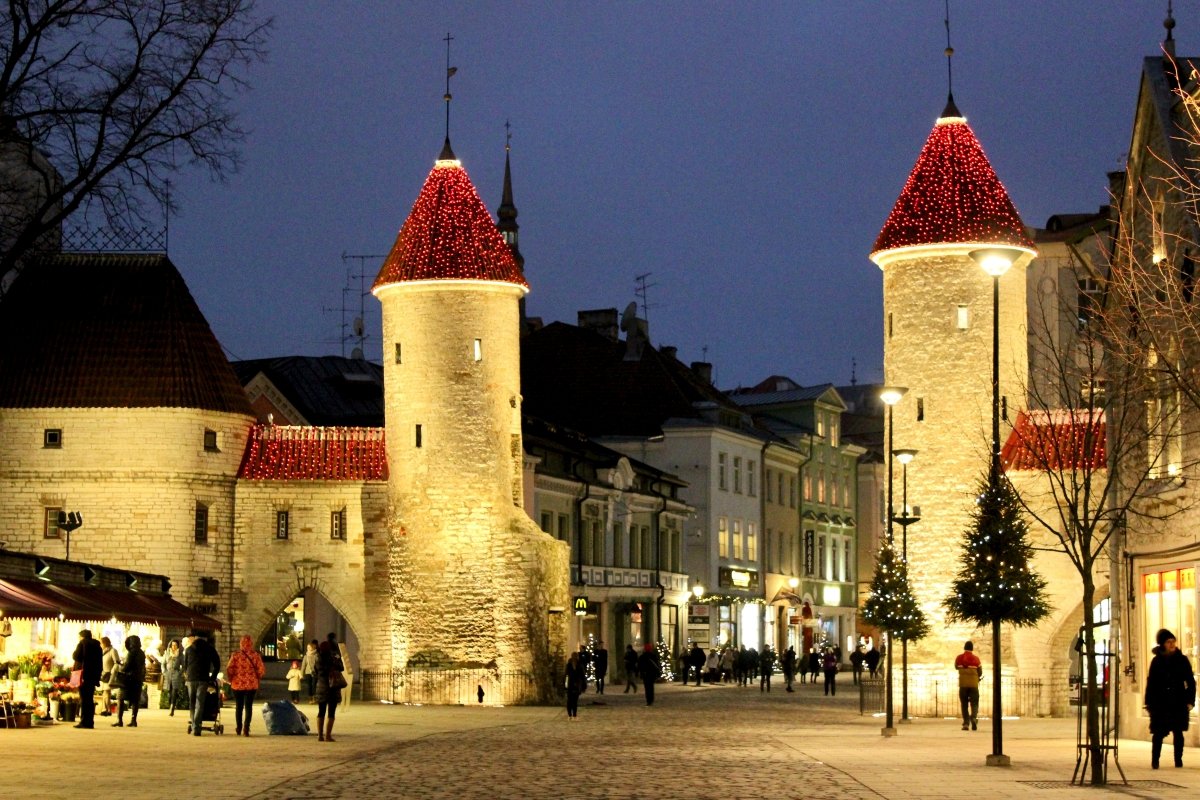
5. Tallinn, Estonia: Medieval Meets Digital
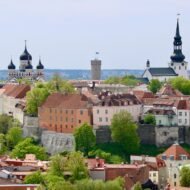
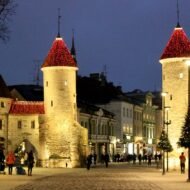
Tallinn’s Old Town feels like stumbling into a Hanseatic trading post from 1404—except everyone accepts credit cards and the WiFi is faster than your hometown’s. This Baltic beauty combines merchant houses, church spires, and medieval walls with Nordic efficiency.
November’s Baltic Magic
Sure, it’s cold (0-5°C), but hear us out: Tallinn’s Christmas market starts mid-November and is regularly voted Europe’s best. The medieval Town Hall Square becomes an enchanted forest of wooden stalls, mulled wine (glögi), and absolutely zero overcrowding. Plus, Baltic November means potential Northern Lights sightings and definitely snow-dusted medieval rooftops.
Essential stops:
- Alexander Nevsky Cathedral (those onion domes!)
- Town Hall Square and viewing platform
- The medieval town walls (1.9km open to visitors)
- Kohtuotsa viewing platform for panoramic shots
- Traditional Estonian food at Olde Hansa (touristy but fun)
Unique November bonus: St. Martin’s Day (November 10th) kicks off the pre-Christmas season with traditional markets and Estonian crafts.
Getting there: Tallinn Airport is small but well-connected. Also easily reached by ferry from Helsinki (2 hours) if you’re doing a Nordic loop.
Practical Planning: Making November Work for You
Packing Essentials
- Waterproof jacket with hood (non-negotiable)
- Layering pieces (medieval buildings aren’t always heated)
- Comfortable waterproof walking shoes (cobblestones + rain = slip hazard)
- Portable phone charger (shorter days = more photo opportunities)
- Small umbrella
- Warm accessories (scarf, gloves, hat)
Budget Breakdown (per person, per day)
- Budget traveler: €50-70 (hostels, street food, walking tours)
- Mid-range: €100-150 (3-star hotels, sit-down meals, paid attractions)
- Comfort traveler: €200+ (boutique hotels, fine dining, private guides)
November prices typically run 30-40% lower than peak summer rates across accommodation and flights.
Booking Strategy
Flights: Book 6-8 weeks ahead for best prices. Tuesday/Wednesday flights are usually cheaper.
Accommodation: November is shoulder season—you can often book quality places 1-2 weeks out and still get deals. Consider apartments for longer stays.
Tours: Many walking tours operate year-round. Small group food tours are perfect for November (indoor eating, local experiences).
Getting Around
These cities are compact and walkable—that’s part of their charm. Public transport exists but you’ll mostly use your feet. Many medieval centers are pedestrian-only anyway. For city-to-city travel:
- Trains: Comfortable for Bruges-Ghent, Prague-Český Krumlov
- Budget flights: Between Baltic and Western Europe
- Buses: Often cheapest for Central Europe connections
Safety and Accessibility Considerations
These cities are generally very safe for all travelers. The biggest challenges are physical—cobblestones, stairs, and uneven medieval streets weren’t designed with accessibility in mind. That said:
Mobility considerations: Bruges and Toledo have the most accessible centers with flatter main routes. Rothenburg and Český Krumlov involve more hills and stairs. Contact hotels in advance—many medieval buildings have been modernized inside.
Solo travelers: All five cities are excellent for solo exploration. November’s smaller crowds make interactions easier and accommodations safer.
Family-friendly: Kids often love the “castle vibes,” but be prepared for walking. Strollers struggle with cobblestones—baby carriers work better.
Food and Drink: Medieval Cities, Modern Flavors
Each destination offers unique culinary experiences perfect for November weather:
Bruges: Belgian chocolate, waffles, and stoofvlees (beef stew) with hundreds of beer options
Rothenburg: Schneeballen pastries, Franconian wine, hearty sausages
Český Krumlov: Svíčková (marinated beef), trdelník (chimney cakes), world-class beer under €2
Toledo: Marzipan, Manchego cheese, roasted game meats, local wines
Tallinn: Black bread, Baltic herring, elk dishes, glögi (mulled wine)
Pro tip: November is comfort food season across Europe. Don’t diet—embrace the hearty medieval-style feasts!
Sample Itineraries
The Medieval Week (7 days)
- Days 1-2: Bruges (easy arrival via Brussels)
- Days 3-4: Rothenburg ob der Tauber (train via Frankfurt)
- Days 5-7: Český Krumlov (train via Munich or Nuremberg)
The Central European Loop (5 days)
- Days 1-2: Prague + day trip to Český Krumlov
- Days 3-4: Vienna + day trip to Bratislava
- Day 5: Toledo (flight to Madrid)
The Baltic-Western Combo (6 days)
- Days 1-3: Tallinn (including Helsinki day trip)
- Days 4-6: Bruges (budget flight)
Final Thoughts: Why November Changes Everything
Here’s the truth about medieval European travel: summer is beautiful but exhausting. You’ll spend half your time managing crowds, booking ahead for everything, and paying premium prices for the experience. November flips the script.
You’ll have breathing room to actually absorb these places—to sit in a café without rushing, to photograph streets without human obstacles, to have conversations with locals who aren’t overwhelmed by tourists. The medieval atmosphere intensifies when weather turns atmospheric, early Christmas markets add festive charm, and your budget stretches further.
Sure, you’ll need a jacket. But in exchange, you get authentic experiences in some of Europe’s most magical cities—without fighting for space or paying summer prices. That’s a trade-off worth making.
These medieval gems have survived centuries. They’ll be stunning whenever you visit—but November might just be when they’re at their absolute best.