



Holmön is a remote Swedish island archipelago in the Kvarken narrows offering untouched nature, unique geology, midnight sun experiences, and authentic coastal culture. Accessible by free ferry from Umeå, it’s perfect for kayaking, hiking, bird watching, and escaping the crowds. Visit June-August for warmth, or winter for northern lights and snowmobiling across frozen seas.
- Where Exactly Is Holmön Island?
- Getting There: The Journey Is Half the Fun
- When to Visit Holmön Island
- What Makes Holmön Special? Let’s Talk Geology
- Top Things to Do on Holmön Island
- 1. Kayak the Archipelago
- 2. Hike the Island Trails
- 3. Bird Watching & Wildlife
- 4. Experience the Fishing Villages
- 5. Midnight Sun & Northern Lights
- 6. Winter Activities
- Where to Stay on Holmön
- Where to Eat & Drink
- Practical Tips for Visiting Holmön Island
- Combining Holmön with Other Destinations
- Why Holmön Deserves Your Time
So you’ve conquered Stockholm, done the Gothenburg thing, and maybe even ventured up to Swedish Lapland. But have you heard of Holmön? Probably not—and that’s exactly why you need to go.
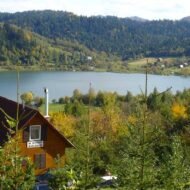
Located in the Kvarken archipelago where the Gulf of Bothnia narrows between Sweden and Finland, Holmön Island is one of those places that feels like you’ve stumbled onto something special. No cruise ship crowds, no tour buses, just you, the Baltic Sea, and some of the most unique coastal landscapes in Scandinavia.
Where Exactly Is Holmön Island?
Holmön sits about 15 kilometers off the coast of Umeå in northern Sweden, right in the middle of the Kvarken narrows—a UNESCO World Heritage Site known for its crazy geology. The island is part of an archipelago that includes several smaller islands, all connected by history, nature, and that distinct feeling of being genuinely off the beaten path.
The Kvarken region is where land literally rises from the sea (thanks, post-glacial rebound!), creating new islands and coastlines faster than anywhere else on Earth. We’re talking about 8-9 millimeters per year, which might not sound like much, but over centuries? Game-changer.
Getting There: The Journey Is Half the Fun
Here’s the good news: getting to Holmön is easier than you’d think, and it won’t cost you a fortune.
By Ferry: The MF Holmöbåten departs from Norrfjärden (about 20 minutes north of Umeå) and takes roughly 1.5-2 hours to reach Holmön. The best part? It’s completely free for passengers. Cars and bikes are also free. The ferry runs year-round, though schedules vary seasonally—summer sees multiple daily departures, while winter is more limited.
Pro tip: Book your spot online in advance during peak summer months (July especially). Everyone wants that midnight sun experience, and ferry space fills up fast.
From Umeå city, you’ll drive or take a bus to Norrfjärden. If you’re flying in, Umeå Airport has connections to Stockholm and other major cities.
When to Visit Holmön Island
This isn’t one of those “year-round destination” situations—timing matters here.
Summer (June-August): Peak season for a reason. June brings the midnight sun (yes, actual 24-hour daylight), while July and August offer the warmest weather (think 15-22°C/59-72°F). Perfect for kayaking, hiking, and exploring without needing Arctic-level gear. The downside? Everyone else knows this too.
Spring & Fall (May, September-October): Fewer visitors, dramatic weather, and incredible bird migrations. Pack layers and waterproofs. May can still be chilly, while September offers stunning fall colors.
Winter (November-April): For the adventurous. The island transforms into a winter wonderland with opportunities for snowmobiling, cross-country skiing, and northern lights hunting. Ferry service continues, but check schedules carefully. Not for casual travelers—you need to embrace the darkness and cold.
What Makes Holmön Special? Let’s Talk Geology
Remember that UNESCO World Heritage designation? It’s not just fancy words on a plaque.
The Kvarken archipelago is one of the best examples of post-glacial rebound on the planet. Basically, when the massive ice sheets from the last Ice Age melted, the land literally bounced back up—and it’s still rising. This creates a constantly changing landscape of shallow bays, emerging islands, and bizarre rock formations.
You’ll see “De Geer moraines” (those weird ripple-pattern ridges in the landscape), ancient beaches now sitting meters above sea level, and coastlines that look nothing like they did a century ago. For geology nerds, this place is basically Disneyland.
Top Things to Do on Holmön Island
1. Kayak the Archipelago
Honestly, this is THE way to experience Holmön. The shallow, island-dotted waters are perfect for sea kayaking, even if you’re a beginner. Paddle between uninhabited islands, spot seals lounging on rocks, and camp on your own private island for the night.
Where to rent: Local operators in Holmö by (the main village) offer guided tours and rentals. Multi-day expeditions are possible for experienced paddlers.
2. Hike the Island Trails
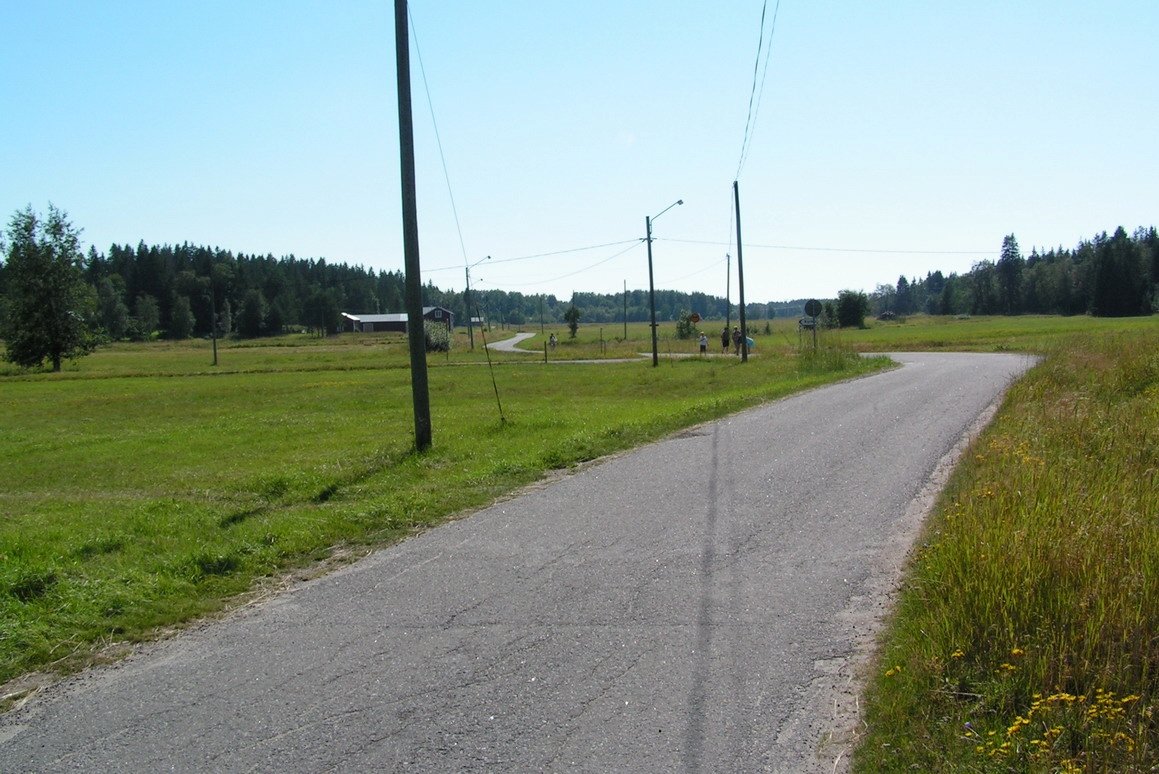
Holmön isn’t huge, but it packs in some beautiful trails. The terrain is relatively flat (highest point is about 20 meters above sea level), making it accessible for most fitness levels. Trails wind through pine forests, along rocky coastlines, and across those fascinating moraine landscapes.
Don’t miss: The circular trail around the main island takes 3-4 hours and gives you a solid overview of the landscape.
3. Bird Watching & Wildlife
The Kvarken is a major stopover for migratory birds traveling between Arctic breeding grounds and southern Europe. Depending on the season, you might spot everything from barnacle geese to arctic terns.
Seals (both grey and ringed seals) are common year-round. In summer, they’re often visible basking on outer skerries—bring binoculars or a good zoom lens.
4. Experience the Fishing Villages
Holmö by is the main settlement, a tiny fishing village that feels frozen in time. Colorful boathouses line the harbor, fishing boats bob in the water, and the pace of life is, shall we say, relaxed.
The island has a permanent population of only about 70 people, but that swells in summer with seasonal residents and tourists. Chat with locals (most speak excellent English), visit the small heritage museum, and soak up that authentic coastal Swedish vibe.
5. Midnight Sun & Northern Lights
Summer: From late May to mid-July, the sun never fully sets. Midnight kayaking or hiking under the golden glow is genuinely magical—and yes, worth the hype.
Winter: From October to March, you’re in prime aurora territory. Clear, dark skies and minimal light pollution make Holmön an excellent northern lights viewing spot. Bundle up (we’re talking -15°C/5°F or colder), and be patient.
6. Winter Activities
If you’re visiting in the frozen months, the Gulf of Bothnia freezes solid enough to drive on. Locals offer snowmobile tours across the ice to neighboring islands—an utterly surreal experience. Cross-country skiing and ice fishing are also popular.
Where to Stay on Holmön
Accommodation options are limited, which is part of the charm but means you need to plan ahead.
Gästhem Holmön: The main guesthouse on the island offers simple, comfortable rooms with shared facilities. Friendly hosts, good breakfast, and the convenience of being in the main village.
Cottages & Cabins: Several self-catering cottages are available for rent, perfect if you’re staying multiple days or traveling with family. Most are basic but cozy.
Camping: Wild camping is allowed under Sweden’s “allemansrätten” (freedom to roam) laws, as long as you follow the rules: camp out of sight of homes, leave no trace, and move on after a night or two. Designated camping spots exist near Holmö by.
Umeå Base: Some visitors day-trip from Umeå, but honestly, you’re missing out if you don’t spend at least one night on the island. The evening and early morning atmosphere is peak Holmön.
Where to Eat & Drink
Let’s be real: this isn’t a foodie destination with Michelin-starred restaurants. But what you will find is honest, fresh, local food.
Holmöns Handelsbod: The island’s general store and café serves coffee, sandwiches, and homemade pastries. It’s the social hub where everyone eventually passes through.
Self-Catering: Most visitors bring groceries from Umeå. The ferry allows coolers and supplies, and if you’re renting a cottage, you’ll have kitchen facilities.
Fresh Fish: If you’re lucky, you might be able to buy fresh-caught fish directly from local fishermen. Nothing beats grilling your catch while watching the midnight sun.
Practical Tips for Visiting Holmön Island
Pack Smart: Weather changes fast. Even in summer, bring layers, waterproof jacket and pants, and sturdy walking shoes. In winter, you need serious cold-weather gear.
Cash & Cards: The island has limited services. Bring cash just in case, though cards are generally accepted.
Mobile Coverage: Decent in the main village, spotty elsewhere. Download offline maps.
Respect Allemansrätten: Sweden’s freedom to roam is a privilege. Don’t litter, respect private property, don’t disturb wildlife, and leave nature as you found it.
Swedish Basics: While most people speak English, learning a few Swedish phrases goes a long way. “Tack” (thanks) and “Hej” (hello) are good starts.
Book Ahead: Ferry spots and accommodation fill up in summer. Don’t wing it during July.
Combining Holmön with Other Destinations
Finnish Kvarken: The Kvarken archipelago continues on the Finnish side. You could theoretically island-hop your way to Finland—ambitious but incredible.
Swedish Lapland: You’re already up north. Consider extending your trip to Kiruna, Abisko, or the Icehotel.
Why Holmön Deserves Your Time
In an age where everywhere feels Instagrammed to death, Holmön remains refreshingly under the radar. It’s not trying to be anything other than what it is: a small, working fishing island with stunning nature and genuine culture.
You won’t find luxury hotels or curated “experiences.” What you will find is space to breathe, landscapes that make you stop and stare, and the kind of quiet that’s become rare in modern travel.
If you’re craving authentic Scandinavia away from the tourist trail, Holmön delivers. The archipelago is beautiful without being showy, the geology is fascinating even if you’re not a scientist, and the freedom to explore by kayak or on foot is genuinely liberating.
Pack your sense of adventure (and several extra layers), respect the landscape, and discover one of Sweden’s genuine hidden gems.
Ready to explore? The Kvarken is calling.