



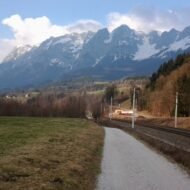
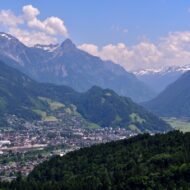
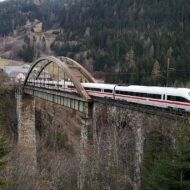
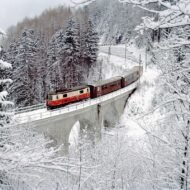

Exploring Austrian Alps by rail Austria’s alpine railways offer stunning mountain vistas without Switzerland’s hefty price tag. Top routes include the UNESCO-listed Semmering Railway, the Arlberg scenic line through Alpine passes, and the fairytale Mariazell Railway through peaceful forests. Book early for best prices (€35-50 typical one-way), travel May-October for optimal weather, and always sit on the left side from Innsbruck for jaw-dropping views.
- Why Choose Austrian Alpine Railways?
- The Crown Jewels: Must-Ride Railway Routes
- 1. The Semmering Railway: UNESCO World Heritage Wonder
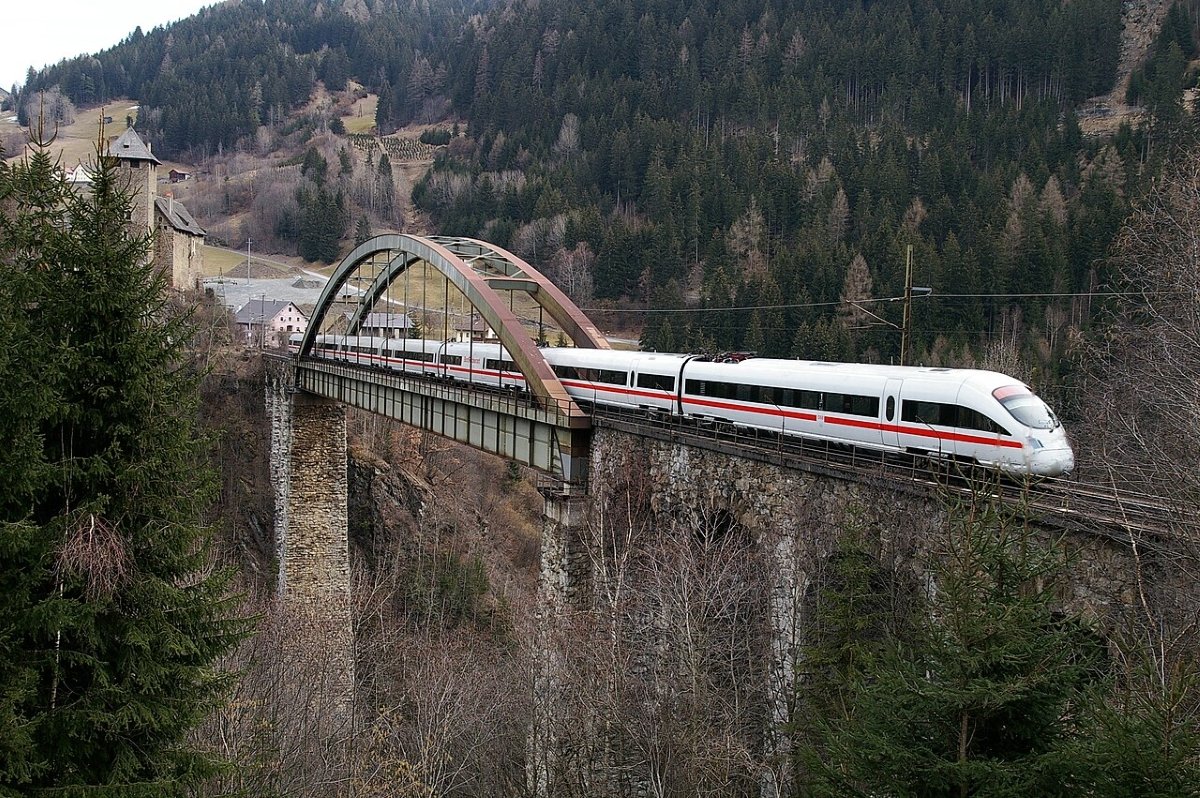
- 2. The Arlberg Scenic Route: Alpine Drama at Its Finest
- 3. Salzburg to Innsbruck via Bischofshofen: The Insider’s Route
- 4. The Mariazell Railway: Fairytale Forest Journey
- 5. Innsbruck to Garmisch-Partenkirchen: Cross-Border Beauty
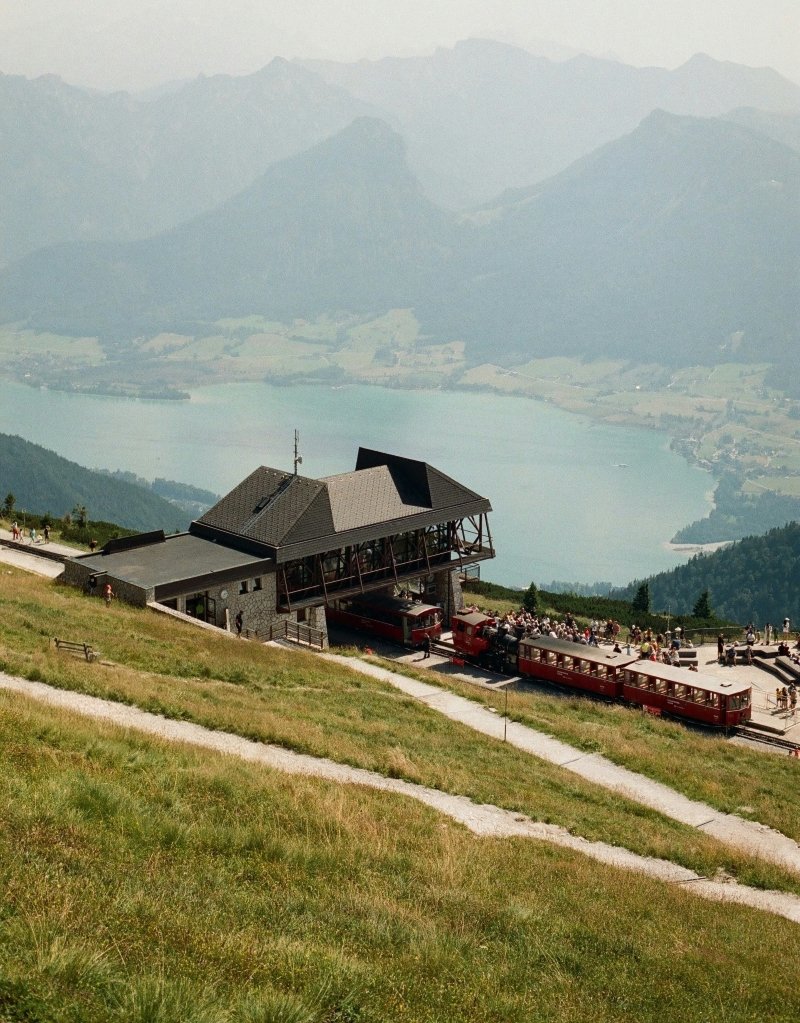
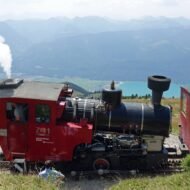
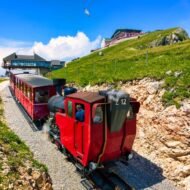
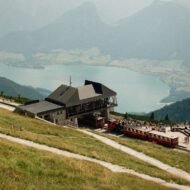
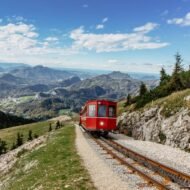
- 6. The Schafbergbahn: Austria’s Steepest Cog Railway
- Practical Information: Money, Tickets & Timing
- Beyond the Trains: Alpine Adventures
- Insider Tips for the Best Experience
- Sample Itineraries
- What Makes Austrian Railways Special
- Food & Drink on Board
- Connecting with Austrian Culture
- Common Questions
- Final Thoughts
Why Choose Austrian Alpine Railways?
Let’s be real: Switzerland gets all the hype for scenic train rides. But here’s the secret travelers are catching onto—Austria delivers equally breathtaking alpine scenery at a fraction of the cost. The country is home to some of the most beautiful train rides in Europe, offering panoramic views of soaring Alps, glimmering mountain lakes, rolling vineyards and green valleys.
Whether you’re a budget backpacker, luxury traveler, photography enthusiast, or someone who just wants to sit back and watch mountains roll by, Austria’s railway network has something special waiting for you.
The Crown Jewels: Must-Ride Railway Routes
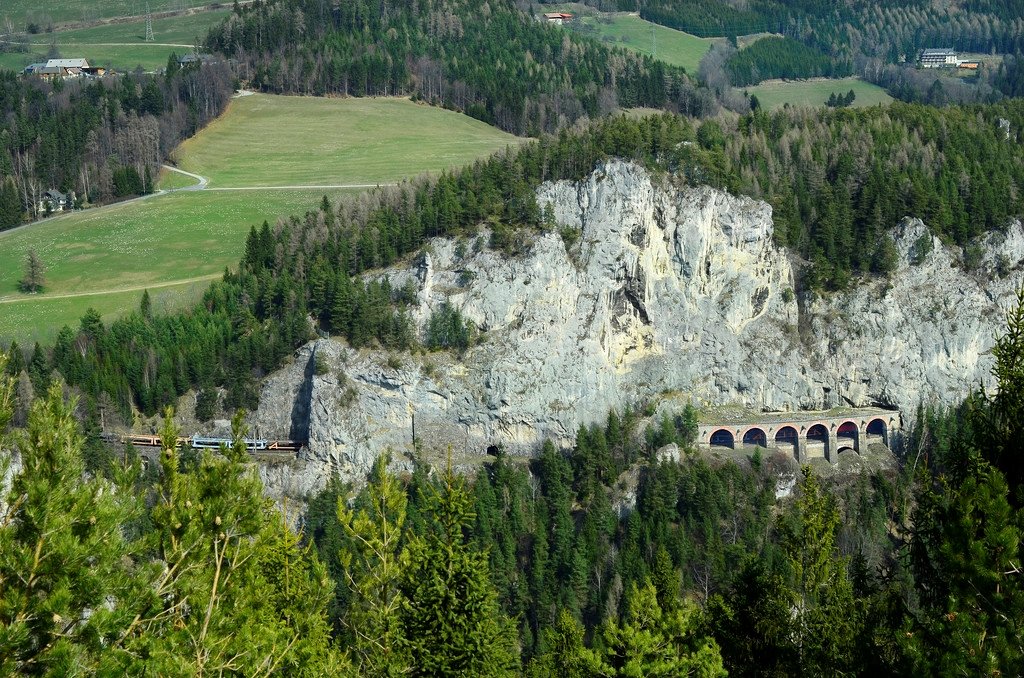
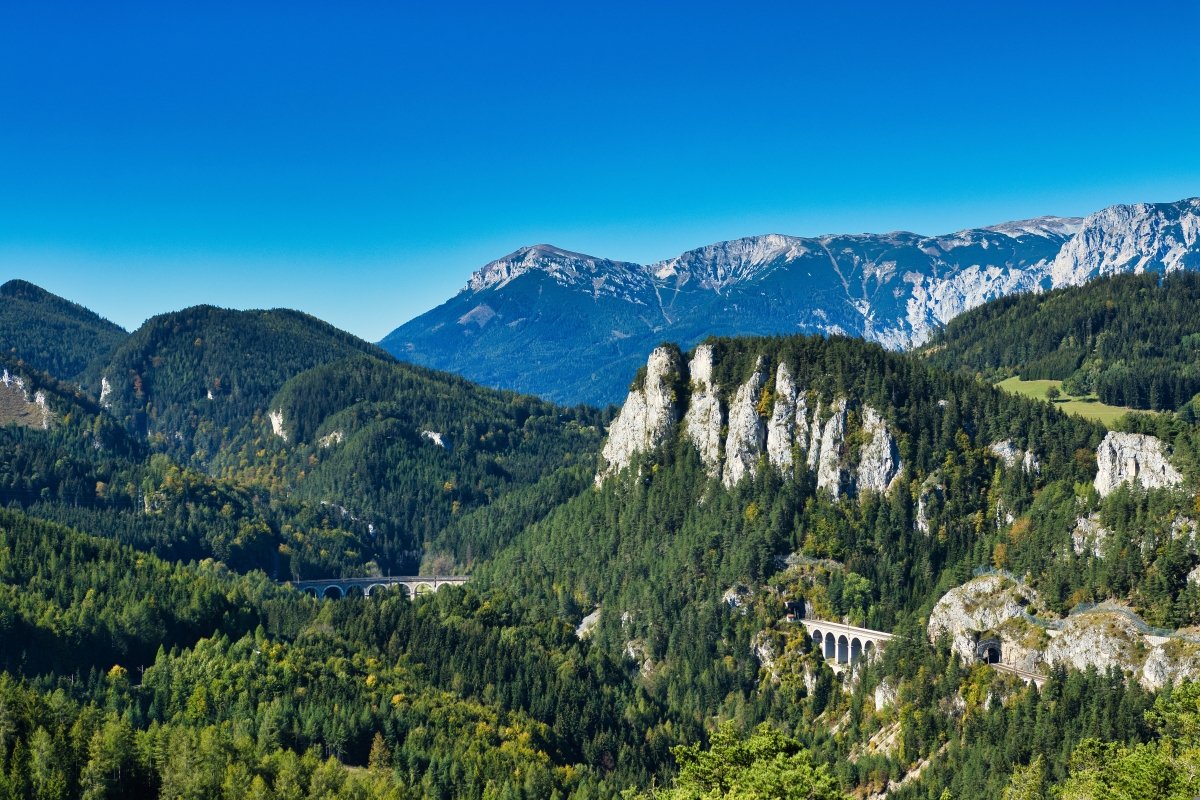
1. The Semmering Railway: UNESCO World Heritage Wonder
Route: Vienna to Graz
Duration: Under 3 hours
Why It’s Special: One of the only train routes in the world with its own spot on the UNESCO World Heritage Site List
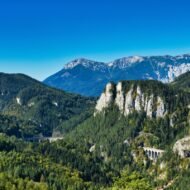
This isn’t just a train ride—it’s a journey through engineering history. Built in 1854, the Semmering line features dozens of viaducts, tunnels, and bridges that’ll have architecture buffs and casual travelers equally mesmerized. The route climbs through the mountains with such elegance that you’ll forget you’re on a regular regional train.
Pro tip: Take the hourly trains between Vienna and Graz, then change for less frequent trains to Salzburg. Graz is also a very nice town worth a few hours stop.MORE READ..
2. The Arlberg Scenic Route: Alpine Drama at Its Finest
Route: Innsbruck to Bludenz (or continue to Zurich)
Duration: 2-3 hours
Best Time: Year-round; winter for skiing, summer for hiking
Views include Alpine forests, cliffs, and historical stations. Best during winter with stops at Bludenz for skiing. This route takes you through the heart of Austria’s western mountain resorts, famous for world-class skiing and that elegant alpine atmosphere money can’t quite buy.
The Arlberg Pass itself is one of Austria’s most celebrated engineering marvels. You’ll pass through dramatic mountain passes, see lush valleys unfold below, and catch glimpses of those picture-perfect villages that look like they’re straight out of a storybook.
Insider knowledge: From Innsbruck, the left side of the train has the best views. Keep your camera or mobile phone batteries fully charged, because you’re going to take lots of pictures.
3. Salzburg to Innsbruck via Bischofshofen: The Insider’s Route
Duration: 3.5 hours (vs. 2 hours for the direct route)
Why the extra time is worth it: The southern route via Bischofshofen heads straight up into the Alps, passing ancient covered bridges, emerald rivers, hilltop monasteries, restored castles and picture-postcard towns like Zell am See
Many trains between these cities detour through Germany, but locals know the southern route is where the magic happens. The route goes through some of the most-famous destinations in the skiing and climbing world, usually made with a single transfer in the Alpine town of Schwarzach-St. Veit.
Booking tip: Make sure you’re actually selecting the Bischofshofen route on the ÖBB website—some options ping-pong you back and forth unnecessarily.
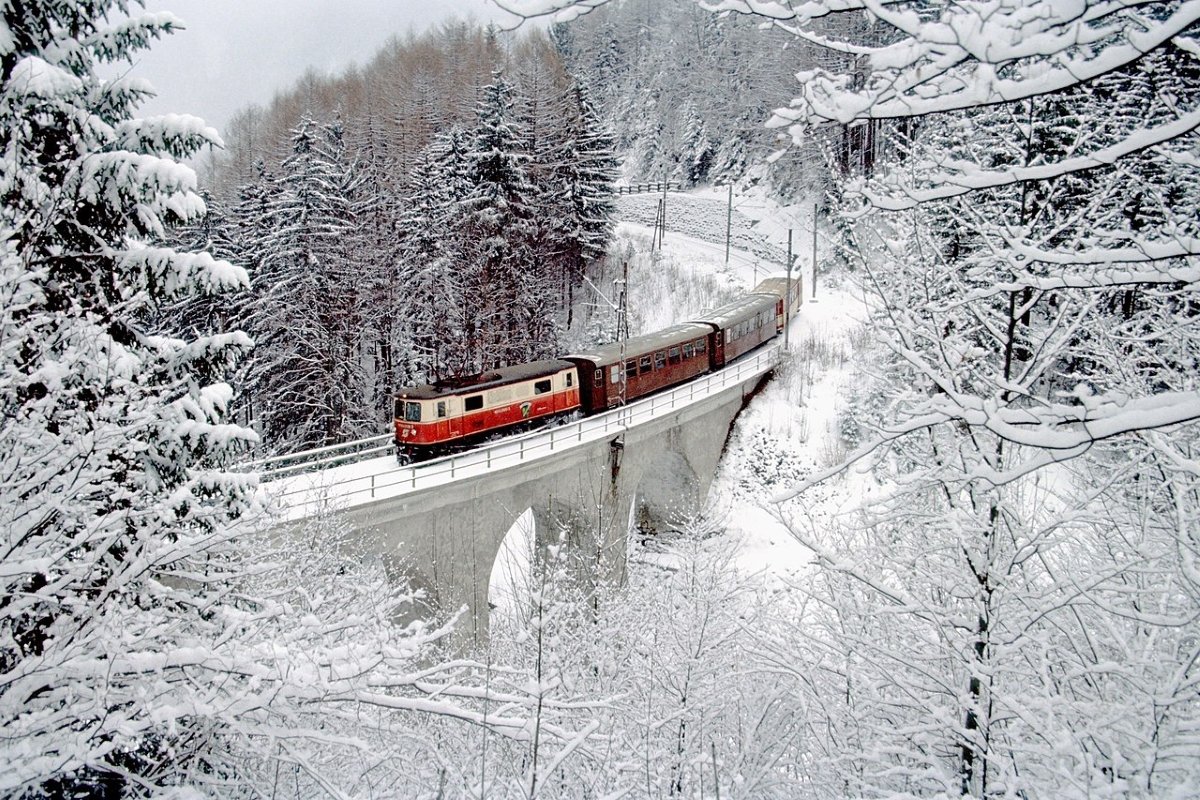
4. The Mariazell Railway: Fairytale Forest Journey
Route: St. Pölten to Mariazell
Duration: 2.5 hours
Cost: €35-50 one-way per adult
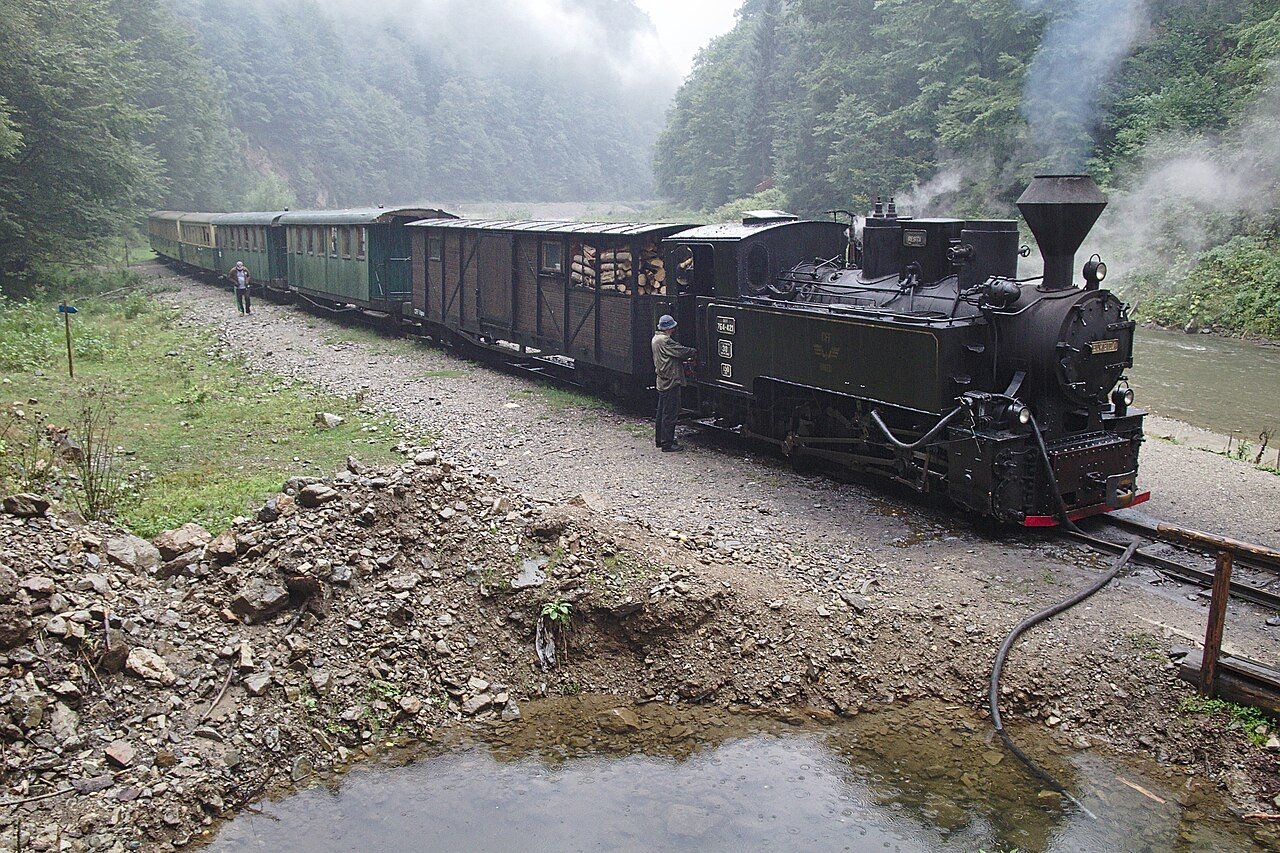
This scenic route travels through peaceful forests, cliffs, and charming little stations—perfect for a quick wander. The journey covers about 84 kilometers of narrow-gauge railway through some of Lower Austria’s most serene landscapes.
Start from St. Pölten (just 30 minutes from Vienna), making this an easy day trip from the capital. The route takes you through the stunning Ötscher-Tormäuer Nature Park, where you’ll see why Austrians treasure this line. MORE READ..
5. Innsbruck to Garmisch-Partenkirchen: Cross-Border Beauty
Duration: About 3 hours
Pass needed: Austria-Germany Pass or Global Pass
The eye-popping views over the scenic Seefeld Plateau, the northern Tyrolean Alps and the Bavarian Alps are nearly surreal. The crowd includes schoolchildren returning home, gawking tourists, and groups of skiers who have wisely decided to leave their cars at home.
This regional train is open, airy, and rarely requires reservations. It’s the kind of journey where you’ll want every seat on the train so you don’t miss any views.
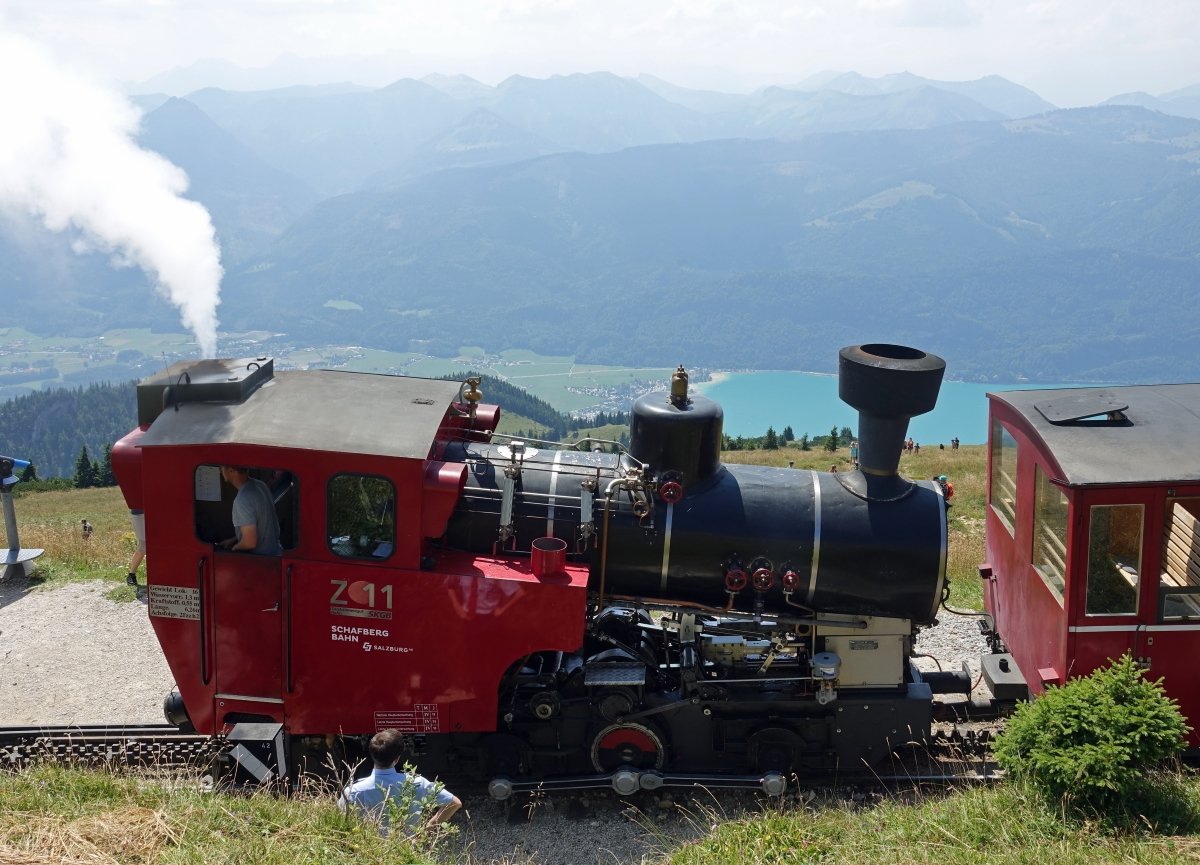
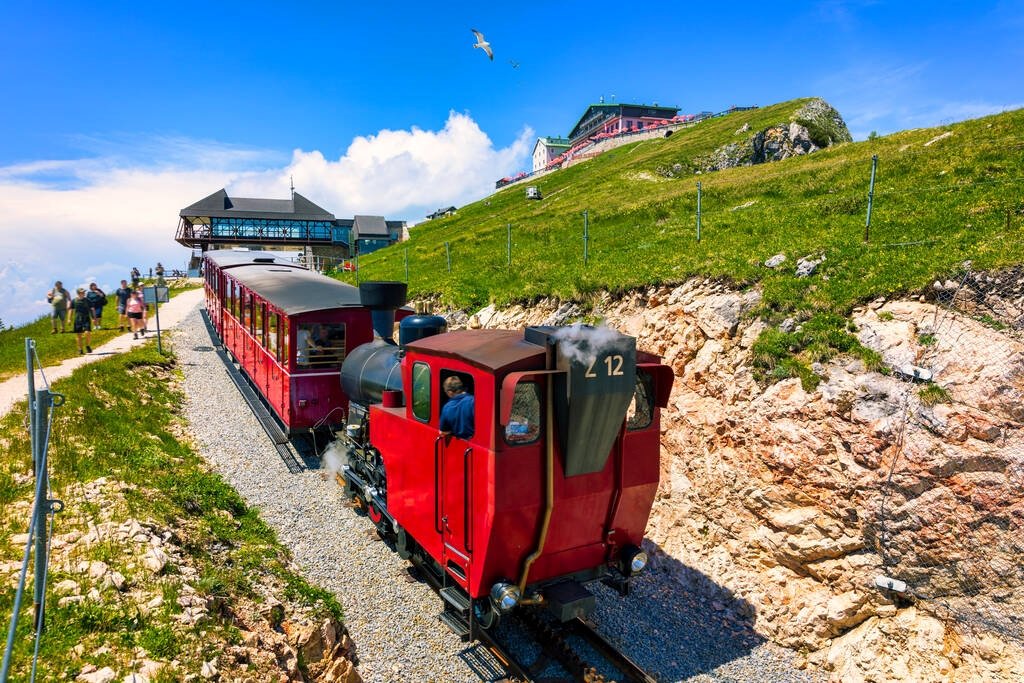
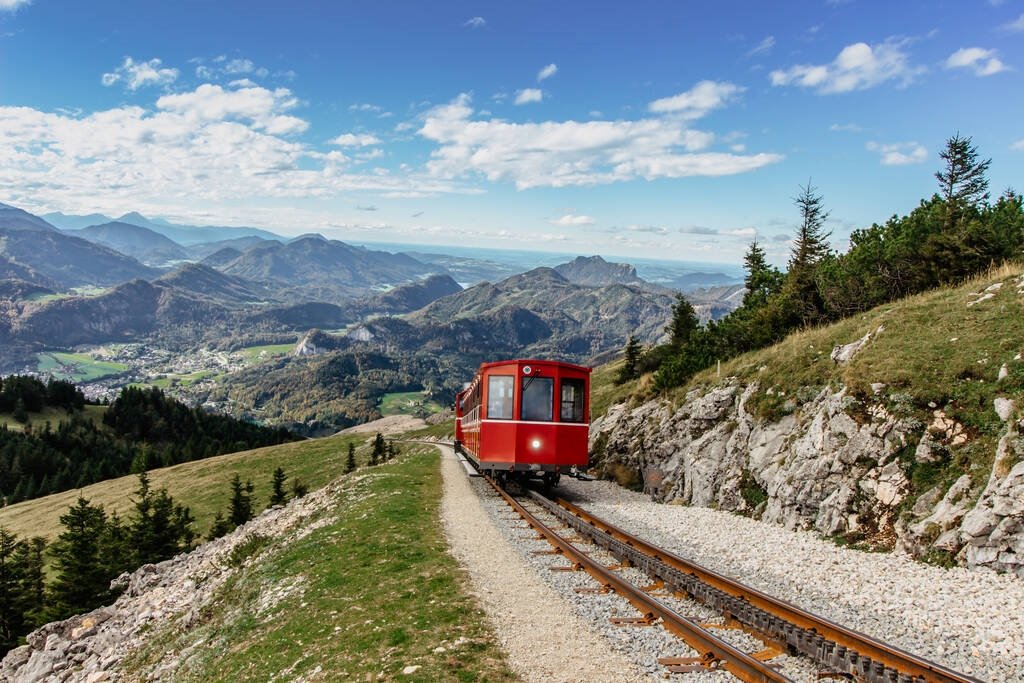
6. The Schafbergbahn: Austria’s Steepest Cog Railway
Route: St. Wolfgang to Schafbergspitze
Why it’s unmissable: Dark green Austrian forests and turquoise lakes of the Salzkammergut—Wolfgangsee on one side, Mondsee and Attersee on the other—look like a painting
This isn’t your typical railway—it’s a cog railway that climbs at steep gradients up to the summit. At the top, take a short hike for panoramic views of the Salzkammergut lakes and Alps that are absolutely perfect for wide-angle landscape shots.
Photo opportunity: Hop off at Dörneralpe for a great shot of the train climbing the slope, then wait for the next train.
Practical Information: Money, Tickets & Timing
Booking Your Tickets
ÖBB (Austrian Federal Railways) is your one-stop shop. Their website and app are user-friendly, available in English, and show actual route maps so you can visualize your journey.
Pricing insights:
- Standard routes: €35-50 one-way for adults
- Book online for 10% discount on Grossglockner merchandise (if combining with road trips)
- Groups of 10+ receive discounted rates
- Children under 4 travel free (without their own seat)
Rail passes worth considering:
- ÖBB VORTEILSCARD: Up to 50% discounts on single tickets
- Einfach-Raus Ticket: Day excursions for 2-5 people on regional trains
- Eurail Austria Pass or Global Pass: Great for multi-country adventures
When to Go
Peak season (June-August):
- Best weather and longest daylight
- Most crowded (especially August)
- All routes operating at full capacity
Sweet spot (May, September-October):
- Fewer crowds
- Still excellent weather
- Lower accommodation prices
- Autumn foliage in September/October is chef’s kiss
Winter (December-March):
- Magical snowy landscapes
- Perfect for combining with skiing
- Some routes have reduced schedules
- Arlberg route is particularly stunning
Spring (April-May):
- Wildflowers blooming
- Snow-capped peaks with green valleys
- Variable weather—bring layers
Beyond the Trains: Alpine Adventures
The Grossglockner High Alpine Road
Not technically a railway, but you can’t visit Austria’s Alps without experiencing this iconic mountain pass road. Named after Austria’s highest mountain at 12,460 feet, it connects Bruck an der Großglocknerstraße in Salzburg with Heiligenblut in Carinthia, with 36 hairpin bends climbing about 3,000 feet in less than 48 kilometers.
Cost: €36.50 for cars (6am-6pm), €26.50 after 6pm
Opening hours: Seasonal—check website before planning
Getting there by train: Take the train to Zell am See, then catch a bus
Combining Rail with Cable Cars
Many Austrian train stations connect seamlessly with cable cars that take you even higher. In Innsbruck, for example, the Nordkettenbahn funicular takes you from the city center to 2,256 meters in minutes, offering bird’s-eye views designed by architect Zaha Hadid.
Insider Tips for the Best Experience
Seating Strategy
- Innsbruck routes: Left side for optimal views
- Vienna to Graz: Window seats on either side work
- Book in advance during summer for guaranteed window seats
Photography Tips
- Bring a polarizing filter to cut glare on sunny days
- Keep batteries fully charged—you’ll use them
- The golden hours (early morning/late afternoon) offer the best lighting
- For train exterior shots, hop off at smaller stations
What to Pack
- Layers, layers, layers: Mountain weather changes fast
- Snacks and water (onboard cafes can be pricey)
- Power bank for your devices
- Binoculars for wildlife spotting
- Offline maps (some alpine sections have spotty service)
Accessibility
ÖBB Railjet trains are fast, comfortable, and stylish—whether you’re in second class or first class. With 95% punctuality, trains get you to your destination on time. Most major trains offer wheelchair access, but narrow-gauge heritage lines may have limitations. Contact ÖBB in advance for specific needs.
Sustainability
Trains in Austria run largely on renewable energy. By choosing rail over car rental, you’re making an eco-friendly choice while supporting Austria’s commitment to sustainable tourism.
Sample Itineraries
The 3-Day Alpine Sampler
Day 1: Vienna to Graz via Semmering Railway (explore Graz)
Day 2: Graz to Salzburg (via Bischofshofen for scenery)
Day 3: Salzburg to Innsbruck via Bischofshofen
The Week-Long Alpine Adventure
Days 1-2: Vienna (with day trip on Mariazell Railway)
Day 3: Vienna to Graz via Semmering
Day 4: Graz to Salzburg
Day 5: Salzburg area (Schafbergbahn, lakes district)
Day 6: Salzburg to Innsbruck via scenic route
Day 7: Innsbruck (with Nordkette cable car and local exploration)
The Weekend Warrior
Day 1: Early train Vienna to St. Pölten, Mariazell Railway to Mariazell, evening return
Day 2: Vienna to Salzburg, explore city, evening return
What Makes Austrian Railways Special
Beyond the obvious jaw-dropping scenery, there’s something uniquely Austrian about these train journeys. Getting around Austria by train is incredibly easy and convenient, and it’s the way most locals travel. You’re not just a tourist on a scenic route—you’re sharing space with schoolchildren heading home, commuters going to work, and locals off to visit family.
The trains themselves blend modern efficiency with old-world charm. First-class compartments offer spacious seating and power outlets, while second-class is comfortable, clean, and perfectly adequate for budget travelers. Many routes feature special panoramic cars during peak season.
Food & Drink on Board
Longer routes often have dining cars or snack trolleys. Expect typical Austrian offerings:
- Käsekrainer: Cheese-filled sausages
- Apfelstrudel: Because you’re in Austria
- Austrian beer and wine: Regional selections
- Coffee: Proper Austrian coffee culture
Prices are reasonable by train standards, but bringing your own picnic from a local bakery or market saves money and adds to the experience.
Connecting with Austrian Culture
These train journeys aren’t just about the views—they’re about connection. Strike up a conversation with locals (many Austrians speak excellent English). Ask for recommendations. You might discover a hidden mountain hut, a perfect hiking trail, or a family-run restaurant that doesn’t appear in any guidebook.
The Austrian concept of Gemütlichkeit—that sense of coziness, warmth, and belonging—extends to train travel. There’s something deeply satisfying about settling into your seat, watching the Alps roll past, and feeling like you’re exactly where you’re supposed to be.
Common Questions
Do I need reservations?
Most regional trains don’t require them, but they’re recommended for longer routes and high-speed Railjet services, especially in summer.
Is WiFi available?
Major routes have WiFi, but it can be spotty in mountainous areas. Download entertainment and maps beforehand.
Can I bring luggage?
Yes, with designated storage areas. Larger bags might need to go in dedicated compartments.
Are trains pet-friendly?
Dogs are welcome with tickets (around €7 flat rate). They must be muzzled and leashed.
What about bikes?
Many trains accommodate bicycles, but you’ll need a bike ticket and space is limited.
Final Thoughts
Austria’s alpine railways offer something increasingly rare in modern travel: the journey genuinely is the destination. In a world of cheap flights and hurried itineraries, taking the slow train through the Alps is an act of rebellion—and one that rewards you at every turn.
Yes, the Arlberg route is spectacular. The Semmering Railway is a UNESCO masterpiece. The Mariazell Railway is enchanting. But the real magic? It’s in those unplanned moments: a sudden view of a mountain lake, sunlight breaking through clouds onto a valley, a conductor who takes pride in pointing out landmarks, or the simple pleasure of watching the landscape transform from city to countryside to soaring peaks.
Austria’s trains don’t just take you through the Alps—they give you time to actually see them, to breathe them in, to let them work their quiet magic on your soul. In an age of hurried travel, that’s the most valuable ticket you can buy.
So grab a window seat, charge your camera, and prepare for one of Europe’s great railway adventures. The Austrian Alps are waiting, and trust me—they look even better from a train.