





TL;DR: Ponte de Lima is Portugal’s oldest chartered town, featuring a stunning Roman-Medieval bridge, crisp Vinho Verde wine, legendary arroz de sarrabulho, lush riverside gardens, and charming quintas. Perfect for travelers seeking authentic northern Portugal beyond the usual tourist trail. Visit May-October for gardens, September for festivals, or winter for hearty food traditions.
- Why Ponte de Lima Should Be Your Next Portuguese Adventure
- Getting There (Because Nobody Talks About This Part)
- When to Visit (Timing is Everything)
- Peak Season: May-October
- Festival Season: September
- Budget Season: November-January
- Camino Season: Year-round
- The Main Attractions (What You Actually Came For)
- The Ponte Medieval & Ponte Romana
- Torre da Cadeia Velha
- Festival Internacional de Jardins
- Museu do Brinquedo Português (Toy Museum)
- Churches That Actually Matter
- The Fortnightly Market
- Vinho Verde: The Wine That Made This Town Famous
- Food: Where to Eat Like You Mean It
- Where to Stay (From Budget to Bougie)
- Outdoor Adventures (For the Active Folks)
- Practical Tips (The Stuff Guidebooks Skip)
- Day Trip Extensions
- Final Thoughts: Is Ponte de Lima Worth It?
- Quick Reference
Why Ponte de Lima Should Be Your Next Portuguese Adventure
Let’s be real—when everyone’s flooding Porto and Lisbon, you want something different. Something that actually feels like Portugal, not a tourist simulation of it. Enter Ponte de Lima, a gem tucked into the Viana do Castelo district that’s been quietly perfecting the art of Portuguese charm for literally a millennium.
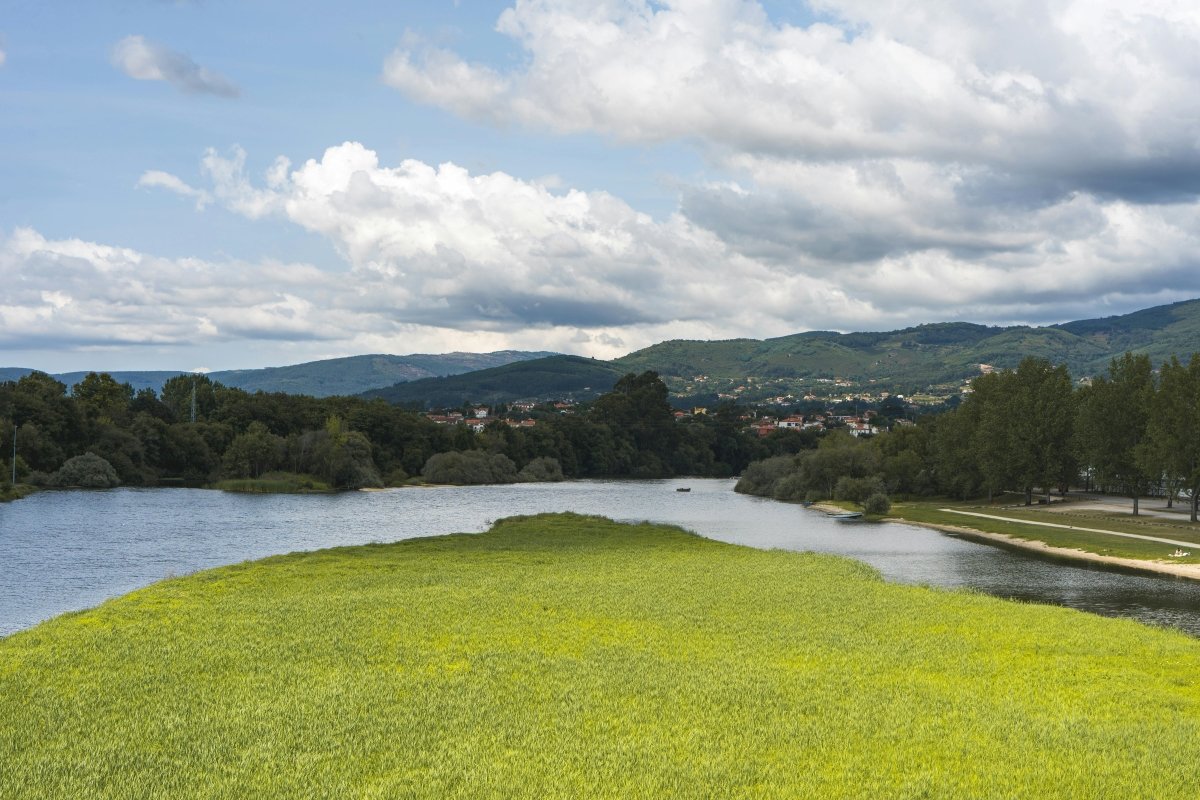
This isn’t some overhyped Instagram trap. Portugal’s oldest chartered town sits against the backdrop of the slow-flowing Lima River, where history genuinely feels alive. We’re talking about a place where Romans feared the river would erase their memories, where medieval bridges still stand strong, and where locals still gather for a fortnightly market that’s been running since 1125. Yeah, you read that right—1125.
Getting There (Because Nobody Talks About This Part)
The Reality Check: Public transport to Ponte de Lima is surprisingly limited—no rail connections and infrequent bus services, even from Porto. Your best bets:
From Porto (70km):
- By Car: 1 hour drive (rent through Discover Cars for best rates)
- By Bus: Multiple companies, infrequent departures (~€3.50)
From Viana do Castelo (25km):
- By Bus: Operated by Auto Viação do Minho, much easier for day trips
- Main bus stop: Av. António Feijó
Pro Tip: It’s much easier to travel from Viana do Castelo, with enough departures to make Ponte de Lima a viable day trip. But honestly? Stay longer. This place deserves more than a rushed visit.
Nearest Airport: Porto (OPO) – 50 minutes by road
When to Visit (Timing is Everything)
Peak Season: May-October
The International Garden Festival runs from May to October, transforming the town into a botanical wonderland. July-August brings 30°C weather—perfect for riverside lounging, but expect crowds.
Festival Season: September
The Feiras Novas festival in September offers a vibrant and authentic Portuguese experience, complete with music, fireworks, and the famous Vaca das Cordas bull-running tradition (dating back to 1646).
Budget Season: November-January
Cheaper accommodation, fewer tourists, and the perfect weather for Portugal’s heartiest dishes. If you’re a foodie, this is your window.
Camino Season: Year-round
Ponte de Lima is an important stop on the Camino Portugués and is used to a constant flow of weary walkers—making it an ideal rest-day location.
The Main Attractions (What You Actually Came For)
The Ponte Medieval & Ponte Romana
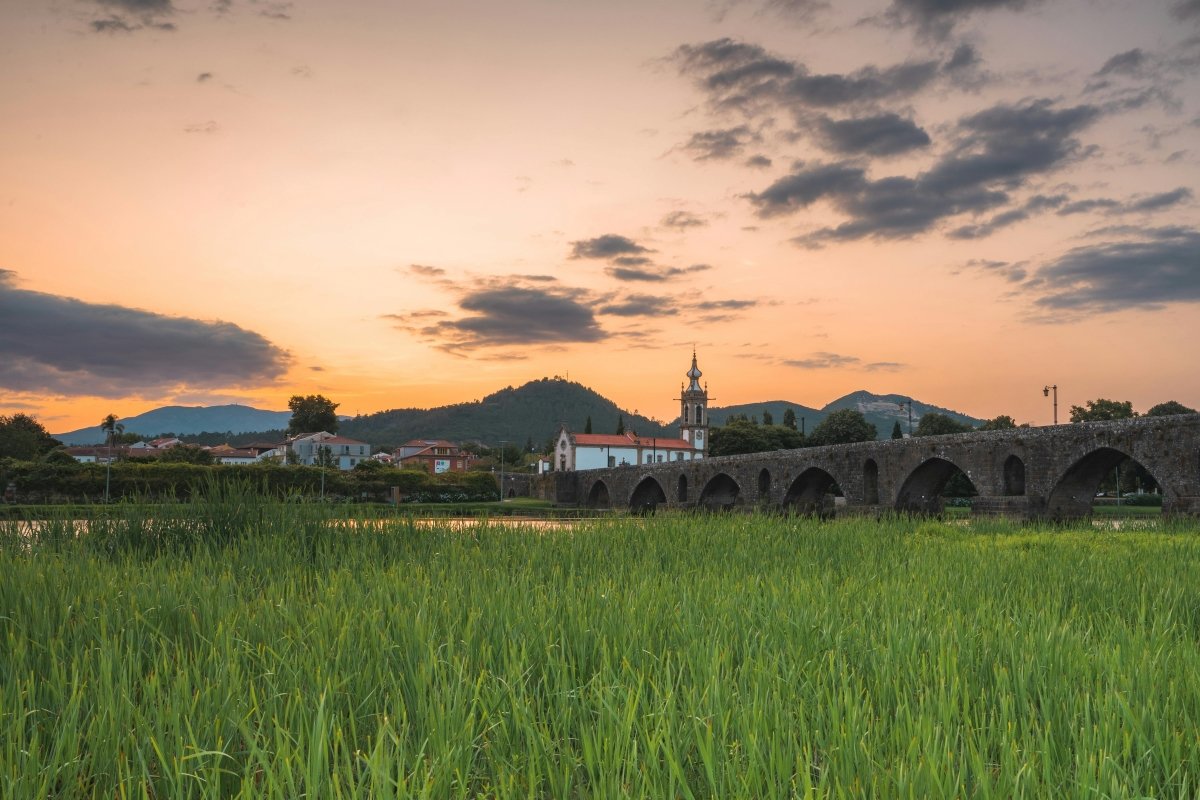
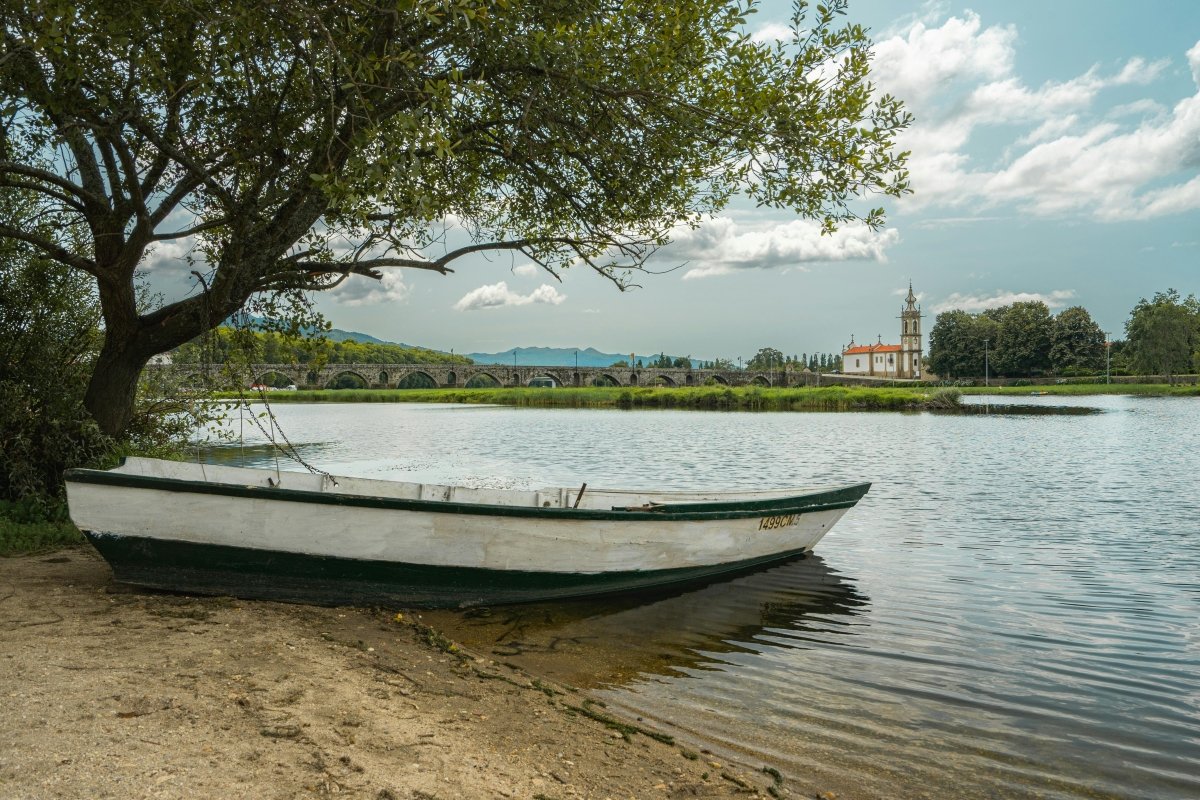
The star of the show. Two sections make up this iconic bridge: the Ponte Romana, constructed by the Romans in the first century, and the Ponte Medieval, built in 1370 as part of larger defensive improvements.
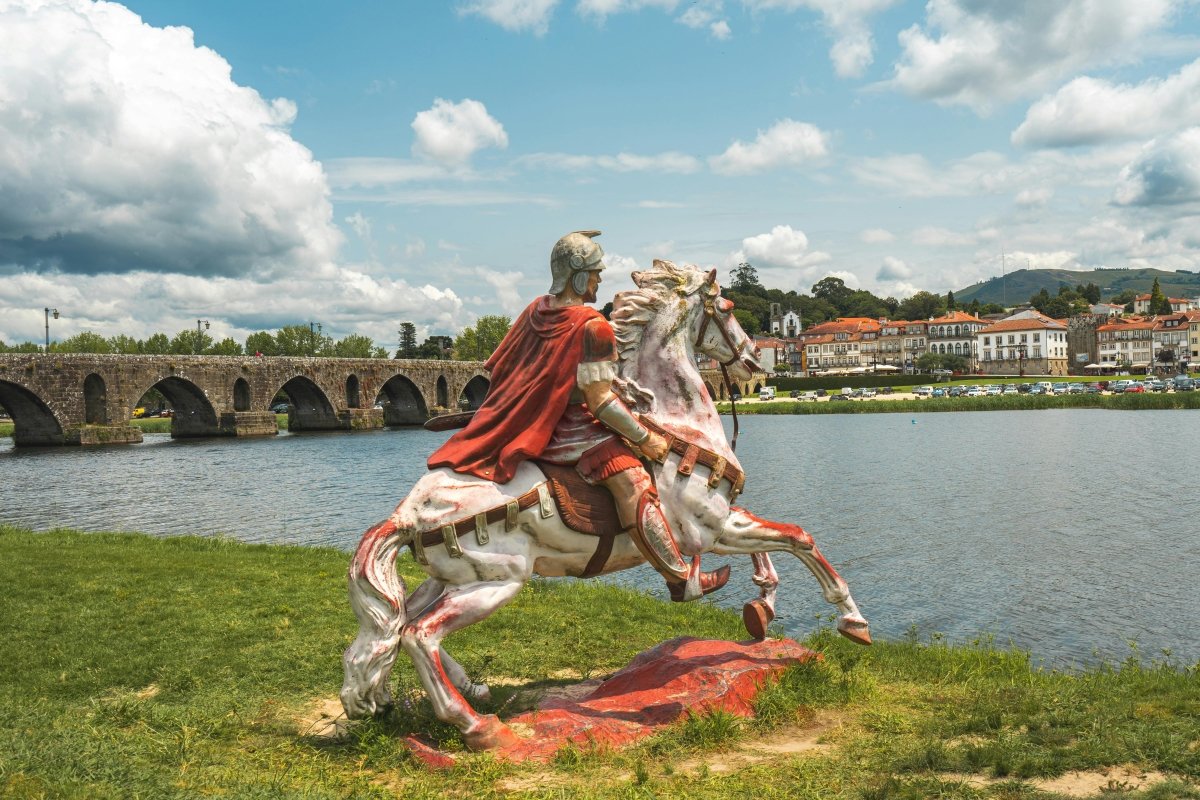
Here’s the legend that’ll blow your mind: Roman soldiers believed the Lima River was the mythical Lethes, the “river of forgetfulness” from Greek mythology. Panicked, they refused to cross until their general Brutus crossed alone, then called his men by name from the other side. Talk about leadership.
Photo Op: The ceramic statues on opposite riverbanks depicting this exact moment? Absolutely Insta-worthy.
Torre da Cadeia Velha
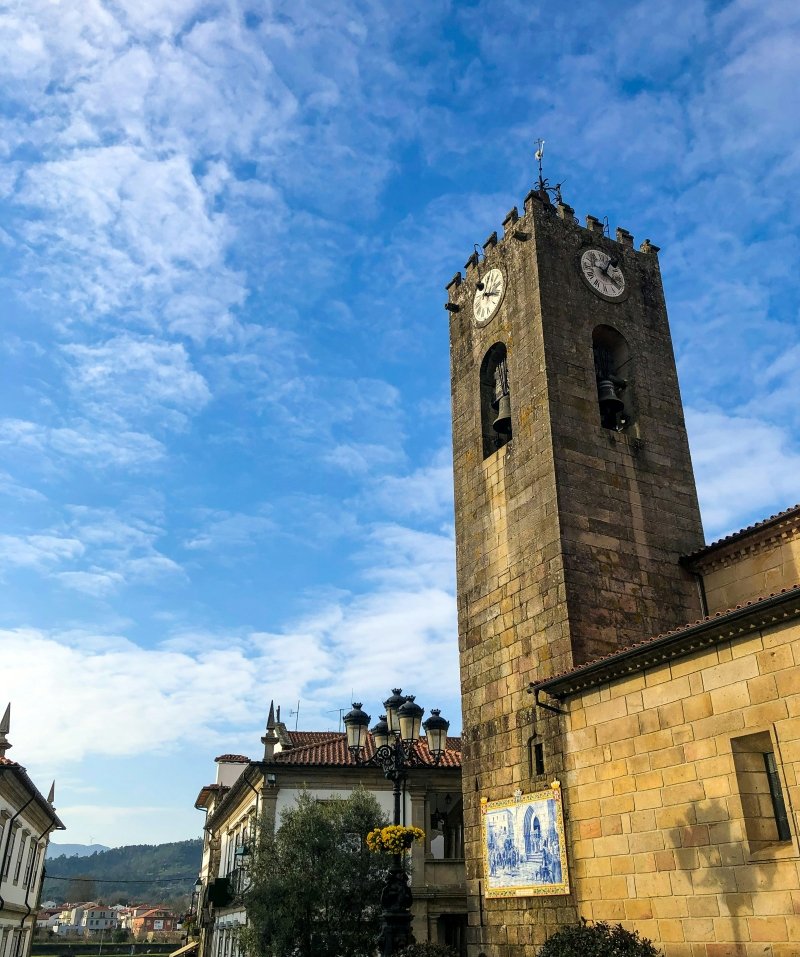
This tower served as the town’s prison until the 1960s and now houses the Regional Historical Archive and Tourist Information Desk. The Gothic architecture alone is worth the stop, and the friendly staff can hook you up with maps and insider tips.
Festival Internacional de Jardins
Running from May to October, this garden festival showcases creative displays with just a €2 entrance fee. Parque do Arnado is the best permanent garden in Ponte de Lima—lush, free, and perfect for picnics or recovering from last night’s wine tasting.
Museu do Brinquedo Português (Toy Museum)
Don’t sleep on this one. The Portuguese Toy Museum takes visitors on a journey through Portuguese toy manufacturers from the late 19th century until the 1980s. €3 gets you nostalgia overload, plus there’s a toy workshop where kids can make their own creations.
Bonus: At the end, there’s a giant working train model with extraordinary details. Adults love this place as much as kids.
Churches That Actually Matter
Igreja de Santo António da Torre Velha: Recognizable by its graceful onion-shaped spire, this 15th-century church features exquisite woodwork and two beautiful baroque shrines.
São Francisco Church: An 18th-century church with gilded baroque interior, intricately carved wood altarpieces, and a well-organized sacred art museum.
The Fortnightly Market
Queen Teresa founded this popular fortnightly market in 1125, making it the oldest of its kind in Portugal. Held every second Monday on the riverbank, it’s where you’ll find fresh produce, regional crafts, and that authentic Portuguese buzz tourists pay agencies thousands to “discover.”
Vinho Verde: The Wine That Made This Town Famous
Let’s talk about the real MVP of Ponte de Lima: Vinho Verde. The town is renowned for its crisp Vinho Verde wine, considered among the best Vinho Verde Portugal has to offer.
What Makes It Special
High-quality vinho verde is distinguished by its color and unique aroma—refreshing and fruity. The Loureiro variety thrives in the Lima valley’s terroir, producing wines celebrated for their freshness and aromatic profiles.
Where to Taste
Centro de Interpretação e Promoção do Vinho Verde: €3 entrance for guided tastings. This is your crash course in what makes the region’s wine special.
Adega Cooperativa de Ponte de Lima: Founded in 1959, this cooperative represents around 2000 growers and is the largest company in the municipality. They produce everything from sparkling wines to aguardente.
Top Wineries Nearby:
- Aphros Wine (biodynamic pioneer)
- Paço de Calheiros (17th-century estate with 6+ centuries of family history)
- Quinta do Convento de Val Pereiras (900m from town center)
Pro Tip: Vinho verde from Ponte de Lima should be savored chilled (if white) in combination with traditional dishes and sweets. Trust the locals on this one.
Food: Where to Eat Like You Mean It
The Dish: Arroz de Sarrabulho
You can’t visit Ponte de Lima without trying their signature dish. The most traditional dish in the local cuisine is Sarrabulho Rice, served with marinated meat.
What It Is: Rice cooked with pork blood, shredded pork, beef, chicken, cumin, and chorizo, typically served with rojões (fried pork). It originated during the Black Plague era as a way to use every part of the pig, and while it sounds intense, it’s become synonymous with Minho gastronomy.
Fair Warning: This is a heavy, winter dish. Don’t order it after a massive lunch, and definitely pair it with local Vinho Verde or Vinhão red wine.
Top Restaurants
Restaurante Fátima Amorim Specializes in traditional arroz de sarrabulho. Locals swear by it, and they’ve been invited by Portuguese communities worldwide to showcase their cooking.
Restaurante Açude Features a magnificent panoramic view over the Lima River, serving excellent traditional Portuguese food with an exceptional wine cellar. Try the octopus à lagareiro or seasonal lamprey from the Lima River.
O Brasão Family-friendly spot with a kids’ corner. Great for cataplana de bacalhau (codfish stew) and generous portions that’ll easily feed two.
Restaurante Diamante Azul Walking distance from town center, offering everything from File Mignon to Bacalhau Assado in a lovely setting.
Budget Tip: Half portions (meia dose) of sarrabulho are usually enough for one person and will save you €€€.
Where to Stay (From Budget to Bougie)
Luxury/Boutique
Carmo’s Boutique Hotel – Small Luxury Hotels Nominated by Condé Nast as one of “THE 154 BEST NEW HOTELS IN THE WORLD” in 2013. Stunning views, impeccable service, and breakfast that’ll ruin all other hotel breakfasts forever.
Hotel Paço de Vitorino Consistently top-rated by families and couples. Beautiful gardens, pool area with personal touches, excellent food and drinks. This is the place for a special occasion.
Paço de Calheiros A 17th-century estate that’s been home to the Calheiros family for over six centuries, offering uniquely decorated rooms with authentic period furniture. It’s like staying in a Portuguese Downton Abbey.
Mid-Range
Hotel Império do Norte Located in the historic center, walking distance to everything. Clean, updated rooms, friendly staff, fantastic breakfast.
Hotel Rural Solar das Arcadas Recently renovated with glamping options. Peaceful riverside location with rural tourism vibes.
Vinha by NHôme Highly rated by families and couples. Great value for the quality you’re getting.
Budget-Friendly
Albergue de Peregrinos Perfect for Camino pilgrims or budget travelers. Basic but clean, with that communal traveler atmosphere.
Casa da Roseira From $87/night, offering solid value in a traditional setting.
Booking Tips:
- Book 1 month ahead for best rates
- November-January offers cheapest prices
- Many traditional quintas (manor houses) offer accommodation—this is the cradle of rural tourism in Portugal
Outdoor Adventures (For the Active Folks)
Popular activities include kayaking on the Lima River, cycling the riverside eco-via, and hiking in the scenic Serra d’Arga hills.
Cycling the Ecovia
Rent bikes for around €10 (half day) and follow the riverside path upstream. Scenic, flat, and perfect for families.
Water Sports
The Nautical Club offers canoeing and kayaking. The Lima River’s calm waters are perfect for beginners.
Hiking
The Serra d’Arga hills provide stunning viewpoints and moderate trails. The Bike Park of Ponte de Lima is located between Estorãos and Cabração parishes, offering various mountain biking routes.
Golf
The Ponte de Lima Golf Course sits in a typically local and rural environment. The Axis Golf Resort Hotel offers an 18-hole course with natural surroundings.
Practical Tips (The Stuff Guidebooks Skip)
Money Matters
- Average 3-star hotel: $89/night
- Meal at local restaurant: €15-25
- Vinho Verde tasting: €3
- Garden entrance: €2
- Museum entry: €2-3
- Bike rental: €10 (half day)
- Free parking: Available at main riverfront car parks
Language
English is understood in hotels and tourist spots, but learning basic Portuguese phrases will earn you major points with locals. “Obrigado/a” and “por favor” go a long way.
Safety
Ponte de Lima is considered a very safe town for visitors, with low crime rates and locals known for their hospitality and friendliness. Basic precautions apply (watch your belongings in crowded markets).
Museum Hours
CRITICAL: All museums close on Mondays, including the Vinho Verde tasting center. Plan accordingly.
Best Time to Explore
The historic center is compact, with main sights explored in 2-3 hours, making it ideal for a half-day visit. But seriously, stay longer. Three hours doesn’t do this place justice.
Day Trip Extensions
Viana do Castelo (25km)
Peneda-Gerês National Park (40km)
Ponte da Barca (20km)
Final Thoughts: Is Ponte de Lima Worth It?
Ponte de Lima is a delightful destination that will appeal to almost all visitors on holiday to Northern Portugal. It’s not trying to be Porto. It’s not competing with Lisbon. It’s just being authentically, unapologetically Portuguese—and that’s exactly what makes it special.
Whether you’re a history buff, wine enthusiast, outdoor adventurer, or food lover (especially if you’re brave enough for arroz de sarrabulho), this town delivers. The combination of Roman history, medieval architecture, world-class wine, and genuine local culture makes Ponte de Lima one of northern Portugal’s best-kept secrets.
Pro Move: Use this as your base for exploring the Minho region. The peaceful vibe, excellent restaurants, and charming accommodations make it perfect for both day trips and lazy recovery days.
Bottom Line: If you want Portugal beyond the guidebook clichés, Ponte de Lima deserves at least 2-3 days of your itinerary. Your wallet, taste buds, and Instagram feed will thank you.
Quick Reference
Best For:
- History enthusiasts
- Wine lovers
- Authentic Portuguese culture
- Camino pilgrims
- Families (gardens, toy museum, safe environment)
- Romantic getaways (boutique hotels, riverside strolls)
Skip If:
- You need wild nightlife
- You prefer urban environments
- You’re uncomfortable with traditional Portuguese dishes
- You refuse to rent a car (public transport is limited)
Pack:
- Comfortable walking shoes (cobblestone streets)
- Layers (weather changes)
- Appetite (portions are generous)
- Camera (seriously, everything is photogenic)
Book Now:
- Accommodation (especially September for Feiras Novas)
- Restaurant reservations (popular spots fill up)
- Wine tours (small groups)
Have you been to Ponte de Lima? Share your experiences in the comments! And if this guide helped you plan your trip, bookmark it for your Portugal adventure.