





TL;DR
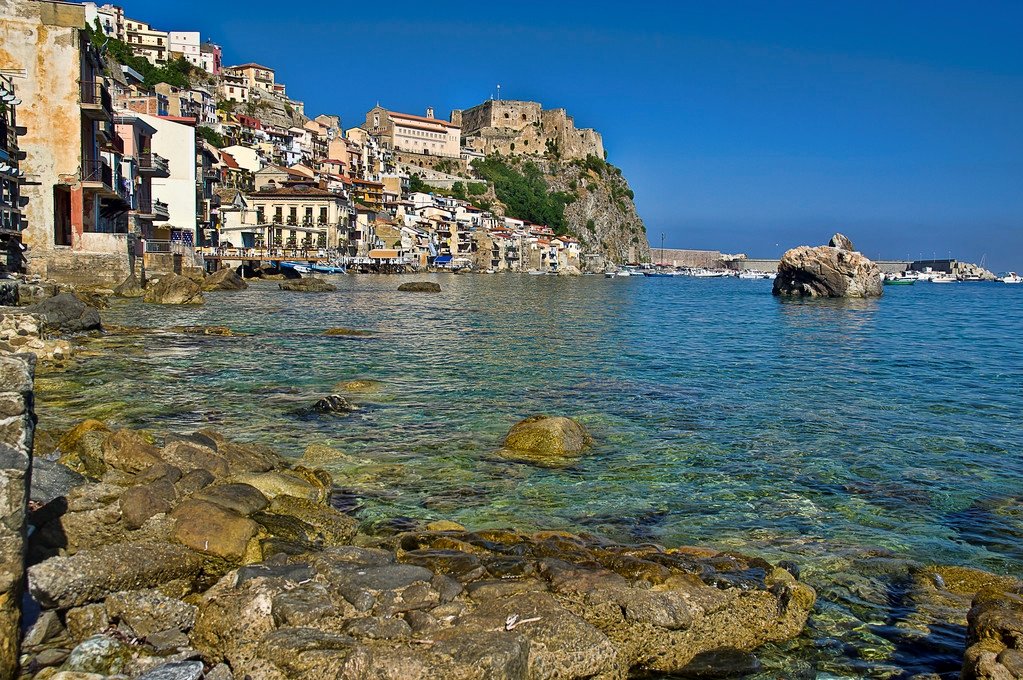
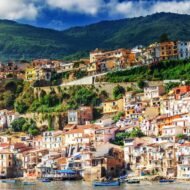
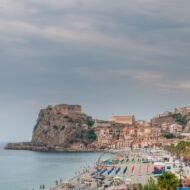
Scilla, Calabria , Italy – A jaw-dropping fishing village on Calabria’s Tyrrhenian coast where ancient mythology meets turquoise Mediterranean waters. Think whitewashed houses cascading down cliffs, a medieval castle perched on a massive rock, and some of the freshest seafood you’ll ever taste—all without the Amalfi Coast crowds or prices. Best visited April-October, easily accessible from Reggio Calabria, and perfect for anyone seeking authentic Italian coastal life.
- TL;DR
- Why Scilla Deserves a Spot on Your Italy Itinerary
- Getting to Scilla: Your Transport Options
- Where to Stay: Neighborhoods and Accommodations
- What to Do in Scilla: Top Experiences
- Castello Ruffo
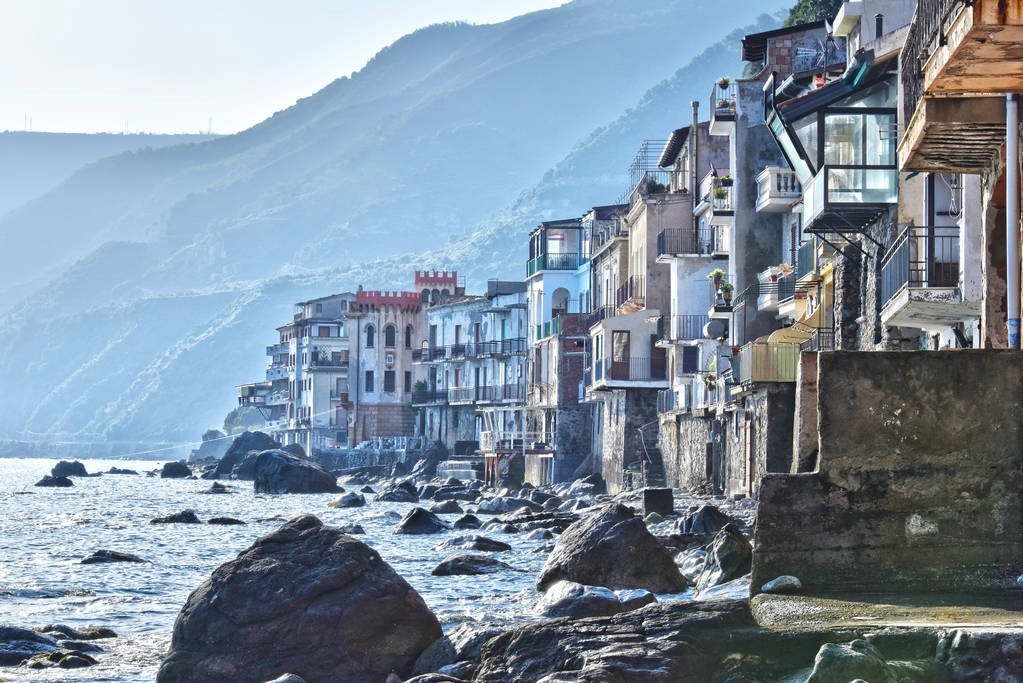
- Chianalea: The “Venice of the South”
- Beach Time
- Costa Viola Boat Tours
- Diving and Snorkeling
- What to Eat: Scilla’s Food Scene
- Day Trips from Scilla
- When to Visit: Best Times and What to Expect
- Practical Travel Tips
- Sample 3-Day Itinerary
- Why You’ll Love Scilla (And Who Might Not)
- Final Thoughts
Why Scilla Deserves a Spot on Your Italy Itinerary
Let me be straight with you: Scilla is what Positano looked like before Instagram discovered it. Nestled between the Aspromonte mountains and the Strait of Messina, this 5,000-person village has everything you want in a Mediterranean escape—dramatic scenery, crystal-clear swimming spots, incredible food, and locals who still genuinely smile when tourists show up.
The town sits where the Tyrrhenian Sea narrows between mainland Italy and Sicily, and according to Homer’s Odyssey, this is where the sea monster Scylla terrorized sailors. These days, the only thing that’ll terrorize you is deciding whether to order the swordfish or the ‘nduja for lunch.
Getting to Scilla: Your Transport Options
By Train: This is your best bet. Scilla has its own train station on the main Reggio Calabria-Naples line. From Reggio Calabria (the nearest major city), trains run regularly and take just 20-30 minutes (€3-5). From Rome, expect 5-6 hours; from Naples, 4-5 hours.
By Car: The A2 motorway gets you close, then you’ll take the SS18 coastal road. Driving from Reggio Calabria Airport takes about 30 minutes. Having a car gives you freedom to explore nearby beaches and mountain villages, though parking in Scilla’s old town can be tight in summer.
By Air: Fly into Reggio Calabria Airport (20km away) or Lamezia Terme Airport (130km away). Both have car rentals available.
Where to Stay: Neighborhoods and Accommodations
Chianalea is the postcard-perfect fishing quarter where houses literally sit in the water. Stay here if you want maximum charm and don’t mind climbing stairs. Expect to pay €70-150/night for waterfront guesthouses.
Marina Grande offers the main beach, more restaurants, and easier access. Hotels here range from €60-120/night and suit families or anyone who’d rather not haul luggage up medieval staircases.
Scilla Centro (upper town) provides the best castle views and lower prices (€50-100/night) but requires walking downhill to reach the water.
Budget tip: Visit in May, June, or September for 30-40% lower accommodation costs compared to July-August peak season.
What to Do in Scilla: Top Experiences
Castello Ruffo
This Norman castle sits on a 73-meter rock jutting into the sea and offers absolutely insane panoramic views. You can see Sicily across the strait on clear days. Entry costs around €3-5, and it’s worth every cent for sunset shots alone. The castle hosts summer events and exhibitions, so check locally.
Chianalea: The “Venice of the South”
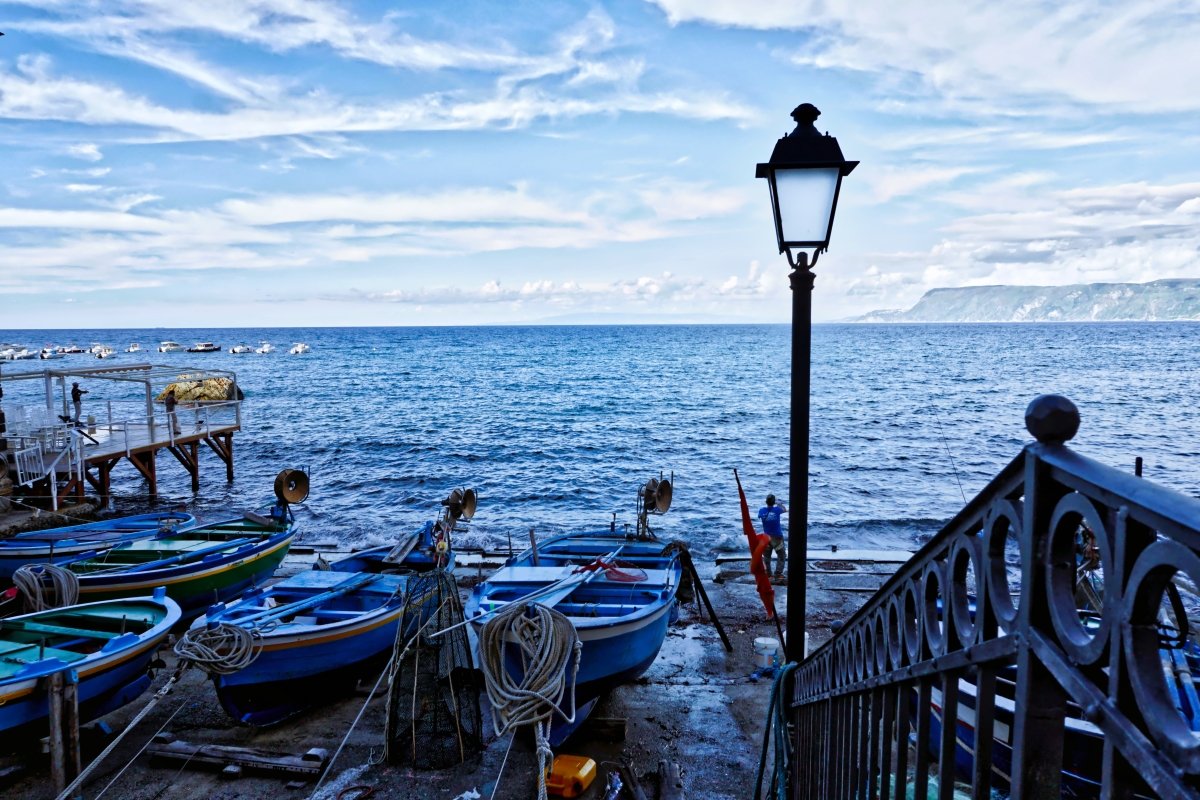
Wander the narrow alleys of this fishing quarter where boats are pulled right up to doorsteps. The main street runs along the waterfront with waves literally splashing against the buildings. Come early morning to watch fishermen mending nets and preparing for the day’s catch.
Beach Time
Marina Grande is the main sandy beach with lounger rentals (€10-15/day) and calm waters perfect for families. Spiaggia di Chianalea offers a pebbly, more intimate alternative beneath the castle.
For something special, take a boat to Grotta dello Scialandro, a stunning sea cave accessible only by water.
Costa Viola Boat Tours
Local operators run trips along the “Violet Coast” (named for the purple-tinted water at sunset). These typically last 2-3 hours, cost €25-40 per person, and include swimming stops and Prosecco. Some tours cross to Sicily for the day.
Diving and Snorkeling
The Strait of Messina’s unique currents create incredibly rich marine biodiversity. Several dive centers offer PADI courses and guided dives (€40-70) to underwater caves, reefs, and even a Roman shipwreck.
What to Eat: Scilla’s Food Scene
Calabrian cuisine doesn’t mess around with subtlety—it’s bold, spicy, and uses whatever the sea and mountains provide that morning.
Must-try dishes:
- Pesce spada (swordfish): Scilla is famous for it, prepared grilled, in pasta, or as involtini (rolls)
- ‘Nduja: Spreadable spicy pork salami that’ll wake up your taste buds
- Pasta con le sarde: Pasta with sardines, wild fennel, and pine nuts
- Cipolla rossa di Tropea: Sweet red onions in everything from salads to marmalades
- Gelato al bergamotto: Ice cream made from Calabria’s famous bergamot citrus
Where to eat:
- Glauco (Chianalea): Upscale seafood with tables over the water (€30-50/person)
- U Bais (Chianalea): More casual, authentic, and half the price
- La Grotta Azzurra (Marina Grande): Family-run, generous portions, great value
- Il Pirata (Marina Grande): Beach views and excellent fish-based appetizers
Insider tip: Ask for “pescato del giorno” (catch of the day) rather than ordering from the menu—it’s fresher and often cheaper.
Day Trips from Scilla
Reggio Calabria (30 minutes): Visit the National Archaeological Museum to see the Riace Bronzes—two of the finest Greek statues ever discovered, pulled from the sea in 1972.
Tropea (1 hour): Another stunning coastal town perched on cliffs, with better shopping and a famous beach sanctuary.
Aspromonte National Park (45 minutes): Mountain hiking, waterfalls, and traditional shepherding villages where time stopped in 1952.
Sicily (30 minutes by ferry from Villa San Giovanni): Day-trip to Taormina, Mount Etna, or simply grab Sicilian street food in Messina.
When to Visit: Best Times and What to Expect
May-June: Perfect weather (22-28°C), fewer crowds, everything’s open. Ideal for exploration and hiking.
July-August: Peak season means 30-35°C heat, packed beaches, and higher prices. Book accommodations months ahead. The upside? Vibrant nightlife and festivals.
September-October: My personal favorite. Water’s still warm (23°C), crowds vanish after mid-September, and restaurants give you their full attention.
November-April: Many hotels and restaurants close. Weather can be rainy, though winters are mild (12-16°C). Only visit if you want the town entirely to yourself.
Practical Travel Tips
Language: English isn’t widely spoken outside tourist-facing businesses. Download Google Translate and learn basic Italian phrases—locals genuinely appreciate the effort.
Money: Bring cash. Many smaller restaurants and shops don’t accept cards, and the nearest ATM might be a walk away.
Swimming safety: The Strait of Messina has strong currents. Stick to designated swimming areas and ask locals about conditions before diving into unfamiliar spots.
Dinner timing: Restaurants open for dinner around 7:30-8pm, but locals don’t eat until 9pm or later. Come early for guaranteed seating or late for atmosphere.
Siesta culture: Many shops close 1-4pm. Plan beach time or a long lunch during these hours.
Sample 3-Day Itinerary
Day 1: Arrive, settle into Chianalea accommodation, walk the waterfront quarter, climb to Castello Ruffo for sunset, dinner at U Bais.
Day 2: Morning at Marina Grande beach, afternoon boat tour along Costa Viola with swimming stops, evening aperitivo watching swordfish boats return, seafood feast at Glauco.
Day 3: Day trip to Reggio Calabria for the Riace Bronzes, stop at a mountain village for ‘nduja and cheese tasting on the way back, farewell dinner at La Grotta Azzurra.
Why You’ll Love Scilla (And Who Might Not)
You’ll love it if: You want authentic Italy, gorgeous coastal scenery, fantastic food, and freedom from tour bus crowds. Scilla rewards slow travelers who appreciate wandering narrow streets, chatting with fishermen, and eating what’s in season.
You might not if: You need 5-star luxury hotels, English-speaking everything, or nightlife beyond waterfront wine bars. Scilla is beautifully undeveloped, which is both its charm and its limitation.
Final Thoughts
Scilla represents what much of Italy’s coast looked like before mass tourism—a genuine working fishing village that just happens to be absurdly photogenic. The fact that it remains relatively unknown to international travelers won’t last forever, so visit while you can still have long stretches of the castle walls to yourself.
Come for the mythology and Instagram shots, but stay for the swordfish pasta made by someone’s nonna, the sound of waves against Chianalea’s walls at night, and the realization that the best parts of Italy are still hiding in plain sight, waiting for travelers who venture beyond the usual suspects.
Book your trip to Scilla now and discover Calabria’s best-kept secret before everyone else does.