


TL;DR
Italy Carnival Cookies: Where & When , Italy’s Carnival season (January-March) brings incredible fried cookies with regional twists. From Venice’s galani to Rome’s frappe, these crispy, powdered-sugar treats are everywhere during pre-Lenten celebrations. Visit in February for peak Carnival festivities, hit local bakeries early morning for fresh batches, and don’t leave without trying at least three regional varieties.
You know that moment when you bite into something so perfectly crispy, so ridiculously dusted with powdered sugar that you’re basically wearing it as a second shirt? Welcome to Italian Carnival cookie season, where calories don’t count and fried dough reigns supreme.
What Are Carnival Cookies, Anyway?
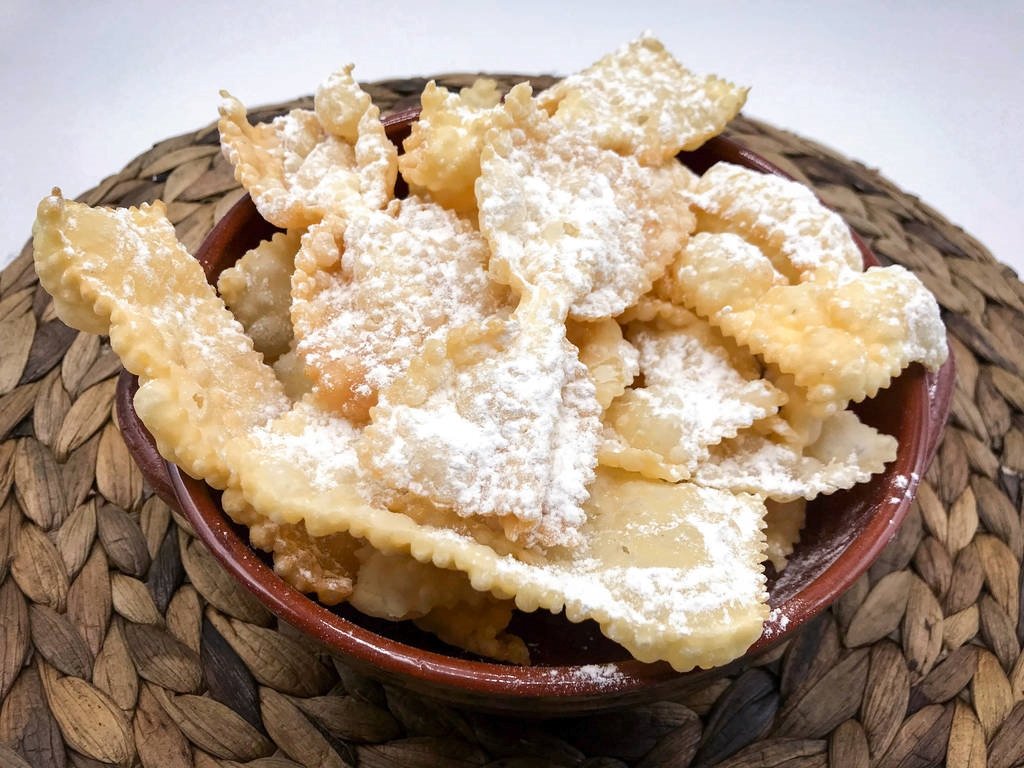
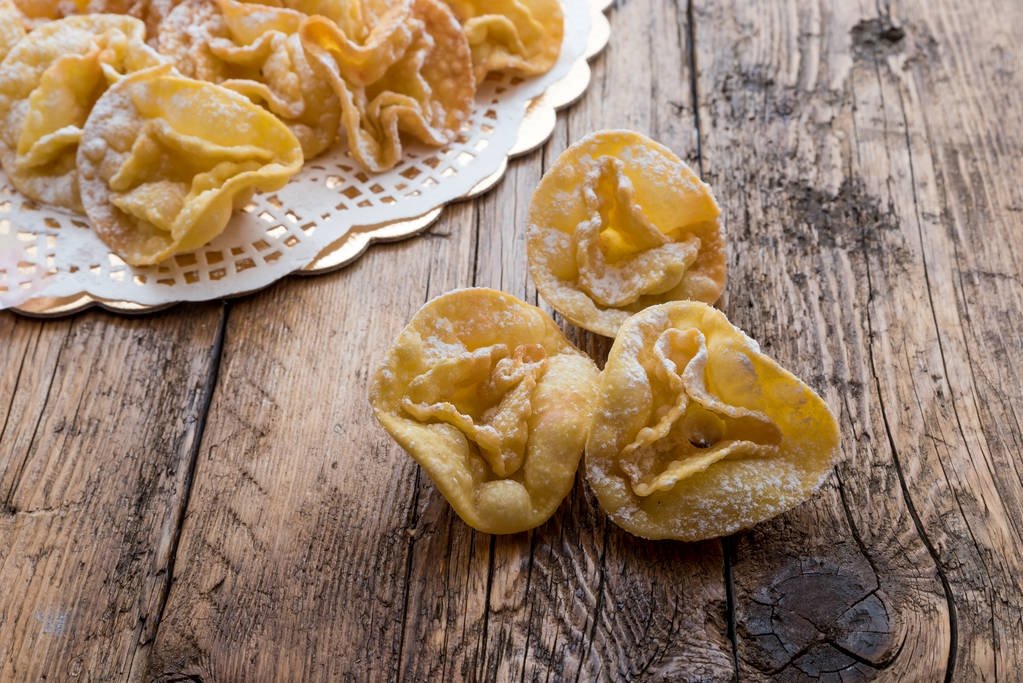
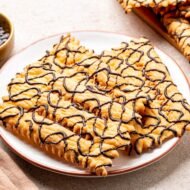
Think of them as Italy’s answer to beignets, churros, and funnel cake all rolled into one delicious tradition. These thin, crispy ribbons of fried dough appear in bakeries, street stalls, and grandmother’s kitchens across Italy from late January through Fat Tuesday (Mardi Grasso). They’re the edible centerpiece of Carnevale, Italy’s vibrant pre-Lenten celebration.
The genius? Every region has its own name and slight twist on the recipe, which means you’ve got a legit excuse to eat your way through the entire country.
The Regional Cookie Map: Where to Find What
Northern Italy: Crispy and Delicate
Chiacchiere (Lombardy & Piedmont) Light as air and shatteringly crisp, these are twisted into ribbons before frying. Milan’s bakeries stack them in pyramids that could double as edible art installations. Hit Pasticceria Marchesi or any neighborhood panificio for the real deal.
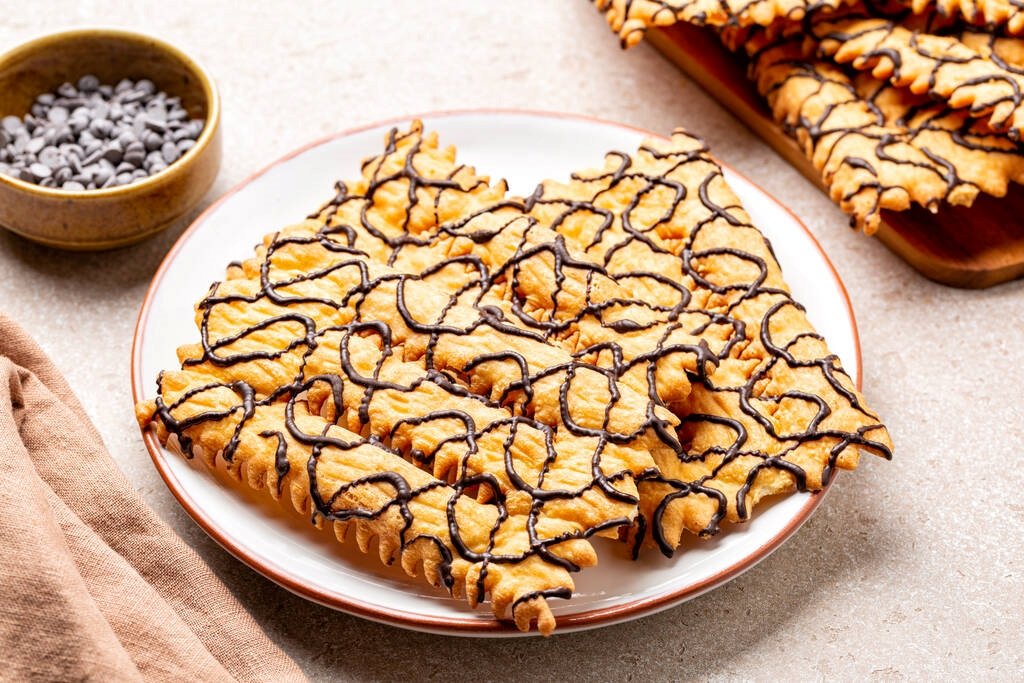
Galani or Crostoli (Veneto) Venice takes the crown for Carnival festivities, and their galani are thin enough to read a newspaper through (okay, slight exaggeration). During Carnevale di Venezia in February, you can’t walk three feet without encountering these. Pro tip: grab them fresh from Pasticceria Rizzardini in the morning.
Bugie (Piedmont) Literally translates to “lies” because they’re so light they’re almost nothing. Turin bakeries guard their recipes fiercely, with some adding a splash of grappa or lemon zest.
Central Italy: Bold Flavors
Frappe (Lazio & Umbria) Rome’s version comes in sheets you can tear apart like the world’s best packing material. They’re everywhere during February, especially in the Trastevere and Testaccio neighborhoods. Pair them with a cappuccino at any local bar.
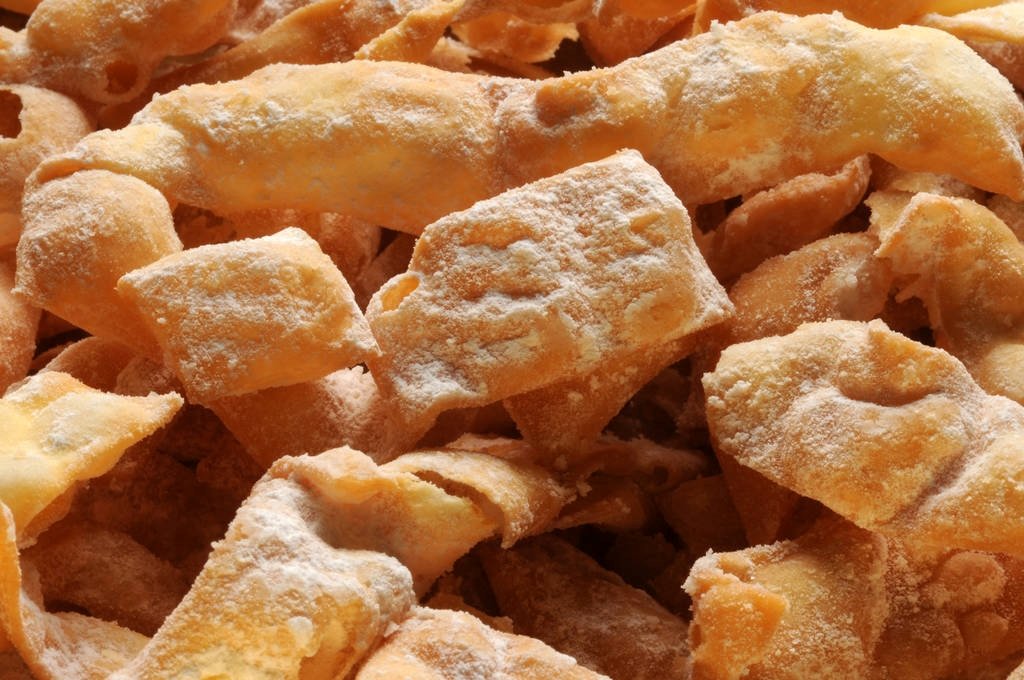
Cenci (Tuscany) Florence keeps it rustic with irregular, torn pieces that look homemade because they usually are. The name means “rags,” and honestly? The messier they look, the better they taste. Hunt them down at Mercato Centrale.
Southern Italy: Sweet and Indulgent
Chiacchiere Napoletane (Campania) Naples amps everything up, and their Carnival cookies are no exception. Expect more sugar, more flavor, and vendors selling them hot on street corners throughout the city. February weekends are prime time.
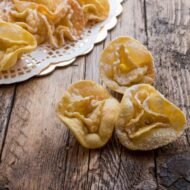
Sfingi (Sicily) Sicily does everything differently, offering round, puffy fritters instead of flat ribbons. Some versions are filled with ricotta cream. Palermo’s street markets during Carnival are cookie heaven.
When to Visit for Maximum Cookie Action
Prime Time: February The two weeks before Ash Wednesday are peak season. Venice, Viareggio, and Ivrea host massive Carnival celebrations with cookies literally everywhere. Book accommodations early because half of Europe shows up.
Shoulder Season: Late January & Early March Bakeries start making them in late January for early celebrations. Some regions extend the season through the first week of Lent. Smaller crowds, same cookies.
Off-Season Reality Check Outside Carnival season? You’re mostly out of luck. A few tourist-area bakeries make them year-round, but they’re never the same as the seasonal rush.
Where to Score the Best Cookies
Local Bakeries (Panifici and Pasticcerie) Your best bet, always. Arrive between 8-10am when batches are fresh. Don’t be shy about asking which were made that morning.
Street Markets During Carnival proper, temporary stalls pop up in piazzas selling them hot. Venice’s Campo Santa Margherita, Rome’s Campo de’ Fiori, and Florence’s Santo Spirito are goldmines.
Supermarkets Yes, Italian supermarkets stock pre-packaged versions. Are they as good? Nope. Will they work in a pinch at midnight? Absolutely.
Insider Tips for Cookie Hunters
Go Early: Fresh batches sell out by noon at popular spots. Serious cookie enthusiasts should plan morning bakery runs.
Ask for Recommendations: Italians are passionate about their regional version being superior. Ask locals where they buy theirs—you’ll get strong opinions and excellent intel.
Buy Extra: They keep reasonably well for 2-3 days in an airtight container. Pack some for train snacks or to bring back to your rental.
Try Multiple Versions: The thin Venetian galani taste completely different from puffy Sicilian sfingi. Regional variety is the whole point.
Pair Smartly: Italians typically eat them with coffee, sweet wine like Moscato d’Asti, or even prosecco during festivities.
Budget Breakdown
- Fresh from bakeries: €8-15 per kilogram (you’ll get a massive bag)
- Individual portions: €3-5 for a generous serving
- Street vendor prices: €5-8 for a paper cone full
- Tourist area markup: Add 30-50% to those prices
Honestly, even at inflated tourist prices, they’re still cheaper than most desserts and way more Instagram-worthy.
Making the Most of Your Cookie Quest
Combine your cookie hunting with Carnival festivities for the full experience. Venice’s masked balls and parades, Viareggio’s satirical float parades, or Ivrea’s orange-throwing battle all pair beautifully with fried dough consumption.
If you’re traveling with kids, the combination of cookies and Carnival chaos is basically guaranteed entertainment. If you’re traveling solo or with a partner, the bakery-hopping creates a perfect excuse to explore neighborhoods beyond major tourist zones.
What Makes Them Special
Look, Italy has no shortage of amazing desserts. But Carnival cookies hit different because they’re fleeting. They represent a specific moment in the Italian calendar when everyone collectively decides that fried dough and powdered sugar are essential food groups. The temporary nature makes them special—like cherry blossoms in Japan or pumpkin spice in the US, but objectively more delicious.
Plus, there’s something deeply satisfying about eating a cookie that’s been made the same way in the same region for centuries, especially when you’re covered in enough powdered sugar to look like you’ve been in a snowstorm.
The Bottom Line
Italian Carnival cookies are one of those experiences that doesn’t translate well to descriptions. You need to be there, in a crowded bakery in Venice or at a street stall in Naples, watching someone pull a fresh batch from hot oil and dust them with sugar while they’re still warm. You need to bite into one and have it shatter into a thousand crispy pieces while powdered sugar snows down on your jacket.
Plan your Italy trip for February, bring an appetite, and prepare for the best carb coma of your life.
Quick Recap
- What: Regional fried cookie variations across Italy, made during Carnival season
- When: Late January through Fat Tuesday (usually February)
- Where: Every region has its version—Venice, Rome, Florence, Naples, and beyond
- Cost: €3-15 depending on quantity and location
- Pro Move: Visit bakeries early morning, try multiple regional styles, time your trip with major Carnival celebrations
Disclaimer
This guide reflects general information about Italian Carnival traditions and regional variations. Bakery recommendations, prices, and availability can change. Carnival dates vary by year based on the Easter calendar. Always check current local information and bakery hours before visiting. Individual dietary needs and preferences should be considered when trying regional foods. This content is for informational purposes and should not be considered professional travel advice.