


TL;DR: Guimarães, European Green Capital 2026 , Guimarães just won the European Green Capital Award 2026—beating 20 other European cities—and it’s not your typical eco-tourism marketing fluff. This UNESCO World Heritage city has pioneered Portugal’s first pay-as-you-throw waste system, achieved 97% “good or very good” air quality ratings from residents, and reduced mixed waste by 34% while making sustainability actually cool. Plus: medieval castle, €600K prize money funding even more green initiatives, and you can still get a hotel for €60/night.
- Why This Award Actually Matters (And Why You Should Care)
- What Makes Guimarães Different: The “One Planet City” Model
- The PEGADAS Program: Environmental Education That Actually Works
- Pay-As-You-Throw (PAYT): Making Waste Personal
- Air Quality You Can Actually Breathe
- The Seven Pillars: Why the Jury Chose Guimarães
- Getting There (It’s Easier Than You Think)
- Where to Stay: From Budget to Bougie
- The Must-See Stuff (UNESCO + Green Innovations)
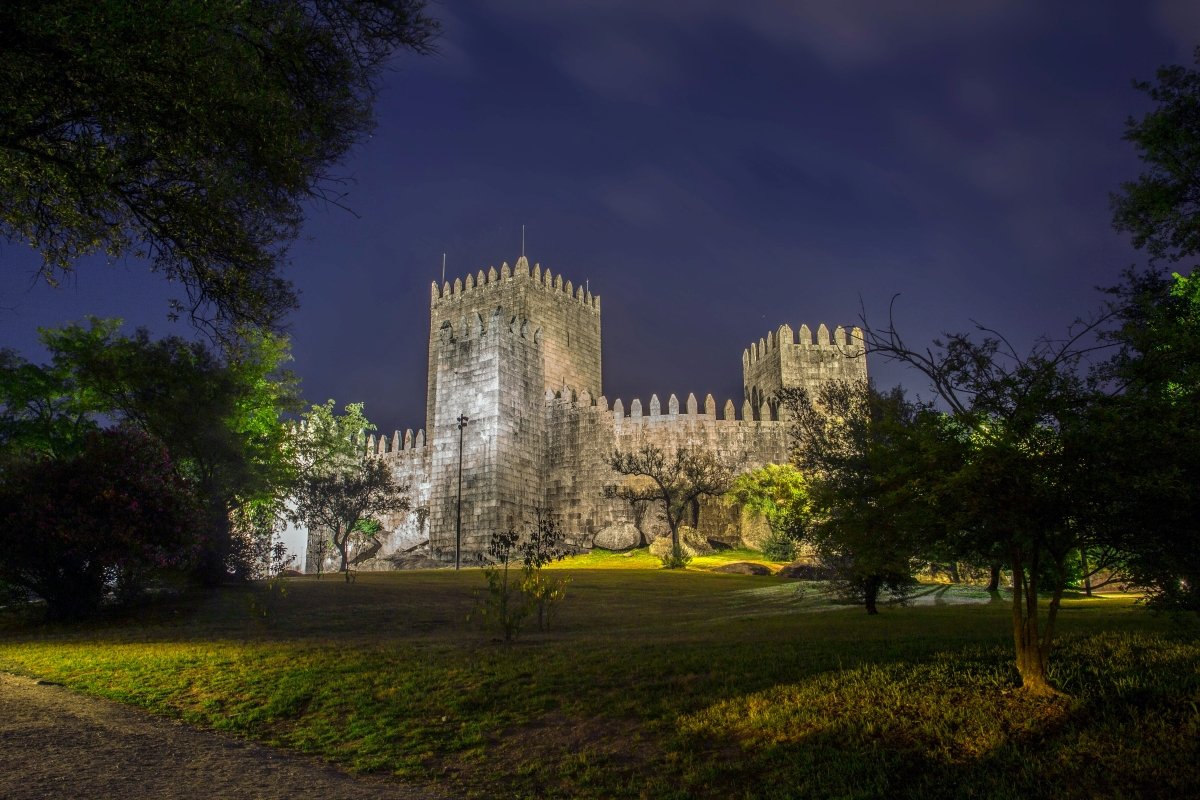
- Guimarães Castle & Palace of the Dukes of Braganza
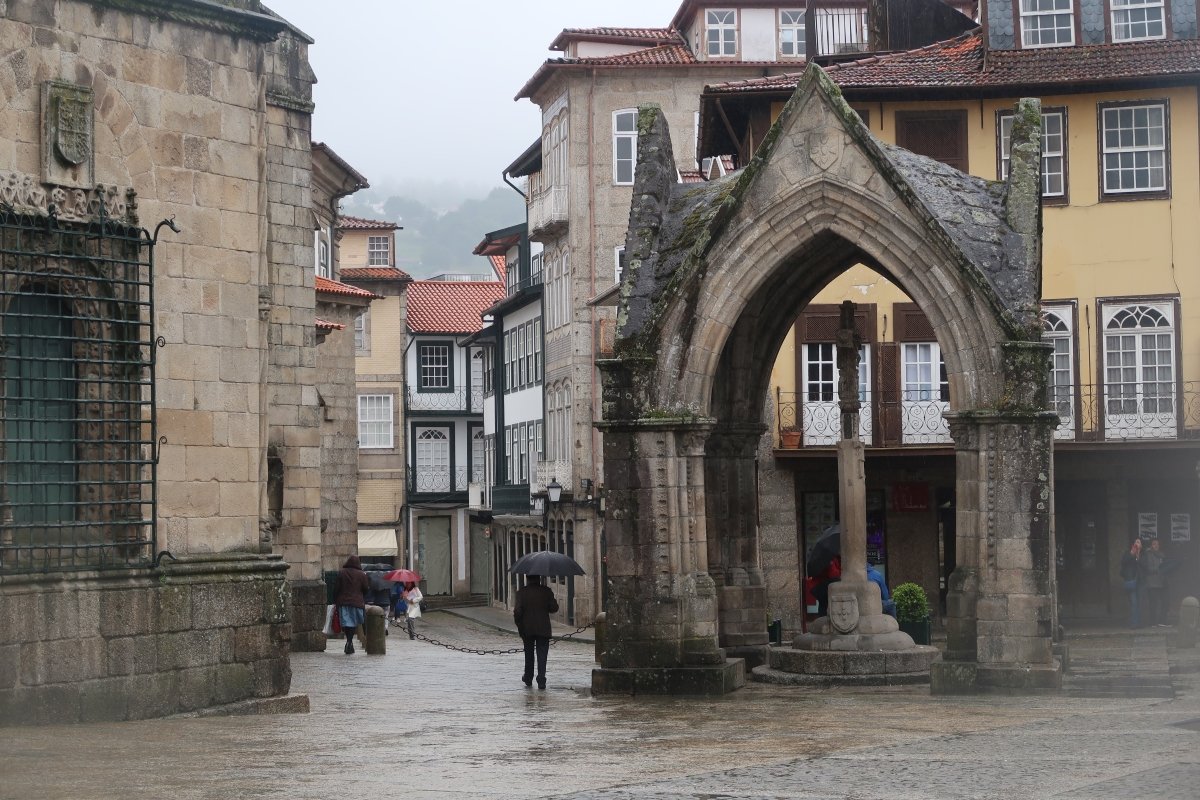
- Historic Center (UNESCO World Heritage Site)
- Penha Mountain & Sanctuary
- The Landscape Laboratory
- Food: What to Eat and Where
- The Green Initiatives You Can Actually Experience
- Day Trips Worth Taking
- Practical Info
- Budget Breakdown
- What Makes This Different from Other “Green” Cities
- The Honest Truth
- Recap: Your Guimarães Cheat Sheet
Why This Award Actually Matters (And Why You Should Care)
On November 27, 2024, Guimarães won the European Green Capital prize based on its commitment to achieving continuous improvement regarding all sustainable challenges and its comprehensive results in all seven environmental management areas. This wasn’t a participation trophy—the city competed against major players like Heilbronn (Germany) and Klagenfurt (Austria), and won because the jury recognized something rare: Guimarães has successfully made sustainability part of its culture, with support available across the whole community, including to citizens, academia, and the private sector.
Translation? This is a city that figured out how to go green without becoming insufferable about it.
The European Green Capital Award isn’t new (it’s been running since 2010), but Guimarães is special. This is their third application after being a finalist for 2020 and 2025. They kept refining their approach until they nailed it. That persistence alone tells you something about the city’s character.
The prize comes with teeth: €600,000 in financial support to continue environmental sustainability initiatives. That money’s already being channeled into new projects launching throughout 2026—meaning if you visit this year, you’re seeing a city at the peak of its green transformation.
What Makes Guimarães Different: The “One Planet City” Model
Most cities slap “sustainable” on their tourism brochures and call it a day. Guimarães built an entire governance ecosystem around it.
The PEGADAS Program: Environmental Education That Actually Works
Since 2015, the city’s environmental education programme, PEGADAS, has played a crucial role in raising awareness and empowering the community to adopt sustainable practices. This isn’t just some pamphlets in schools—we’re talking about a comprehensive program that’s reached over 20,000 students and 1,500 teachers.
The crown jewel? The Eco-Parliament, where kids identify environmental challenges in their city and propose solutions through formal debates. Winners present their ideas to actual members of the European Parliament. How many cities let 12-year-olds influence environmental policy?
For travelers: This means when you visit, you’re interacting with a community that genuinely cares about sustainability, from the hotel staff to the restaurant owners to the kids at the bus stop.
Pay-As-You-Throw (PAYT): Making Waste Personal
In 2016, Guimarães became the first city in Portugal to implement a pay-as-you-throw waste system in its historic center. Here’s how it works: residents buy pre-paid bags for mixed waste disposal—the more waste you produce, the more you pay. Recyclables? Collected free.
The results are insane: a 126% increase in recyclable collection and a 34% reduction in mixed waste in the areas where it was implemented. The system now covers over 10,000 users across multiple neighborhoods and is expanding to 50,000 inhabitants.
What this means for you: The historic center is noticeably cleaner than most European tourist zones. No overflowing bins, minimal litter, and a level of civic pride you can actually feel.
Air Quality You Can Actually Breathe
97% of residents report enjoying ‘good’ or ‘very good’ air quality. In a European city. Let that sink in.
This isn’t luck—it’s the result of the pedestrianized historic center, green corridors connecting different parts of the city, and strict environmental policies that businesses actually follow.
The Seven Pillars: Why the Jury Chose Guimarães
The European Green Capital Award evaluates cities across seven environmental areas. Guimarães didn’t just pass—they excelled in all of them:
- Air Quality – 97% resident satisfaction
- Noise Management – Pedestrian zones reduce urban noise pollution
- Water Management – Innovative retention basins prevent flooding, protect the historic center
- Biodiversity & Land Use – Green spaces and urban forests integrated throughout
- Waste & Circular Economy – PAYT system, RRRCICLO circular economy initiative
- Climate Change Mitigation – Part of EU Mission Cities aiming for climate neutrality by 2030
- Climate Change Adaptation – Long-term resilience planning
The competitive context: A total of 21 cities competed in this edition of the European Green Capital and Green Leaf awards. Guimarães beat them all.
Getting There (It’s Easier Than You Think)
From Porto:
- Train: 1 hour, €3.50 (runs multiple times daily)
- Car: 55km, about 50 minutes via A7
- Bus: Multiple services, around €5
From Lisbon:
- Direct bus: 4.5 hours
- Train via Porto: More scenic, takes longer, totally worth it
From International:
- Fly into Porto’s Francisco Sá Carneiro Airport
- Direct train connections to Guimarães
Pro tip: The official opening ceremony for the European Green Capital year happened January 9, 2026. Throughout 2026, the city is hosting special events, exhibitions, and sustainability initiatives as part of the title year.
Where to Stay: From Budget to Bougie
Budget Picks (€30-60/night):
- Pousada de Juventude de Guimarães – Clean hostel, great for solo travelers
- Local guesthouses (alojamento local) in the historic center
Mid-Range Magic (€60-120/night):
- Hotel da Oliveira – Right on Praça da Oliveira, maximum convenience
- Santa Luzia ArtHotel – Modern design meets historic building
Splurge-Worthy (€120+/night):
- Pousada Mosteiro de Guimarães – 12th-century converted monastery
- Boutique hotels in restored historic buildings
Green certification tip: Many hotels in Guimarães now participate in sustainability programs as part of the city’s green capital initiatives. Look for eco-certified accommodations.
The Must-See Stuff (UNESCO + Green Innovations)
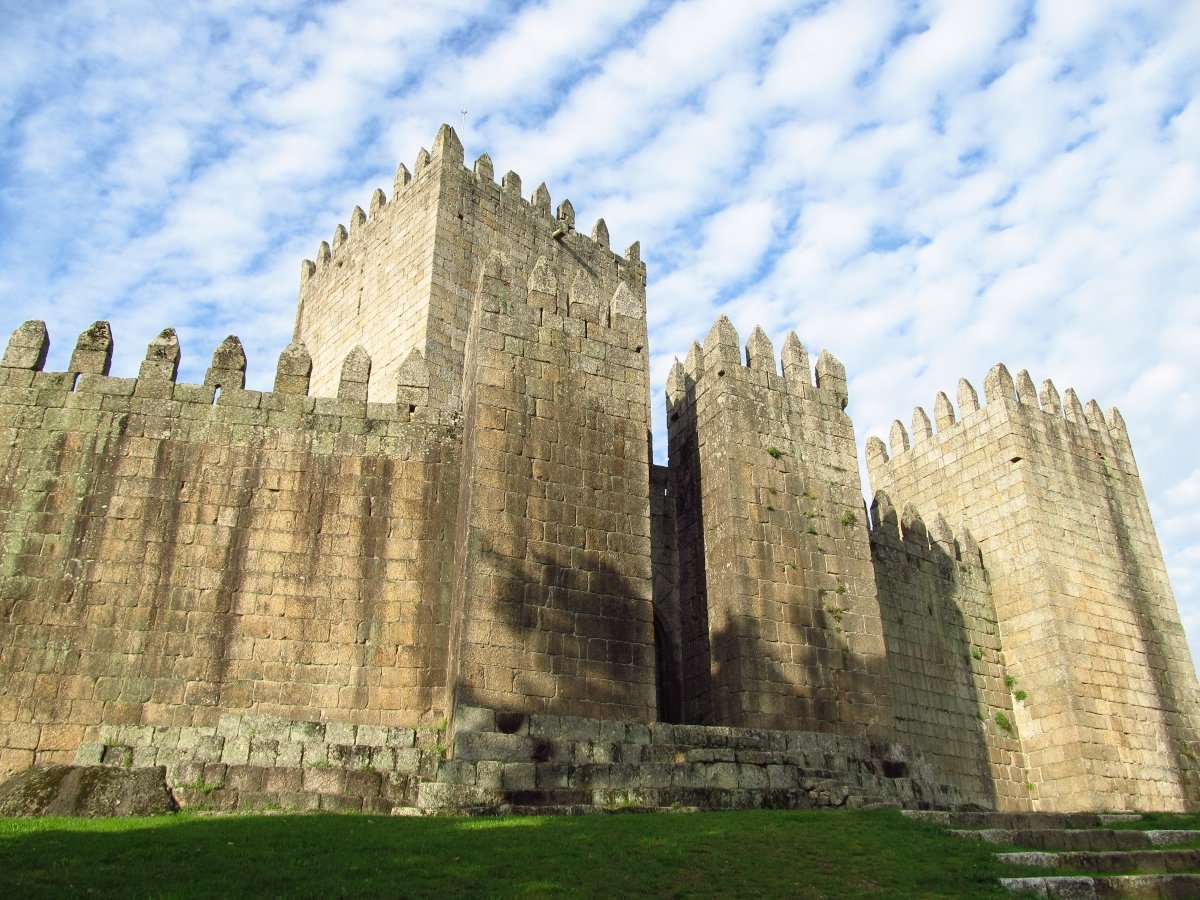
Guimarães Castle & Palace of the Dukes of Braganza
Next door, the 15th-century Palace of the Dukes features Burgundian-style brick chimneys (wildly unusual for Portugal) and houses an impressive collection of medieval furniture, tapestries, and weapons.
Combined ticket: €8
Time needed: 2-3 hours
Green bonus: Solar panels discretely integrated into historic buildings for energy efficiency
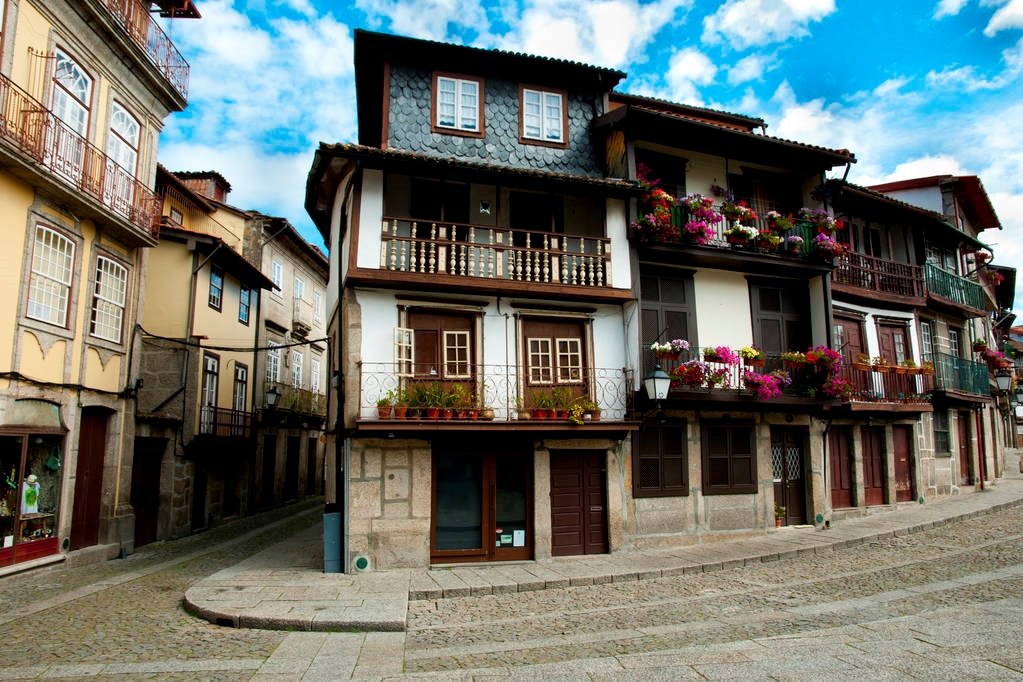
Historic Center (UNESCO World Heritage Site)
Designated a UNESCO site in 2001, Guimarães was also recognized as European Capital of Culture in 2012, European City of Sport in 2013, and the most sustainable municipality in Portugal for three consecutive years.
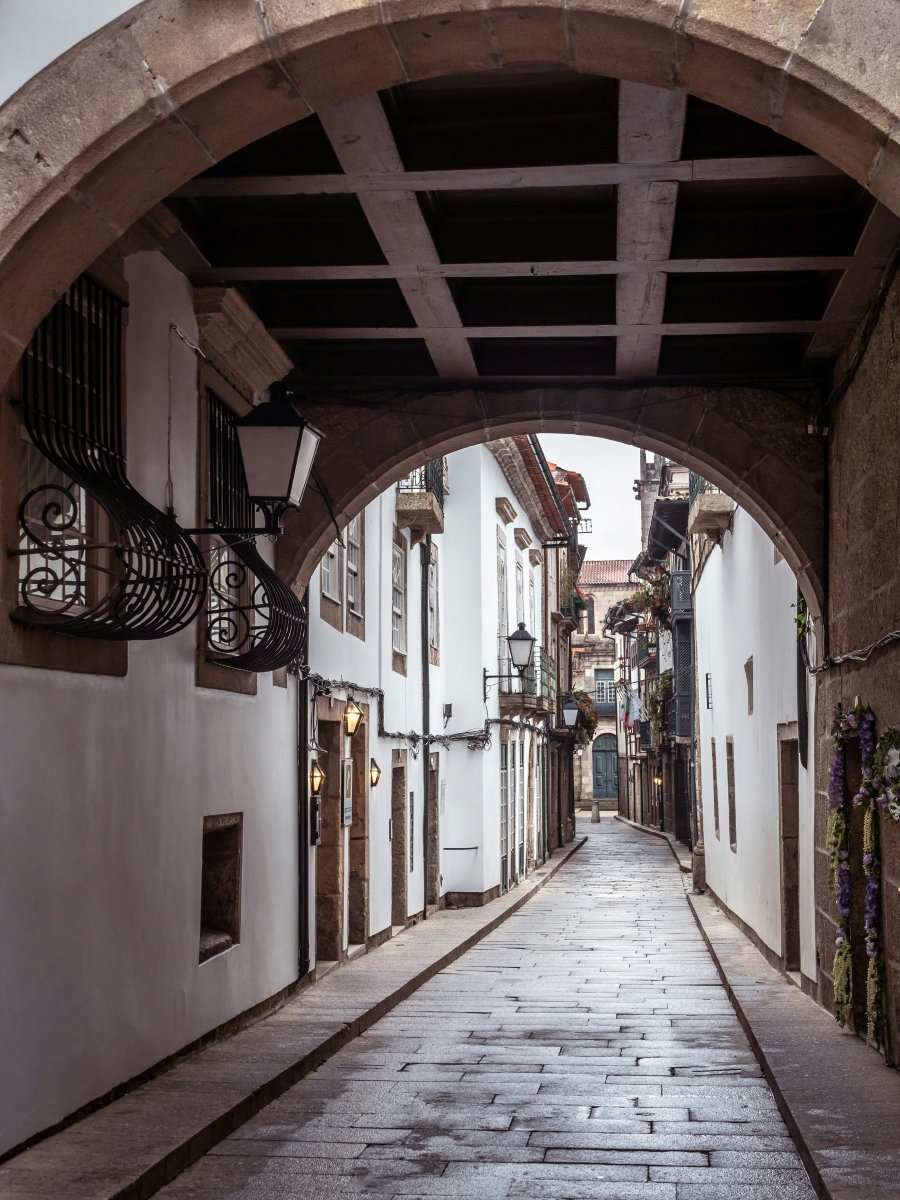
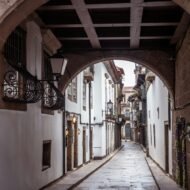
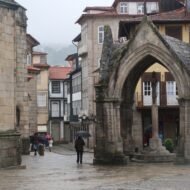
The entire downtown is pedestrianized—meaning you wander cobblestone streets from the 13th century without dodging cars or breathing exhaust fumes. It’s also where the PAYT waste system started, so it’s measurably cleaner than most European tourist centers.
Key squares:
- Largo da Oliveira – Ancient olive tree, surrounded by cafés
- Praça de Santiago – Local hangout, minimal tourist crowds
Penha Mountain & Sanctuary
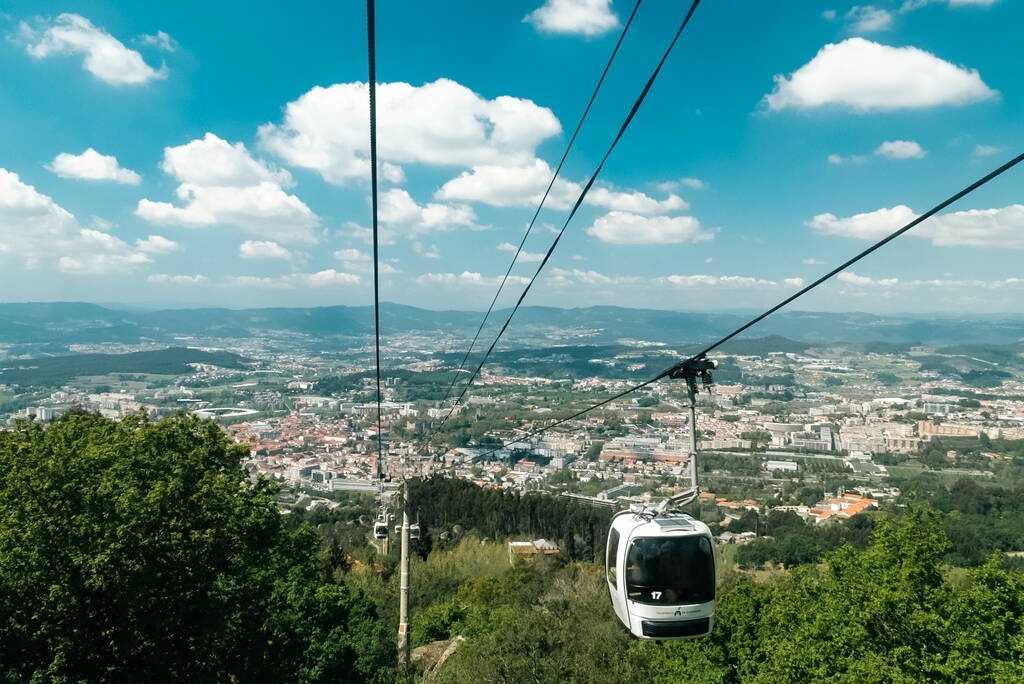
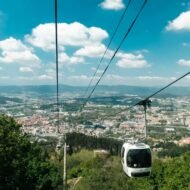
Cable car (€3 return) up to 617 meters for panoramic city views. At the summit: hiking trails through granite boulder formations, a sanctuary, and restaurants with incredible vistas.
Eco-angle: The cable car system uses regenerative braking technology, feeding energy back into the grid on descent.
Operating hours: 10am-7pm (varies seasonally)
The Landscape Laboratory
This research institution coordinates the PEGADAS environmental program and hosts exhibitions about the city’s sustainability initiatives. Free entry, fascinating if you want to understand how Guimarães became a green capital.
Perfect for travelers who want the deeper story beyond the tourist highlights.
Food: What to Eat and Where
Must-Try Local Specialties
Tortas de Guimarães – Flaky pastries with squash and almond filling, the local signature dessert. Get them at Confeitaria Clarinha (the original since 1951).
Rojões à Minhota – Marinated pork chunks with potatoes and blood sausage. Northern Portuguese comfort food at its finest.
Bacalhau (Codfish) – Prepared a hundred ways, all delicious.
Vinho Verde – Young, slightly fizzy wine from the region. Pairs perfectly with everything and costs less than bottled water.
Where to Eat
Traditional & High-Quality:
- Cor de Tangerina – Creative Portuguese, €15-25 per person
- A Cozinha – Tiny, intense flavors, reserve ahead
- Histórico by Papaboa – Modern Portuguese in historic setting
Quick & Affordable:
- Café Oriental – Lunch specials around €7
- Street vendors near Largo da Oliveira for bifanas (pork sandwiches)
Vegetarian/Vegan:
- O Vegetariano – Rare find in northern Portugal
Green dining tip: Many restaurants now participate in the city’s sustainability initiatives, sourcing locally and minimizing food waste. Look for establishments displaying the “One Planet City” certification.
The Green Initiatives You Can Actually Experience
RRRCICLO: Circular Economy in Action
The city’s circular economy strategy includes recycling initiatives you’ll notice as a visitor:
- Cigarette butt and chewing gum collection stations
- Mask recycling programs (post-pandemic)
- Green waste programs turning pruned trees into firewood for schools
Biowaste Composting
Free composters for residents, decentralized composting facilities in neighborhoods, and door-to-door organic waste collection. The goal: 50.7% biowaste separation by end of 2024, 100% population coverage by 2028.
Traveler takeaway: Restaurants and hotels have excellent waste separation systems. It’s easy to participate.
Climate Neutrality by 2030
Guimarães is one of three cities in Portugal that are part of the European Commission’s ‘Mission Cities’ initiative, with 100 cities aiming to become climate-neutral by 2030—20 years ahead of Portugal’s national target.
This means aggressive decarbonization projects launching now that you can witness in real-time.
Day Trips Worth Taking
Braga (15km)
Portugal’s religious capital. The Bom Jesus do Monte sanctuary with its monumental Baroque staircase is unforgettable.
Citânia de Briteiros (15km)
2,500-year-old Celtic settlement ruins. Under-visited, atmospheric, perfect for history nerds.
Douro Valley (90 minutes)
UNESCO-protected wine region. Go for port wine tasting and terraced vineyard views.
Peneda-Gerês National Park (60km)
Portugal’s only national park. Hiking, waterfalls, wildlife, minimal crowds.
Practical Info
Best time to visit:
- April-June or September-October – Perfect weather, manageable crowds
- 2026 specifically – Special European Green Capital events throughout the year
- Summer (July-August) – Hot, more crowded
- Winter – Cheap, some reduced hours at attractions
How long to stay: 2-3 days ideal. 1 day minimum if combining with Porto.
Language: Portuguese. English works in tourist areas. Basic phrases appreciated.
Money: ATMs everywhere, cards widely accepted. Cash useful for small cafés and markets.
Walking: Comfortable shoes essential. Cobblestones + hills = your fancy sandals will hate you.
Safety: Extremely safe. Standard precautions apply.
Sustainability tips for visitors:
- Use public transport and walk (the center is tiny)
- Participate in waste separation at your accommodation
- Support local artisans at Saturday markets
- Choose restaurants with local sourcing
Budget Breakdown
Budget traveler (per day):
- Accommodation: €25-40
- Food: €20-30
- Attractions: €10-15
- Transport: €5
- Total: €60-90/day
Mid-range (per day):
- Accommodation: €60-100
- Food: €40-60
- Attractions: €15-25
- Transport/extras: €15
- Total: €130-200/day
Luxury (per day):
- Accommodation: €150+
- Food: €80+
- Experiences: €30+
- Total: €260+/day
What Makes This Different from Other “Green” Cities
I’ve visited plenty of European cities that claim to be sustainable. Guimarães is different because:
- It’s measurable – 34% waste reduction, 126% increase in recycling, 97% air quality satisfaction aren’t marketing spin
- It’s participatory – 20,000+ students in environmental education, citizens actively involved in governance
- It’s systemic – Not just bike lanes and solar panels, but integrated policy across waste, energy, education, culture
- It’s third-generation – This is their third application for the award. They learned, adapted, improved
- It’s authentic – The city was already historically significant (UNESCO, European Capital of Culture). Sustainability is layered on top, not the only selling point
Most importantly: it doesn’t feel performative. You’re not constantly reminded you’re in a “green city.” You just notice the air is cleaner, the streets are quieter, the locals give a damn.
The Honest Truth
Guimarães won’t blow your mind with wild nightlife or endless attractions. If you want beach clubs, go to the Algarve. If you want cosmopolitan energy, go to Lisbon.
But if you want to see what sustainable urban living actually looks like when it’s done right—when it’s embedded in the culture rather than slapped on as marketing—Guimarães in 2026 is the place to be.
You’ll walk the same medieval streets where Portugal’s first king was born, eat tortas that haven’t been Instagram-ruined yet, and witness a city that proved you can preserve heritage while building a genuinely sustainable future. The European Commission gave them €600K and the title of Green Capital because they earned it.
And unlike most award-winning cities, this one is still affordable, still authentic, and still mostly undiscovered by mass tourism.
Recap: Your Guimarães Cheat Sheet
✅ The award: European Green Capital 2026 (won against 20 European cities, November 2024)
✅ The prize: €600,000 for sustainability initiatives
✅ Key achievements: 34% waste reduction, 97% air quality satisfaction, Portugal’s first PAYT system
✅ Don’t miss: Castle, UNESCO center, Penha cable car, tortas, PEGADAS program exhibits
✅ Best base: Historic center hotels
✅ Ideal stay: 2-3 days (1 day minimum from Porto)
✅ Budget-friendly: More affordable than Lisbon/Porto
✅ Crowd level: Blissfully low
✅ 2026 bonus: Special events throughout the Green Capital year
✅ Best for: Sustainable travelers, history lovers, foodies, people who appreciate real authenticity
Disclaimer: Travel information, prices, opening hours, and regulations are subject to change. European Green Capital Award details are current as of January 2026 based on official European Commission sources. Sustainability programs and initiatives continue to evolve. Always verify current information before booking. Some restaurants and hotels may have seasonal closures. Travel insurance is recommended for all international trips. When visiting historic and religious sites, dress respectfully and follow posted guidelines. Environmental programs like PAYT may have specific rules—check with your accommodation for details.
Sources for Award Information: European Commission Environment Department, European Green Capital Award official documentation, Guimarães City Council sustainability reports, PEGADAS program materials.
Stop reading. Book that Porto flight. Guimarães won the biggest sustainable city award in Europe for a reason, and 2026 is the year to see why. This won’t stay under the radar forever.