



TL;DR
Tokyo’s cherry blossoms peak March 28, 2026. Kawazu’s early bloomers are happening right now (mid-February). Kyoto hits full bloom April 1. Miss Tokyo? Head to Kanazawa or Sendai in mid-April instead. Visit famous spots at 6 AM to dodge crowds. Hanami means picnics, blue tarps, and respecting the blooms—not just Instagram shots.
- TL;DR
- The 2026 Forecast: When Exactly Should You Book Your Flight?
- The Early Bird Secret Nobody Tells You About
- Missed the Tokyo Window? Here Are Your Hidden Gem Backups
- Crowd Control: How to Actually Enjoy Famous Spots
- What Hanami Actually Means (And How Not to Be That Tourist)
- Booking Strategy for 2026
- Smart Travel Strategy for 2026
- The Practical Stuff Nobody Mentions
- Key Points Recap
- Disclaimer
The good news? The 2026 sakura forecast is already shaping up, and if you plan smart, you can catch peak bloom without drowning in crowds or overpaying for flights.
Here’s your ultimate, no-fluff, high-impact guide to Japan’s 2026 cherry blossom season — including exact dates, early-bloom secrets, hidden gems, and how to experience hanami like a local.
The 2026 Forecast: When Exactly Should You Book Your Flight?
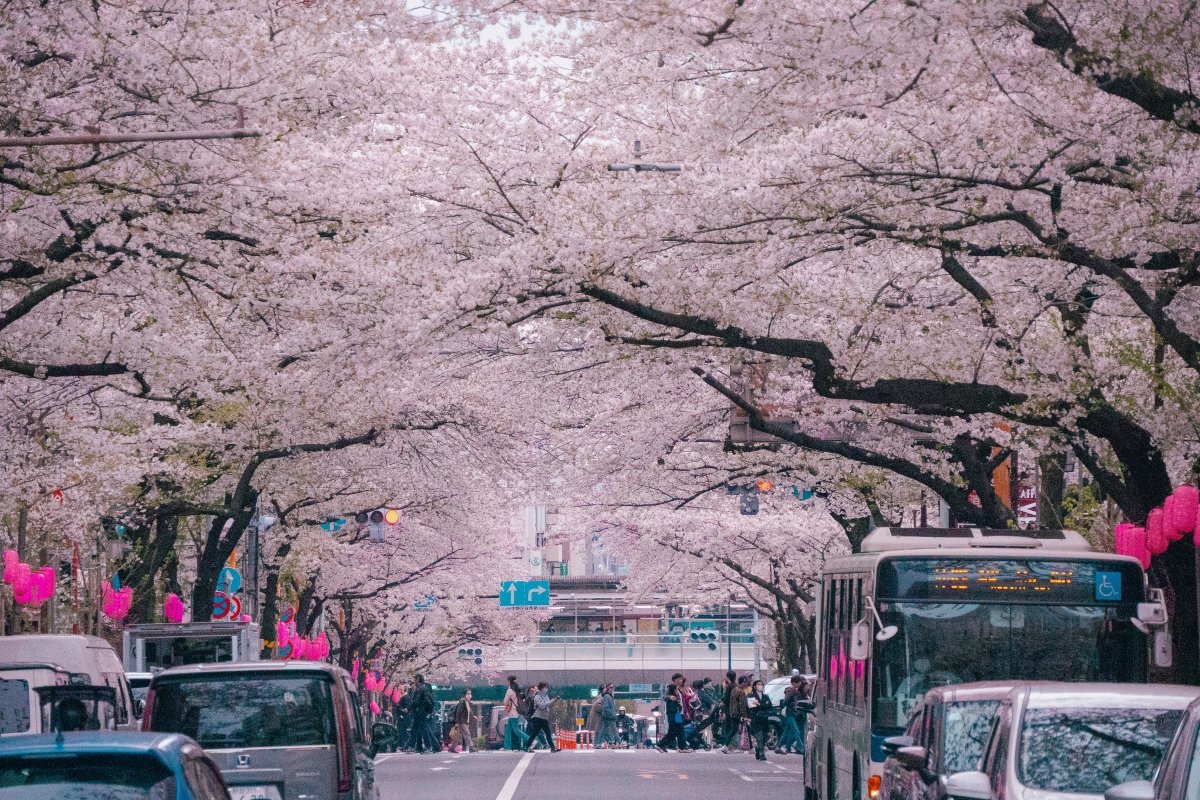
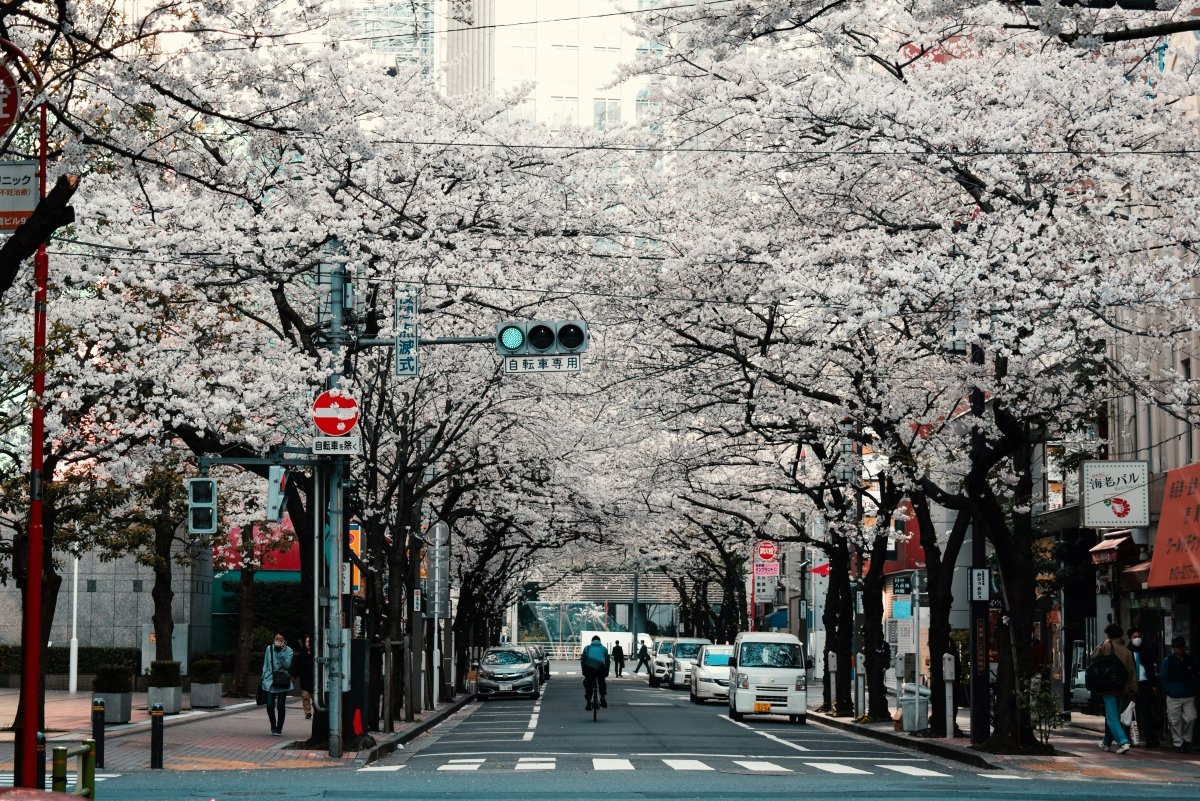
Here’s what the Japan Meteorological Corporation is predicting for 2026’s cherry blossom season—and these dates matter more than your hotel reservation:
Tokyo’s timeline:
- First bloom: March 20–21
- Full bloom (the money shot): March 28
Kyoto and Osaka:
- Slightly behind Tokyo
- Peak viewing: Around April 1
What “peak” actually means: Full bloom typically lasts 4–7 days if the weather cooperates. One surprise rainstorm can knock petals off early, turning your dream photo op into a soggy disappointment. Plan a 3–4 day window in your target city to hedge your bets.
The Early Bird Secret Nobody Tells You About
Here’s where it gets interesting: while everyone’s googling “Tokyo cherry blossoms March 2026,” there’s another variety blooming right now in mid-February.
Kawazu-zakura are early bloomers with darker pink petals, and they’re currently putting on a show in:
- Kawazu Town, Shizuoka Prefecture (the namesake spot)
- Parts of Tokyo (check Shinjuku Gyoen National Garden)
If your vacation days are locked in for February, you’re not out of luck—just pivot your destination. Kawazu’s festival runs late February into early March, with way fewer crowds than peak Tokyo season. The blossoms are deeper pink than the famous Yoshino variety, which makes for actually unique photos instead of the same shots 50,000 other people took.
Missed the Tokyo Window? Here Are Your Hidden Gem Backups
Real talk: Tokyo in late March is going to be packed. Hotels triple their prices. Popular viewing spots turn into human gridlock. If your schedule is flexible—or if you’re reading this in April wondering if you’ve already missed everything—these alternatives will save your trip:
Kanazawa (Peak: Early-to-Mid April)
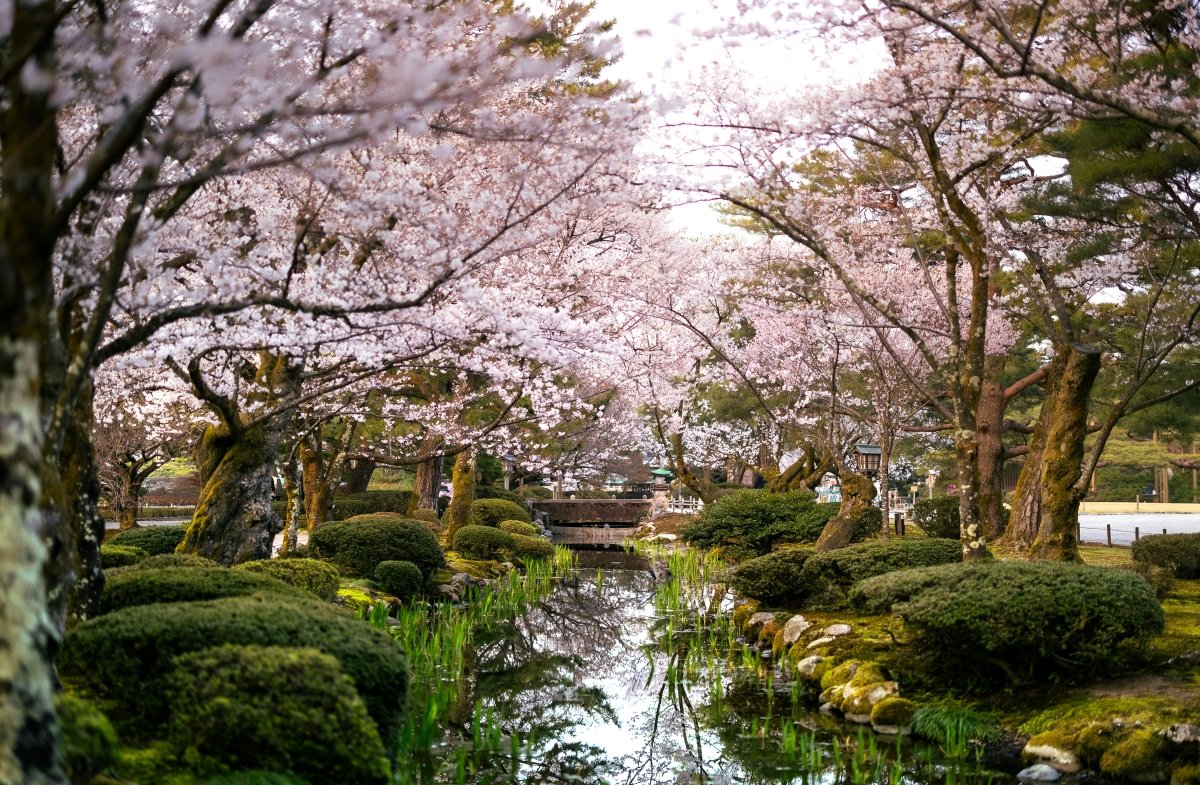
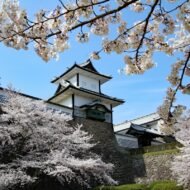
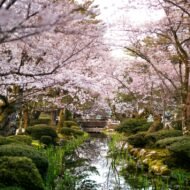
Kanazawa is what Kyoto was before the cruise ship crowds discovered it. The city’s located on the Japan Sea coast, which means a later bloom schedule and significantly fewer tourists. Kenrokuen Garden is considered one of Japan’s three most beautiful gardens, and during sakura season, it’s genuinely hard to argue with that ranking.
Why it works: Gold leaf workshops, fresh seafood markets, preserved geisha districts—plus cherry blossoms as a bonus, not the sole attraction. If the blooms aren’t perfect, you’ll still have an incredible trip.
Sendai (Peak: Mid-April)
Even further north, Sendai gives you until mid-April to catch peak bloom. The city’s got serious food culture (try the beef tongue, seriously), samurai history, and easy access to Matsushima Bay—one of Japan’s “three scenic views.”
Insider tip: Combine Sendai with a trip to nearby Yamadera Temple. The mountain temple’s cherry trees against ancient stone steps photograph like an art director’s fever dream.
Crowd Control: How to Actually Enjoy Famous Spots
Here’s the uncomfortable truth: those iconic cherry blossom photos you’ve seen from Chidorigafuchi or Kyoto’s Philosopher’s Path? They were either taken at 6 AM or heavily Photoshopped to remove the crowds.
2026’s “overtourism” situation is real. But it’s also manageable if you adjust your expectations and schedule:
The 6 AM Rule
Set your alarm for 5:30 AM. Hate yourself for approximately 15 minutes. Then watch the sunrise illuminate thousands of cherry blossoms while you have the spot almost entirely to yourself. By 9 AM, you’ll be back at your hotel having breakfast while everyone else is just arriving at the packed viewing spots.
Best spots for sunrise viewing:
- Chidorigafuchi, Tokyo – Moat reflection shots without the crowds
- Philosopher’s Path, Kyoto – Actually peaceful before 7 AM
- Maruyama Park, Kyoto – The famous weeping cherry tree in morning light
Weekday vs. Weekend Strategy
If you can visit popular spots Tuesday through Thursday, do it. Japanese domestic tourists and Tokyo locals alike descend on viewing spots during weekends. The difference in crowd density is honestly absurd.
What Hanami Actually Means (And How Not to Be That Tourist)
Okay, cultural moment: Hanami isn’t just “looking at cherry blossoms.” It’s a whole social tradition with unwritten rules, and violating them marks you as either clueless or disrespectful.
The blue tarp situation: You’ll see blue tarps staked out under cherry trees—sometimes for hours before the group arrives. Don’t sit on someone else’s tarp. Don’t step on the flowers to get a better angle. Those tarps represent someone’s claimed picnic territory, and yes, Japanese society takes this seriously.
What actual hanami looks like:
- Groups of friends, coworkers, or families sitting on tarps
- Seasonal bento boxes, often themed around spring
- Beer, sake, or chu-hi drinks (the canned cocktails)
- Conversations lasting hours
- Everyone cleaning up their trash before leaving
The social contract: You’re welcome to participate as a visitor—many locals enjoy meeting international travelers. But the expectation is that you respect the space, don’t damage the trees or flowers, and pack out everything you bring in. Leaving trash is genuinely offensive.
Photo etiquette: Those low-hanging branches are tempting, but shaking trees to create “petal snow” for photos is deeply frowned upon. The blooms last less than two weeks—let everyone enjoy them. Also, be aware that you’re photographing people’s private gatherings. Ask before including groups in your shots.
Booking Strategy for 2026
Hotels in Tokyo, Kyoto, and Osaka during peak bloom book out 6–12 months in advance. If you’re reading this now (mid-February 2026), you’re honestly already late for the prime spots.
Alternatives that actually work:
- Stay outside the city center – Nakano or Kichijoji in Tokyo, for example, have excellent train connections and way better availability
- Business hotels over traditional ryokan – Everyone wants the Instagram-worthy ryokan experience during sakura season, which means business hotels often have better rates and availability
- Consider Airbnb restrictions – Japan has tightened vacation rental laws; make sure your booking is actually legal
Flight timing: Book for arrival 2–3 days before predicted peak bloom in your target city. This gives you buffer time for jet lag and schedule flexibility if the forecast shifts. Cherry blossom predictions get more accurate closer to the date—the forecasts issued in January can shift by several days once February weather patterns become clearer.
Smart Travel Strategy for 2026
To maximize your trip:
Option 1: Tokyo → Kyoto → Osaka (March 25 – April 3)
Catch peak bloom moving west.
Option 2: Tokyo late March → Kanazawa or Sendai early April
Follow the blossoms north.
Option 3: Visit Kawazu in late February
Beat peak-season pricing entirely.
If you’re optimizing budget and bloom timing, flexibility by even 3–4 days makes a huge difference.
The Practical Stuff Nobody Mentions
Temperature reality check: Late March in Tokyo averages 10–15°C (50–59°F). That’s not warm. Bring layers, and don’t assume “spring in Japan” means t-shirt weather. Evening hanami parties can get genuinely cold.
Pollen situation: If you have allergies, Japan’s spring pollen season overlaps with sakura. Bring antihistamines. Japanese pharmacies carry excellent allergy meds, but the language barrier can make explaining your symptoms challenging.
Train crowding: Popular viewing spots near train stations (like Ueno Park in Tokyo) mean jam-packed trains during peak hours. Your romantic cherry blossom experience might start with being compressed into a subway car like a sardine. Plan accordingly.
Cash culture: Many smaller shops and food stalls near viewing areas are still cash-only. ATMs in Japan can be finicky about foreign cards—your best bet is 7-Eleven ATMs, which reliably accept international cards.
Key Points Recap
- Tokyo’s 2026 peak: March 28 (first bloom March 20–21)
- Kyoto/Osaka peak: Around April 1
- Early bloomers: Kawazu-zakura blooming now in mid-February (Shizuoka, parts of Tokyo)
- Hidden gem alternatives: Kanazawa and Sendai peak in early-to-mid April with fewer crowds
- Crowd control: Visit famous spots at 6 AM; prioritize weekdays over weekends
- Hanami etiquette: Respect blue tarps, pack out trash, don’t shake trees, understand it’s a social tradition beyond just flower viewing
- Booking urgency: Hotels book 6–12 months out; consider staying outside city centers
Disclaimer
Cherry blossom forecasts are predictions based on weather patterns and can shift with actual temperatures and conditions. The dates mentioned in this guide are based on current 2026 forecasts from the Japan Meteorological Corporation but should be verified closer to your travel dates. Bloom periods typically last 4–7 days under ideal conditions but can be shortened by rain or wind. Travel during peak sakura season involves higher costs and larger crowds than typical Japan tourism—plan accordingly and maintain realistic expectations about accessibility to popular viewing spots.
Look, cherry blossom season in Japan is genuinely magical. But the magic happens when you stop chasing the perfect Instagram moment and actually experience hanami the way locals do—with friends, food, and the understanding that these blooms are temporary by nature.
That impermanence is kind of the whole point.
So book your trip, set your 6 AM alarm at least once, bring a trash bag to your hanami picnic, and remember that the best cherry blossom experience isn’t necessarily at the most famous spot—it’s the one where you actually slow down enough to notice what you’re looking at.
Safe travels, and may your forecast be accurate.