

Why Seia (Portugal) Is the Next Big Thing in Sustainable Tech-Travel
A quiet Portuguese mountain town is emerging as one of Europe’s most thoughtful destinations for sustainable tourism and innovation.
- Quick Overview
- Things to Do
- Explore Serra da Estrela Natural Park
- Visit the Bread Museum
- Discover Sustainable Rural Tourism
- Experience Portugal Beyond the Coast
- Sustainability & Innovation
- Where to Stay
- Best Tours
- Serra da Estrela Eco Tours
- Sustainable Gastronomy Experiences
- Scenic Road Trips Through Central Portugal
- Travel Tips
- Explore More
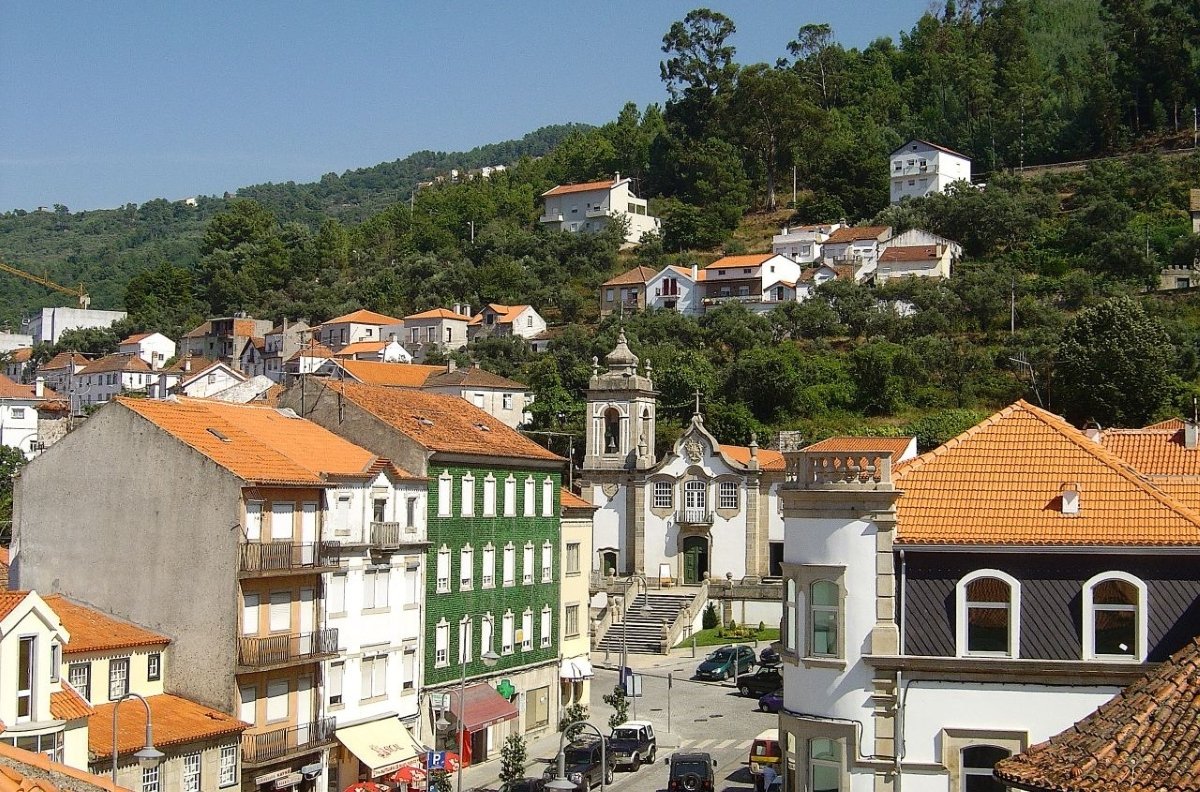
Set against the dramatic backdrop of Portugal’s Serra da Estrela mountains, Seia has long been associated with granite villages, mountain traditions, and crisp alpine air. But today, something more interesting is happening here. Beneath its slow rhythms and historic streets, Seia is steadily positioning itself as one of Portugal’s emerging models for sustainable tourism, environmental innovation, and responsible regional development.
This is not the language of hype-driven “smart cities.” Seia’s transformation feels more grounded than that. More human. Here, sustainability is not presented as a trend, but as a practical relationship between technology, local identity, renewable energy, and landscape preservation.
For travelers increasingly searching for destinations that combine authenticity with forward-thinking values, Seia may quietly become one of Europe’s most compelling discoveries.
Quick Overview
Located in central Portugal near the highest mountains in mainland Portugal, Seia serves as one of the main gateways to the Serra da Estrela Natural Park.
Traditionally known for mountain culture, cheese production, and nature tourism, the city has recently gained growing recognition for sustainability-focused initiatives, renewable energy integration, eco-conscious regional planning, and investment in digital innovation connected to rural development.
Rather than competing with Lisbon or Porto, Seia represents a different Portuguese future — one where smaller cities become laboratories for sustainable living and mindful travel experiences.
The result is a destination where visitors can experience mountain landscapes, local gastronomy, green mobility projects, eco-tourism, and community-driven innovation within a calm and deeply authentic environment.
Things to Do
Explore Serra da Estrela Natural Park
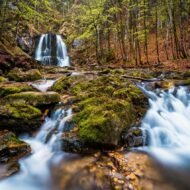
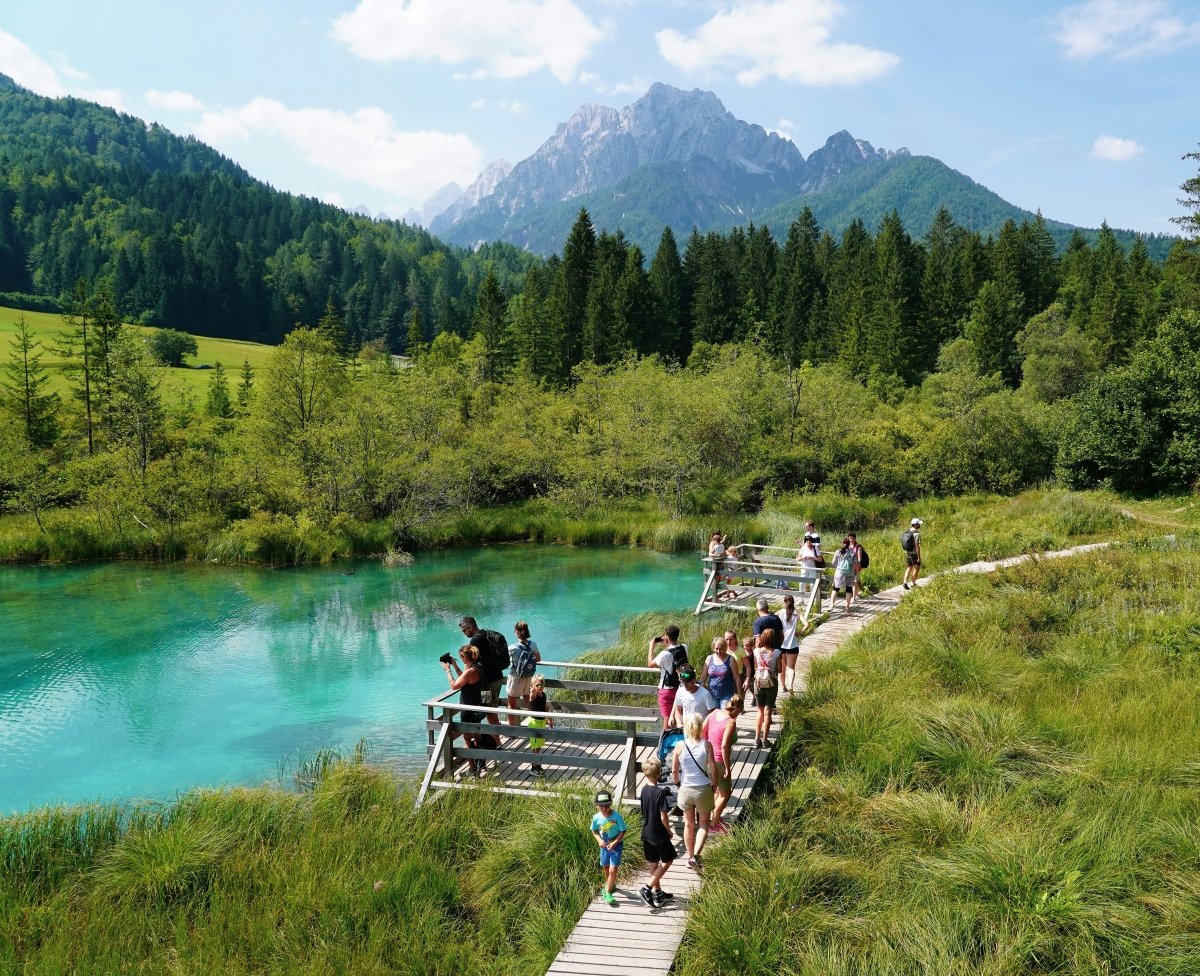
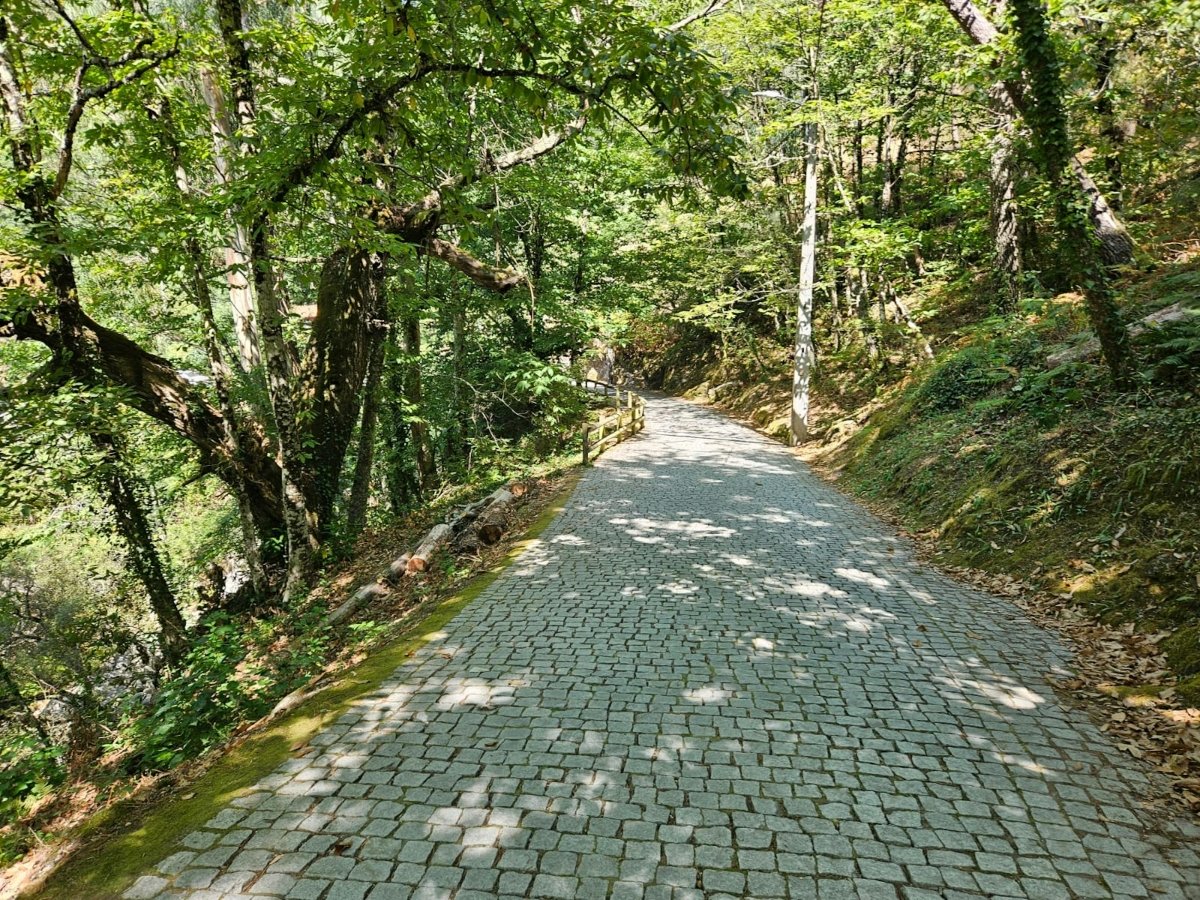
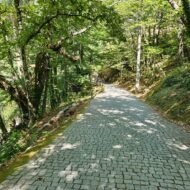
The surrounding mountains remain Seia’s greatest natural asset. Hiking trails, glacial valleys, river beaches, and panoramic roads offer some of Portugal’s most rewarding outdoor experiences throughout the year.
In winter, the Serra da Estrela transforms into the country’s only ski region, while warmer months invite slow scenic drives through traditional stone villages and forested landscapes.
Visit the Bread Museum
Museu do Pão is one of Portugal’s most distinctive cultural museums, dedicated entirely to the history and traditions of bread-making. The experience reflects Seia’s broader philosophy: preserving heritage while adapting thoughtfully to modern tourism.
Discover Sustainable Rural Tourism
Across the region, restored farmhouses, eco-lodges, and boutique mountain stays increasingly prioritize renewable energy, local sourcing, and low-impact hospitality models.
Travelers are not simply passing through Seia — they are participating in a slower, more conscious way of experiencing Portugal.
Experience Portugal Beyond the Coast
For years, international tourism in Portugal focused heavily on Lisbon, Porto, and the Algarve. Seia offers something different: inland Portugal shaped by landscape, craftsmanship, biodiversity, and sustainability rather than overtourism.
It is precisely this balance that increasingly attracts remote workers, eco-conscious travelers, and long-stay visitors searching for depth rather than speed.
Sustainability & Innovation
Seia has become increasingly associated with environmentally conscious regional development. Local initiatives have focused on sustainable mobility, nature preservation, renewable energy awareness, and strengthening rural economies through innovation rather than mass expansion.
What makes Seia particularly interesting is its scale. Unlike larger cities where sustainability often becomes abstract branding, here its impact is tangible. Local businesses, tourism operators, and community projects remain closely connected to the surrounding natural environment.
This creates a travel experience that feels coherent rather than curated.
The city’s growing recognition in sustainability circles reflects a broader European shift: smaller destinations are becoming central to conversations about climate resilience, slow tourism, and regional innovation.
Where to Stay
Casa das Obras
A refined mountain retreat surrounded by nature, ideal for travelers seeking calm design, sustainability, and access to Serra da Estrela’s landscapes.
Luna Hotel Serra da Estrela
A contemporary mountain hotel offering comfortable access to hiking, winter activities, and eco-tourism experiences in the region.
Chão do Rio
An eco-focused rural tourism property known for sustainable architecture, local integration, and immersive nature experiences near Seia.
Best Tours
Serra da Estrela Eco Tours
Guided nature excursions explore glacial valleys, mountain ecosystems, and traditional villages while highlighting conservation and sustainable regional practices.
Sustainable Gastronomy Experiences
Travelers can discover local cheese producers, organic farms, and traditional food artisans helping preserve the culinary identity of inland Portugal.
Scenic Road Trips Through Central Portugal
Private or small-group tours connecting Seia with nearby mountain villages provide a slower, more immersive alternative to Portugal’s mainstream tourist circuits.
Travel Tips
- Visit during autumn for mountain colors and quieter trails.
- Winter brings snow tourism and dramatic alpine scenery.
- Renting a car allows deeper access to villages and natural viewpoints.
- Support local businesses and family-run accommodations whenever possible.
- Combine Seia with nearby historic villages for a broader central Portugal itinerary.
- Temperatures in Serra da Estrela can change rapidly, even outside winter months.
Explore More
The future of travel may not belong exclusively to major capitals or crowded coastlines. Increasingly, it belongs to places like Seia — destinations that understand sustainability not as marketing, but as identity.
Here, technology and tradition are not competing forces. They coexist quietly between mountains, forests, renewable ideas, and communities still connected to the land around them.
For travelers searching for Europe beyond overtourism, Seia offers something increasingly valuable: a vision of travel that feels both modern and deeply rooted.