

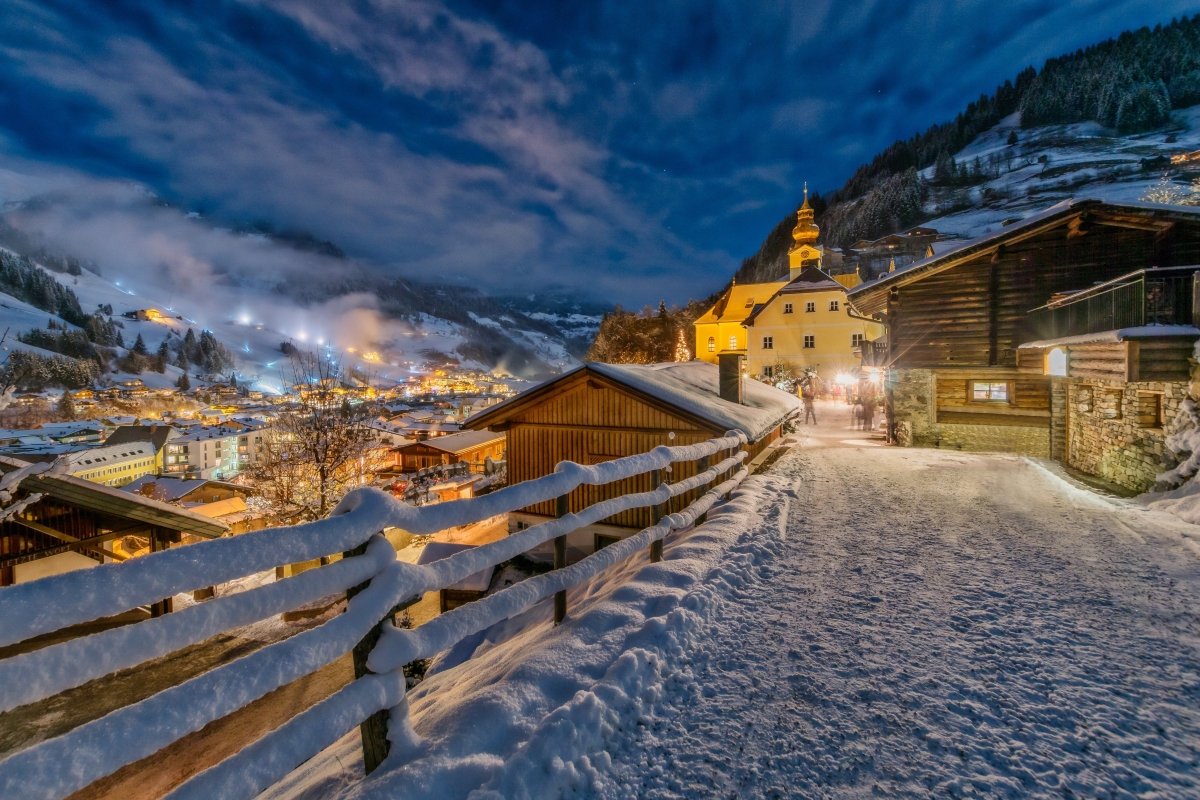
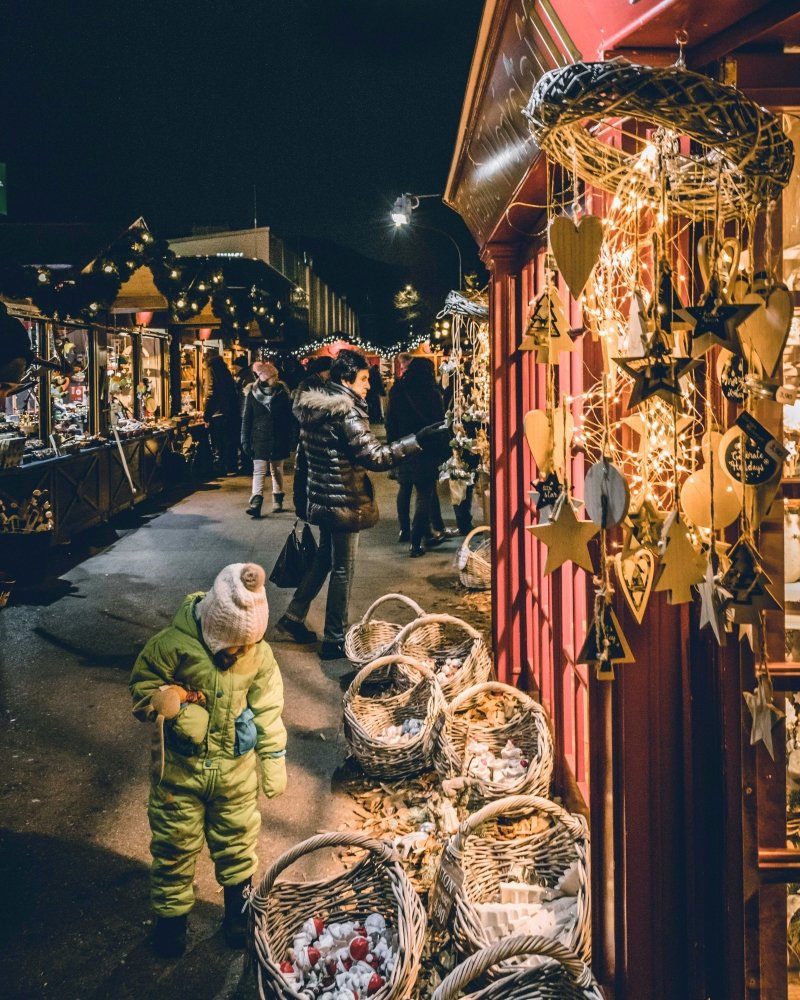
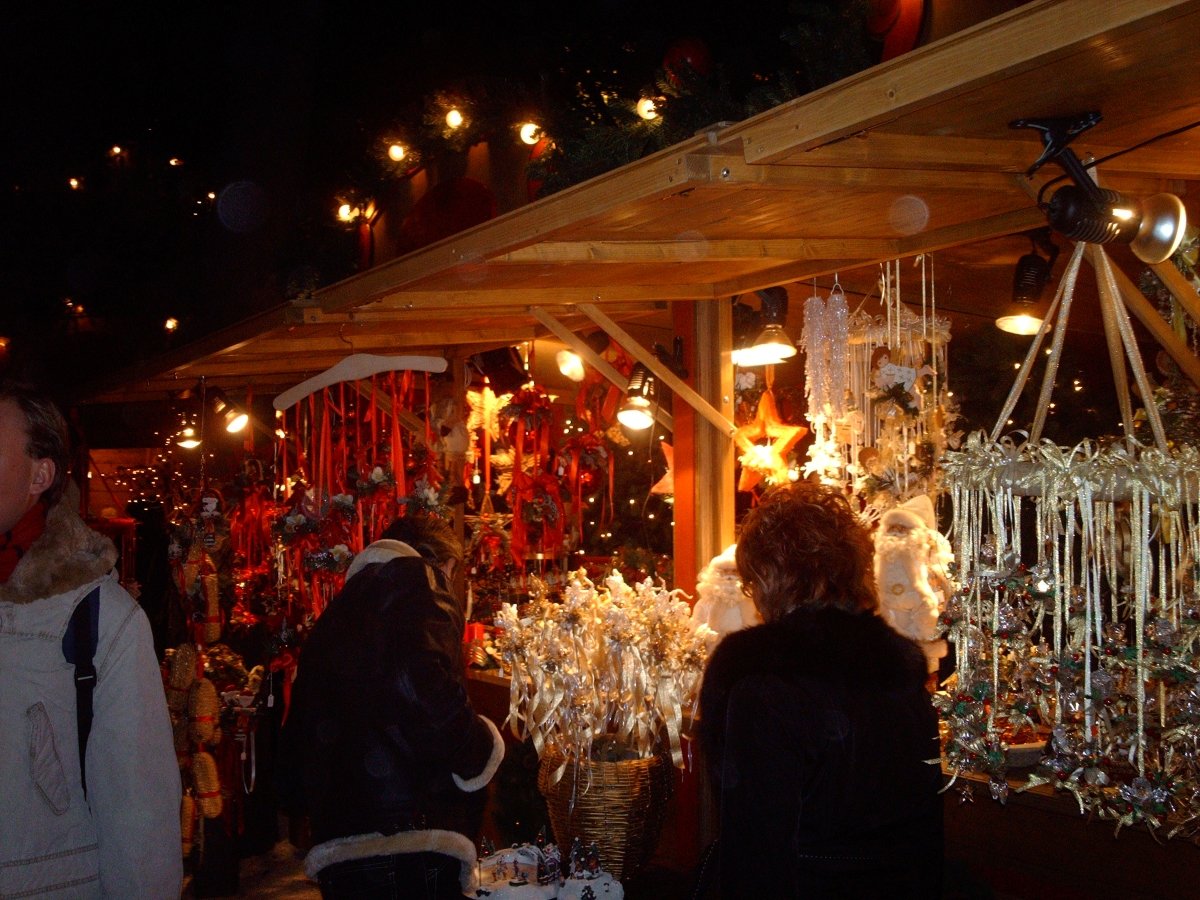
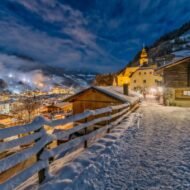
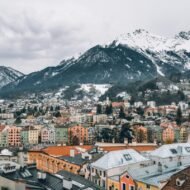
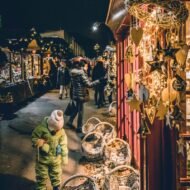
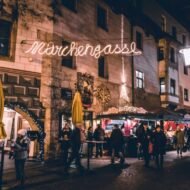
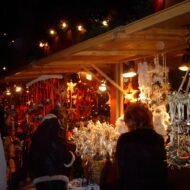
Picture this: snowflakes dancing in the glow of twinkling lights, the smell of roasted chestnuts mixing with mulled wine in the crisp mountain air, and the sound of church bells echoing across medieval squares. Welcome to Alpine Christmas markets, where centuries-old traditions meet jaw-dropping mountain scenery.
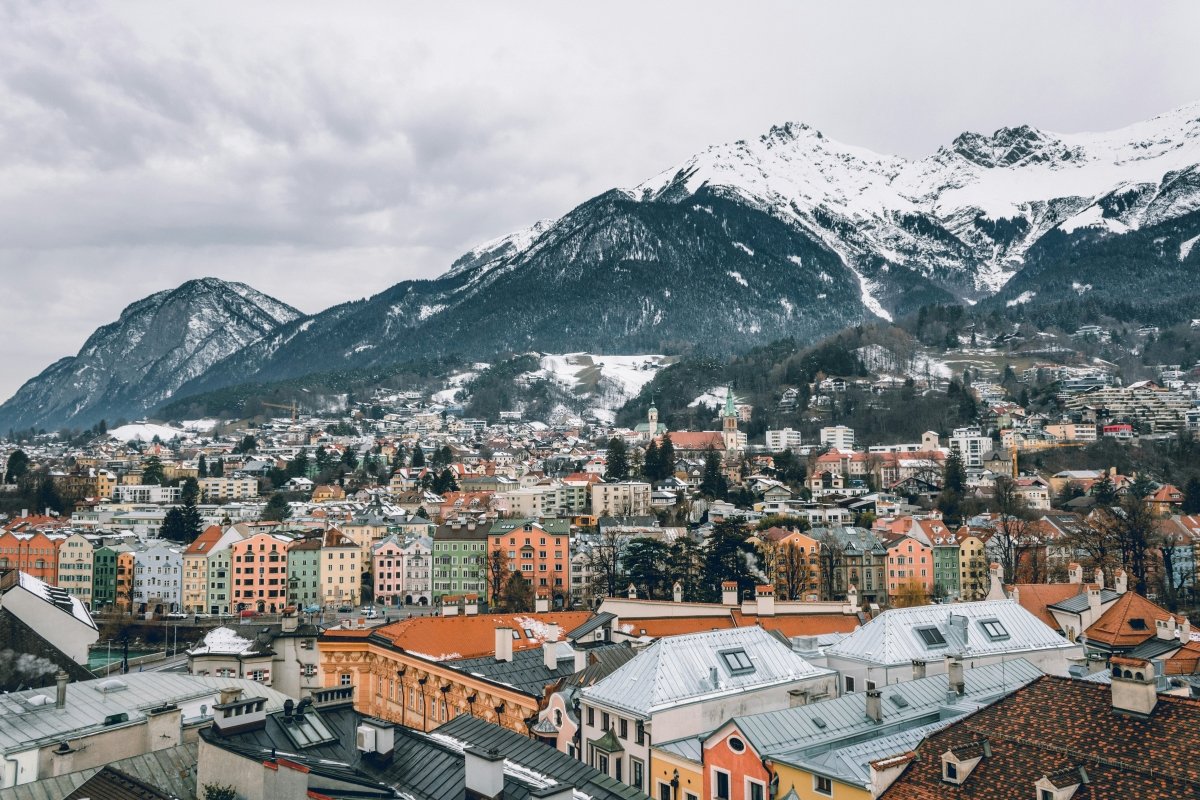
- 1. Innsbruck, Austria: Where Mountains Meet Market Magic
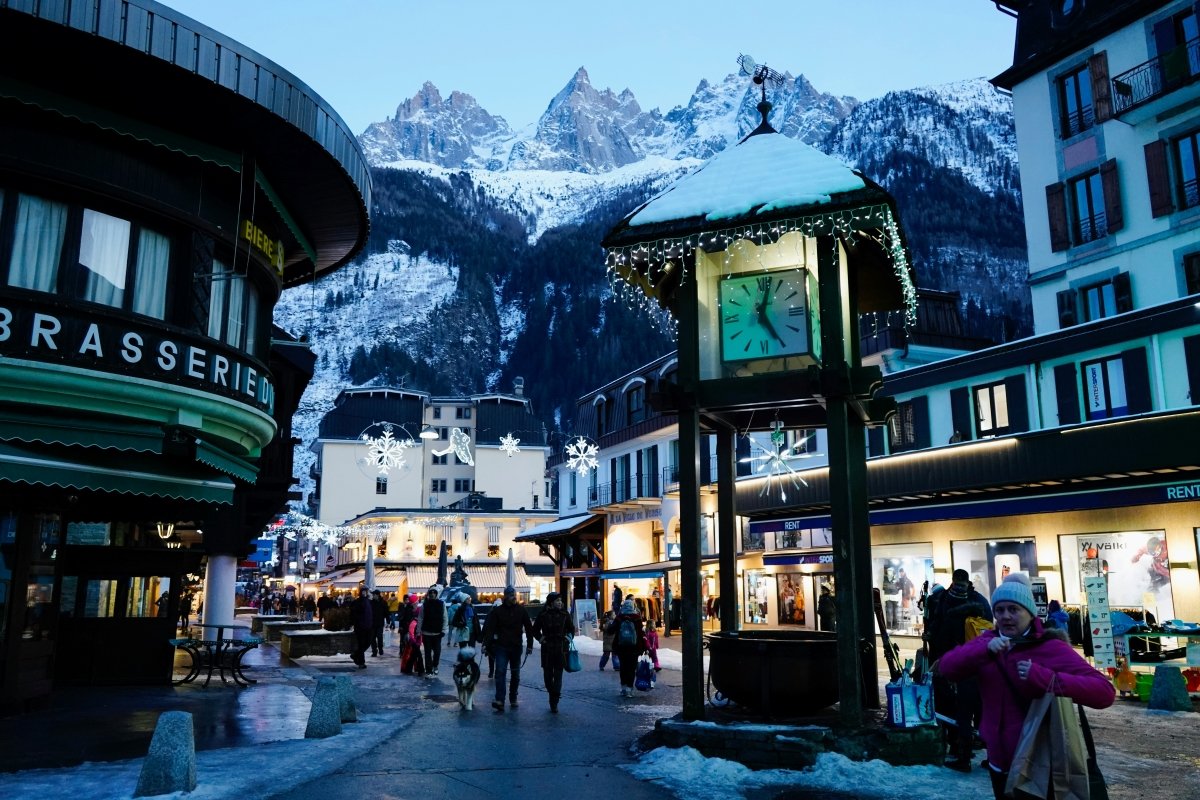
- 2. Chamonix, France: Alpine Chic Meets Festive Tradition
- 3. Salzburg, Austria: Sound of Music Meets Christmas Spirit
- 4. Bolzano (Bozen), Italy: Where Italian Warmth Meets Alpine Tradition
- 5. Colmar, France: Fairytale France with Alpine Access
- Final Thoughts: Making Your Alpine Christmas Market Adventure Unforgable
If you’re planning your winter escape and searching for the perfect blend of festive cheer, outdoor adventure, and cultural immersion, you’ve hit the jackpot. These five Alpine destinations aren’t just about browsing wooden stalls—they’re about experiencing Christmas the way it was meant to be celebrated.
1. Innsbruck, Austria: Where Mountains Meet Market Magic
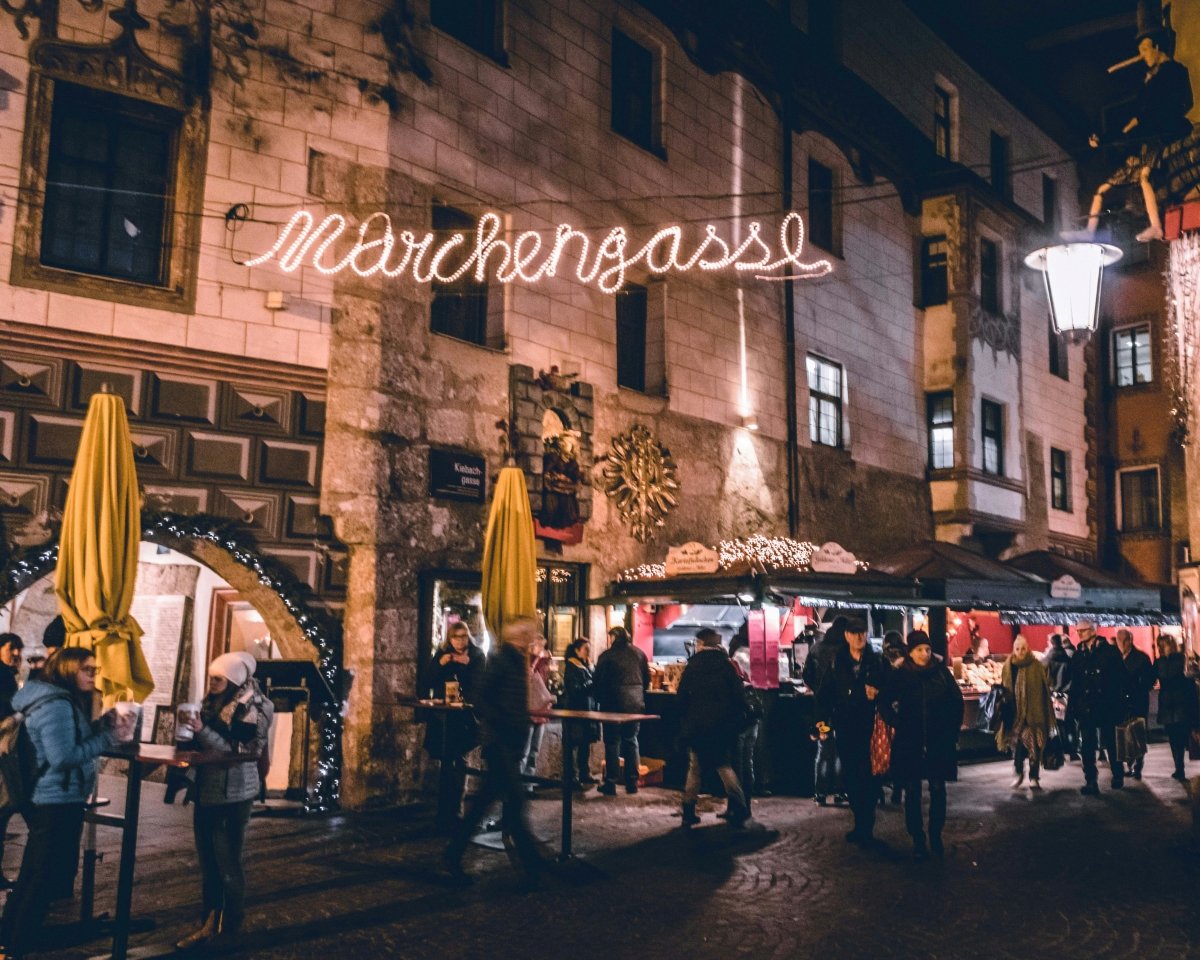
Situated between towering peaks in the Tyrolean Alps, Innsbruck serves up Christmas market vibes with a side of world-class skiing. The Old Town transforms into something straight out of a snow globe, with six different markets scattered throughout the historic center.
What Makes It Special: The Golden Roof (Goldenes Dachl) provides a stunning backdrop to the main market, where over 70 stalls sell everything from hand-carved nativity scenes to sheepskin slippers. The local tradition of “Krampuslauf”—where devil-like creatures parade through the streets in early December—adds a delightfully spooky twist to the usual festive cheer.
Hit the Slopes: You’re literally minutes from nine ski areas. Nordkette is accessible via funicular right from the city center, offering intermediate runs with unbeatable views. Day passes run around €50-60, and you can ski in the morning and browse markets by afternoon.
Budget Breakdown:
- Mulled wine (Glühwein): €4-5
- Traditional meal: €12-18
- Accommodation: €80-150/night (book early for better deals)
- Combined ski pass + market hopping day: €70-80
Don’t Miss: The Christmas concerts at the Hofburg Imperial Palace and the children’s market with real-deal carousel rides. Try “Kiachln,” fried dough pastries dusted with powdered sugar that’ll ruin your diet in the best way possible.
Practical Info: Markets typically run late November through December 23rd. The free Sightseer bus connects major markets. English is widely spoken, and contactless payment works everywhere.
2. Chamonix, France: Alpine Chic Meets Festive Tradition
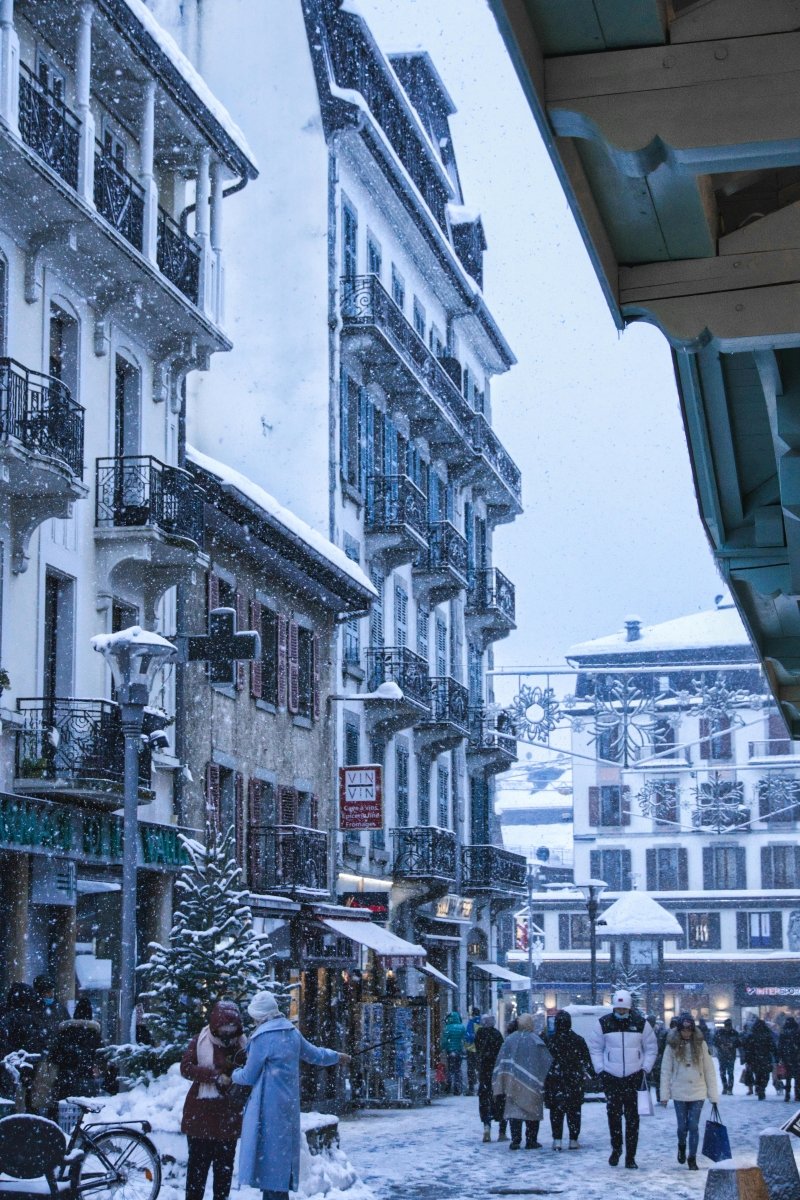
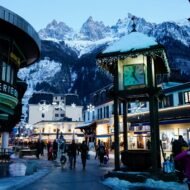
Sitting in the shadow of Mont Blanc—Western Europe’s highest peak—Chamonix brings French sophistication to the Christmas market game. This isn’t your grandmother’s Christmas fair; it’s where mountaineers, luxury travelers, and tradition-seekers collide.
What Makes It Special: The market runs along the pedestrianized center with the Alps providing the most dramatic backdrop imaginable. Local artisans sell Savoyard specialties, and the vibe is decidedly more refined than typical markets, with jazz performances and contemporary light installations alongside traditional chalets.
Hit the Slopes: Chamonix is legendary for expert terrain, but don’t worry—beginners and intermediates have options too. Le Brévent offers gentler slopes with incredible views. Mont Blanc Unlimited pass costs around €70/day but accesses multiple areas. Consider a multi-day pass for better value.
Budget Breakdown:
- Vin chaud (French mulled wine): €5-7
- Raclette or tartiflette meal: €15-22
- Accommodation: €100-200/night (hostels available for €40-60)
- Ski + market day: €90-110
Cultural Highlights: French Alpine culture shines through in the food. Grab raclette (melted cheese scraped over potatoes), tartiflette (potato gratin with reblochon cheese), or diots (local sausages). The Christmas Eve “Réveillon” tradition sees families gathering for elaborate midnight feasts.
Don’t Miss: Take the Aiguille du Midi cable car (even non-skiers should do this) for panoramic views that’ll make your Instagram followers weep with envy. December markets feature local honey, mountain herbs, and hand-knitted items from regional producers.
Practical Info: Markets run early December through late December. Parking fills fast—use the free shuttle buses. Many vendors speak English, though a few French phrases go far.
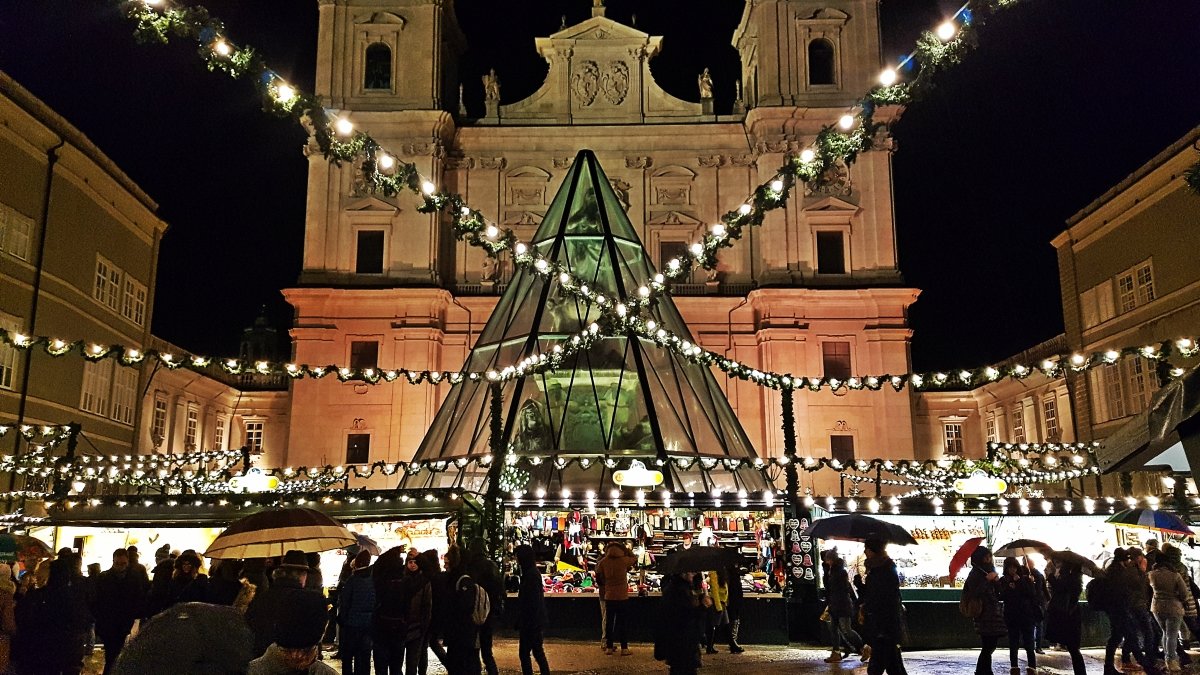
3. Salzburg, Austria: Sound of Music Meets Christmas Spirit
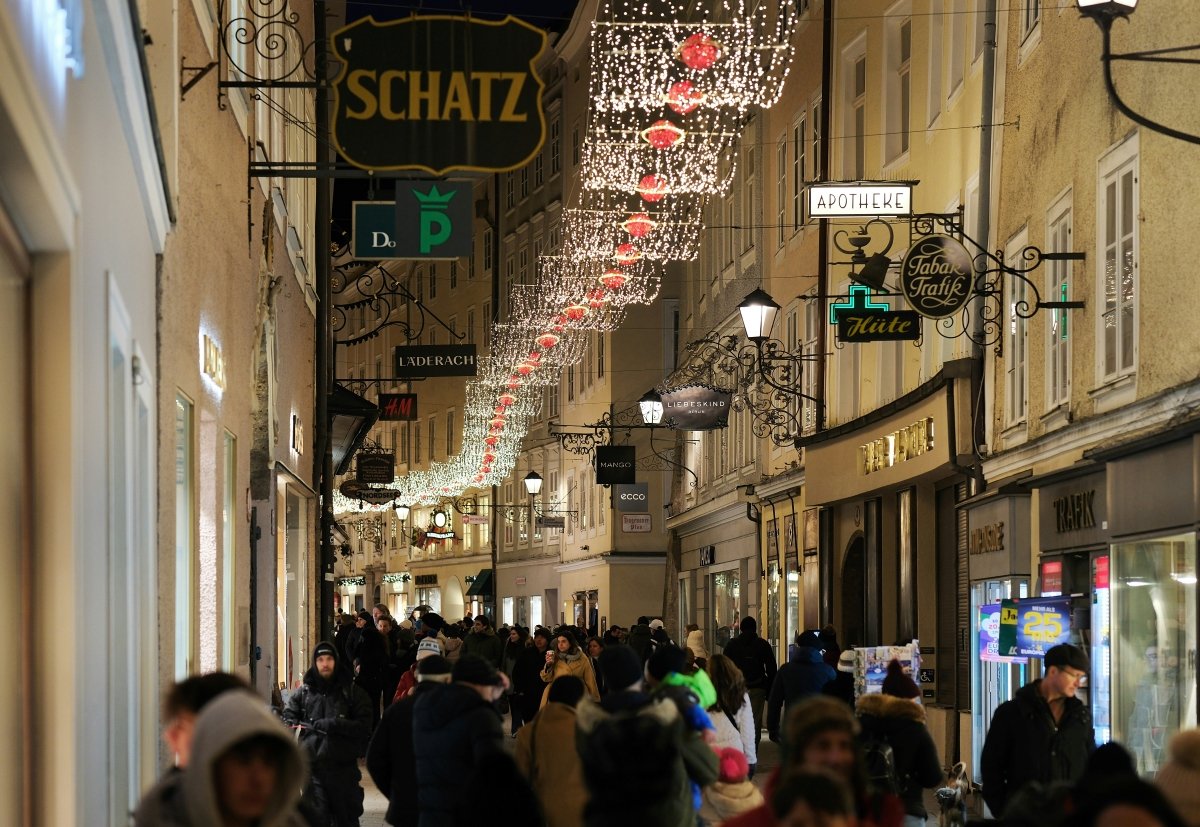
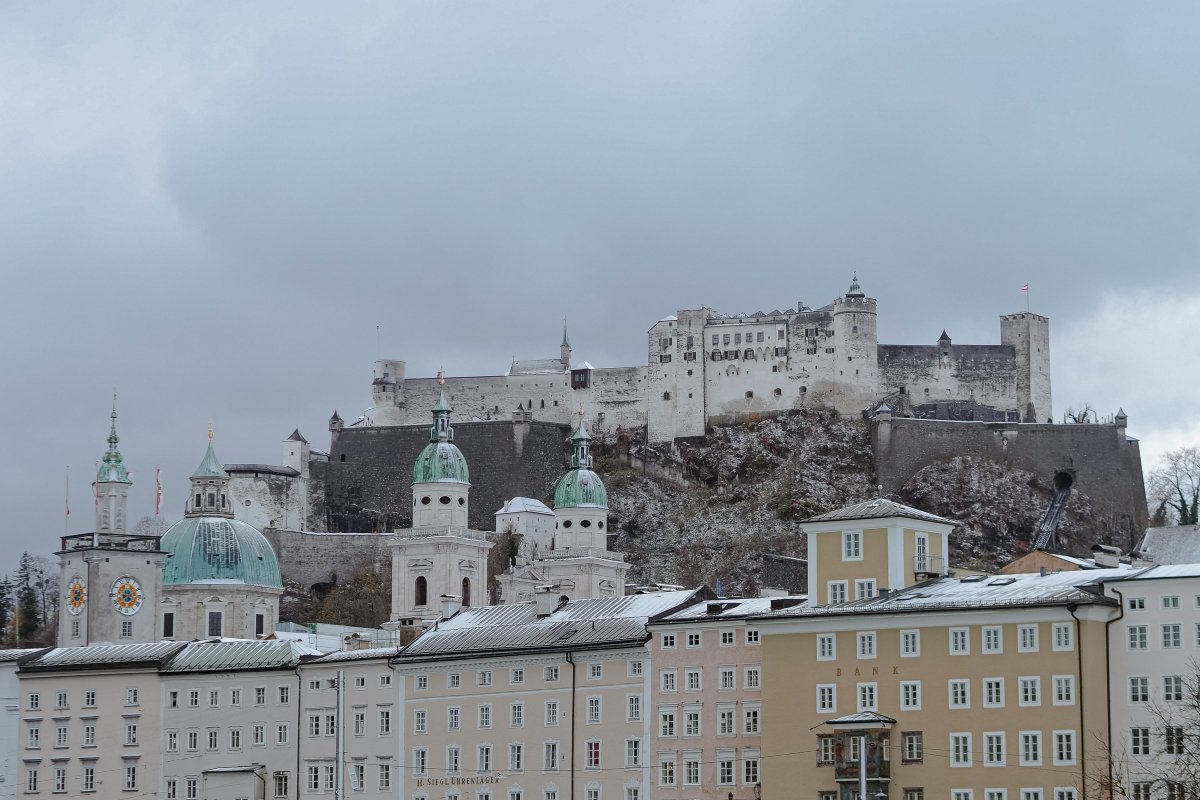
Mozart’s birthplace cranks up the festive volume with markets that blend baroque architecture, musical heritage, and serious Christmas dedication. This UNESCO World Heritage city doesn’t just celebrate Christmas—it performs it.
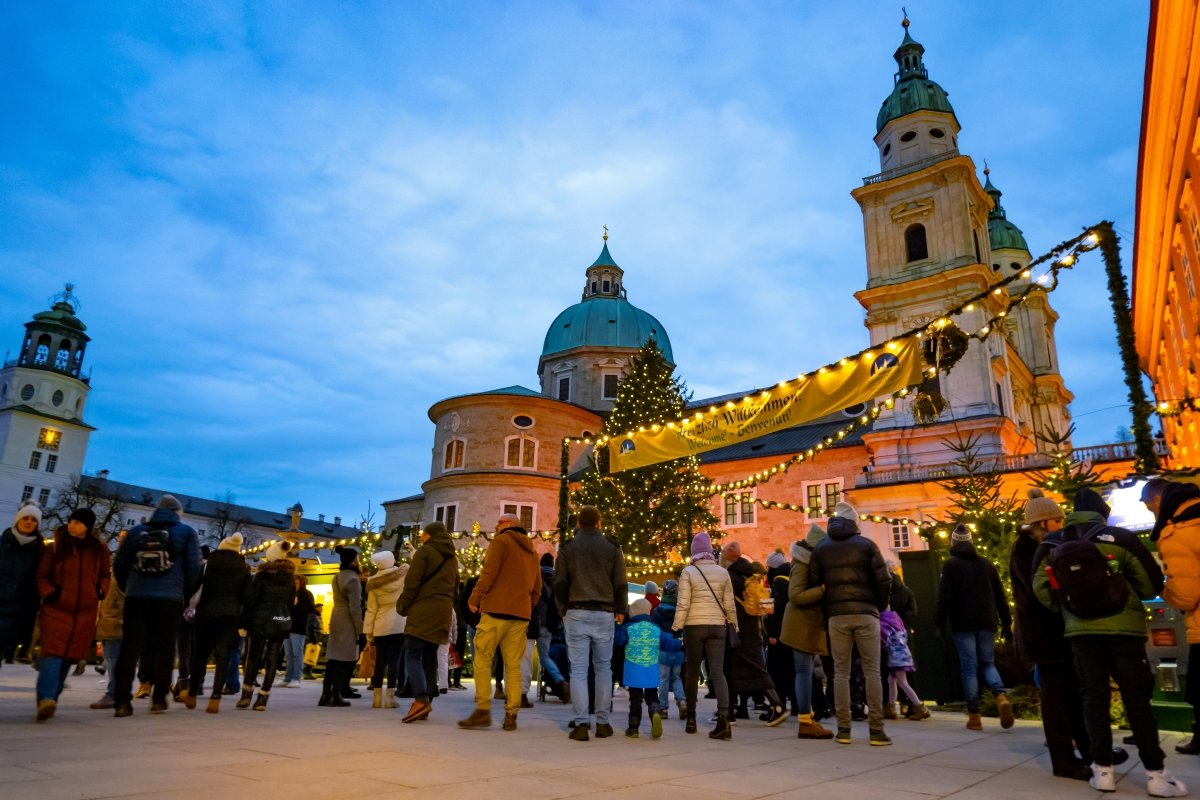
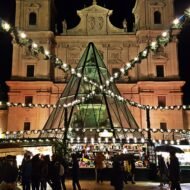
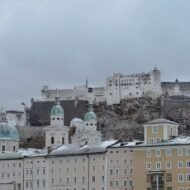
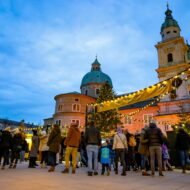
What Makes It Special: Five markets operate throughout the city, with the main Cathedral Square market featuring a massive Advent calendar on the Residence building. Every evening at 5:30 PM, a window opens with live music or theater—utterly charming and totally free. The fortress looming overhead adds medieval drama to every gingerbread purchase.
Hit the Slopes: While Salzburg itself is a city, you’re 30 minutes from excellent skiing. Ski Amadé (one of Europe’s largest ski areas) offers 760km of slopes. The Gaisberg area provides quick access for half-day trips. Day passes around €55-65.
Budget Breakdown:
- Punsch (Austrian punch): €4-5
- Bosna (spiced sausage) or traditional meal: €10-16
- Accommodation: €90-180/night
- Day trip with skiing + market evening: €75-85
Cultural Depth: Salzburg takes Christmas music seriously. The Salzburg Advent Singing performances combine traditional folk songs with alpine horns in stunning venues. The Stille Nacht (Silent Night) trail celebrates the famous carol’s origins—it was first performed nearby in Oberndorf.
Food Focus: Beyond the usual market fare, try “Lebkuchen” (spiced gingerbread), “Mozartkugel” (chocolate balls—Mozart-branded, naturally), and “Kasnocken” (cheese dumplings) for something heartier. The “Bosna” sausage stands are local legends.
Don’t Miss: The Hellbrunn Advent Market combines Christmas cheer with palace grounds and magical light displays. Book ahead for the Fortress Advent concerts—intimate performances in candlelit medieval halls.
Practical Info: Markets run mid-November through January 6th (Epiphany). Get the Salzburg Card for free public transport and museum entry. Most markets stay open until 8-9 PM.
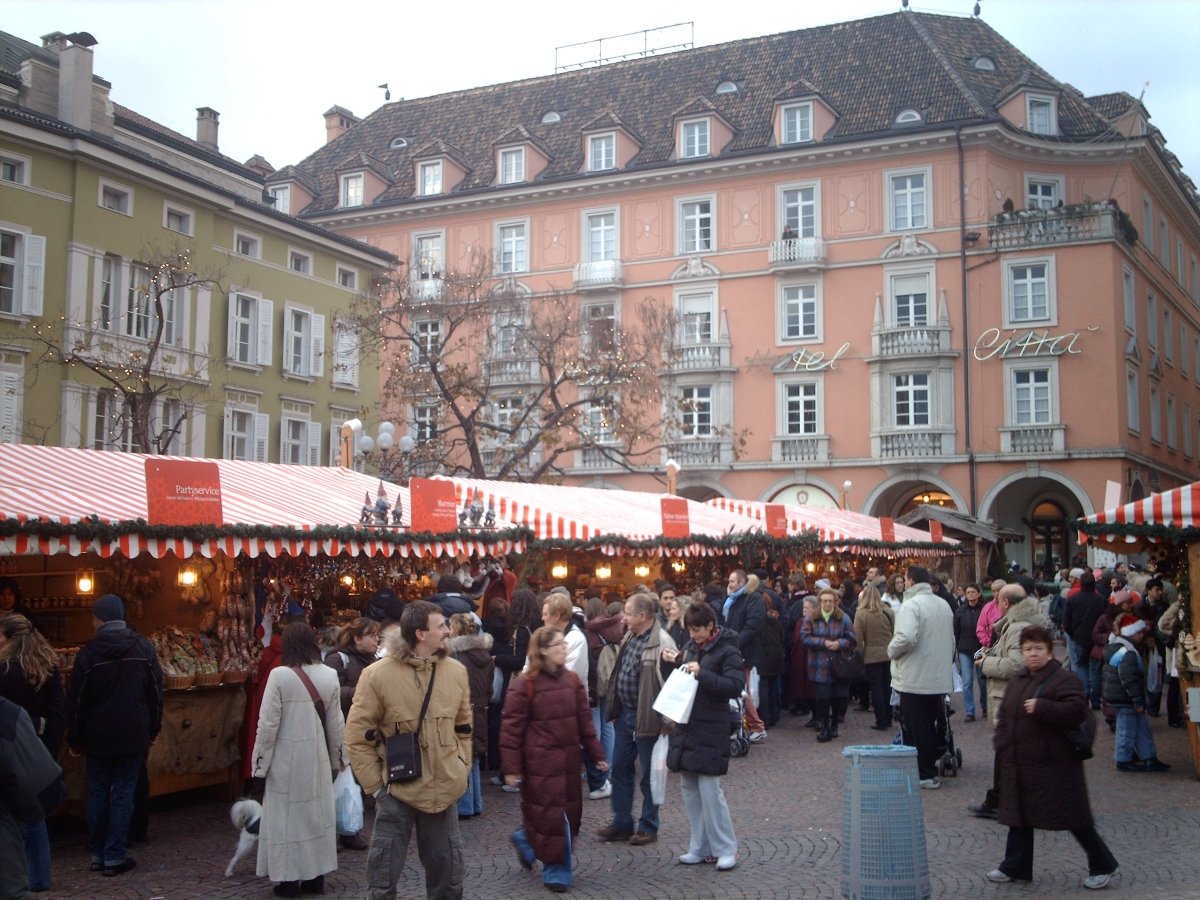
4. Bolzano (Bozen), Italy: Where Italian Warmth Meets Alpine Tradition
Located in South Tyrol where Italy bumps into Austria, Bolzano delivers a unique bilingual, bicultural Christmas experience. Think Italian hospitality with German efficiency, plus Ladin mountain culture thrown in for good measure.
What Makes It Special: Set against the dramatic Dolomites, this market blends Tyrolean wooden crafts with Italian design sensibility. The stalls are arranged in themed sections—food, crafts, gifts—making shopping actually efficient. The historic arcades provide shelter when weather turns, and the Italian approach means excellent coffee and seriously good food.
Hit the Slopes: The Dolomiti Superski pass (€65-75/day) accesses legendary ski terrain including Cortina d’Ampezzo and Val Gardena. Closer to Bolzano, the Alpe di Siusi offers gentler, scenic runs perfect for intermediate skiers, with postcard-worthy mountain huts serving lunch.
Budget Breakdown:
- Glühwein or vin brulé: €4-6
- Speck (cured ham) plate or canederli: €10-14
- Accommodation: €70-140/night
- Ski + market day: €85-95
Cultural Fusion: You’ll hear German, Italian, and Ladin spoken throughout the market. This tri-cultural heritage shows up everywhere—from bilingual signage to food combining Austrian and Italian influences. The result? You get strüdel alongside panettone, speck with polenta, and Tyrolean bands playing in Italian piazzas.
Food Highlights: “Zelten” (fruitcake loaded with dried fruits and nuts), “Canederli” (bread dumplings), and “Reiberdatschi” (potato pancakes) represent the local fusion cuisine. The chestnuts here are phenomenal—roasted over open flames and served piping hot.
Don’t Miss: The South Tyrolean Museum of Archaeology houses Ötzi the Iceman, a 5,300-year-old mummy. After cultural enrichment, hit the Ritten Cable Car for mountain views and the traditional Christmas pyramid at Oberbozen.
Practical Info: Markets run late November through January 6th. Everything’s walkable. Euro accepted. English widely spoken alongside German and Italian.
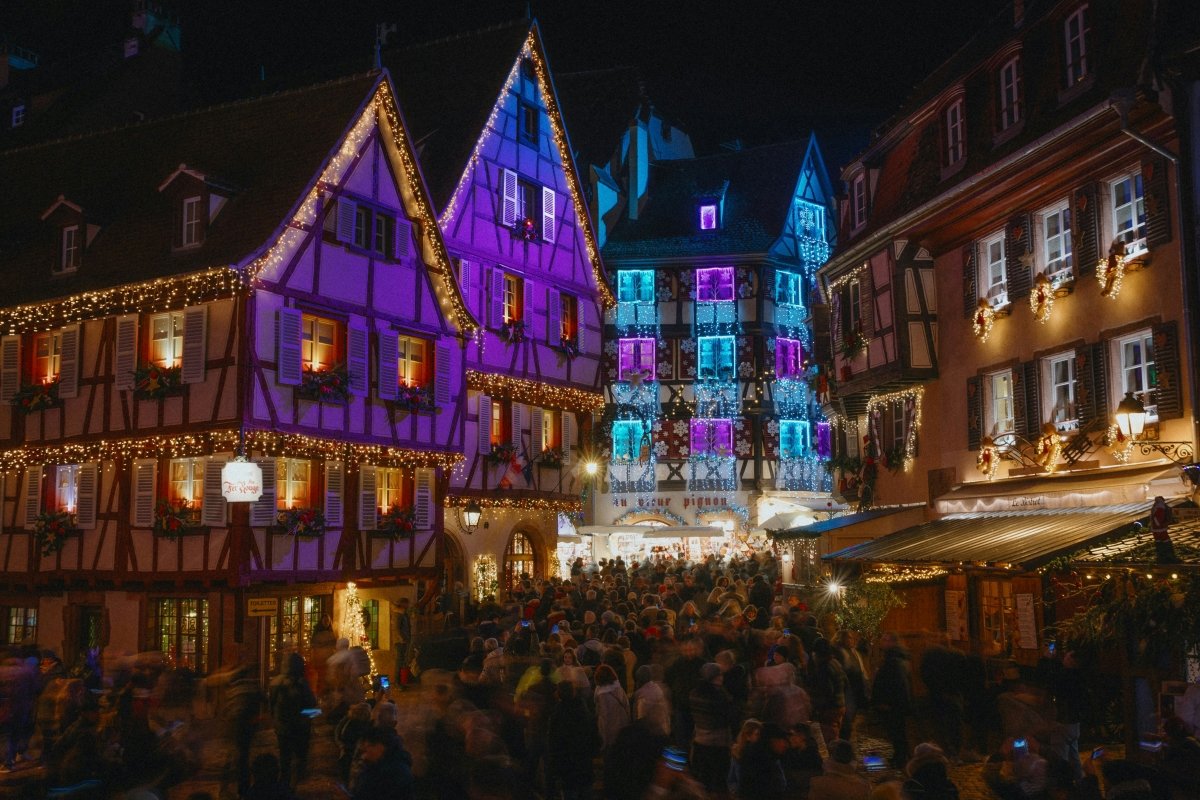
5. Colmar, France: Fairytale France with Alpine Access
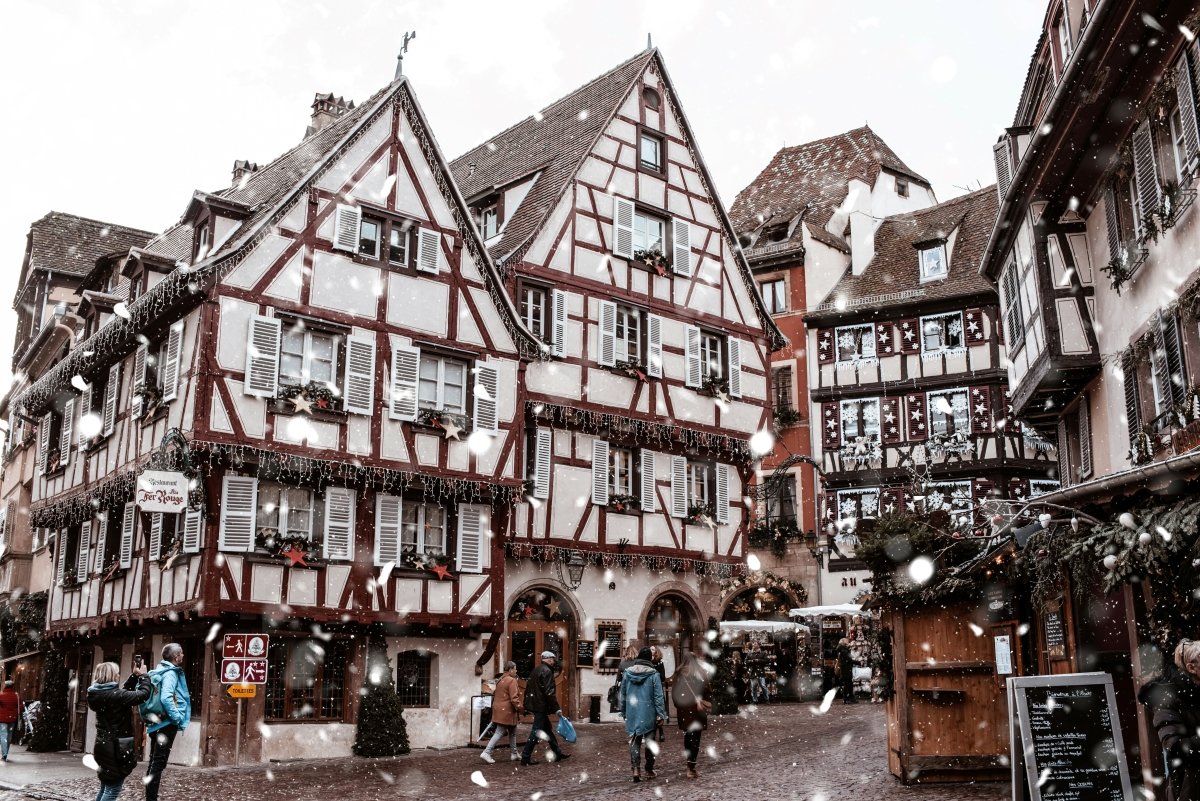
While technically in the Vosges foothills rather than the Alps proper, Colmar deserves inclusion for its proximity to both Alpine skiing and its reputation as one of Europe’s most enchanting Christmas destinations. Half-timbered houses, canals, and cobblestones create pure storybook magic.
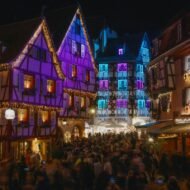
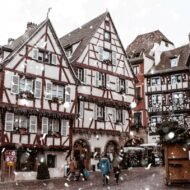
What Makes It Special: Six themed markets spread throughout the medieval center, each with distinct character. The covered market halls provide weather protection while maintaining atmosphere. The Alsatian architectural style—colorful half-timbered buildings with flower boxes—looks impossibly charming dusted with snow.
Hit the Slopes: You’re 45 minutes from Vosges skiing at Le Markstein or Lac Blanc, and 90 minutes from serious Alpine terrain in Switzerland. While not a ski-in/ski-out destination, you can absolutely combine slope time with market evenings. Vosges passes run €30-40/day—budget-friendly compared to major Alpine resorts.
Budget Breakdown:
- Vin chaud: €4-5
- Tarte flambée or choucroute: €12-18
- Accommodation: €80-150/night
- Day trip skiing + market evening: €60-75
Alsatian Culture: This region ping-ponged between France and Germany throughout history, creating a unique cultural blend. The dialect, architecture, and especially the food reflect both influences. December 6th brings St. Nicholas Day celebrations with parades and special treats for children.
Food Scene: “Bredele” (traditional Christmas cookies—dozens of varieties), “Tarte flambée” (thin-crust pizza-like dish), “Choucroute garnie” (sauerkraut with meats), and “Pain d’épices” (spiced bread) represent Alsatian Christmas cuisine. The local wines—Riesling, Gewürztraminer—pair perfectly with market snacks.
Don’t Miss: The illuminated boat tours through Little Venice district offer a unique perspective on the decorations. The Unterlinden Museum houses the Isenheim Altarpiece, and multiple markets mean you can explore different neighborhoods each evening.
Practical Info: Markets run late November through December 30th. Colmar is compact and walkable. Consider staying here as a base for exploring other Alsatian villages like Riquewihr and Eguisheim, which host their own charming markets.
Final Thoughts: Making Your Alpine Christmas Market Adventure Unforgable
Here’s the thing about Alpine Christmas markets—they’re not just tourist attractions. They’re living traditions where communities gather, ancient customs continue, and the mountains themselves seem to participate in the celebration. Whether you’re carving down pristine slopes by day and warming up with glühwein by night, or simply soaking in centuries of culture while children giggle at puppet shows, you’re experiencing something genuinely special.
The beauty of these five destinations is their variety. Want hardcore skiing with festive evenings? Head to Chamonix or Innsbruck. Craving cultural depth? Salzburg and Colmar deliver in spades. Looking for unique cross-cultural experiences? Bolzano’s tri-cultural identity offers something different from typical Christmas markets.
Pro Tips for Your Trip:
Pack layers (seriously—market browsing requires warmth, but ski lodges get toasty). Book accommodation early—December fills fast across all these destinations. Consider visiting early December for smaller crowds while everything’s still in full swing. Many markets close Christmas Eve through December 26th, so plan accordingly.
If you’re traveling with mixed abilities or interests, these destinations work beautifully. Non-skiers have plenty to explore while others hit the slopes, and everyone reunites for market evenings. Accessibility varies by location, but most main markets accommodate wheelchairs and strollers, though cobblestones and winter weather present challenges.
The magic is real. The mountains, the traditions, the food, the warmth of strangers gathered around fire pits—it’s exactly what the holidays should feel like. Start planning now, because these Alpine Christmas markets book up faster than you can say “Frohe Weihnachten.”
Disclaimer: Prices mentioned reflect 2024-2025 estimates and vary based on exchange rates, inflation, and specific vendors. Market dates, events, and attractions occasionally change—always verify current information with official tourism boards before traveling. Skiing involves inherent risks; appropriate insurance and skill assessment recommended. Weather in Alpine regions can be unpredictable; pack accordingly and have backup plans. This article contains general travel information and doesn’t constitute professional advice for your specific circumstances. Some businesses mentioned may close unexpectedly or change operations. Always drink responsibly and never ski under the influence.