






Skip the crowded selfie spots and discover the Europe that locals actually live in
- Why Authentic Travel Matters More Than Ever
- Europe’s Hidden Neighborhoods Worth Getting Lost In
- Eating Like a Local: Beyond Restaurant Recommendations
- Transportation That Connects You to Real Life
- Cultural Immersion Without Tourist Theater
- Accommodation That Puts You in the Mix
- The Art of Slow Travel
- Making Connections That Last
- Planning Your Authentic European Adventure
- The Reality Check: Authentic Travel Isn’t Always Easy
You know that feeling when you’re standing in a sea of tourists, holding up your phone for the millionth Instagram shot of the Eiffel Tower, and thinking “there’s got to be more to this?” Well, you’re absolutely right. The real magic of Europe isn’t hiding behind velvet ropes or tourist information desks—it’s waiting in neighborhood bakeries, family-run trattorias, and conversations with strangers who become friends.
Why Authentic Travel Matters More Than Ever
Let’s be honest: cookie-cutter tourism is getting old. When every destination starts looking like every other destination (thanks, globalization), the places that maintain their unique character become precious gems. Authentic travel isn’t just about getting better photos for your social media—it’s about creating memories that actually stick, supporting local communities, and coming home with stories that make your friends lean in closer.
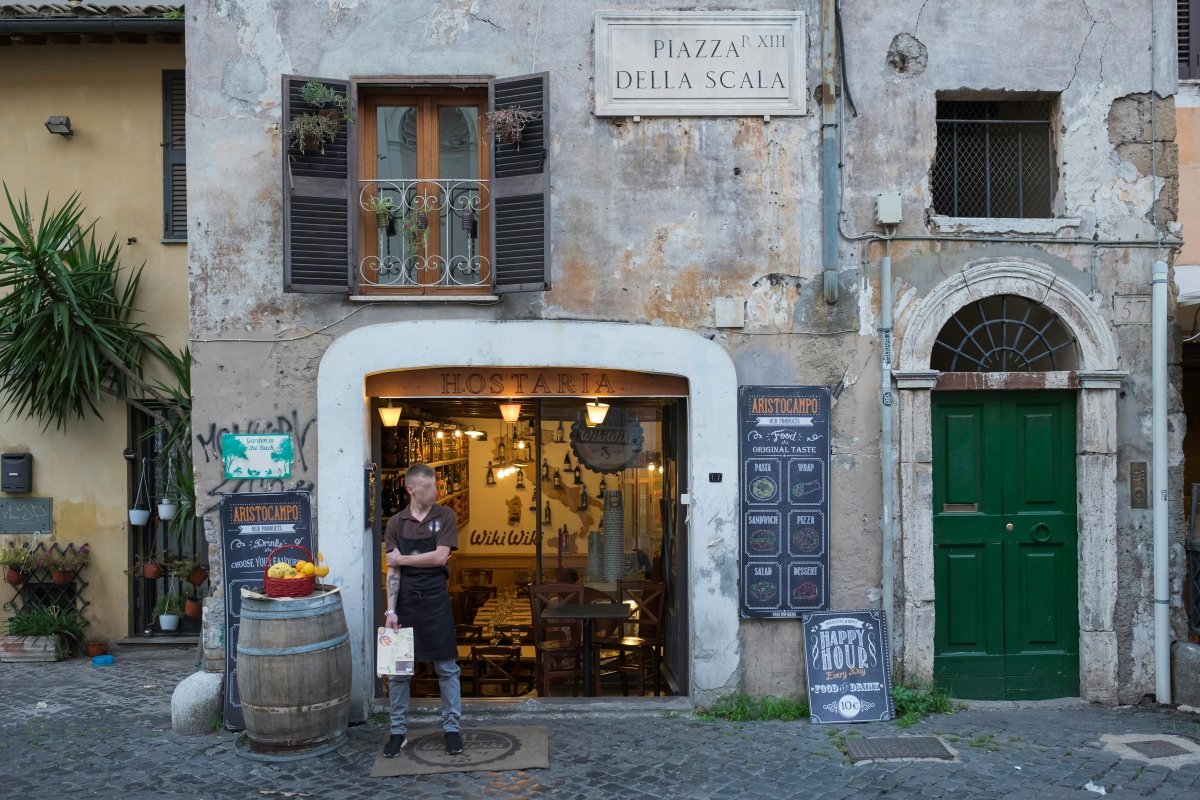
Plus, authentic experiences often cost less than tourist traps. That overpriced restaurant next to the Colosseum? Skip it. The family-owned osteria three blocks away serves better food at half the price, and you might end up chatting with the owner’s grandmother about her secret ragu recipe.
Europe’s Hidden Neighborhoods Worth Getting Lost In
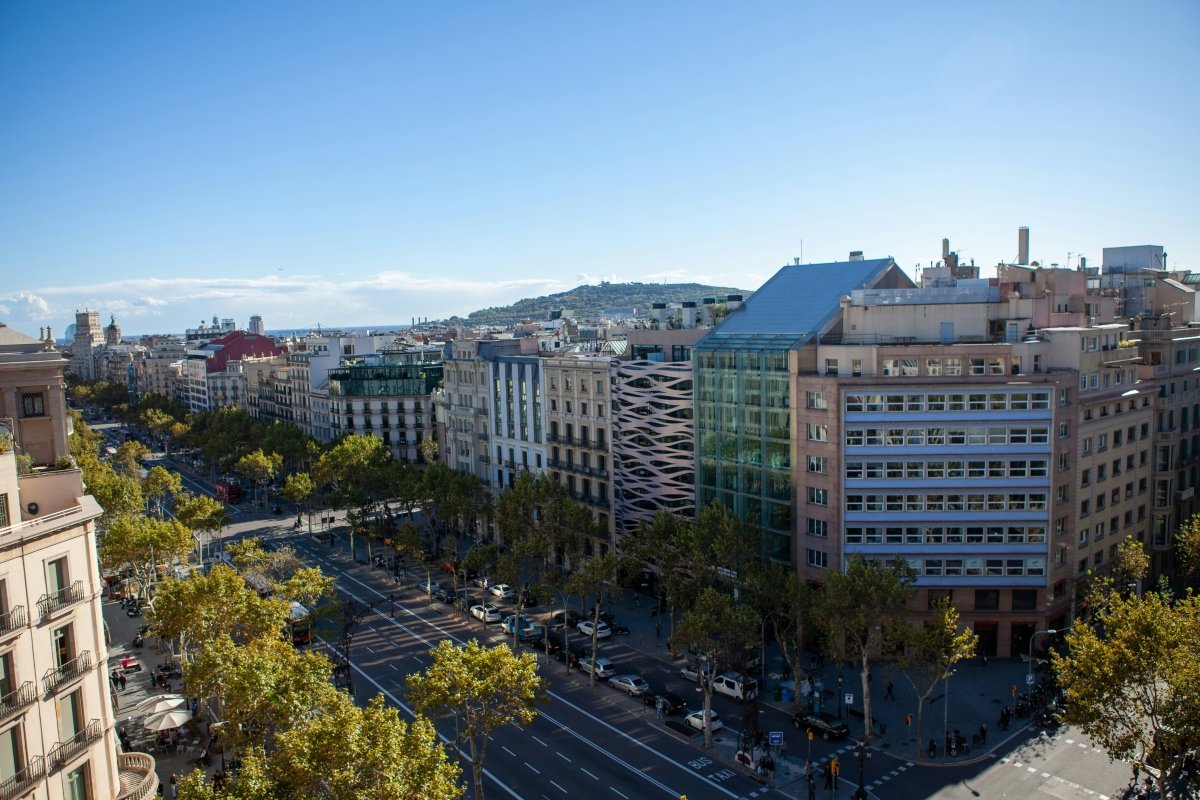
Barcelona’s Gràcia District Forget Las Ramblas—Gràcia is where Barcelona’s creative soul lives. This former independent village still feels like a small town, with tree-lined squares where locals gather for evening drinks and hole-in-the-wall tapas bars that don’t have English menus (which is exactly why you want to go there). The neighborhood’s annual festivals are legendary, and you’re more likely to hear Catalan than tourist chatter.
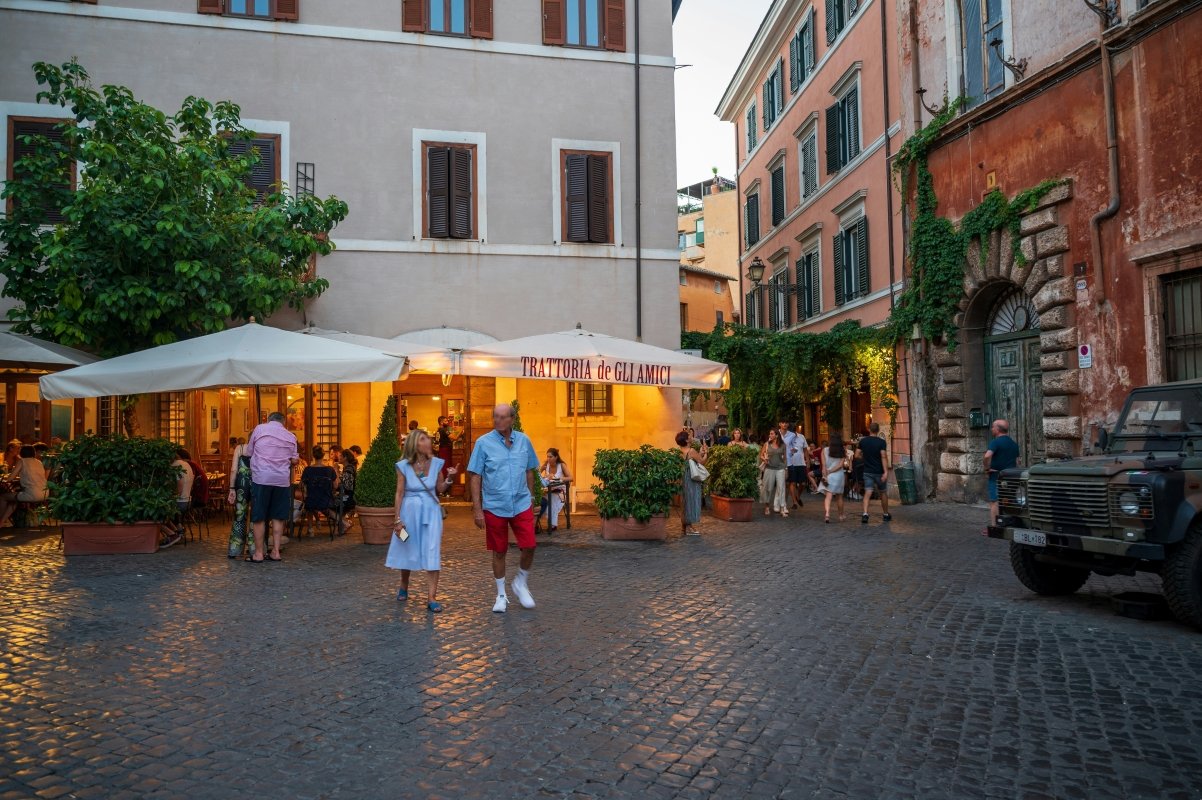
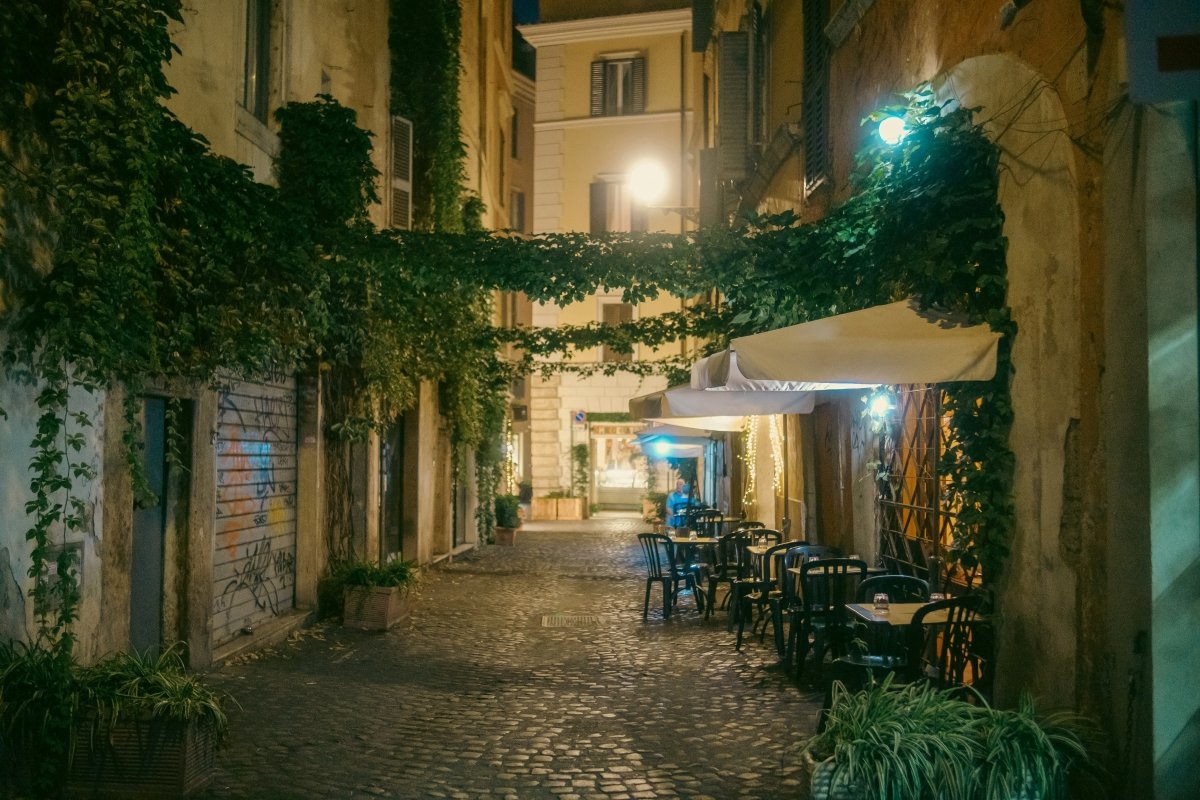
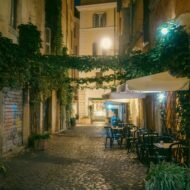
Rome’s Trastevere After Dark Sure, everyone knows about Trastevere, but most tourists visit during the day. Come back after 9 PM when the real magic happens. Locals emerge from their apartments, street musicians set up on corners, and the restaurants start serving the dishes they actually want to make—not just what’s safe for tourists. Try asking your server what they’d recommend to a friend.
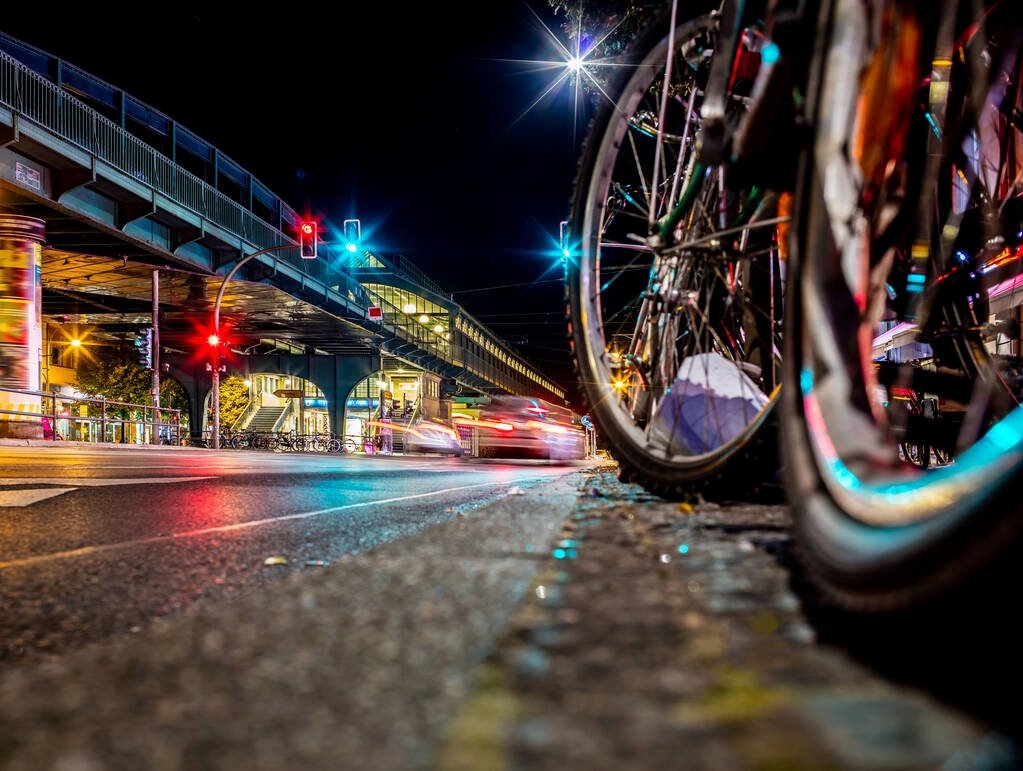
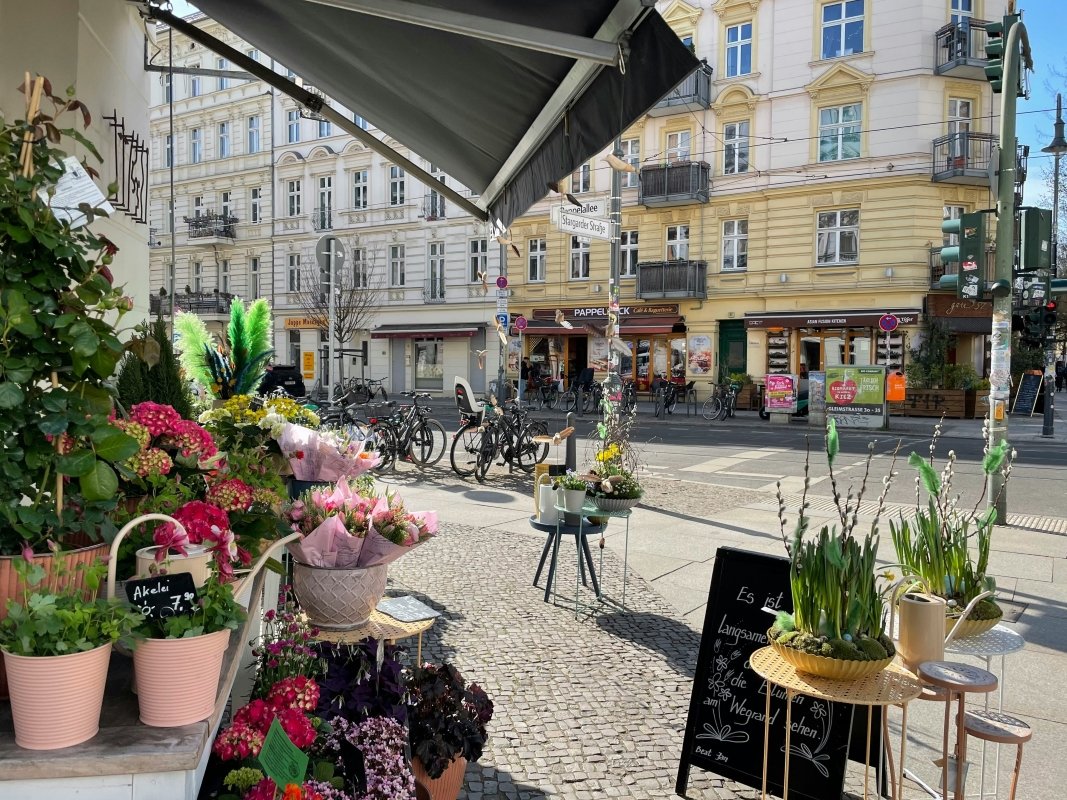
Berlin’s Prenzlauer Berg This former East Berlin neighborhood perfectly captures the city’s complex identity. Former squats sit next to trendy cafés, and you can still find bullet holes in building walls alongside cutting-edge art galleries. The Sunday flea market at Mauerpark isn’t just about shopping—it’s a weekly community celebration where you’ll hear conversations in six different languages.
Paris’s Belleville Montmartre gets all the attention, but Belleville is where Parisians actually hang out. This multicultural neighborhood climbs up a hill offering some of the best views of the city, but the real draw is the mix of cultures. You can grab Vietnamese pho, then Jewish pastries, then end up at a wine bar run by natural wine enthusiasts who’ll talk your ear off about soil composition.
Eating Like a Local: Beyond Restaurant Recommendations
The best authentic food experiences happen when you stop looking for restaurants and start looking for food. Here’s how to eat like you actually live there:
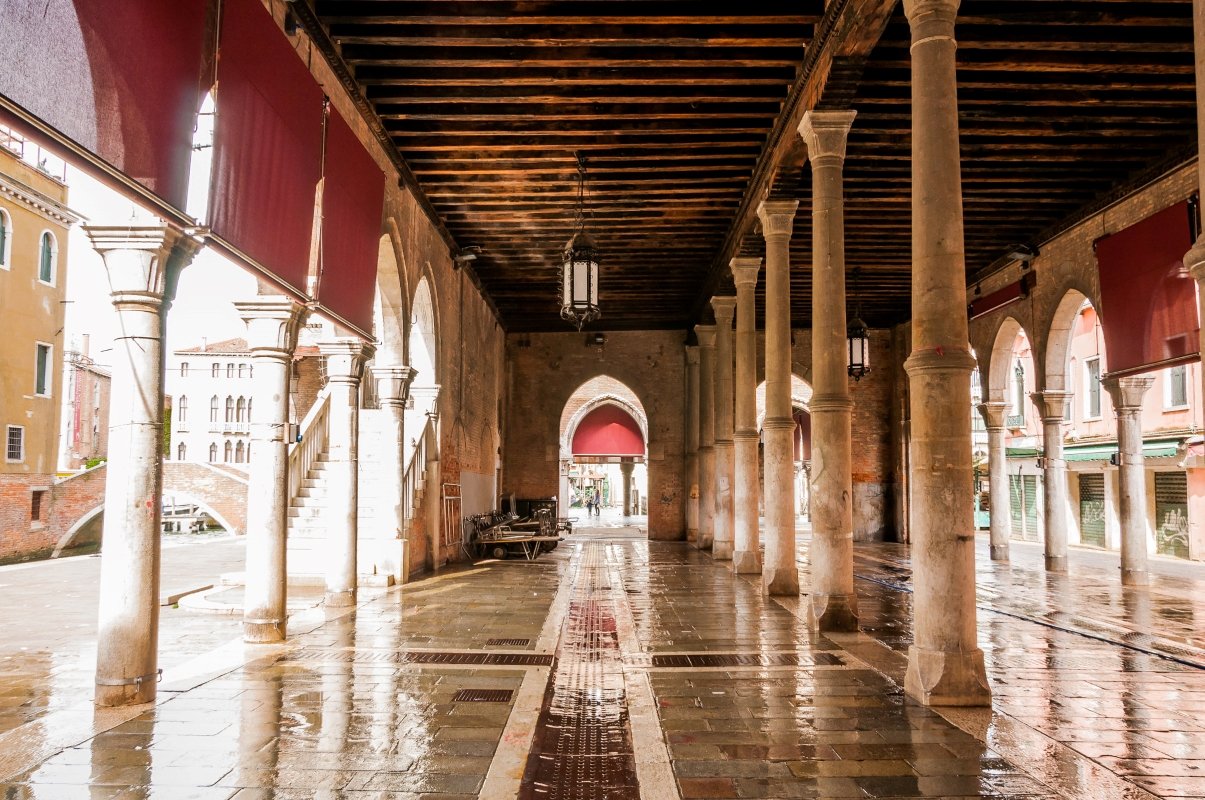
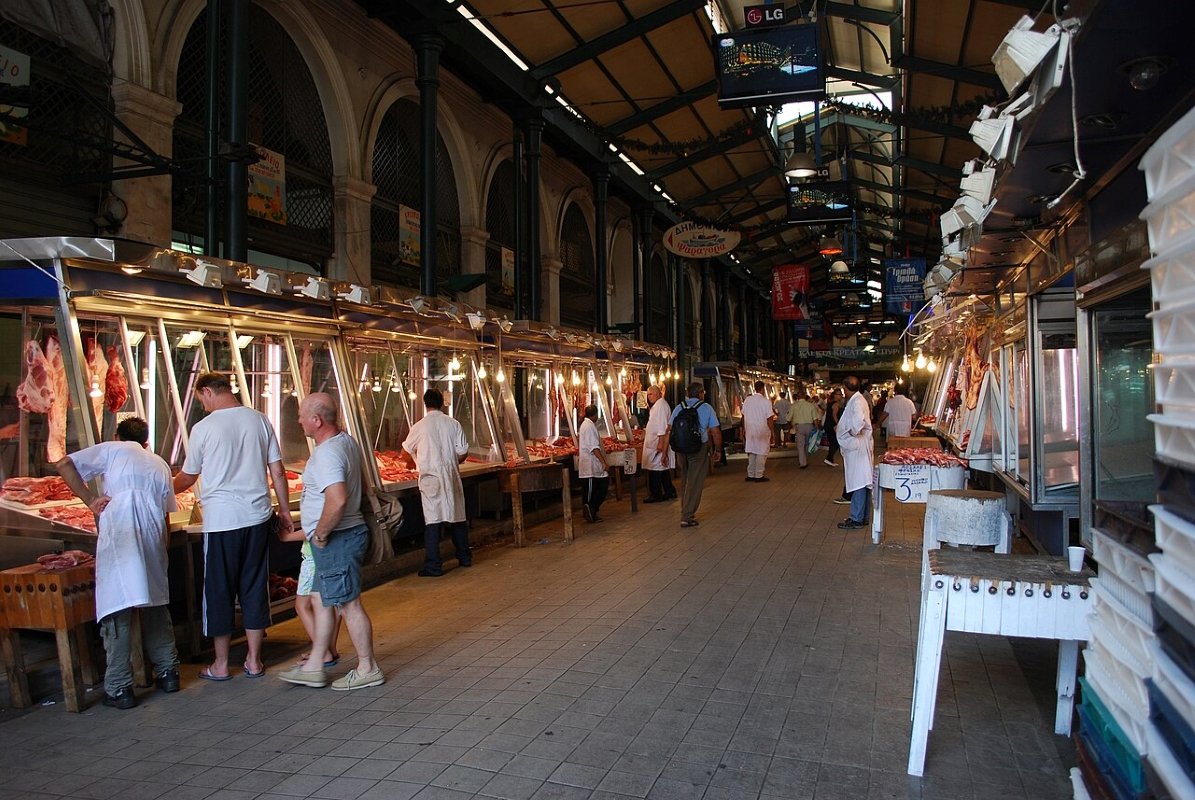
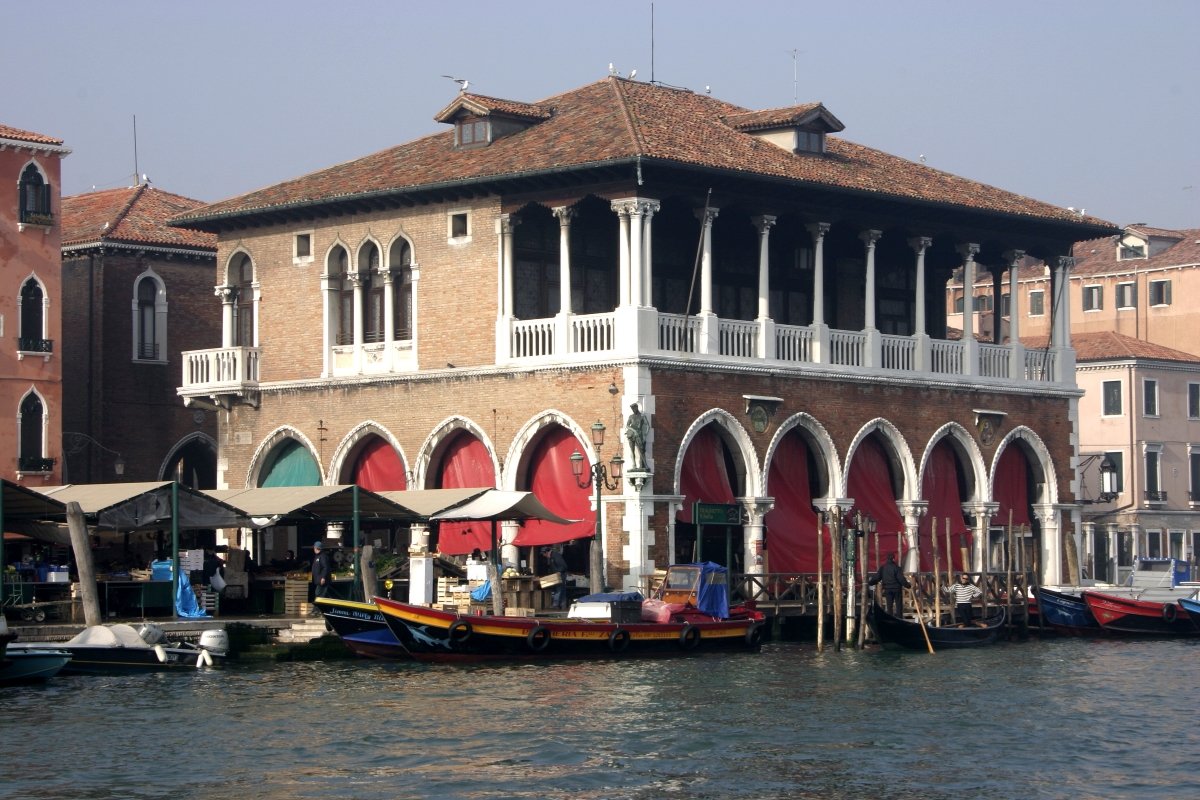
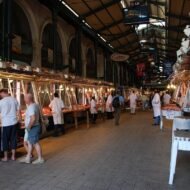
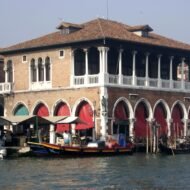
Follow the Market Trail Every European city has markets, but the locals-only ones are pure gold. Venice’s Rialto Fish Market opens at dawn—show up early to see fishmongers arguing over the day’s catch, then grab coffee and a pastry from the same bar the vendors use. In Athens, hit up the Central Market (Varvakios Agora) where you’ll find ingredients you’ve never seen before and vendors who love explaining how to cook them.
Master the Art of Aperitivo Italians have this whole thing figured out. Between 6-8 PM, bars serve discounted drinks with free snacks—but it’s not just about the food. It’s a social ritual where strangers become friends over Aperol Spritzes and olives. Try this in smaller cities like Bologna or Padua where the tradition feels more genuine and less performative.
Embrace the Awkward Language Barrier Some of the best meals happen when you can’t read the menu. Point at what other people are eating, use Google Translate to ask about ingredients, or better yet, let the server choose for you. You’ll end up trying dishes you never would have ordered, and servers often appreciate your willingness to be adventurous.
Transportation That Connects You to Real Life
Take the Tram Every European city with a tram system treats it like moving public art. In Lisbon, Tram 28 is touristy, but Tram 15 takes you through neighborhoods where you’ll see actual daily life—kids heading to school, elderly folks doing their shopping, workers commuting home. In Amsterdam, hop on any tram and ride it to the end of the line, then walk back through whatever neighborhood you end up in.
Walk the Dog Routes Early morning and evening dog walks reveal the soul of any neighborhood. Follow the paths where locals walk their dogs—they’ll lead you to hidden parks, quiet squares, and the coffee shops that open early for commuters. Dog owners are also some of the friendliest people you’ll meet, and they know every good spot in their area.
Use Regional Trains The high-speed trains between major cities are convenient, but regional trains are where life happens. You’ll sit next to students, grandparents visiting family, and workers heading home. These trains stop in smaller towns that most tourists never see, and sometimes the journey becomes more interesting than the destination.
Cultural Immersion Without Tourist Theater
Attend Local Events Every European city has a calendar full of events that locals actually care about. Check community boards, local newspapers, or ask your Airbnb host what’s happening. Wine tastings in small German towns, neighborhood festivals in Spanish cities, or art openings in Copenhagen—these events aren’t designed for tourists, which makes them perfect for authentic experiences.
Learn Basic Phrases (But Don’t Stress About Perfection) You don’t need to be fluent, but learning “please,” “thank you,” and “excuse me” in the local language opens doors. More importantly, learn to say “What do you recommend?” This simple phrase transforms you from a tourist into someone seeking local knowledge, and people respond differently.
Shop Where Locals Shop Skip the souvenir shops and find where locals buy their everyday items. Grocery stores, pharmacies, and hardware stores tell you more about daily life than any museum. Plus, European grocery stores are fascinating—you’ll find foods, brands, and approaches to packaging that don’t exist anywhere else.
Accommodation That Puts You in the Mix
Stay in Residential Neighborhoods Hotels in city centers are convenient, but they keep you in tourist bubbles. Rent an apartment in a residential area where you’ll need to figure out the local grocery store, find the nearest café, and navigate like a temporary local. You’ll wake up to the sounds of daily life instead of tour groups.
Try Smaller Cities Everyone hits Paris, Rome, and Barcelona, but Europe’s smaller cities often offer more authentic experiences with less effort. Places like Ghent, Bologna, or Salzburg have all the culture and history without the overwhelming tourist infrastructure that can make bigger cities feel artificial.
Book Local Experiences Through Residents Instead of booking tours through major companies, look for experiences offered by locals. Cooking classes taught in someone’s home, walking tours led by neighborhood residents, or art workshops in local studios. These experiences cost about the same as commercial tours but feel completely different.
The Art of Slow Travel
Stay Longer, See Less The most authentic experiences happen when you stop rushing between attractions and start living in places. Spend a week in one neighborhood instead of three days in three different cities. You’ll develop routines, discover your local café, and start recognizing faces—which is when a destination stops being a tourist site and becomes a temporary home.
Embrace Spontaneity The best authentic experiences can’t be planned. Maybe it’s stumbling into a neighborhood festival, getting invited to someone’s birthday party, or discovering a tiny bookstore that becomes your afternoon refuge. Leave space in your itinerary for the unexpected.
Accept That Not Everything Will Be Perfect Authentic travel includes frustration, confusion, and moments when nothing goes according to plan. The restaurant you were excited about might be closed, the weather might be terrible, or you might get completely lost. These moments often become the best stories and most memorable parts of your trip.
Making Connections That Last
Be Genuinely Curious The difference between a tourist and a temporary local is curiosity. Ask questions not just about attractions, but about daily life. How do people here spend their weekends? What’s the best time to visit the local market? What changes are happening in the neighborhood? People love sharing their knowledge with someone who’s genuinely interested.
Give Back to Communities Authentic travel should benefit the places you visit. Shop at local businesses, eat at family-owned restaurants, and buy souvenirs made by local artisans. When you stay longer and spend money locally, you’re contributing to the community rather than just extracting experiences from it.
Stay Connected The people you meet during authentic travel often become long-term connections. Exchange contact information, follow each other on social media, and stay in touch. These relationships can lead to return visits, recommendations for other destinations, and friendships that outlast your trip.
Planning Your Authentic European Adventure
Research Like a Local Instead of reading tourist guides, check out local blogs, neighborhood Facebook groups, and city subreddits. Look for articles written by people who actually live in the places you’re visiting. Local Instagram accounts often showcase daily life better than official tourism pages.
Travel During Shoulder Seasons Popular destinations feel more authentic when they’re not overwhelmed by tourists. Visit Paris in November, Rome in February, or Barcelona in January. You’ll see how locals actually live when their cities aren’t in tourist mode, and you’ll often find better deals and more genuine interactions.
Pack Like You’re Moving There Bring clothes that help you blend in rather than stand out. Leave the obviously touristy items at home and dress like you’re trying to fit in, not document your travels. This subtle shift in appearance often leads to different interactions and experiences.
The Reality Check: Authentic Travel Isn’t Always Easy
Let’s be real—authentic travel requires more effort than following a tour guide with a colored umbrella. You’ll get lost, confused, and occasionally frustrated. You might end up in restaurants where no one speaks English, or trying to navigate public transportation systems that make no sense.
But here’s the thing: those challenging moments are often when the most authentic experiences happen. When you’re lost and ask for directions, you might end up having a 20-minute conversation with a local who insists on walking you to your destination. When you can’t figure out the menu, you might discover your new favorite dish.
The discomfort of authentic travel is temporary, but the memories and connections you make are permanent. Every European city has layers of history, culture, and daily life that exist beyond the tourist sites. The question isn’t whether these authentic experiences are available—they absolutely are. The question is whether you’re willing to step outside your comfort zone to find them.
So next time you’re planning a trip to Europe, consider this: the most memorable experiences aren’t the ones you can Google beforehand. They’re the ones that happen when you close your laptop, put down your guidebook, and start living like you actually belong there. Even if it’s just for a week. Photo credit: Venice – Fish market 02 , athina01 , Rialto Fishmarket