

Ever dreamed of a getaway where pristine mountain air fills your lungs, and ancient healing waters soothe your soul? Tucked away in the stunning Kufsteinerland region of North Tyrol, Austria, lies Bad Häring – a truly special spa town that’s about to become your new favorite secret. Forget the usual tourist traps; this is where you come to truly unwind, recharge, and reconnect with nature (and yourself!).
- Location & Accessibility
- Top Attractions & Must-Visit Sites
- Visual Aspect: A Postcard-Perfect Experience:
- Wellness Info / Treatments / Healing Properties / Spa Treatments
- Common Treatments and Therapies Available:
- Experiencing Bad Häring
- Hiking, Cycling & Outdoor Adventures:
- Essential Travel Tips & Practical Information
- What to Pack:
- Final Thoughts
This article is your insider’s look at Bad Häring, from its unique healing properties to its stunning outdoor adventures. Get ready to dive deep into a destination that promises both blissful relaxation and exhilarating exploration!
Location & Accessibility
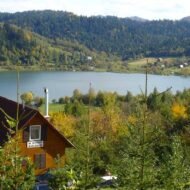
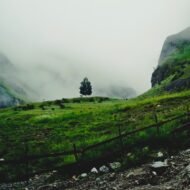
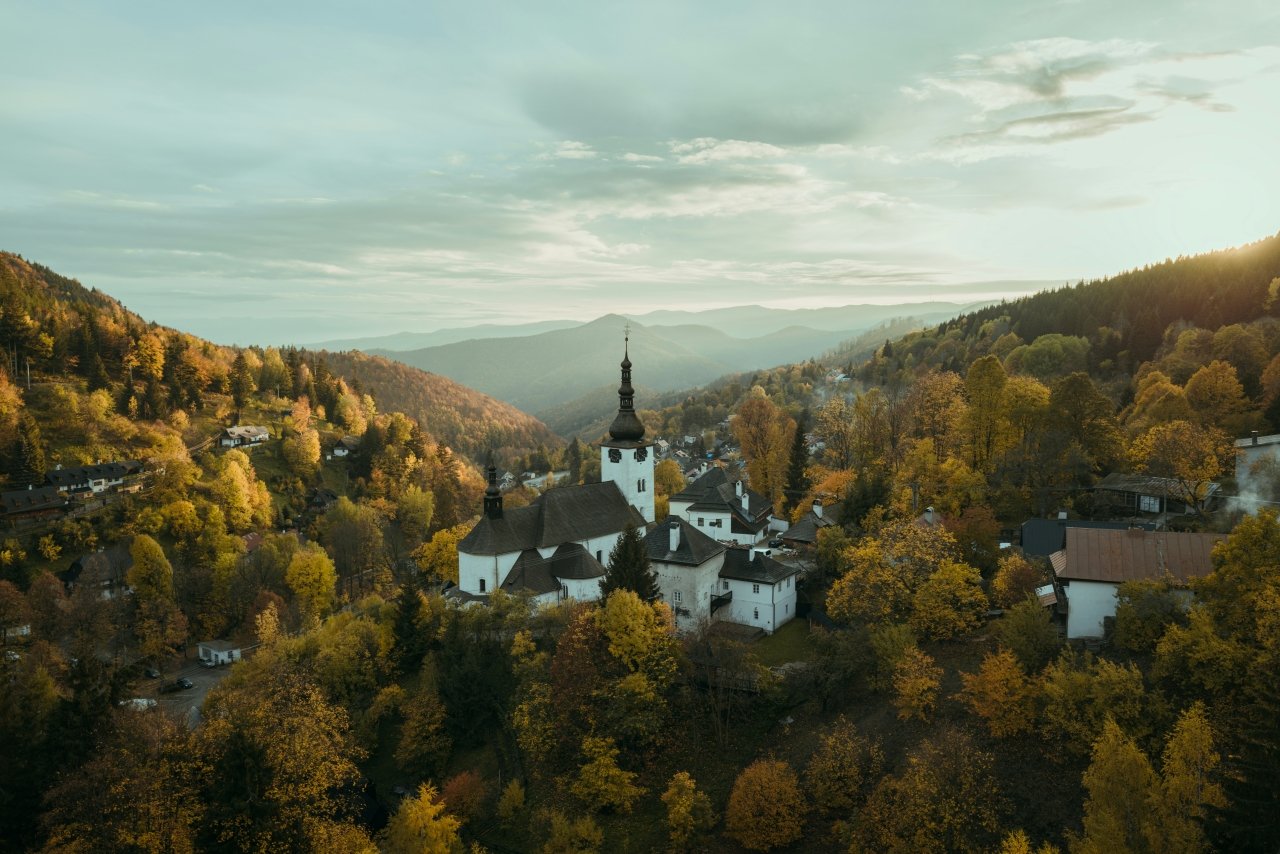
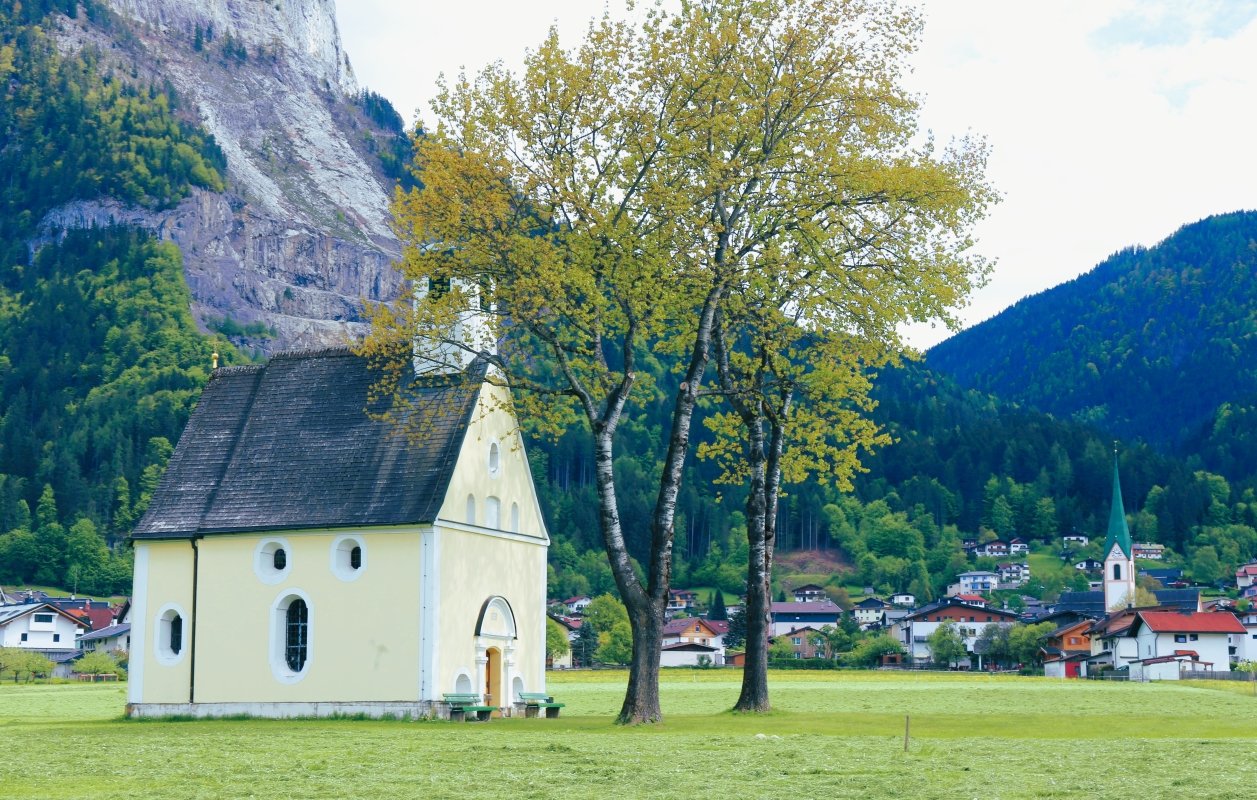
Bad Häring sits pretty on a sunny plateau at 650 meters above sea level, nestled between the charming towns of Wörgl and Kufstein in the Tyrolean lowlands. Think picturesque traditional farms dotted across a lush green landscape, all backdropped by dramatic mountain peaks – it’s an Instagrammer’s dream, no filter needed!
Location/Coordinates: While there aren’t specific “coordinates” for the town in the same way you’d pinpoint a single landmark, you can find it roughly around 47.56° N, 12.18° E. Key nearby cities include Kufstein (the “Pearl on the Green Inn”) and Wörgl, both offering excellent connections.
Getting There: Reaching Bad Häring is surprisingly easy, making it super accessible for a quick escape or a longer, rejuvenating stay.
- By Train: The closest train station is in Kirchbichl, just a five-minute car ride or a short bus journey from Bad Häring. Austria’s excellent ÖBB train network makes this a smooth and scenic option.
- By Bus: Public transport is top-notch in the Kufsteinerland region, and if you snag a Kufsteinerland GuestCard (more on that later!), bus travel within the region is often free. Buses connect Bad Häring to surrounding towns and attractions.
- By Car: Driving offers the most flexibility, allowing you to explore the wider Kufsteinerland at your own pace. The L208 connects Bad Häring to the B171 and surrounding areas. Plus, with options like BeeCars (electric car sharing) available in Kufstein, you can even go green with your transportation!
- By Air: The closest major airports are Innsbruck (INN) and Salzburg (SZG), both offering connections to various European cities. From there, you can easily take a train or arrange a transfer to Bad Häring.
Top Attractions & Must-Visit Sites
Bad Häring itself isn’t home to UNESCO World Heritage Sites or massive national parks, but it’s a gateway to the stunning natural beauty of North Tyrol. Its unique appeal lies in its healing properties and the surrounding Kufsteinerland region’s natural wonders.
Discovering Bad Häring’s Unique Appeal
So, what makes Bad Häring really special? It all boils down to one magical element: its unique sulphur spring. Discovered in 1951, this mineral-rich water, sourced from 300 meters deep, is the heart and soul of Bad Häring’s reputation as a spa town. Since 1965, it’s been the go-to spot for those seeking natural healing.
Unique Features:
- The Sulphur Spring: This isn’t just any water; it’s a natural elixir. Heated to around 38°C, it’s renowned for its beneficial properties, especially for easing rheumatic diseases, arthrosis, damaged discs, and even metabolic disorders like gout and osteoporosis. It’s warm, it’s tingly, and it’s truly therapeutic.
- Healing Tradition: The town has built its identity around this natural wonder, offering a holistic approach to wellness. Think traditional Tyrolean charm meets modern health facilities.
- Picturesque Plateau: Beyond the healing waters, the setting itself is a balm for the soul. The high plateau offers breathtaking Alpine views, with steep cliffs giving way to verdant slopes under a bright Tyrolean sky. It’s the kind of place that instantly makes you feel more relaxed.
Visual Aspect: A Postcard-Perfect Experience:
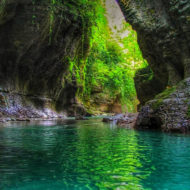
Bad Häring is undeniably picturesque. Imagine rolling green hills, traditional wooden chalets with flower boxes overflowing with vibrant blooms, and always, always, the majestic backdrop of the Tyrolean Alps. Every turn offers a photo opportunity, from the idyllic village scenes to sweeping panoramic vistas. Keep an eye out for the charming Bad Häring waterfall with its wild and romantic path – a true natural gem. The Haslacher Moor, with its rare plants and tranquil atmosphere, also provides some truly serene visuals.
Popularity & Best Times to Visit:
Bad Häring is a popular choice for those seeking a health-focused or wellness holiday, as well as active travelers who appreciate stunning scenery and outdoor pursuits.
- Peak Seasons: Like much of Tyrol, summer (June-August) and winter (December-March) are peak seasons. Summer offers ideal hiking and cycling conditions, while winter transforms the region into a snowy wonderland perfect for skiing and cross-country skiing.
- Off-Peak Benefits: If you prefer fewer crowds and potentially better deals, consider visiting in late spring (April-May) or early autumn (September-October). The weather is still pleasant for outdoor activities, and the landscapes are arguably even more beautiful with spring blossoms or autumn foliage. Plus, the serene atmosphere of Bad Häring truly shines when it’s a little quieter.
- Ideal Times for Wellness: For those focused on the healing properties of the sulphur spring, any time of year is good, as the indoor spa facilities are consistently available.
Wellness Info / Treatments / Healing Properties / Spa Treatments
This is where Bad Häring truly shines! The town is renowned for its comprehensive wellness offerings, primarily centered around its unique sulphur spring.
At dedicated health and wellness hotels like the Vivea Hotel Bad Häring or DAS SIEBEN, you’ll find a vast array of treatments and therapies designed to rejuvenate body and mind.
Healing Properties of the Sulphur Spring: The sulphur water is known to:
- Relax muscles and stimulate circulation.
- Alleviate pain.
- Provide significant relief for rheumatic diseases, arthrosis, and disc problems.
- Support recovery from metabolic disorders like gout and osteoporosis.
Common Treatments and Therapies Available:
- Baths & Body Wraps: Indulge in soothing sulphur baths, often enhanced with various additives for specific therapeutic effects. Body wraps, both hot and cold, are used to loosen muscles, improve circulation, and reduce inflammation.
- Massages: A wide range of massages are on offer, from traditional healing massages to specialized techniques like:
- Dorn-Breuss treatment: A gentle massage for spinal alignment and tension relief.
- Connective tissue massage: Targets deep tissue to positively influence digestion and metabolism.
- Hydrojet massage: A relaxing, dry massage on a heated waterbed.
- Hildegard von Bingen massage: Utilizes laurel and ginger oils for deep relaxation and detoxification.
- Lymphatic drainage: Gentle massage to stimulate lymph flow and reduce swelling.
- Lavashell massage: Regenerating massage with warm clams for stress reduction.
- Electrophysical Treatments: These therapies use various forms of electrotherapy to alleviate pain, improve blood circulation, and stimulate muscle activity.
- Inhalations: Therapeutic inhalations are offered for respiratory conditions.
- Gymnastics & Workouts: Tailored exercise programs to strengthen muscles, increase mobility, and improve coordination.
- Cryotherapy: Whole-body cryotherapy is also available at some facilities, offering an invigorating cold treatment.
- Detox Programs: Many hotels offer specialized detox therapies, nutrition consultations, and health coaching to support overall well-being.
Beyond structured treatments, simply soaking in the indoor and outdoor pools, enjoying the saunas (bio, Finnish), steam baths (brine, regular), and infrared cabins will leave you feeling completely refreshed. Many places also feature panoramic relaxation rooms with stunning mountain views – perfect for just chilling out.
Experiencing Bad Häring
Whether you’re an explorer at heart or prefer a more guided approach, Bad Häring and its surroundings offer something for everyone.
Guided Tours & Independent Exploration:
While Bad Häring isn’t packed with traditional guided sightseeing tours, the focus here is on guided health and wellness programs often offered by the hotels. These might include guided walks focusing on local flora and traditional medicine (like gemmotherapy!), or specific exercise classes.
For independent exploration, the Kufsteinerland GuestCard is your best friend! It often includes free public transport within the region, making it easy to hop between villages and attractions. You can also craft your own itineraries to nearby highlights like:
- Kufstein Fortress: A majestic, fairytale-like fortress with a rich history and often hosting concerts and exhibitions. Just a short drive away.
- Riedel Glass Kufstein: Discover the art of glassmaking at the Riedel show glass house.
- Tyrolean Farmhouse Museum Kramsach: An open-air museum offering insights into traditional Tyrolean life.
- Rarities Zoo Ebbs: Home to over 500 animals from around the world.
- Swarovski Worlds of Crystal (Wattens): A magical place of art and history, a bit further afield but a popular day trip.
- Golden Roof (Innsbruck): The iconic landmark of Innsbruck, easily reachable for a day trip.
Hiking, Cycling & Outdoor Adventures:
This region is an outdoor enthusiast’s paradise! The diverse landscape offers trails for all levels, from gentle strolls to challenging mountain ascents.
Hiking:
- Waterfall Circuit: An easy and popular 4.6 km hike to the picturesque Bad Häring waterfall, a true “place of power.”
- Mining & Coal Theme Trail: An easy 5.2 km trail that delves into Bad Häring’s mining history.
- Pölven Circuit: A moderate to difficult 16-17 km circular hike around the Pölven mountain, offering fantastic panoramic views. This one’s for ambitious hikers!
- Juffinger Jöchl Circuit: A moderate 11 km route with breathtaking views of the pristine natural landscape.
- Stallhäusl Circuit: A moderate 11.8 km circular hike through meadows and forests.
- Kaiserblickweg: Leads along the stunning Kaiser Mountains, providing spectacular views.
- Sunnseitweg: A longer, more challenging hike (14.7 km) that winds past 28 experience stations, including chapels, Kneipp facilities, and a moor lake.
Cycling: The Kufsteinerland region boasts an extensive network of cycling paths for all skill levels, from leisurely rides along the Inn River to more challenging mountain bike trails. E-bike rentals are readily available.
Winter Sports: When the snow falls, Bad Häring transforms.
- Cross-country skiing: An extensive network of trails for classic and skating styles.
- Skiing: Just a short drive away from the vast SkiWelt Wilder Kaiser-Brixental, one of Austria’s largest ski areas.
- Tobogganing: Fast-paced toboggan runs provide fun for the whole family.
Essential Travel Tips & Practical Information
Accommodation: Bad Häring specializes in health and wellness hotels, with options ranging from comfortable 3-star establishments to luxurious 4-star superior adult-only resorts. Many have extensive spa facilities directly on-site. Booking in advance, especially during peak season, is always a good idea. Look for places that offer the Kufsteinerland GuestCard as part of your stay, as it unlocks a multitude of benefits.
What to Pack:
- For Wellness: Swimwear, comfortable loungewear, and a robe (many hotels provide them).
- For Outdoors: Sturdy hiking shoes with good grip (even for easy trails), layers of clothing (weather can change quickly in the mountains), waterproof jacket, sun protection (sunglasses, sunscreen, hat), and a small backpack for day trips.
- In Winter: Warm, breathable clothing, waterproof outer layers, hat, gloves, and sturdy winter boots. Consider shoe spikes for icy conditions.
- General: Adapters for European outlets, a reusable water bottle, and a camera to capture those stunning views!
Entry Fees & Opening Hours: Most natural attractions like hiking trails are free to access. For specific attractions like Kufstein Fortress or museums, check their individual websites for current entry fees and opening hours, as these can vary seasonally. Spa treatments and wellness packages at hotels will, of course, have their own pricing structures.
Local Cuisine: Tyrolean cuisine is hearty and delicious, often focusing on fresh, local ingredients. Don’t leave without trying:
- Kasnocken: Cheesy dumplings, a comfort food classic.
- Tiroler Gröstl: A pan-fried dish with potatoes, beef or pork, and onion, often topped with a fried egg.
- Kaiserschmarrn: A fluffy, shredded pancake, often served with apple compote – perfect for a sweet treat.
- Speck: Cured bacon, a regional specialty.
- Hay milk cheese: Particularly famous in the Kaiser Mountains nature reserve, often found in delicious cheese fondues.
- Wash it all down with a local beer or a crisp Austrian wine. Many hotels and guesthouses will offer traditional Tyrolean dishes.
Respectful Visiting: Austria is a polite and orderly country.
- Greetings: A simple “Grüß Gott” (God greet you) or “Guten Tag” (Good day) is appreciated.
- Hiking Etiquette: Stay on marked trails, dispose of all rubbish properly, and close gates behind you.
- Dress Code: While casual wear is fine for most activities, consider slightly more formal attire for evening dining in nicer restaurants.
- Tipping: Tipping around 5-10% is customary in restaurants and for good service.
Final Thoughts
Bad Häring in North Tyrol isn’t just a destination; it’s an experience. It’s a place where the healing power of nature intertwines with a rich wellness tradition, offering a unique blend of relaxation and adventure. Whether you’re seeking to soothe aching joints, escape the everyday grind, or simply immerse yourself in breathtaking Alpine scenery, Bad Häring delivers. Pack your bags, leave your worries behind, and get ready to discover this hidden Tyrolean gem. Your mind, body, and soul will thank you!
Disclaimer: Travel information, including opening hours, prices, and accessibility, can change. It’s always a good idea to check the latest information from official sources (e.g., local tourism boards, specific hotel websites, or attraction websites) before your trip.