

TL;DR: Bahla Fort is a massive 13th-century mud-brick fortress at the base of Oman’s stunning Jebel Akhdar mountains. Expect to spend 2-3 hours exploring intricate corridors, climbing to panoramic viewpoints, and diving into Oman’s pre-Islamic history. Best visited October-March when temps are bearable. Entry costs 5 OMR (~$13 USD), and the nearby pottery souk is absolutely worth your time.
You know that feeling when you stumble upon a place that’s ridiculously photogenic but somehow hasn’t been completely overrun by tour groups? That’s Bahla Fort for you.
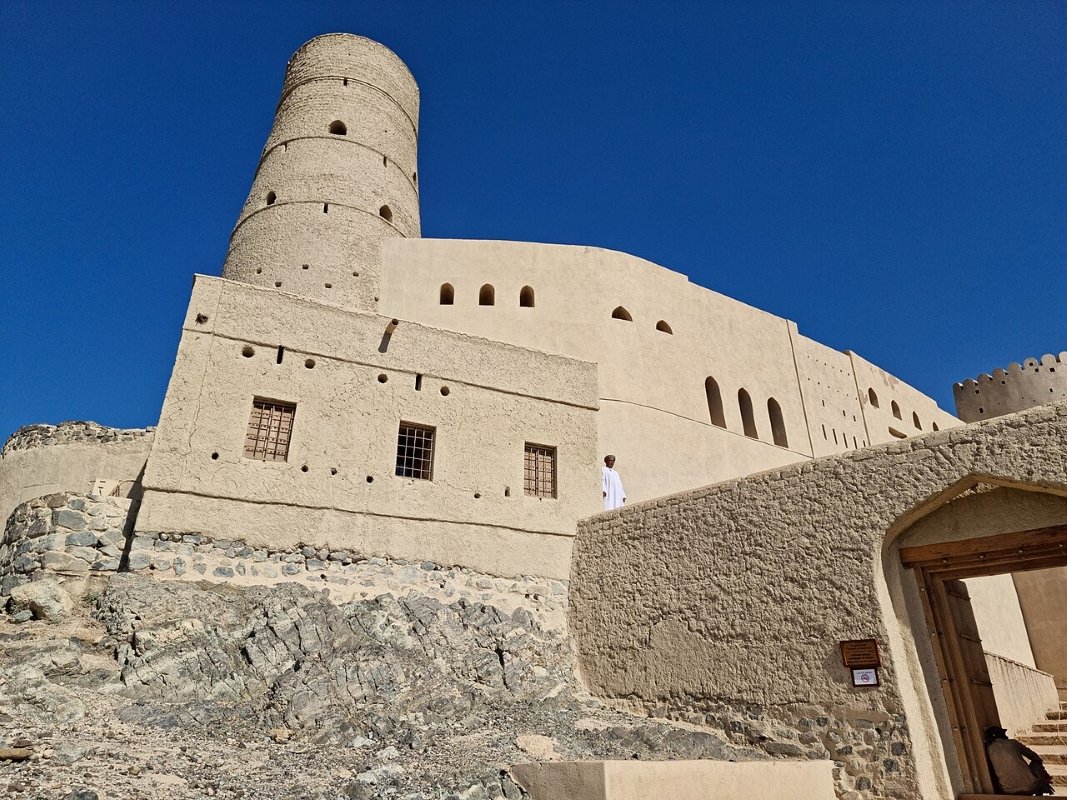
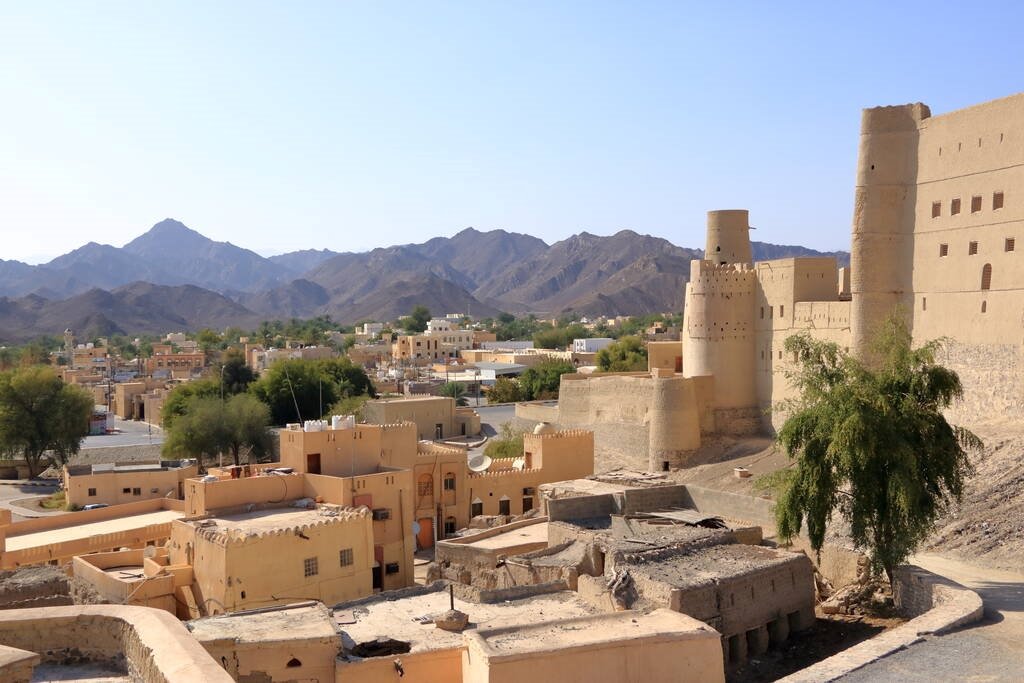
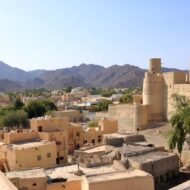
Sitting about 200 kilometers from Muscat at the foot of the dramatic Jebel Akhdar highlands, this UNESCO World Heritage site is one of Oman’s best-kept secrets—though honestly, it won’t stay that way forever. The fort’s massive mud-brick walls snake around the old town like something straight out of an adventure film, and trust me, it’s even more impressive in person.
What Makes Bahla Fort Special?
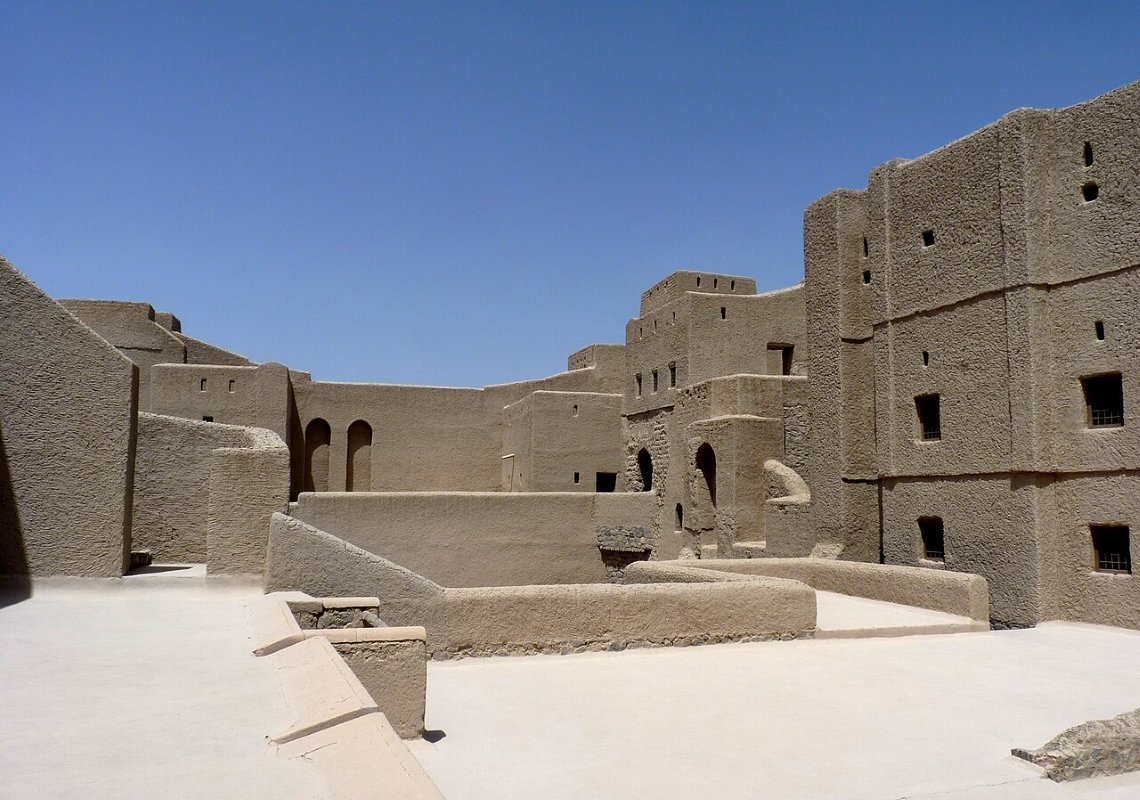
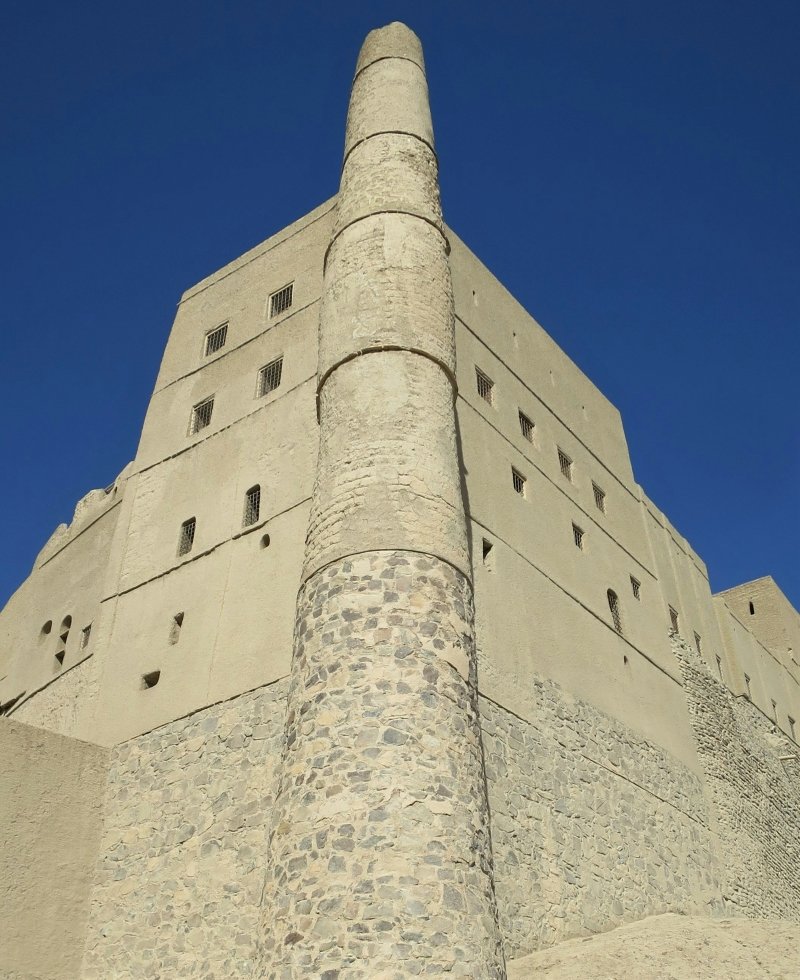
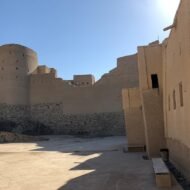
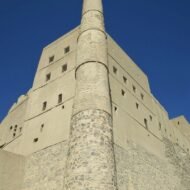
Let’s get one thing straight: this isn’t your typical “restored” fortress that feels more like a movie set than a historical site. Bahla Fort is the real deal—raw, authentic, and absolutely massive. We’re talking about 12 kilometers of walls surrounding not just the fort itself but the entire ancient town of Bahla.
Built between the 12th and 15th centuries by the Banu Nebhan tribe (who basically ran the show in Oman for about 500 years), this fortress was a serious power center. The main fort complex alone covers roughly 112,000 square feet, making it one of the oldest and largest forts in Oman.
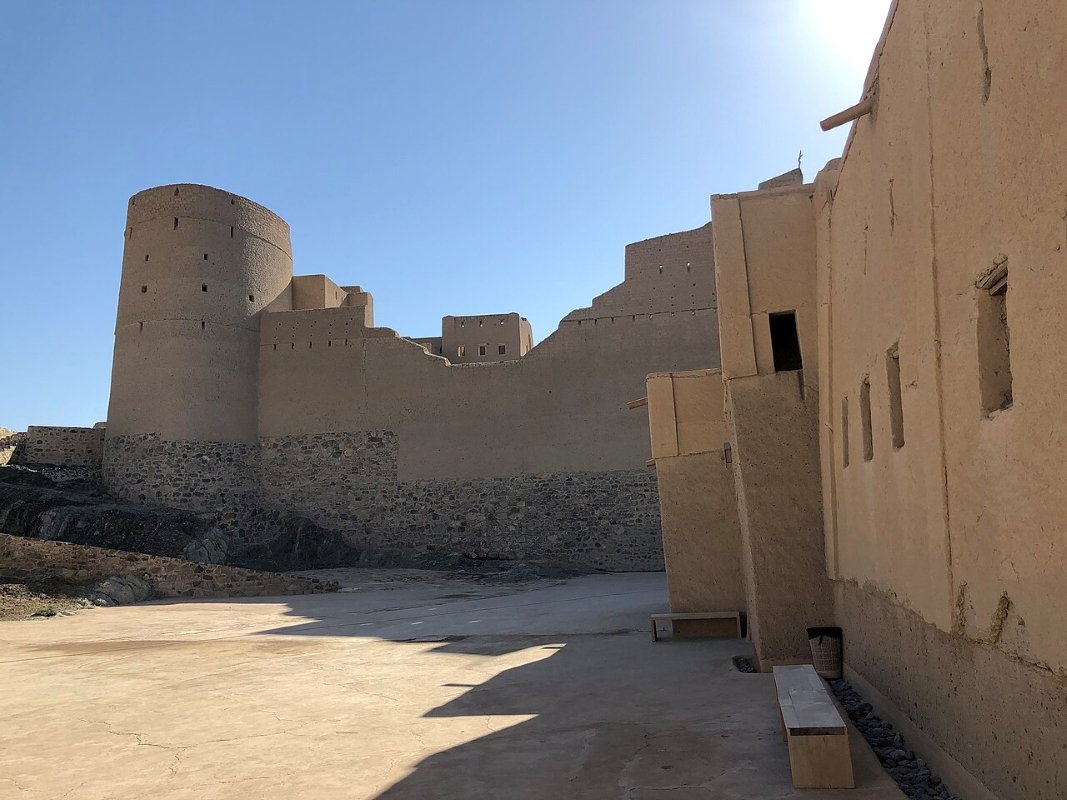
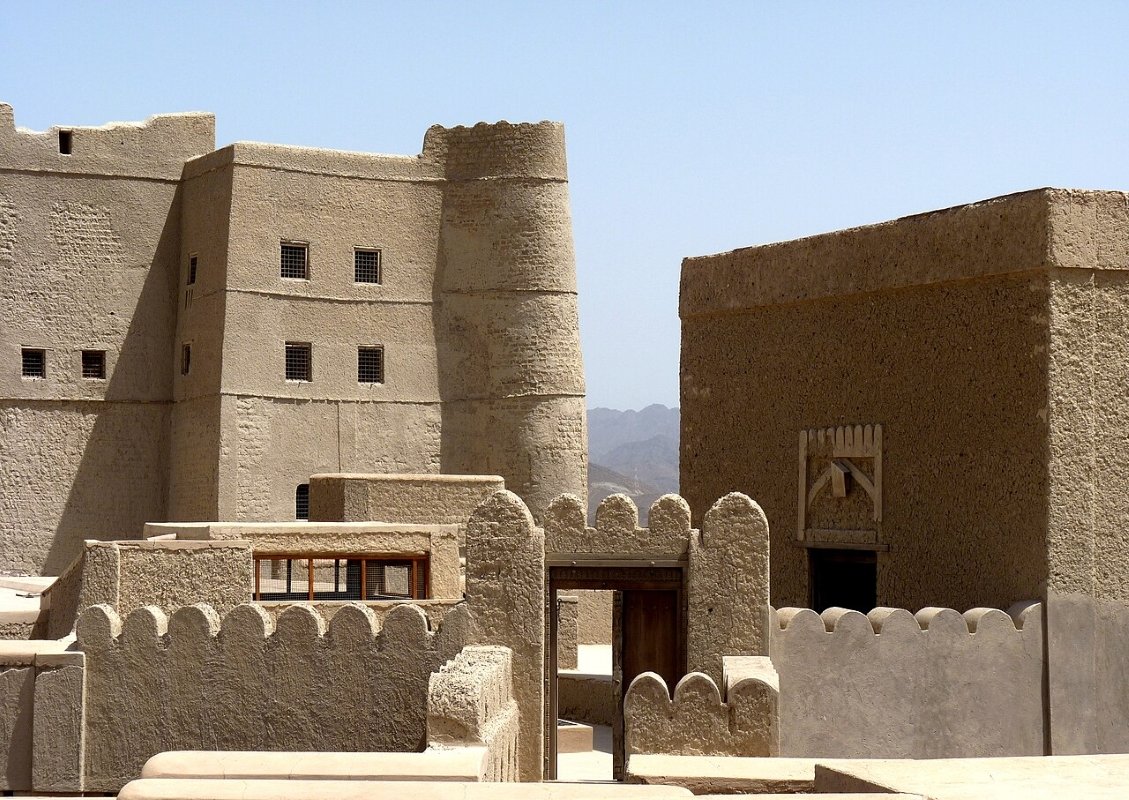
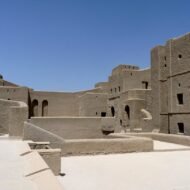
What really sets Bahla apart is its construction—almost entirely mud brick and clay. After years of neglect where parts of it literally melted back into the earth, UNESCO stepped in with a major restoration project that wrapped up in 2012. The restoration team used traditional techniques and materials, so the fort maintains its authentic character while being safe for visitors to explore.
Planning Your Visit: The Practical Stuff
Getting There
Bahla is about a 2.5-hour drive from Muscat along Route 15 (the Nizwa road). If you’re already exploring the interior region, it’s just 40 kilometers from Nizwa—an easy day trip or perfect stop on a longer road trip through Oman’s historic heartland.
Getting there without a car: While renting a car gives you the most flexibility, you can catch shared taxis (baisa buses) from Nizwa to Bahla. They leave when full and cost just a few rials. Uber and ride-sharing apps aren’t reliable out here, so plan accordingly.
Best Time to Visit
Here’s the deal: Oman gets hot. Like, really hot.
October through March is your sweet spot. Temperatures hover between 20-28°C (68-82°F), making it actually pleasant to wander around a massive stone fortress. The fort opens at 8:00 AM, and hitting it early means beating both the heat and any tour groups.
April through September? You’re looking at temperatures that can push past 45°C (113°F). If you’re visiting during these months, go super early (right when it opens) or late afternoon, bring water, and know your limits.
Entry Fees and Hours
- Entry fee: 5 OMR (about $13 USD) for adults
- Hours: Daily 8:00 AM – 7:30 PM (last entry at 7:00 PM)
- Duration: Plan for 2-3 hours to properly explore
The ticket office is well-marked, and staff members are generally helpful with directions and information. There’s a small museum area near the entrance that’s worth checking out before you start exploring.
Exploring the Fort: What You’ll See
The Main Fortress Complex
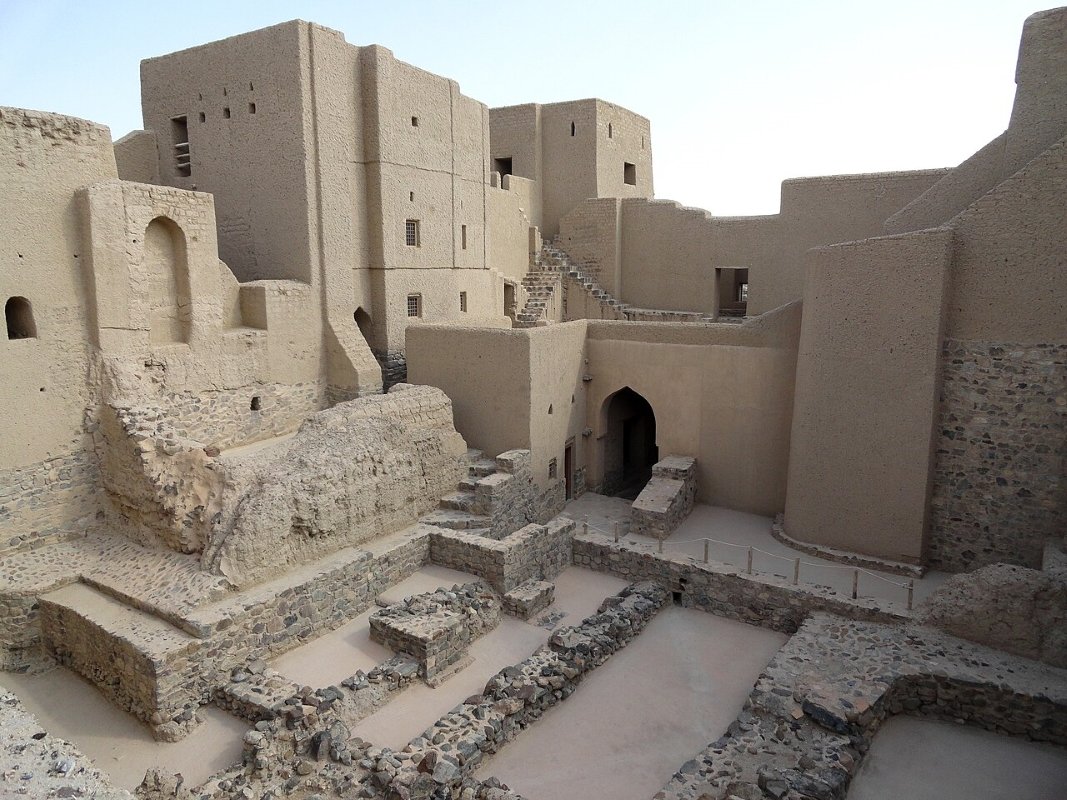
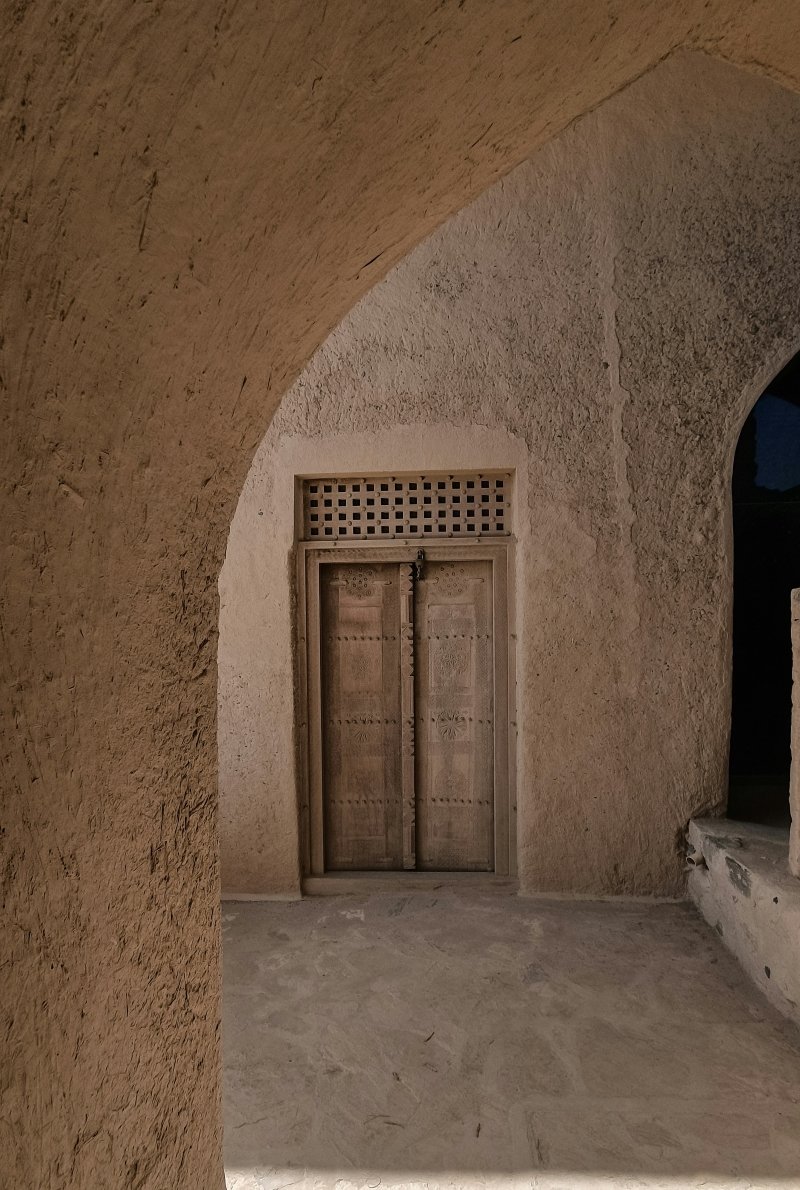
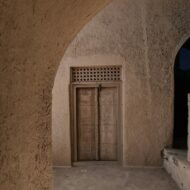
Once you’re through the entrance, prepare for a bit of a workout—this place is huge. The fort is basically a labyrinth of corridors, staircases, and interconnected buildings that served different purposes over the centuries.
The highlights:
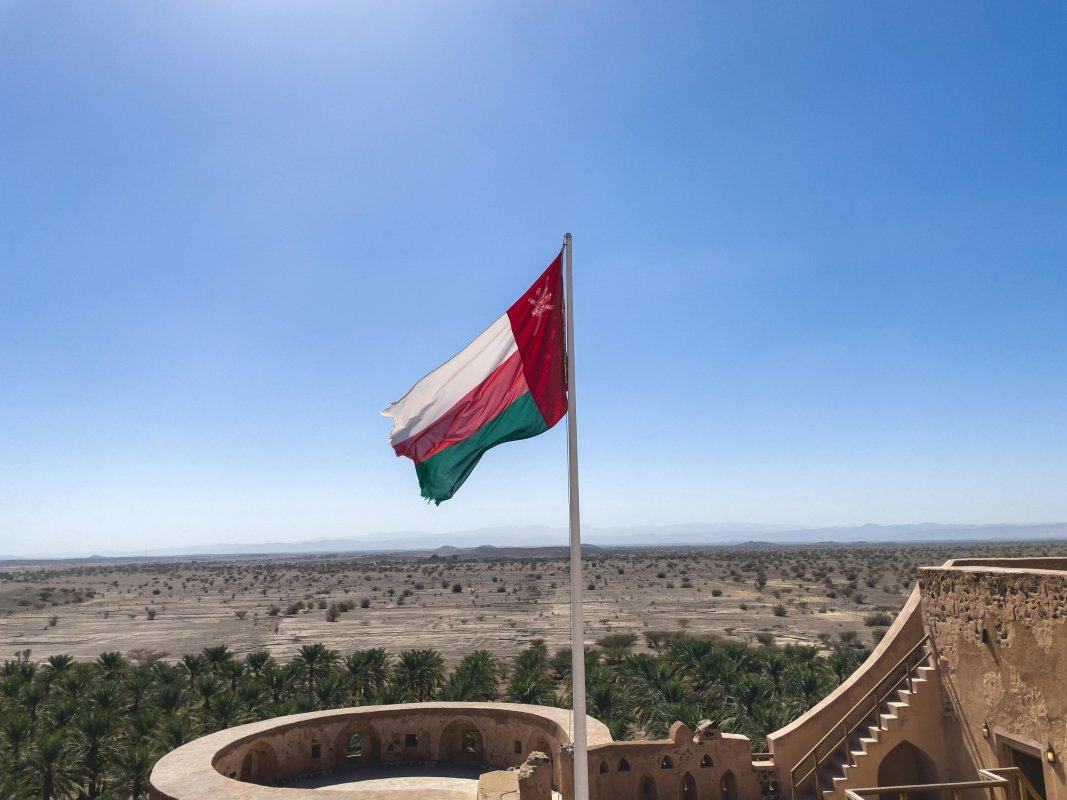
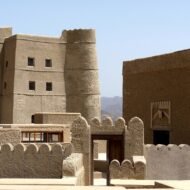
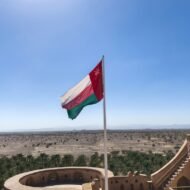
The towers and battlements: Multiple towers connected by ancient corridors offer incredible views. The climb up narrow staircases can be a bit challenging for anyone with mobility issues, but the panoramic views of the oasis town and mountains beyond are absolutely worth it.
The date store (Bait al-Hadith): This impressively preserved room shows where dates and other goods were stored. The ingenuity of the ventilation system kept things relatively cool even in scorching heat.
The defensive maze: The fort’s layout was deliberately confusing to disorient invaders. Even with signs, you might find yourself momentarily lost—embrace it! That’s part of the authentic experience.
The wells and water systems: Check out the ancient falaj (irrigation) systems that supplied water to the fort. These engineering marvels have been keeping Omani settlements alive for over a thousand years.
The Old Town Walls
Don’t just visit the fort and bounce. The ancient walls surrounding old Bahla town are equally fascinating. You can walk along parts of the wall and see how this entire settlement was once a fortified city. The mudbrick construction, with its distinctive layers, tells the story of centuries of additions and repairs.
Beyond the Fort: What Else to Do in Bahla
Bahla Pottery Souk
Bahla has been famous for pottery for centuries, and the tradition is still going strong. The pottery souk (market) near the fort is where you’ll find everything from massive storage jars to small decorative pieces.
Watch artisans working clay using techniques passed down through generations—no fancy pottery wheels here, mostly hand-building methods. Prices are reasonable, and these make fantastic souvenirs (just remember you’ll need to pack them carefully).
Pro tip: Visit the souk in the morning when it’s most active and before the heat becomes unbearable.
Jabreen Castle
Just 15 minutes down the road, Jabreen Castle is like Bahla’s more refined cousin. Built in the 17th century, it’s less of a defensive fortress and more of a palace, with beautiful painted ceilings and intricate wooden screens. The combo ticket for both sites is sometimes available—ask at the ticket office.
Jebel Akhdar (Green Mountain)
The fort sits at the foot of these spectacular mountains, and if you’ve got a 4WD vehicle, the mountain roads offer some of Oman’s most breathtaking scenery. Terraced farms, traditional villages, and cooler temperatures make it a perfect contrast to the desert heat. Note that you’ll need a 4WD to access most mountain areas—rental companies in Muscat can hook you up.
Practical Tips for Your Visit
What to Wear: Oman is conservative, and respect goes a long way. Cover shoulders and knees (both men and women). Comfortable, closed-toe shoes are essential—those staircases and uneven surfaces aren’t flip-flop friendly.
Bring water: There’s a small café near the entrance, but once you’re exploring, there’s nowhere to buy drinks. Bring more water than you think you’ll need.
Photography: The fort is a photographer’s dream. Golden hour (early morning or late afternoon) creates magic with the honey-colored walls. The towers offer incredible vantage points. Photography is allowed everywhere except where specifically marked.
Accessibility: Be honest about this—the fort isn’t very accessible for wheelchair users or those with significant mobility issues. Steep staircases, uneven surfaces, and narrow passages make it challenging. That said, you can still appreciate the exterior architecture and lower-level areas.
Guides: Signage throughout the fort is decent in both Arabic and English. Independent exploration works fine, but hiring a local guide (available near the entrance) adds serious depth to the experience. They’ll share stories and historical context you’d otherwise miss. Budget around 15-20 OMR for a guide.
Where to Eat and Stay
Food Options
Bahla itself is pretty small, so dining options are limited. Your best bets:
Near the fort: A few small cafés serve basic Omani dishes, fresh juices, and Arabic coffee. Nothing fancy, but authentic and affordable (meals run 2-4 OMR).
Nizwa: Just 40 minutes away, Nizwa has significantly more options ranging from local restaurants to international chains. If you’re planning a full day, consider having a proper meal there.
Accommodation
Most visitors base themselves in Nizwa and day-trip to Bahla. However, if you want a more intimate experience:
Al Areen Resort (near Bahla): Simple, clean, and affordable. Great base for exploring the interior region without the crowds.
Nizwa options: Everything from budget hotels (40-50 OMR/night) to mid-range properties (80-120 OMR/night). Book ahead during peak season (November-February).
Camping: For the adventurous, camping in the mountains or wadis near Bahla offers an incredible experience. Always camp responsibly and follow local guidelines.
Cultural Context: Why Bahla Matters
Here’s something interesting: Bahla was once known as the “City of Magicians.” Local legends tell of supernatural protectors and mysterious powers that guarded the town. While these stories might sound like folklore, they speak to Bahla’s historical importance as a center of knowledge and power.
The town was a crucial stop on ancient trade routes, connecting the interior of Oman with coastal ports. The massive fortifications weren’t just for show—they protected valuable goods, including frankincense (which was literally worth its weight in gold back in the day), textiles, and dates.
The Banu Nebhan tribe who built the fort were incredibly influential, and their architectural legacy extends beyond Bahla to other forts in the region. Understanding this history helps you appreciate just how significant this mud-brick fortress really is.
Money-Saving Tips
Combo visits: Pair Bahla with Nizwa Fort and Jabreen Castle for a full day of fort-hopping. The Nizwa souk (market) is also fantastic and completely free to explore.
Shared transport: If you’re traveling solo or on a tight budget, shared taxis from Nizwa save serious money compared to private taxis or rental cars.
Bring snacks: Food near the fort is limited and can be pricey for what you get. Pack snacks and drinks from Nizwa or Muscat.
Free experiences: Walking around the old town walls, exploring the pottery souk, and watching craftspeople work costs nothing.
Common Questions
Is it worth the drive from Muscat? Absolutely, especially if you combine it with other interior attractions like Nizwa and Jabreen. The interior region has a completely different vibe from coastal Oman.
How does it compare to Nizwa Fort? Bahla is larger, older, and more rugged. Nizwa Fort is more compact and polished. Both are worth visiting for different reasons.
Can I visit during Ramadan? Yes, but facilities may have limited hours, and restaurants might not open until sunset. Be respectful by not eating or drinking in public during daylight hours.
Is it safe? Oman is one of the safest countries in the Middle East. Standard travel precautions apply, but you’ll generally feel very secure exploring Bahla.
The Bottom Line
Bahla Fort isn’t just another UNESCO site you check off a list—it’s a genuine journey into Oman’s fascinating history. The combination of impressive architecture, authentic restoration, and stunning mountain backdrop creates something truly special.
Whether you’re a history buff, architecture enthusiast, photographer, or just someone who appreciates places where you can feel the weight of centuries, Bahla delivers. It’s less touristy than many of Oman’s other attractions, which means you’ll often have entire sections to yourself for contemplation and exploration.
Pack your water bottle, charge your camera, and give yourself enough time to really soak in this incredible place. The fort has stood for nearly a millennium—it’s not going anywhere. But your chance to experience it before it becomes the next Instagram hotspot? That window might not last forever.
Safe travels, and enjoy your time exploring one of Oman’s most remarkable historical treasures!