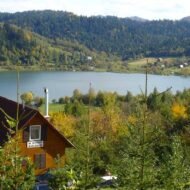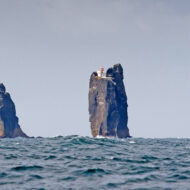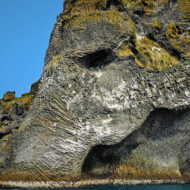


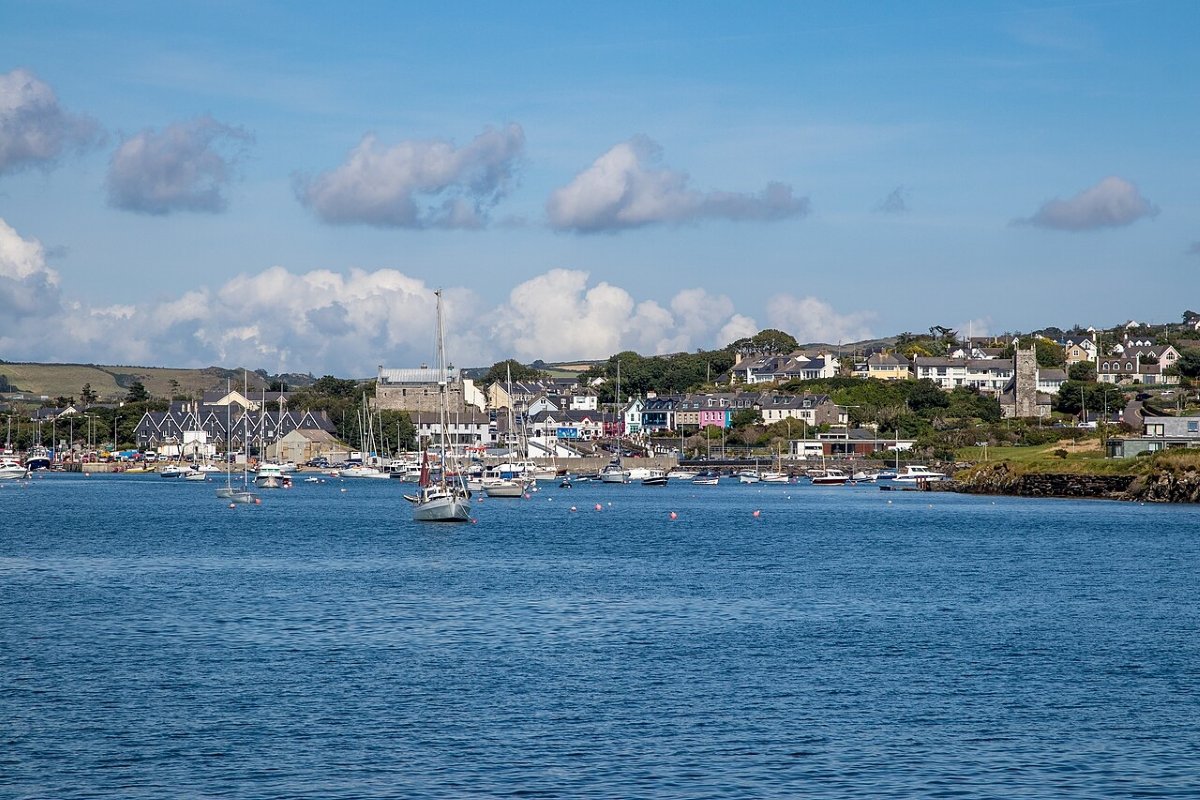
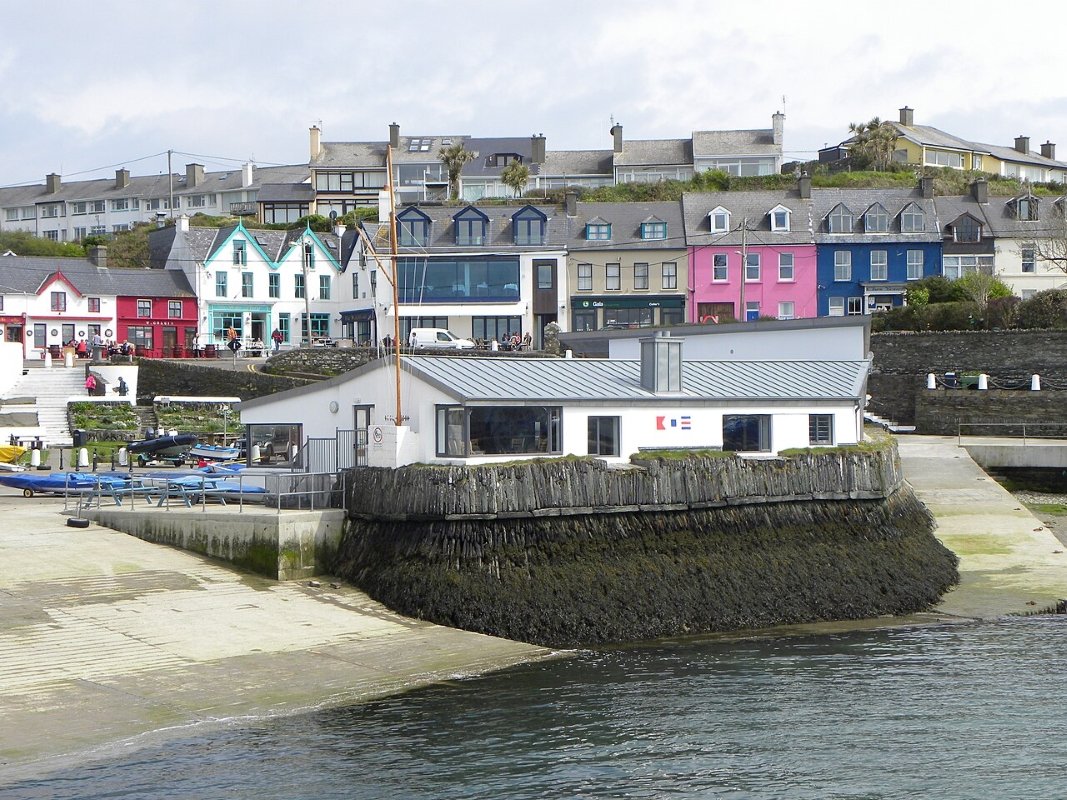

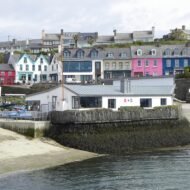
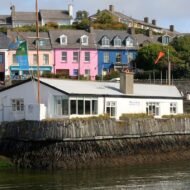

Baltimore is a stunning fishing village in West Cork where you’ll find colorful harbors, island-hopping adventures, fresh seafood, dark sky stargazing, and fascinating pirate history. Perfect for sailing enthusiasts, foodies, and anyone seeking authentic Irish coastal charm away from tourist crowds.
- Why Baltimore Should Be on Your Ireland Itinerary
- Getting There (It’s Worth the Journey)
- What Makes Baltimore Special
- The Harbor That Launched a Thousand Sailing Dreams
- Island Hopping Without the Price Tag
- Food That Actually Tastes Like the Ocean
- History with Pirates, Raids, and Redemption
- Practical Stuff You Need to Know
- Activities Beyond the Obvious
- Family-Friendly Baltimore
- Accessibility Considerations
- Hidden Gems the Guidebooks Miss
- What to Pack
- Responsible Travel Tips
- Beyond Baltimore: Easy Day Trips
- The Baltimore Experience
So you’ve stumbled upon Baltimore—and no, we’re not talking about Maryland. This Baltimore is a tiny, impossibly charming village perched on the edge of western County Cork, where the Atlantic Ocean crashes against rugged Irish coastline and locals still pull up lobster pots each morning. If you’re the type of traveler who’d rather sip craft beer while watching fishing boats bob in a harbor than fight crowds at another overrated tourist trap, you’re going to love this place.
Why Baltimore Should Be on Your Ireland Itinerary
Let’s be honest: most visitors to Ireland hit Dublin, kiss the Blarney Stone, and maybe venture to the Cliffs of Moher before calling it a day. But here’s what they’re missing—Baltimore offers something increasingly rare in our Instagram-saturated world: genuine authenticity. This isn’t a village that’s been sanitized for tourists. It’s a working fishing port where you might chat with a fourth-generation fisherman over breakfast, where the pub sessions feature musicians who actually live here, and where the biggest excitement might be watching seals pop up in the harbor.
Population? Around 400 souls. Annual visitors who fall completely in love with the place? Countless.
Getting There (It’s Worth the Journey)
Baltimore sits about 90 minutes southwest of Cork City, and getting here is half the adventure. You’ll wind through quintessentially Irish countryside—stone walls, grazing sheep, the whole pastoral package—before the road suddenly opens up to reveal that jaw-dropping harbor view.
Driving: The most flexible option. From Cork, take the N71 toward Skibbereen, then follow signs to Baltimore. The roads get narrow and winding (classic West Cork), but rental car companies are used to it.
Bus: Local Bus Éireann services connect through Skibbereen, though schedules can be limited. Check timetables in advance.
Flying: Cork Airport is your nearest hub, with connections across Europe and seasonal transatlantic flights.
Pro tip: Don’t rush the drive. Those roadside farm stands selling fresh eggs and homemade brown bread? Stop. That pullout with the incredible coastal view? Stop. You’re on Irish time now.
What Makes Baltimore Special
The Harbor That Launched a Thousand Sailing Dreams
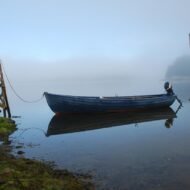
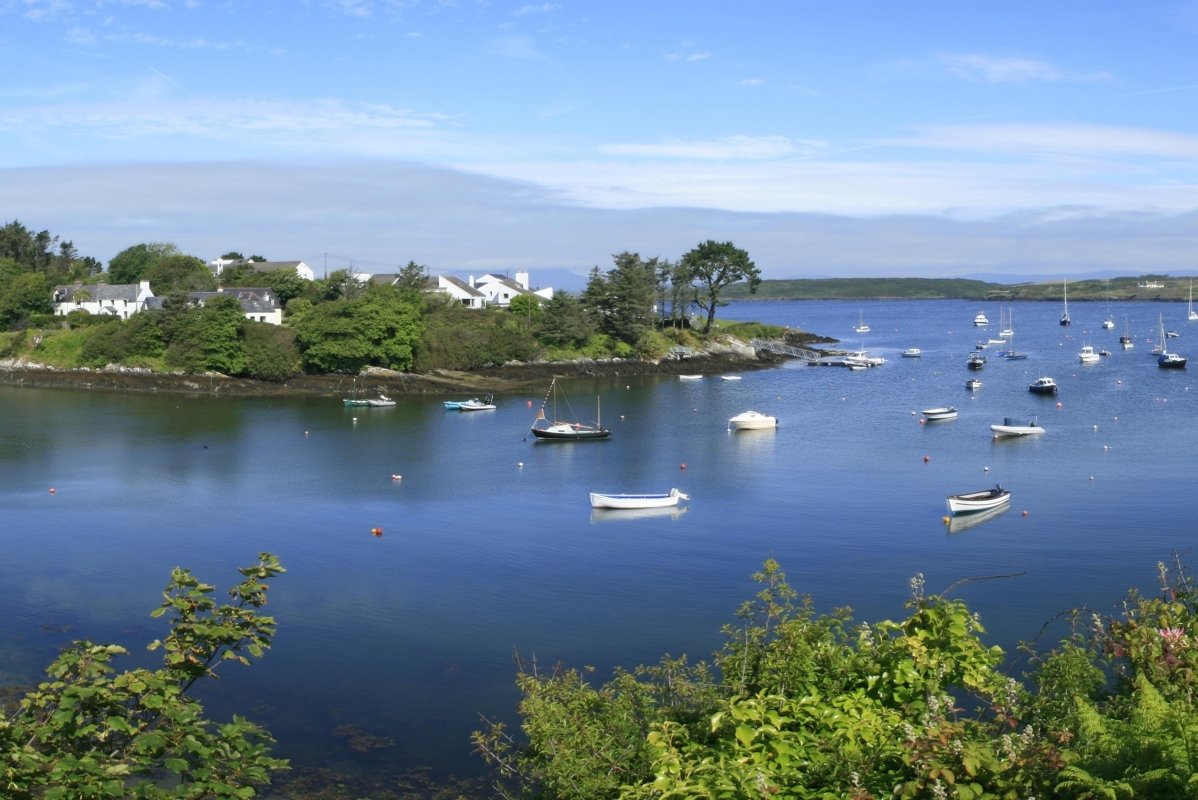
Baltimore’s natural deep-water harbor has been attracting sailors for centuries, and one glimpse tells you why. Protected by Sherkin Island and Cape Clear, the harbor creates this perfect nautical playground where beginners can learn to sail while experienced sailors tackle more challenging Atlantic waters.
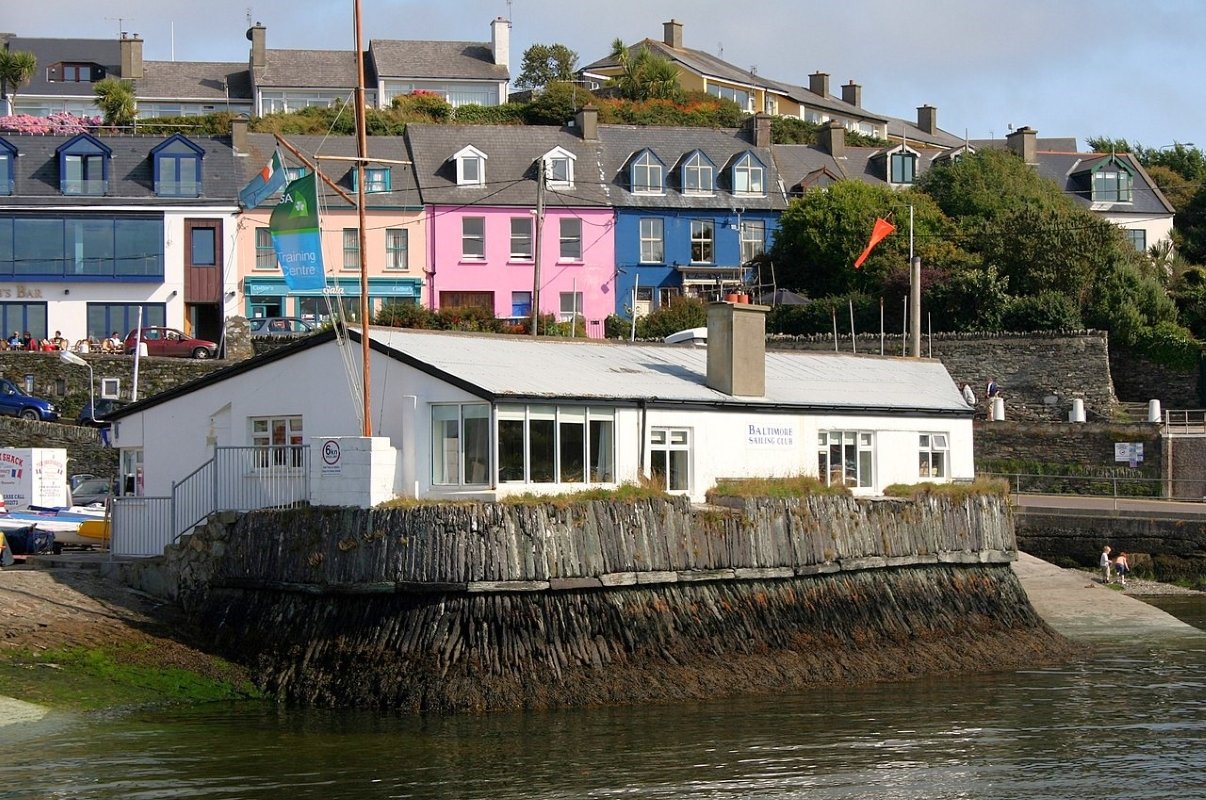
The Baltimore Sailing Club welcomes visitors, and local operators offer everything from casual harbor cruises to serious sailing courses. Even if you’ve never set foot on a boat, watching the regatta activity on summer evenings—colorful spinnakers catching the light, crews shouting good-natured instructions—is entertainment enough.
Island Hopping Without the Price Tag
This is where Baltimore really shines. You’ve got two incredible islands just a short ferry ride away, and we’re talking €15-20 round trip, not some eye-watering luxury day tour.
Sherkin Island (10-minute ferry): Think bohemian vibes meet marine biology. The island hosts a marine research station, has three beaches you might have entirely to yourself, and a pub where you can get excellent fish and chips while locals debate the finer points of weather prediction. The ruined Franciscan Abbey dates to the 1460s and makes for atmospheric wandering.
Cape Clear Island (45-minute ferry): Ireland’s southernmost inhabited island and a Gaeltacht area where Irish is the first language. This is where serious birdwatchers come during migration season, where the night sky is so dark you’ll see the Milky Way clearly, and where the pace of life makes mainland Baltimore feel positively hectic. The Cape Clear Island International Storytelling Festival each September draws visitors worldwide.
Food That Actually Tastes Like the Ocean
Baltimore’s seafood isn’t some carefully curated “catch of the day” that was actually flash-frozen three weeks ago. The boats you see in the harbor? That’s your dinner, probably caught this morning.
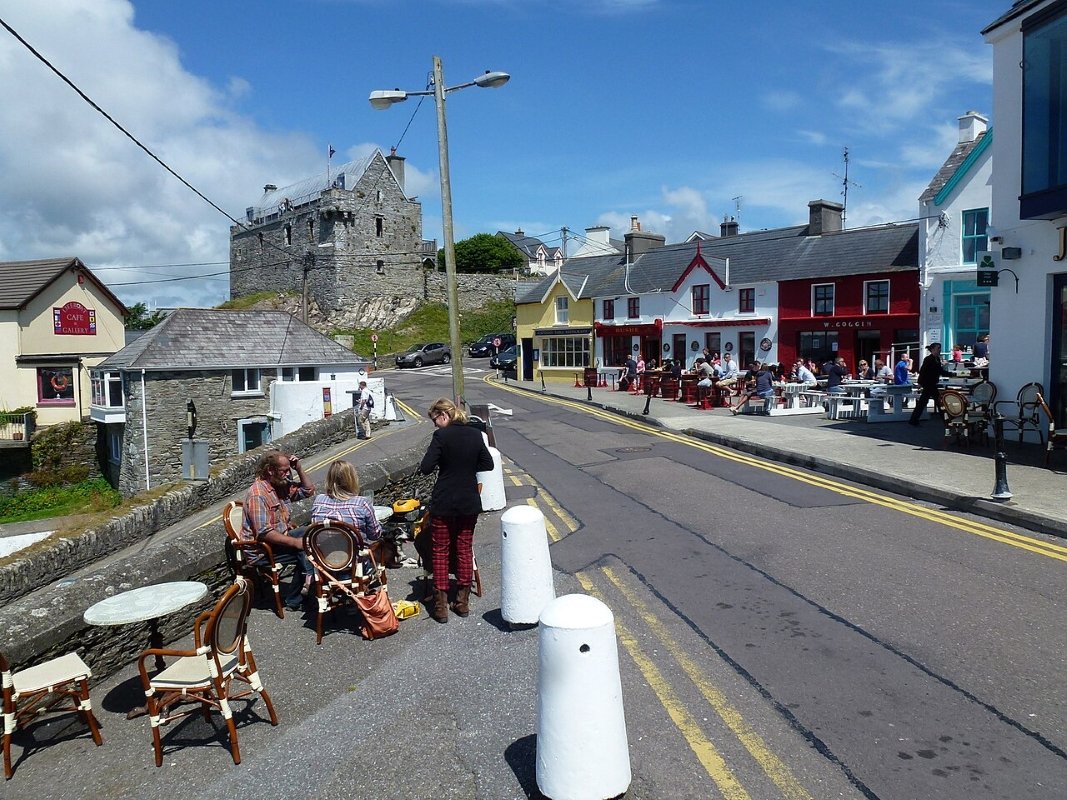
Bushe’s Bar serves up locally caught fish and shellfish in portions that’ll satisfy the heartiest appetite. Their chowder has won awards, but honestly, everything’s good when it’s this fresh.
Casey’s of Baltimore offers harbor-view dining with a menu that changes based on what came off the boats. The crab claws in garlic butter could convert a vegetarian.
The Customs House combines that fresh-catch excellence with slightly more refined presentation if you’re celebrating something special.
For self-caterers or picnic planners, the village has shops selling local catches, farmhouse cheeses, and artisan baked goods that put supermarket offerings to shame.
History with Pirates, Raids, and Redemption
Baltimore carries one of Ireland’s most dramatic historical footnotes. In 1631, Algerian pirates raided the village and captured over 100 residents, who were sold into slavery in North Africa. Only a handful ever returned. The event, known as the Sack of Baltimore, devastated the community and changed Irish coastal life forever.
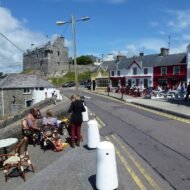
Today, the Algiers Inn commemorates this history, and you can visit the 17th-century Dún na Séad (Baltimore Castle), a coastal watchtower that was built too late to prevent the raid but offers commanding views.
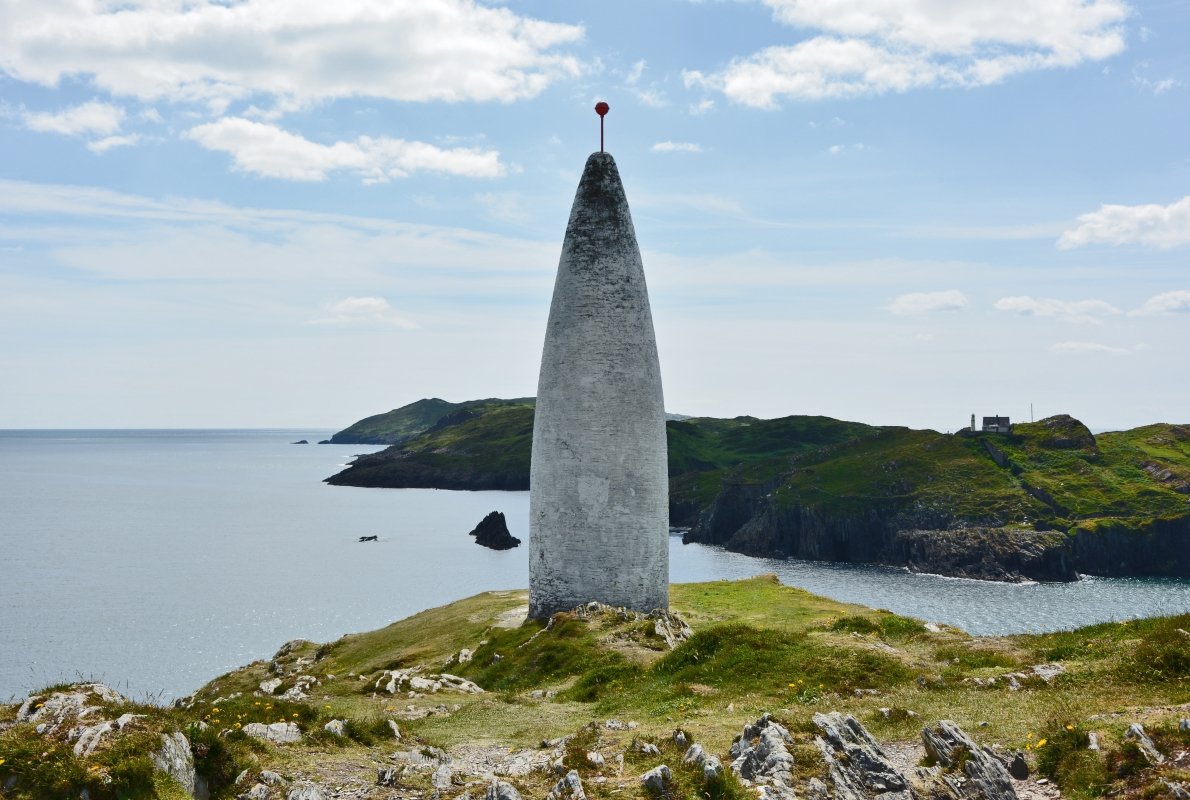
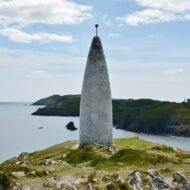
The Baltimore Beacon, that distinctive white tower on the hill overlooking the harbor, was erected in 1849 and still guides boats safely home. The walk up rewards you with 360-degree views that photographers dream about.
Practical Stuff You Need to Know
When to Visit
Summer (June-August): Peak season brings the best weather (relatively speaking—it’s still Ireland), longest days, and busiest harbor. Book accommodation well ahead. Water temperature reaches a “refreshing” 15-16°C if you’re brave enough for a swim.
Shoulder Season (April-May, September-October): Honestly? This might be the sweet spot. Fewer visitors, lower prices, still-decent weather, and you’ll actually get to chat with locals who have time for conversation. Autumn brings spectacular light for photography.
Winter (November-March): Atmospheric and moody, with dramatic seas and cozy pub sessions. Some businesses close or reduce hours, but you’ll experience village life at its most authentic. Pack serious rain gear and embrace the wild weather.
Where to Stay
Casey’s Hotel: Right on the harbor with rooms overlooking the action. The restaurant’s excellent, and you can stumble upstairs after a proper pub session.
Rolf’s Country House: Slightly outside the village, this spot offers more tranquility, beautiful gardens, and the kind of hospitality that makes you feel like a welcomed houseguest.
Self-Catering Options: Numerous cottages and holiday homes let you settle in and live like a temporary local. Many have harbor or sea views.
Camping: For budget travelers, camping options exist nearby, though facilities are basic.
Money Matters
Ireland uses euros. Most places accept cards, but keep some cash handy—ferry operators and smaller establishments may be cash-only. ATMs are available in the village, but don’t count on finding one on the islands.
Budget travelers can manage on €60-80 daily (hostel/camping accommodation, self-catering, limited activities). Mid-range visitors should plan €150-200 daily for comfortable B&B stays, restaurant meals, and activities. Those seeking upscale experiences will find options, though Baltimore’s charm is more about authenticity than luxury.
Activities Beyond the Obvious
Kayaking and Coasteering
The sheltered waters around Baltimore make for excellent sea kayaking, with operators offering guided tours through caves, around islands, and to spots accessible only by water. Coasteering—that slightly mad combination of rock climbing, cliff jumping, and swimming—is available for adrenaline seekers.
Diving and Snorkeling
The waters around Baltimore host impressive marine biodiversity and several shipwrecks. Aquaventures Diving offers courses and guided dives for all levels. Even snorkeling in the shallower areas reveals colorful marine life.
Walking and Hiking
The surrounding coastline offers spectacular walking routes. The Sherkin Island Loop provides easy rambling with great views. For more challenging terrain, the nearby Sheep’s Head Way offers multi-day hiking through some of West Cork’s most dramatic landscapes.
Dark Sky Stargazing
Cape Clear’s Dark Sky Reserve status means minimal light pollution and extraordinary stargazing. On clear nights, you’ll see more stars than you thought possible. Local guides offer astronomy tours that make the constellations come alive.
Family-Friendly Baltimore
Traveling with kids? Baltimore works brilliantly. The ferry rides alone entertain young travelers, Sherkin’s beaches offer safe paddling, and watching working fishing boats beats screen time any day. Most restaurants welcome families (though pubs have restrictions for under-18s after certain hours).
The islands offer just enough adventure—ruins to explore, rock pools to investigate, seals to spot—without requiring military-level logistics. Pack layers, rain gear, and a sense of adventure.
Accessibility Considerations
Full transparency: Baltimore’s historic nature means some limitations. The village has steep hills, and many older buildings lack elevators or ramps. However, newer establishments increasingly offer accessible options. The ferries can accommodate wheelchairs with advance notice, and some island paths are manageable. Contact accommodations and tour operators directly to discuss specific needs—Irish hospitality means people genuinely want to help.
Hidden Gems the Guidebooks Miss
- Lough Hyne: About 5km from Baltimore, this saltwater lake is Europe’s first marine nature reserve. At night, bioluminescence creates magical glowing water when disturbed—like swimming through liquid starlight.
- Local’s favorite swim spot: Ask at the pub for directions to “The Hole” or “The Rock”—locals will point you to jumping spots and swimming areas they’ve been using since childhood.
- Tuesday market: If you’re around on Tuesday morning, the small market brings together local producers and artisans.
What to Pack
- Layers: Irish weather changes hourly. That t-shirt weather at lunch becomes fleece weather by dinner.
- Waterproof everything: Jacket, shoes, phone case. Not because it definitely rains, but because it might.
- Binoculars: For whale watching, bird watching, and admiring boats in the harbor.
- Good camera: The light here is extraordinary, especially during golden hour.
- Appetite: Seriously, don’t arrive on a diet.
Responsible Travel Tips
Baltimore’s charm depends on maintaining its authentic character. Support local businesses rather than chains (there aren’t many anyway). Respect the working harbor—those boats and equipment represent people’s livelihoods. Stick to marked paths on the islands to protect vegetation. Take rubbish with you, especially on island trips.
If you hear Irish being spoken on Cape Clear, appreciate that you’re experiencing a living language in its natural habitat. The Gaeltacht areas work hard to maintain Irish language and culture.
Beyond Baltimore: Easy Day Trips
If you’re based here for several days, the surrounding area offers incredible exploration:
Mizen Head: Ireland’s most southwesterly point features a dramatic bridge and visitor center with stunning cliffside views.
Skibbereen: Charming market town with excellent restaurants, shops, and the moving Skibbereen Heritage Center documenting the Famine era.
Bantry House and Gardens: Stately home with Italian-inspired gardens and one of Ireland’s finest private art collections.
Drombeg Stone Circle: Atmospheric ancient monument perfect for sunset visits.
The Baltimore Experience
Here’s what a perfect Baltimore day might look like: Wake to harbor sounds—gulls calling, boat engines starting, maybe rain pattering. Grab breakfast at one of the cafés with proper Irish bacon and homemade brown bread. Catch the morning ferry to Sherkin, spend a few hours exploring, maybe swimming if you’re brave. Return for late lunch—that seafood chowder you’ve been dreaming about. Afternoon walk up to the Beacon for sunset views. Evening finds you in a snug pub where someone inevitably produces a fiddle or guitar, and you’re suddenly part of a session you’ll remember for years.
That’s Baltimore. No pretension, no artifice—just a beautiful place where people still live real lives, welcome visitors genuinely, and remind you why you fell in love with Ireland in the first place.
The village won’t overwhelm you with attractions. It won’t exhaust you with activities. What it will do is let you breathe, remind you what fresh air and fresh food taste like, and possibly ruin you for more commercialized destinations forever.
Fair warning: many visitors start planning their return trip before they’ve even left.
Getting More Information:
- Baltimore Village website has current ferry schedules and event listings
- West Cork Tourism office in Skibbereen provides maps and local insight
- Irish Weather forecasts (because planning around Irish weather is an art form)
Whether you’re island hopping, harbor gazing, or just eating your way through the local seafood, Baltimore offers that increasingly rare gift—a place that hasn’t forgotten what it means to be itself. And in a world of homogenized travel experiences, that’s worth the journey.