


TL;DR: The Bernina Express is a UNESCO World Heritage railway connecting Switzerland and Italy through breathtaking Alpine scenery. This slow-travel experience takes you across 196 bridges, through 55 tunnels, and up to 2,253 meters elevation. Best visited May-October, tickets start around 60 CHF. Book panoramic cars in advance, bring layers, and prepare for one of Europe’s most Instagram-worthy train rides.
- What Makes the Bernina Express Special?
- The Complete Route Breakdown
- When to Visit: Timing Your Perfect Journey
- Booking Your Tickets: Insider Tips
- What to Pack: The Essentials
- The Journey Experience: What to Expect
- Food and Dining Options
- Accommodation Recommendations
- Making the Most of Your Stop in Tirano
- Photography Tips for Epic Shots
- Sustainable Travel Considerations
- Final Thoughts: Is It Worth the Hype?
Planning your Swiss adventure? Skip the crowded tourist buses and hop aboard the Bernina Express – arguably the most beautiful train ride in the world. This isn’t just transportation; it’s a front-row seat to some of Europe’s most jaw-dropping scenery, and trust me, your camera roll will thank you.
What Makes the Bernina Express Special?
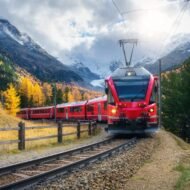
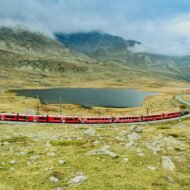
Picture this: you’re gliding through pristine Alpine valleys, past turquoise glacial lakes, over viaducts that seem to defy gravity, all while sipping Swiss coffee in a panoramic train car. The Bernina Express isn’t your average commuter train – it’s a carefully curated journey through landscapes so stunning they’ve earned UNESCO World Heritage status.
The railway itself is an engineering marvel. Completed in 1910, this narrow-gauge line climbs from Chur (at 585 meters) to the Ospizio Bernina station (2,253 meters) without using any cogs or racks – just pure adhesion and clever engineering. You’ll cross 196 bridges and pass through 55 tunnels, including the famous Landwasser Viaduct that’s basically train-spotting gold.
The Complete Route Breakdown
Chur to Tirano (approximately 4 hours) The classic route starts in Chur, Switzerland’s oldest city, and winds through the Albula Valley before climbing to the Bernina Pass and descending into Italy’s Valtellina region, ending in Tirano.
St. Moritz to Tirano (2.5 hours) Many travelers prefer this shorter option, starting from the glamorous resort town of St. Moritz. You’ll still catch all the highlight scenery without the extra travel time.
Key stops along the way:
- Thusis: Gateway to the dramatic Albula Valley
- Filisur: Perfect photo stop for the Landwasser Viaduct
- St. Moritz: Luxury alpine resort (great overnight stop)
- Pontresina: Charming mountain village
- Ospizio Bernina: Highest point of the journey
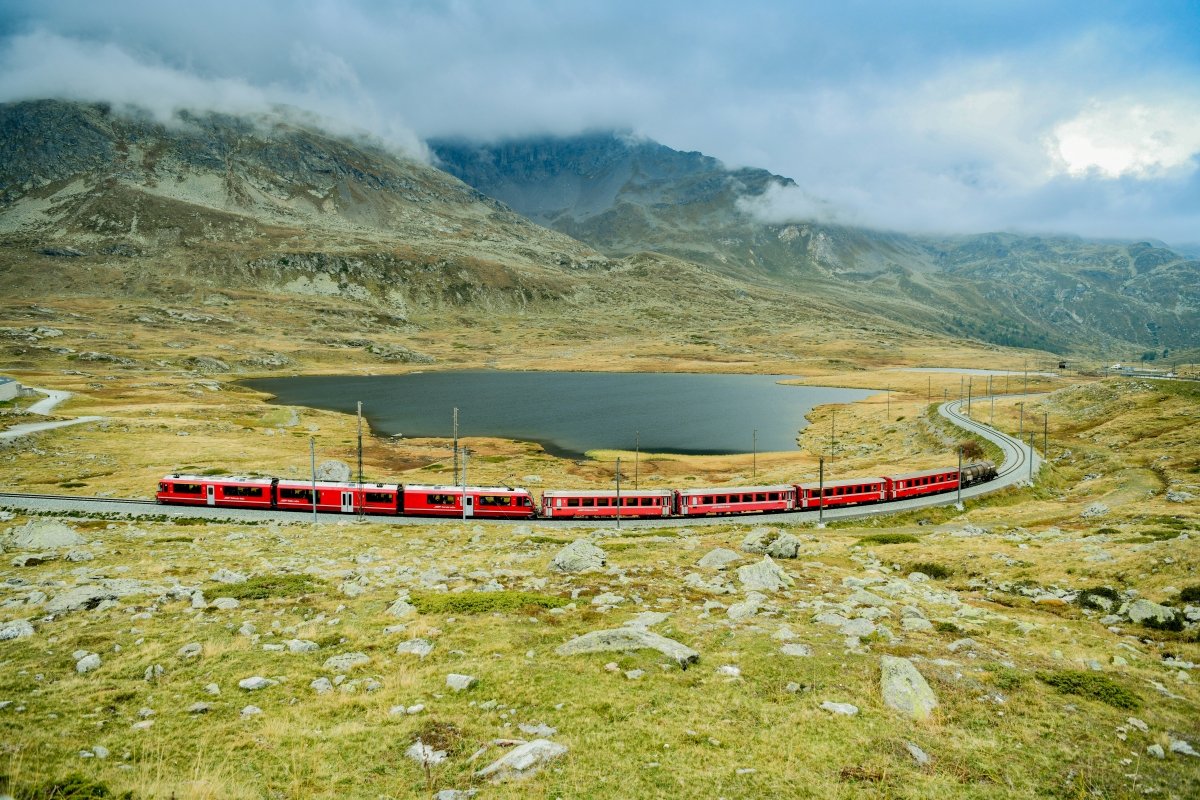
- Alp Grüm: Spectacular viewpoint over Lago di Poschiavo
- Tirano: Italian border town with excellent gelato
When to Visit: Timing Your Perfect Journey
Peak Season (June-September) This is when the Bernina Express truly shines. All vegetation is lush and green, hiking trails are accessible, and you’ll have the longest daylight hours for photography. However, expect crowds and premium pricing.
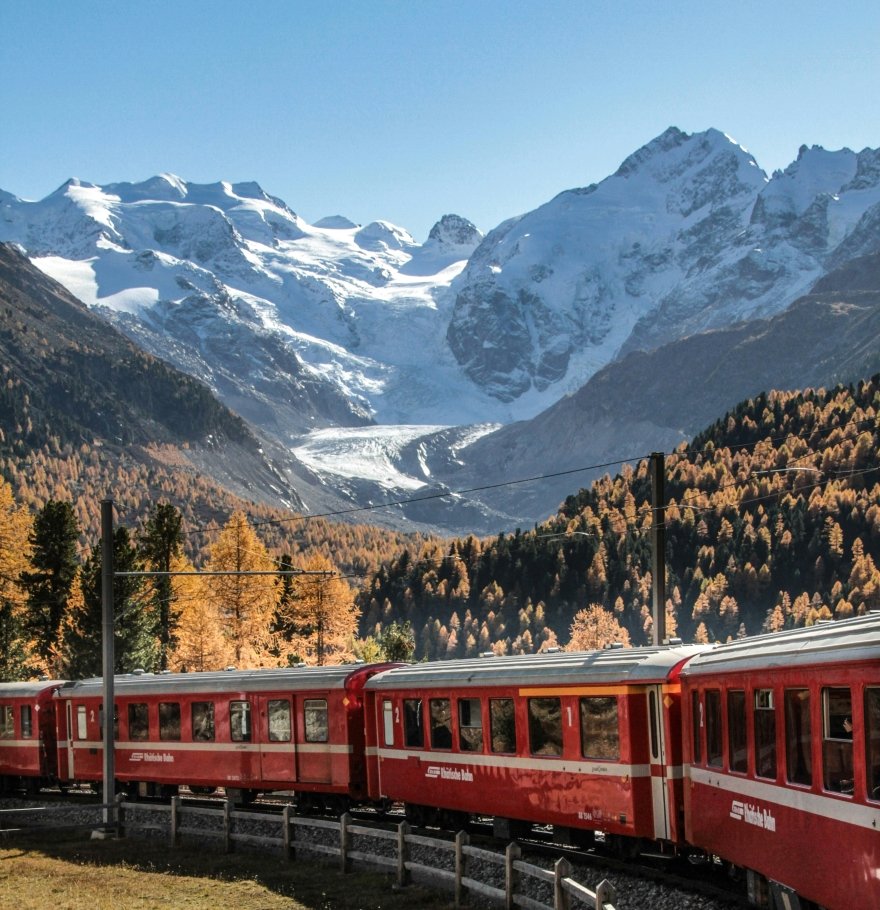
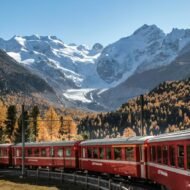
Shoulder Season (May & October) My personal favorite time to visit. May offers spring blooms and fewer crowds, while October delivers stunning autumn colors. Weather can be unpredictable, but the photos are incredible.
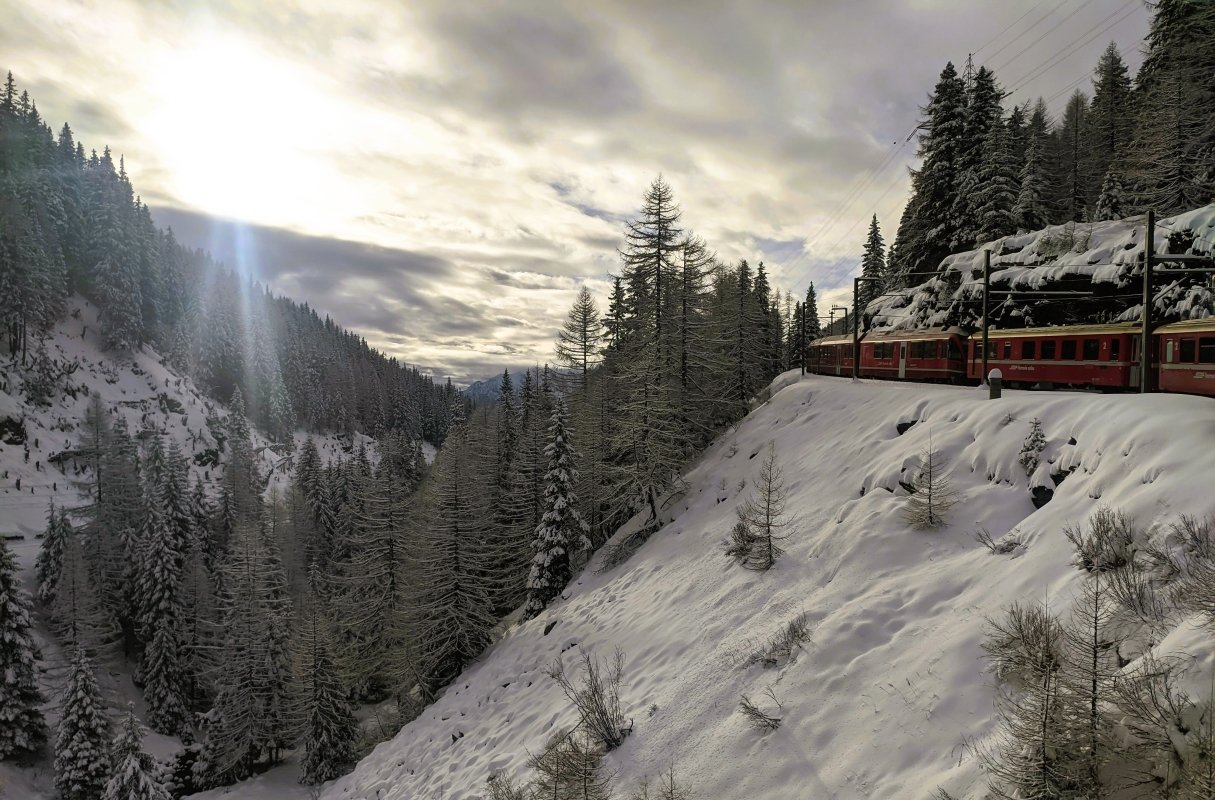
Winter Magic (December-March) The winter Bernina Express transforms into a snowy wonderland. While some high-altitude sections may have limited visibility due to snow, the cozy atmosphere inside the heated panoramic cars is unbeatable. Plus, significantly fewer tourists mean better seat selection.
Weather Reality Check Mountain weather changes quickly. Even in summer, pack layers including a warm jacket. At Ospizio Bernina, temperatures can be 15-20°C cooler than at valley level.
Booking Your Tickets: Insider Tips
Reservation Requirements Unlike regular Swiss trains, the Bernina Express requires advance reservations, especially for the panoramic cars. Don’t show up hoping to wing it – you’ll likely be disappointed.
Ticket Options:
- Standard panoramic car: 60-80 CHF (Chur-Tirano)
- First-class panoramic: 90-120 CHF
- Regular train cars: Available but honestly, why would you?
Money-Saving Tips:
- Swiss Travel Pass holders get free travel but still need seat reservations (10 CHF)
- Book directly through Rhätische Bahn (RhB) to avoid third-party fees
- Consider regional passes if exploring multiple areas
Best Seats in the House: Request seats on the right side (direction of travel) from St. Moritz to Tirano for optimal glacier and lake views. However, the panoramic windows mean you won’t miss much regardless.
What to Pack: The Essentials
Photography Gear:
- Camera with extra batteries (cold drains them fast)
- Polarizing filter for lake reflections
- Wide-angle lens for landscape shots
- Phone with sufficient storage – you’ll take hundreds of photos
Comfort Items:
- Layers, layers, layers
- Comfortable shoes for station stops
- Snacks (onboard café prices are typical Swiss expensive)
- Water bottle
- Motion sickness remedies if you’re sensitive
Pro Tip: Download offline maps before departure. Mountain cell coverage can be spotty, and you’ll want to identify landmarks as you pass them.
The Journey Experience: What to Expect
The magic begins immediately as you leave the station. The train moves at a leisurely 35 km/h maximum, giving you time to absorb every detail of the passing landscape. Large panoramic windows extend into the roof, creating an almost 360-degree viewing experience.
Albula Section Highlights: The engineering feat of the Albula Railway becomes apparent as you spiral through multiple loops and curves. The Landwasser Viaduct appearance is announced, giving everyone time to prepare their cameras. Trust me, even the most jaded travelers get excited here.
Bernina Pass Section: This is where things get serious. You’ll pass the stunning Lago Bianco (White Lake), whose milky turquoise color comes from glacial sediment. The contrast between the dark railway tracks and brilliant blue-white lake is absolutely mesmerizing.
Descent into Italy: The character changes completely as you descend toward Tirano. Alpine scenery gradually gives way to Mediterranean vegetation, terraced vineyards, and Italian charm.
Food and Dining Options
Onboard Café Car: The mini-bar service offers Swiss specialties, local wines, and coffee. Prices reflect the premium experience – expect to pay 8-12 CHF for a coffee, 15-25 CHF for light meals. The local Valtellina red wine is worth trying as you descend into Italy.
Station Stops: Several longer stops allow for quick snack purchases or photo opportunities. St. Moritz offers numerous upscale dining options if you’re extending your stay.
Packing Your Own: Totally acceptable and recommended for budget-conscious travelers. Swiss supermarkets like Coop or Migros offer excellent sandwich selections and snacks.
Accommodation Recommendations
St. Moritz (luxury option)
- Kulm Hotel: Historic luxury with Bernina Express packages
- Hotel Hauser: Mid-range with great location
- Youth Hostel St. Moritz: Budget-friendly with mountain views
Chur (starting point option)
- ABC Swiss Quality Hotel: Modern comfort near the station
- Hotel Freieck: Boutique option in old town
Pontresina (mountain village charm)
- Grand Hotel Kronenhof: Ultimate luxury experience
- Hotel Steinbock: Family-run authenticity
Making the Most of Your Stop in Tirano
Don’t rush back immediately! Tirano offers genuine Italian culture and significantly lower prices than Switzerland. The Sanctuary of Madonna di Tirano is worth visiting, and the town’s gelaterias are legendary among train travelers.
Border Shopping: Stock up on Italian wine, coffee, and chocolate at fraction of Swiss prices. Just remember customs limits if you’re heading back to Switzerland.
Photography Tips for Epic Shots
Golden Hour Magic: The first and last trains of the day offer the best lighting conditions. Summer’s early departure times can provide stunning sunrise photography.
Iconic Shots to Capture:
- Landwasser Viaduct from the train
- Lago Bianco reflection shots
- Spiral tunnels from above (if hiking)
- Train against mountain backdrop from station platforms
Technical Considerations:
- Shoot through clean sections of windows
- Use fast shutter speeds for sharp images from moving train
- Bracket exposures for high-contrast mountain scenes
Sustainable Travel Considerations
The Bernina Express runs entirely on hydroelectric power, making it one of the most environmentally friendly ways to experience the Alps. The railway company actively promotes sustainable tourism practices and partners with local communities to preserve the landscapes you’re traveling through.
Choose local accommodations, eat at family-run restaurants, and respect hiking trail guidelines to minimize your environmental impact while maximizing your positive contribution to local economies.
Final Thoughts: Is It Worth the Hype?
Absolutely. Yes, it’s touristy. Yes, it’s expensive by some standards. But the Bernina Express delivers an experience that justifies every franc spent. This isn’t just about getting from point A to point B – it’s about the journey becoming the destination itself.
Whether you’re a serious photographer, a slow-travel enthusiast, or someone who simply appreciates extraordinary natural beauty, the Bernina Express offers something magical. In our hyperconnected world, there’s something profoundly restorative about spending four hours watching pristine landscapes unfold at train speed, without the distractions of driving or the limitations of hiking pace.
Book your tickets, pack your camera, and prepare for what might just become your most treasured travel memory. The Alps are calling – and the Bernina Express is your elegant answer.
Ready to book? Visit rhb.ch for official reservations and current timetables. Your Swiss Alpine adventure awaits!