

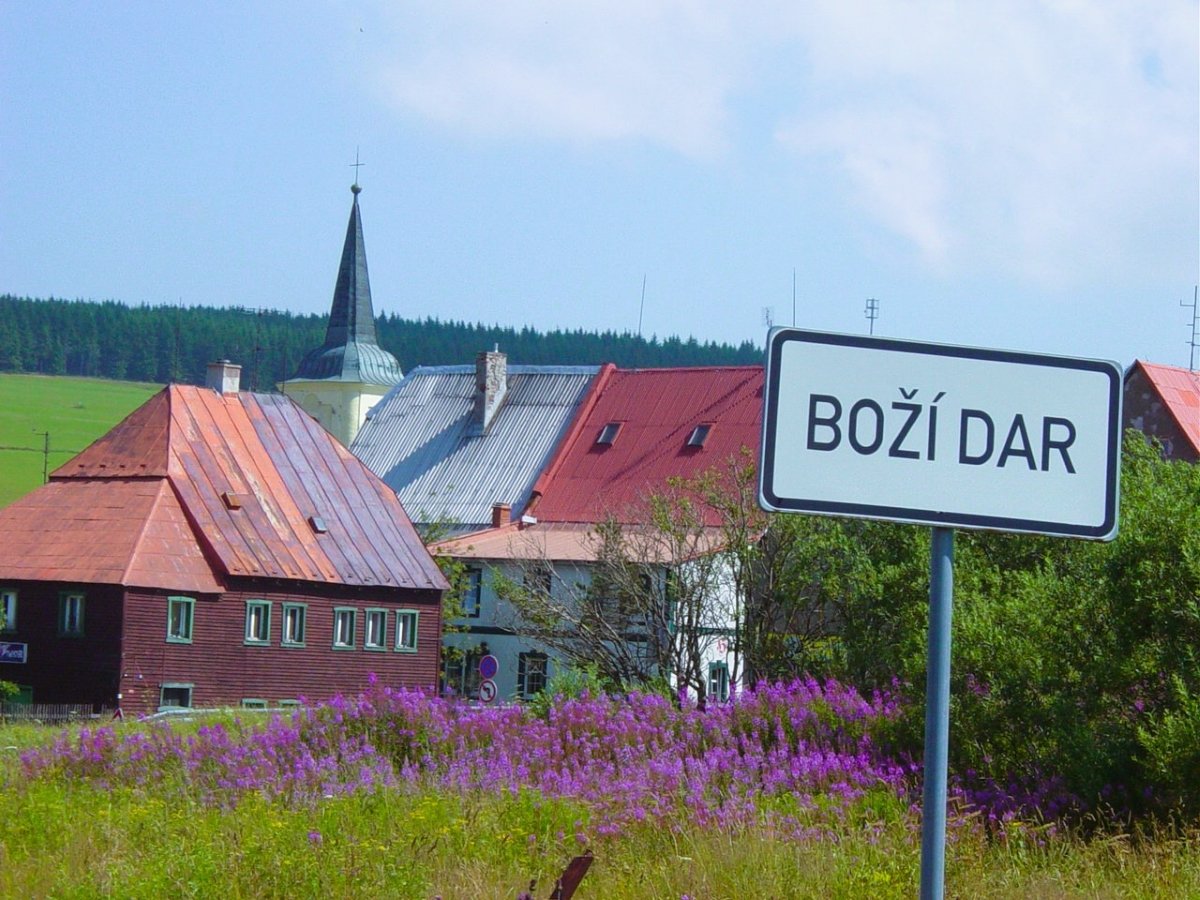
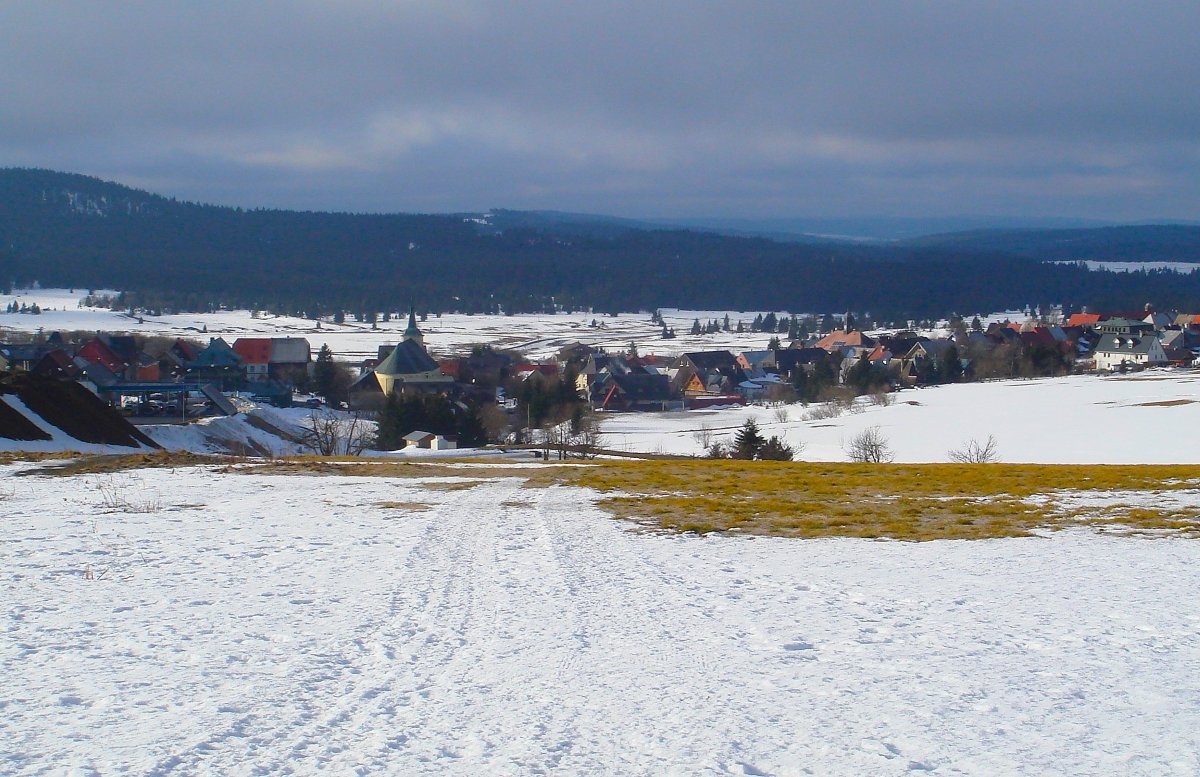
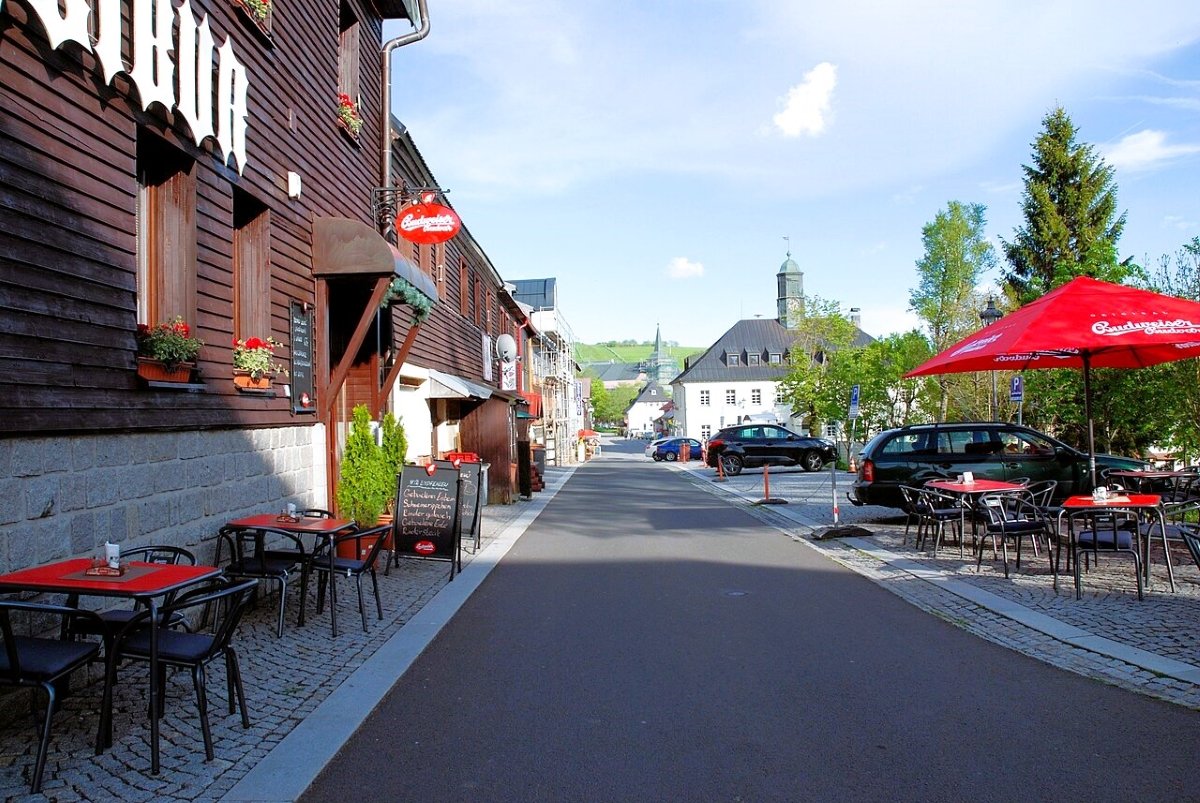
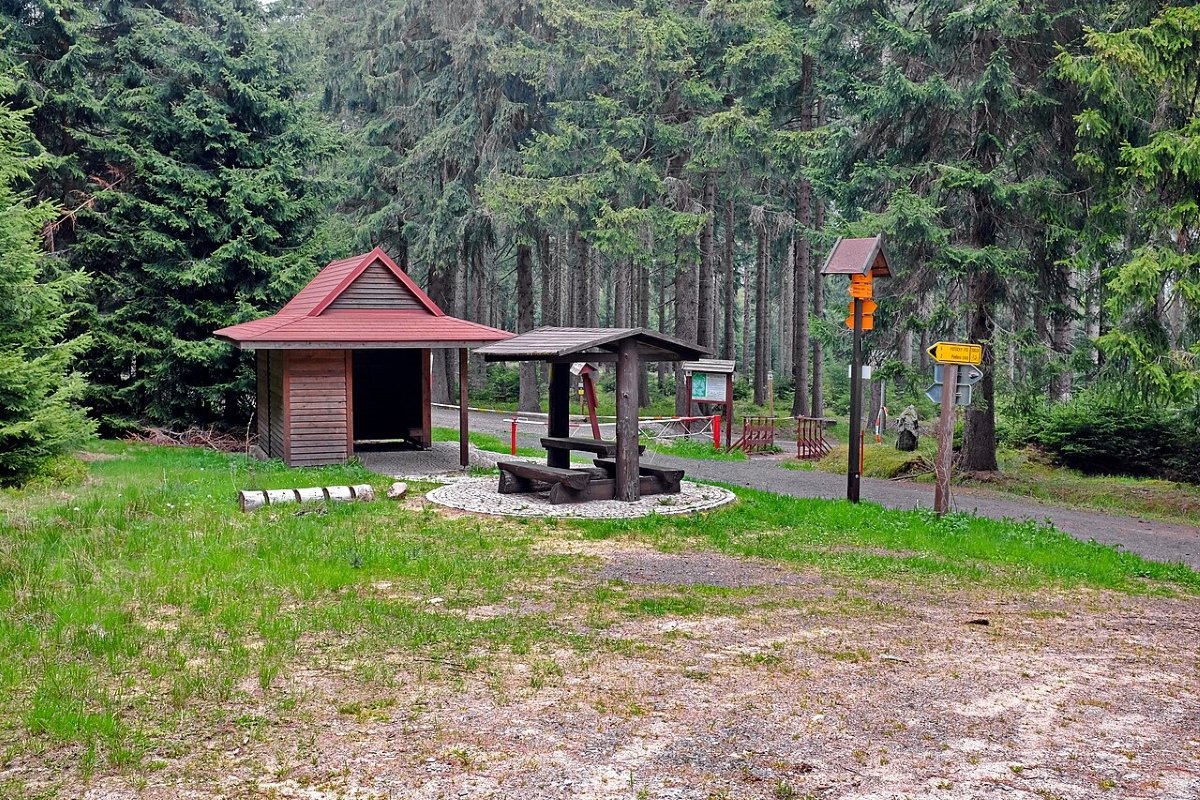
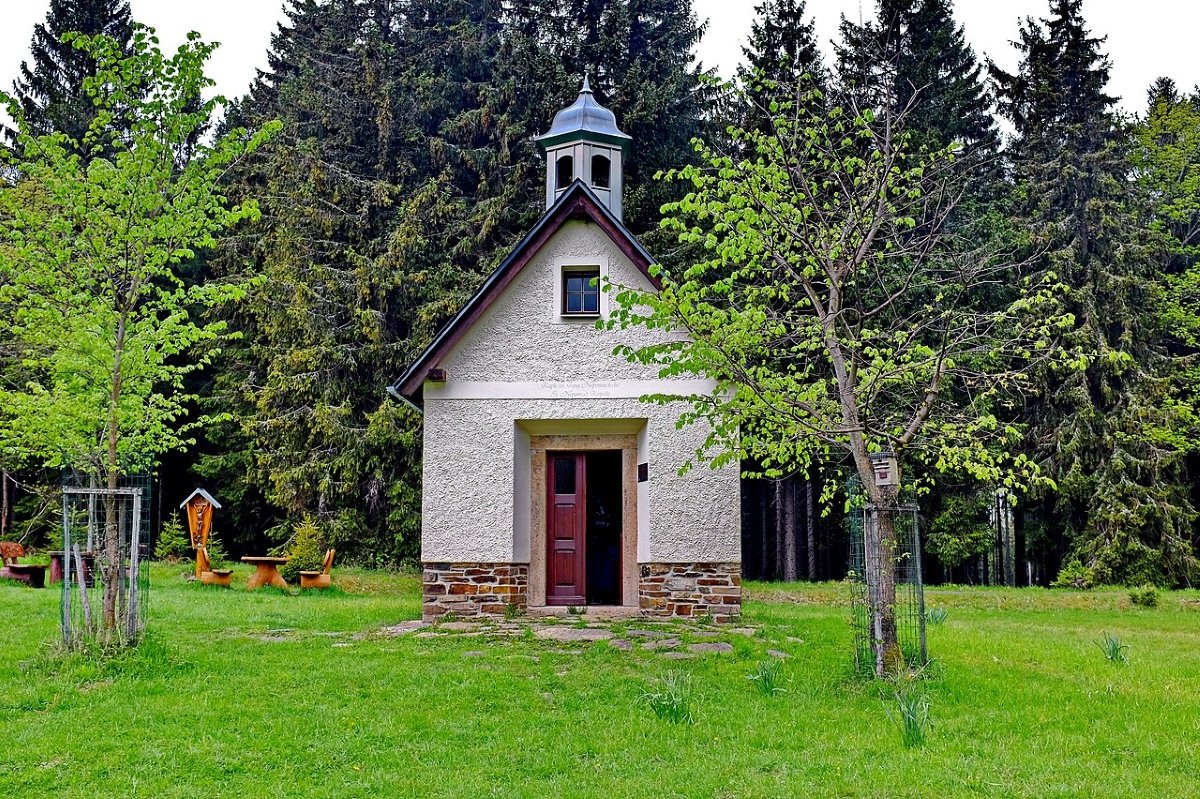
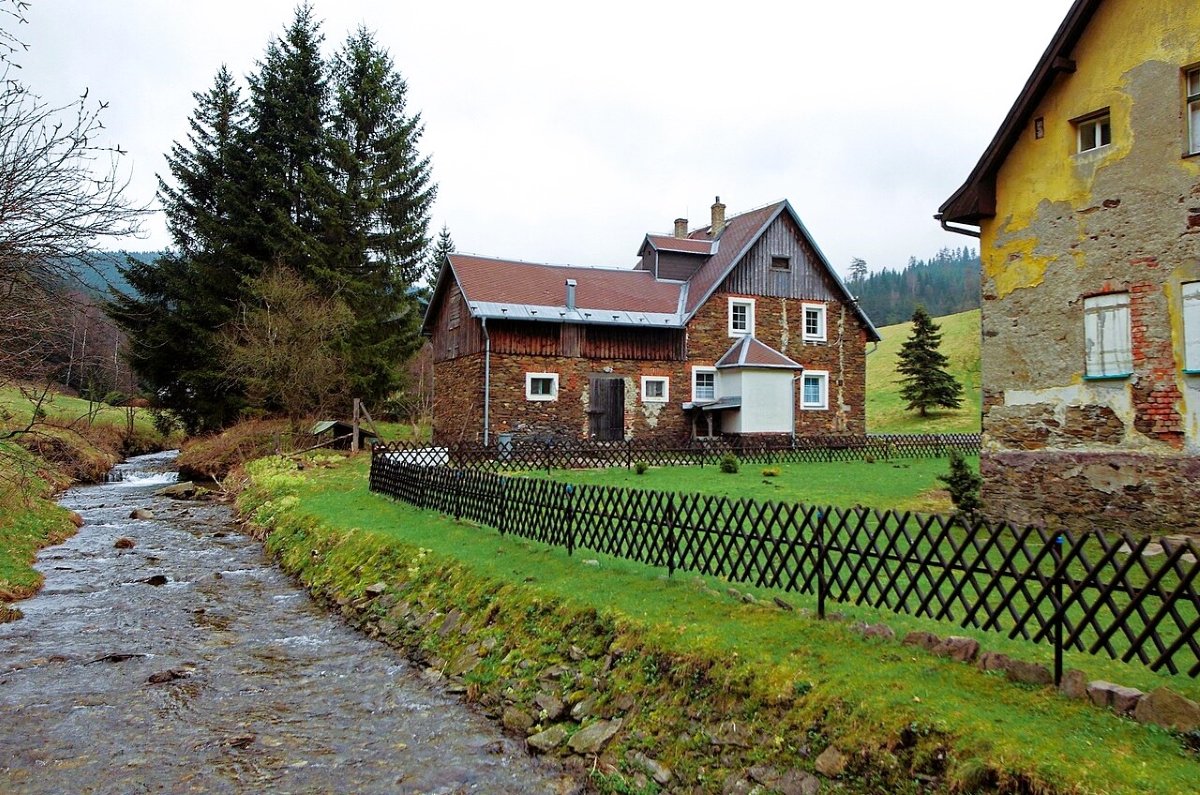
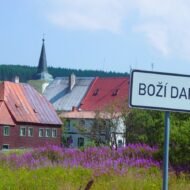
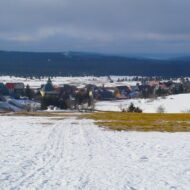
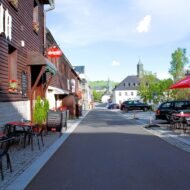
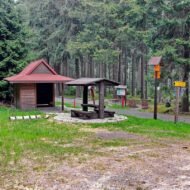
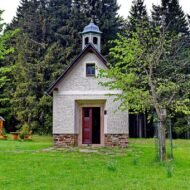
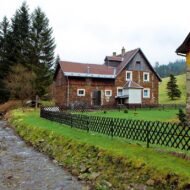
Boží Dar is the Czech Republic’s highest town (1,028m), sitting right on the German border with epic hiking, biking, cross-country skiing, and a quirky mining history. Think Alpine vibes without the Alpine prices, zero crowds, and nature that’ll make your Instagram followers actually jealous. Best for: outdoor enthusiasts, history buffs, and anyone tired of Prague’s tourist traps.
- What Makes Boží Dar Special?
- When to Visit (Because Timing Is Everything)
- Getting There Without Losing Your Mind
- Where to Sleep (From Budget to “Treat Yourself”)
- What to Actually Do Here
- Hit the Trails (Seriously, That’s Why You’re Here)
- Winter = Cross-Country Ski Paradise
- Mountain Biking in Summer
- The Mining History Rabbit Hole
- Bringing the Kids? You’re Actually in Luck
- Where to Eat (Managing Expectations)
- The German Connection (A.K.A. Cool Day Trip Hack)
- Practical Stuff They Don’t Always Tell You
- Who This Place Is NOT For
- Final Thoughts: Is It Worth Your Time?
What Makes Boží Dar Special?
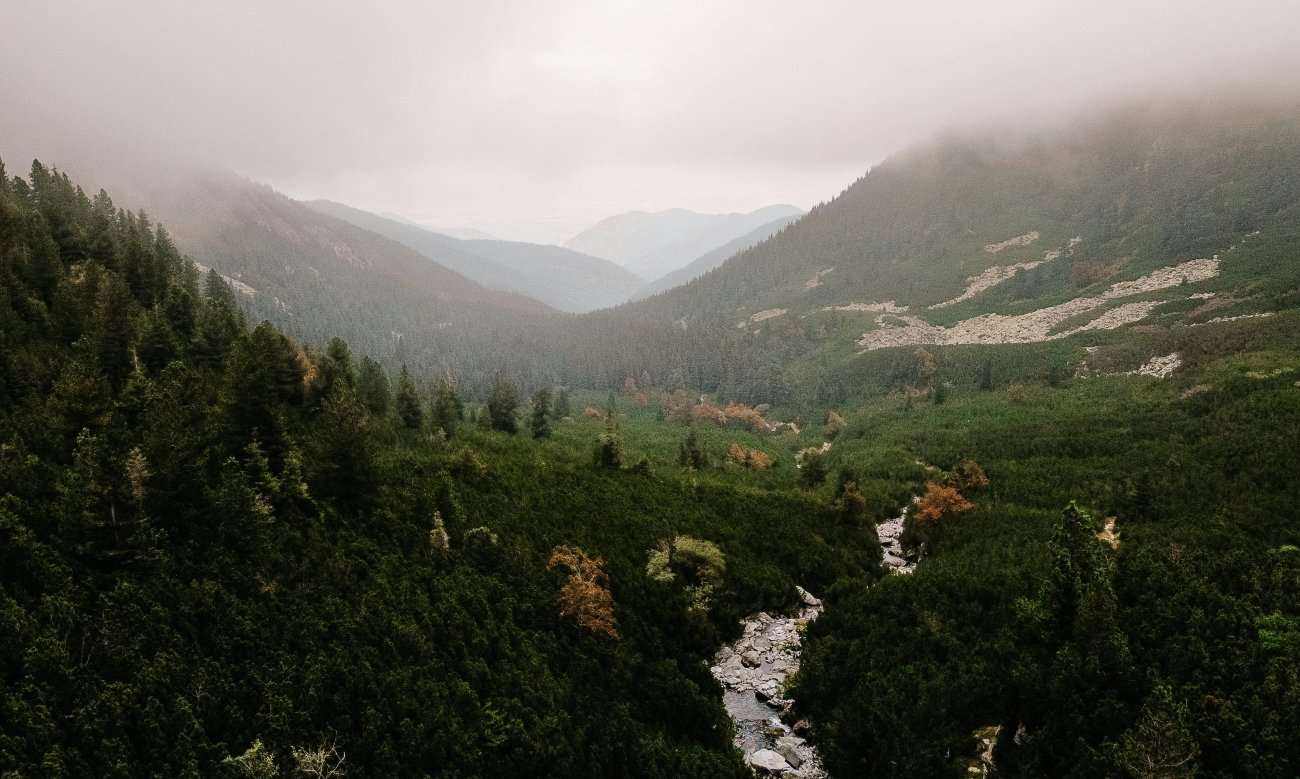
Boží Dar (say it like “BO-zhee dar” and you’re close enough) literally means “God’s Gift” in Czech. Whether that’s referring to the stunning Ore Mountains (Krušné hory) a UNESCO-listed mining landscape, the rich silver deposits that once made this place boom, or just the fact that you can still find authentic Czech beer for under €2, I’ll let you decide.
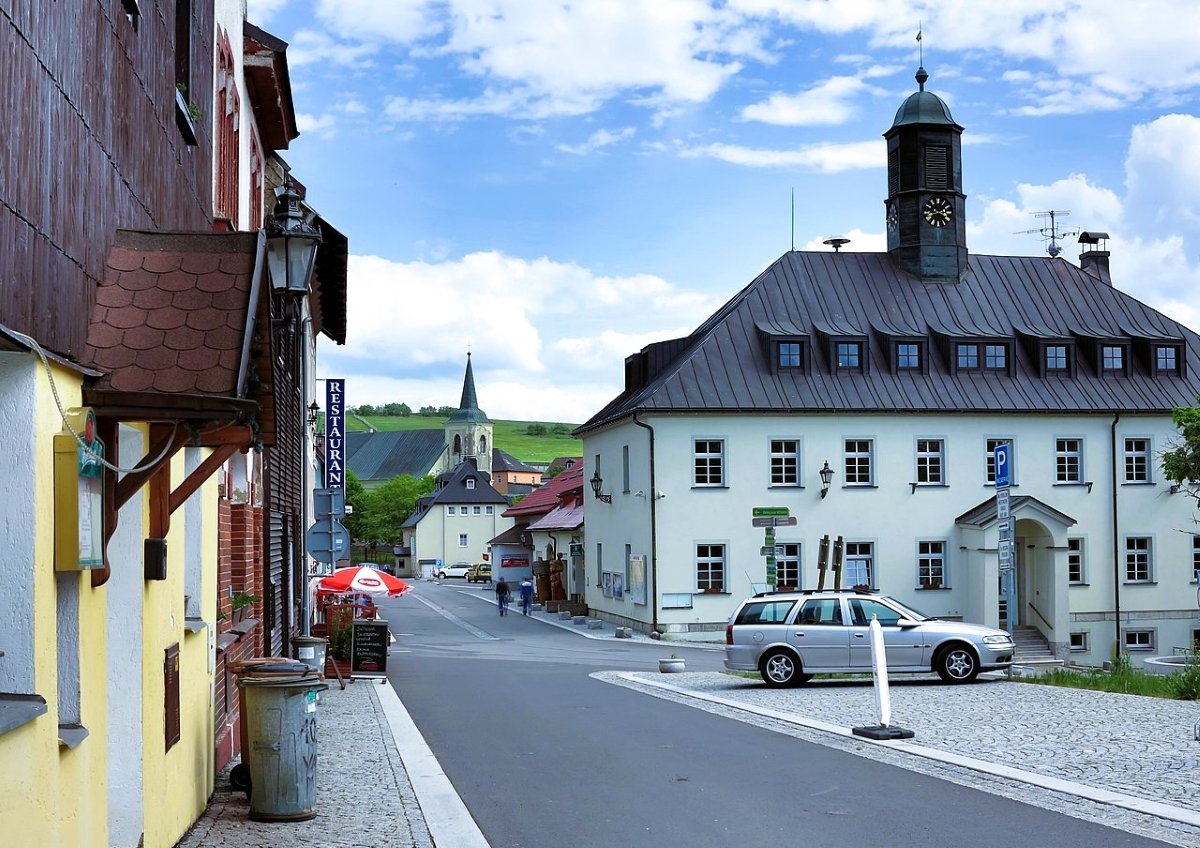
Perched at over 1,000 meters above sea level, this tiny town of about 200 permanent residents is the Czech Republic’s highest settlement. But don’t let the small population fool you—this place punches way above its weight when it comes to outdoor adventures and off-the-beaten-path charm.
When to Visit (Because Timing Is Everything)
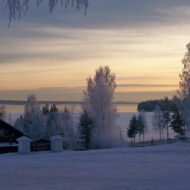
Winter (December-March): This is peak season for cross-country skiing enthusiasts. We’re talking 100+ kilometers of groomed trails connecting to Germany’s network. The snow’s reliable, the landscapes look like they’ve been dusted with powdered sugar, and the Christmas markets in nearby towns are chef’s kiss.
Summer (June-September): Hiking and mountain biking season. Temperatures are pleasantly cool (rarely above 20°C/68°F), wildflowers are everywhere, and you can actually see the views instead of squinting through snow.
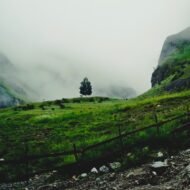
Shoulder seasons (April-May, October-November): Cheaper accommodation, fewer visitors, and that moody mountain atmosphere that makes every photo look like a Nordic crime drama. Just pack layers because weather can be unpredictable.
Pro tip: Avoid coming during Czech school holidays unless you enjoy company. The town can feel eerily quiet mid-week in shoulder seasons, which is either perfect or unsettling depending on your vibe.
Getting There Without Losing Your Mind
By Car: About 2 hours from Prague, 45 minutes from Karlovy Vary. The roads are well-maintained, and the drive through the Ore Mountains is genuinely beautiful. GPS works fine, though you might lose signal in some valleys (download offline maps).
By Public Transport: This is where it gets interesting. You’ll need to take a train to Karlovy Vary or Chomutov, then catch a bus. It’s doable but adds time. Weekend bus schedules can be sparse, so plan ahead or you might end up making new friends while waiting.
From Germany: If you’re coming from places like Dresden or Chemnitz, Boží Dar is stupidly easy to reach. The border is literally a 10-minute walk from the town center.
Where to Sleep (From Budget to “Treat Yourself”)
Pension Rohanov – Mid-range perfection with that cozy Czech hospitality and a restaurant serving ridiculously good traditional food. Expect to pay €40-60/night for a double.
Hotel Zelený dům – Slightly more upscale, perfect location, and they actually understand what vegetarians eat (not always a given in this region). Around €60-90/night.
Mountain chalets and apartments – Tons of options on Booking.com and Airbnb, ranging from basic to surprisingly modern. Great for groups or longer stays.
Camping Arnika – For the hardcore outdoorsy types. Open summer months only, but you’re literally sleeping in the mountains for like €10/night.
Money-saving hack: Stay in nearby Jáchymov (20 minutes away) where accommodation is often cheaper, plus you can check out the radon spas that are weirdly famous there.
What to Actually Do Here
Hit the Trails (Seriously, That’s Why You’re Here)
The Božídarské rašeliniště Nature Reserve is your main attraction—one of Central Europe’s best-preserved peat bogs. Before you say “peat bogs sound boring,” trust me on this. The wooden walkways wind through landscapes that feel prehistoric, and the rare plants and birds here are legitimately cool if you give them a chance.
Must-do hikes:
- Blatenský vrch lookout tower (30-minute easy walk): 360° views that’ll make you understand why they call this area “the roof of Bohemia”
- Trail to Novohersky pond (2 hours round trip): Beautiful lake, usually quiet, perfect picnic spot
- Cross-border hike to Fichtelberg (Germany’s highest point in the east, 3-4 hours): Grab a beer in Germany, hike back to Czech Republic
Winter = Cross-Country Ski Paradise
I’m not exaggerating when I say Boží Dar is one of the best places for Nordic skiing in Central Europe. The Krušnohorská magistrála (Ore Mountain Trail) runs right through here—120km of groomed perfection connecting dozens of mountain towns across Czech Republic and Germany.
Rental shops are everywhere, trails are marked by difficulty, and unlike Alpine skiing, this won’t destroy your bank account. Day passes for trails cost around €5-7, equipment rental about €10-15/day.
Mountain Biking in Summer
The same trails transform into mountain biking routes once snow melts. Both downhill adrenaline junkies and casual riders will find options. The SingleTrail Ore Mountains network has purpose-built trails with varying difficulty levels.
The Mining History Rabbit Hole
The Mining Museum in the town center is small but surprisingly engaging. This whole region was built on tin and silver mining from the 16th century. The exhibits explain why towns even exist up here in the first place (spoiler: money makes people do crazy things like settle in freezing mountains).
You can also explore some old mining tunnels in nearby Jáchymov, which later became infamous as a uranium mining prison camp during Communist times. Heavy history, but important.
Bringing the Kids? You’re Actually in Luck
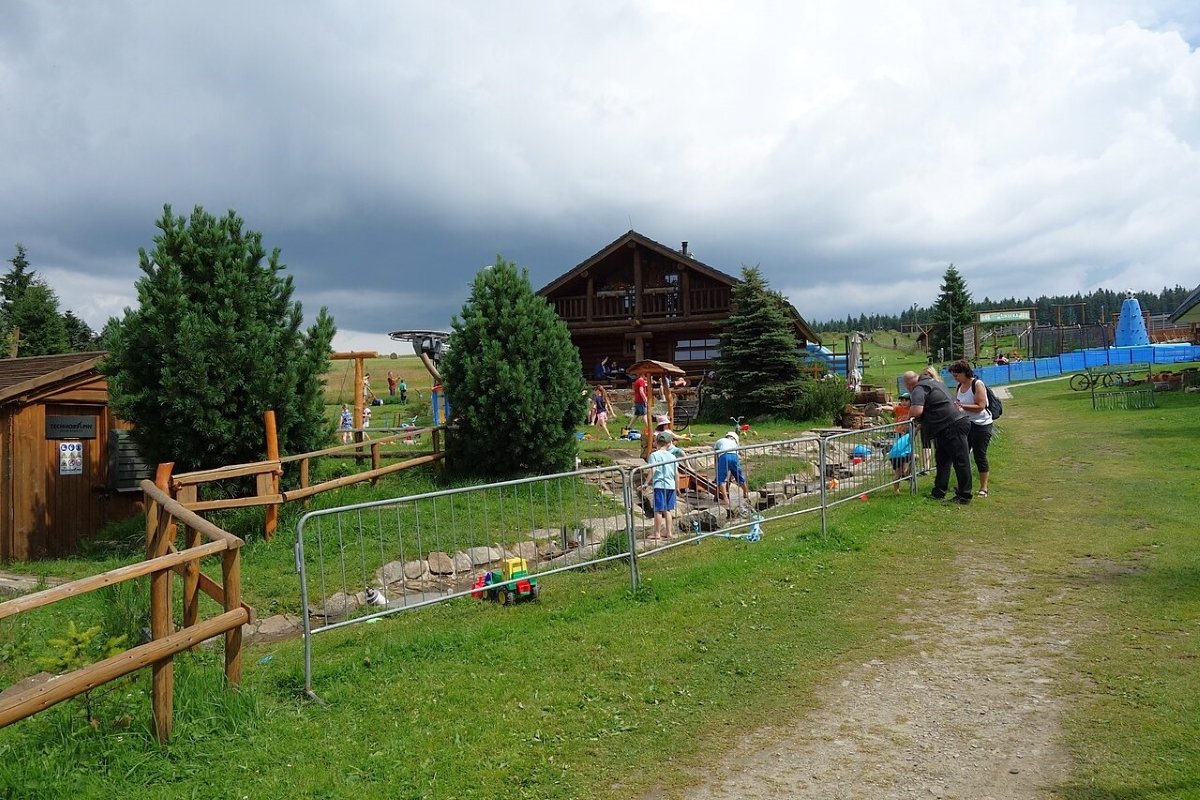
Here’s the thing about Boží Dar that makes it surprisingly great for families: it’s naturally kid-friendly without trying to be a theme park. No crowds, no stress, just actual outdoor time that doesn’t involve iPads.
- Easy wins for younger children: The peat bog boardwalk trails are stroller-accessible (seriously!) and short enough that even restless 5-year-olds can handle them. Kids genuinely enjoy spotting the carnivorous sundew plants and the weird bog ecosystem—it’s like nature’s own science experiment.
- Winter family activities: Cross-country skiing lessons are available for children as young as 4-5 years old, and the beginner trails around town are gentle and safe. Many families rent sleds and use the small hills around Novohersky pond for sledding—free entertainment that’ll tire kids out before dinner. The Fichtelberg cable car across the border in Germany is a hit with children who want mountain views without the hiking effort.
- Summer adventures: Rent family bikes (including those tag-along attachments for smaller kids) and tackle the easier forest trails. The Blatenský vrch lookout tower becomes a mini-adventure when you frame it as a treasure hunt to the top. Pack a picnic, and the meadows around town become instant playgrounds.
- Rainy day backup: The Mining Museum offers interactive exhibits where kids can touch minerals and learn about how miners worked—way more engaging than you’d expect. On the German side, Oberwiesenthal has an indoor swimming pool complex (AquaWelt) that’s saved many a family vacation from weather meltdowns.
- Parent sanity tips: Most pensions and hotels have family rooms or connecting rooms without the premium prices you’d pay elsewhere in Europe. The slow pace means you’re not rushing between attractions, and Czech prices mean treating the kids to ice cream or snacks won’t break the budget. Plus, the whole “we walked between countries before lunch” thing makes kids feel like international adventurers, which buys you serious parenting credibility.
- Real talk: This isn’t Disneyland. There are no playgrounds on every corner or dedicated kids’ clubs. But if your children can handle outdoor activities and aren’t expecting constant entertainment, they’ll probably remember Boží Dar way more fondly than another crowded European city break.
Where to Eat (Managing Expectations)
Let’s be real: Boží Dar isn’t a foodie destination. You’re here for nature, not Michelin stars. That said, you won’t starve.
Restaurace U Vlka – Solid Czech classics. The goulash is proper comfort food after a day on the trails. Cash only, like stepping back in time.
Pension Rohanov restaurant – Mentioned earlier, but their roast duck is legitimately memorable.
Bouda Na Ryžovně – Mountain hut serving simple but filling meals. The location on the trails makes it perfect for a mid-hike beer.
Self-catering tip: There’s a small grocery store in town, but selection is limited. Stock up in Karlovy Vary or bring supplies if you’re staying multiple days and have specific dietary needs.
The German Connection (A.K.A. Cool Day Trip Hack)
The German town of Oberwiesenthal is literally a 20-minute walk across the border. It’s got more restaurants, a cable car up Fichtelberg mountain, and that German efficiency you might be craving if Czech laissez-faire attitudes are testing your patience.
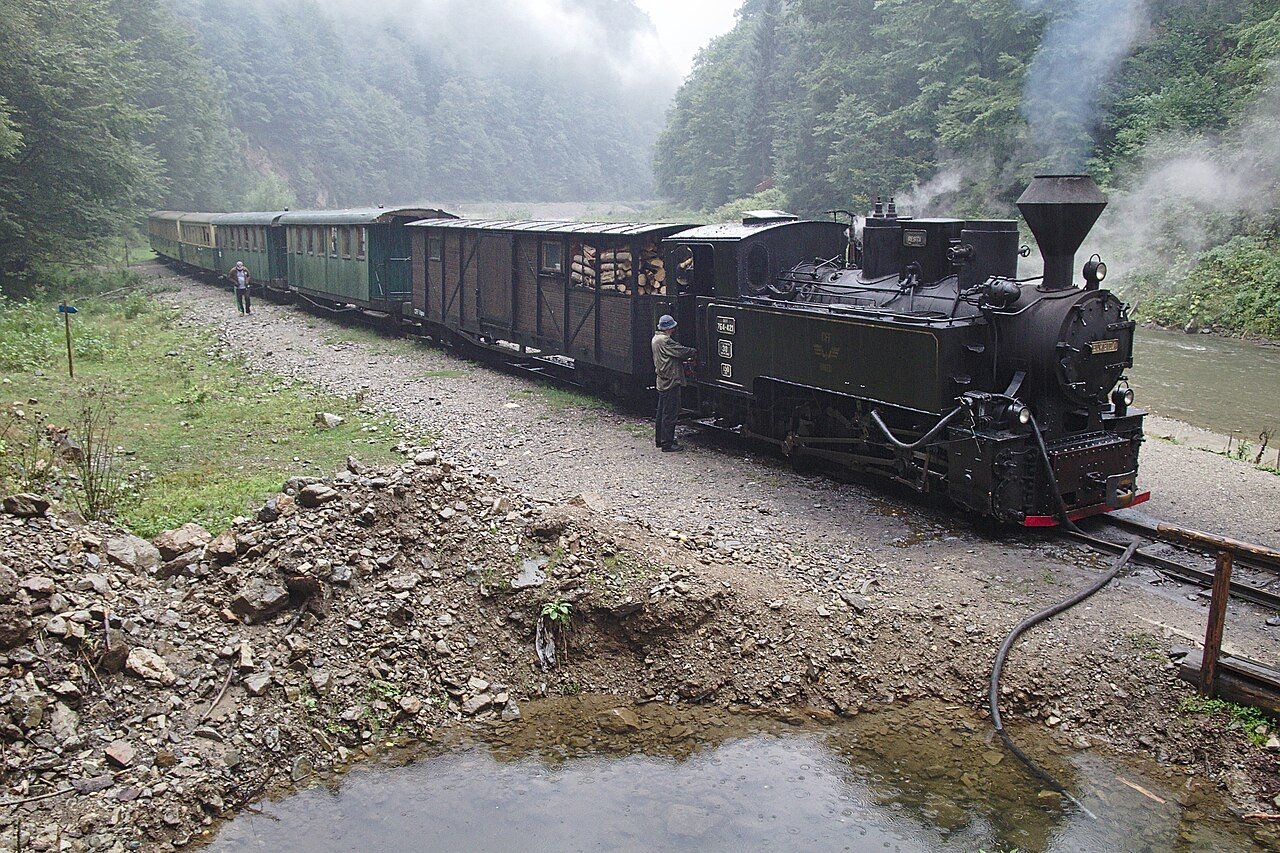
You can also access the Fichtelberg Railway, a narrow-gauge steam train that’s genuinely charming and not just a tourist trap. Grab German pastries, compare beer prices (spoiler: Czech side wins), and feel cosmopolitan walking between countries for lunch.
Practical Stuff They Don’t Always Tell You
Language: Older locals speak some German from the proximity, but English is hit-or-miss outside hotels. Download Google Translate. Younger people in tourism usually speak decent English.
Currency: Czech crowns (CZK), not euros. Cards widely accepted, but carry some cash for smaller establishments and trail parking.
Phone service: Can be spotty in valleys. T-Mobile and Vodafone work best.
Weather: Unpredictable and often 5-10°C cooler than Prague. That “light jacket weather” forecast means bring a proper coat. I learned this the hard way.
Mosquitoes: The peat bogs breed these little vampires in summer. Bug spray isn’t optional—it’s survival gear.
Who This Place Is NOT For
Let’s save everyone some time:
- Party animals seeking nightlife (nearest club is 45+ minutes away)
- Anyone expecting English everywhere
- People who need constant entertainment (this is nature-focused)
- Luxury resort seekers (charming and comfortable yes, five-star glam no)
- Anyone with serious mobility issues (trails dominate, and terrain is challenging)
Final Thoughts: Is It Worth Your Time?
If you’re in the Czech Republic and tired of the Prague-Český Krumlov circuit, or if you’re the type who’d rather spend a day hiking than waiting in line to see an astronomical clock, then absolutely yes. Boží Dar delivers that rare combination of accessible wilderness, cultural history, and actual value for money.
It’s not going to change your life, but it might give you that reset your brain needs—especially if you’re dealing with overtourism fatigue elsewhere in Europe. Plus, you’ll have serious bragging rights about visiting the Czech Republic’s highest town. That’s worth something at your next dinner party, right?
Pack your hiking boots, download those offline maps, and prepare for a version of Czech Republic that most travelers completely miss. Sometimes God’s Gift is exactly that.