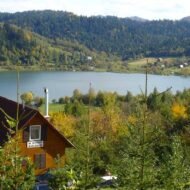
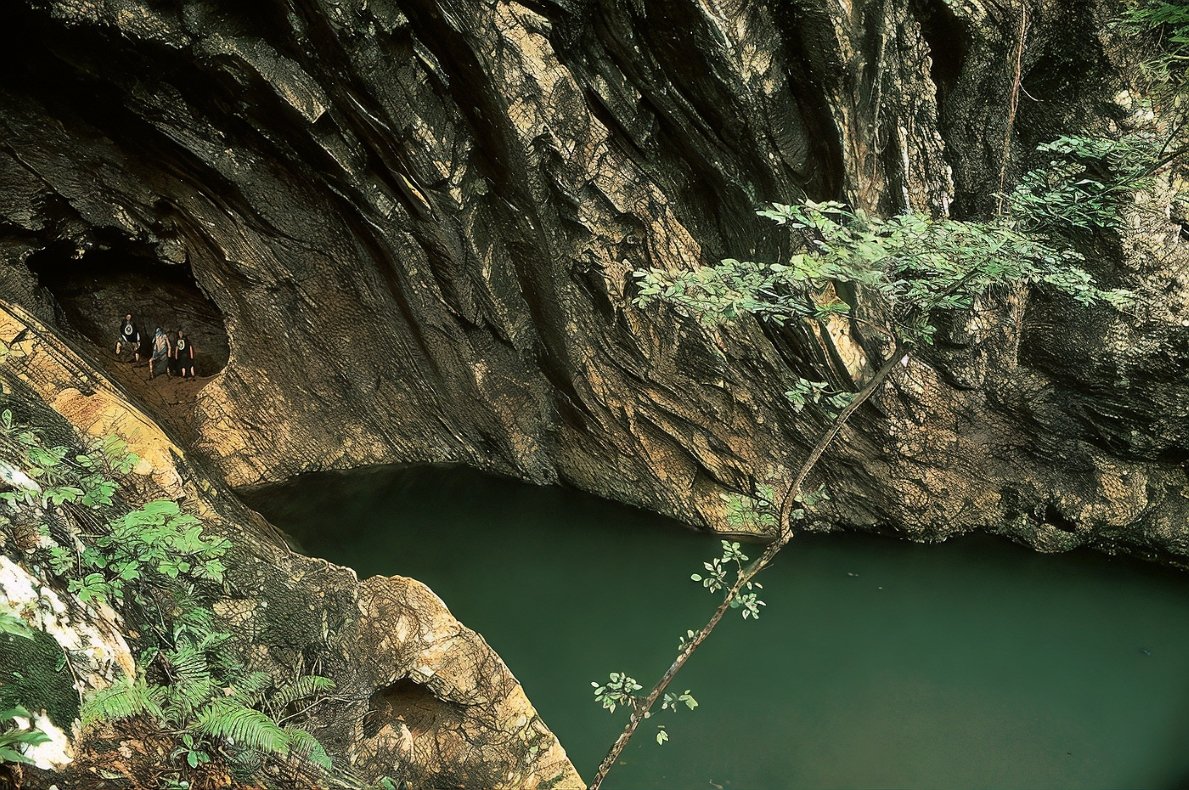


Devil’s Lake is the largest karst lake in Romania, located in the Locvei Mountains within the Nerei Gorges-Beușnița National Park. This stunning blue-green karst wonder spans 700 square meters with depths reaching 12 meters and attracts adventurers from across Europe. Located in Caraș-Severin county, it’s a 4–5 hour hike from Sasca Montana village—totally worth the trek.
- What Makes Devil’s Lake So Special?
- The Legend Behind the Name
- Getting There: The Journey Is Half the Adventure
- What to Expect When You Arrive
- Timing Your Visit: Best Time to Go
- What to Pack: Don’t Leave Home Without It
- Things to Do Beyond the Lake
- Staying in the Area
- Visitor Information & Practical Tips
- Accessibility Notes
- Why Devil’s Lake Deserves Your Attention
What Makes Devil’s Lake So Special?
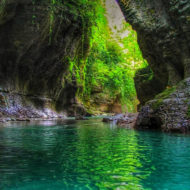
Imagine discovering a hidden gem that practically glows with an otherworldly blue-green hue, surrounded by limestone cliffs and pristine wilderness. That’s Lacul Dracului. This karst lake was originally a subterranean lake within a cave; when one of the cave’s walls collapsed, it was brought to the surface, and its color varies beautifully according to the sky and light conditions.
What makes this place truly magnetic isn’t just the Instagram-worthy looks. In 1981, scuba divers discovered an underwater gallery at a 12-meter depth, leading through a 25-meter-long corridor into an impressive underground chamber featuring white and washed limestone alternating with layers of black flint. For explorers and curious travelers, knowing there’s an entire hidden world beneath those waters adds serious intrigue to the experience.
The Legend Behind the Name
Every worthy travel destination needs a good story, right? Local legend says the devil threw himself into this lake after losing a bet with a pastor. Whether you believe it or not, the tale adds a deliciously mysterious vibe to an already enchanting location. The name “Dracului” (the Devil’s) has stuck around for generations, passed down through stories told by locals who’ve guarded this place’s secrets for centuries.
Getting There: The Journey Is Half the Adventure
Starting Point: Sasca Montana
The trail begins at the end of Sasca Montana village, which is accessible from Belgrade through Pancevo, Kovin, and Bela Crkva at the Kaludjerovo border crossing. Fair warning: the road to Sasca Montana is rough and pothole-riddled, so drive carefully and allow extra time.
Driving Details:
- Distance from Belgrade: approximately 120 km (about 2.5 hours)
- No vignette required for this route
- Park at the end of the asphalt road in Sasca Montana
The Hiking Route
The route passes through the Susara Gorge first, featuring a waterfall and steep climbs, particularly challenging for beginners. From Susara waterfall, you’ll need about an hour to exit the canyon, with a notably steep final climb.
Trail Breakdown:
- Sasca Montana to Susara Gorge exit: Approximately 2.5 hours
- Gorge exit to Poiana Logor (rest area): 30 minutes
- Poiana Logor to Devil’s Lake: About 2 hours
- Total time: 4–5 hours from start to lake
The access is relatively straightforward, with a well-marked red-tape tourist trail leading to the lake on the left bank of the Nera River. Keep an eye out for the signpost indicating Devil’s Lake—it’s typically a couple of hours from Poiana Logor, though it might take slightly longer depending on conditions and fitness level.
What to Expect When You Arrive
As you emerge from the forest onto the Nera riverside, the lake suddenly appears—and it’s genuinely breathtaking. The water’s hypnotic blue-green color seems almost unreal, like someone digitally enhanced nature itself. The water’s intense color varies with the sky and lighting conditions, making the lake look different depending on when and how you visit.
Lake Specs:
- Surface Area: 700 square meters
- Diameter: Approximately 20 meters
- Depth: 9–12 meters
- Color: Blue-green, shifting with light and sky conditions
- Notable Feature: Hidden cave system accessible by diving
The section of trail approaching the lake requires extra attention, as it runs directly alongside the Nera River with some risk of falling into the water. A chain anchored in the rock provides handholds to help you pass safely.
Timing Your Visit: Best Time to Go
Ideal Season: Late spring through early autumn (May–September)
- Spring (May–June): Wildflowers bloom, water levels can be high
- Summer (July–August): Warmest, most crowded, best for swimming
- Early Fall (September): Fewer crowds, pleasant temperatures, stable water conditions
Avoid: Heavy rain periods (the cave floods when it rains heavily, limiting exploration). Winter is generally not recommended unless you’re an experienced winter hiker.
What to Pack: Don’t Leave Home Without It
- Footwear: Sturdy hiking boots with good grip (the trail gets slippery)
- Clothing: Layers—mountain weather changes fast, and you’ll appreciate versatility
- Hydration: At least 2 liters of water; there are no refill stations after leaving Sasca Montana
- Snacks: Energy bars, nuts, dried fruit—the hike burns serious calories
- First Aid Kit: Basic supplies for minor injuries; help is far away
- Sun Protection: Sunscreen, hat, sunglasses (those limestone cliffs reflect UV rays intensely)
- Camera: You’ll want to capture this magic
- Headlamp or Flashlight: Essential if exploring near the cave or hiking back in twilight
- Rain Gear: Even if skies look clear—mountain weather is unpredictable
Things to Do Beyond the Lake
The Nera River Gorges
The gorge system surrounding Devil’s Lake is part of what makes this region so special. From Devil’s Lake, the real Nera Gorges begin as you head back toward Cantonul Damian, revealing absolutely beautiful karst landscape and river-carved formations. Experienced hikers can extend their trip to explore deeper into the gorges.
Water Crossings
Between the Beiul Bridge and Cantonul Damian, the trail requires crossing the Nera River through the water (typically below knee level, but water levels can rise significantly after heavy rain). This adds an element of adventure and keeps the hike genuinely wild and rewarding.
Sister Lake: Ochiul Beiului
While you’re in the area, Ochiul Beiului Lake is another karst wonder located where the Aninei Mountains meet the Locvei Mountains. It has a crater-like shape, 3.6-meter depth, and almost supernatural blue coloring with water so clear you can see swimming fish. It’s a different hike but equally stunning.
Staying in the Area
Păstrăvăria Camping
This is the main camping spot for visitors to the national park. It’s basic but functional—essentially a field where you can pitch a tent.
What to Know:
- The camping area can get crowded and noisy during peak season, with limited facilities (no proper bathroom). A small trailer sells beer, water, and food from 11 AM–7 PM (food service starts at 1 PM).
- During summer weekends, expect music and parties from other campers
- Rain clears crowds quickly
Nearby Villages
Sasca Montana and Sasca Română offer guesthouses and small hotels if you prefer sleeping in a bed rather than a tent. Book ahead during peak season—this area is becoming increasingly popular.
Visitor Information & Practical Tips
Park Entry:
- Devil’s Lake is part of the Nera Gorges (Cheile Nerei)–Beușnița National Park, located in Caraș-Severin county.
- Entry is generally free, though donations support conservation
Weather Considerations:
- The cave system measures around 70 meters and cannot be safely visited when it rains because it floods. Check weather forecasts before your trip and plan accordingly.
- Temperature drops significantly at higher elevations—bring layers even in summer
Physical Difficulty:
- The trail is challenging, especially for beginners, with steep climbs and lengthy walking distances. Moderate to advanced fitness is recommended.
- Trekking poles reduce knee strain on the steep sections
Leave No Trace:
- Pack out everything you pack in
- Stay on marked trails to protect the fragile karst ecosystem
- Don’t disturb wildlife or remove plants
Accessibility Notes
This destination requires physical capability. The 4–5 hour hike with steep climbs, uneven terrain, and river crossings isn’t suitable for individuals with limited mobility, very young children, or those with significant altitude sensitivity. However, if you’re reasonably fit and have moderate hiking experience, you can absolutely do this.
Why Devil’s Lake Deserves Your Attention
Romania is quietly becoming Europe’s adventure destination, and Devil’s Lake is a masterclass in why. You get geological wonder (karst formations are genuinely rare), legendary history (devil-pastors anyone?), pristine wilderness, and a legitimate sense of discovery—not many people have heard of this place yet.
The hike isn’t a casual stroll, but that’s exactly why it’s special. The effort required filters out the casual day-trippers, leaving you with a landscape that still feels genuinely wild. When you reach that glowing blue-green water after hours in the forest, with limestone cliffs towering above and the Nera River rushing alongside, you’ll understand why people keep the Devil’s Lake secrets close.
Ready to explore? Pack your boots, bring your sense of adventure, and prepare for one of Romania’s most rewarding natural experiences. Devil’s Lake is waiting—and unlike many Instagram-famous destinations, it’s still wonderfully, refreshingly real.