






TL;DR: Doñana National Park is a massive wetland paradise on Spain’s southwestern coast where you can spot endangered lynx, flamingos, and wild horses across beaches, marshes, and dunes. Visit between March-May or September-October, book guided tours from El Rocío or Matalascañas, and expect to spend €30-50 per person for 4-hour excursions into one of Europe’s most important wildlife refuges.
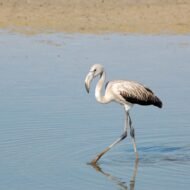
Picture this: you’re bouncing along in a 4×4 through towering sand dunes that look like they belong in the Sahara, then suddenly you round a corner and there’s a pink cloud of flamingos feeding in shallow lagoons. Welcome to Doñana National Park, where Spain trades its usual script of cathedrals and tapas bars for something wildly different.
Situated into the southwestern corner of Andalusia where the Guadalquivir River meets the Atlantic, Doñana is one of Europe’s largest and most important wetlands. We’re talking about 543 square kilometers of marshes, forests, dunes, and beaches that serve as a crucial pit stop for millions of migratory birds traveling between Europe and Africa. But here’s what makes it genuinely special: this place is home to the Iberian lynx, one of the world’s rarest cats, which was literally pulled back from the brink of extinction right here.
Why Doñana Should Be on Your Radar
Let’s be honest—most visitors to Andalusia stick to the Seville-Granada-Córdoba triangle. Nothing wrong with that, but you’re missing out on something extraordinary. Doñana offers a completely different side of Spain that most travelers never experience.
This isn’t your typical European park where you stroll around manicured paths. Doñana is raw, protected, and seriously wild. The core zone is completely off-limits except with authorized guides, which means the wildlife here actually acts wild. Deer wander freely, imperial eagles soar overhead, and if you’re exceptionally lucky, you might glimpse that elusive lynx.
The park sits at a geographic crossroads that’s been critical for centuries. It’s where African and European ecosystems blur together, creating this unique biodiversity hotspot that UNESCO recognized as a World Heritage Site back in 1994. Beyond the conservation importance, it’s simply stunning—those endless marshes reflecting the sky, Mediterranean forests bursting with life, and beaches so pristine you’ll wonder if you’ve somehow traveled back in time.
When to Visit (Timing Is Everything)
Doñana transforms dramatically with the seasons, so when you visit makes a huge difference in what you’ll experience.
Spring (March to May) is peak time. The marshes are full of water from winter rains, creating perfect conditions for the massive bird migrations. We’re talking about millions of birds—literally—stopping here to refuel on their journey from Africa to northern Europe. Flamingos, spoonbills, herons, storks… the sky becomes a constantly shifting spectacle. Temperatures are comfortable (15-25°C), wildflowers carpet the landscape, and wildlife is super active. The downside? Everyone knows spring is prime time, so expect more visitors and book tours well in advance.
Fall (September to October) is the secret weapon season. Birds are migrating south again, temperatures have cooled from the brutal summer heat, and tourist numbers drop significantly. You’ll have a more intimate experience without sacrificing too much on wildlife viewing. The marshes are drier than spring, but still productive.
Summer (June to August) is tough. Temperatures regularly hit 35-40°C, the marshes dry up considerably, and many birds head north. Most wildlife sensibly hides during the day. If you must visit in summer, go super early morning or late afternoon, bring serious sun protection, and adjust your expectations.
Winter (November to February) brings milder weather and different birds—lots of ducks, geese, and raptors overwinter here. The marshes start filling with rain. It’s quieter and can be beautiful, but some tours operate on reduced schedules.
Getting There and Getting Around
Doñana sits between three provinces (Huelva, Seville, and Cádiz), which gives you several gateway options.
From Seville: The closest major city (about 70km away), Seville is your best bet for international connections and rental cars. Drive southwest toward Huelva, and you’ll reach the main visitor centers in about an hour.
Main access points:
- El Rocío on the northern edge is the most popular base, with that iconic church overlooking the marshes
- Matalascañas on the southern coast offers beach resort vibes with park access
- Sanlúcar de Barrameda on the western side provides boat tours up the Guadalquivir
Here’s the critical thing: you cannot just drive into Doñana’s core protected zone. The park’s heart requires joining an official guided tour. You can drive to various visitor centers and walk marked trails around the periphery, but the really good stuff—the marshes teeming with wildlife, the moving dunes, the remote beaches—requires booking a tour.
Tours: Your Ticket to the Good Stuff
Since independent access is restricted, choosing the right tour is crucial. Several companies and the park authority itself operate different excursions.
Official Park Tours from El Acebuche Visitor Centre (run by the Junta de Andalucía) are the classic option. These 4-hour 4×4 excursions take you deep into the park, typically costing around €30-35 per adult. Guides are knowledgeable, groups are limited to about 20-30 people per vehicle, and you’ll cover the main ecosystems. Book ahead online, especially in spring.
Boat tours from Sanlúcar offer a completely different perspective, floating up the Guadalquivir’s edge while scanning for wildlife along the riverbanks. These run about 2.5-3 hours and cost €20-25. You won’t penetrate as deeply into the park, but the river ecosystem is fascinating in its own right.
Horseback tours from El Rocío let you explore peripheral areas on horseback, channeling your inner Andalusian cowboy. These typically cost €40-60 for 2-3 hours and access areas closed to vehicles but outside the core protected zone.
Private tours with specialized birding or photography guides run €80-150+ per person but offer smaller groups, flexible timing, and expertise that can make a huge difference if you’re serious about wildlife. Companies like Discovering Doñana or local guides from El Rocío provide these personalized experiences.
Pro tip: Morning tours generally offer better wildlife viewing since many animals are more active in cooler hours. Afternoon light can be gorgeous for photography, though.
What You’ll Actually See
Let’s manage expectations: wildlife viewing is never guaranteed. Doñana’s animals are wild and free-ranging, not zoo exhibits. That said, on a typical tour, you’ll see plenty.
Birds are the guaranteed stars. Depending on season, expect flamingos, spoonbills, purple herons, white storks, marsh harriers, griffon and black vultures, Spanish imperial eagles, and countless others. Serious birders can rack up 100+ species in a good spring day.
The Iberian lynx is the holy grail. Once down to fewer than 100 individuals, intensive conservation efforts have boosted numbers to around 1,500. Your chances of spotting one? Maybe 5-10% on any given tour. They’re solitary, elusive, and mostly active at dawn and dusk. If you see one, consider yourself extraordinarily fortunate.
Other mammals you’re likely to encounter include red and fallow deer (often in large herds), wild boar, Egyptian mongooses, and occasionally genets or otters. The park’s wild Marismeña horses and fighting bulls also roam certain areas—these semi-wild herds have been here for centuries.
Reptiles include chameleons (yes, really—the Mediterranean chameleon is found here) and various snakes and lizards.
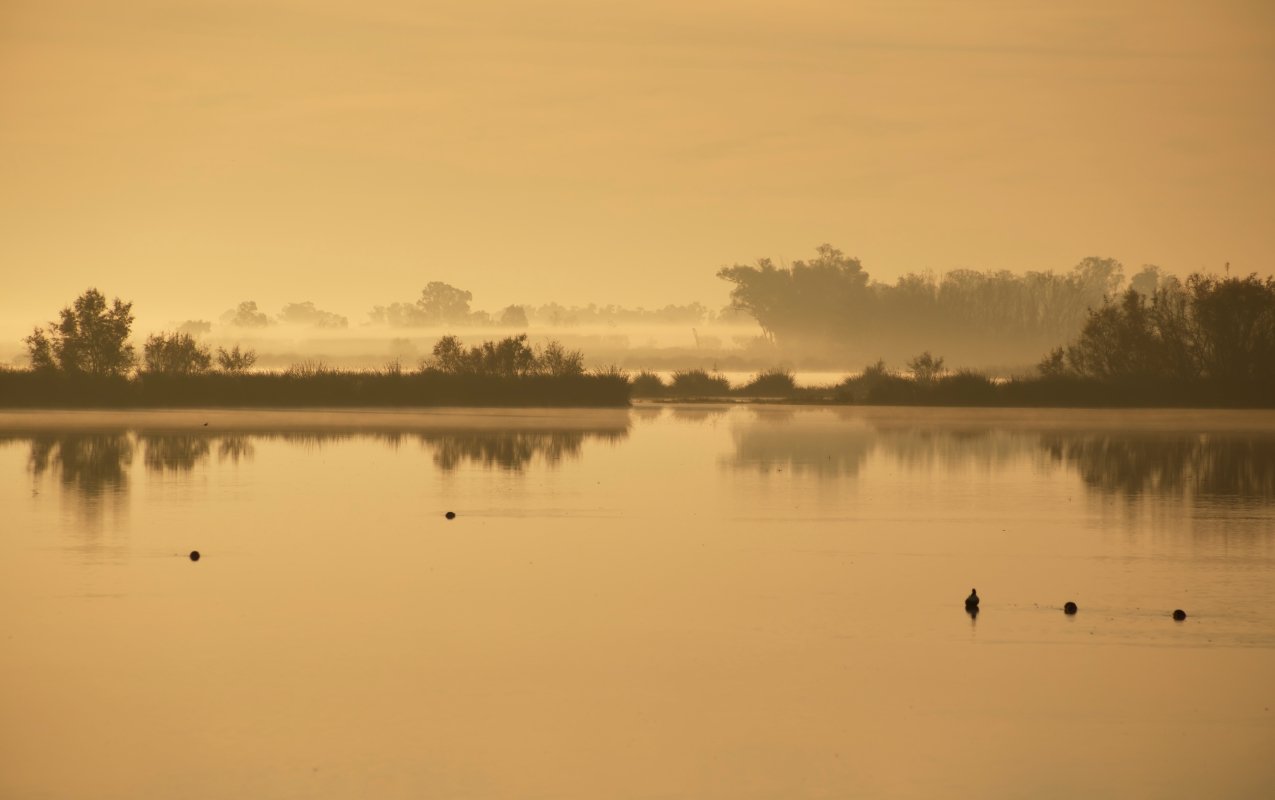
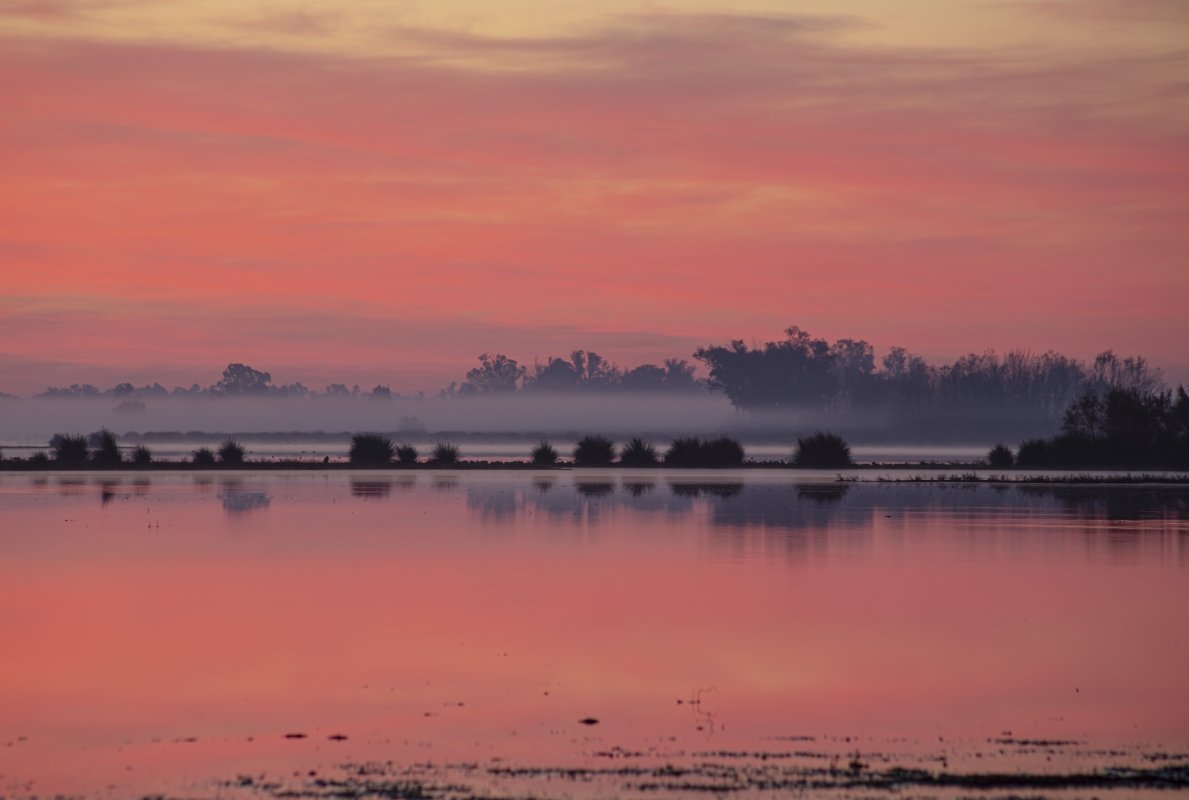
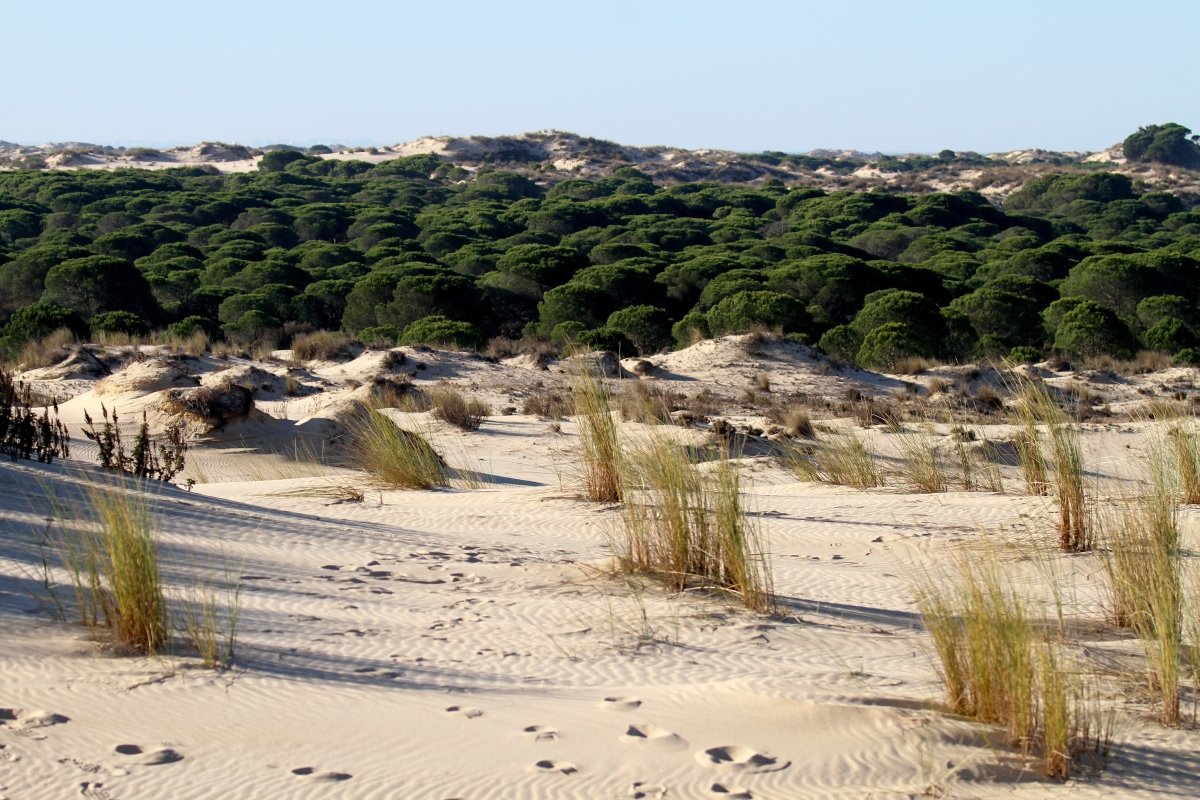
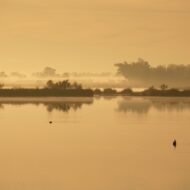
The landscapes themselves are protagonists. The Corrales—those massive mobile dunes up to 30 meters high—are genuinely otherworldly. The marshes (marismas) stretch to the horizon like an inland sea during wet season. Mediterranean forests of cork oak and stone pine provide shady contrast. And the endless wild beaches feel like the edge of civilization.
Where to Stay
El Rocío is the classic choice. This unique town, with sandy streets designed for horses and that spectacular hermitage, puts you right at the park’s doorstep. Accommodations range from basic hostels (€40-60) to comfortable hotels (€80-150). It’s atmospheric but can be packed during the famous Romería pilgrimage in May/June.
Options include Hotel Toruño (mid-range, park views), Cortijo Los Mimbrales (rural hotel with charm), and various casas rurales (rural guesthouses) offering authentic experiences.
Matalascañas is a beach resort town with more accommodation options, from budget hotels to vacation rentals. It’s more developed (some might say overdeveloped) but convenient if you want beach access alongside park visits. Prices range from €50-60 for basic hotels to €150+ for beachfront options.
Sanlúcar de Barrameda combines park access with a charming historic town famous for manzanilla sherry and seafood. It’s further from the main park entrance but offers the best dining and cultural scene. Expect €60-100 for decent hotels.
Seville works if you’re doing a day trip and want the full urban amenities. The drive takes about an hour, giving you morning and afternoon in the park.
Practical Essentials
What to bring: Binoculars are non-negotiable for wildlife viewing. Sunscreen, hat, and sunglasses are critical—shade is limited. Comfortable closed-toe shoes (trails can be sandy or uneven). Layers, since mornings can be cool even when afternoons are warm. A refillable water bottle. Camera with zoom lens if you’re serious about photos. Insect repellent during warmer months.
Costs: Budget around €30-50 per person for main tours, €10-15 for visitor center parking and entrance, €60-120 per night for accommodation, and €20-35 daily for meals. A weekend trip for two typically runs €250-400 all-in, not counting travel to the region.
Accessibility: The main tours involve climbing in and out of 4×4 vehicles and potentially walking on uneven terrain. Some visitor centers have accessible facilities and short adapted trails, but the core park experience has limited accessibility options. Contact tour operators in advance if you have specific mobility needs.
Language: English-speaking guides are available for most official tours, but confirm when booking. Local businesses in smaller towns may have limited English, so a translation app helps.
Seasons recap: March-May for maximum birds and green landscapes. September-October for fewer crowds and still-good wildlife. Avoid June-August unless you love extreme heat.
Beyond the Park
The region around Doñana is worth exploring. Sanlúcar’s historic center, sherry bodegas, and seafood restaurants deserve an afternoon. El Rocío’s hermitage and unique sand-street atmosphere make for interesting wandering. The nearby beaches at Mazagón or the Roman ruins at Itálica add variety to a longer trip.
If you’re really into birds and nature, the nearby Odiel Marshes near Huelva or the Bahía de Cádiz Natural Park extend your wetland adventures.
The Real Deal
Look, Doñana isn’t for everyone. If you need air-conditioned museums and urban cafés, stick to Seville or Granada. But if you want to experience a side of Spain that few visitors see—where Europe’s rarest cat prowls cork forests, where millions of birds descend in shimmering clouds, where you can stand on dunes above endless marshes and feel genuinely removed from the modern world—then Doñana delivers something unforgettable.
It’s not pristine everywhere; conservation challenges including water management, illegal wells, and development pressure are ongoing. But what remains is extraordinary. The fact that such wildness persists just an hour from a major European city feels almost miraculous.
Pack your binoculars, book that tour, and prepare to see a Spain that surprises even people who think they know the country well. Just maybe skip July.