

Driving in the EU: Everything You Need to Know
Are you planning a European road trip or moving to an EU country? Understanding the driving regulations across Europe can be a bit overwhelming, but I’ve got you covered! This guide breaks down everything from general rules to country-specific quirks that will help keep your European driving adventures safe and ticket-free.
- General Regulations Across the EU
- Driver’s License Requirements
- Right vs. Left-Side Driving
- Essential Documents and Equipment
- Speed Limits
- Blood Alcohol Concentration (BAC) Limits
- Country-Specific Rules and Quirks
- Highway Tolls and Vignettes
- eCall 112-based emergency assistance
- Resources and Helpful Links
- Mobile Apps Worth Downloading
- Final Thoughts and Disclaimer
General Regulations Across the EU
Driver’s License Requirements
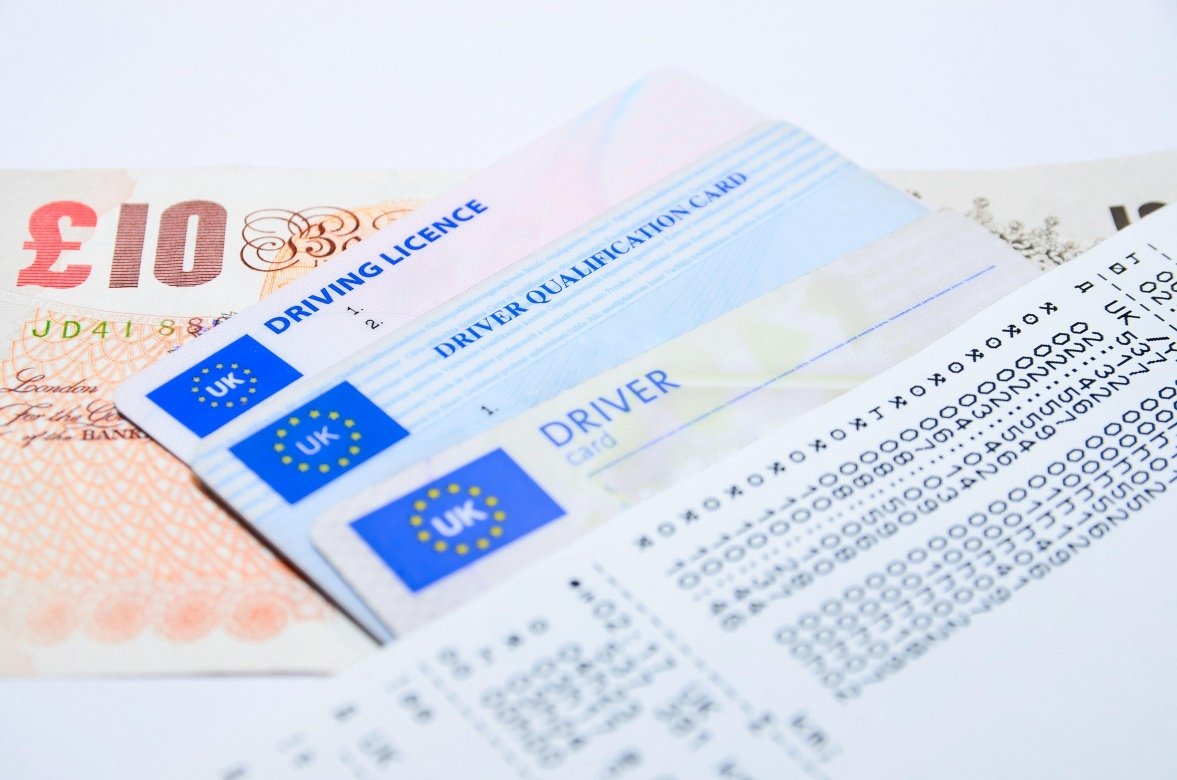
Most visitors can use their home country’s driving license in the EU for short visits (typically 6-12 months), but there are some important details to know:
- EU/EEA citizens: Your national license is valid throughout the EU
- Non-EU visitors: Most can use their national license for 6-12 months, but an International Driving Permit (IDP) is recommended and sometimes required
- Long-term residents: You’ll need to exchange your license for a local one, usually within 6-12 months of becoming a resident
Right vs. Left-Side Driving
Most EU countries drive on the right side, except:
- United Kingdom (not EU but important to note)
- Ireland
- Malta
- Cyprus
Essential Documents and Equipment
Always carry these in your vehicle:
- Valid driver’s license
- Vehicle registration documents
- Insurance proof (minimum third-party)
- Passport/ID card
Additionally, most EU countries require:
- Warning triangle
- Reflective vests for each passenger
- First aid kit
- Headlamp beam deflectors (if your car is from a country that drives on the opposite side)
Speed Limits
While speed limits vary by country, these are common defaults:
- Urban areas: 50 km/h (31 mph)
- Rural roads: 80-100 km/h (50-62 mph)
- Highways/Motorways: 120-130 km/h (75-81 mph)
Speed cameras are widespread throughout Europe, and many countries use average speed checks over extended distances.
Blood Alcohol Concentration (BAC) Limits
The EU has some of the strictest drink-driving laws globally:
- Standard limit: 0.05% (lower than the 0.08% common in the US)
- Zero tolerance countries (0.00%): Czech Republic, Hungary, Romania, Slovakia
- Strict countries (0.02%): Poland, Sweden, Estonia
- More lenient (0.08%): United Kingdom (not EU), Malta
Many countries have even lower limits for novice drivers (less than 2 years’ experience) and professional drivers.
Country-Specific Rules and Quirks
France
- Low emission zones in Paris, Lyon, and other cities require an environmental sticker
- All drivers must carry a breathalyzer (although there’s no fine for not having one)
- Speed limit on rural roads reduced to 80 km/h since 2018
Germany
- Famous for the Autobahn sections with no speed limits (though around 30% of the network does have limits)
- Winter tires required when conditions demand (typically October-Easter)
- Zero tolerance for using phones while driving
Italy
- Many historic city centers (ZTLs – Zona Traffico Limitato) restrict driving without permits
- Different colored headlights required for driving in fog
- Strict rules about driving on days with high pollution in northern cities
Spain
- Spare glasses required if you need them for driving
- No driving in flip-flops or barefoot
- Speed limits reduced during rainfall
Highway Tolls and Vignettes
Toll systems vary widely across Europe:
- Pay-as-you-go: France, Italy, Spain, Portugal (electronic or booth payment)
- Vignette system: Austria, Switzerland, Czech Republic, Hungary (prepaid sticker or electronic pass)
- Free motorways: Germany, Belgium, Netherlands (though some have implemented toll systems for foreign trucks)
eCall 112-based emergency assistance
Resources and Helpful Links
For up-to-date information, consult these official resources:
- European Commission – Transport
- AA – Driving in Europe
- RAC – European Driving Tips
- European Road Safety Charter
- Local automobile clubs like ADAC (Germany), ACI (Italy), or RACE (Spain)
Mobile Apps Worth Downloading
- ViaMichelin: Navigation with toll cost estimation
- Waze: Real-time traffic and police alerts (legal in most but not all EU countries)
- Park4Night: Finding camping and overnight parking spots
- Fuel Flash: Compare fuel prices across borders
- Translating apps: Google Translate or DeepL for road sign translation
Final Thoughts and Disclaimer
Driving through Europe offers incredible flexibility to explore at your own pace. From Alpine passes to Mediterranean coastal routes, the continent provides some of the world’s most scenic drives.
However, regulations change frequently, especially regarding environmental zones, toll systems, and Brexit-related changes for UK travelers. Always check the most current information before your trip, particularly if crossing multiple borders.
Disclaimer: While this article aims to provide accurate information, driving regulations frequently change. This guide should be used as general information only. Always verify current requirements with official sources such as embassy websites, authorized automobile associations, or official government transportation websites before your journey.
Remember that ignorance of local laws isn’t an acceptable excuse for violations, and fines can often be enforced across borders within the EU. When in doubt, err on the side of caution and follow local traffic patterns.
Safe travels and enjoy the beautiful roads of Europe!