


TL;DR: Dzūkija National Park is Lithuania’s largest and wildest national park, packed with ancient forests, crystal-clear lakes, unique bog ecosystems, and authentic village culture. Perfect for nature lovers, hikers, and anyone wanting to disconnect from the digital world.
- Why Dzūkija National Park Should Be on Every Traveler’s Radar
- Getting There: Your Gateway to Lithuanian Wilderness
- Must-Do Activities That’ll Make Your Instagram Followers Jealous
- Forest Hiking Adventures
- Lake Hopping and Water Activities
- Bog Walking: An Otherworldly Experience
- Cultural Village Experiences
- Where to Stay: From Rustic to Comfortable
- Food Scene: Taste the Forest
- Wildlife Watching: Nature’s Greatest Show
- Practical Travel Tips for First-Time Visitors
- Hidden Gems Only Locals Know About
- Day Trip Itineraries for Different Travel Styles
- The Nature Enthusiast (Full Day)
- The Culture Explorer (Half Day + Village Stay)
- The Adventure Seeker (Multi-Day)
- Sustainable Travel: Protecting This Paradise
- Nearby Attractions Worth the Extra Mile
- Druskininkai Spa Town (30 minutes)
- Merkys River Canoeing
- Trakai Historical National Park (2 hours north)
- Planning Your Perfect Dzūkija Adventure
- Final Thoughts: Why Dzūkija Will Steal Your Heart
Planning a trip to Lithuania and wondering if Dzūkija National Park is worth the detour? Spoiler alert: it absolutely is. This massive wilderness area in southern Lithuania offers something you won’t find anywhere else in the Baltics – pristine nature that feels genuinely untouched, plus cultural experiences that’ll give you serious wanderlust.
Why Dzūkija National Park Should Be on Every Traveler’s Radar
Established in 1991, Dzūkija National Park spans an impressive 55,000 hectares (that’s roughly the size of Singapore!), making it Lithuania’s largest national park. But size isn’t everything – it’s what’s inside that counts.
This place is a nature lover’s paradise, featuring dense pine forests that seem to stretch forever, over 40 lakes that look like they’ve been photoshopped, and bog ecosystems so unique they’re protected by UNESCO. Whether you’re into hardcore hiking, peaceful kayaking, or just want to breathe some seriously fresh air, Dzūkija delivers.
Getting There: Your Gateway to Lithuanian Wilderness
By Car (Most Popular Option)
- From Vilnius: 2 hours south via A4 highway
- From Kaunas: 1.5 hours southeast
- Parking available at major trailheads and visitor centers
- GPS tip: Navigate to Marcinkonys village for the main park entrance
By Public Transport
- Bus from Vilnius to Varėna (1.5 hours), then local bus to park villages
- Limited weekend services – check schedules at autobusubilietai.lt
- Consider renting bikes in Varėna for easier park exploration
Best Time to Visit
- Summer (June-August): Perfect hiking weather, all trails accessible, warmest lake temperatures
- Spring (April-May): Fewer crowds, wildflowers blooming, migrating birds
- Fall (September-October): Stunning autumn colors, mushroom foraging season, crisp air
- Winter: Limited access, but cross-country skiing opportunities
Must-Do Activities That’ll Make Your Instagram Followers Jealous
Forest Hiking Adventures
Dzūkija boasts over 500km of marked trails ranging from easy family walks to challenging multi-day treks. The Grūtas Nature Trail (2km) is perfect for beginners, while the Dzūkija Ring Trail (55km) will test even experienced hikers.
Pro tip: Download the offline maps from the park’s website – cell service can be spotty in the deep forest.
Lake Hopping and Water Activities
With 40+ lakes, you’re spoiled for choice. Lake Žuvintas offers excellent swimming and kayaking, while Lake Ilgis is renowned for crystal-clear water perfect for underwater photography enthusiasts.
Kayak rentals available in Marcinkonys village (€15-25/day). Many lakes connect via small rivers, creating perfect multi-day paddling routes.
Bog Walking: An Otherworldly Experience
The Čepkeliai Bog boardwalk trail (3km) takes you through one of Europe’s largest raised bogs. It’s like walking on another planet – carnivorous plants, rare orchids, and landscapes that look prehistoric.
Best visited early morning when mist creates an ethereal atmosphere. Bring layers – bogs are always cooler than surrounding forests.
Cultural Village Experiences
Traditional Dzūkian villages like Zervynos and Marcinkonys offer glimpses into authentic Lithuanian rural life. Many families offer homestays where you can learn traditional crafts, taste homemade bread, and hear local folklore.
Zervynos Ethnographic Village features 19th-century wooden architecture and hosts seasonal festivals celebrating traditional crafts and foods.
Where to Stay: From Rustic to Comfortable
Camping (Budget-Friendly)
- Marcinkonys Campground: €8-12/night, basic facilities, perfect for tent camping
- Wild camping: Allowed in designated areas, follow Leave No Trace principles
- Glamping options: Several eco-lodges offer canvas tents with real beds
Guesthouses and B&Bs (Mid-Range)
- Dzūkijos namelis: Cozy wooden cabins, €40-60/night, includes breakfast
- Grūto dvaras: Historic manor house, €50-80/night, restaurant on-site
- Local homestays: €25-35/night, authentic experience, meals available
Hotels (Comfort Seekers)
Limited luxury options within the park, but nearby Druskininkai (30 minutes) offers spa hotels and resorts if you want to combine nature with pampering.
Food Scene: Taste the Forest
Lithuanian forest cuisine is hearty, seasonal, and surprisingly sophisticated. Must-try local specialties:
- Mushroom dishes: Foraged mushrooms prepared dozens of ways
- Smoked fish: From park lakes, often prepared over traditional fires
- Forest berry desserts: Blueberries, cranberries, and cloudberries
- Traditional rye bread: Baked in wood-fired ovens
- Honey varieties: From forest beekeepers, each with distinct flavors
Restaurant recommendations:
- Medžiotojų užeiga (Marcinkonys): Game meats and foraged ingredients
- Grybų karalystė (Merkinė): Mushroom-focused menu, vegetarian-friendly
Wildlife Watching: Nature’s Greatest Show
Dzūkija hosts incredible biodiversity. Keep your eyes peeled for:
- European bison: Recently reintroduced, best spotted early morning
- Wolves and lynx: Rare but present, mostly nocturnal
- 300+ bird species: Including rare black storks and golden eagles
- Elk: Common in lake areas during evening hours
Photography tips: Bring telephoto lenses, move quietly, and consider hiring local guides who know animal movement patterns.
Practical Travel Tips for First-Time Visitors
What to Pack
- Sturdy hiking boots: Trails can be muddy, especially after rain
- Insect repellent: Mosquitoes and ticks are common in summer
- Layers: Forest temperatures vary significantly
- Waterproof gear: Weather changes quickly
- Power bank: Limited charging opportunities in remote areas
Safety Considerations
- Inform someone of your hiking plans
- Carry emergency contacts and park ranger numbers
- Learn to identify poisonous mushrooms if foraging
- Be aware of hunting seasons (autumn restrictions apply)
Money Matters
- Bring cash – many small businesses don’t accept cards
- ATMs available in Marcinkonys and Varėna
- Budget €50-80/day for comfortable mid-range travel
- Free activities include most hiking trails and self-guided nature walks
Hidden Gems Only Locals Know About
Secret Swimming Spots
Lake Galstė: Crystal-clear water, rarely crowded, accessible via 45-minute forest hike. Local swimmers say it’s the warmest lake in the park.
Best Sunrise Views
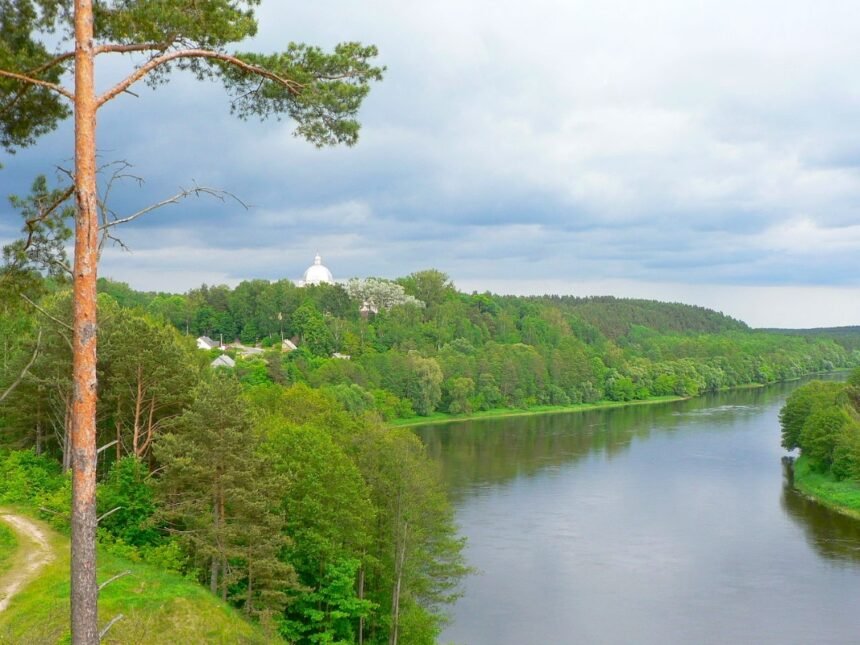
Merkys River Valley Overlook: Unmarked trail near Puvočiai village leads to spectacular sunrise views over misty river valleys.
Mushroom Foraging Areas
Northern pine forests near Leipalingis offer excellent mushroom hunting (with proper permits). Local guides available for safe foraging experiences.
Day Trip Itineraries for Different Travel Styles
The Nature Enthusiast (Full Day)
- 8:00 AM: Start at Čepkeliai Bog boardwalk
- 10:30 AM: Hike Grūtas Nature Trail
- 1:00 PM: Picnic lunch by Lake Žuvintas
- 3:00 PM: Kayaking on interconnected lakes
- 6:00 PM: Wildlife watching at Merkys River
The Culture Explorer (Half Day + Village Stay)
- Morning: Zervynos Ethnographic Village tour
- Afternoon: Traditional craft workshop
- Evening: Homestay dinner with local family
- Next morning: Forest mushroom foraging with village guide
The Adventure Seeker (Multi-Day)
- Day 1: Dzūkija Ring Trail (section 1), wild camping
- Day 2: Continue trail, bog exploration
- Day 3: Kayak camping tour connecting multiple lakes
- Day 4: Recovery day in comfortable guesthouse
Sustainable Travel: Protecting This Paradise
Dzūkija’s pristine condition depends on responsible visitors. Follow these guidelines:
- Stick to marked trails to prevent erosion
- Pack out all waste, including food scraps
- Don’t pick plants or disturb wildlife
- Support local businesses and communities
- Use biodegradable soaps near water sources
- Respect quiet hours in camping areas
Nearby Attractions Worth the Extra Mile
Druskininkai Spa Town (30 minutes)
Perfect for post-hiking relaxation. Famous for mineral springs, spa treatments, and the quirky Grūtas Park Soviet sculpture collection.
Merkys River Canoeing
Multi-day canoe trips through pristine river systems, connecting Dzūkija with neighboring Belarusian wilderness.
Trakai Historical National Park (2 hours north)
If you’re combining Dzūkija with Lithuania’s other famous national park, Trakai offers lakeside castles and different but equally stunning scenery.
Planning Your Perfect Dzūkija Adventure
Recommended trip length: 3-4 days for comprehensive exploration, 2 days minimum for highlights.
Best for: Nature photographers, hiking enthusiasts, families with older children, couples seeking digital detox, solo travelers wanting authentic experiences.
Skip if: You prefer urban attractions, luxury accommodations are non-negotiable, or you have mobility limitations (trails can be challenging).
Final Thoughts: Why Dzūkija Will Steal Your Heart
In a world where truly wild places are becoming rare, Dzūkija National Park offers something precious – authentic wilderness experience combined with warm Lithuanian hospitality. Whether you’re watching sunrise mist rise from ancient bogs, sharing homemade bread with village families, or simply breathing the cleanest air you’ve experienced in years, this park delivers memories that last a lifetime.
The best part? You’ll likely have most trails and lakes to yourself, creating an intimate connection with nature that’s impossible in crowded tourist destinations.
Ready to discover Lithuania’s best-kept secret? Pack your hiking boots, bring your sense of adventure, and prepare for a national park experience that’ll redefine what wilderness means to you.
Quick Reference
- Park size: 55,000 hectares
- Established: 1991
- Distance from Vilnius: 120km (2 hours)
- Best months: May-October
- Emergency number: 112
- Park information: +370 310 47597