












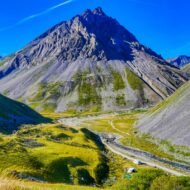

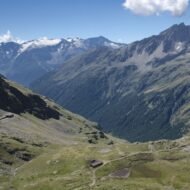
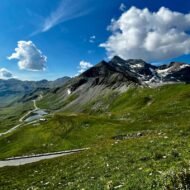

Ready to chase horizons through some of the world’s most breathtaking mountain passes? Pack your sense of adventure – we’re about to explore Europe’s most spectacular high-altitude routes that’ll leave you speechless and your camera roll bursting.
- The Legendary Alpine Trio
- The Dramatic Norwegian Fjord Passes
- Trollstigen (Troll’s Path), Norway
- B500 Black Forest High Road (Schwarzwaldhochstrasse), Germany
- Furka Pass
- Eastern European Hidden Gems
- Planning Your Epic Mountain Pass Adventure
- Best Times to Visit
- Campervan Considerations
- Budget-Friendly Tips
- Safety Essentials
- Cultural Considerations
- The Final Climb
The Legendary Alpine Trio
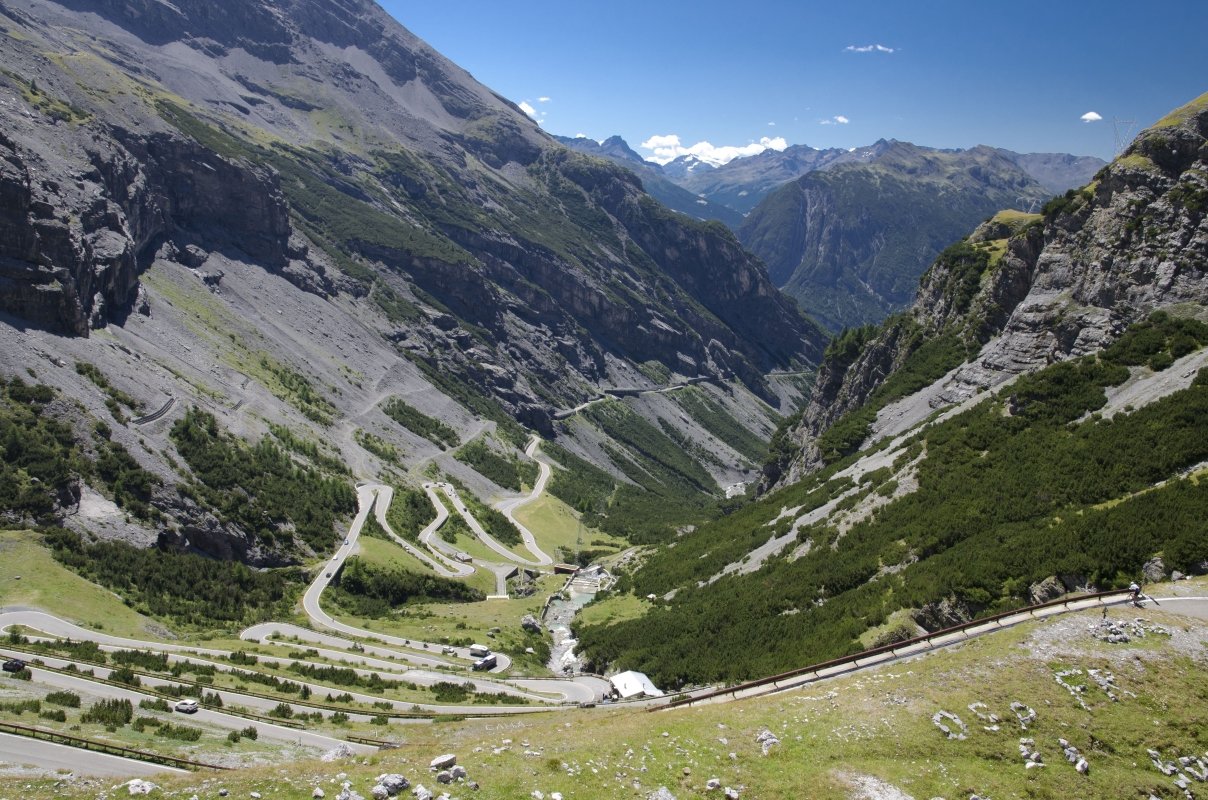
Stelvio Pass, Italy
The Serpentine Superstar
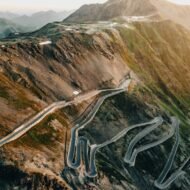
With 48 hairpin turns carved into the Italian Alps, Stelvio Pass isn’t just a road – it’s a rite of passage for adventure seekers. At 2,757 meters, this beast of a mountain pass connects South Tyrol with Lombardy and serves up views that’ll make your Instagram followers weep with envy.
Historical Street Cred: Built by the Austrians in the 1820s as a military route, Stelvio has seen everything from Napoleon’s troops to modern-day cyclists pushing their limits on the Giro d’Italia.
Budget Breakdown:
- Fuel costs: €15-25 for the round trip
- Parking: Free at most viewpoints
- Cable car (Stelvio Glacier): €25-35 per person
- Mountain hut meals: €12-20
Where to Crash:
- Hotel Post Stilfserjoch: Right at the pass summit (€80-120/night)
- Camping Residence Sägemühle: Family-friendly base in Prad (€25-35/night)
- Campervan Paradise: Designated spots at Prad am Stilfserjoch, plus wild camping opportunities (check local regulations)
Summer Thrills: Hiking the Ortler Alps, glacier skiing (yes, in July!), mountain biking, and the famous Stelvio National Park wildlife spotting.
Winter Wonders: Though the upper section closes, the lower reaches offer cross-country skiing and cozy alpine experiences.
Gavia Pass, Italy
Stelvio’s Wilder Sibling
Just a stone’s throw from the famous Stelvio, Gavia Pass at 2,621 meters is the secret weapon in every Alpine driving enthusiast’s arsenal. This narrow, twisting ribbon of asphalt offers everything Stelvio does – dramatic hairpins, lung-busting altitude, and jaw-dropping views – but with a fraction of the crowds and double the adrenaline rush.
War-Torn History: Built during World War I as a strategic military route, Gavia Pass still bears scars from the “White War” fought between Italian and Austrian-Hungarian forces in these unforgiving mountains. Remnants of trenches and fortifications dot the landscape.
Budget Breakdown:
- No tolls (another Italian gem!)
- Mountain hut accommodation: €40-70/night
- Traditional speck and polenta meals: €10-18
- Guided historical tours: €20-35/person
- Fuel for the challenging climb: €12-20
Mountain Hideaways:
- Rifugio Gavia: Authentic mountain hut experience right at the pass (€45-65/night)
- Hotel Kristiania: Luxury base in nearby Ponte di Legno (€80-140/night)
- Campervan Challenge: Limited but spectacular wild camping spots (check regulations), plus designated areas in Ponte di Legno
Adventure Awaits:
- Summer: High-altitude hiking, World War I historical trails, road cycling challenges, alpine lake discoveries
- Winter: Pass typically closed November-May, but snowshoeing and ski touring opportunities abound in lower valleys
Pro Tip: Tackle Gavia and Stelvio in the same day for the ultimate Italian Alpine double-header – your bragging rights will be legendary!
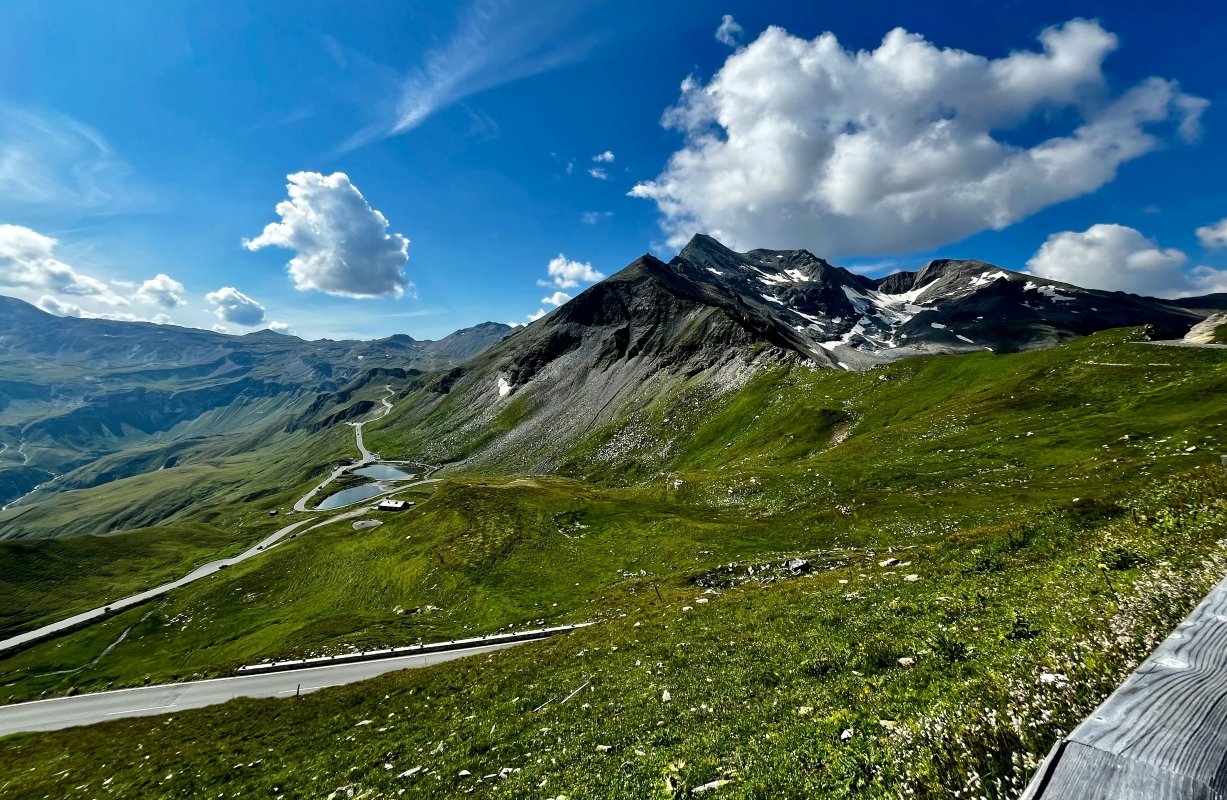
Grossglockner High Alpine Road, Austria
The Crown Jewel of Alpine Drives
This isn’t just a mountain pass – it’s a 48-kilometer masterpiece of engineering that’ll take you face-to-face with Austria’s highest peak. The Grossglockner road is like nature’s own theme park, complete with visitor centers, museums, and viewpoints that’ll stop you in your tracks.
Historical Heavyweight: Originally a Roman trade route, this pass connected northern and southern Europe for centuries. The modern road, completed in 1935, was an engineering marvel of its time.
Budget Reality Check:
- Road toll: €37 for cars (€20 for motorcycles)
- Visitor centers: €5-8 per person
- Alpine accommodation: €60-150/night
- Mountain meals: €15-25
Sleep Like a Mountain King:
- Hotel Schönblick: Luxury with glacier views (€120-200/night)
- Gasthof Glocknerblick: Authentic alpine experience (€70-110/night)
- Campervan Central: Dedicated areas at Fuscher Törl and Franz-Josefs-Höhe
Adventure Menu:
- Summer: Hiking to Pasterze Glacier, marmot watching, photography workshops, alpine flower trails
- Winter: Road typically closes October-May, but lower sections offer snowshoeing and winter hiking
Col du Galibier, France
The Tour de France Legend
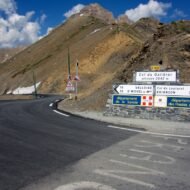
At 2,645 meters, this French Alpine giant has broken more professional cyclists than any other climb. But don’t worry – you can drive it! Connecting Valloire and Briançon, Galibier offers raw, untamed alpine beauty that feels like the edge of the world.
Cycling Royalty: First featured in the Tour de France in 1911, this pass has witnessed legendary battles between cycling’s greatest champions. The memorial to Henri Desgrange (Tour de France founder) sits proudly at the summit.
Money Matters:
- No tolls (bonus!)
- Mountain refuge meals: €18-28
- Guided cycling tours: €45-80/day
- Accommodation in Valloire: €55-130/night
Rest Your Head:
- Hôtel des Voyageurs: Historic charm in Valloire (€65-95/night)
- Le Grand Hôtel: Briançon luxury (€90-160/night)
- Van Life Victory: Wild camping spots along D902, plus official aires in valley towns
Seasonal Spectacle:
- Summer: Cycling pilgrimages, hiking to Lac du Galibier, paragliding, rock climbing
- Winter: Road closed typically November-May, but incredible ski touring opportunities
The Dramatic Norwegian Fjord Passes
Trollstigen (Troll’s Path), Norway
The Nordic Nail-Biter
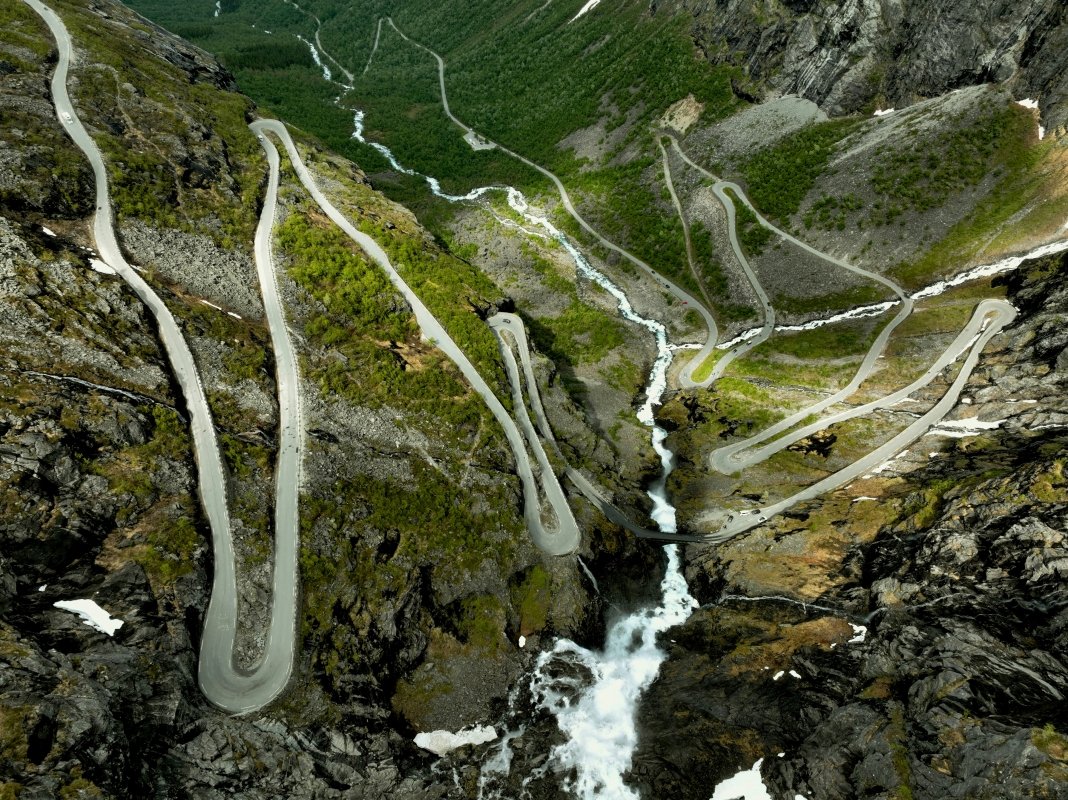
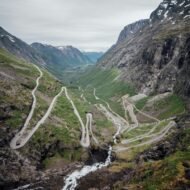
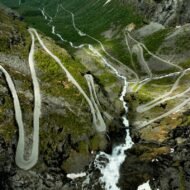
Eleven hairpin bends, 9% gradients, and a name that literally means “Troll’s Path” – welcome to Norway’s most dramatically twisted mountain road. This isn’t for the faint-hearted, but the waterfalls and fjord views will reward your white-knuckle grip on the steering wheel.
Folklore Central: According to Norwegian legend, trolls built this impossible road in a single night. Modern engineers took considerably longer when they constructed it in 1936!
Budget Breakdown:
- No tolls (Norwegian style)
- Visitor center: Free with incredible architecture
- Accommodation: €100-250/night (Norway’s pricey!)
- Meals: €25-40 (pack sandwiches, trust us)
Norwegian Nights:
- Hotel Union Øye: Historic fjord luxury (€200-400/night)
- Trollstigen Camping: Budget-friendly base (€30-50/night)
- Campervan Spots: Designated areas at Trollstigen plateau and Åndalsnes
Adventure Activities:
- Summer Only: Via ferrata climbing, waterfall hikes, fjord kayaking, midnight sun photography
- Winter: Road closed October-May due to avalanche risk
B500 Black Forest High Road (Schwarzwaldhochstrasse), Germany
The Fairy Tale Forest Drive
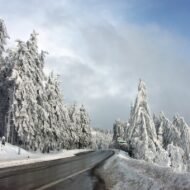
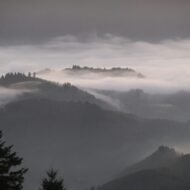
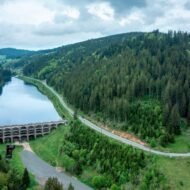
This isn’t your typical mountain pass – it’s a magical 60-kilometer journey through Germany’s legendary Black Forest. The B500 winds through dense woodlands, past traditional villages with half-timbered houses, and offers sweeping views that inspired countless Brothers Grimm fairy tales.
Fairy Tale Heritage: The Black Forest has been captivating travelers since Roman times, but it was the 19th-century Romantic movement that really put this region on the map. This is where cuckoo clocks were born and where fairy tales came to life.
Budget Breakdown:
- No tolls (German efficiency!)
- Accommodation: €50-120/night
- Traditional Black Forest cake: €4-7 per slice (mandatory!)
- Cuckoo clock souvenirs: €25-200+
- Spa treatments in Baden-Baden: €15-80
Black Forest Bliss:
- Hotel Traube Tonbach: Michelin-starred luxury in Baiersbronn (€200-400/night)
- Gasthof Hirsch: Traditional Black Forest inn (€60-90/night)
- Camping Kleinenzhof: Family-friendly forest camping (€20-30/night)
- Campervan Heaven: Multiple designated stellplätze (motorhome parks) throughout the region, plus forest parking areas
Seasonal Adventures:
- Summer: Hiking the Westweg trail, mountain biking, visiting traditional villages like Schönbuch and Freudenstadt, exploring the source of the Danube
- Winter: Cross-country skiing, Christmas markets, thermal spas in Baden-Baden, cozy fireside dining with mulled wine
Don’t Miss: The lookout tower at Hornisgrinde (1,164m), the highest point in the northern Black Forest, offering panoramic views across the Rhine Valley to the Vosges Mountains in France.
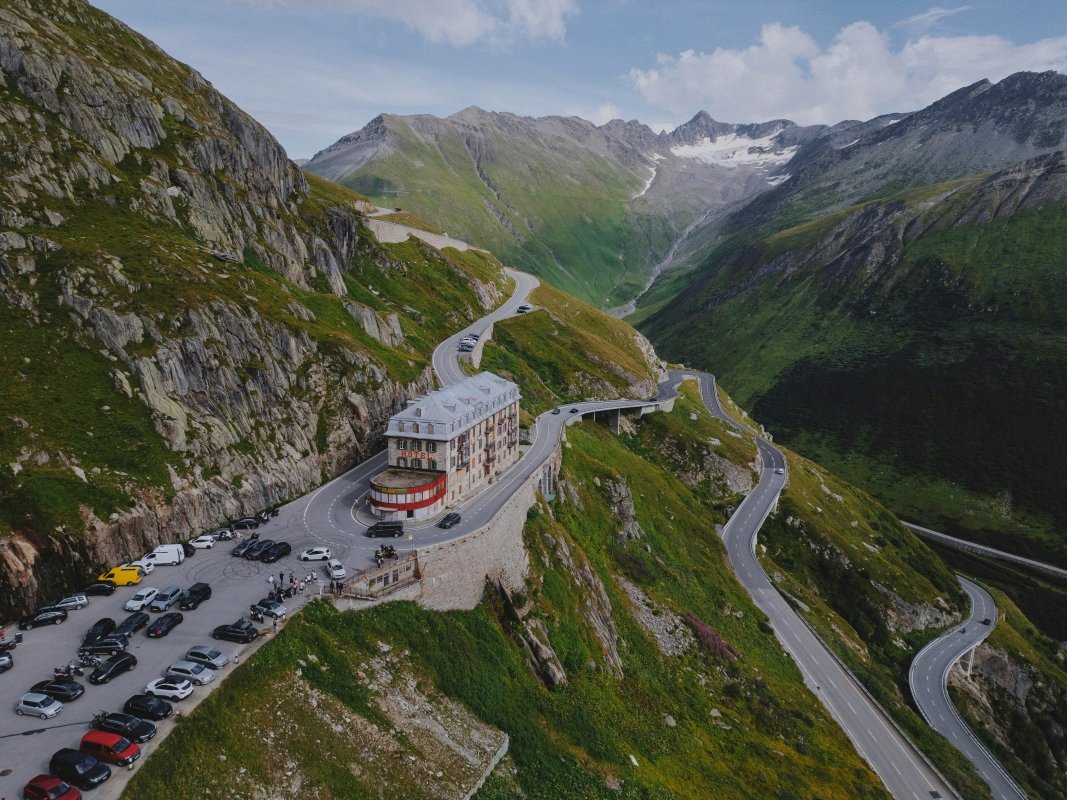
Furka Pass
The James Bond Experience
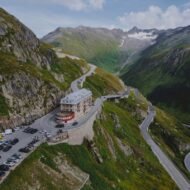
Remember that epic chase scene in “Goldfinger”? That was Furka Pass! At 2,429 meters, this Swiss beauty connects Uri and Valais cantons with scenery so stunning it’s practically cinematic.
Hollywood History: Besides Bond, this pass has starred in numerous films and attracts petrolheads from around the globe for its perfectly engineered curves.
Swiss Spending:
- No tolls
- Furka Steam Railway: €25-45
- Mountain hotels: €120-300/night
- Swiss mountain dining: €20-40
Alpine Accommodation:
- Hotel Belvédère: Historic glacier views (€150-250/night)
- Camping Gletsch: Budget base camp (€25-40/night)
Eastern European Hidden Gems
Transfăgărășan, Romania
The Carpathian Masterpiece
Built by communist dictator Ceaușescu as a military road, this 90-kilometer mountain highway through the Carpathians is now Romania’s premier scenic drive. Top Gear called it “the best road in the world” – and they weren’t wrong.
Communist Legacy: Constructed in the 1970s using military personnel, this road cost 40 lives during construction but created one of Europe’s most spectacular drives.
Romanian Reality:
- Road toll: Free
- Accommodation: €25-80/night
- Traditional meals: €8-15
- Dracula’s Castle nearby: €10-15
Carpathian Camping:
- Wild camping opportunities (within regulations)
- Mountain chalets: €30-60/night
- Van Life: Multiple parking areas and scenic spots
Planning Your Epic Mountain Pass Adventure
Best Times to Visit
Summer (June-September): All passes open, perfect weather, peak prices and crowds Shoulder Season (May/October): Better prices, fewer crowds, some passes may be closed Winter: Many passes closed, but lower elevations offer different adventures
Campervan Considerations
Europe’s mountain passes are increasingly campervan-friendly, but always:
- Check current road conditions and restrictions
- Respect local wild camping laws
- Use designated overnight areas when possible
- Carry chains and know altitude limits for your vehicle
Budget-Friendly Tips
- Pack picnic lunches – mountain restaurants are pricey
- Fill up with fuel before ascending
- Check for local tourist cards offering discounts
- Consider shoulder season visits for better accommodation rates
- Wild camp legally where permitted
Safety Essentials
- Check weather conditions before departing
- Carry warm clothes regardless of season
- Keep emergency supplies (water, snacks, first aid)
- Download offline maps
- Inform someone of your route plans
Cultural Considerations
European mountain communities welcome respectful visitors. Learning basic greetings in local languages goes a long way, and remember that these passes aren’t just tourist attractions – they’re working routes connecting communities that have called these mountains home for generations.
The Final Climb
Europe’s mountain passes offer more than just Instagram moments – they’re gateways to understanding the continent’s diverse cultures, histories, and natural wonders. Whether you’re grinding up Stelvio’s hairpins, marveling at Norwegian fjords, or following in James Bond’s tire tracks through the Swiss Alps, these routes deliver experiences that’ll fuel dinner party stories for years to come.
Each pass has its own personality, challenges, and rewards. Some will test your driving skills, others will challenge your budget, but all will expand your appreciation for the incredible diversity and beauty that Europe packs into its mountain ranges.
So fuel up, charge your camera batteries, and prepare for the adventure of a lifetime. Europe’s mountain passes are waiting – and trust us, they’re even more spectacular than the photos suggest.
Disclaimer: Mountain pass conditions change rapidly. Always check current weather, road conditions, and seasonal closures before traveling. Driving in mountainous terrain requires extra caution, appropriate vehicle preparation, and awareness of local traffic laws. Accommodation and activity prices vary significantly by season and demand. This article provides general guidance – always verify current information with local authorities and tourism boards before finalizing travel plans. Wild camping regulations vary by country and region; respect local laws and Leave No Trace principles. Photo credit: Col du Galibier / Savoie Col du Galibier Nord