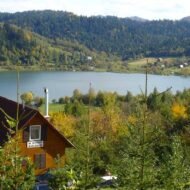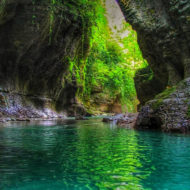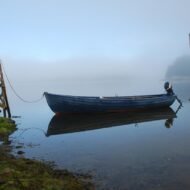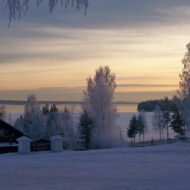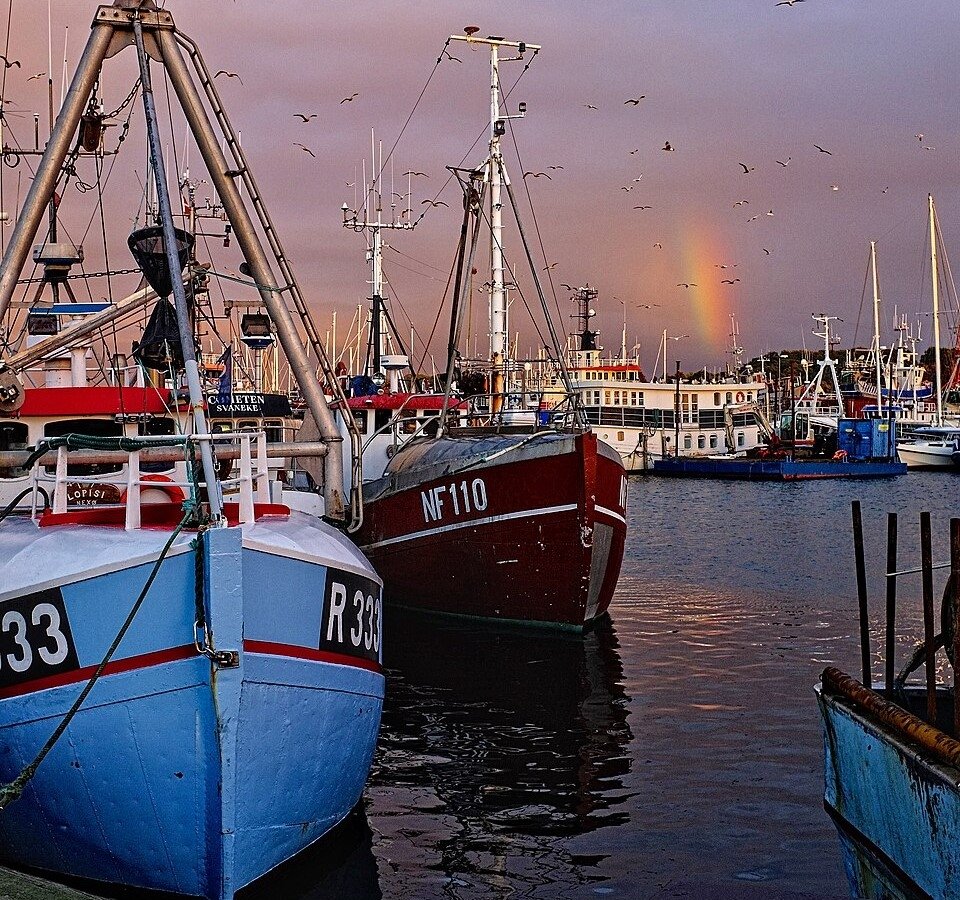


Picture this: weathered wooden houses painted in vibrant reds and yellows, rocky coastlines kissed by crystal-clear waters, and the timeless rhythm of fishing boats returning with their daily catch. Welcome to the Nordic region’s most enchanting fishing villages – places where time seems to stand beautifully still and every corner tells a story of maritime heritage that spans centuries.
- 1. Grundarfjörður – Iceland
- 2. Smögen – Sweden
- 3. Dragør – Denmark
- 4. Gudhjem, Bornholm Island – Denmark
- 5. Henningsvær – Lofoten Islands, Norway
- 6. Ebeltoft – Denmark
- 7. Húsavík – Iceland
- 8. Å – Lofoten Islands, Norway
- 9. Fiskebäckskil – Sweden
- 10. Nusfjord – Norway
- Planning Your Nordic Fishing Village Adventure
Whether you’re planning a summer adventure under the midnight sun or a winter escape to witness the Northern Lights dancing over snow-covered rooftops, these ten historic fishing villages offer something magical for every traveler. From budget backpackers to luxury seekers, everyone can find their perfect Nordic coastal experience.
1. Grundarfjörður – Iceland
The Village in Kirkjufell’s Shadow
Grundarfjörður has become Instagram-famous thanks to its backdrop: the majestic Kirkjufell mountain, often called “the most photographed mountain in Iceland.” But this charming fishing village has so much more to offer beyond its postcard-perfect setting.
Historical Significance: Founded as a trading center for the Snæfellsnes Peninsula since at least the 15th century, Grundarfjörður was officially certified as one of Iceland’s six designated marketplaces in 1786. The town’s harbor has been vital for fishing communities, and antiquity sites around the town point to the region being well-inhabited as far back as the Viking era.
Popularity: This small town has exploded in popularity due to its proximity to the iconic Kirkjufell mountain and its appearance in Game of Thrones. The mountain is visible from every angle in town, making it a photographer’s paradise.
Accommodation Options:
- Budget: Hostel accommodations and guesthouses start from around €49 per person, with budget options like Skjólsteinar and Kast Guesthouse offering affordable stays
- Mid-range: Hotels typically range from $120-200 per night, with Kirkjufell Hotel offering rooms with mountain views just 0.6 miles from the famous peak
- Luxury: Premium accommodations can reach $350+ per night, though many visitors find better value at nearby properties
Campervan Spots: A beautiful campsite is located next to the swimming pool with marvelous views, divided into several smaller areas where each guest can find a place to stay.
Summer Activities:
- Kirkjufell mountain hiking and photography
- Nine-hole golf course
- Swimming in the heated public pool
- Horseback riding through dramatic landscapes
- Midnight sun photography (June-July)
Winter Activities:
- Northern Lights viewing with Kirkjufell as backdrop
- Ice climbing adventures
- Winter photography workshops
- Cozy café hopping
Budget Considerations:
Iceland has a reputation for being expensive, with accommodation averaging $189 per day for two people in mid-range hotels. Budget travelers can save by cooking their own meals and staying in hostels or Airbnb properties.
2. Smögen – Sweden
Sweden’s Most Photographed Pier
Rocky coastlines, colorful fishing cottages and home to some of the best open-top shrimp sandwiches in the country – Smögen is definitely the most charming seaside town in Sweden. This island village transforms dramatically with the seasons, making it a year-round destination.
Historical Significance: Fishermen used Smögen’s protected harbor as early as the mid-1500s, and the first time Smögen was mentioned in writing was in 1594. The name evolved from “Smyghålet,” referring to the small canal between the islands.
Popularity: The island really comes to life in summer, when the town’s population grows from its 2,000 inhabitants to a whopping 30,000! Every year it draws thousands of visitors to the most famous pier in all of Sweden.
Accommodation Options:
- Budget: Affordable hostel options are available for student-friendly budgets
- Mid-range: Smögen’s Hafvsbad offers beautiful spa hotel accommodation in the heart of Smögen, perfect for luxury and relaxation
- Luxury: Hotell Smögens Hafvsbad provides luxurious spa treatments and different bathing rituals in a historic setting
Campervan Spots: Smögen surprisingly offers a variety of places to park for free overnight, and with the right to roam in Sweden, you can camp nearly anywhere following basic rules.
Summer Activities:
- Walking on the famous Smögen boardwalk past tourist shops, restaurants, and cafés
- Ferry rides to the captivating island of Hållö, home to Bohuslän’s oldest lighthouse
- Fresh seafood dining, especially shrimp sandwiches (‘räckmacka’)
- Kayaking among rocky islands
- Swimming at multiple designated spots with stair access
Winter Activities:
- Coastal walks along Kungsstigen footpath
- Cozy restaurant dining (limited options)
- Photography of winter seascapes
- Visiting nearby Nordens Ark wildlife park
Budget Considerations:
Prices in Smögen are definitely higher than you’d experience in Gothenburg, but the island is a popular tourist destination even for locals and Norwegians. Budget travelers should consider self-catering accommodations and visiting during shoulder seasons.
3. Dragør – Denmark
A Dutch-Influenced Maritime Gem
Just 30 minutes from Copenhagen, Dragør is one of the best preserved historic maritime towns in Denmark. This quaint fishing village offers a perfect escape from big city bustle while showcasing unique Dutch influences.
Historical Significance: Dragør was founded in the 1100s as a fishing village and has a Dutch influence because the Danish king invited Dutch farmers to live in the area to supply food for the royal family in the 16th century. The Old Town and Harbour of Dragør is on the UNESCO World Heritage Sites’ tentative list due to the town’s significant historic maritime heritage.
Popularity: A beloved day-trip destination from Copenhagen, Dragør attracts visitors with its well-preserved architecture and authentic maritime atmosphere.
Accommodation Options:
- Budget: Copenhagen Camping offers 3-star handicap-friendly camping facilities
- Mid-range: Waterfront hotels in Dragør’s historic center offer apartments with flat-screen TVs and shared terraces, about 7.5 miles from central Copenhagen
- Luxury: Boutique accommodations in restored historic buildings
Campervan Spots: Copenhagen Camping provides excellent facilities for campervans and RVs, with easy access to both Dragør village and Copenhagen.
Summer Activities:
- Walking the historic, narrow cobblestone streets and alleyways lined with yellow colored homes from the 1700s and 1800s
- Harbor promenade walks with views of the Øresund Bridge
- Visiting the Pilot Museum, which holds 400 years of piloting history
- Fresh fish dining at harborside restaurants
- Exploring Store Magleby’s Dutch heritage
Winter Activities:
- Museum visits and cultural exploration
- Cozy café culture
- Winter photography of historic architecture
- Indoor shopping at local boutiques
Budget Considerations:
As a day trip from Copenhagen, Dragør is relatively affordable. Bus Line 35 and 250S directly connect to Dragør Village from Copenhagen, taking about 45 minutes, making it accessible via public transport.
4. Gudhjem, Bornholm Island – Denmark
The Sun Island’s Crown Jewel
Perched on dramatic cliffs overlooking the Baltic Sea, Gudhjem embodies everything magical about Denmark’s sunny island of Bornholm. This “Good Home” (as its name translates) has been enchanting visitors with its smokehouse traditions and artistic heritage.
Historical Significance: Gudhjem evolved from a small fishing hamlet into Bornholm’s most picturesque town, famous for its herring smoking traditions that date back centuries. The village’s round churches and medieval architecture reflect its rich cultural heritage.
Popularity: Known as one of Denmark’s most beautiful coastal towns, Gudhjem attracts artists, food lovers, and visitors seeking authentic Scandinavian charm.
Accommodation Options:
- Budget: Family-run guesthouses and B&Bs offer affordable stays
- Mid-range: Boutique hotels with Baltic Sea views
- Luxury: Restored historic properties with modern amenities
Campervan Spots: Bornholm offers excellent camping facilities with designated areas for motorhomes, many with sea views.
Summer Activities:
- Exploring traditional smokehouses
- Art gallery hopping
- Coastal hiking along dramatic cliffs
- Swimming from rocky beaches
- Cycling through ancient forests
Winter Activities:
- Cozy indoor dining at smokehouses
- Art workshops and cultural events
- Winter photography
- Glass-blowing demonstrations
5. Henningsvær – Lofoten Islands, Norway
The Venice of Lofoten
Henningsvær, often referred to as the “Venice of Lofoten,” is a vibrant fishing village spread across several small islands connected by bridges. This extraordinary village balances traditional fishing culture with contemporary art and cuisine.
Historical Significance: During skrei season, the small fishing village of Henningsvær in Lofoten would often be as crowded as tiny fiskevær provided basic housing for both locals and seasonal fishermen who came from all over the country.
Popularity: The village is famous for its art galleries, seafood restaurants, and picturesque setting. The rugged mountains surrounding Henningsvær create a striking contrast with the calm waters of the harbor.
Accommodation Options:
- Budget: Refurbished fisherman’s cabins, called rorbuer, are a popular form of accommodation today
- Mid-range: Modern guesthouses with mountain views
- Luxury: Boutique hotels combining tradition with contemporary comfort
Campervan Spots: Designated parking areas with stunning fjord views, though space is limited during peak season.
Summer Activities:
- Kayaking and fishing in the calm harbor waters
- Gallery hopping in converted fish warehouses
- Midnight sun photography
- Hiking to viewpoints overlooking the village
- Traditional fishing experiences
Winter Activities:
- Northern Lights viewing
- Experiencing the traditional stockfish drying process and breathing in the “smell of money” as they call it in Northern Norway
- Winter photography workshops
- Cozy evening dining
Budget Considerations:
Lofoten can be expensive, but staying in traditional rorbuer offers an authentic and often more affordable alternative to hotels.
6. Ebeltoft – Denmark
Medieval Charm by the Sea
Ebeltoft transports visitors back to medieval times with its perfectly preserved half-timbered houses and cobblestone streets. This Jutland gem combines historical significance with modern coastal pleasures.
Historical Significance: One of Denmark’s best-preserved medieval market towns, Ebeltoft’s history dates back to the 13th century. The town was an important trading center and retains much of its original medieval layout.
Popularity: Famous for its historic city center, glass museum, and the restored frigate Jylland, Ebeltoft attracts history enthusiasts and families alike.
Accommodation Options:
- Budget: Youth hostels and camping facilities
- Mid-range: Historic inns and modern hotels
- Luxury: Boutique properties in restored merchant houses
Campervan Spots: Ebeltoft offers excellent camping facilities with easy access to beaches and the historic center.
Summer Activities:
- Exploring the historic center’s cobblestone streets
- Beach activities at nearby sandy shores
- Glass-blowing workshops
- Sailing experiences
- Festival participation
Winter Activities:
- Museum visits including the Glass Museum
- Christmas market exploration
- Cozy café culture
- Indoor craft workshops
7. Húsavík – Iceland
The Whale Watching Capital
Húsavík has earned global recognition as Europe’s whale watching capital, but this charming fishing village on Iceland’s north coast offers much more than marine encounters.
Historical Significance: One of Iceland’s oldest settlements, Húsavík’s history dates back to the 9th century. The town developed around its natural harbor, which provided shelter for fishing vessels and later became the launch point for whale watching expeditions.
Popularity: International fame came through whale watching tourism, but the village also gained attention for its role in the Eurovision movie and its authentic Icelandic charm.
Accommodation Options:
- Budget: Guesthouses and hostels with harbor views
- Mid-range: Hotels catering to whale watching tourists
- Luxury: Premium lodges with Arctic luxury amenities
Campervan Spots: Designated camping areas with facilities, perfect for northern lights viewing.
Summer Activities:
- World-class whale watching excursions
- Geothermal spa experiences
- Hiking in nearby national parks
- Midnight sun photography
- Traditional fishing trips
Winter Activities:
- Northern Lights hunting
- Winter whale watching
- Geothermal bathing under starry skies
- Aurora photography workshops
- Cozy museum visits
8. Å – Lofoten Islands, Norway
The Village at the End of the World
Å is pronounced ‘au’, and unlike the English alphabet, in Norway, the letter Å is the last in the alphabet, not the first. This perfectly fitting symbolism makes Å the ideal “end of the road” destination.
Historical Significance: Å is one of Norway’s oldest and best-preserved fishing villages, and you can find the Norwegian Fishing Village Museum, one of the best preserved and complete old fishing villages in Northern Norway.
Popularity: The historic village allows you to transport yourself back 250 years to experience what a traditional Norwegian fishing village would have been like.
Accommodation Options:
- Budget: Museum accommodations and simple lodgings
- Mid-range: Traditional fishermen’s cabins
- Luxury: Restored historic buildings with modern amenities
Campervan Spots: Limited but scenic parking areas near the museum complex.
Summer Activities:
- Exploring authentic buildings: boathouse, cod liver oil factory, cottage, smithy, post office, fisherman’s cabin and bakery from the 1800s
- Fresh baked goods from the old stone oven
- Hiking to dramatic viewpoints
- Traditional fishing experiences
- Photography workshops
Winter Activities:
- Northern Lights viewing
- Museum visits and historical tours
- Traditional bread baking experiences
- Winter photography
- Cozy fireside evenings
Budget Considerations:
Adult museum tickets cost 120 NOK, with family packages available for 350-400 NOK.
9. Fiskebäckskil – Sweden
The Artist’s Haven
This picturesque village on Sweden’s west coast has long attracted artists and writers with its stunning natural beauty and tranquil atmosphere. Fiskebäckskil perfectly balances its fishing heritage with cultural sophistication.
Historical Significance: Dating back to the 16th century, Fiskebäckskil developed as an important fishing and shipping community. The village’s well-preserved wooden architecture reflects its prosperous maritime past.
Popularity: Known for its scenic beauty and artistic community, the village attracts visitors seeking authentic Swedish coastal culture and natural tranquility.
Accommodation Options:
- Budget: Traditional hostels and camping facilities
- Mid-range: Seaside guesthouses and family hotels
- Luxury: Boutique properties with archipelago views
Campervan Spots: Scenic parking areas with sea views and access to hiking trails.
Summer Activities:
- Exploring art galleries and studios
- Swimming in crystal-clear waters
- Kayaking through the archipelago
- Hiking coastal trails
- Fresh seafood dining
Winter Activities:
- Art workshops and cultural events
- Cozy café culture
- Winter photography
- Storm watching from dramatic viewpoints
- Indoor cultural activities
10. Nusfjord – Norway
A Living Museum in Lofoten
Nestled in the heart of the Lofoten archipelago, Nusfjord stands as one of Norway’s oldest and best-preserved fishing villages. This UNESCO World Heritage site offers visitors a glimpse into a bygone era, with its iconic red and yellow wooden houses known as rorbuer.
Historical Significance: One of Norway’s oldest fishing villages, Nusfjord offers a step back in time with its preserved buildings and quiet atmosphere. It’s a UNESCO-listed site that feels like a living museum of Norwegian fishing heritage.
Popularity: Nusfjord Village & Resort has been nominated for the 2025 Condé Nast Traveler Readers’ Choice Awards, highlighting its international recognition.
Accommodation Options:
- Budget: Basic rorbuer accommodations
- Mid-range: Harbour cottages located around the pier of the historical fishing harbour with waterfront views and intimate experiences of the ‘rorbu’ life
- Luxury: Premium accommodations where you can wake up to the swaying of the ocean tides and the soothing sound of waves hitting against the wooden pier
Campervan Spots: Limited designated areas due to the village’s protected status.
Summer Activities:
- Kayaking through picturesque fjords, surrounded by majestic mountains and abundant wildlife
- Historical tours of preservation facilities
- Traditional fishing experiences
- Hiking along fjord-side trails
- Midnight sun photography
Winter Activities:
- Northern Lights viewing over the preserved village
- Dining at Restaurant Karoline which reflects the rich traditions of Nordic cooking and bountiful harvests from the sea
- Cozy evenings in traditional settings
- Winter photography workshops
- Cultural heritage tours
Budget Considerations:
Converted rorbuer have been lovingly restored to offer comfortable accommodations without sacrificing their historical charm, though prices reflect the premium nature of this UNESCO site.
Planning Your Nordic Fishing Village Adventure
Best Times to Visit
- Summer (June-August): Peak season with midnight sun, warmest weather, and all facilities open
- Shoulder Season (May & September): Fewer crowds, moderate weather, some closures possible
- Winter (December-February): Northern Lights season, cozy atmosphere, but limited services
Transportation Tips
- Rent a car for maximum flexibility, especially in remote areas
- Public transportation is available but may have limited schedules
- Ferry connections often required for island destinations
- Book accommodations and transportation well in advance for summer visits
What to Pack
- Waterproof clothing regardless of season
- Comfortable walking shoes with good grip
- Camera gear for incredible photo opportunities
- Layers for changing weather conditions
- Appetite for fresh seafood and local specialties
Cultural Etiquette
- Respect the “right to roam” principles in Sweden and Norway
- Support local businesses and artisans
- Follow Leave No Trace principles when camping
- Learn basic greetings in local languages
- Respect photography restrictions in museums and private areas
Disclaimer: Travel information, prices, and availability are subject to change. Weather conditions can affect transportation and activities, especially in winter months. Always check current local conditions, opening hours, and booking requirements before traveling. Currency fluctuations may impact actual costs. Some activities may be seasonal or weather-dependent. Travel insurance is recommended for all Nordic adventures. Photo credit: Fiskebäckskil , Fiskebäckskil 2015 , Fiskebäckskil 2015