

The Ultimate Guide to Camping in Europe: Everything You Need to Know
Pack your tent, grab your sense of adventure, and get ready for the camping trip of a lifetime across Europe’s most stunning landscapes.
- Why Europe is a Camper’s Paradise
- What Makes European Camping Special
- Essential Gear for European Camping
- Best Times to Visit
- Recent Regulatory Changes (2025 Updates)
- Country-Specific Camping Regulations
- Money-Saving Tips for European Camping
- Emergency Information and Safety
- Cultural Considerations and Etiquette
- Planning Your Route
- Disclaimer
Why Europe is a Camper’s Paradise
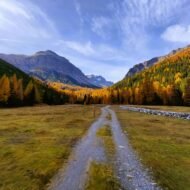
Europe isn’t just about fancy hotels and crowded tourist traps – it’s home to some of the world’s most incredible camping experiences. From the dramatic fjords of Norway to the sun-soaked beaches of Portugal, European camping offers something for every outdoor enthusiast.
Whether you’re a seasoned camper or just starting your outdoor journey, Europe’s diverse landscapes, well-maintained facilities, and rich cultural experiences make it the perfect destination for your next camping adventure. Plus, with over 30,000 official campsites across the continent, you’ll never run out of amazing places to pitch your tent.
What Makes European Camping Special
Incredible Diversity: Wake up to Alpine peaks in Switzerland, then drive a few hours to Mediterranean beaches in France. Europe’s compact size means you can experience multiple climates and cultures in a single trip.
Top-Notch Facilities: European campsites often feature amenities that put many hotels to shame – think heated pools, spa facilities, restaurants, and even kids’ clubs.
Rich Cultural Integration: Many European campsites are located near historic towns, ancient ruins, and cultural landmarks, making it easy to combine outdoor adventure with cultural exploration.
Excellent Infrastructure: Well-marked routes, reliable public transport connections, and comprehensive tourist information make European camping incredibly accessible.
Essential Gear for European Camping
Climate-Appropriate Equipment: Europe’s weather can be unpredictable, so pack layers and waterproof gear regardless of season.
Universal Adapters: Essential for charging devices across different countries with varying electrical systems.
Camping Gas Compatibility: Check that your camping stove works with locally available gas canisters.
Quality Maps and GPS: While digital navigation is helpful, physical maps are invaluable backup in remote areas.
Best Times to Visit
Peak Season (June-August): Perfect weather but expect crowds and higher prices. Book campsites well in advance.
Shoulder Season (April-May, September-October): Ideal compromise between good weather and fewer crowds. Many facilities may have reduced hours.
Winter Camping: Popular in Alpine regions for skiing enthusiasts, but requires specialized cold-weather gear and experience.
Recent Regulatory Changes (2025 Updates)
Greece’s Major Crackdown: Greece implemented Law 5170/2025 in April 2025, creating one of Europe’s strictest anti-camping regimes. The law prohibits all overnight stays in vehicles (including cars, vans, and motorhomes) outside official campsites, with €300 on-the-spot fines. Violators face fines up to €3,000 and potential jail time of up to three months. This represents a complete shift from previous tolerance.
Enforcement Reality: In early 2025, several motorhome owners were fined €300 each while parked by the sea in the Peloponnese, demonstrating that authorities are actively enforcing the new regulations.
Montenegro’s Balanced Approach: While officially prohibited, wild camping in Montenegro is generally tolerated if done discreetly away from tourist areas and beaches. Tourist registration is required within 24 hours, and creative solutions like registering at tourist offices can help avoid legal issues.
Slovenia’s Consistent Enforcement: Slovenia maintains strict prohibitions with fines up to €500, and up to €1,000 in Triglav National Park. However, the country offers excellent official camping alternatives.
Country-Specific Camping Regulations
France
- Wild Camping: Generally prohibited, but tolerated in remote mountain areas above treeline
- Permits: None required for official campsites
- Restrictions: No camping in national parks, near monuments, or on beaches
- Special Rules: Campervans can park overnight in designated areas in many towns
Germany
- Wild Camping: Strictly forbidden except in specific designated areas
- Permits: Tourist tax may apply at some campsites
- Restrictions: No camping in nature reserves or private property
- Special Rules: “Stellplätze” (motorhome parking areas) are widely available
Norway
- Wild Camping: “Right to Roam” allows free camping in most natural areas
- Permits: None required for wild camping; fees apply for official sites
- Restrictions: Stay 150m from houses, don’t stay more than 2 nights in one spot
- Special Rules: Campfires allowed where safe and legal
Italy
- Wild Camping: Prohibited in most regions, heavily enforced in tourist areas
- Permits: None required for official campsites
- Restrictions: Strict fines for unauthorized camping, especially near coasts
- Special Rules: Some regions allow overnight parking for self-contained vehicles
Spain
- Wild Camping: Regulations vary by region; generally prohibited near coasts
- Permits: None required for official campsites
- Restrictions: No camping on beaches or in national parks
- Special Rules: “Área de Autocaravanas” provide services for motorhomes
Switzerland
- Wild Camping: Allowed above treeline in most cantons
- Permits: Some campsites require reservations
- Restrictions: No camping in national parks or nature reserves
- Special Rules: Expensive but exceptional facilities at official sites
Netherlands
- Wild Camping: Prohibited on all public and private land
- Permits: None required for official sites
- Restrictions: Strict enforcement with significant fines
- Special Rules: “Natuurkampeerterreinen” offer basic, nature-focused camping
Austria
- Wild Camping: Generally prohibited, some exceptions in alpine areas
- Permits: Tourist tax applies at most campsites
- Restrictions: No camping in national parks
- Special Rules: High-altitude camping may be tolerated if discrete
Portugal
- Wild Camping: Prohibited but often tolerated in remote areas
- Permits: None required for official sites
- Restrictions: No beach camping, strict rules near protected areas
- Special Rules: Many excellent coastal campsites available
Croatia
- Wild Camping: Prohibited with heavy fines
- Permits: None required for official sites
- Restrictions: No camping on islands or near archaeological sites
- Special Rules: Book coastal campsites well in advance for summer
Greece
- Wild Camping: Strictly prohibited under new Law 5170/2025 (effective April 2025)
- Permits: None required for official campsites
- Restrictions: No overnight stays in vehicles anywhere outside designated campsites – includes cars, vans, motorhomes
- Fines: €300 on-the-spot fines, up to €3,000 and 3 months imprisonment for repeat offenses
- Special Rules: Zero tolerance enforcement, especially in tourist areas and beaches. Even sleeping in a vehicle without camping equipment is illegal
Montenegro
- Wild Camping: Officially prohibited but often tolerated in remote areas
- Permits: Tourist registration required within 24 hours if staying longer than one night
- Restrictions: Avoid tourist areas, beaches, and national parks
- Fines: Up to €300, but enforcement is inconsistent
- Special Rules: Very hospitable locals; asking permission from landowners often works well
Slovenia
- Wild Camping: Strictly prohibited on all land (public and private)
- Permits: None required for official campsites
- Restrictions: No wild camping even with landowner permission
- Fines: Up to €500, up to €1,000 in Triglav National Park
- Special Rules: Well-developed network of eco-campsites and mountain huts provide legal alternatives
Money-Saving Tips for European Camping
ACSI Camping Card: Offers discounts at over 3,000 European campsites, especially valuable during off-peak seasons.
Camping Cheque: Prepaid voucher system that provides fixed-rate camping across participating sites.
Municipal Campsites: Often cheaper than private sites while still offering good facilities.
Grocery Shopping: Take advantage of Europe’s excellent supermarket chains for affordable meal ingredients.
Free Activities: Many campsites are located near hiking trails, beaches, or historic sites that don’t charge admission.
Emergency Information and Safety
Emergency Numbers
- 112: Universal emergency number across all EU countries
- 116 117: Medical helpline (available in most countries)
- Greece: Tourist police available in major destinations
- Montenegro: Limited English-speaking emergency services; carry translation app
- Slovenia: Mountain rescue service well-developed for alpine emergencies
Essential Safety Measures
- Register with your embassy when traveling for extended periods
- Carry comprehensive travel insurance that covers camping activities
- Keep emergency cash in multiple currencies
- Maintain copies of important documents in separate locations
- Download offline maps and translation apps before heading to remote areas
Weather-Related Precautions
- Check local weather forecasts daily, especially in mountainous regions
- Understand flood risks in coastal and river valley campsites
- Be aware of fire restrictions during dry seasons
- Know the signs of hypothermia and heat exhaustion
Wildlife Considerations
- Store food properly in bear-active areas (Carpathians, Pyrenees, Scandinavia)
- Be aware of tick-borne diseases in forested areas
- Respect local wildlife and maintain safe distances
- Carry appropriate first aid supplies for common outdoor injuries
Cultural Considerations and Etiquette
Respect Local Customs: Observe quiet hours, typically 10 PM to 8 AM at most European campsites.
Environmental Responsibility: Follow Leave No Trace principles, especially important in Europe’s densely populated areas.
Language Preparation: Learn basic phrases in local languages; camping communities often appreciate the effort.
Social Camping Culture: European camping is often more social than in other regions – don’t be surprised by communal activities and friendly neighbors.
Planning Your Route
Start Small: Begin with established campsites before attempting wild camping in permitted areas.
Consider Seasonal Variations: Many facilities close or reduce services during winter months.
Book Strategically: Reserve sites in popular destinations but leave flexibility for spontaneous discoveries.
Transport Considerations: Public transport connections to campsites vary significantly between countries.
Disclaimer
This guide provides general information about camping in Europe based on commonly available resources and typical regulations. However, camping laws, regulations, and local conditions can change frequently and vary significantly between countries, regions, and even individual municipalities.
Before embarking on your camping trip, always:
- Verify current local regulations with official tourism boards or local authorities
- Check specific campsite policies and availability
- Confirm emergency procedures and contact information for your intended destinations
- Ensure your travel insurance covers camping activities and equipment
- Consult current weather conditions and safety advisories
The information in this guide should not be considered as legal advice or a substitute for proper trip planning and preparation. Travelers are solely responsible for complying with local laws and regulations, maintaining appropriate safety measures, and ensuring they have adequate insurance coverage.
Camping involves inherent risks, and participants should assess their own abilities and experience levels before undertaking any outdoor activities. When in doubt, consult with local authorities, experienced guides, or professional camping organizations.
Always prioritize safety, respect local communities and environments, and camp responsibly to preserve these incredible destinations for future generations of outdoor enthusiasts.