


2026 European Mountain Event Calendar: Your Ultimate Guide to Alpine Adventures
Look, I’m just going to say it—if you’re not planning at least one European mountain trip for 2026, you’re missing out on what might be the most epic year the Alps have seen in decades. Between the return of the Winter Olympics to Italy, mountain raves that’ll make you question reality, and food festivals where cheese is literally a religion, Europe’s peaks are serving up something for everyone.
- Q1: The Sporting Elite – When the World Watches the Mountains
- The Crown Jewel: Milano Cortina 2026 Winter Olympics
- The White Circus: Iconic Winter Racing Traditions
- Q2: The Sound of the Mountains – Dancing Where Eagles Fear to Tread
- Q3: Traditions and Gastronomy – Where Culture Meets Calories
- Alpine Cultural Highlights
- The Pyrenees Alternative: A Different Flavor of Mountain Magic
- Food Festivals That’ll Make You Rethink Everything
- Why Family-Friendly Mountain Culture Matters
- Q4: The Summer Shift – Mountains Don’t Close
- Q5: Adventure & Extreme Sports – For the Adrenaline Addicts
- Q7: Hidden Gems – Events You’ve Never Heard Of But Should
- Planning Your 2026 Mountain Adventure: Real Talk
- The Bottom Line: Why 2026 Is THE Year
Let me walk you through what’s happening up there, and trust me, you’ll want to bookmark this.
Q1: The Sporting Elite – When the World Watches the Mountains
The Crown Jewel: Milano Cortina 2026 Winter Olympics
February 6-22, 2026 | Dolomites, Italy
The Winter Olympics are coming home to Italy, and honestly? It’s about damn time. Milano Cortina 2026 isn’t just another sports event—it’s a full-blown love letter to the Dolomites, those jagged pink-hued peaks that look like they’ve been ripped straight out of a fantasy novel.
Here’s what makes this special: Italy last hosted the Winter Olympics in Turin back in 2006, and before that, Cortina d’Ampezzo held them in 1956. This isn’t some rookie host city trying to figure things out. Cortina has Olympic legacy in its DNA, and the Italians are bringing that perfect blend of world-class athleticism and “let’s have an aperitivo after” energy that only they can pull off.
The venues are spread across the Dolomites and Milan, meaning you get alpine authenticity mixed with Italian cosmopolitan flair. Picture this: you’re watching speed skating in Milan’s cutting-edge arena in the morning, then you’re up in Cortina that same afternoon watching downhill skiers launch themselves off the Tofane mountains at speeds that would make your insurance agent cry.
What to expect:
- Downhill and Super-G races on the legendary Olympia delle Tofane course
- Ice hockey finals in Milan’s renovated PalaItalia
- Bobsled and luge at the historic Cortina track
- Opening ceremony that’ll probably involve opera, fashion, and enough Italian style to make the rest of us feel underdressed
Pro tip: Book your accommodation NOW. Like, right now. Cortina isn’t huge, and when the Olympic crowds hit, you’ll be competing with everyone from hardcore ski fans to Instagram influencers trying to get that perfect Dolomite sunrise shot.
The White Circus: Iconic Winter Racing Traditions
But wait—the Olympics aren’t the only show in town.
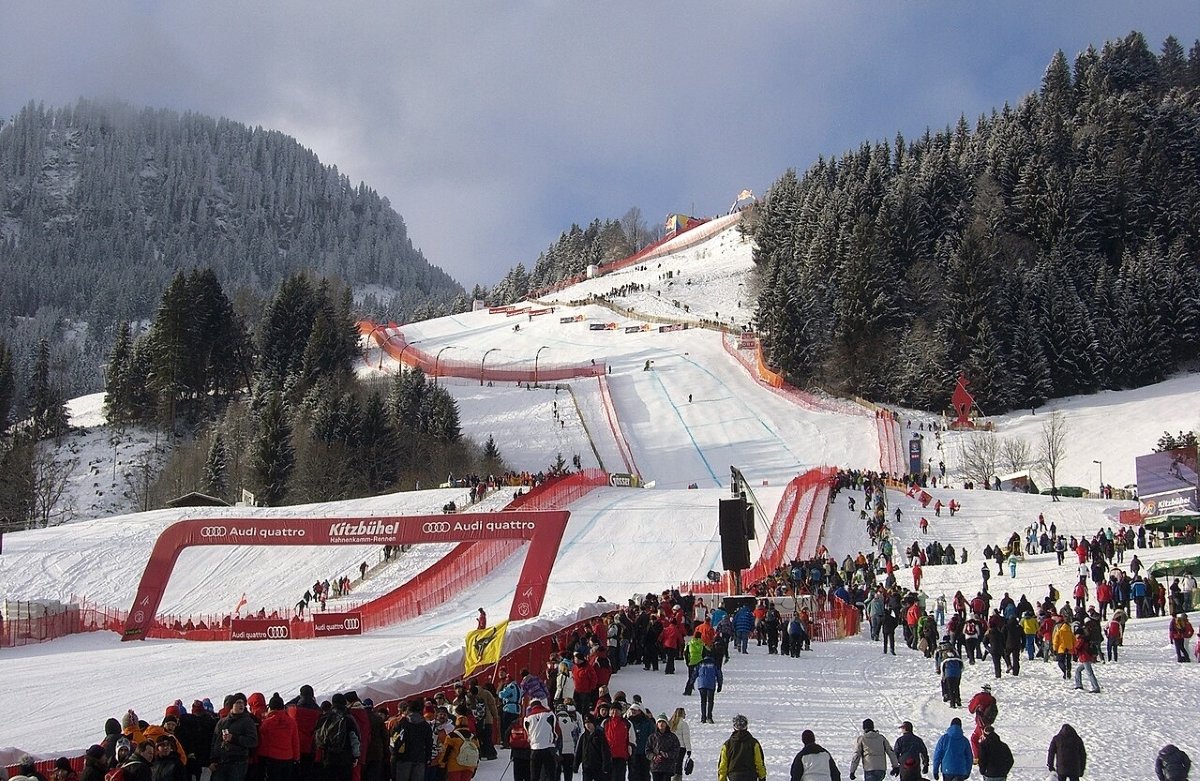
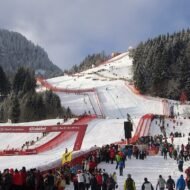
Hahnenkamm Race (January 24-25, Kitzbühel, Austria): Often called the most dangerous downhill race in the world, the Streif course at Kitzbühel is where ski racers go to prove they’re legitimately insane. With sections like the “Mausefalle” (Mouse Trap) where racers literally go airborne, this is edge-of-your-seat stuff. The Austrian crowds bring an energy that’s half sporting event, half beer-fueled party.
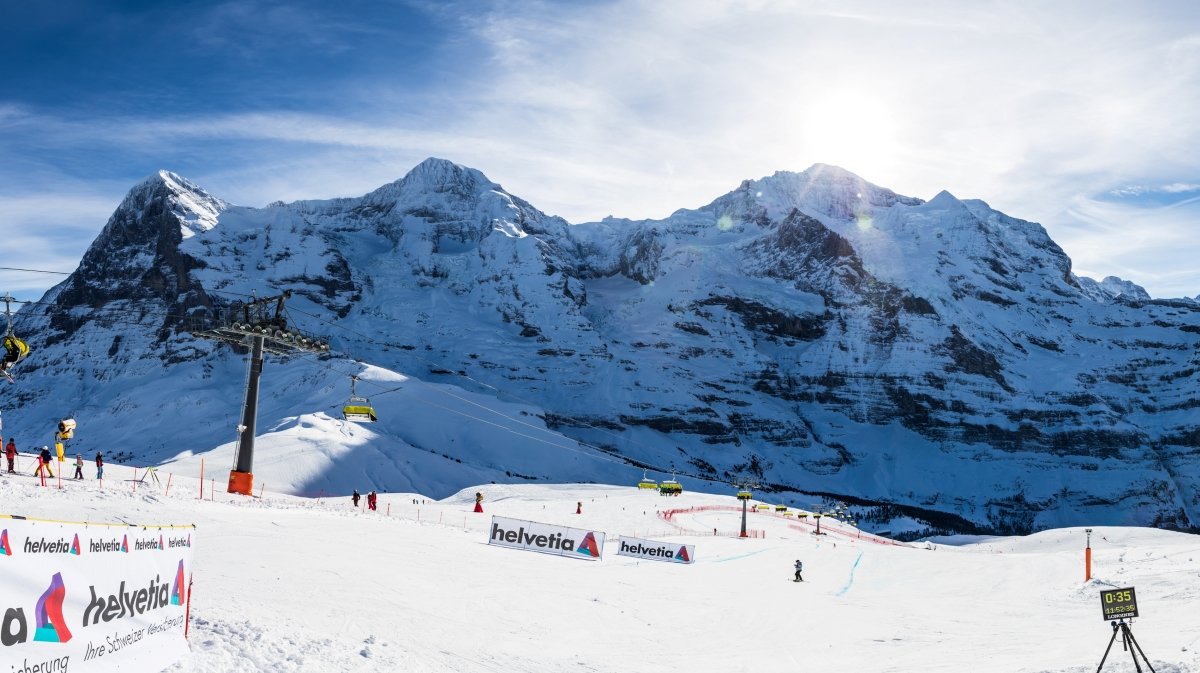
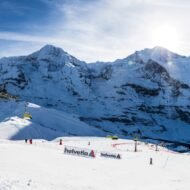
Lauberhorn Race (January 16-18, Wengen, Switzerland): The longest downhill race in the World Cup circuit. Nearly three minutes of pure adrenaline through the Bernese Oberland. The Swiss do everything with precision, and this race is no exception—except for the fans, who get delightfully un-Swiss in their enthusiasm.
These races represent over a century of alpine racing tradition. They’re not just sporting events; they’re cultural institutions where entire villages shut down and everyone from 8 to 80 shows up to watch people do absolutely mental things on skis.
Q2: The Sound of the Mountains – Dancing Where Eagles Fear to Tread
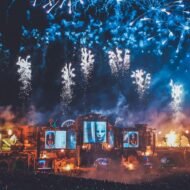
Alright, let’s talk about something that sounds made up but is 100% real: full-scale electronic music festivals at 2,000+ meters elevation. Yes, you read that right. Thousands of people, world-class DJs, and mountain peaks that would make Bob Ross weep with joy.
The “Snow-Raves” That’ll Ruin Regular Clubs Forever
Tomorrowland Winter 2026 (March 15-22, Alpe d’Huez, France)
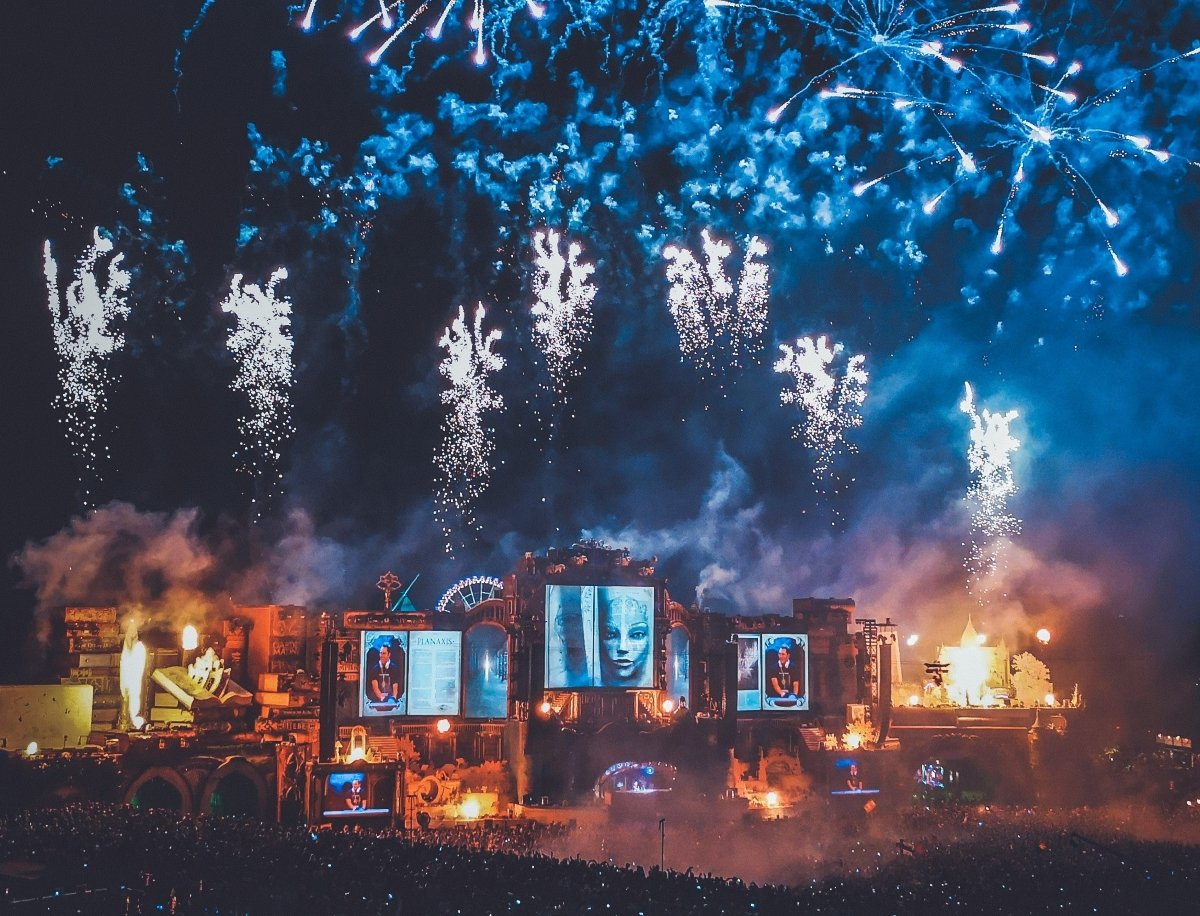
If you’ve been to Tomorrowland in Belgium, you know the production value is absolutely bonkers. Now imagine that same energy, but surrounded by snow-capped peaks and you’re wearing a ski jacket instead of a tank top.
Alpe d’Huez transforms into a temporary electronic music paradise where you can ski during the day and rage under the stars at night. We’re talking multiple stages, elaborate stage designs that probably cost more than most people’s houses, and a crowd that’s there for one reason: to have the time of their lives.
The vibe? It’s like someone took a winter wonderland and injected it with pure serotonin. You’ll meet Australians, Brazilians, Americans, and Europeans all bonding over the universal languages of music and “holy shit, are we really doing this on a mountain?”
Snowboxx (March 17-24, Avoriaz, France)
While Tomorrowland leans toward the mainstage, festival-going crowd, Snowboxx attracts a slightly more underground vibe. Think house, techno, and bass music echoing through the French Alps. Avoriaz itself is car-free and ski-in/ski-out, giving it this almost surreal quality where you’re never quite sure if you’re in a ski resort or a music festival—and that’s exactly the point.
What makes these mountain festivals special isn’t just the music or the setting (though both are incredible). It’s the whole experience: skiing fresh powder in the morning, grabbing fondue for lunch, catching sunset sets on outdoor stages, then dancing until 4 AM before stumbling back to your chalet and waking up to do it all again.
Other Notable Mountain Music Events:
- Altitude Festival (April, Mayrhofen, Austria) – Where British snowboarders go to party
- Rave on Snow (December, various Austrian locations) – A moveable feast of electronic music
- Rise Festival (December, Les Deux Alpes, France) – France’s answer to “how hard can we go?”
Why These Matter (Beyond the Obvious Fun)
There’s something almost spiritual about dancing at altitude. Maybe it’s the thin air making you slightly euphoric, maybe it’s the absurdity of the whole situation, or maybe it’s just that everything feels more alive when you’re surrounded by mountains. Whatever it is, these festivals represent a new chapter in alpine tourism—one where the mountains aren’t just for traditionalists and extreme athletes, but for anyone looking to experience something genuinely unique.
Q3: Traditions and Gastronomy – Where Culture Meets Calories
Let’s slow it down a bit and talk about the soul of the mountains: the people who’ve lived there for centuries and the traditions they’ve kept alive.
Alpine Cultural Highlights
Carnevale di Venezia (February 15-25, Venice, Italy)
Okay, Venice isn’t technically in the mountains, but hear me out—it’s the gateway to the Dolomites, and if you’re timing your Olympic trip right, you can hit both. The masks, the mystery, the general Italian drama of it all… it’s the perfect cultural appetizer before you head to the peaks.
Fasnacht (February-March, various Swiss locations)
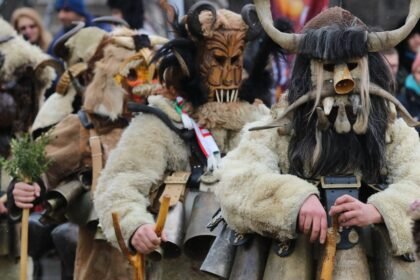
Swiss carnival season is weird, wonderful, and slightly terrifying. Basel’s Fasnacht is the big one, with parades that start at 4 AM (yes, you read that correctly) featuring elaborate masks and costumes that range from artistic to nightmare-inducing. It’s Switzerland letting its hair down, which is saying something.
The Pyrenees Alternative: A Different Flavor of Mountain Magic
Trinxat Festival (February, Andorra)
While everyone’s looking at the Alps, savvy travelers are discovering the Pyrenees. The Trinxat Festival celebrates a humble dish—mashed potatoes and cabbage—but it represents something bigger: mountain communities coming together to celebrate their heritage.
Andorra sits between France and Spain, giving it this fascinating cultural hybrid identity. You get Catalan traditions, duty-free shopping (hello, ski gear deals), and mountain villages that feel untouched by mass tourism. Plus, skiing here costs a fraction of what you’d pay in the Alps, and the terrain is legitimately excellent.
Sant Antoni Abat (January 17, Catalonian Pyrenees)
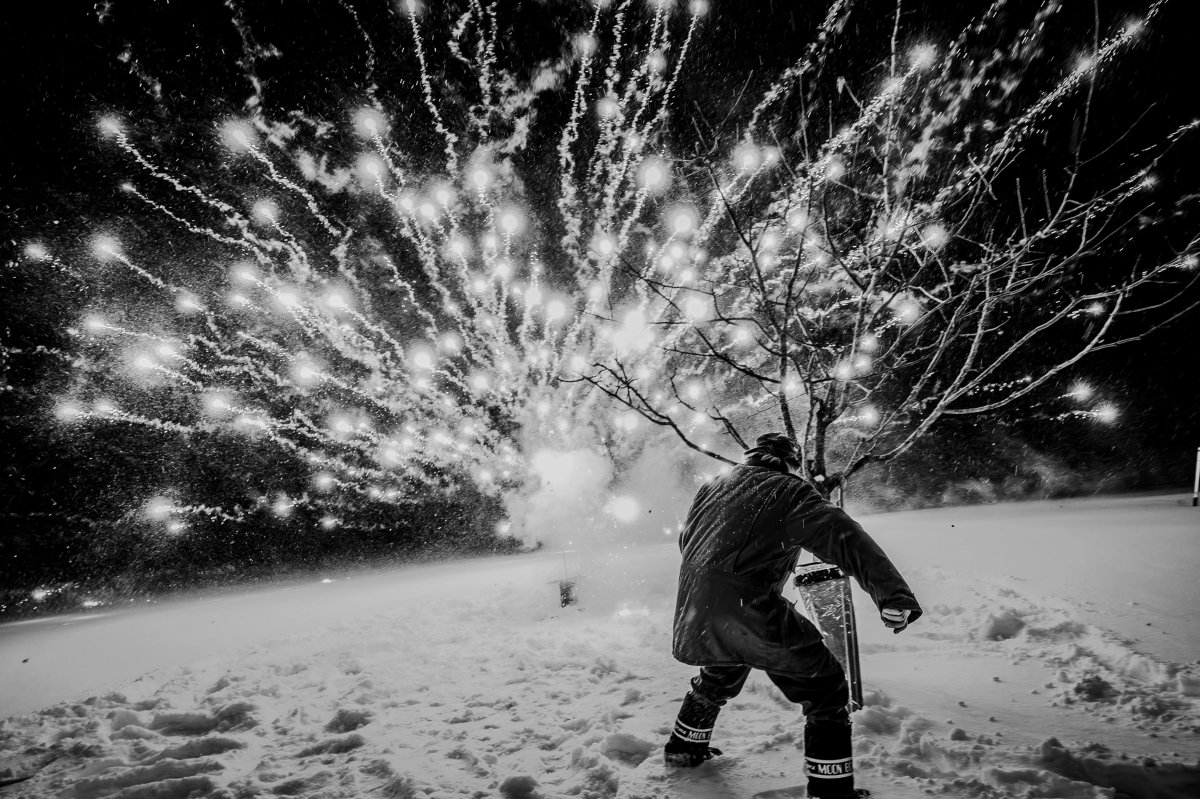
The blessing of animals, traditional folk dances, and the “Correfocs”—fire runs where people dress as devils and run through the streets with fireworks. It’s chaotic, it’s traditional, and it’s the kind of thing that makes you think, “Only in Europe.”
Food Festivals That’ll Make You Rethink Everything
Mountain food isn’t just fuel—it’s an art form perfected over centuries of “what can we make with what’s available at this altitude?”
Fête de l’Alpage (September, various Swiss locations)
This is when the cows come down from their summer high pastures, decorated with flowers and bells. It sounds quaint, but these festivals are massive community celebrations with artisan cheese markets, traditional music, and enough Alpine horn performances to make your heart ache.
Strudel Festival (October, Trentino-Alto Adige, Italy)
An entire festival dedicated to strudel. Need I say more? Actually, yes—this region perfected the apple strudel, and watching locals compete to make the best one while you sample them all is a travel experience that doesn’t get enough credit.
Fondue Experiences (Year-round, but peak in winter)
Okay, this isn’t technically a festival, but the mountain hut fondue experience deserves mention. You ski or hike to a remote cabin, and they serve you bubbling cheese with bread, wine, and usually some cured meats. It’s social, it’s delicious, and it’s the kind of simple pleasure that reminds you why mountain culture is so special.
Why Family-Friendly Mountain Culture Matters
These traditions aren’t museum pieces—they’re living culture. Bringing kids to a local festival in a Pyrenean village or an Alpine market teaches them that travel isn’t just about checking boxes; it’s about connecting with how other people live. Plus, mountain communities tend to be incredibly welcoming to families. The pace is slower, the air is cleaner, and there’s something wholesome about places where the biggest excitement might be watching cheese-making demonstrations or learning traditional folk dances.
Q4: The Summer Shift – Mountains Don’t Close
Here’s a secret that many travelers miss: European mountains might be famous for winter, but summer is when they truly shine.
Summer’s Greatest Hits
Tour de France (July 5-27, 2026)
The Alps and Pyrenees stages of the Tour de France are legendary. Watching cyclists grind up iconic climbs like Alpe d’Huez, Mont Ventoux, or the Col du Tourmalet is like watching a moving work of art. The atmosphere at mountain stages is electric—thousands of fans camping on hairpin turns, painting the roads, and losing their minds as the peloton struggles past.
Pro tip: You don’t need special access. Just drive up early, find a spot on a famous climb, bring a picnic, and wait. The race comes to you, and the sense of community among fans is half the experience.
Ultra-Trail du Mont-Blanc (UTMB) (August 25-31, Chamonix, France)
This is trail running’s Super Bowl. Over 10,000 runners from 100+ countries tackling courses ranging from 100 to 170 kilometers around Mont Blanc, through France, Italy, and Switzerland. Even if you’re not running (and let’s be honest, most of us aren’t), watching runners pass through mountain villages at 3 AM, powered by sheer will and probably too much espresso, is genuinely inspiring.
Chamonix during UTMB week has an energy that’s hard to describe. It’s part athletic pilgrimage, part mountain festival, and entirely unforgettable.
Summer Music Festivals
- Verbier Festival (July-August, Switzerland): Classical music in one of the world’s most beautiful ski resorts
- Audi Nines (Early May, Sölden, Austria): Action sports meets creativity in a purpose-built mountain playground
Why Summer Mountains Hit Different
Without the snow, you see the mountains’ true faces—wildflower meadows, turquoise lakes, hiking trails that take you to viewpoints that would cost a fortune to helicopter to. The weather is perfect, the days are long, and the crowds are surprisingly manageable outside of peak August.
Plus, summer is when locals really come alive. Winter brings tourists, but summer is when mountain communities can breathe, host their own festivals, and share their culture without the chaos of ski season.
Q5: Adventure & Extreme Sports – For the Adrenaline Addicts
Can’t talk about European mountains without mentioning the truly bonkers stuff people do up there.
The Extreme Calendar
Red Bull X-Alps (June, Various Alpine locations)
Hikeandfly race across the entire Alpine range. Competitors have to hike and paraglide from Salzburg to Monaco, covering 1,200+ kilometers with 45,000+ meters of elevation gain. It’s like the Tour de France met an extreme hiking expedition and they had a paragliding baby.
Ice Climbing World Cup (January-February, Various European locations)
Watching people scale frozen waterfalls at competition speed is the kind of thing that makes you grateful for your regular gym membership. Champagny-en-Vanoise in France usually hosts a round, and the technical skill on display is mesmerizing.
Freeride World Tour (January-March, Various)
The world’s best freeriders (that’s ski and snowboard talk for “people with a death wish and exceptional talent”) tackle the gnarliest terrain Europe’s mountains can offer. Verbier’s Bec des Rosses face is particularly infamous—it’s essentially a natural halfpipe made of cliffs and couloirs.
Q7: Hidden Gems – Events You’ve Never Heard Of But Should
The Under-the-Radar Magic
White Turf St. Moritz (February, Switzerland)
Horse racing. On a frozen lake. In St. Moritz. It’s as posh and surreal as it sounds. People dress up in furs (or faux furs, depending on their stance on animal products), drink champagne, and watch horses race on ice. It’s very Swiss, very glamorous, and very “wait, this is a thing?”
Balloons over Château-d’Oex (Late January, Switzerland)
Hot air balloon festival in the Swiss Alps. Dozens of balloons floating over snow-covered peaks at sunrise. If you’ve ever wanted a screensaver to come to life, this is it.
Mountain Film Festivals
- Trento Film Festival (April-May, Italy) – Mountain culture through film
- Kendal Mountain Festival (November, UK) – Technically not in mountains, but celebrates them
Wellness & Retreat Events
Yoga & Meditation Retreats (Various, year-round)
Turns out, mountains are excellent for finding inner peace. Who knew? Places like the Austrian Tyrol and Swiss Engadin Valley have embraced the wellness trend, hosting retreats that combine alpine hiking with yoga, meditation, and spa treatments. It’s the opposite of a snow-rave, but equally transformative.
Planning Your 2026 Mountain Adventure: Real Talk
Budget Breakdown (Ballpark Figures)
Winter Olympics Trip (1 week):
- Accommodation: €150-400/night (book early or prepare for pain)
- Event tickets: €50-300+ depending on events
- Lift tickets: €60-80/day
- Food: €50-100/day (fondue isn’t cheap, friends)
- Total estimate: €2,000-5,000+ per person
Music Festival Experience:
- Festival pass: €200-400
- Accommodation package: €500-1,500
- Lift tickets: Usually included or discounted
- Total estimate: €1,000-3,000 per person
Cultural/Summer Trip:
- Mid-range accommodation: €80-150/night
- Activities: €30-100/day
- Food: €40-80/day
- Total estimate: €1,000-2,500/week
Booking Strategy
- Book Olympics stuff yesterday – Seriously, Cortina will be insane
- Music festivals – Tickets usually go on sale in autumn 2025
- Summer accommodation – Book by March for peak season
- Shoulder seasons (May, September) offer the best value
Getting Around
Mountain mobility:
- Swiss Travel Pass – Unlimited trains, buses, and boats (often includes mountain railways)
- Rent a car for Pyrenees/remote areas – Public transport is limited
- Consider the night train network – Sleep through travel time and wake up in the mountains
The Bottom Line: Why 2026 Is THE Year
Look, every year has its charms. But 2026 is serving up a perfect storm of once-every-four-years events (Olympics), established annual traditions (all those races and festivals), and the general fact that European mountains are having a moment culturally.
The infrastructure is better than ever. The sustainability initiatives mean you can travel with less guilt. The variety means whether you’re 8 or 80, into partying or peace, extreme sports or extreme cheese consumption, there’s something for you.
And here’s the thing about mountains—they change you. Maybe it’s the altitude, maybe it’s the perspective you get standing on a peak looking at the world below, or maybe it’s just that mountains force you to slow down and actually experience rather than just consume.
So yeah, start planning. Your mountain adventure awaits, and 2026 is going to be absolutely mental (in the best possible way).
Have you booked your 2026 mountain escape yet? What events are you most excited about? Drop your plans in the comments—I love hearing what fellow mountain addicts are plotting!