










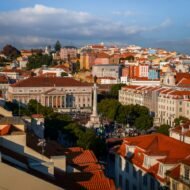
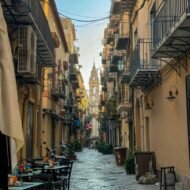
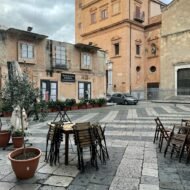








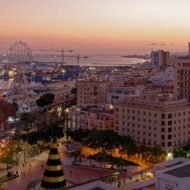


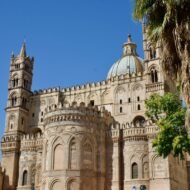

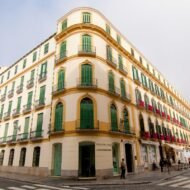




When northern Europe shivers through gray winter months, these five southern cities offer sunshine, culture, and mild temperatures that make for perfect winter getaways.
These cities are top-rated for winter travel because they offer a “metropolitan” winter—plenty of museums and indoor life if it rains, but enough sun to keep you in a light jacket.
Here is the ranking based on User Satisfaction (NomadList & TripAdvisor) and Climate Reliability.
The Top 5 Southern European Mainland Escapes
| Rank | City | Avg. Winter Temp | Airport | Hosting Infra | Atmosphere |
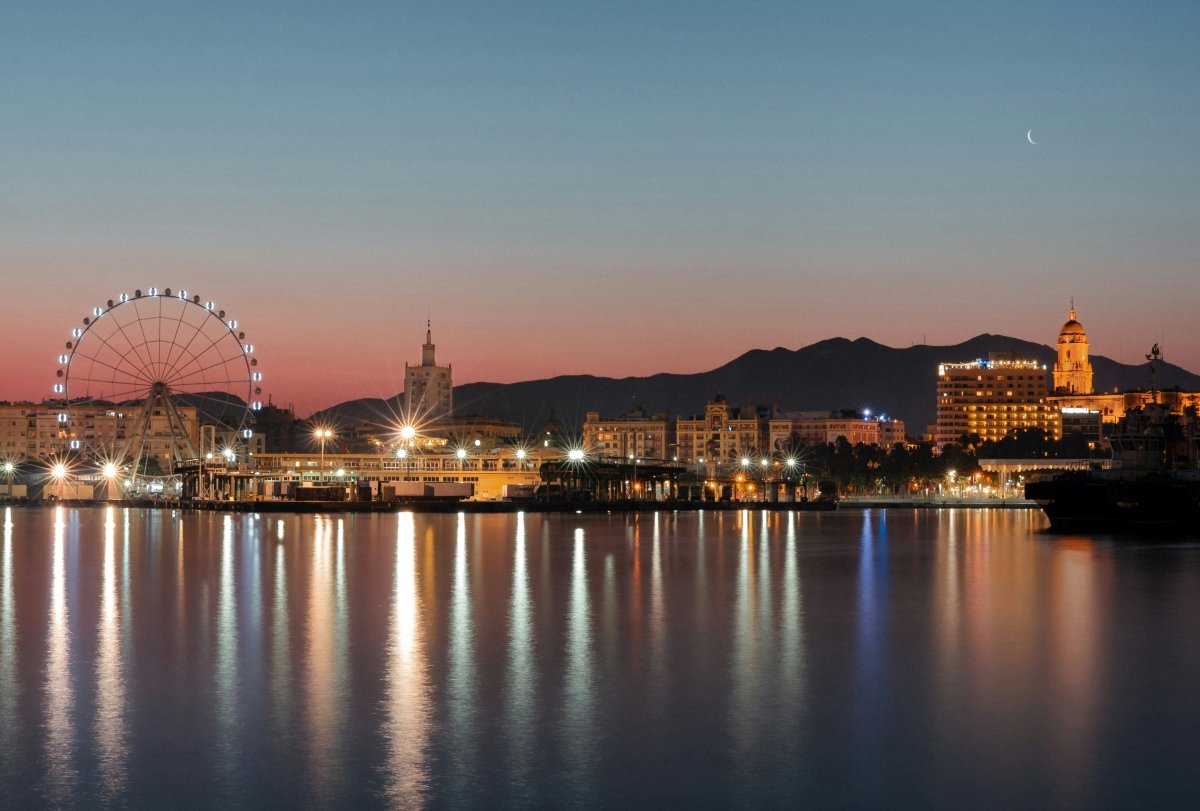
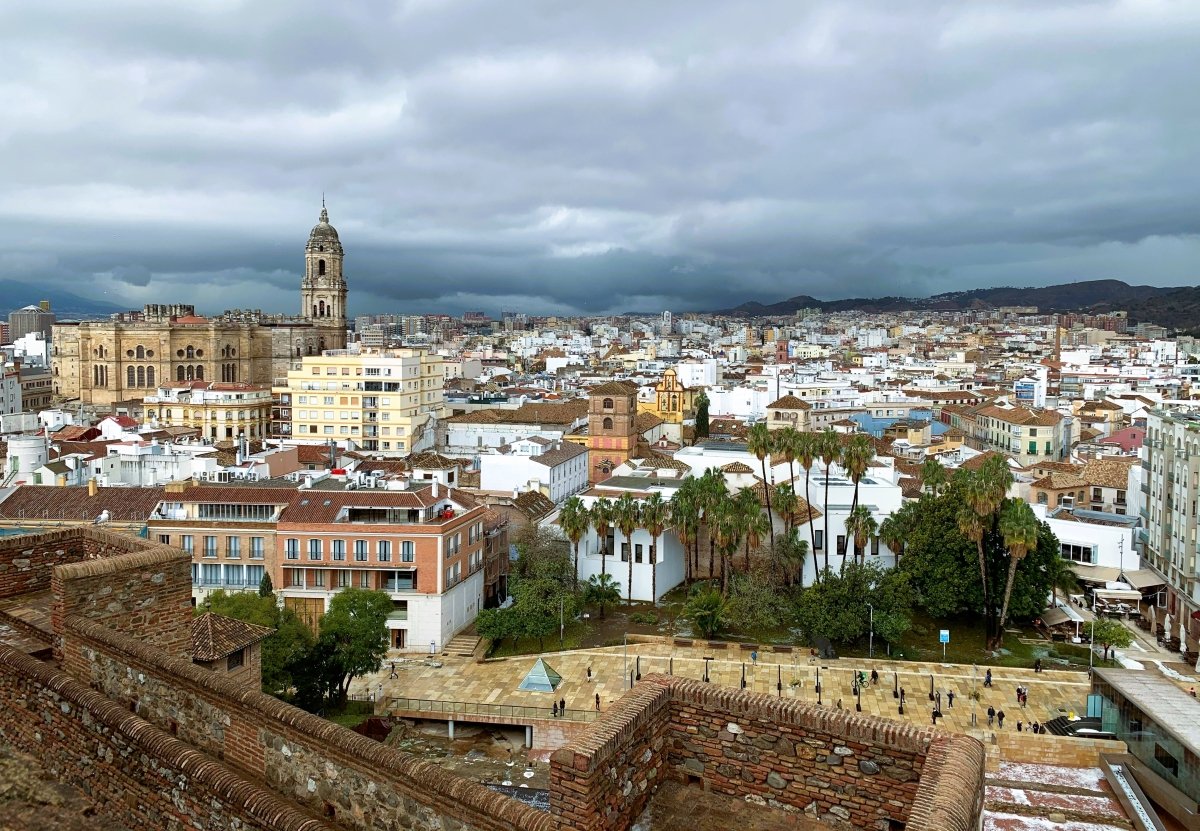
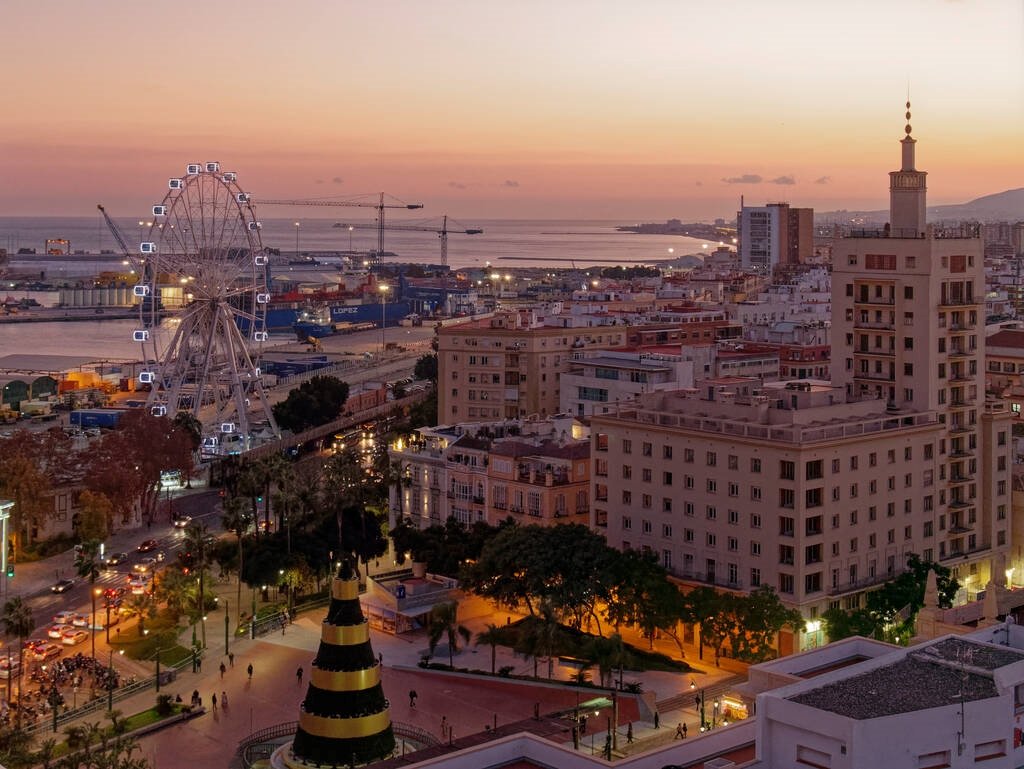
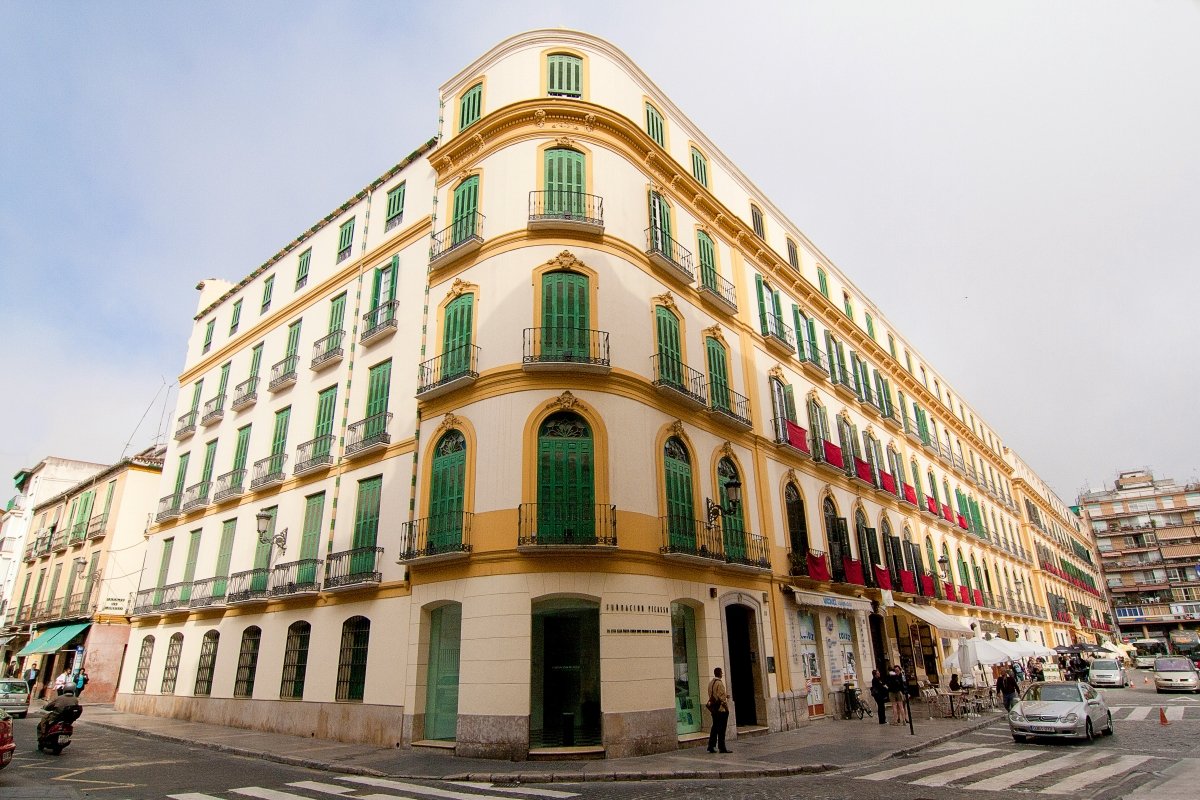
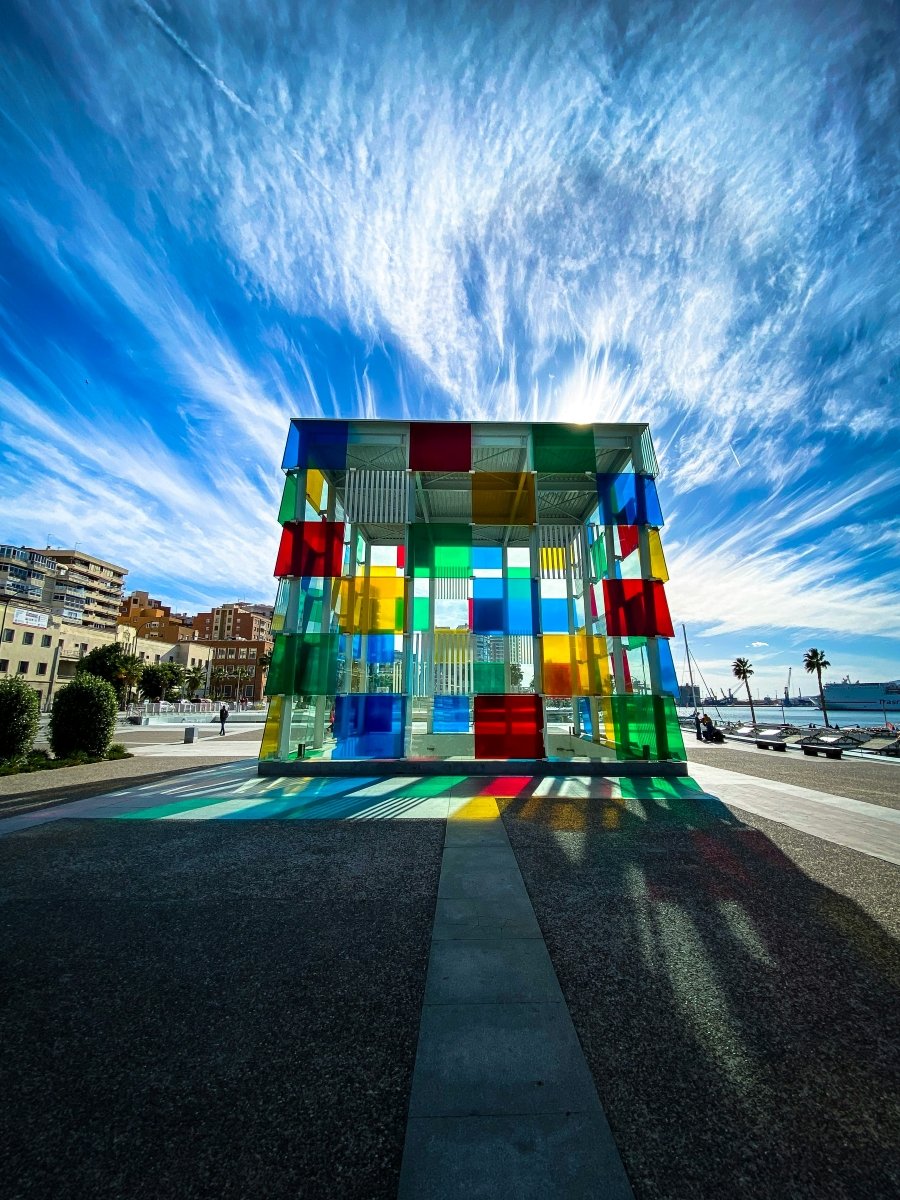
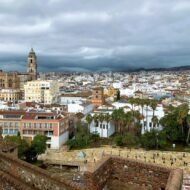
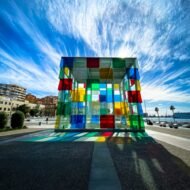
| 1 | Málaga, Spain | 18°C (64°F) | AGP (High Volume) | ⭐⭐⭐⭐⭐ | Coastal & Chic |
| 2 | Seville, Spain | 17°C (63°F) | SVQ (Efficient) | ⭐⭐⭐⭐⭐ | Romantic & Soulful |
| 3 | Lisbon, Portugal | 15°C (59°F) | LIS (International Hub) | ⭐⭐⭐⭐ | Vibrant & Hilly |
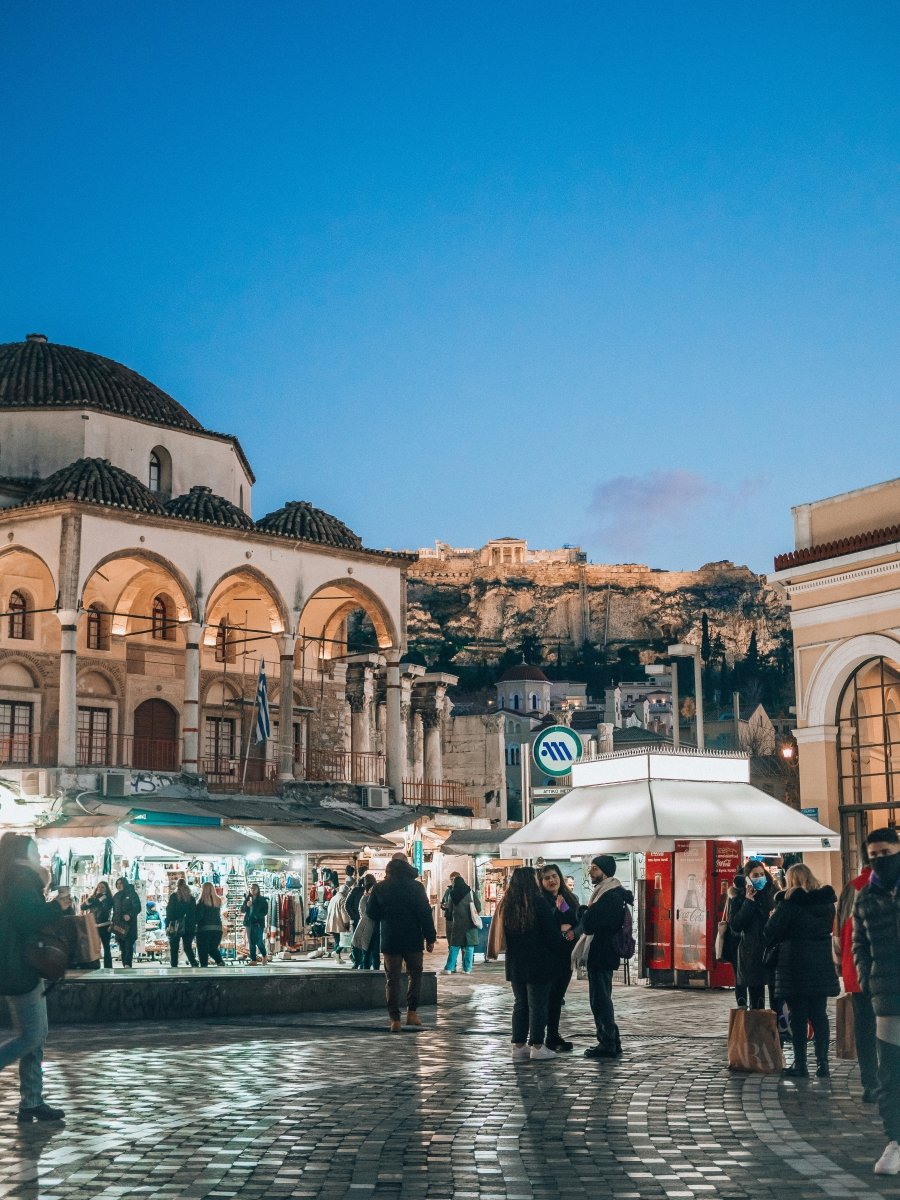
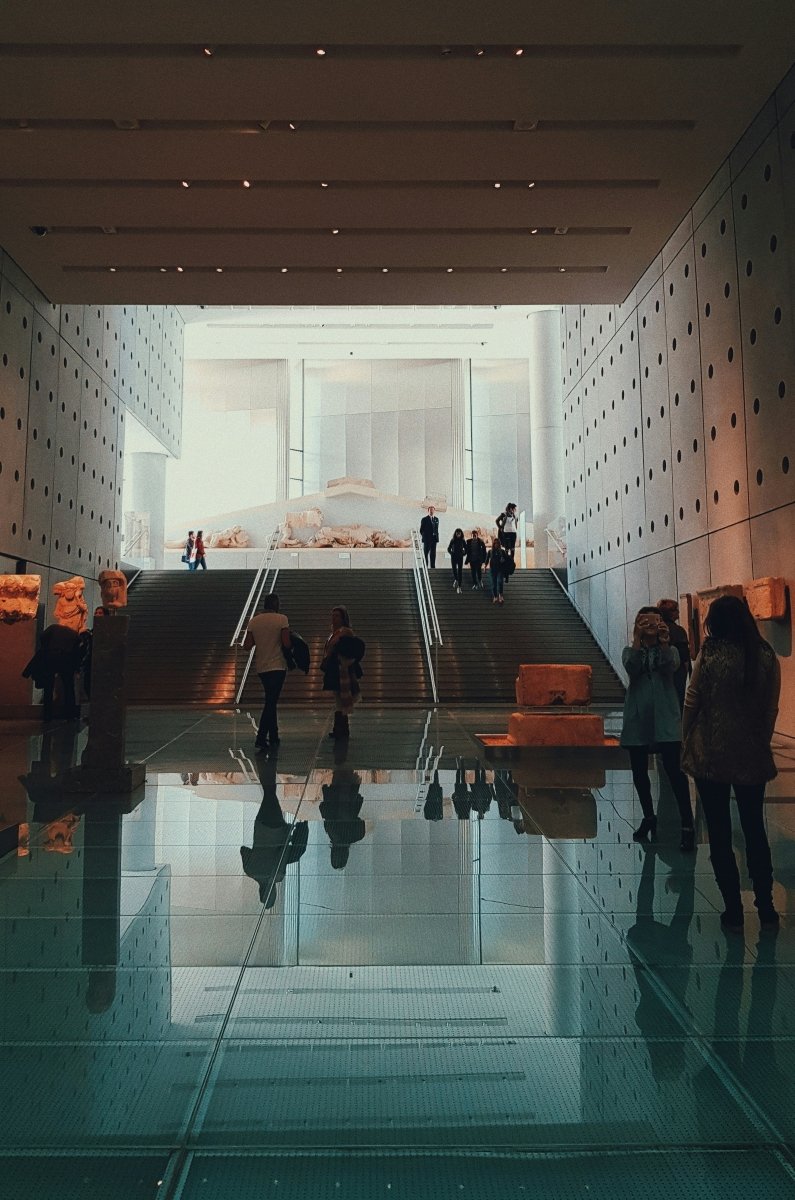
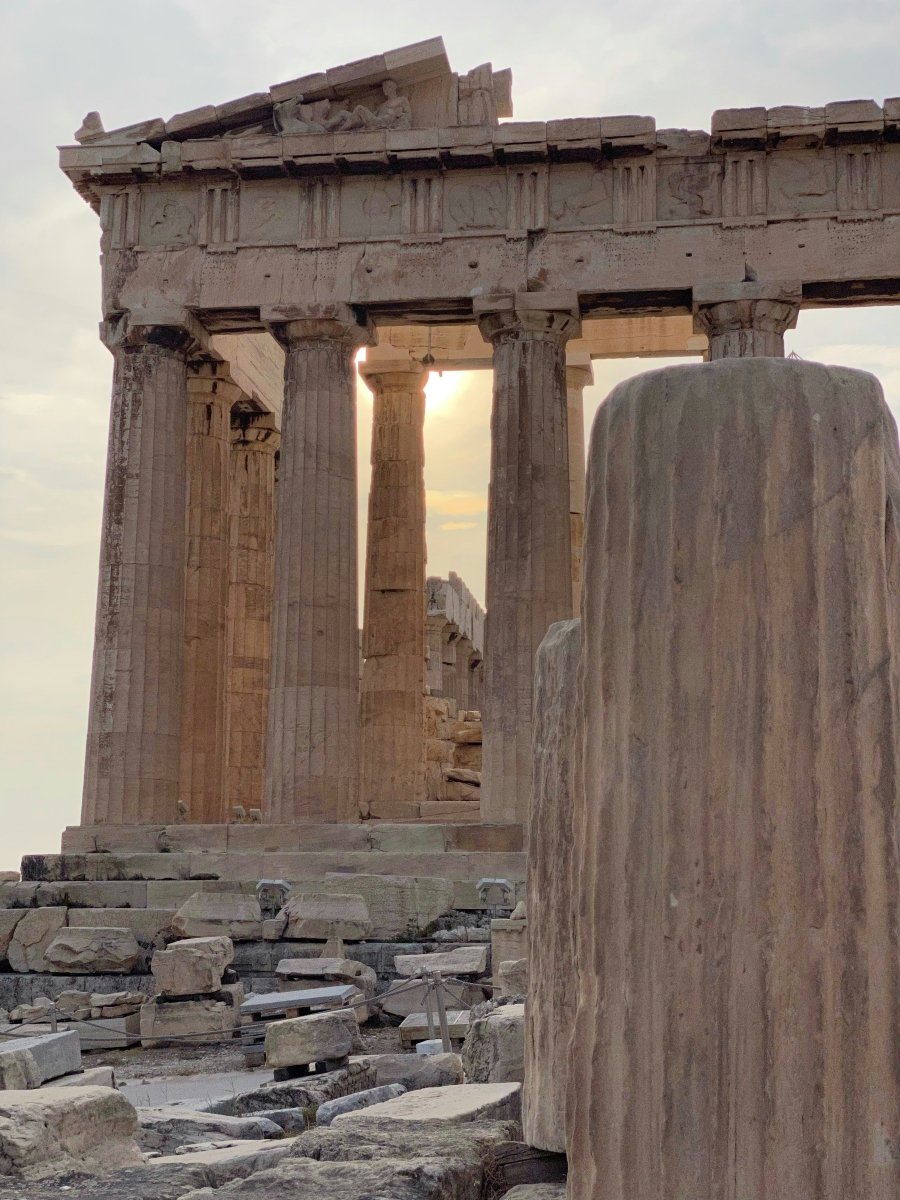
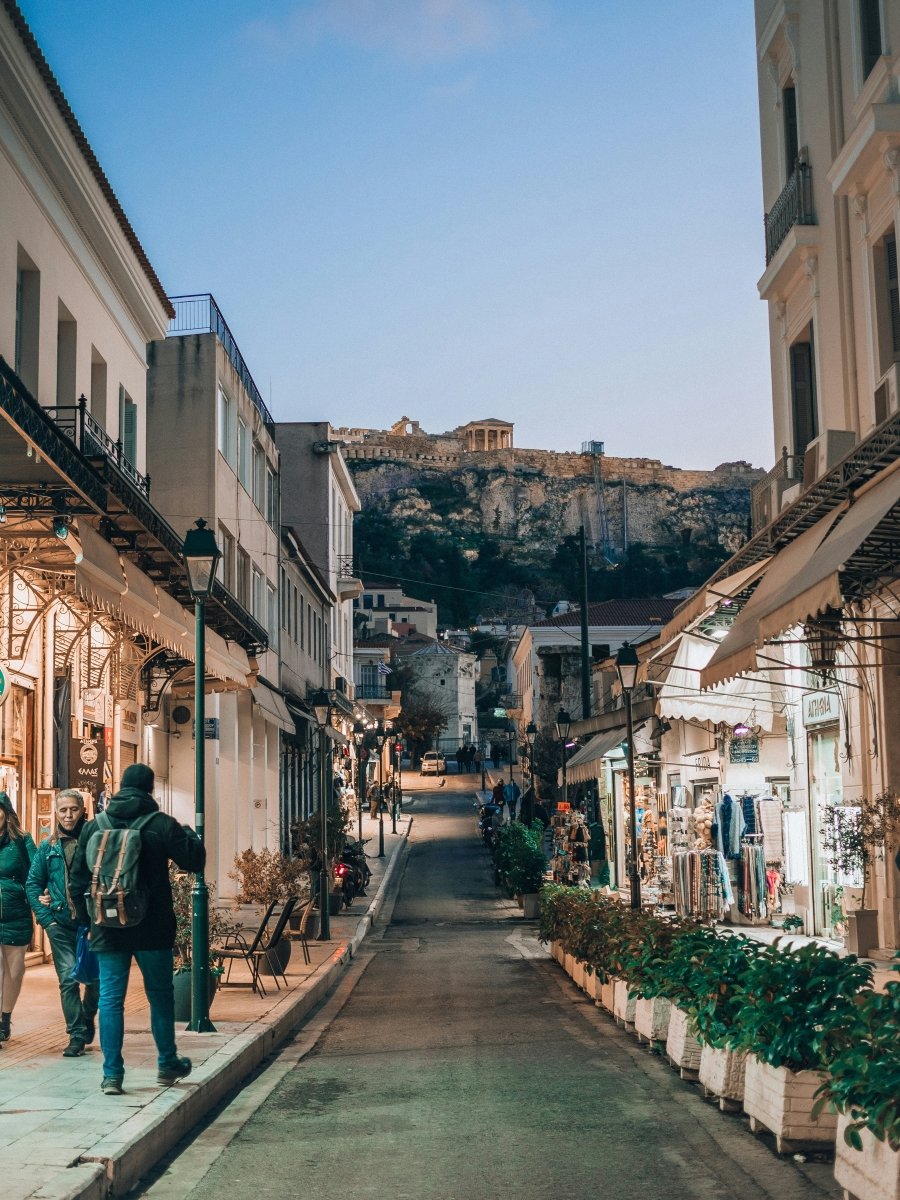
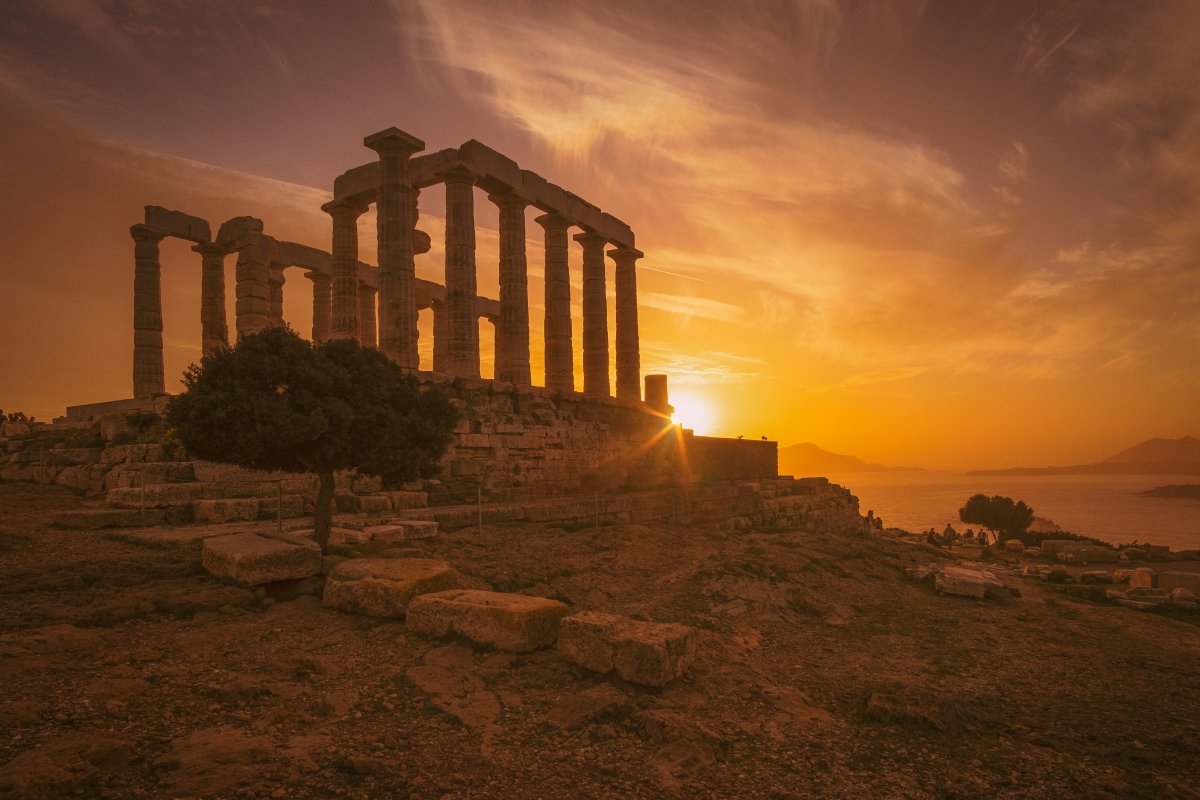
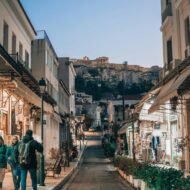
| 4 | Athens, Greece | 14°C (57°F) | ATH (Global Hub) | ⭐⭐⭐⭐ | Historic & Raw |
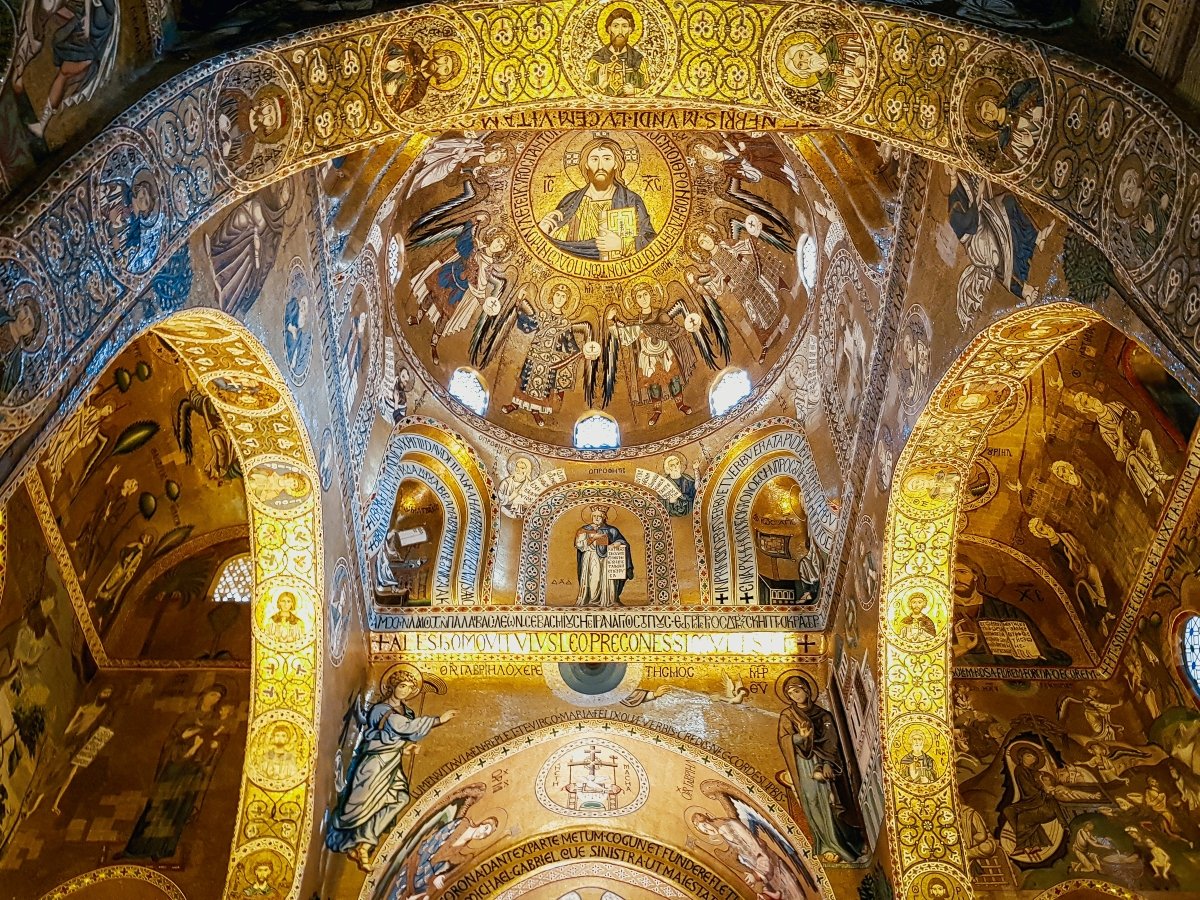
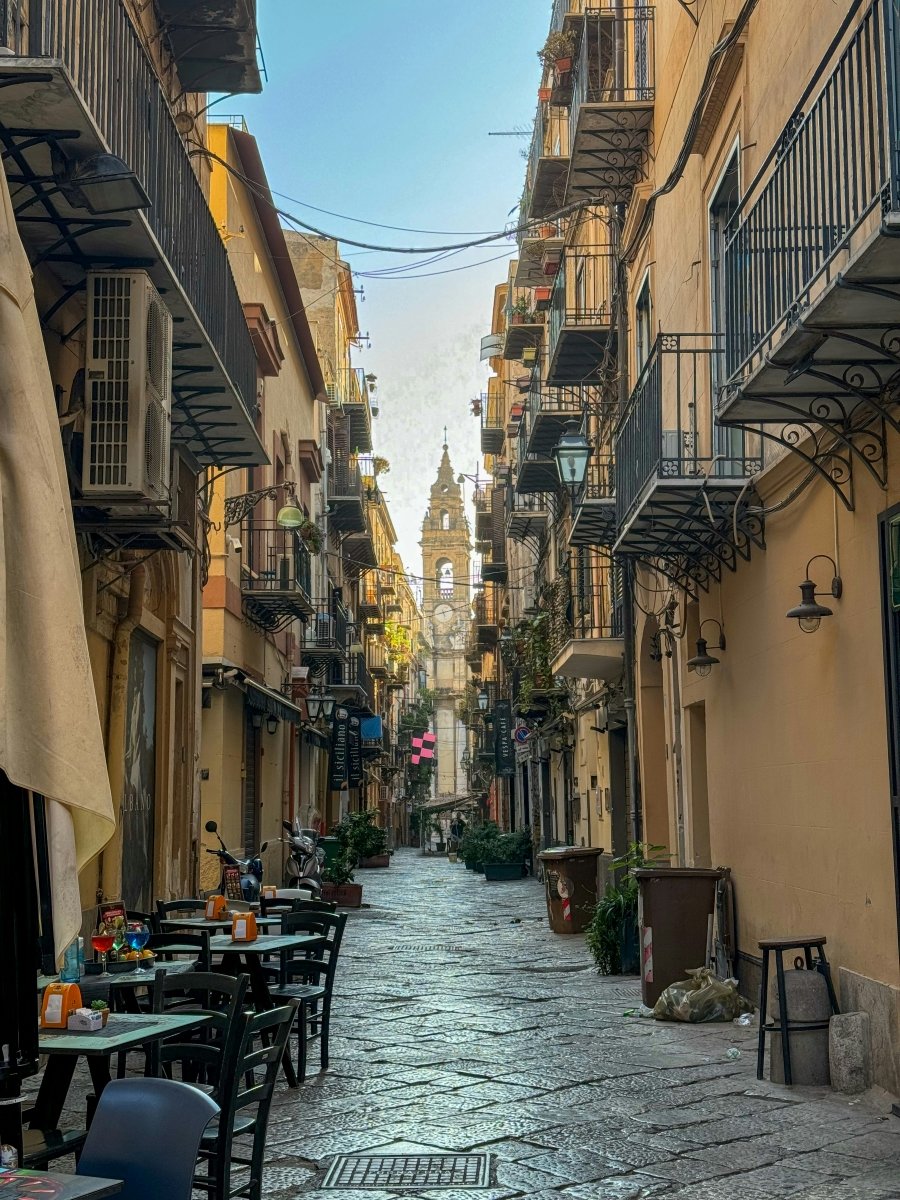
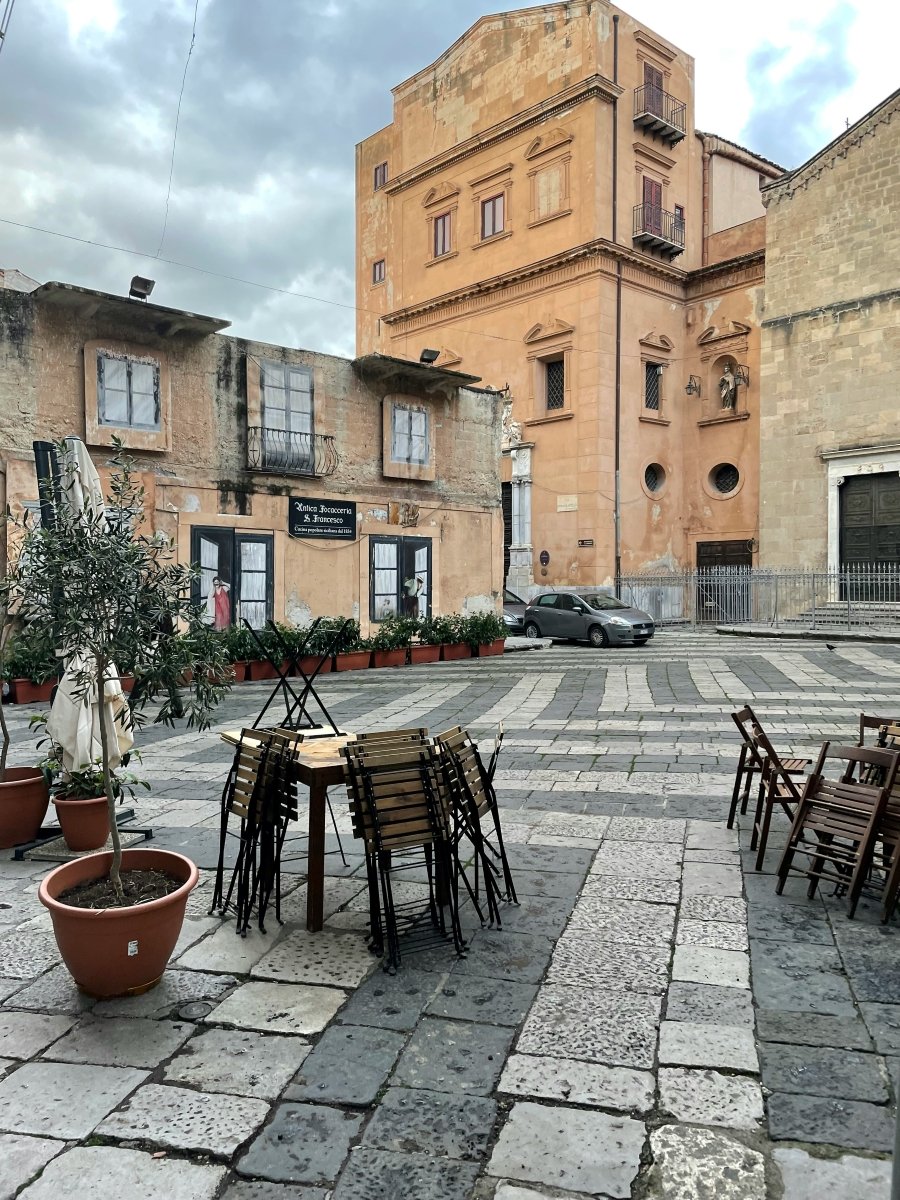
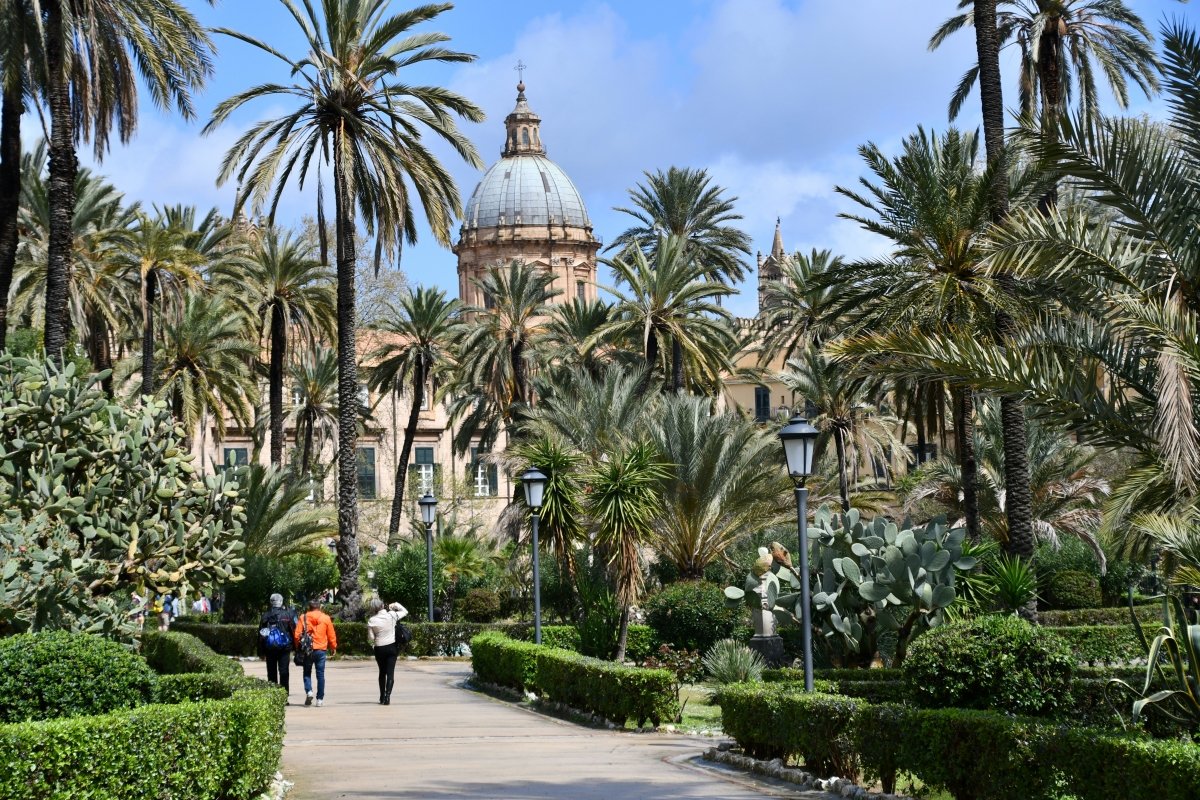
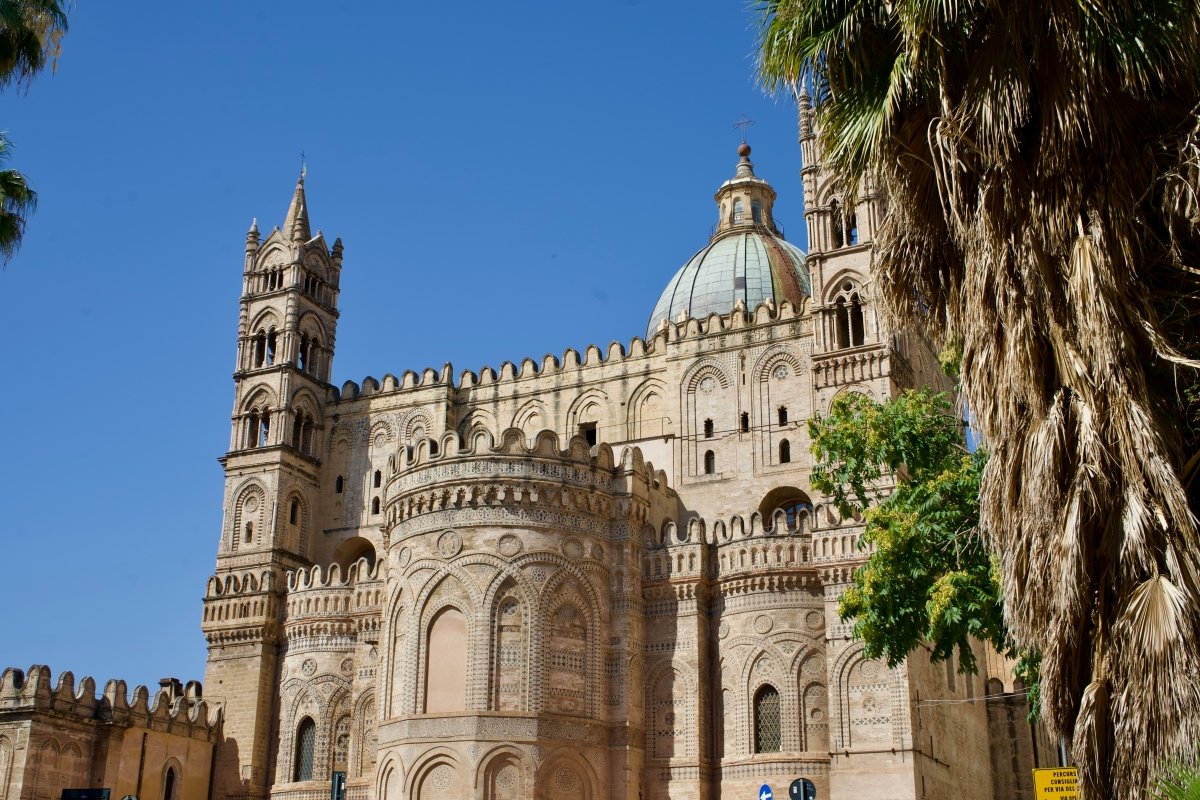
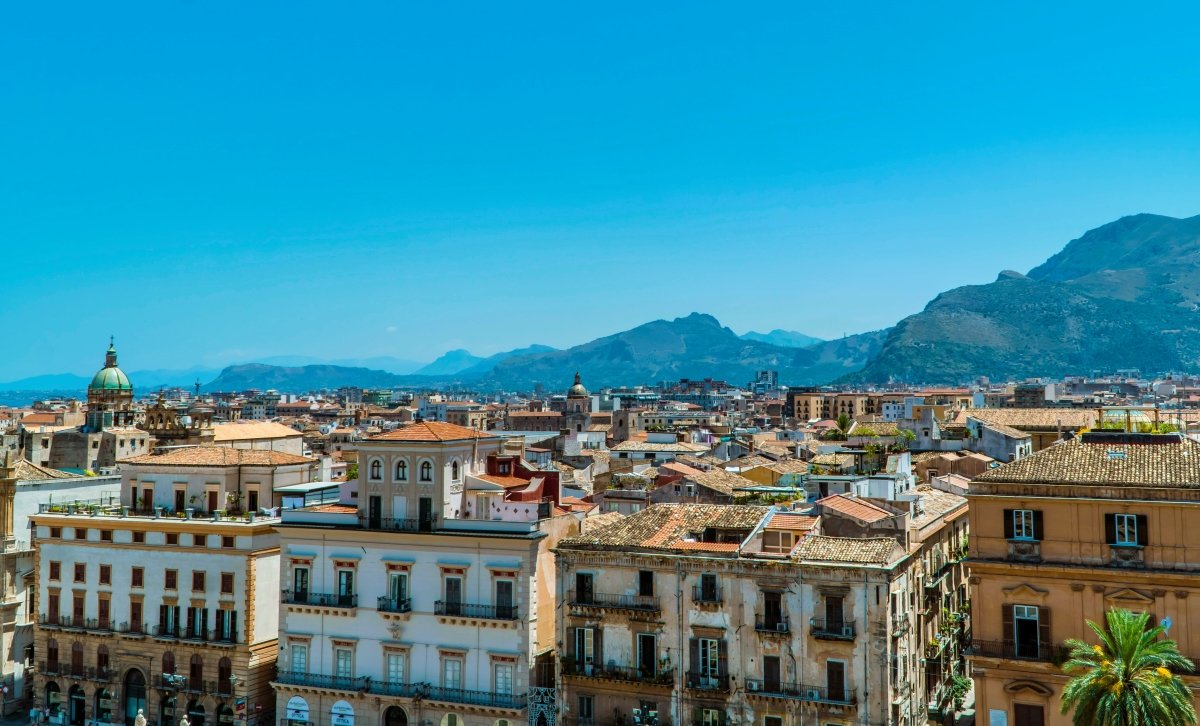
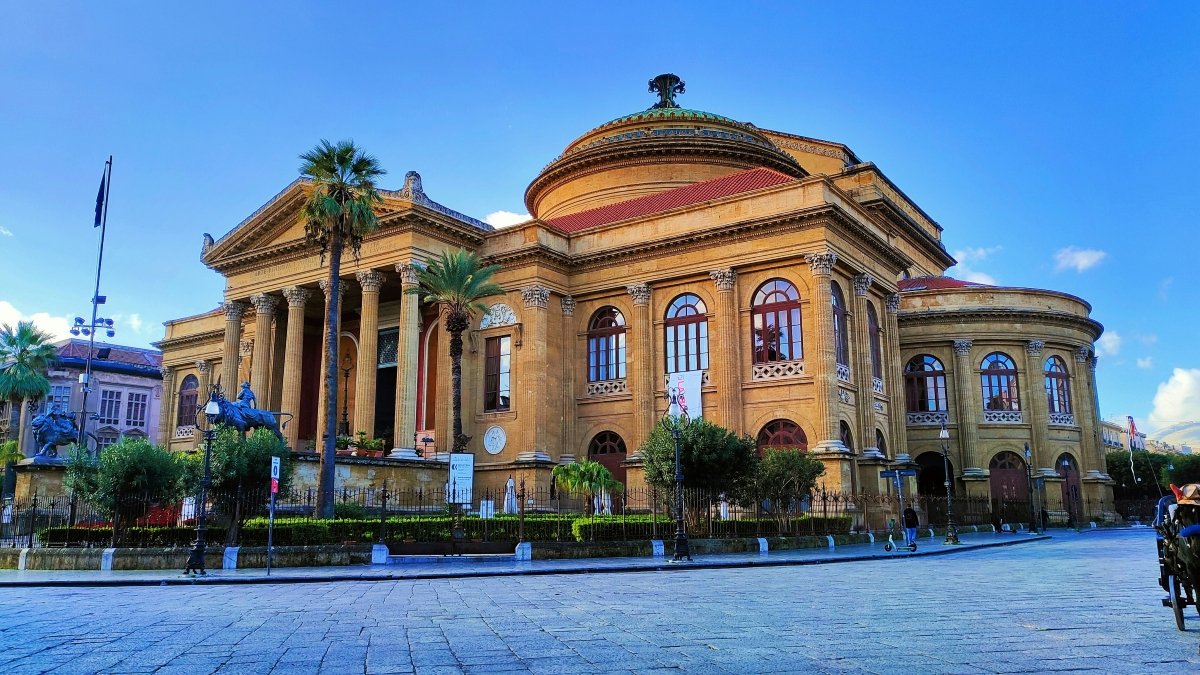
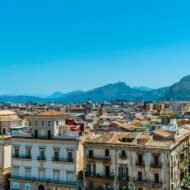
| 5 | Palermo, Sicily | 15°C (59°F) | PMO (Regional) | ⭐⭐⭐ | Gritty & Authentic |
Ranking Criteria
Cities are ranked based on aggregated traveler reviews and sentiment, weighted across:
- Average Winter Temperature (Dec–Feb)
- User Ratings & Review Volume
- Hosting Infrastructure (hotels, Airbnbs, long-stay options)
- Airport Accessibility
- Cultural Identity
- Atmosphere (liveliness, charm, “winter escape feel”)
Ranked List: Best Warm Winter Cities in Southern Europe
1. Seville, Spain
Interesting Facts Seville is home to the world’s largest wooden structure (Metropol Parasol), hosts one of Europe’s most important Easter celebrations, and claims to have invented tapas. The city’s Alcázar palace doubled as Dorne in Game of Thrones.
Winter Weather December through February brings daytime temperatures of 15-17°C (59-63°F), with sunny days outnumbering rainy ones. Nights cool to 6-8°C (43-46°F). Pack layers and a light jacket. January averages 6-7 hours of sunshine daily.
Accommodation Options Budget hostels start at €15-25/night, mid-range hotels €50-80, while boutique hotels in historic buildings run €100-150. Consider staying in Santa Cruz or Triana neighborhoods for authentic atmosphere. Airbnb apartments offer good value for longer stays (€40-70/night).
Museums & Art Scene The Museum of Fine Arts houses Spain’s second-largest art collection after the Prado, featuring Murillo, Zurbarán, and Velázquez in a former convent. The Centro Andaluz de Arte Contemporáneo occupies a 15th-century monastery with cutting-edge exhibitions. Flamenco Dance Museum offers interactive exhibits on this art form’s history. Casa de Pilatos displays Renaissance and Mudéjar architecture with ancient Roman sculptures. Most museums offer free entry for EU citizens and reduced winter hours.
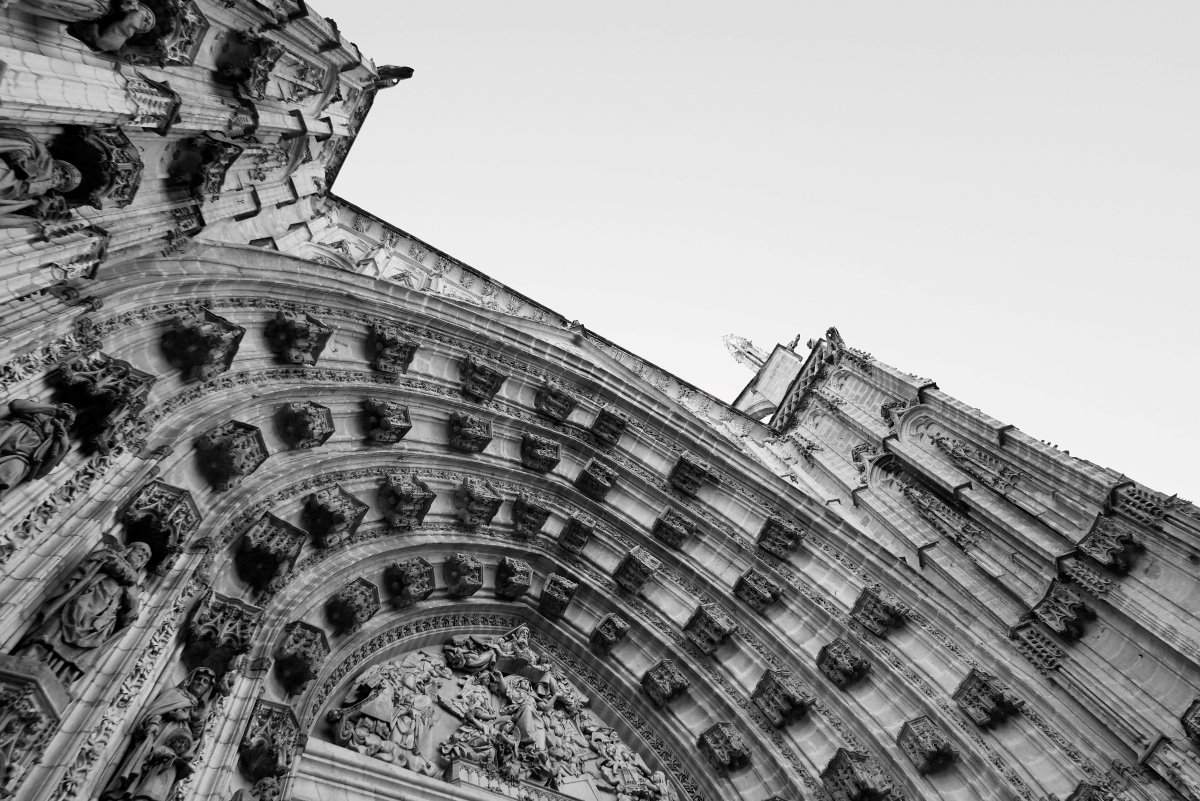
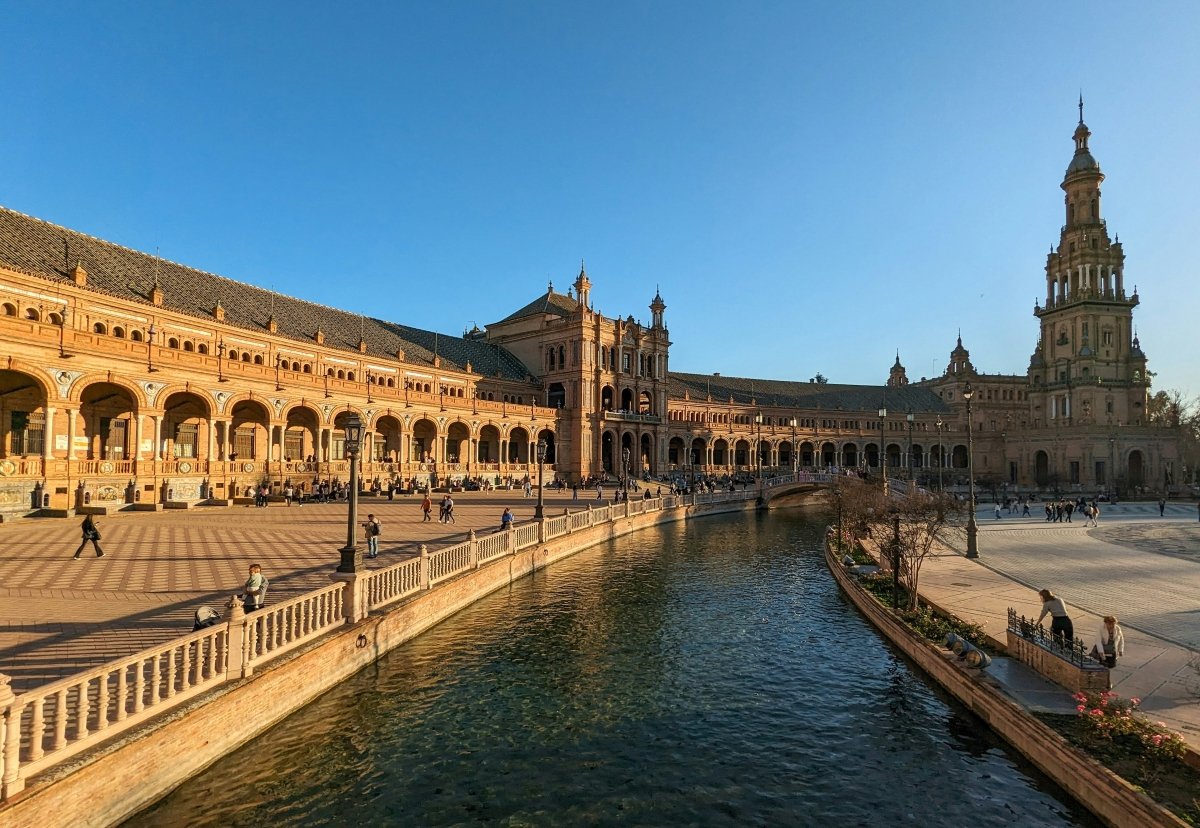
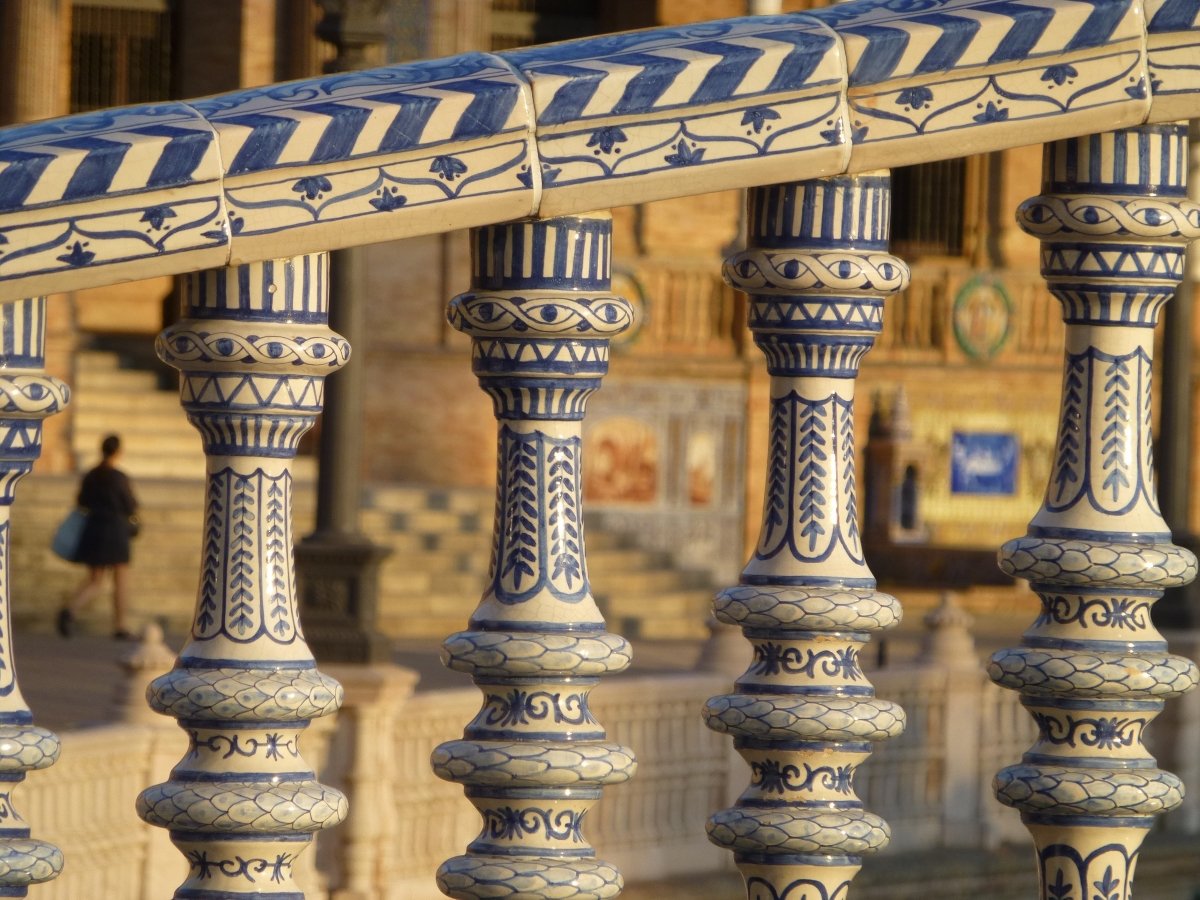
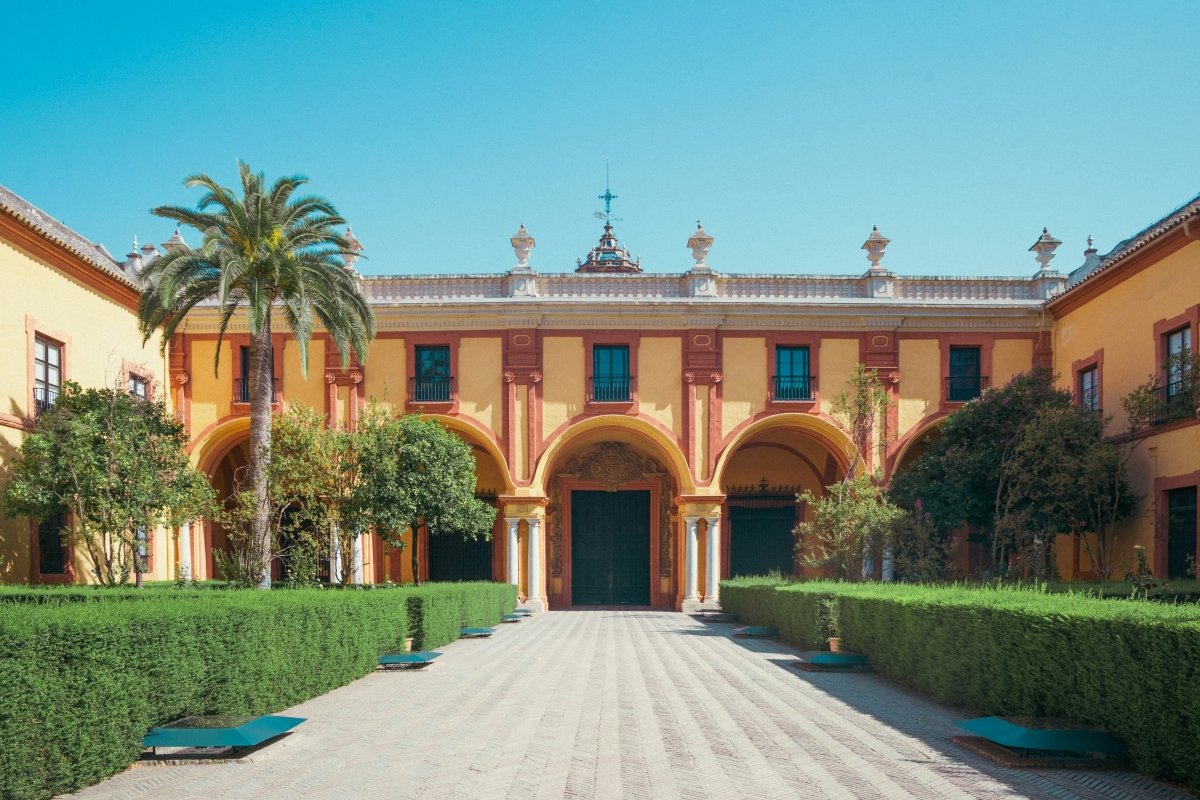
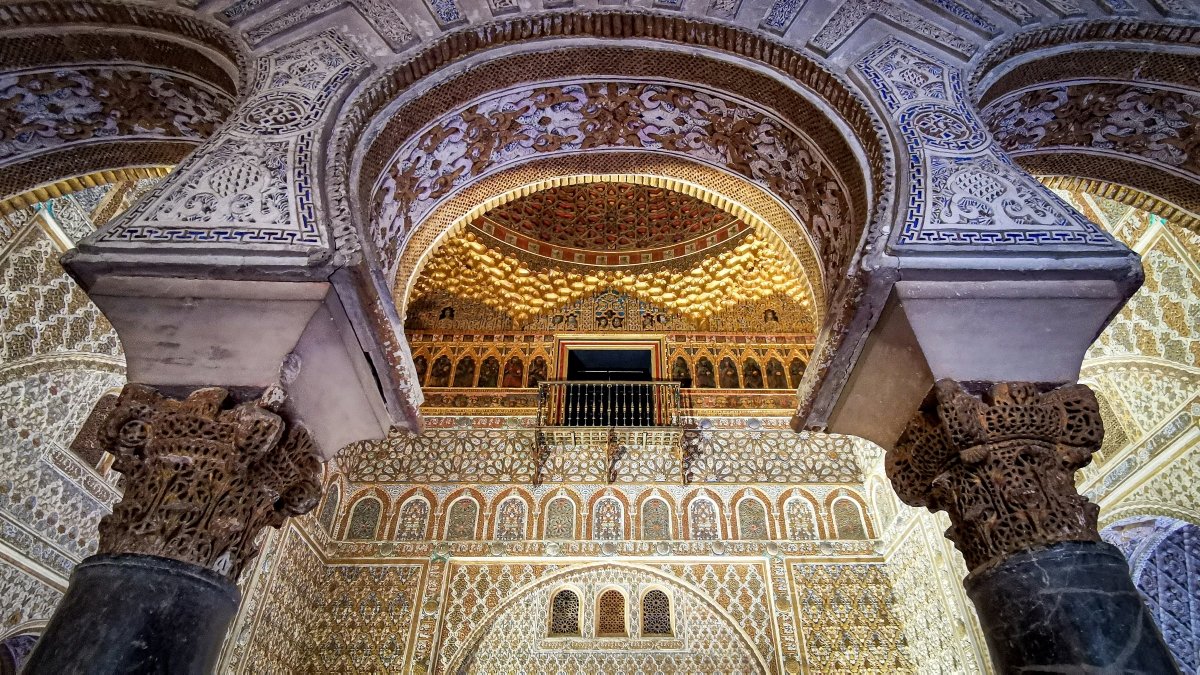
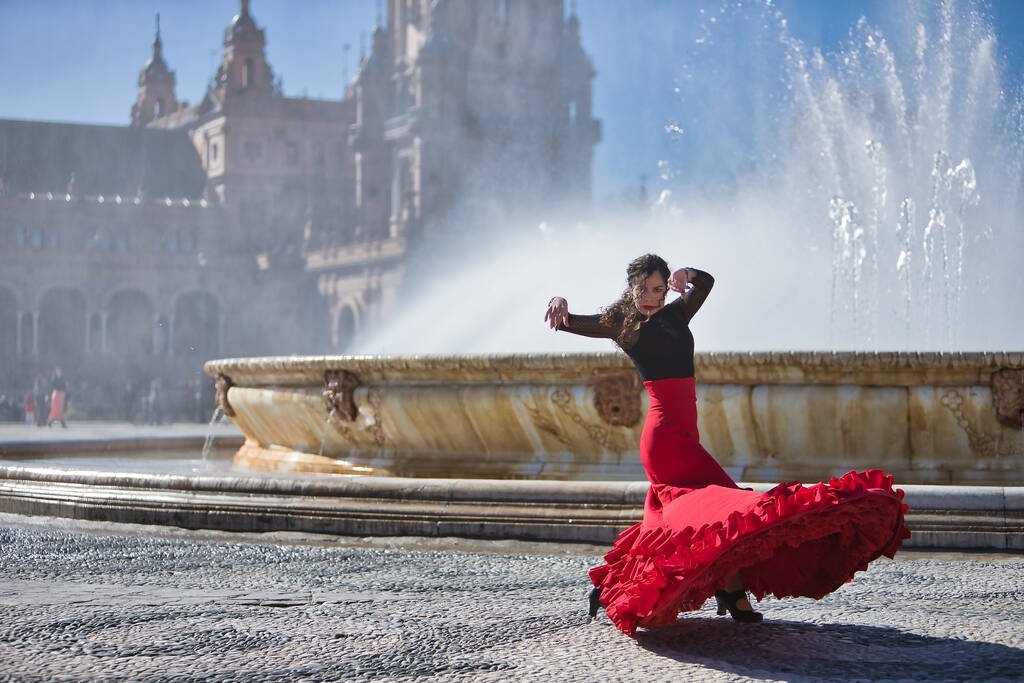
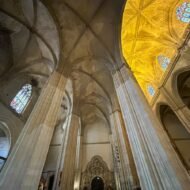
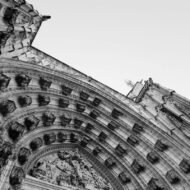
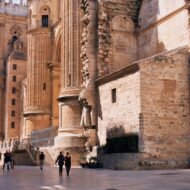
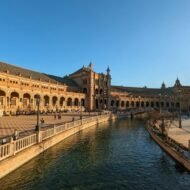
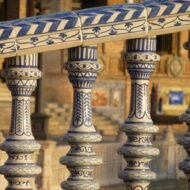
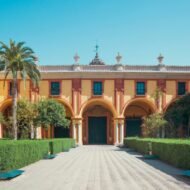
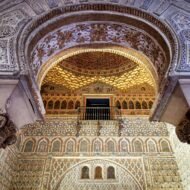
Star Attractions The Cathedral of Seville—the world’s largest Gothic cathedral—contains Columbus’s tomb and the Giralda tower with panoramic views (€12, book ahead). The Real Alcázar’s Moorish palaces and lush gardens mesmerize visitors for hours (€14.50). Plaza de España’s semicircular complex with ceramic province tiles is free and spectacular at sunset. Metropol Parasol (Las Setas) offers rooftop walkways above the modern city (€15). Archive of the Indies preserves documents from Spain’s American empire.
Sample Itineraries
3-Day Weekend Escape
- Day 1: Morning at the Cathedral and Giralda, afternoon in the Alcázar gardens, evening tapas crawl in Triana
- Day 2: Explore Santa Cruz neighborhood’s winding streets, visit Casa de Pilatos, afternoon at Museum of Fine Arts, authentic flamenco show at night
- Day 3: Stroll through María Luisa Park and Plaza de España, climb Metropol Parasol for views, final tapas on Calle Betis riverside
5-Day Cultural Immersion
- Day 1: Settle in, explore Santa Cruz, sunset at Plaza de España
- Day 2: Cathedral, Giralda, and Archive of the Indies morning; Alcázar afternoon; evening in Alameda de Hércules
- Day 3: Day trip to Córdoba’s Mezquita (45 minutes by train)
- Day 4: Triana neighborhood, ceramics workshops, Museum of Fine Arts, rooftop sunset at Las Setas
- Day 5: Flamenco museum, afternoon in Parque María Luisa, farewell dinner in El Arenal
7-Day Deep Dive Add: Day trip to whitewashed Carmona, Hospital de los Venerables art collection, flamenco class, Isla Mágica theme park (open select winter days), evening river cruise, explore Macarena neighborhood, cooking class learning traditional Andalusian dishes.
Shopping Calle Sierpes and Calle Tetuán form the main shopping district. Seek out traditional ceramics, flamenco accessories, and mantón shawls. The Sunday El Jueves flea market offers antiques and local crafts. Olive oil and jamón ibérico make excellent edible souvenirs.
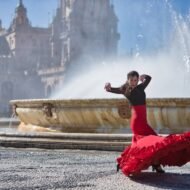
Local Traditions Flamenco isn’t tourist entertainment here—it’s living culture. Visit authentic tablaos in Triana. Orange trees line every street (don’t eat the bitter fruit). Evening paseos (strolls) and late dining are standard, with dinner rarely before 9pm.
Outdoor Activities Stroll through María Luisa Park, kayak on the Guadalquivir River, or bike the city’s 180km of bike paths. Day trips to Doñana National Park offer birdwatching and wild landscapes. Plaza de España provides stunning photo opportunities.
Budget Considerations Daily budget: €50-70 (budget), €80-120 (mid-range), €150+ (luxury). Tapas hopping keeps costs down—drinks often come with free tapas. Museum entry is free for EU citizens. The city is walkable, saving on transport.
Food Scene Tapas culture reigns supreme. Try espinacas con garbanzos (spinach with chickpeas), pescaíto frito (fried fish), and carrillada (braised pork cheeks). Head to Mercado de Triana for fresh produce and local atmosphere. Avoid tourist-trap restaurants around the cathedral.
Cultural Aspects Three UNESCO World Heritage sites sit within walking distance: the Cathedral, Alcázar, and Archive of the Indies. Flamenco shows range from tourist-oriented to deeply authentic—locals recommend Casa de la Memoria. The Jewish Quarter’s narrow streets preserve medieval charm.
Winter Events The Three Kings Parade (January 5) rivals Christmas celebrations. ARCO contemporary art fair visitors often extend to Seville. Flamenco festivals occur year-round, particularly the Flamenco Biennial (odd years, but winter performances continue).
Useful Information Seville Airport connects to major European cities (8km from center, €4 bus). Spanish siesta still exists—shops close 2-5pm. English is less common than in Barcelona or Madrid. Download offline maps. Tap water is safe but heavily chlorinated.
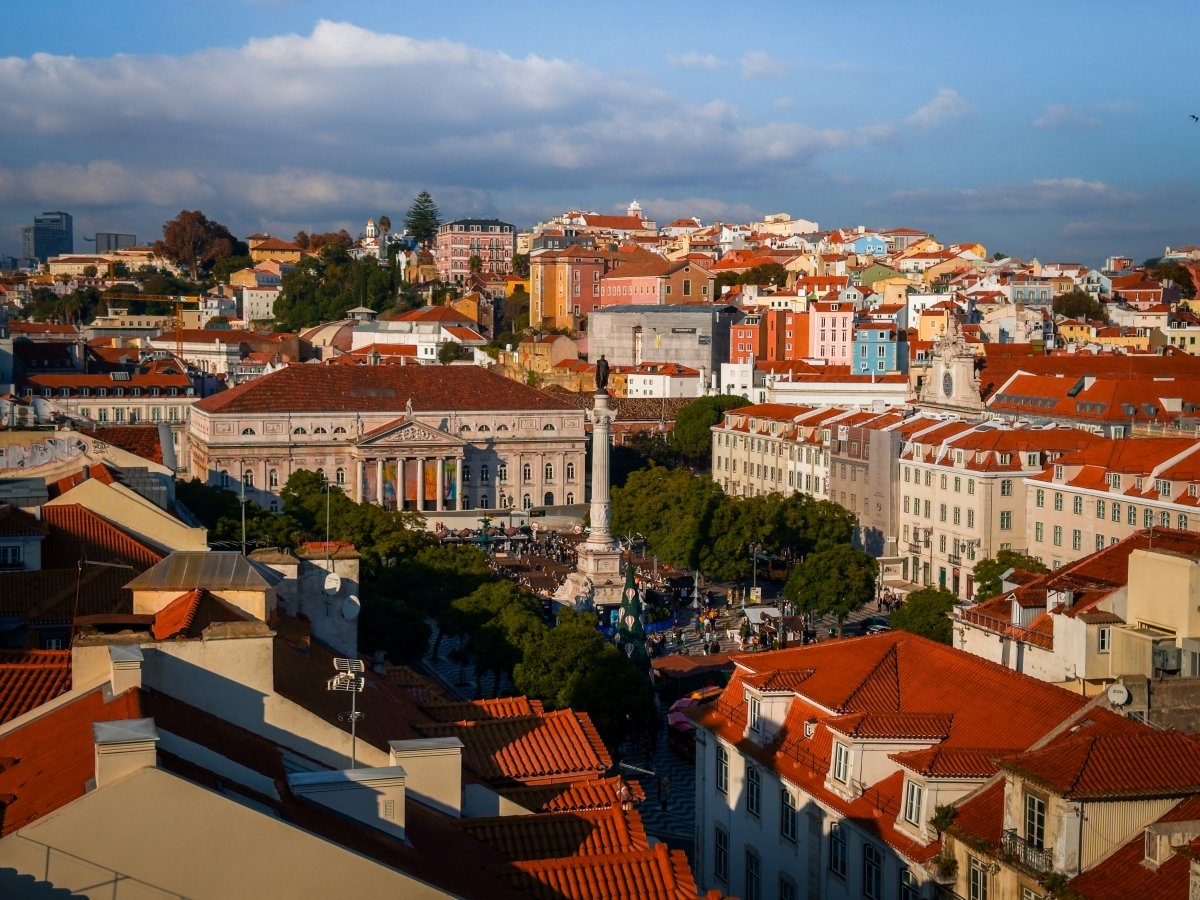
2. Lisbon, Portugal
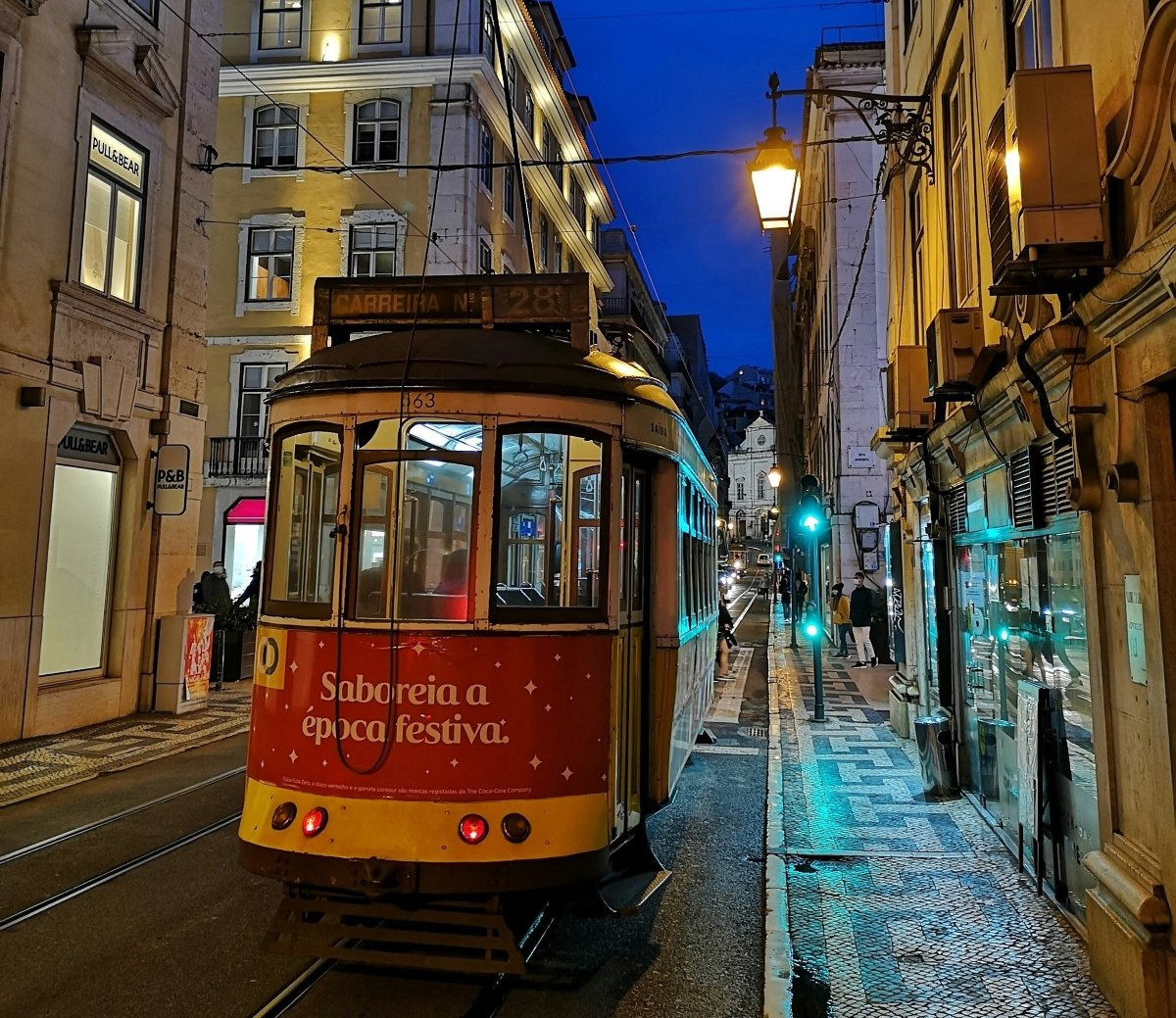
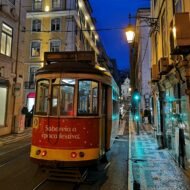
Interesting Facts Lisbon is one of Europe’s oldest cities, predating Rome by four centuries. The city’s famous yellow trams date to 1873. Lisbon survived Europe’s most devastating earthquake in 1755, which killed up to 100,000 people and inspired Enlightenment philosophy.
Winter Weather Winter temperatures average 15°C (59°F) during the day, dropping to 8-10°C (46-50°F) at night. Expect rain on 15-17 days per month, but showers are usually brief. December and January still offer 4-5 hours of sunshine daily. It’s Europe’s second-warmest capital in winter.
Accommodation Options Budget: hostels from €15-30/night in Bairro Alto or Baixa. Mid-range: boutique hotels €60-100 in Alfama or Chiado. Luxury: €120-200+ in Príncipe Real. Pensões (guesthouses) offer character at reasonable prices (€40-70). Winter is low season, so negotiate rates.
Museums & Art Scene The Calouste Gulbenkian Museum houses one of Europe’s finest private collections—from Egyptian antiquities to Art Nouveau jewelry by René Lalique (€10). MAAT (Museum of Art, Architecture and Technology) on the waterfront showcases contemporary design in a striking building. The National Tile Museum celebrates Portugal’s azulejo tradition in a former convent. Berardo Collection Museum offers modern and contemporary art for free. The National Ancient Art Museum displays Portuguese painting from the 15th-19th centuries, including Hieronymus Bosch’s “Temptation of St. Anthony.”
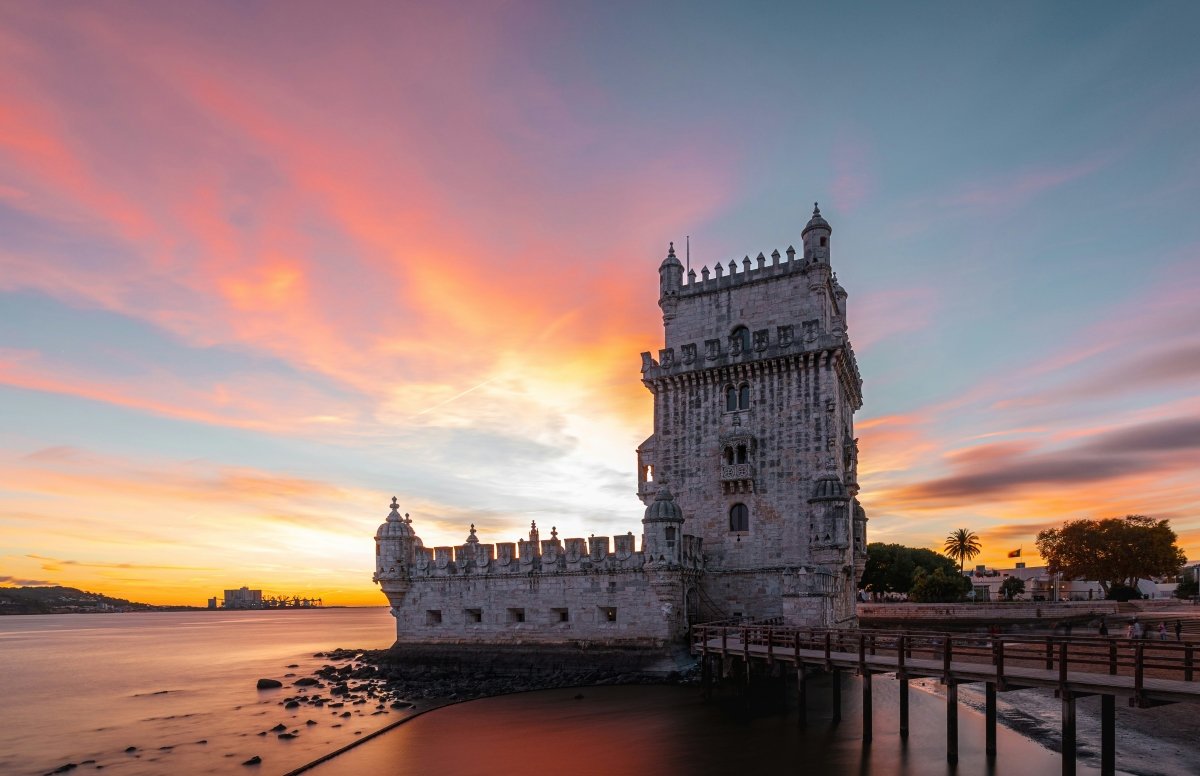
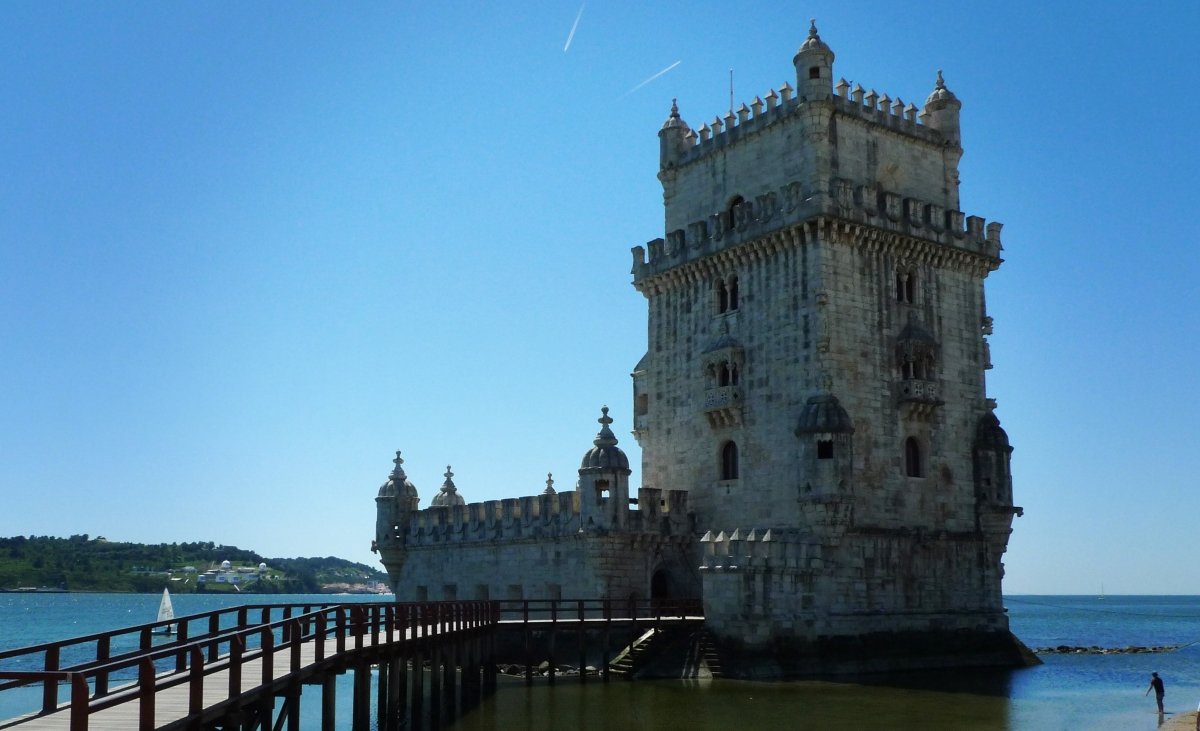
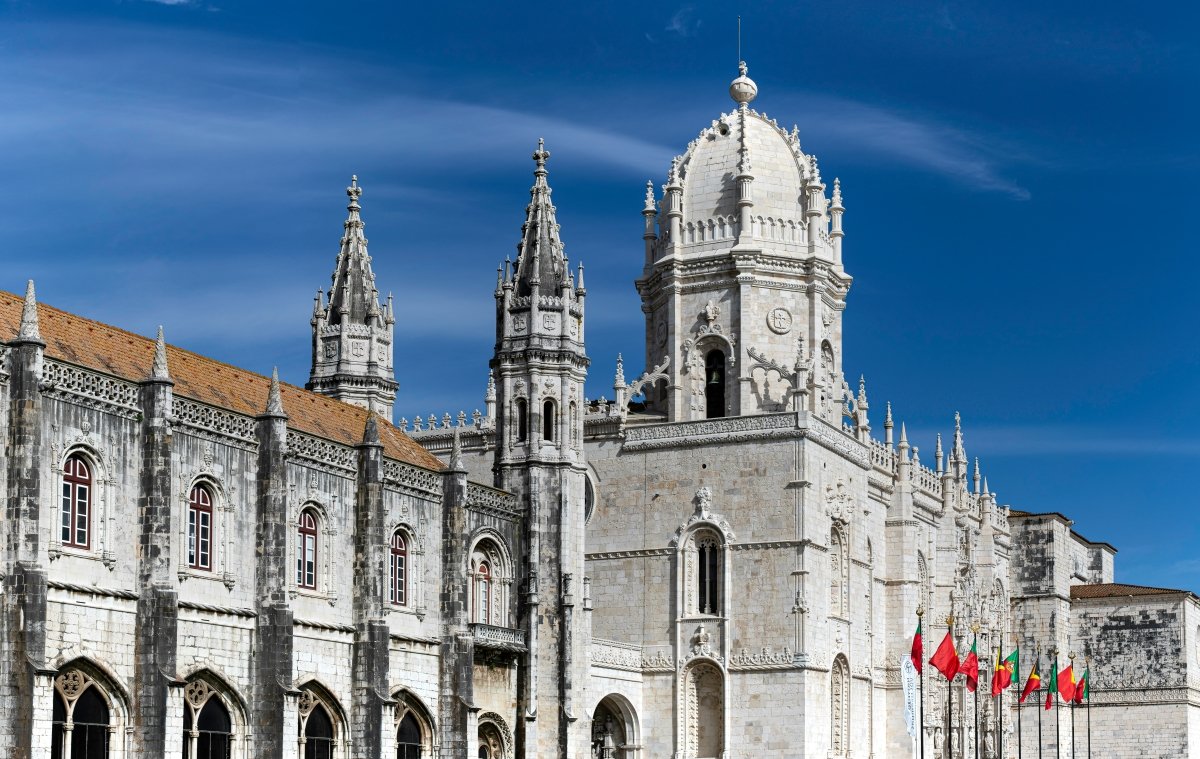
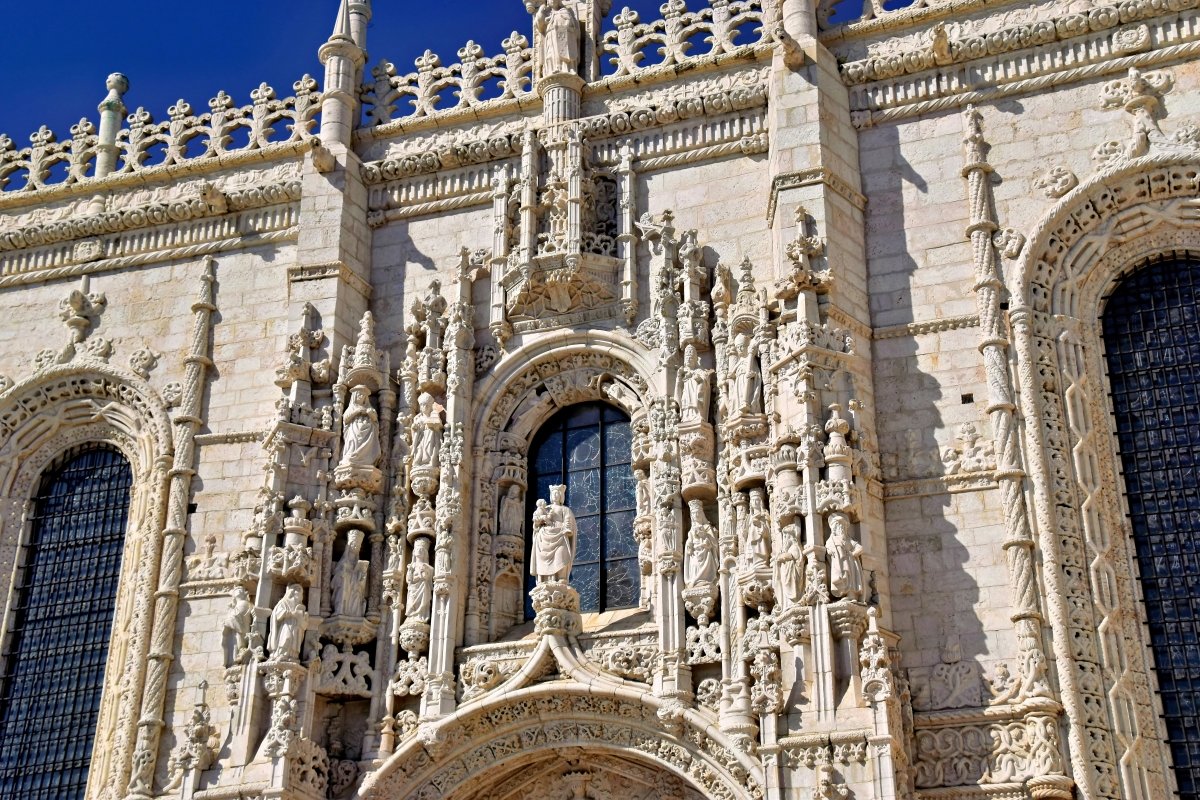
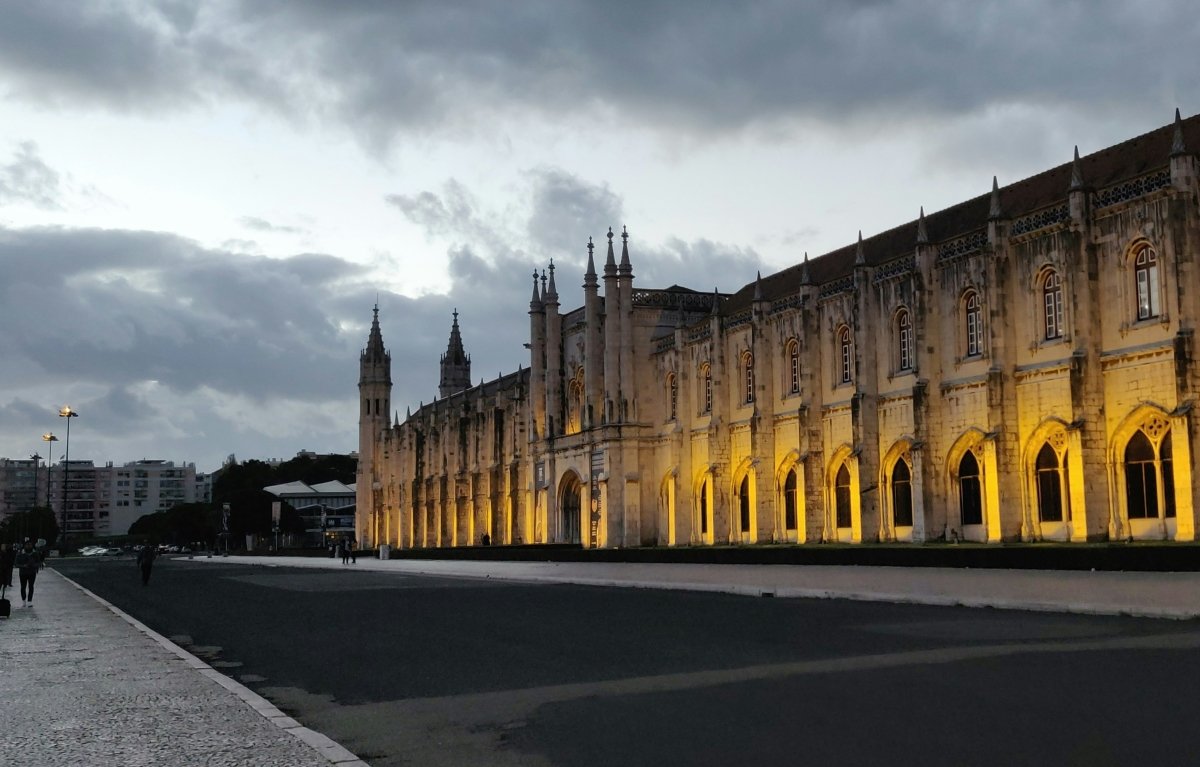
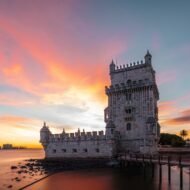
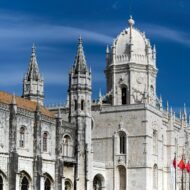
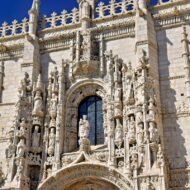
Star Attractions Belém Tower and Jerónimos Monastery represent Portugal’s Age of Discovery in stunning Manueline architecture (€12 combo ticket). São Jorge Castle crowns the city with 360° views and peacocks roaming the grounds (€15). The historic Tram 28 rattles through Alfama, Baixa, and Estrela neighborhoods (€3 or day pass). LX Factory transforms old industrial buildings into creative spaces with shops, restaurants, and street art. Elevador de Santa Justa, a neo-Gothic iron elevator, connects lower and upper city with rooftop views (€5.30).
Sample Itineraries
3-Day Weekend Escape
- Day 1: Alfama wandering, São Jorge Castle, sunset fado show with dinner
- Day 2: Belém morning (monastery, tower, pastéis de nata), afternoon at MAAT or LX Factory, Time Out Market dinner
- Day 3: Tram 28 ride, Chiado shopping and cafés, Bairro Alto evening exploration
5-Day Cultural Immersion
- Day 1: Arrive, explore Baixa and Rossio, ride Elevador de Santa Justa
- Day 2: Alfama labyrinth, Fado Museum, São Jorge Castle, traditional dinner
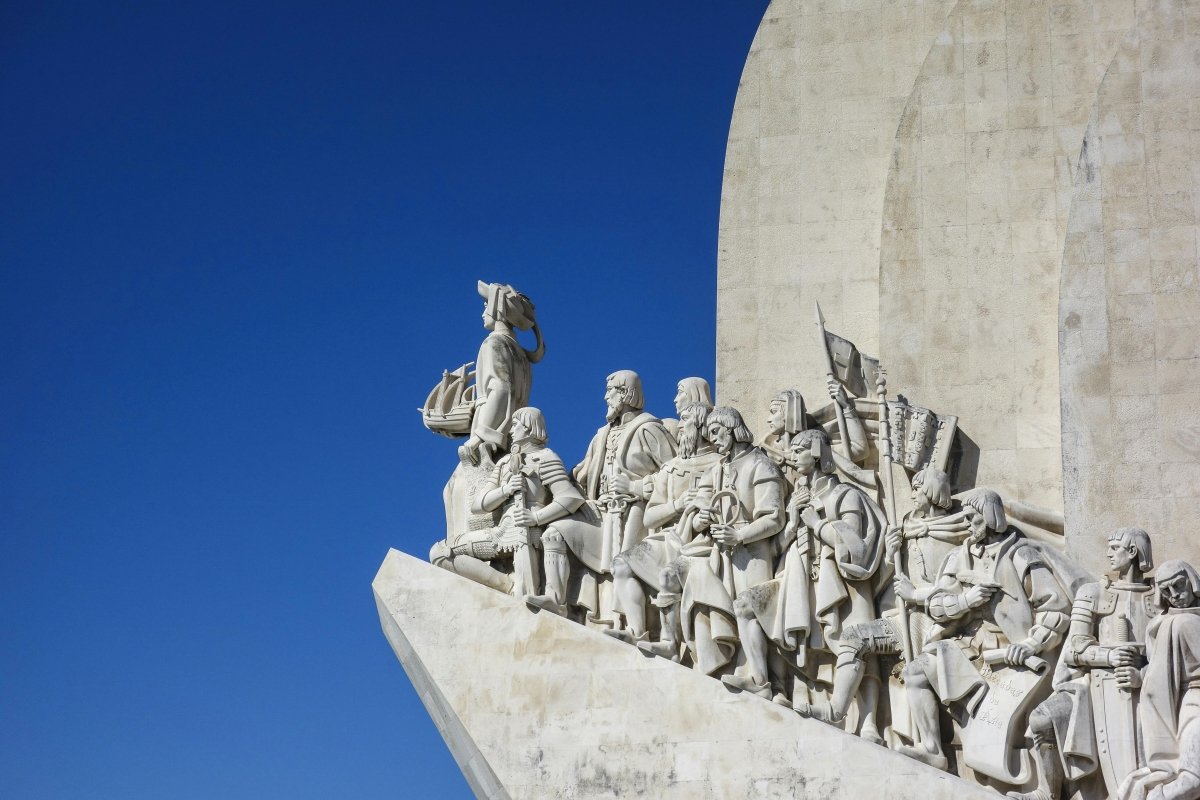
- Day 3: Belém full day—monastery, tower, Coach Museum, Monument to Discoveries
- Day 4: Day trip to Sintra palaces (Pena, Quinta da Regaleira, Moorish Castle)
- Day 5: Gulbenkian Museum morning, LX Factory afternoon, farewell dinner in Príncipe Real
7-Day Deep Dive Add: Day trip to Cascais and Estoril coastal towns, Tile Museum visit, Lisbon Story Centre for city history, vintage shopping in Príncipe Real, Lisbon Oceanarium, contemporary art galleries in Santos, surfing lesson at Carcavelos, sunset at Cristo Rei monument across the river, explore Parque das Nações modern district.
Shopping Baixa features international chains, while LX Factory offers independent designers and vintage finds. A Vida Portuguesa sells beautifully packaged Portuguese products—soaps, sardines, ceramics. Feira da Ladra (Tuesday/Saturday) is the city’s famous flea market. Cork products and azulejo tiles make distinctive souvenirs.
Local Traditions Fado music expresses saudade—untranslatable Portuguese melancholy. Attend intimate performances in Alfama’s fado houses. Lisboetas take their coffee seriously—order a bica (espresso). The custom of tarde (afternoon break) still thrives. Sunday family lunches are sacred.
Outdoor Activities Ride iconic Tram 28 through historic neighborhoods, climb to São Jorge Castle for panoramic views, or walk the waterfront from Belém to Cais do Sodré. Sintra’s fairy-tale palaces make an essential day trip (30 minutes by train). Surfing is possible year-round at nearby Carcavelos or Ericeira beaches.
Budget Considerations Daily budget: €45-65 (budget), €70-110 (mid-range), €140+ (luxury). Lisbon remains affordable compared to other Western European capitals. A €6.60 day pass covers all public transport. Many museums offer free entry on Sunday mornings. Set menus (prato do dia) provide excellent value at €8-12.
Food Scene Pastéis de nata (custard tarts) from Belém are obligatory. Try bacalhau (salted cod—supposedly 365 recipes), cataplana (seafood stew), and petiscos (Portuguese tapas). Time Out Market gathers top chefs under one roof. Cervejarias serve fresh seafood and imperial (draft beer). Don’t miss ginjinha (sour cherry liqueur).
Cultural Aspects Azulejo tiles decorate everything from churches to metro stations—visit the Tile Museum. Street art transforms entire neighborhoods, particularly in Bairro Alto. Lisbon’s African heritage (Angola, Mozambique connections) enriches its music and cuisine. The city balances tradition with a thriving creative scene.
Winter Events New Year’s Eve fireworks over the Tagus River attract thousands. Carnival celebrations (February/March) feature parades and costumes. Lisbon Fish and Flavours (April) showcases Portuguese cuisine. Check the Gulbenkian Foundation and Centro Cultural de Belém for winter concerts and exhibitions.
Useful Information Lisbon has seven hills—wear comfortable shoes. The airport sits within city limits (€4 metro, €15 taxi). Buy a Viva Viagem card for public transport. Petty theft targets tourists—watch belongings on trams. English is widely spoken. Download the Moovit app for navigation.