






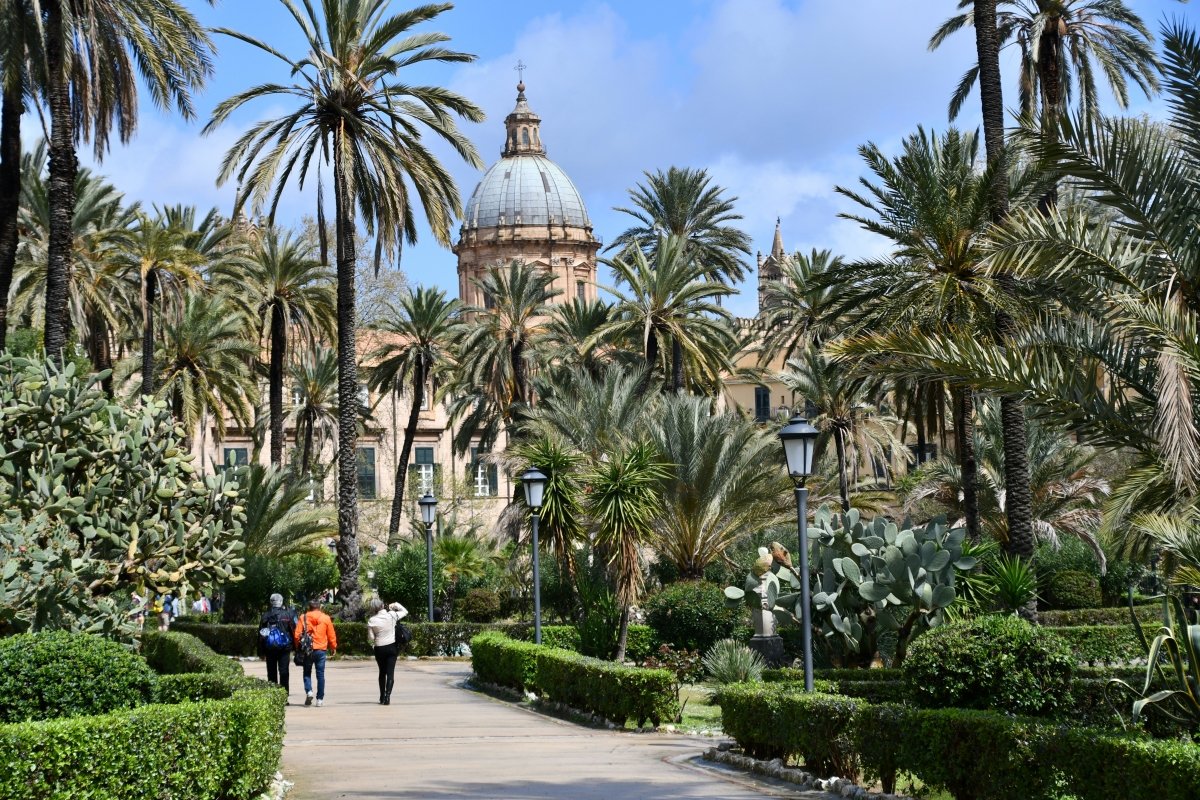
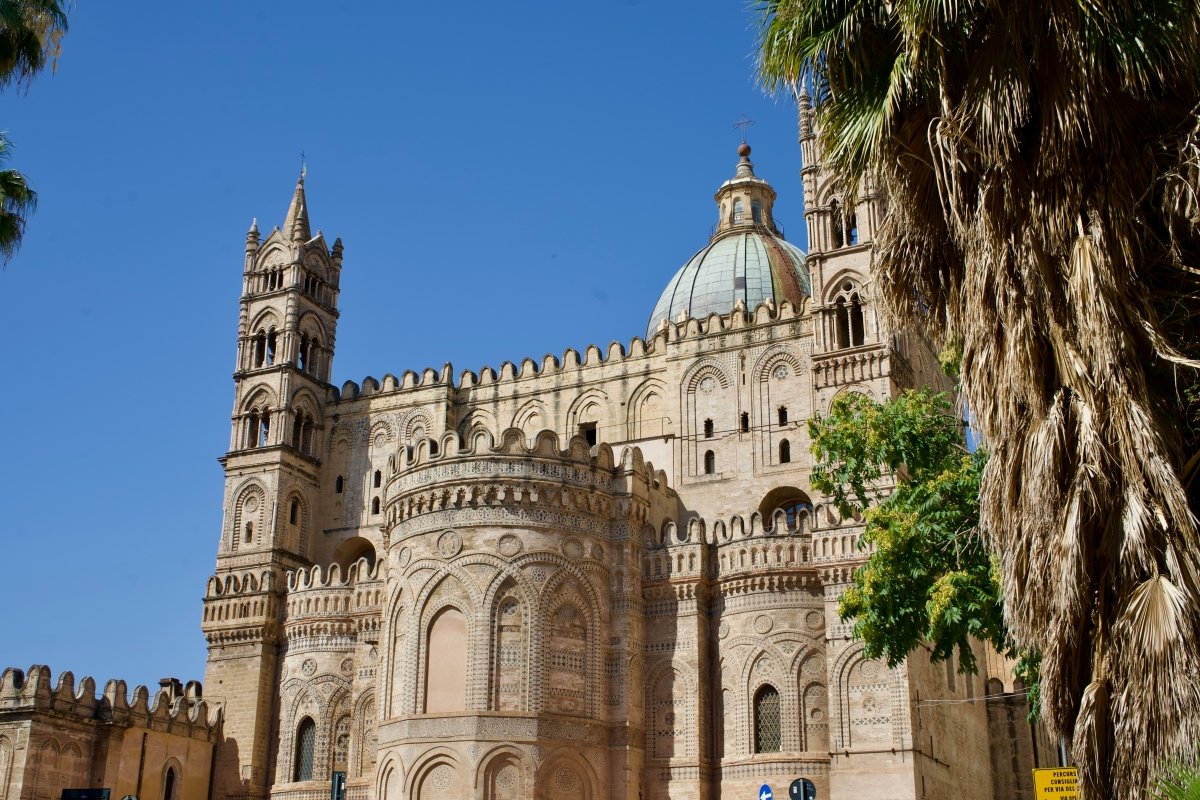


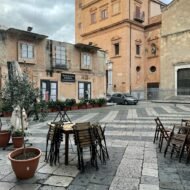




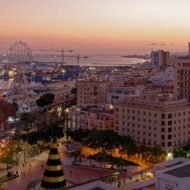





3. Palermo, Sicily
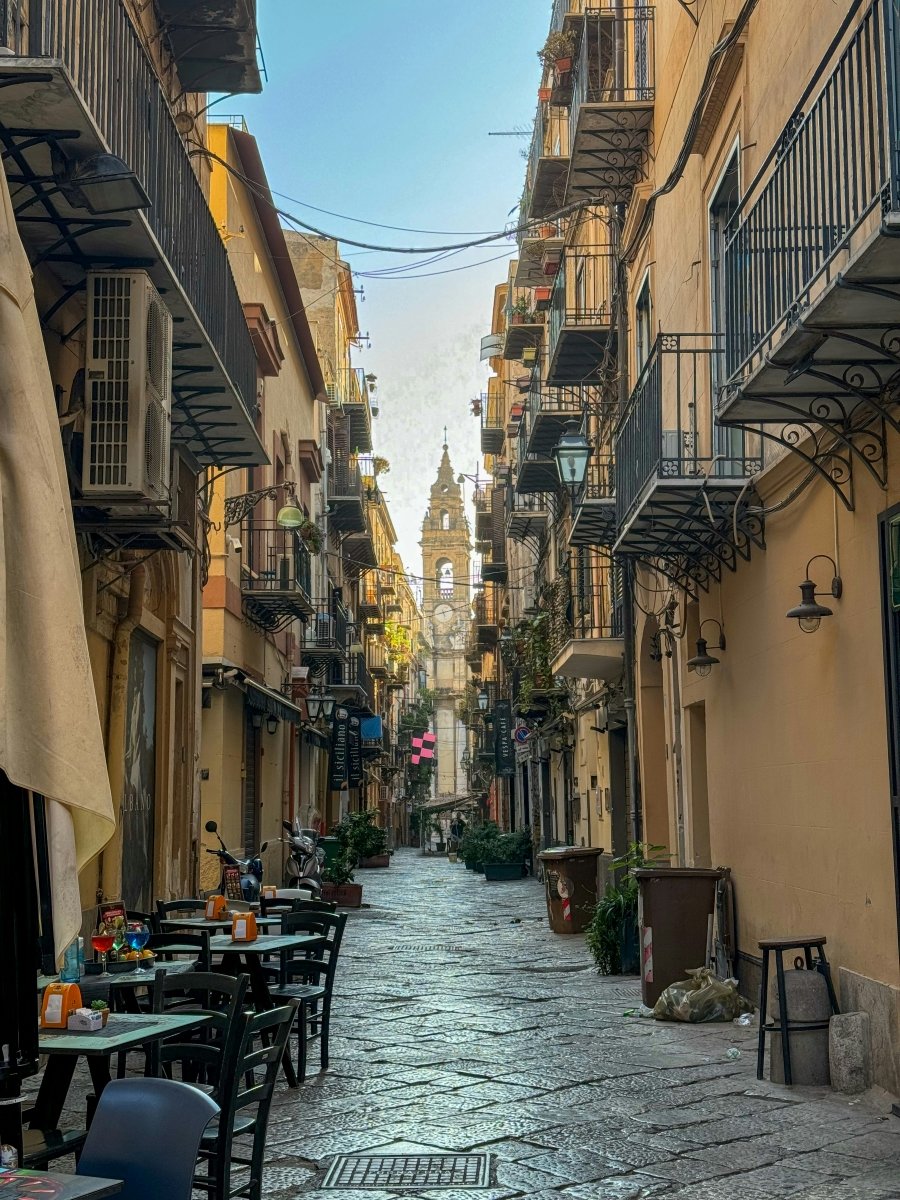
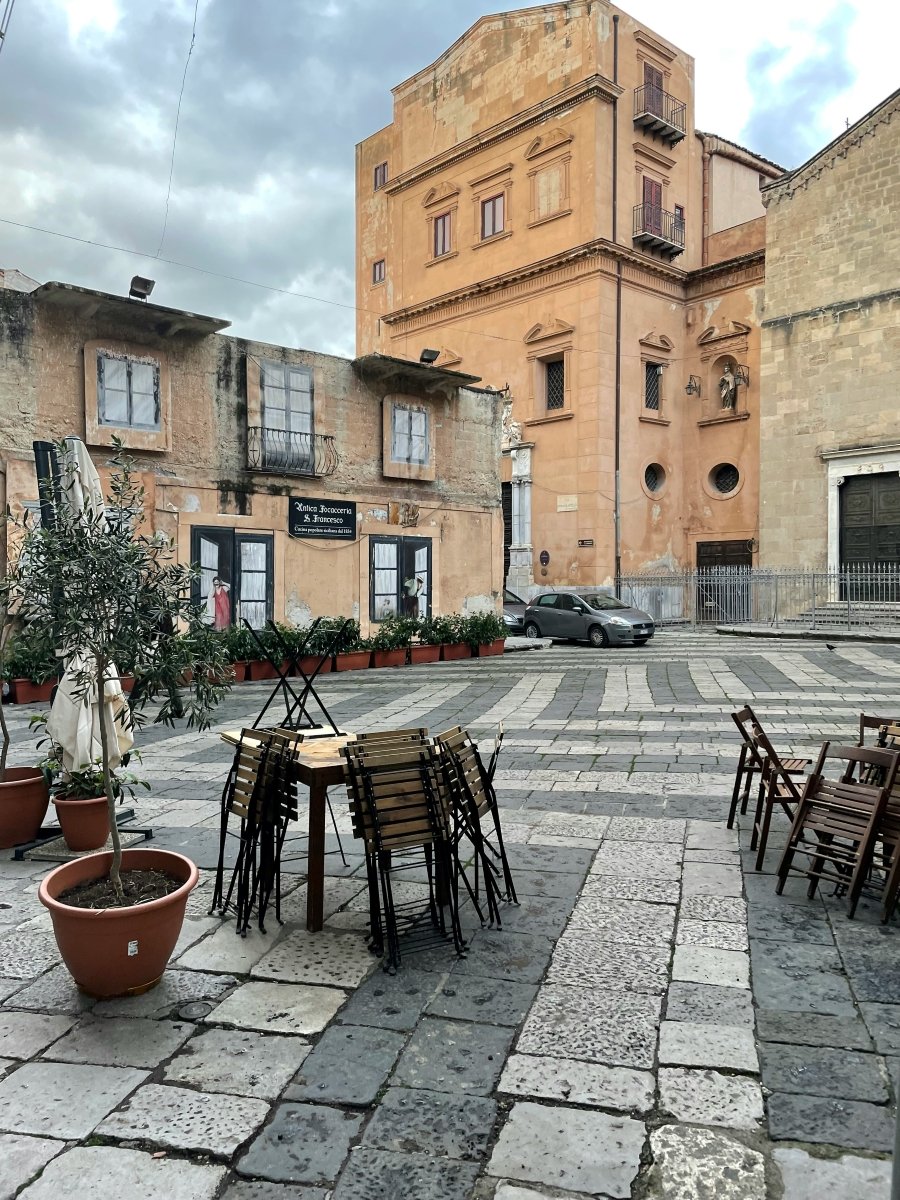
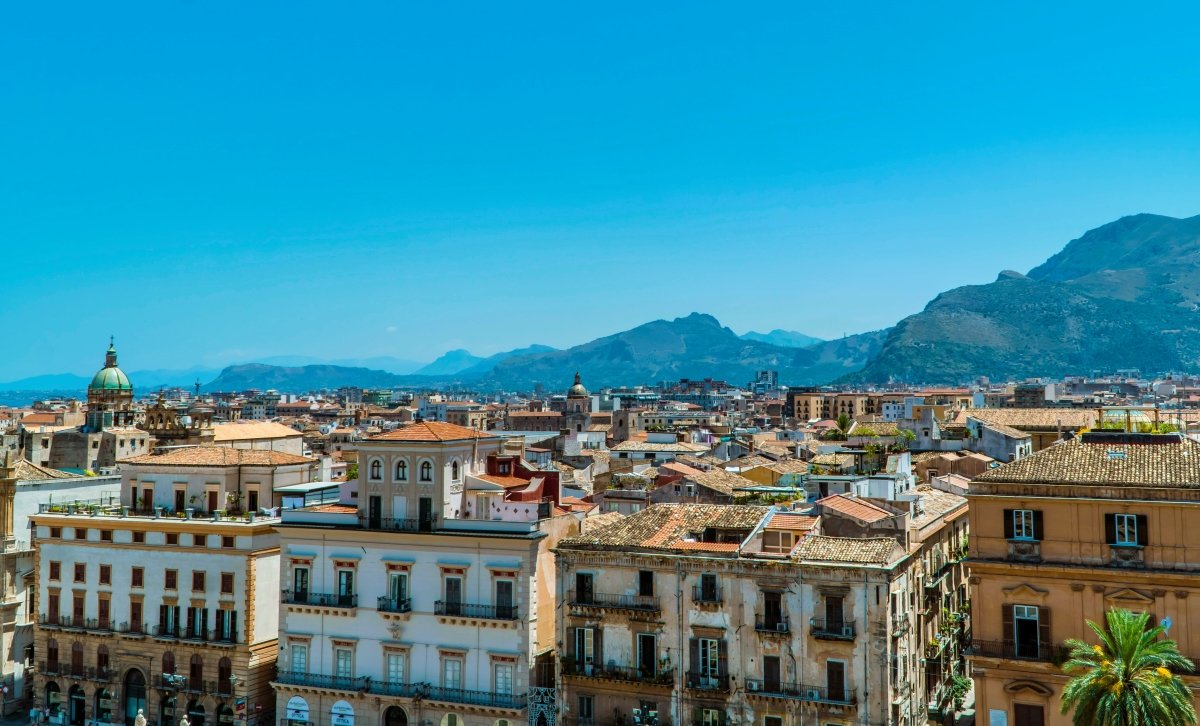
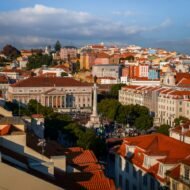
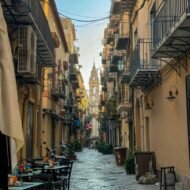
Interesting Facts Palermo’s street food culture earned it recognition as Italy’s first Street Food Capital. The city has been ruled by Phoenicians, Romans, Arabs, Normans, and Spanish—each leaving architectural and culinary marks. Five major opera houses once operated simultaneously here, more than Milan or Venice.
Winter Weather Winter temperatures range 12-16°C (54-61°F) during the day, cooling to 8-10°C (46-50°F) at night. December and January are wettest, but Sicily still offers more sunshine than northern Italy. Pack a waterproof jacket and layers. Occasional sirocco winds bring warmth from Africa.
Accommodation Options Budget: B&Bs and agriturismos from €30-50/night. Mid-range: boutique hotels in restored palazzos €60-90. Luxury: grand hotels overlooking the sea €120-180. Stay in the historic center (Quattro Canti area) for walkable access. Winter rates drop significantly from summer peaks.
Museums & Art Scene The Regional Archaeological Museum Antonio Salinas houses exceptional Greek and Roman artifacts, including the Selinunte metopes (€8). Palazzo Abatellis displays medieval and Renaissance art in a 15th-century palace, featuring Antonello da Messina’s “Annunciation” (€8). The Diocesan Museum showcases Byzantine mosaics and religious treasures. Gallery of Modern Art (GAM) occupies a 13th-century convent with contemporary Sicilian works. International Museum of Marionettes celebrates Palermo’s puppet theater tradition. The abandoned Palazzo Branciforte combines archaeology, numismatics, and contemporary exhibitions.
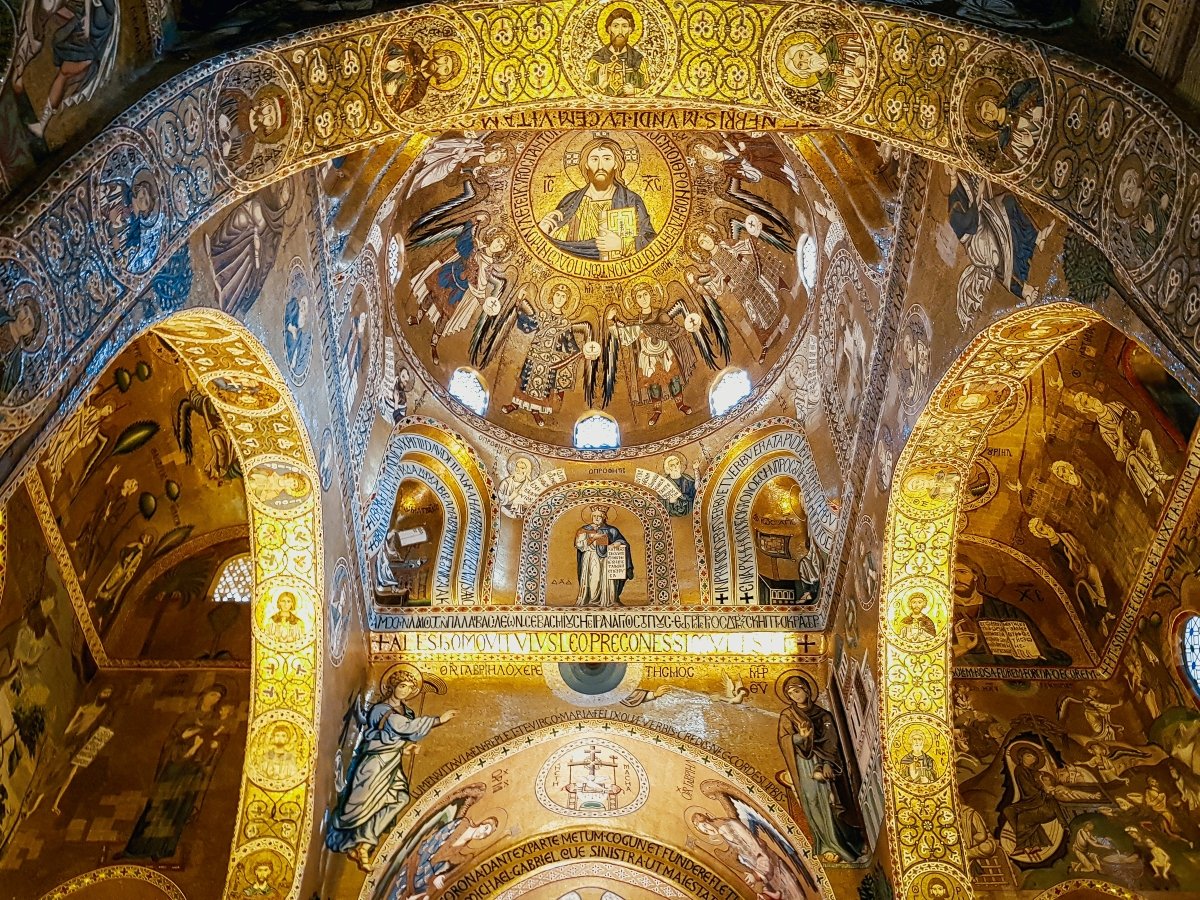
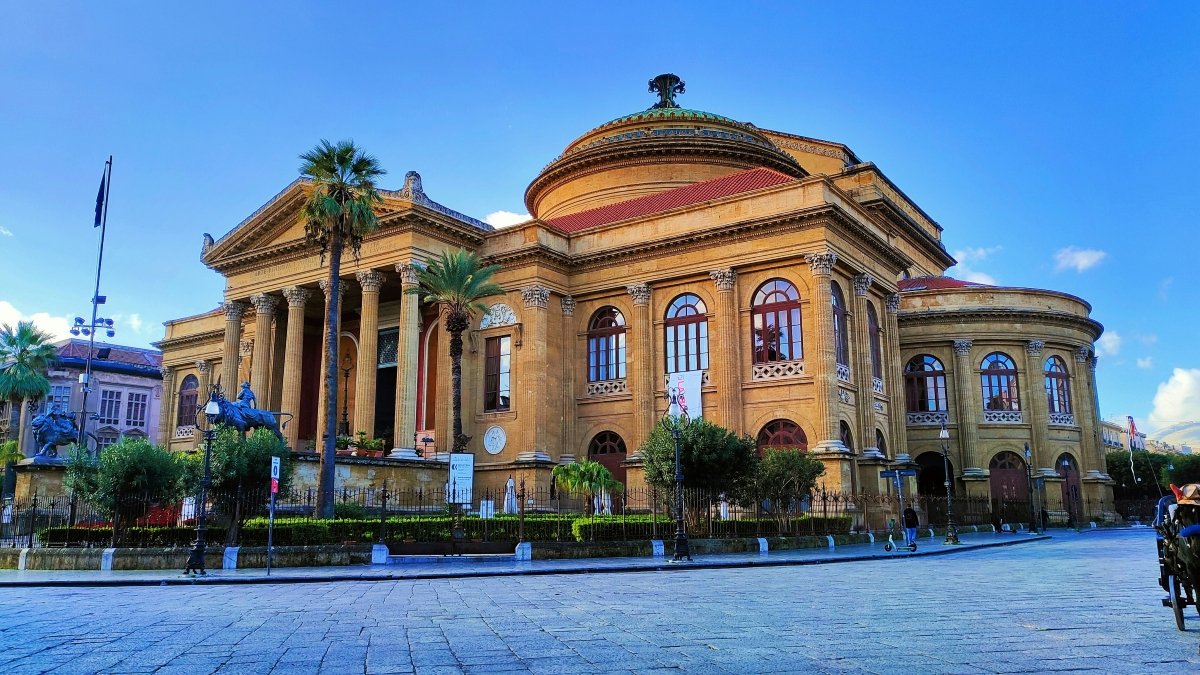
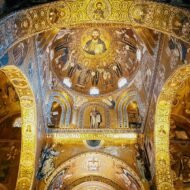
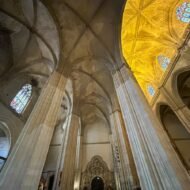
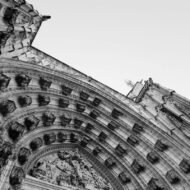
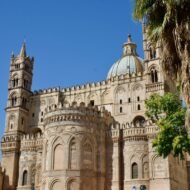
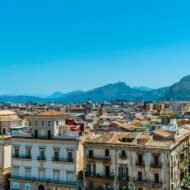
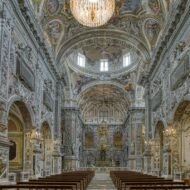
Star Attractions The Palatine Chapel in the Norman Palace dazzles with Byzantine gold mosaics covering every surface—one of the world’s greatest medieval artworks (€10). Monreale Cathedral, 30 minutes away, contains even more spectacular mosaics depicting biblical scenes across 6,400 square meters. The Cathedral of Palermo blends Norman, Moorish, Gothic, and Baroque styles with royal tombs inside (€7). Quattro Canti intersection forms the city’s baroque heart. Teatro Massimo, Italy’s largest opera house and third-largest in Europe, offers tours (€8) and performances.
Sample Itineraries
3-Day Weekend Escape
- Day 1: Morning at Palatine Chapel and Norman Palace, afternoon street food tour of Ballarò and Vucciria markets, evening passeggiata
- Day 2: Cathedral, Quattro Canti, Palazzo Abatellis art museum, sunset at Foro Italico waterfront
- Day 3: Morning trip to Monreale Cathedral mosaics, afternoon at Archaeological Museum, farewell dinner in Kalsa district
5-Day Cultural Immersion
- Day 1: Arrive, explore Quattro Canti area, street food tasting
- Day 2: Norman Palace and Palatine Chapel morning, Cathedral afternoon, Teatro Massimo tour or opera
- Day 3: Day trip to Monreale Cathedral and hilltop town of Cefalù
- Day 4: Archaeological Museum, Palazzo Abatellis art, Vucciria market exploration, evening in trendy Kalsa neighborhood
- Day 5: Capuchin Catacombs morning, Zisa Castle Arab-Norman architecture, final market shopping
7-Day Deep Dive Add: Full day in Cefalù beach town, visit to Segesta’s Greek temple and theater, explore Marsala wine region, Orto Botanico gardens, contemporary art at ZAC (Zone Arti Contemporanee), cooking class making arancini and cannoli, boat trip to Mondello beach, explore Palazzina Cinese and its park, Teatro Politeama performance.
Shopping Vucciria and Ballarò markets overflow with produce, fish, and street food—essential experiences. Via della Libertà offers upscale shopping. Seek out Sicilian ceramics (Caltagirone style), puppet theater souvenirs, and Marsala wine. Pistachio products from Bronte and marzipan fruit are delicious gifts.
Local Traditions The Sicilian puppet theater (Opera dei Pupi) is UNESCO-protected. Coffee culture differs from mainland Italy—locals often add almond milk. Family remains central—Sunday pranzo (lunch) lasts hours. The passeggiata (evening stroll) along Via Ruggero Settimo is a daily ritual.
Outdoor Activities Climb Monte Pellegrino for city views and the Sanctuary of Santa Rosalia. Explore the Palatine Chapel’s Byzantine mosaics. Day trip to Monreale Cathedral (30 minutes) for breathtaking gold mosaics. Cefalù beach town is reachable in an hour. Winter is perfect for hiking Madonie Regional Park.
Budget Considerations Daily budget: €40-60 (budget), €70-100 (mid-range), €130+ (luxury). Palermo is remarkably affordable. Street food meals cost €5-10. Market shopping and self-catering save money. Major sites charge €8-12 entry. Public buses are cheap but irregular—walking is often faster in the center.
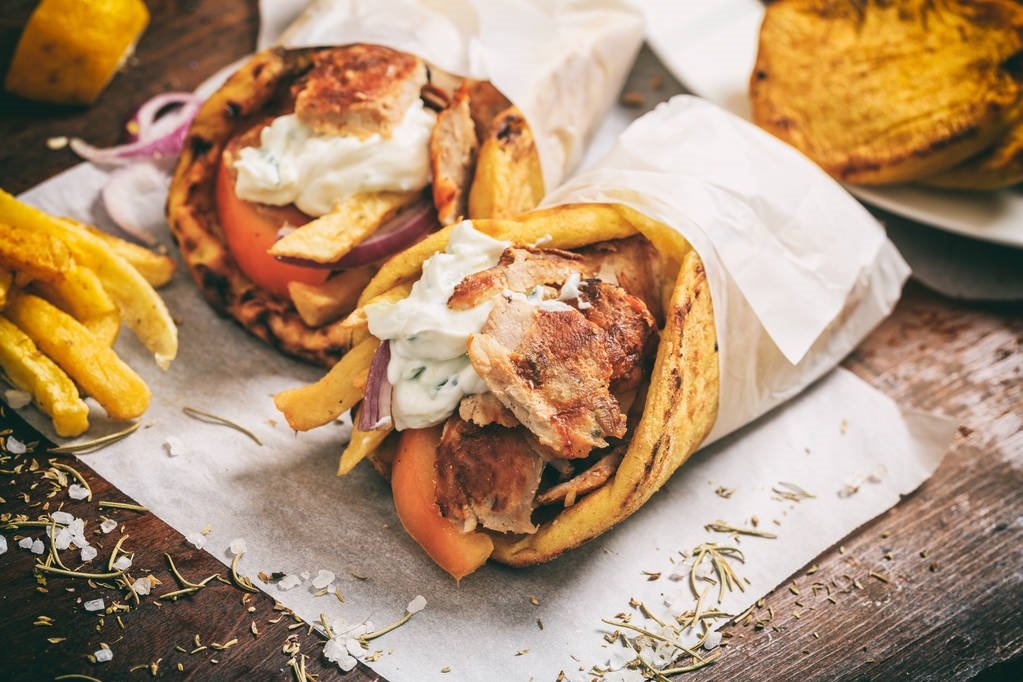
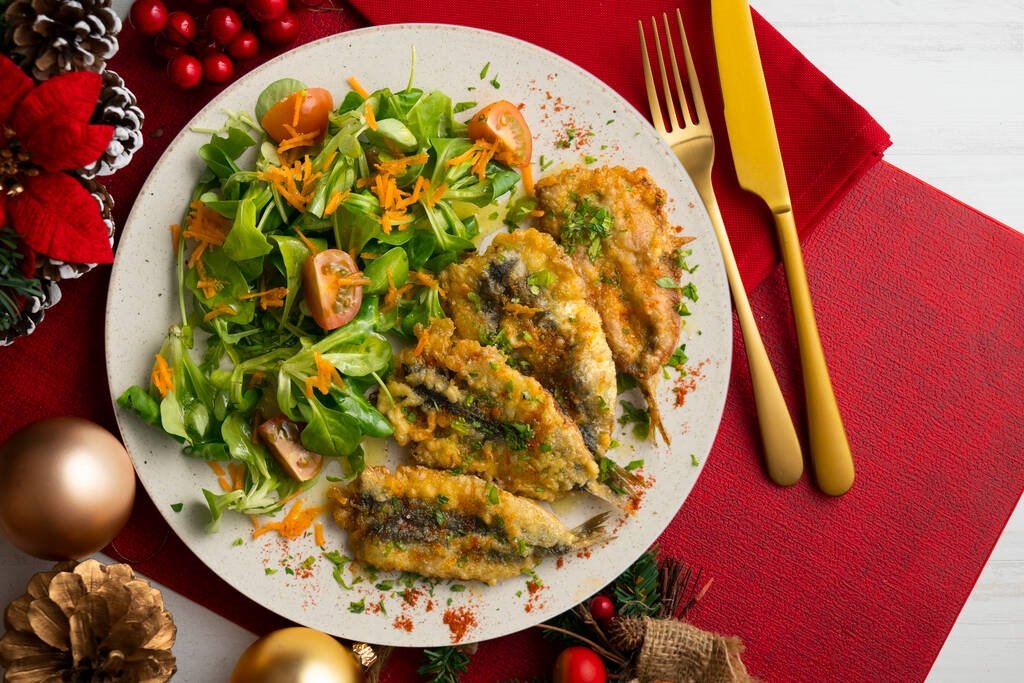
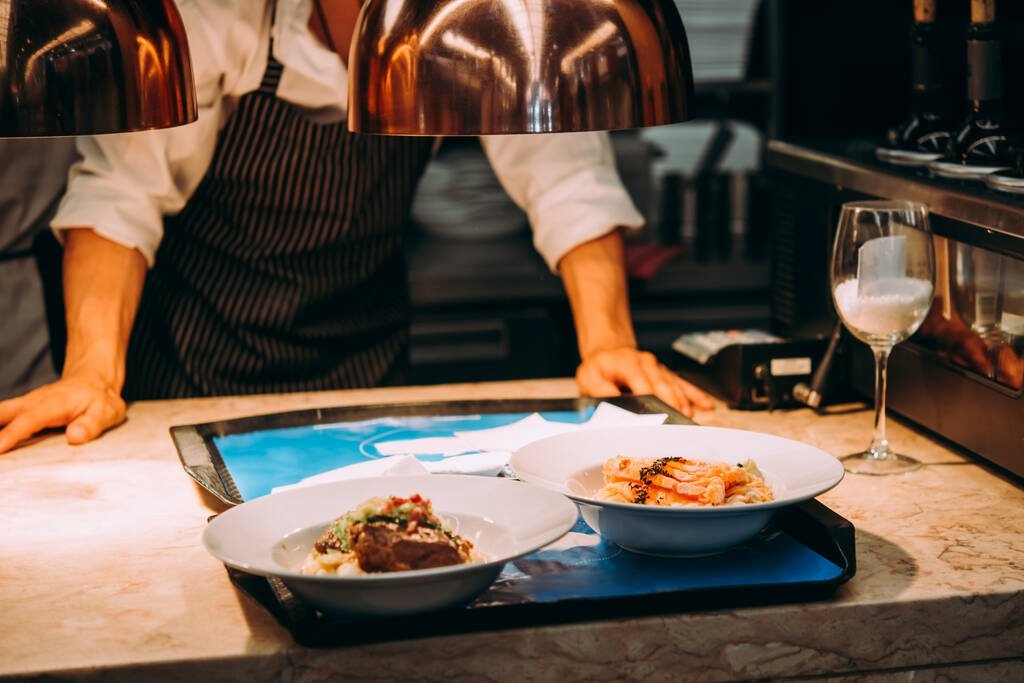
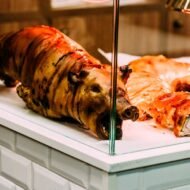
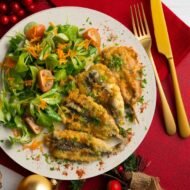
Food Scene Street food defines Palermo: arancini (stuffed rice balls), panelle (chickpea fritters), sfincione (Sicilian pizza), and pani câ meusa (spleen sandwich—for the adventurous). Pasticcerias display elaborate cannoli and cassata. Seafood is exceptional and affordable. Try pasta con le sarde and caponata.
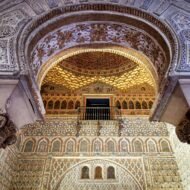
Cultural Aspects Arab-Norman architecture creates a unique aesthetic—the Cathedral and Palazzo dei Normanni showcase this fusion. Baroque churches hide in every neighborhood. The Capuchin Catacombs offer macabre fascination. Palermo’s complexity—beauty amid decay—creates its particular charm. The city moves to its own rhythm, slower than northern Italy.
Winter Events Santa Lucia Festival (December 13) involves special foods and bonfires. Epiphany (January 6) brings befana witch traditions. Carnival season features costumes and street parties. Opera season at Teatro Massimo runs through winter. Check for classical concerts in historic churches.
Useful Information Palermo Airport (Falcone-Borsellino) connects to the city by bus (€6.30, 50 minutes). The historic center is compact and walkable. Driving is chaotic—avoid renting a car in the city. Italian is primary; English less common than in Rome or Florence. Pickpocketing exists—stay alert in markets. Shops close 1-4pm for riposo.
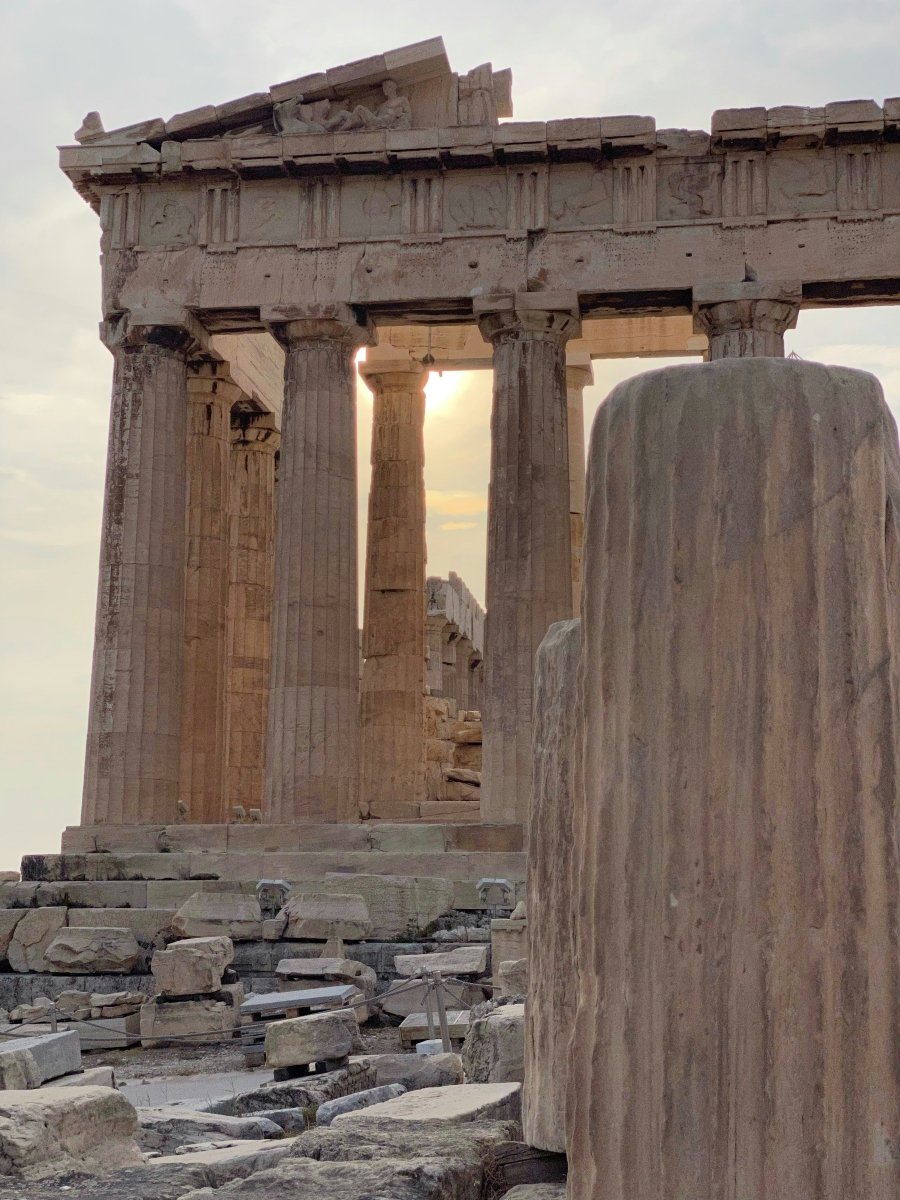
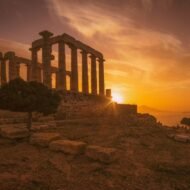
4. Athens, Greece
Interesting Facts Athens has been continuously inhabited for over 7,000 years. The city’s metro system is also an archaeological museum—construction unearthed over 50,000 artifacts now displayed in stations. Athens has more theatrical stages per capita than any other city worldwide. The Acropolis marble still bears marks from a 1687 Venetian cannon attack.
Winter Weather Winter brings temperatures of 10-15°C (50-59°F) during the day, dropping to 6-8°C (43-46°F) at night. December through February see occasional rain, but Athens averages 6 hours of winter sunshine daily. Snow is rare but memorable when it occurs. Pack layers and a warm jacket for evening exploration.
Accommodation Options Budget: hostels in Monastiraki or Psirri from €15-30/night. Mid-range: hotels in Plaka or Syntagma €50-80. Luxury: rooftop hotels with Acropolis views €100-180+. Koukaki neighborhood offers quieter, authentic stays. Winter discounts are substantial—negotiate or book last-minute deals. Airbnb apartments provide space and kitchen access (€35-70).
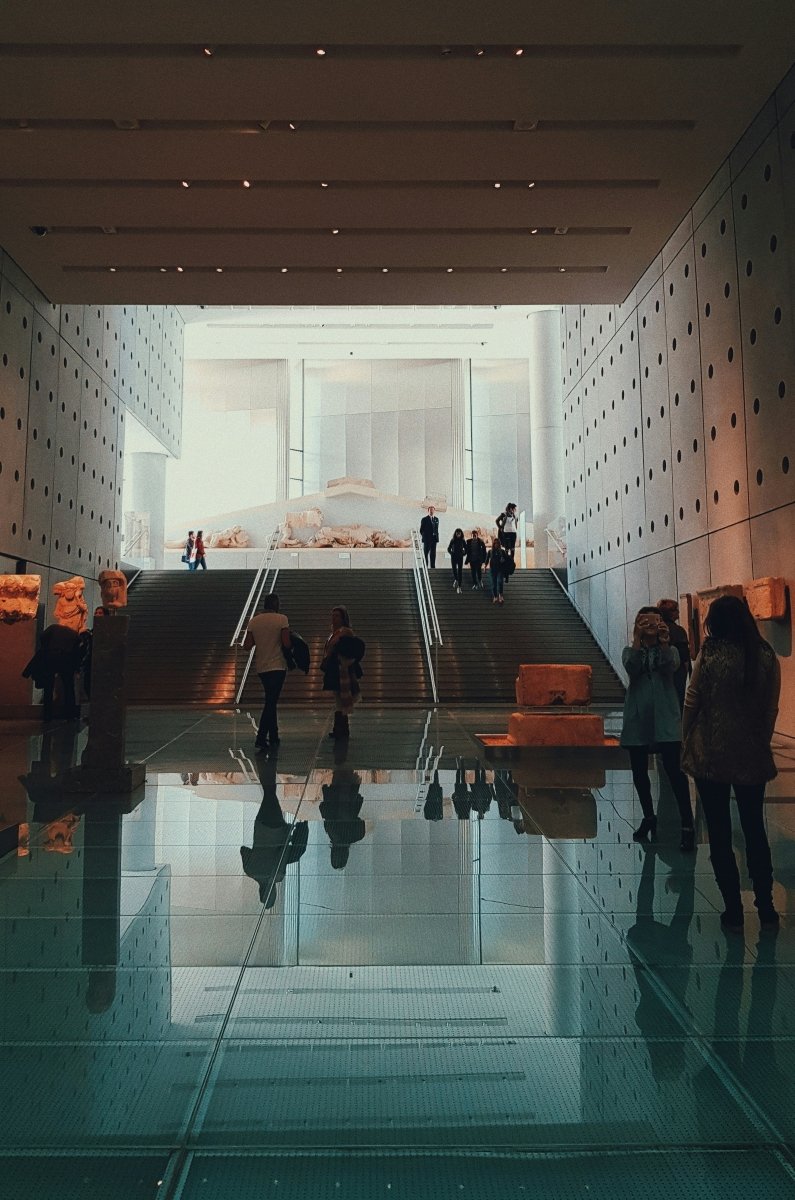
Museums & Art Scene The Acropolis Museum’s modern galleries showcase Parthenon sculptures with views of the monument itself—absolutely essential (€15, free on certain holidays). The National Archaeological Museum houses the world’s greatest collection of ancient Greek artifacts, including the Mask of Agamemnon and Antikythera Mechanism (€12). The Benaki Museum traces Greek culture from prehistory through modern times across beautiful neoclassical buildings (€12). Museum of Cycladic Art displays minimalist ancient island sculptures that inspired modern artists (€10). Byzantine and Christian Museum reveals Greece’s medieval treasures (€8). The National Gallery reopened after renovation with Greek art from Byzantine icons to contemporary works.
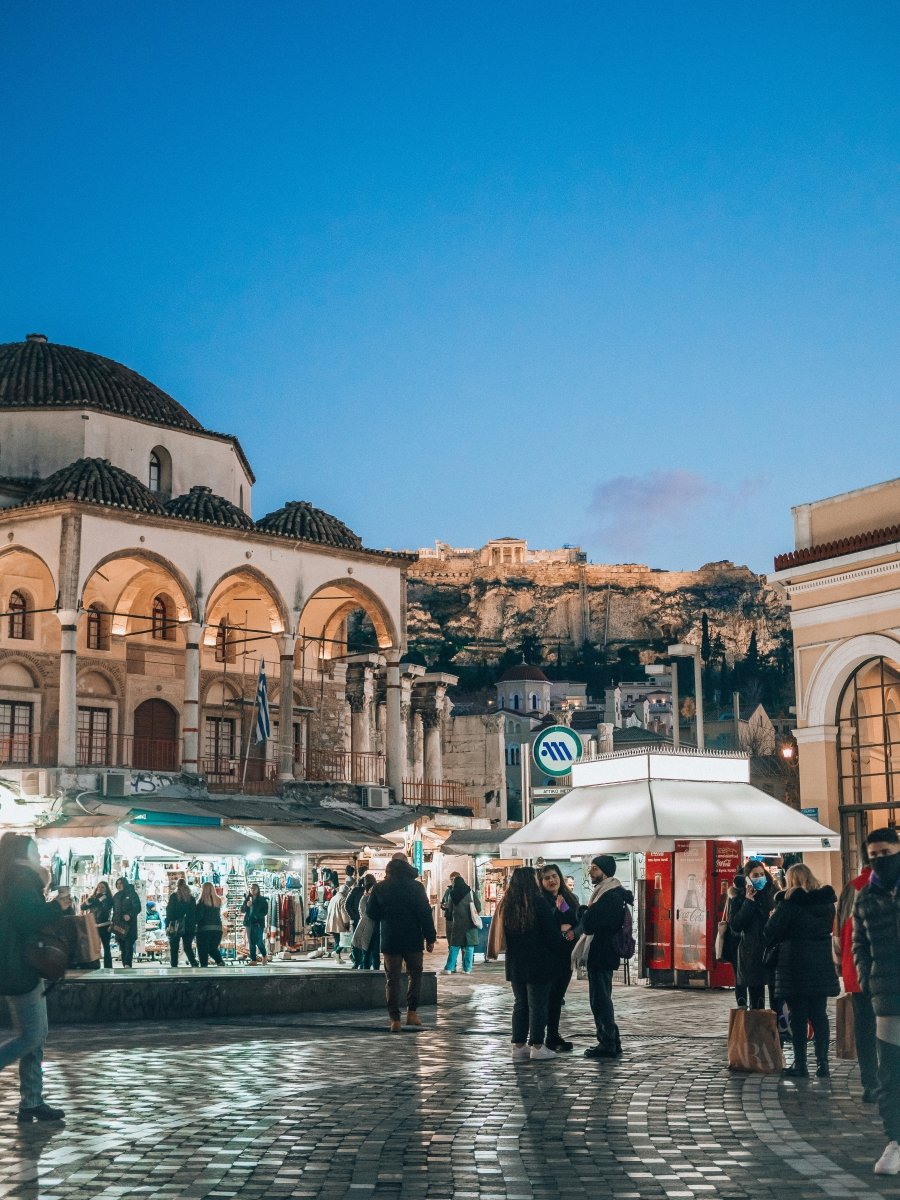
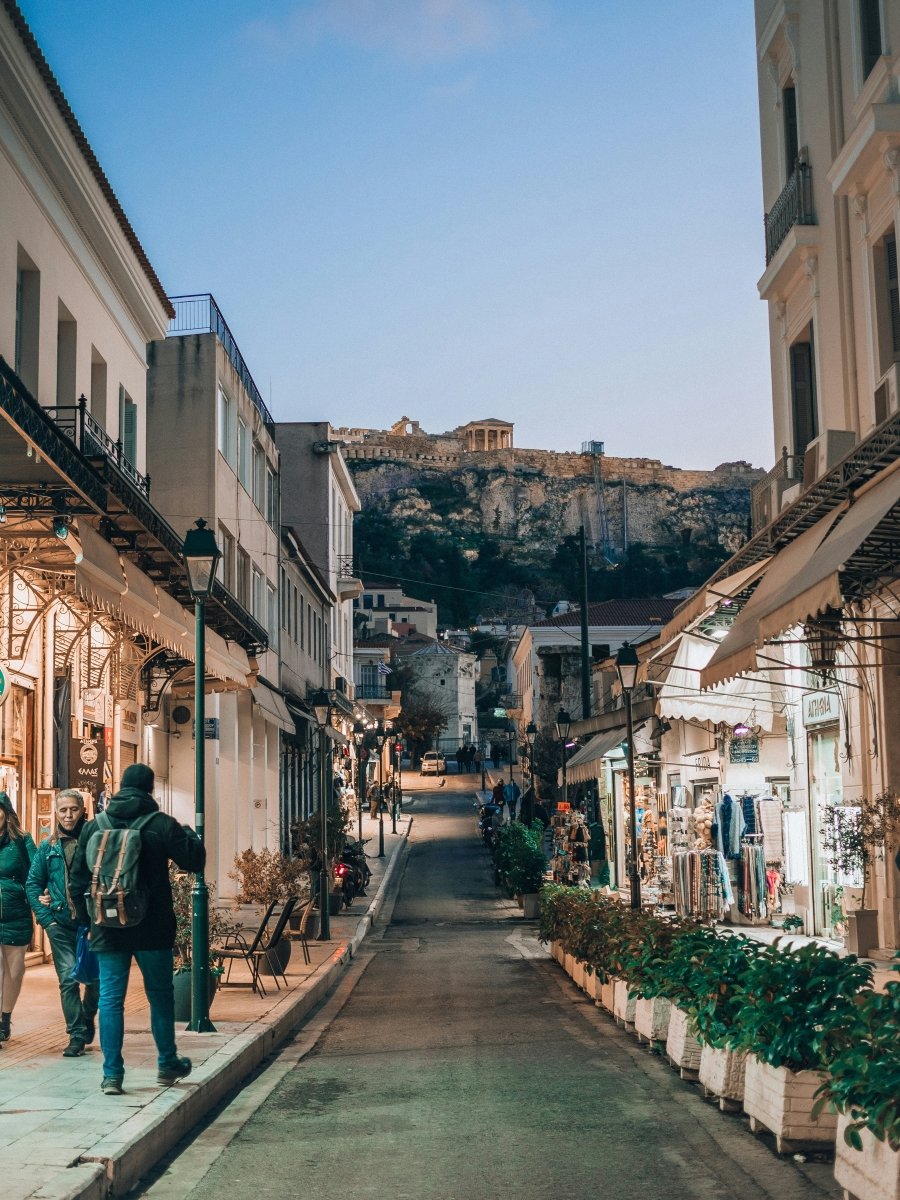
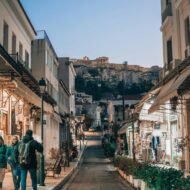
Star Attractions The Acropolis—the Parthenon, Erechtheion, Temple of Athena Nike—dominates Athens physically and spiritually (€20, includes other ancient sites). The Ancient Agora was democracy’s birthplace and features the remarkably preserved Temple of Hephaestus (included in Acropolis combo ticket). Plaka’s narrow streets beneath the Acropolis preserve old Athens charm. Syntagma Square’s changing of the guard (Evzones) occurs hourly. Mount Lycabettus offers 360° city views at sunset. The Roman Agora and Tower of the Winds show Athens’ layers of history.
Sample Itineraries
3-Day Weekend Escape
- Day 1: Morning Acropolis, afternoon Acropolis Museum, evening in Plaka
- Day 2: Ancient Agora morning, National Archaeological Museum afternoon, sunset from Lycabettus Hill, dinner in Psirri
- Day 3: Syntagma Square and guard change, stroll through National Garden, Benaki Museum, shopping in Monastiraki, farewell meal with Acropolis views
5-Day Cultural Immersion
- Day 1: Arrive, explore Plaka and Monastiraki, sunset walk to Acropolis exterior
- Day 2: Full morning at Acropolis (arrive at opening), afternoon Acropolis Museum, evening in Koukaki
- Day 3: Ancient Agora morning, Roman Agora and Hadrian’s Library, Temple of Olympian Zeus, sunset at Philopappos Hill
- Day 4: Day trip to Delphi archaeological site and mountain village
- Day 5: National Archaeological Museum, Benaki Museum, final evening in Kolonaki with rooftop dining
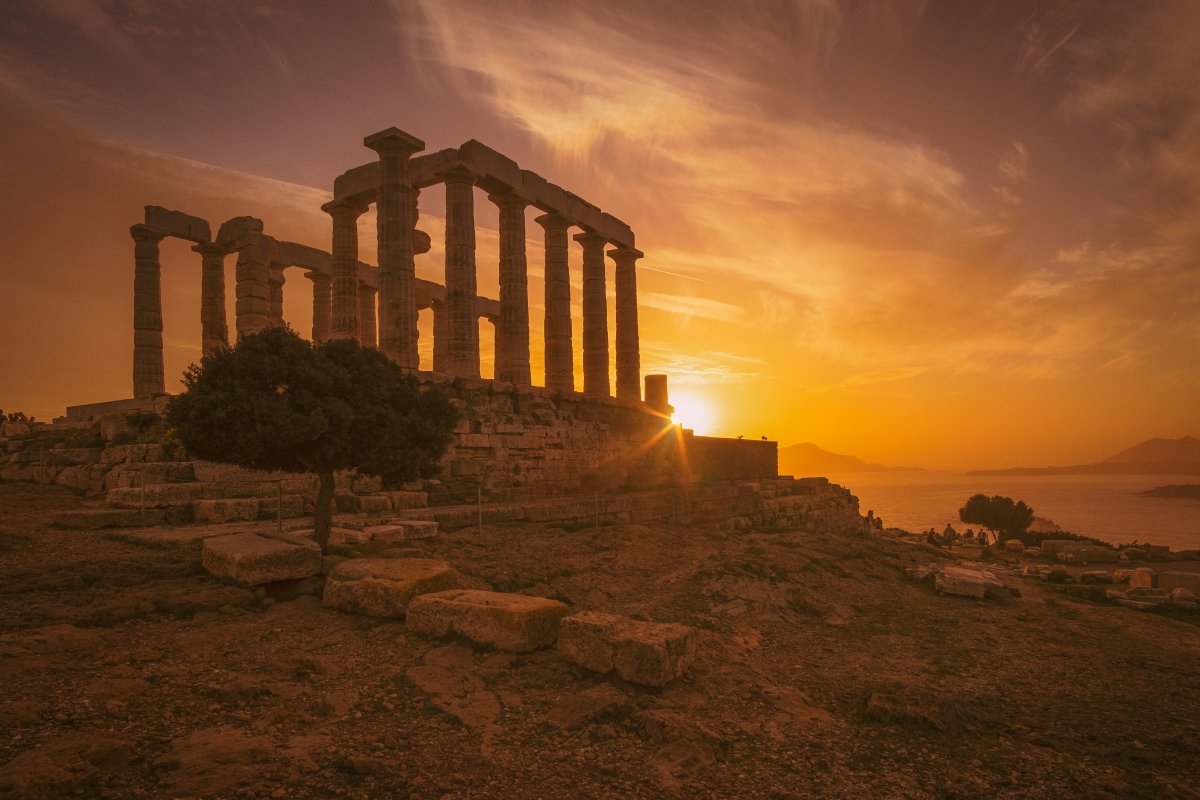
7-Day Deep Dive Add: Day trip to Cape Sounion’s Temple of Poseidon for sunset, island day trip to Aegina or Hydra, Byzantine Museum visit, Keramikos ancient cemetery, street art tour in Exarchia, Central Market (Varvakios) exploration, Museum of Cycladic Art, coastal tram to Glyfada, cooking class learning Greek specialties, evening at ancient Odeon of Herodes Atticus for performances.
Shopping Ermou Street is the main shopping boulevard for international brands. Monastiraki Flea Market (especially Sundays) offers antiques, vintage items, and souvenirs. Kolonaki features designer boutiques. Buy Greek olive oil, honey, herbs, natural sponges, and evil eye talismans. Independent shops in Plaka sell handmade sandals and jewelry.
Local Traditions Greek coffee and conversation at a kafeneio remains a daily ritual. Name days are celebrated more than birthdays. Greeks use worry beads (komboloi) constantly. The concept of filoxenia (hospitality) runs deep—expect genuine warmth. Meal times are late—lunch at 2-3pm, dinner after 9pm.
Outdoor Activities Climb Lycabettus Hill for 360° views (or take the funicular). Walk the Acropolis and Ancient Agora in cooler comfort. The National Garden offers peaceful walking paths. Coastal tram to Glyfada beach (swimmable for the brave). Day trips to Delphi, Cape Sounion’s Temple of Poseidon, or nearby islands like Aegina and Hydra.
Budget Considerations Daily budget: €40-60 (budget), €70-110 (mid-range), €130+ (luxury). Athens offers excellent value. Combination tickets cover major archaeological sites (€30 for five days). Many museums free on certain Sundays. Souvlaki meals cost €2-4. Metro pass is €4.50/day. Winter pricing is 30-50% lower than summer.
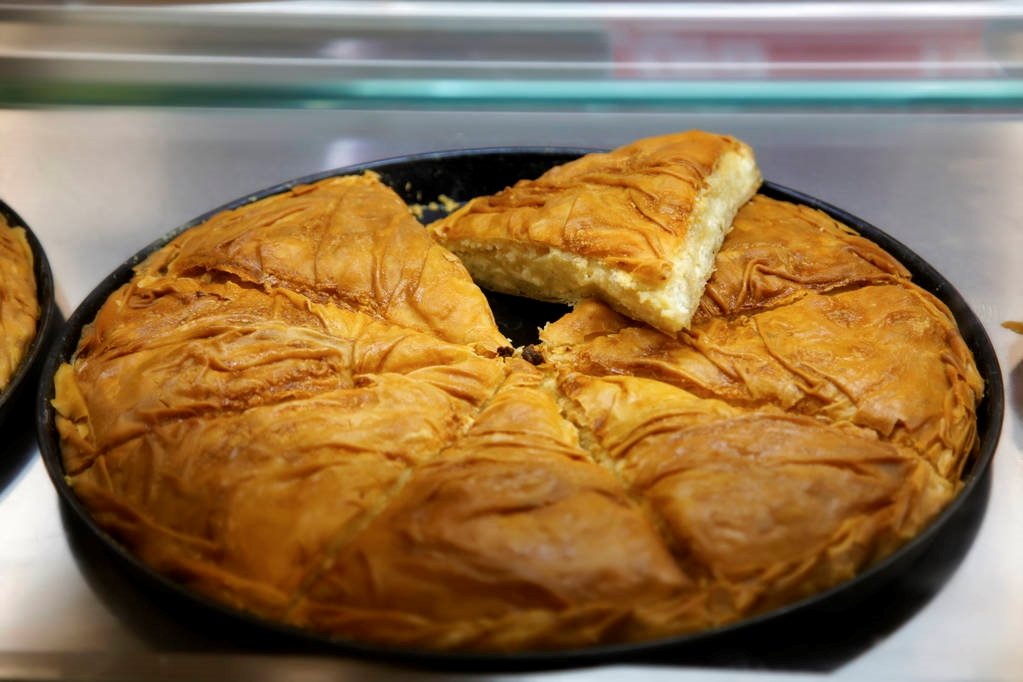
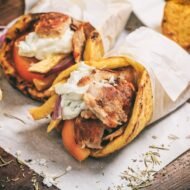
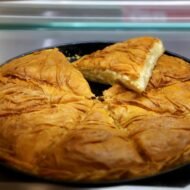
Food Scene Tavernas serve moussaka, souvlaki, Greek salad (no lettuce!), and grilled fish. Try spanakopita (spinach pie), saganaki (fried cheese), and dolmades (stuffed grape leaves). Varvakios Central Market displays Greek food culture. Bougatsa (custard pastry) for breakfast. Ouzeri and mezedopolia offer small plates with ouzo or tsipouro.
Cultural Aspects The Acropolis Museum contextualizes ancient Athens brilliantly. Benaki Museum traces Greek culture from prehistory to modern times. Athens vibrates with contradictions—ancient ruins beside graffiti-covered buildings, traditional culture meeting cosmopolitan energy. The economic crisis’s effects remain visible, creating complex social dynamics.
Winter Events Athens Technopolis Jazz Festival (December) attracts international artists. Christmas and New Year’s illuminations transform Syntagma Square. Apokries (Carnival, February/March) features costumes and celebrations. Theatre season peaks in winter—performances in ancient venues. January sales (ekptoseis) offer shopping bargains.
Useful Information Metro from airport to center costs €10 (40 minutes). The city is walkable, though hills challenge stamina. Strike actions occasionally disrupt transport—check ahead. English is widely spoken, especially among younger people. Tap water is safe. Greeks are politically engaged—expect passionate discussions. Tipping is appreciated but not mandatory (round up or 10%).
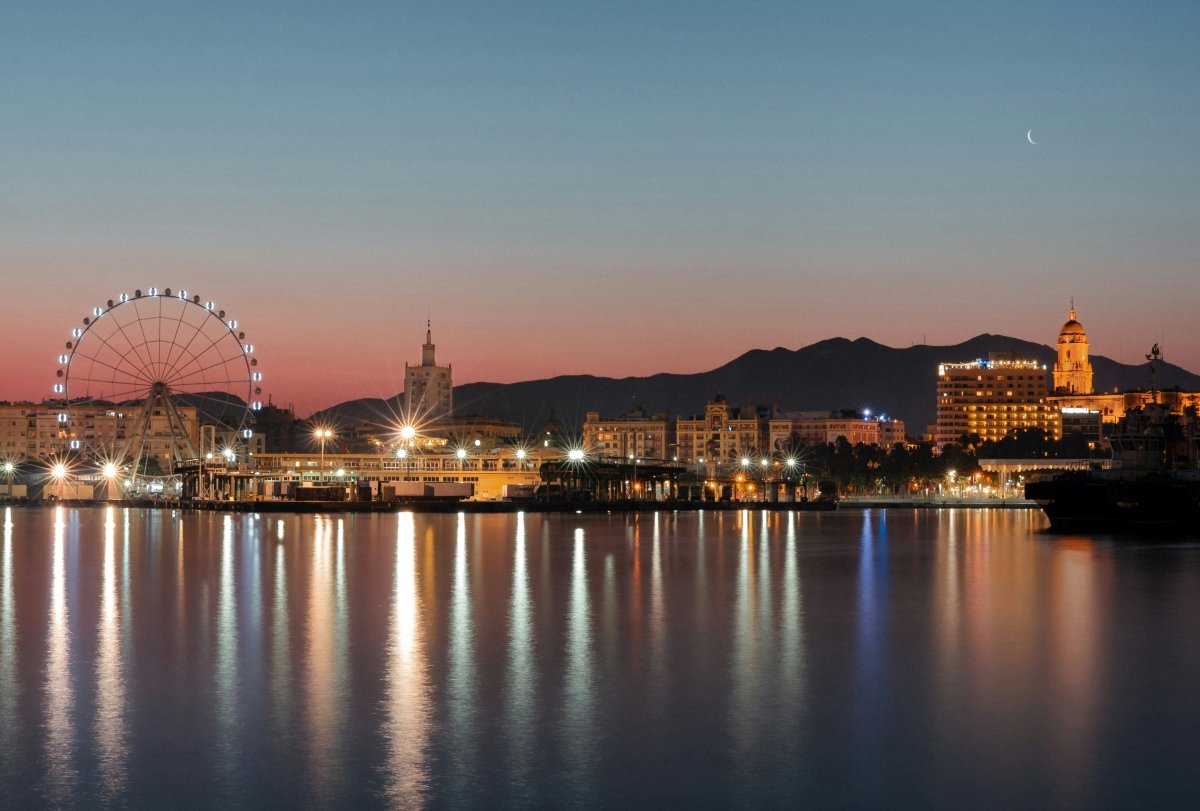
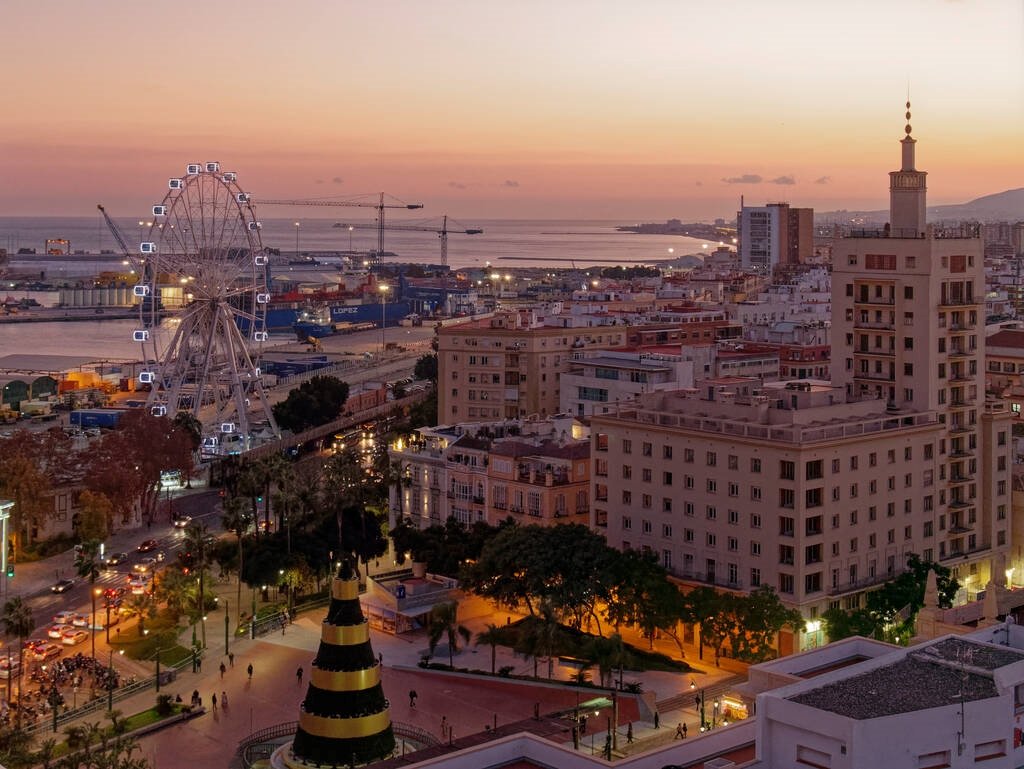
5. Málaga, Spain
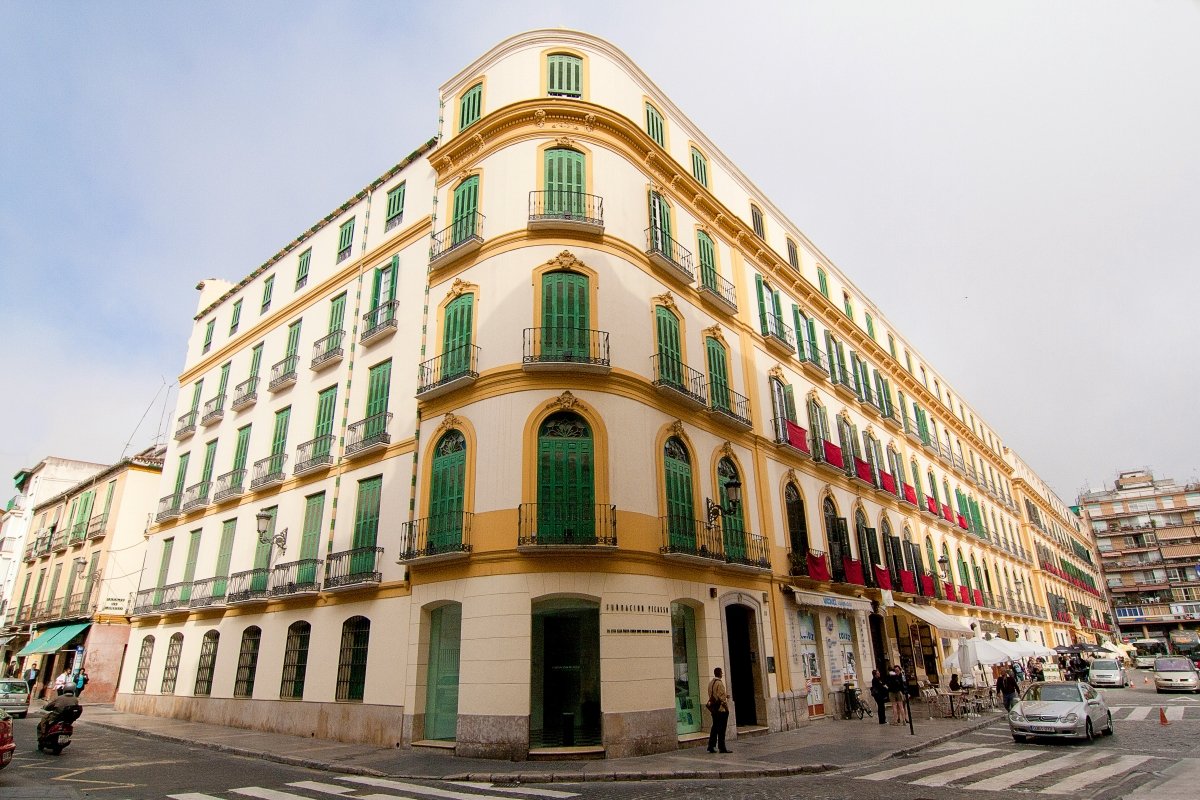
Interesting Facts Málaga is Pablo Picasso’s birthplace—his museum displays over 200 works. The city boasts 300+ days of sunshine annually, Europe’s highest average. Málaga’s sweet wine once rivaled port and sherry in global popularity. The Phoenicians founded the city 2,800 years ago, making it one of Europe’s oldest continuously inhabited cities.
Winter Weather Winter temperatures average 17°C (63°F) during the day, cooling to 8-10°C (46-50°F) at night. Málaga is Spain’s warmest major city in winter. Rain is infrequent—expect 5-6 rainy days per month. January and February offer beach weather on sunny days. Pack a light jacket for evenings and occasional cool winds.
Accommodation Options Budget: hostels and pensions €20-35/night in the historic center. Mid-range: boutique hotels €60-90 near Plaza de la Merced. Luxury: beachfront hotels €100-160. Neighborhoods like Soho offer hip, artistic vibes. Winter rates are significantly lower than summer. Consider apartments for weekly stays (€300-500).
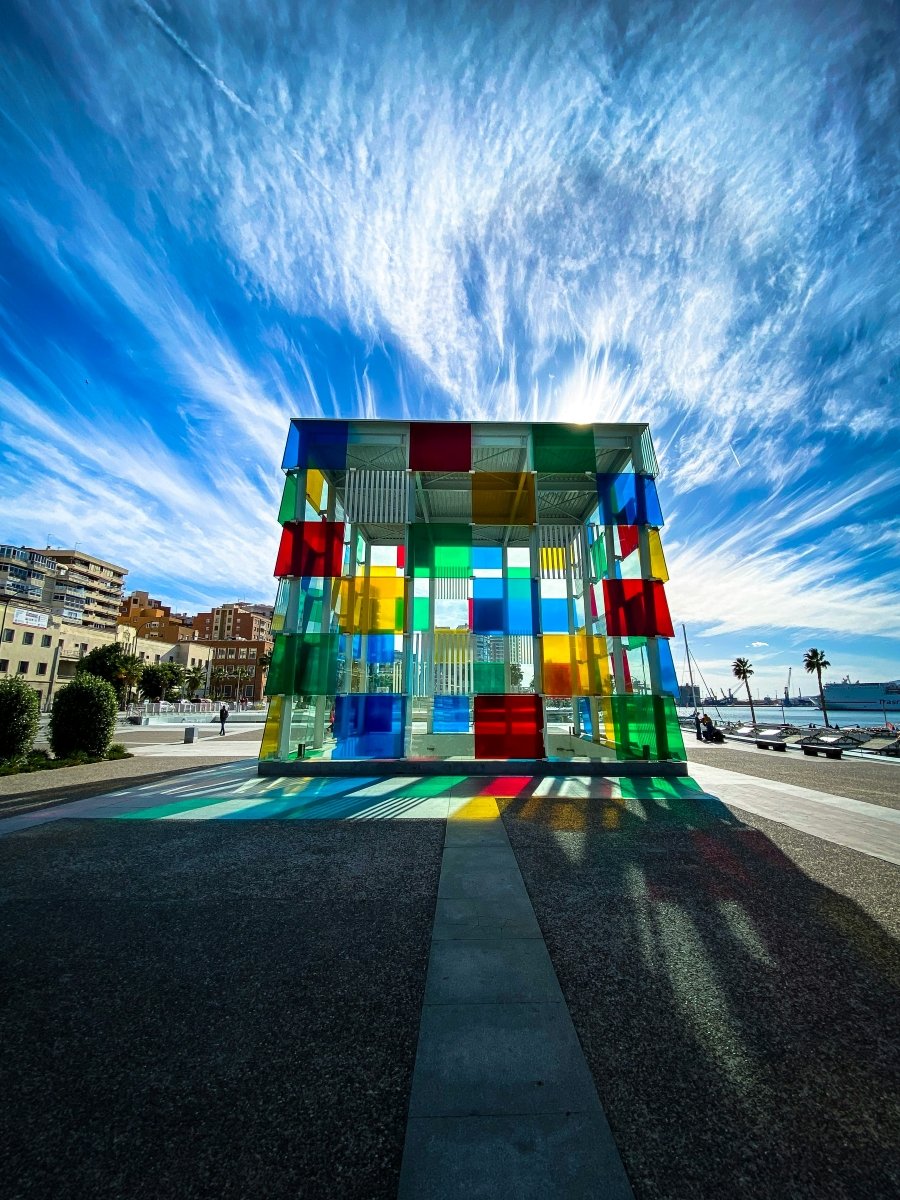
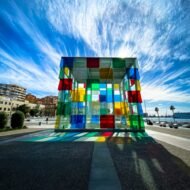
Museums & Art Scene The Picasso Museum showcases 200+ works spanning his career in a 16th-century palace (€9, free last two hours on Sundays). Centre Pompidou Málaga, in a glass cube on the harbor, displays modern and contemporary art from the Paris collection (€9). The Carmen Thyssen Museum features 19th-century Spanish painting, particularly Andalusian landscapes (€10). Russian Museum presents rotating exhibitions from St. Petersburg’s collections. Contemporary Art Centre (CAC Málaga) offers cutting-edge shows for free. The Glass and Crystal Museum (€7) amazes in an 18th-century mansion. Málaga’s “museum mile” makes it Spain’s emerging cultural hub.
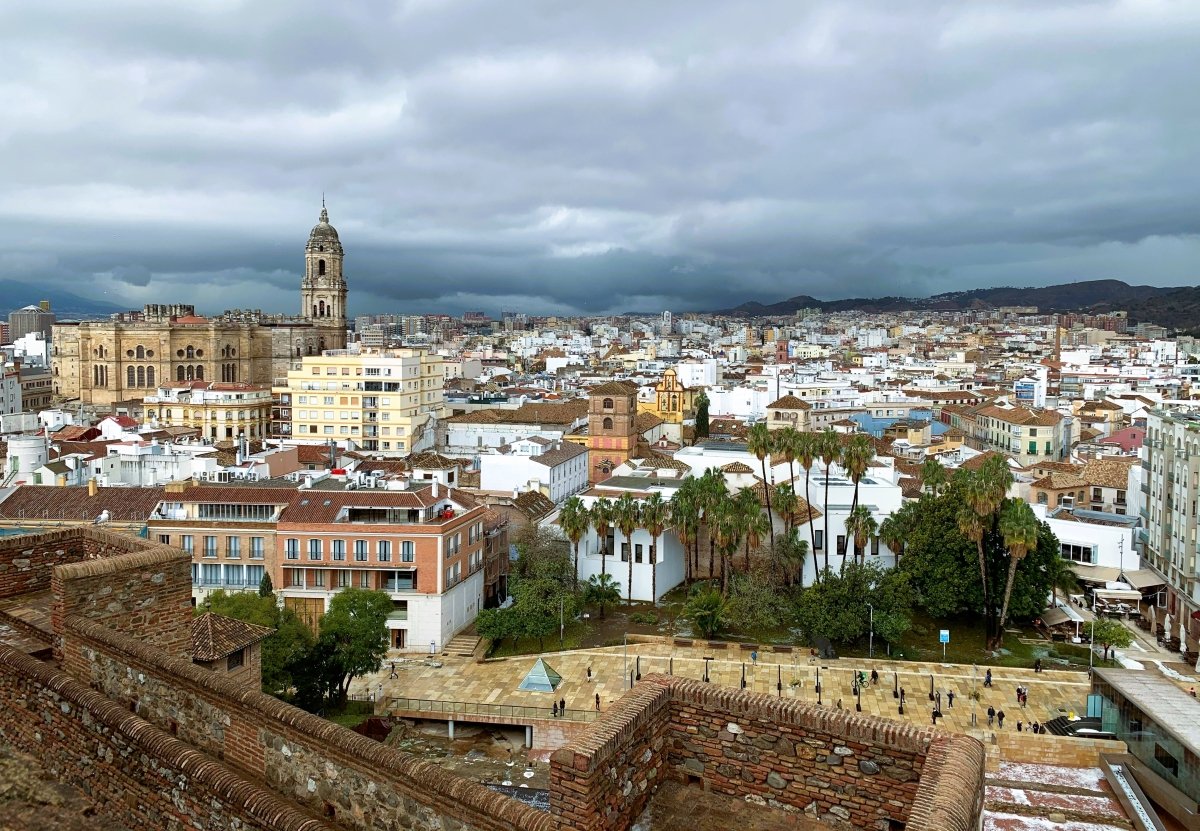
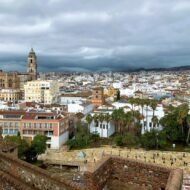
Star Attractions The Alcazaba fortress, an 11th-century Moorish palace, cascades down the hillside with gardens and city views (€3.50). Gibralfaro Castle above offers panoramic vistas across the city and Mediterranean (€3.50, or €5.50 combo with Alcazaba). The Cathedral, nicknamed “La Manquita” (the one-armed lady) for its unfinished second tower, displays Renaissance magnificence (€8). Roman Theatre at the Alcazaba’s base still hosts performances after 2,000 years. Soho district explodes with street art—murals by international artists cover entire buildings. Paseo del Parque’s tropical gardens lead to the harbor.
Sample Itineraries
3-Day Weekend Escape
- Day 1: Morning at Alcazaba and Roman Theatre, afternoon exploring historic center and Cathedral, evening on Calle Larios
- Day 2: Picasso Museum morning, lunch at Atarazanas Market, afternoon beach walk along Paseo Marítimo, sunset at Gibralfaro Castle
- Day 3: Soho street art tour, Pompidou Centre, final lunch of pescaíto frito, departure
5-Day Cultural Immersion
- Day 1: Arrive, settle in, explore Plaza de la Merced (Picasso’s birthplace), evening tapas crawl
- Day 2: Alcazaba and Gibralfaro morning, afternoon at Picasso Museum, sunset beach stroll
- Day 3: Day trip to Granada and the Alhambra (90 minutes by bus)
- Day 4: Cathedral and historic center morning, Carmen Thyssen Museum, afternoon at Pompidou and harbor area, evening in Soho
- Day 5: Market visit, beach time, souvenir shopping, farewell wine tasting at Málaga wine museum
7-Day Deep Dive Add: Day trip to Ronda’s dramatic gorge and bridges, excursion to white villages (Mijas, Frigiliana), Caminito del Rey cliff walkway adventure, Contemporary Art Centre visit, La Concepción botanical garden, flamenco show at peña authentica, surf lesson at nearby beach, tapas cooking class, visit to Nerja Caves, coastal day in Marbella, Málaga Wine Museum with tasting.
Shopping Calle Larios is the elegant main shopping street. Atarazanas Market (mornings) sells fresh produce, seafood, and meats in a stunning converted shipyard. Soho neighborhood features independent boutiques and art galleries. Buy local ceramics, leather goods, and sweet Málaga wine. Sunday Rastro flea market offers eclectic finds.
Local Traditions Malagueños take their espetos (sardine skewers grilled over beach fires) seriously. The late dining culture means restaurants fill after 9:30pm. Semana Santa (Holy Week) is Spain’s most elaborate Easter celebration. Verdiales folk music and dance continue at rural festivals. Beach culture persists year-round—locals swim until November.
Outdoor Activities Walk the Paseo Marítimo (beach promenade) for kilometers. Hike La Concepción botanical garden. Explore Gibralfaro Castle and Alcazaba fortress for history and views. Caminito del Rey (King’s Little Pathway) offers thrilling cliff-side walking an hour away. Day trips to white villages (Ronda, Mijas), Granada’s Alhambra (90 minutes), or Gibraltar.
Budget Considerations Daily budget: €45-65 (budget), €75-115 (mid-range), €140+ (luxury). Málaga balances affordability with quality. Menu del día (set lunch) costs €10-15 for three courses. Museums charge €6-9, several offer free Sunday afternoons. Beach access is free. Local buses cost €1.40. Wine is cheaper than soft drinks.
Food Scene Fried fish (pescaíto frito) is the local specialty—anchovies, squid, red mullet. Try porra antequerana (cold tomato soup), ensalada malagueña (potato and cod salad), and plato de los montes (mountain cured meats). Málaga’s wine culture is experiencing renaissance—visit bodegas in the center. Churros con chocolate for breakfast or late-night snack.
Cultural Aspects Málaga has transformed from port city to cultural hub with 40+ museums. The Pompidou Centre, Russian Museum, and Thyssen Museum joined Picasso Museum in creating a “museum mile.” Street art enlivens the Soho district. The city retains authenticity despite tourism—locals outnumber visitors in winter. Flamenco shows range from tourist-focused to genuine peñas.
Winter Events Málaga Film Festival (March) showcases Spanish cinema. Three Kings Parade (January 5) is spectacular—floats throw candy to crowds. Carnival (February) features costumes and street parties. Winter also brings theatre season and classical concerts at Teatro Cervantes. Year-end holidays include elaborate Christmas lights and nativity scenes.
Useful Information Málaga Airport is 8km from center (€3 train, €20 taxi). The city is compact and walkable. Bike-share system available. English spoken in tourist areas, less so in local neighborhoods. Costa del Sol train connects beach towns east and west. Download the EMT Málaga app for bus schedules. Tap water is safe. Petty theft exists—watch belongings on beaches and in crowds.
Recap: Choosing Your Winter Escape
Best for Culture & History: Athens offers unmatched ancient sites and museums at budget prices.
Best for Food Lovers: Palermo’s street food and Sicilian cuisine provide the most adventurous culinary experience.
Best Weather: Málaga claims the warmest and sunniest winter climate of the five.
Best Value: Lisbon and Athens offer the most affordable overall experiences, from accommodation to dining.
Best for Walkability & Charm: Seville’s compact historic center and atmospheric neighborhoods create magical wandering.
Most Cosmopolitan: Lisbon balances tradition with contemporary creativity and international influences.
Best for Beach Access: Málaga keeps beach culture alive year-round with swimmable winter days.
Best Museum Scene: Athens dominates with the Acropolis Museum and National Archaeological Museum, though Málaga’s emerging cultural district impresses.
Best Art Collections: Seville’s Fine Arts Museum and Málaga’s Picasso collection compete strongly, while Lisbon’s Gulbenkian offers remarkable diversity.
Most Unique Architecture: Palermo’s Arab-Norman fusion creates buildings found nowhere else on earth.
All five cities offer rich cultural experiences, mild weather, and excellent value during winter months. Your choice depends on personal priorities—ancient history versus Moorish architecture, tapas culture versus street food, urban beaches versus mountain backdrops. Each destination rewards winter visitors with fewer crowds, lower prices, and authentic local life that summer tourism often obscures.
2026 “Winter Sun Wellness” Comparison Table
| City | Wellness Specialty | Ski Connection | “Hush” Score |
| Seville | Ancient Roman/Moorish Baths | Sierra Nevada (Easy) | 9/10 |
| Lisbon | Sound-Therapy & Atlantic Air | Serra da Estrela (Moderate) | 8/10 |
| Palermo | Volcanic/Lithotherapy | Mt. Etna (Unique) | 7/10 |
| Athens | Thermal Lake Bathing | Parnassos (Very Easy) | 8/10 |
| Málaga | Modern Hammam Rituals | Sierra Nevada (Closest) | 9/10 |
Disclaimer
Weather Variability: Climate data represents historical averages. Actual conditions vary yearly—check forecasts before departure. Winter 2025-2026 patterns may differ from typical conditions.
Pricing Information: Budget estimates reflect January 2025 data and fluctuate based on exchange rates, inflation, seasonal demand, and booking timing. Always verify current prices directly with providers.
Travel Documentation: EU/Schengen area regulations may change. Non-EU visitors should verify visa requirements, passport validity (typically 6 months), and entry conditions before booking.
Health & Safety: Travel advice and health recommendations evolve. Check your government’s travel advisories and health authority guidance. Consider travel insurance covering medical emergencies and trip disruptions.
Accommodation Standards: Quality varies significantly within price categories. Read recent reviews, verify location, and confirm amenities before booking. Photos may not reflect current conditions.
Cultural Sensitivity: Local customs and etiquette descriptions are generalizations. Individual experiences vary. Approach cultural differences with respect and openness to learning.
Transportation: Public transport schedules, routes, and pricing change frequently. Strike actions occasionally affect Mediterranean countries. Verify details closer to travel dates.
Events & Attractions: Dates, programming, and operating hours for festivals, museums, and sites may change. Confirm details on official websites before visiting. Some venues close Mondays or for renovations.
Museum Information: Entry fees, opening hours, and free admission days mentioned are current as of January 2025 but subject to change. Always verify on official websites before visiting.
Itinerary Suggestions: Sample itineraries are recommendations based on typical visitor interests and timeframes. Adjust according to personal preferences, mobility considerations, and actual site accessibility during your visit dates.
Personal Responsibility: This guide provides general information, not personalized travel advice. Readers should conduct additional research based on individual needs, circumstances, and current conditions.