



TL;DR: Croatia leads with the lowest EU income requirements (€2,540/month), Spain offers a path to citizenship after 5 years, and Estonia gives you the fastest processing (30 days). If you’re hunting for the perfect European base, these 8 countries are rolling out the red carpet for remote workers—and some will even let your family tag along.
The digital nomad revolution just hit Europe like a perfectly timed Zoom call. Back in 2020, only 3 European countries offered digital nomad visas. Fast forward to 2025, and we’ve got 15 countries practically fighting over remote workers. Why? Simple math: nomads bring skills and spending power without stealing local jobs.
Whether you’re tired of explaining your “weird job” to immigration officers or just want to swap your home office for a Croatian beach café, here’s your insider guide to the hottest digital nomad visa deals across Europe.
The Champion: Croatia 🏆
The Deal: €2,540/month income requirement (lowest in the EU!) Duration: Up to 18 months, renewable for 3 years total The Kicker: Zero Croatian income tax
Croatia isn’t just winning on paper—it’s crushing the competition. Croatia stands out for its unique combination of affordability, lifestyle, and simplicity. One of the most unique aspects of Croatia’s digital nomad visa program is that it exempts digital nomads from paying local income tax during their stay.
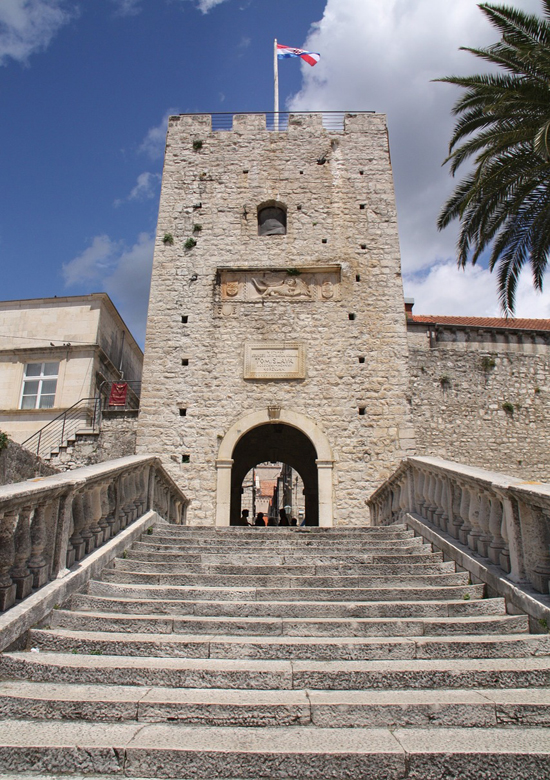
Picture this: working from Split’s ancient palaces or Dubrovnik’s medieval walls, all while keeping your entire paycheck. Plus, you get visa-free travel across the Schengen Area while your permit is valid. Not bad for the price of a decent London flat share.
Best for: Budget-conscious nomads who want European lifestyle without European prices
The Speedster: Estonia
The Deal: €3,500/month income requirement Duration: 12 months Processing Time: Lightning-fast 30 days
Estonia was the first country to introduce a digital nomad visa. They’ve had years to perfect the process, and it shows. Estonia’s not just riding the tech wave—they ARE the wave. This is the country that gave us Skype and e-Residency, so naturally, their digital nomad visa application is smooth as butter.
The catch? If you stay in Estonia for more than six months, you will become a tax resident and be subject to local income taxes. But hey, at least you’ll know exactly where you stand.
Best for: Tech nomads who want efficiency and don’t mind paying taxes for quality services
The Gateway: Spain
The Deal: €2,760/month income requirement Duration: 1-3 years (depending on application method) The Golden Ticket: Path to permanent residency after 5 years
Spain’s playing the long game here. After 5 years of continuous residence, applicants may become eligible for permanent residency. After 10 years of legal residence, citizenship may be possible, depending on your nationality and personal circumstances.
Recent updates are making waves too. As of April 2025, there are now confirmed cases where U.S. W2 employees have been approved for the Spain Digital Nomad Visa (DNV). This is huge news for American remote workers who previously faced more hurdles.
The insider tip? Apply from within Spain on a tourist visa to get a 3-year permit instead of the 1-year version you’d get from a consulate.
Best for: Nomads planning long-term European integration and those eyeing EU citizenship
The Newcomer: Italy
The Deal: €24,789/year (about €2,067/month) Duration: 12 months, renewable Launched: April 2024
Italy fashionably arrived late to the nomad visa party but brought serious style. You can travel freely in the Schengen Area and benefit from special tax incentives. We’re talking about the country that perfected la dolce vita—working from a Tuscan vineyard or Roman café isn’t just Instagram fantasy anymore.
Best for: Culture enthusiasts and anyone who’s ever dreamed of a proper Italian work-life balance
The Strategic Alternative: Germany 🇩🇪
The Deal: No official nomad visa, but freelancer visa works Income: €1,000-€2,000/month suggested Duration: Up to 3 years + 1-year extension
Here’s where things get interesting. Germany does not have a digital nomad visa. It does, however, have alternative options such as the freelance and self-employed visa, which digital nomads can apply for.
The Freiberufler (freelancer) visa is Germany’s not-so-secret weapon. Starting January 2025, Germany is digitalizing their national visa entry procedure. The country is looking for 400,000 new workers annually. They might not call it a nomad visa, but they’re clearly hunting for remote talent.
Best for: Nomads who want Central European base + love bureaucratic precision
The Underdog: Portugal
The Deal: €3,280/month income requirement Duration: 12 months, path to permanent residency Tax Situation: New NHR 2.0 regime with 20% flat rate
Portugal’s going through some growing pains. The famous NHR (Non-Habitual Resident) tax regime that offered 0% tax on foreign income? Gone. But from 2025, digital nomads can still benefit from a new NHR 2.0 regime, officially called the Tax Incentive for Scientific Research and Innovation Program. The main difference, aside from being harder to qualify, is that those earning income from abroad will be taxed at a flat 20% rate.
Best for: Nomads seeking Atlantic vibes and don’t mind the tax trade-off
The Dark Horse: Czech Republic
The Deal: Only available to citizens of 8 specific countries (US, UK, Canada, Australia, Japan, Korea, New Zealand, Taiwan) Duration: 12 months + possible 6-month extension Sweet Spot: Central European location
The Czech Republic, also known as Czechia, lies between Austria, Germany, and Poland. It’s becoming a popular country for digital nomads, particularly in the nation’s vibrant capital of Prague. Limited availability makes this one exclusive, but if you qualify, Prague’s got serious nomad game.
Best for: Citizens of eligible countries wanting Central European base with lower costs
The Fresh Face: Greece
The Deal: Lower income requirements than most EU countries (exact amounts vary) Duration: 12 months Status: Recently rolled out new visa rules for 2025
Greece rolled out new visa rules for 2025 with lower income requirements than most countries. Remote workers can choose between beautiful islands and Athens’s growing tech scene, all while spending less than they would in Spain.
Best for: Island lovers and those seeking Mediterranean lifestyle on a budget
Making Your Move: The Real Talk
Family-Friendly Champions
Most European nomad visas welcome families, but Hungary’s digital nomad visa is known as the White Card, launched in November 2021, and it might be one of the easiest European digital nomad visas to obtain. This visa works as an individual residence permit; unfortunately, it does not allow couples or families to apply. Their primary target is singles under 40.
For everyone else, Spain, Portugal, and Croatia offer solid family options with additional income requirements per dependent.
The Money Talk
Digital nomads and self-employed individuals who obtain the Freelance Visa – Zivno Visa or Trade License Visa – are permitted residency rights in the nation for up to one year, with the possibility of it being extended for a further two years. Most countries want proof you can support yourself, typically requiring 6 months of bank statements showing consistent income.
Tax Reality Check
Here’s the thing nobody mentions in those Instagram posts: Digital nomads typically remain tax residents of their home country, unless they spend more than 183 days in the host country, which often triggers tax residency there. Croatia’s tax exemption and Estonia’s clear 6-month rule are rare exceptions—most places get complicated fast.
The Bottom Line
Europe’s digital nomad visa scene is hotter than a Berlin techno club at 3 AM. Croatia offers the sweet spot of low costs and tax benefits, Spain provides the long-term European dream, and Estonia keeps things simple and fast.
The real winner? You. In 2020, only 3 European countries had digital nomad visas. Fast forward to 2025, and that number has jumped to 15. Competition breeds innovation, and European countries are pulling out all the stops to attract remote workers.
Whether you’re chasing Mediterranean sunsets, Alpine adventures, or just really good coffee, there’s a European nomad visa with your name on it. The hard part isn’t finding options—it’s choosing which amazing life to start living.
Ready to make the leap? Remember to check the latest requirements before applying, as visa rules update faster than your LinkedIn feed. Most applications take 30-90 days, so plan accordingly—your European adventure awaits!