




















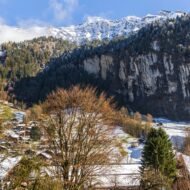


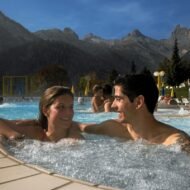
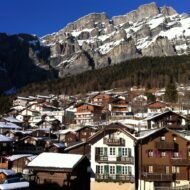
TL;DR: Europe’s Dreamiest Winter Hot Spring Villages , Craving an authentic mountain escape with therapeutic hot springs? These five Alpine gems combine centuries-old thermal traditions with jaw-dropping scenery, local culture, and that melt-into-the-water bliss you’ve been dreaming about. From Switzerland’s highest thermal village to Italy’s hidden Piedmont treasure, here’s your insider guide to Europe’s best hot spring mountain retreats.
- 1. Leukerbad, Switzerland – The Thermal Titan
- Why Visitors Love It
- The Healing Waters
- Winter Wonderland Reality Check
- Where to Stay
- Local Flavor & Traditions
- Get Outside
- Budget Breakdown
- Insider Tips
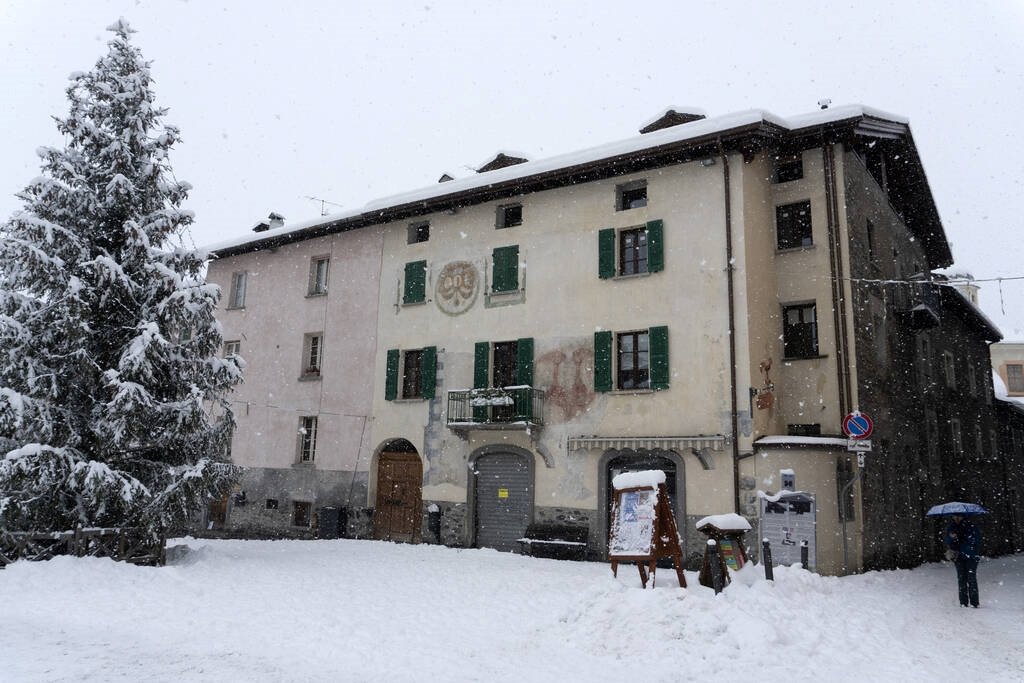
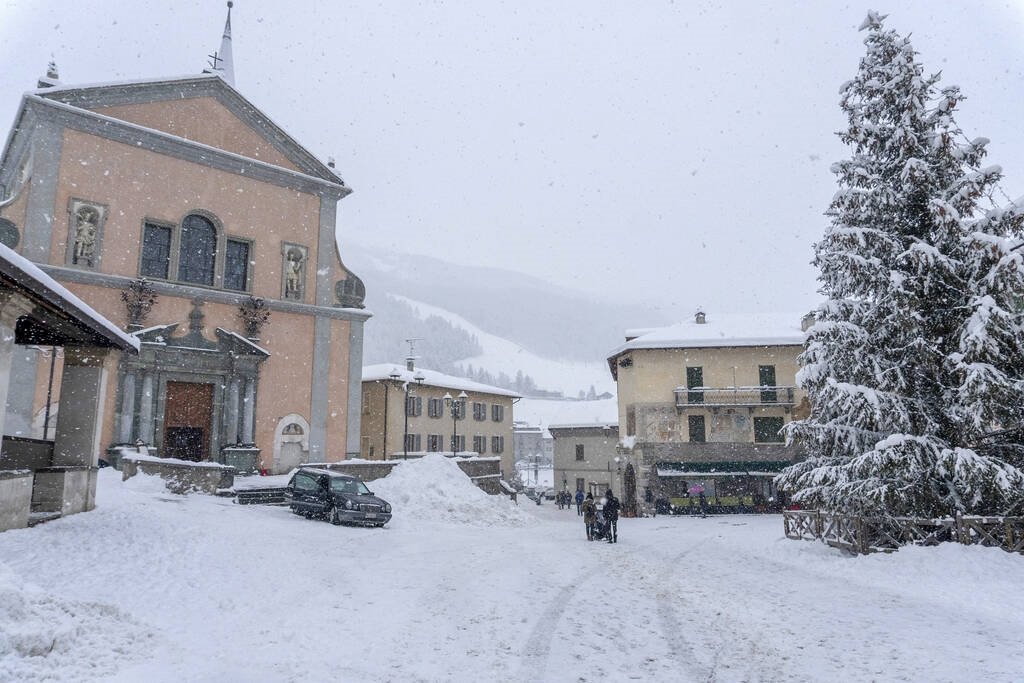
- 2. Bormio, Italy – The Roman Legacy
- What Makes It Special
- Thermal Treasures
- Winter Expectations
- Accommodation Options
- Food & Culture Scene
- Cultural Highlights
- Outdoor Adventures
- Budget Reality
- Pro Tips
- 3. Bad Gastein, Austria – The Belle Époque Beauty
- The Vibe
- Thermal Healing Hub
- Winter Scene
- Where to Lay Your Head
- Food & Festivities
- Local Shopping & Traditions
- Outdoor Playground
- Budget Considerations
- Smart Moves
- 4. Valdieri (Cuneo), Piedmont, Italy – The Hidden Treasure
- Why It’s Extraordinary
- The Waters & Wellness
- Winter Reality
- Accommodation
- Culinary & Cultural Deep Dive
- Mountain Culture
- Outdoor Adventures
- Budget Breakdown
- Insider Knowledge
- 5. Ovronnaz, Switzerland – The Sunny Secret
- What Sets It Apart
- Thermal Experience
- Winter Conditions
- Accommodation Choices
- Food & Local Life
- Cultural Fabric
- Outdoor Options
- Budget Reality
- Practical Wisdom
- Recap: Choosing Your Perfect Alpine Thermal Escape
- Disclaimer
1. Leukerbad, Switzerland – The Thermal Titan
User Rating: 4.6/5 ⭐ (Based on 12,000+ reviews across platforms)
Why Visitors Love It
People rave about the combination of 65 thermal springs pumping out 3.9 million liters daily of mineral-rich water and those pinch-me-I’m-dreaming mountain views. At 1,411 meters altitude, this is Europe’s largest Alpine thermal spa destination, and it shows.
The Healing Waters
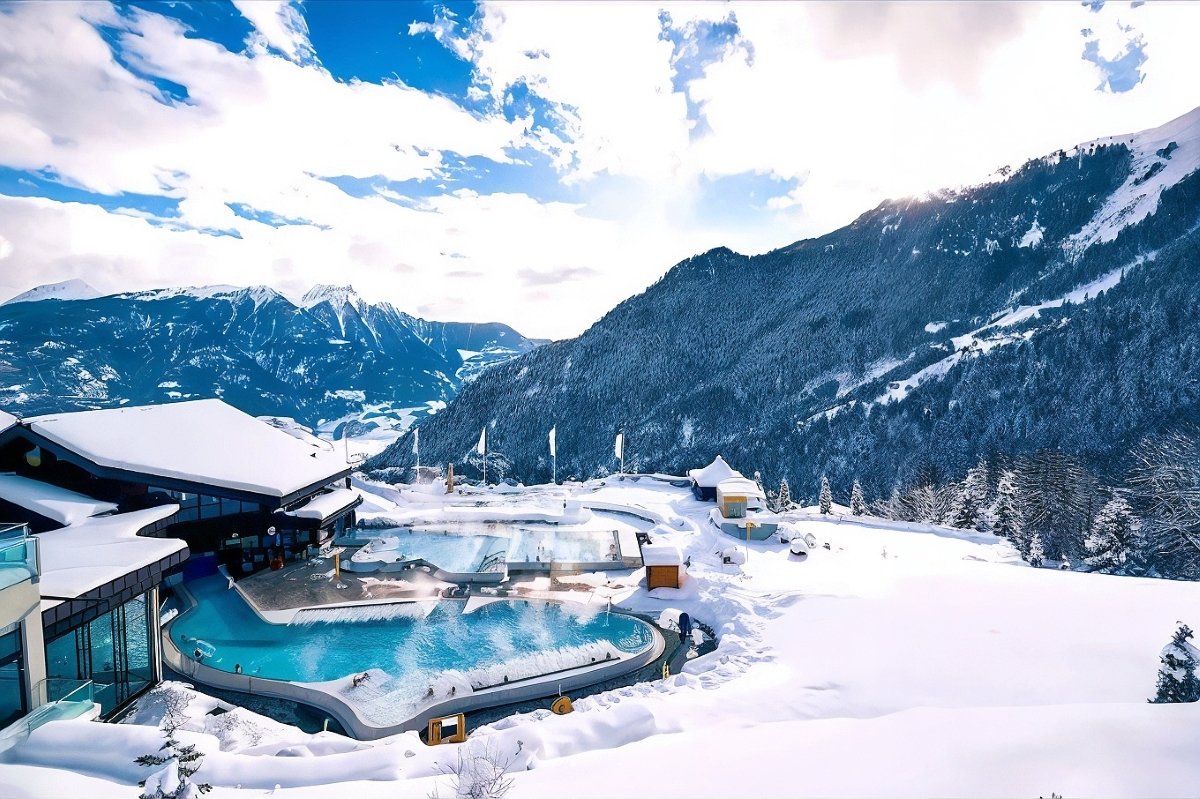
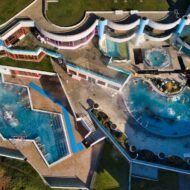
The thermal water here reaches your skin at a perfect 28-51°C (82-124°F), loaded with calcium, sulfate, and minerals that visitors swear help with everything from joint pain to stress. The star treatment? The Walliser Alpentherme’s outdoor infinity pool where you’ll float with 360-degree mountain panoramas. Burgerbad Thermal Baths offers a more intimate vibe with historical Roman-Irish spa rituals that’ll leave you feeling like royalty.
Signature Spa Treatments:
- Alpine stone massages using locally heated rocks
- Thermal water whirlpool therapy
- Traditional hay baths (yes, really – and they’re amazing)
- Radon therapy sessions for chronic conditions
Winter Wonderland Reality Check
December through March brings serious snowfall and temps hovering between -5°C to 5°C (23-41°F). Bundle up for the walk between baths, but trust us – nothing beats soaking in 36°C water while snowflakes land on your face. The village transforms into a winter postcard with 50+ kilometers of winter hiking trails and the Torrent ski area literally steps from the thermal baths.
Where to Stay
Splurge: Les Sources des Alpes (from €400/night) – think private thermal suites and Michelin-worthy cuisine Mid-Range: Hotel Dala (€150-250/night) – family-run charm with direct spa access Budget-Friendly: Grichting & Badnerhof (€80-120/night) – clean, cozy, and a 5-minute walk to the main baths
Local Flavor & Traditions
The village celebrates Gemsbock Trophy festival each January where locals honor Alpine hunting traditions with music and regional specialties. Hit Restaurant Waldhaus for cholera (not the disease – it’s a delicious veggie-filled pie), or try raclette at Pizzeria Viktoria while locals tell you stories about the thermal springs’ healing powers their grandparents swore by.
Shopping centers around Swiss quality: handmade soaps with thermal water at Apotheke Leukerbad, local honey, and those iconic Swiss Army knives at better prices than Zurich.
Get Outside
- Gemmi Pass cable car: 2,350 meters of Alpine glory
- Torrent ski area: 50km of slopes, mostly blue and red runs
- Winter hiking: Daubensee Lake trail is moderately challenging but worth every step
- Summer bonus: Via Ferrata climbing routes for thrill-seekers
Budget Breakdown
- Day pass (main thermal baths): CHF 45-55
- Meal for two (mid-range): CHF 80-120
- Ski pass (1 day): CHF 59
- Daily budget: CHF 200-300 per person (excluding accommodation)
Insider Tips
Swiss Half Fare Card cuts your mountain railway costs in half. Book spa treatments midweek for better availability. The free village shuttle saves your legs between thermal complexes.
2. Bormio, Italy – The Roman Legacy
User Rating: 4.5/5 ⭐ (Based on 9,500+ reviews)
What Makes It Special
This Lombardy gem in the Stelvio National Park has been luring visitors since Roman legionnaires soaked their battle-weary bodies here 2,000 years ago. The thermal water flows at 37-43°C (99-109°F) from nine natural springs rich in iron, minerals, and that sulfurous smell that means serious healing happening.
Thermal Treasures
Bagni Vecchi (Old Baths) clings to the mountainside with grottos Romans actually used – you’re literally bathing in history. The cave pools with mountain views through ancient stone archways are pure magic. Bagni Nuovi (New Baths – though built in 1800s) offers a massive spa complex with more modern amenities. Bormio Terme in town provides the most affordable access with family-friendly pools and wellness programs.
Must-Try Treatments:
- Thermal mud wraps using mineral-rich volcanic clay
- Fango therapy for arthritis and rheumatism
- Percorso Kneipp (hot/cold water walking paths)
- Wine therapy baths (because Italy)
Winter Expectations
Heavy snow from December to March, temps ranging -8°C to 3°C (18-37°F). This place doubles as a serious ski destination – the Bormio 2000 and Santa Caterina Valfurva ski areas offer 180+ kilometers of slopes. The thermal baths actually get BETTER in winter when you’re warming frozen muscles after a day on the mountain.
Accommodation Options
Luxury: Bagni Nuovi Grand Hotel (€250-400/night) – spa included, Habsburg-era elegance Mid-Range: Hotel Baita dei Pini (€100-180/night) – mountain lodge vibes, thermal water pools Budget: B&B Casa al Forte (€60-90/night) – local hospitality, hearty breakfasts
Food & Culture Scene
Bormio sits in Valtellina wine country, so pizzoccheri (buckwheat pasta with cabbage, potatoes, and lots of cheese) paired with local Nebbiolo is non-negotiable. Osteria Al Crap serves authentic versions without tourist markup. Grab bresaola (air-dried beef) and bitto cheese from Latteria Sociale di Bormio – perfect picnic supplies.
The medieval town center with its cobblestone streets and tower houses feels authentically lived-in, not museum-ified. Browse artisan shops for wool products and hand-carved wooden items along Via Roma.
Cultural Highlights
Pasquali Festival (Easter week) brings traditional parades with locals in historical costumes. Summer brings Sagra dei Sapori celebrating regional food products. The collegiate church of Santi Gervasio e Protasio houses stunning 15th-century frescoes worth a visit.
Outdoor Adventures
- Stelvio National Park: 600km of hiking trails, spot ibex and chamois
- Mountain biking: Challenging Alpine routes
- Winter: Ski touring, snowshoeing through pristine forests
- Via ferrata: Multiple routes from beginner to expert
Budget Reality
- Thermal bath day pass: €25-45
- Restaurant meal for two: €50-80
- Ski pass (1 day): €58
- Daily budget: €150-250 per person (excluding accommodation)
Pro Tips
Stay in town rather than at Bagni Vecchi/Nuovi hotels – you’ll pay less and can buy multi-day spa passes. Bormio Pass covers ski lifts and thermal baths. Avoid peak Italian holidays (August, Christmas/New Year) when prices triple.
3. Bad Gastein, Austria – The Belle Époque Beauty
User Rating: 4.4/5 ⭐ (Based on 8,200+ reviews)
The Vibe
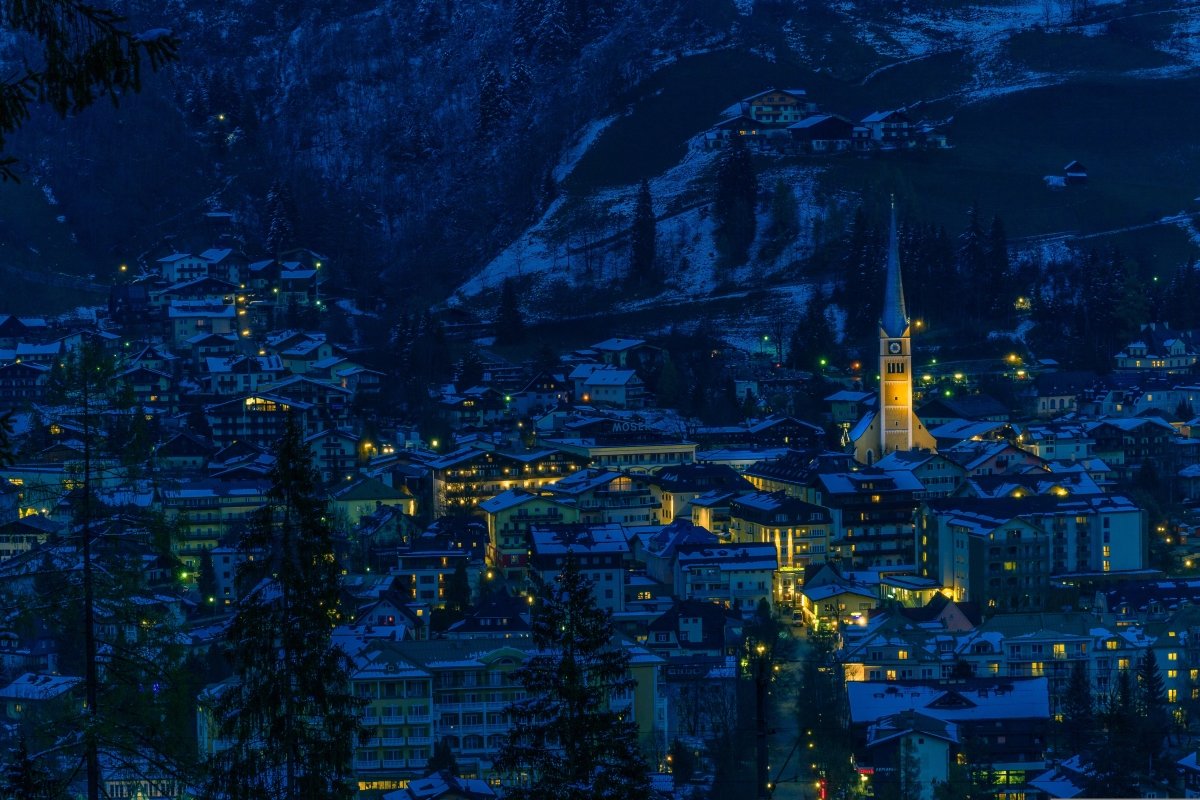
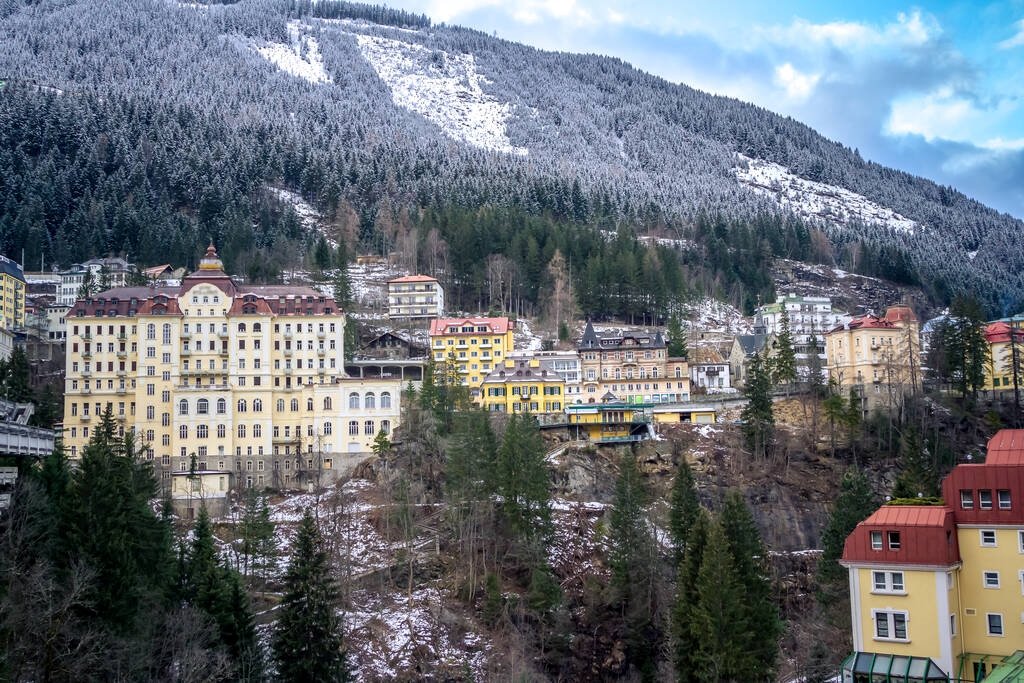
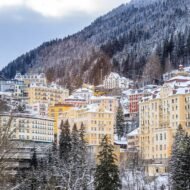
Imagine if Wes Anderson designed a thermal spa town – that’s Bad Gastein. This dramatically tiered village cascading down the Gastein Valley mixes faded Belle Époque grandeur with thermal springs that emperors, artists, and royalty obsessed over for centuries. The waterfall thundering through the town center adds extra drama.
Thermal Healing Hub
The radon-enriched thermal water (46°C/115°F) makes this place unique. The Felsentherme Spa complex has indoor and outdoor pools carved into rock faces with that famous waterfall view. But the real deal? Gastein Healing Gallery – you descend into old mining tunnels where warm, humid air with radon works on respiratory issues, arthritis, and skin conditions. Sounds weird, feels incredible.
Specialty Treatments:
- Radon thermal gallery therapy (unique to Gastein)
- Fango packs using thermal spring mud
- Kneipp therapy walks
- Traditional Austrian hay flower steam baths
Winter Scene
Expect proper Alpine winter: -6°C to 2°C (21-36°F), December through March buried in snow. But here’s the thing – Bad Gastein connects to the Ski Amadé region with 760km of slopes. Ski all day, soak all evening, then wander the eerily beautiful abandoned grand hotels at night (they’re architectural gems, despite decay).
Where to Lay Your Head
Splurge: Hotel Miramonte (€200-350/night) – modern luxury meets mountain views Mid-Range: Haus Hirt (€120-200/night) – five-star service, four-star prices, family-run since 1930 Budget: Pension Bergfried (€65-100/night) – simple, clean, breakfast included
Food & Festivities
Austrian mountain cuisine means serious schnitzel, kaiserschmarrn (shredded pancake), and apfelstrudel. Weitmoserschlössl serves upscale takes on classics. Silver Bullet Bar pours local schnapps that’ll warm you from inside. Grab provisions at Billa supermarket – prices drop significantly from restaurant rates.
Every January, Snow Jazz Gastein brings international musicians to this improbable mountain venue. Summer sees Art Gastein exhibitions installed throughout the village, including those hauntingly beautiful abandoned hotels.
Local Shopping & Traditions
Browse crystal shops (Swarovski country is close), traditional Austrian textiles, and herbal remedies at Apotheke. The village maintains old customs like the Perchtenlauf (traditional mask processions in winter) that locals take seriously.
Outdoor Playground
- Stubnerkogel suspension bridge: 140 meters long, not for the faint-hearted
- Alpine hiking: Dozens of marked trails from easy to expert
- Mountain biking: Gravity Card offers lift access to downhill trails
- Via ferrata: Multiple routes with stunning valley views
Budget Considerations
- Spa entry: €23-35
- Restaurant meal for two: €45-75
- Ski pass (1 day): €62
- Daily budget: €140-220 per person (excluding accommodation)
Smart Moves
The Gastein Card (free with overnight stays) gives free public transport and discounts. Visit shoulder seasons (May, October) for lower prices and functional facilities. Parking downtown costs €10+/day – use valley parking with free shuttle.
4. Valdieri (Cuneo), Piedmont, Italy – The Hidden Treasure
User Rating: 4.7/5 ⭐ (Based on 3,800+ reviews – smaller, but ratings are consistently high)
Why It’s Extraordinary
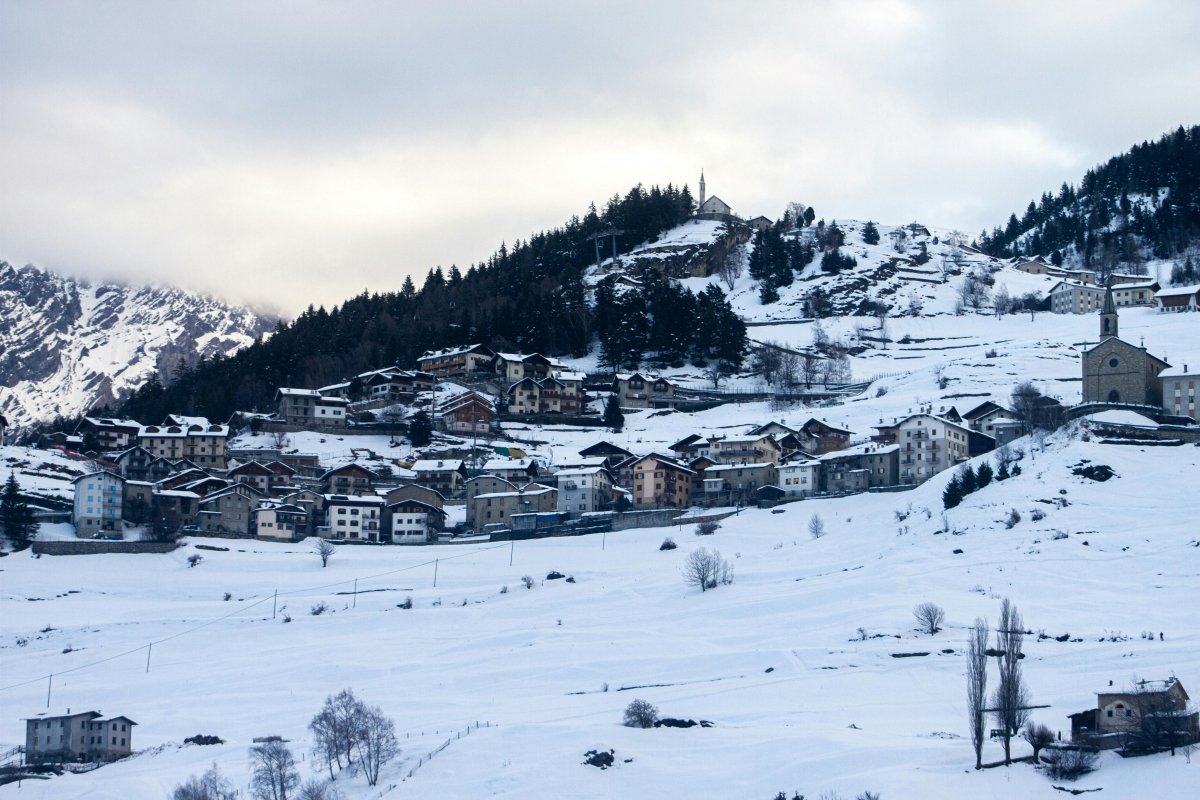
If you want to escape the crowds, this is your spot. Nestled in the Maritime Alps near the French border, Terme di Valdieri feels like a secret locals guard jealously. The thermal springs (65°C/149°F at source) were popular with Italian royalty, then abandoned, then beautifully restored. Now it’s this perfect blend of authenticity without pretension.
The Waters & Wellness
The hyperthermal sulfurous waters are seriously potent – dermatologists actually recommend this place for psoriasis, eczema, and other skin conditions. The Royal Thermal Baths feature Belle Époque architecture that transports you to another era. Smaller scale than other destinations means personalized attention and actual relaxation instead of spa-resort chaos.
Signature Experiences:
- Sulfur-rich thermal soaking pools
- Mud therapy using thermal spring sediments
- Hydromassage circuits
- Respiratory inhalation therapy
- Traditional massage with mountain herbs
Winter Reality
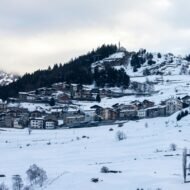
Mountains mean snow: -3°C to 6°C (27-43°F) December through February. The Maritime Alps get Mediterranean influence, so marginally milder than northern Alps but still proper winter. The nearby ski areas (Limone Piemonte, Entracque) are smaller, less crowded, and more affordable. Perfect if you want skiing without Cortina prices.
Accommodation
Luxury: Royal Thermal Palace (€180-280/night) – directly at the thermal complex, package deals available Mid-Range: Hotel Gelas (€90-140/night) – family atmosphere, mountain views Budget: B&B Valderia (€55-85/night) – homestyle hospitality, massive breakfasts
Options are limited, which preserves the authentic vibe but means booking ahead, especially weekends.
Culinary & Cultural Deep Dive
This is Piedmont – truffles, hazelnuts, tajarin pasta, and wines you’ve never heard of but should know. Ristorante Lou Pourtoun serves regional specialties using valley ingredients. The Fiera della Castagna (Chestnut Festival) in October celebrates mountain food culture. Local bakeries sell testa (traditional cookies) and birulì (potato gnocchi).
Shopping is genuinely local: honey producers, cheese makers, wool items from valley sheep. Zero tourist trap energy.
Mountain Culture
Valdieri maintains Occitan traditions – a distinct Alpine culture with its own language, music, and customs. Summer brings traditional festivals with Occitan dancing and music. The Maritime Alps Regional Park protects rare Alpine flora and wildlife – this is where conservation meets culture.
Outdoor Adventures
- Valle Gesso: Pristine valley with waterfalls and wildlife
- Hiking: Routes to Alpine lakes, refuges, and mountain passes
- Wildlife watching: Ibex, chamois, marmots in natural habitat
- Summer: Rock climbing, via ferrata routes
- Winter: Ski touring, snowshoeing through silent forests
Budget Breakdown
- Thermal bath day pass: €15-25
- Meal for two (mid-range): €40-60
- Ski pass (nearby resorts, 1 day): €38-45
- Daily budget: €100-180 per person (excluding accommodation)
This is the most affordable destination on this list without sacrificing quality.
Insider Knowledge
Book thermal bath appointments in advance – limited capacity keeps it peaceful. Combine with a trip to French Mercantour National Park (30 minutes). The thermal season runs April through November; winter access is limited. Learn a few Italian phrases – English speakers are rarer here, which adds to authenticity.
5. Ovronnaz, Switzerland – The Sunny Secret
User Rating: 4.5/5 ⭐ (Based on 6,100+ reviews)
What Sets It Apart
Perched at 1,350 meters on a sun-drenched plateau above the Rhône Valley, Ovronnaz claims 300+ days of sunshine annually. The thermal water (27-34°C/81-93°F) feels gentler than super-hot springs, making this ideal for families or those who prefer moderate temperatures. Plus, you get Swiss quality without Leukerbad’s crowds.
Thermal Experience
Centre Thermal features indoor/outdoor pools, including a massive outdoor infinity pool where you float gazing at Valais Alps peaks. The thermal water contains sodium, calcium, and sulfate – less mineral-heavy than other destinations but still therapeutic for circulation, muscle tension, and relaxation. The vibe is chill, family-friendly Swiss efficiency.
Spa Menu:
- Aqua-fitness classes in thermal pools
- Massage therapies using Swiss Alpine botanicals
- Thermal pool circuits for circulation
- Hammam and sauna complex
- Beauty treatments with thermal water products
Winter Conditions
Milder than other destinations thanks to that sun-trap position: -2°C to 8°C (28-46°F) in winter. The small ski area (20km of slopes) suits beginners and families perfectly – no lift lines, affordable, and you can ski in the morning and soak by afternoon. February brings consistent snow and sunshine combo.
Accommodation Choices
Upscale: Hôtel & Spa La Colline (€150-280/night) – direct thermal access, contemporary design Mid-Range: Hôtel Le Fachaux (€100-170/night) – traditional Swiss hospitality, thermal bath packages Budget-Friendly: Residence Ovronnaz (€80-130/night for apartments) – self-catering option, great for families
Food & Local Life
Valais cuisine revolves around cheese and dried meats. Try raclette at Restaurant Le Muveran or cholera (that veggie pie again) at Café Buvette. The village is tiny – two small grocery stores, handful of restaurants – which means eating at your accommodation or planning ahead makes sense.
Local artisans sell pain de seigle (rye bread), dried beef, and mountain cheeses at Saturday markets in nearby Leytron (10 minutes down valley).
Cultural Fabric
The village maintains traditional Valais architecture with wooden chalets and stone foundations. Vineyards surround the lower valley – this is serious wine country. Visit during September for grape harvest celebrations. The nearby medieval town of Saillon (15 minutes) offers more cultural depth with galleries and historical sites.
Outdoor Options
- Via Ferrata d’Ovronnaz: Thrilling climbing route with valley views
- Hiking: Network of trails through Alpine meadows and forests
- Mountain biking: Summer trails from gentle to technical
- Paragliding: Launch sites with Rhône Valley views
- Winter: Snowshoeing, winter hiking trails
Budget Reality
- Day pass (thermal baths): CHF 32
- Meal for two (mid-range): CHF 65-95
- Ski pass (1 day): CHF 42
- Daily budget: CHF 150-230 per person (excluding accommodation)
Practical Wisdom
Free parking is actually available (rare for Swiss mountain resorts). The village connects to regional bus network – Swiss Travel Pass users ride free. Book accommodation with thermal bath packages for better value. Summer (June-September) offers incredible hiking weather without winter thermal bath crowds.
Recap: Choosing Your Perfect Alpine Thermal Escape
Pick Leukerbad if: You want the full-on Alpine thermal experience with serious healing traditions, don’t mind Swiss prices, and want extensive spa facilities plus solid skiing.
Choose Bormio when: Italian culture, food, and that lived-in mountain town vibe appeal to you, plus you want historical Roman baths with modern spa options and excellent skiing.
Opt for Bad Gastein if: Belle Époque architecture, unique radon therapy, and that slightly melancholic beauty of faded grandeur speaks to your soul, and you want access to massive ski terrain.
Valdieri calls you if: You prioritize authenticity over amenities, want to discover somewhere genuinely off-the-beaten-path, appreciate smaller scale and better value, and love Piedmont culture.
Ovronnaz suits you when: You want family-friendly Swiss quality without the crowds or extreme prices, prefer milder temperatures (weather and water), and value sunshine over snow intensity.
Universal tips across all destinations:
- Book thermal bath treatments and accommodations 2-3 months ahead for winter/summer peaks
- Pack a reusable water bottle – mountain tap water is pure gold
- Bring slip-on shoes for easy on/off at thermal facilities
- Most thermal baths require bathing suits (no nude bathing except designated areas)
- Consider multi-day spa passes for better value
- Train connections to all these villages are excellent – you don’t need a car
- Download offline maps – mountain signal can be spotty
Disclaimer
This travel guide provides general information based on typical visitor experiences, publicly available data, and aggregated reviews as of early 2025. Individual experiences vary significantly based on season, specific accommodation choices, personal preferences, and current conditions.
Important considerations:
- Prices fluctuate: All budget figures are estimates and vary by season, exchange rates, and individual establishments. Always verify current pricing directly with providers.
- Medical advice: While thermal springs offer therapeutic benefits, this guide does not constitute medical advice. Consult healthcare providers before thermal therapy if you have health conditions, are pregnant, or take medications.
- Weather unpredictability: Mountain weather changes rapidly. Described conditions represent averages, not guarantees.
- Accessibility: Not all thermal facilities or mountain villages accommodate all mobility levels. Research specific accessibility features based on your needs.
- COVID/Health protocols: Health and safety requirements may change. Check current entry requirements and facility protocols before traveling.
- Ratings methodology: User ratings aggregate multiple platforms (Google, TripAdvisor, Booking.com) and represent general satisfaction trends, not scientific measurements.
Travel responsibly:
- Respect local communities and traditions
- Follow mountain safety protocols
- Support local businesses when possible
- Practice environmental care in Alpine ecosystems
- Verify travel insurance covers mountain activities
The author and publisher assume no liability for any negative experiences, financial losses, injuries, or other issues arising from following this guide. Travelers assume all responsibility for their own safety, financial decisions, and travel planning.
Ready to trade your stress for sulfur-scented serenity? These five Alpine thermal villages offer something money usually can’t buy: authentic mountain culture combined with waters that have been healing humans for millennia. Whether you’re chasing Roman history in Italian grottos or floating in Swiss infinity pools surrounded by 4,000-meter peaks, these places deliver that rare combo of adventure, relaxation, and cultural immersion.
The mountains and hot springs aren’t going anywhere – but your vacation days are. Time to book that thermal escape and find out why emperors, artists, and now savvy travelers keep returning to these magical Alpine springs.
What’s stopping you from soaking in 2,000-year-old Roman baths or floating in thermal water while snow falls around you? Drop that search into “flights to [destination]” and make it happen.