
















TL;DR: From the Northern Lights dancing over Norway’s Arctic wilderness to Slovenia’s fairy-tale lake frozen in time, Europe transforms into a photographer’s paradise each winter. Whether you’re chasing snow-capped peaks, charming Christmas markets, or Instagram-worthy frozen landscapes, these five destinations deliver unforgettable winter magic without breaking the bank.
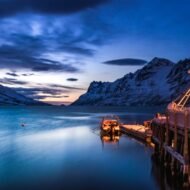
- 1. Tromsø, Norway: Where the Sky Puts on a Show
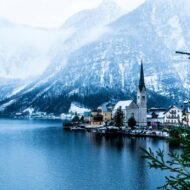
- 2. Hallstatt, Austria: The Village That Broke Instagram
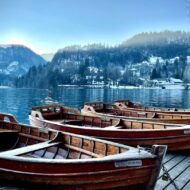
- 3. Lake Bled, Slovenia: Underrated and Absolutely Stunning
- 4. Reykjavik & Iceland’s Golden Circle: Raw, Dramatic, Unforgettable
- 5. Prague, Czech Republic: Gothic Charm Meets Winter Wonderland
- Final Thoughts
- Disclaimer
Winter in Europe isn’t just a season—it’s an entire vibe. While everyone’s posting beach photos in summer, savvy travelers know that Europe’s cold months offer something way more special: fewer crowds, lower prices, and landscapes so stunning they’ll make your Instagram followers do a double-take.
Let’s dive into five winter destinations that are absolute gold for anyone who loves travel, photography, or just wants to experience something genuinely magical.
1. Tromsø, Norway: Where the Sky Puts on a Show
Best Time to Visit: November to March
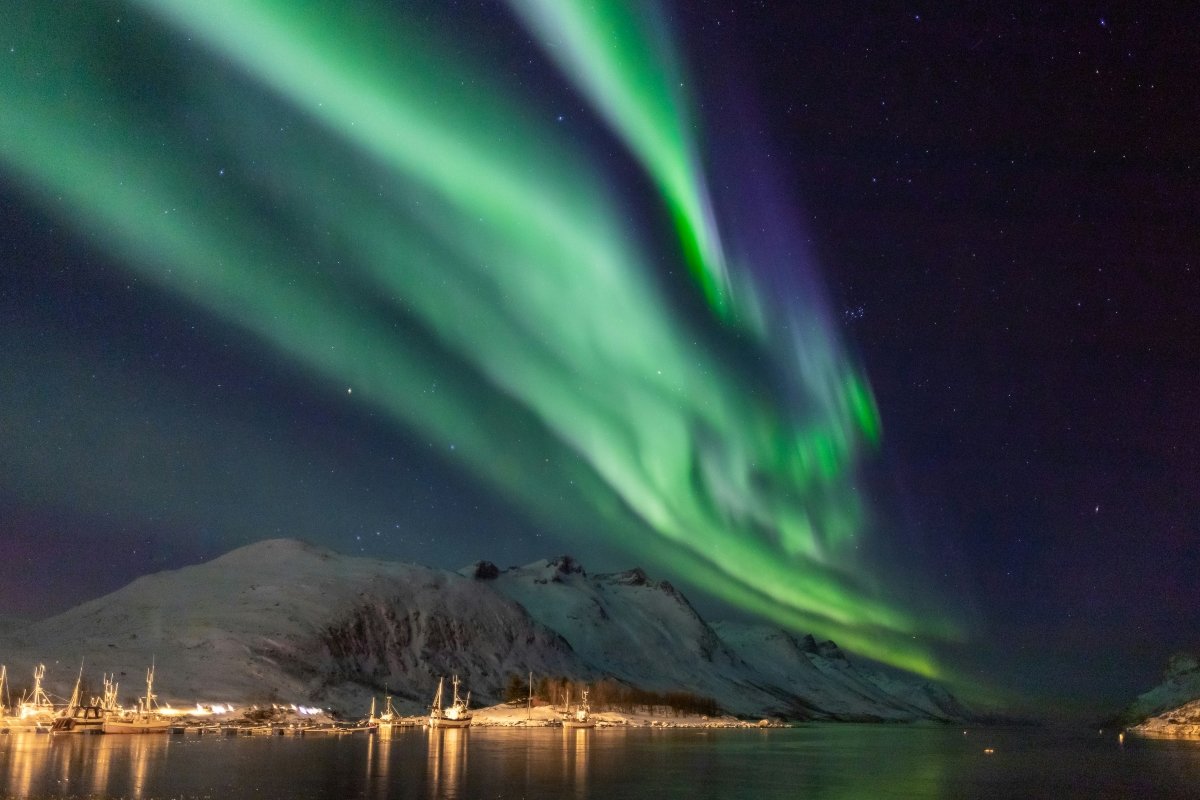
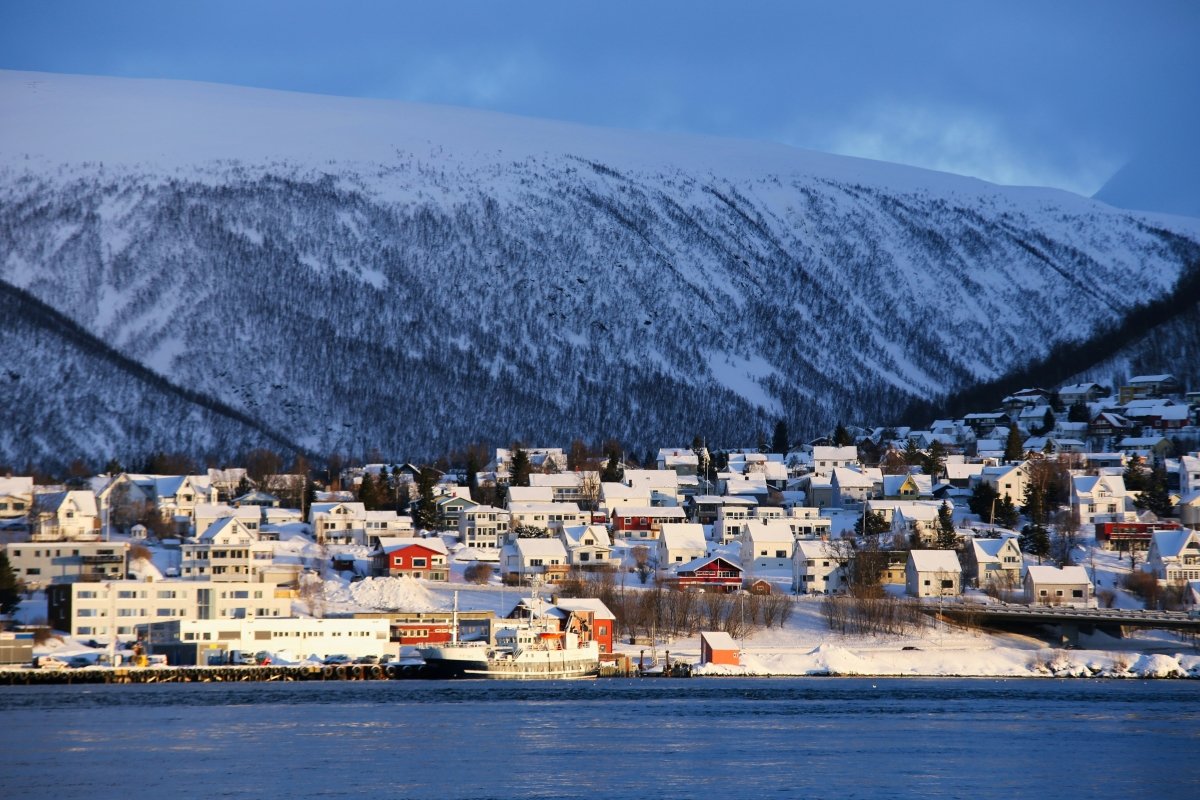
Picture this: you’re standing in the Arctic Circle, the temperature’s sitting at a cozy -5°C, and suddenly the sky explodes with ribbons of green, purple, and pink light. Welcome to Tromsø, your front-row seat to nature’s greatest light show.
Why It’s Photogenic AF
Tromsø isn’t just about the Northern Lights (though honestly, that alone is worth the trip). The city sits surrounded by dramatic fjords and snow-covered mountains that glow pink during the brief daylight hours. Pro tip: the “blue hour” here lasts for ages, giving you endless opportunities for moody, atmospheric shots.
What to Do
- Chase the Aurora: Book a guided tour or rent a car and head out of the city. The lights are visible right from town, but darker skies = better photos
- Ride the Fjellheisen Cable Car: Get panoramic views of the city and surrounding peaks—absolutely stunning at dusk
- Try Dog Sledding: Nothing beats gliding through silent, snow-covered forests with a team of enthusiastic huskies
- Visit the Arctic Cathedral: This architectural gem looks like it’s made of ice and reflects beautifully in winter light
Budget Tips
Accommodation ranges from budget hostels (€30-50/night) to cozy cabins (€100-150/night). Eat like locals do—hit up grocery stores for lunch supplies and save restaurants for dinner. Many Northern Lights tours cost €100-150, but if you’re patient and have a car, you can chase them yourself for free.
Getting There
Fly into Tromsø Airport from major European cities. Oslo and Stockholm offer the most frequent connections, with flights starting around €100-200 round-trip if you book ahead.
2. Hallstatt, Austria: The Village That Broke Instagram
Best Time to Visit: December to February
If winter had a screensaver, it would be Hallstatt. This tiny Alpine village looks like someone took every winter fairy-tale you’ve ever read and condensed it into one impossibly charming location. Mountains? Check. Lake? Check. Houses that look like gingerbread creations? Triple check.
Why It’s Photogenic AF
Hallstatt sits on the edge of a crystal-clear lake, backed by towering mountains that seem to go on forever. In winter, morning mist rolls off the water, snow dusts the colorful houses, and the whole place glows with Christmas lights. The famous postcard view from the Market Square is legitimacy jaw-dropping in winter.
What to Do
- Hit the Classic Viewpoint: Walk to the north shore of the lake for that iconic shot everyone comes for—but go at sunrise or sunset for fewer people
- Explore the Salt Mines: They’ve been operating for 7,000 years, and the underground tours are fascinating (plus, warm!)
- Take the Skywalk: Cable car up to the viewing platform for mind-blowing panoramas of the Dachstein massif
- Wander the Old Town: Get deliciously lost in narrow streets lined with 16th-century Alpine houses
Budget Tips
Hallstatt gets pricey during peak season (Christmas and New Year’s), so consider visiting in January or February. Stay in nearby Bad Goisern or Obertraun where hotels are 30-40% cheaper (€60-100/night vs. €150-250/night). Day-trippers flood in between 10 AM-4 PM, so explore early morning or evening for a more peaceful experience.
Getting There
Salzburg is your gateway city (90 minutes by train/car). Many travelers combine Hallstatt with Vienna or Munich for a multi-city winter adventure. MORE READ..
3. Lake Bled, Slovenia: Underrated and Absolutely Stunning
Best Time to Visit: December to February
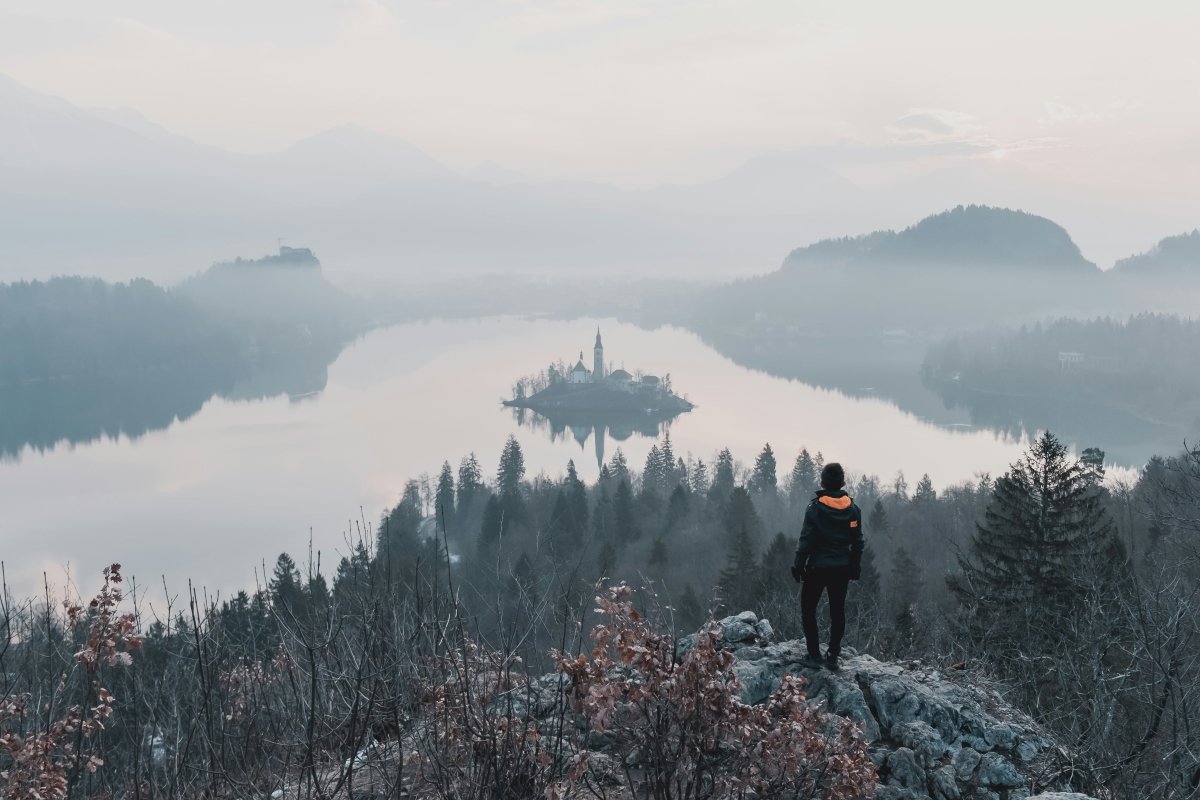
Here’s a destination that delivers serious wow-factor without the Western Europe price tag. Lake Bled features an emerald-green lake, a medieval castle perched on a cliff, and—wait for it—a tiny island with a church you can only reach by traditional wooden boat. When winter hits, everything gets dusted with snow, and it becomes straight-up enchanting.
Why It’s Photogenic AF
That island church is photographic catnip in any season, but winter adds a whole new dimension. The Julian Alps create a dramatic backdrop, and when the lake partially freezes, you get these incredible ice formations along the shore. Early morning fog creates an ethereal, almost mystical atmosphere that’s perfect for dreamy photography.
What to Do
- Hike to Mala Osojnica: It’s a steep 20-minute climb, but you’ll get the best elevated view of the lake and island
- Visit Bled Castle: Perched 130 meters above the lake, it offers killer views and fascinating medieval history
- Try Kremšnita: This custard cream cake is Bled’s signature dessert—warm yourself up with a slice at Park Hotel
- Day Trip to Vintgar Gorge: In winter, the waterfalls partially freeze into incredible ice sculptures
Budget Tips
Slovenia is genuinely affordable. Expect to pay €50-80/night for quality accommodation, and meals at local restaurants run €10-15. Skip the touristy lakeside restaurants and head into town for authentic Slovenian food at fraction of the price. The city of Ljubljana is only 45 minutes away and even more budget-friendly.
Getting There
Fly into Ljubljana (the capital) and rent a car or take a bus (€6-8, 1.5 hours). Many budget airlines serve Ljubljana from across Europe, with flights often under €100 round-trip. MORE READ..
4. Reykjavik & Iceland’s Golden Circle: Raw, Dramatic, Unforgettable
Best Time to Visit: November to March
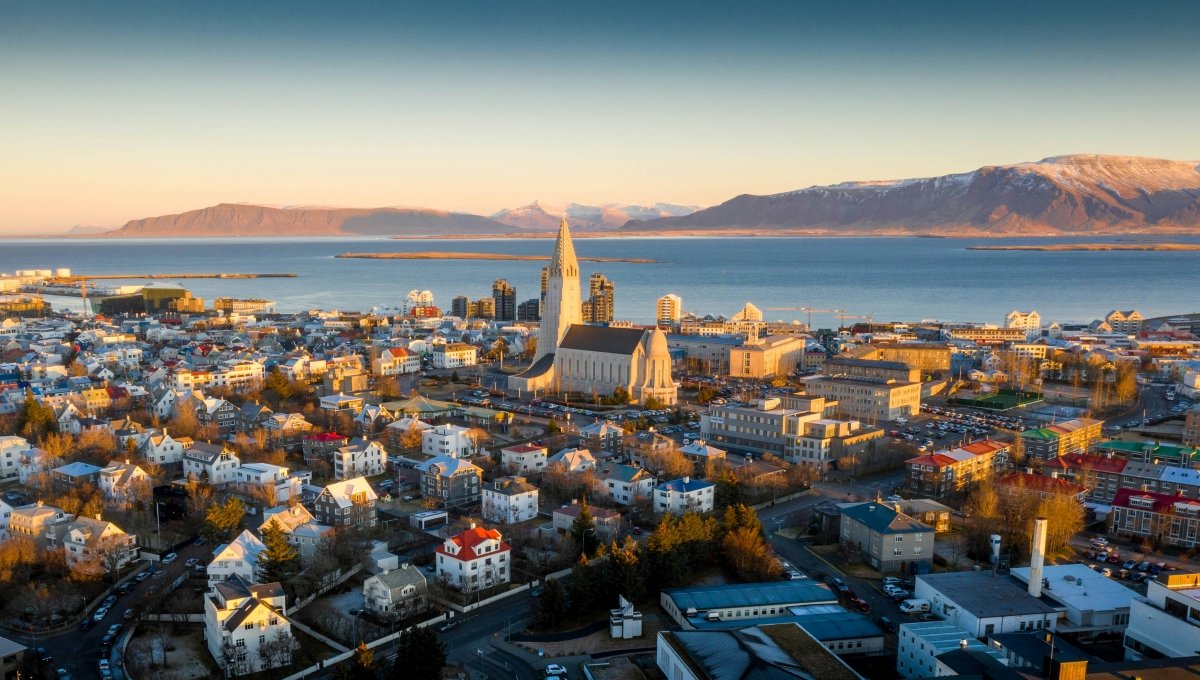
Iceland in winter is for travelers who want their landscapes served with a side of drama. We’re talking massive waterfalls partially frozen mid-cascade, black sand beaches dusted with snow, geothermal pools steaming in freezing air, and—if you’re lucky—the Northern Lights dancing overhead. It’s intense, it’s beautiful, and it’s utterly unique.
Why It’s Photogenic AF
Where do we even start? The contrast between fire and ice creates incredible visual drama. Iceland’s waterfalls like Gullfoss look completely different in winter when ice formations frame the rushing water. Black sand beaches like Reynisfjara become otherworldly when snow-covered. And those famous geothermal pools? They create mystical steam clouds against frozen landscapes.
What to Do
- Drive the Golden Circle: Hit Þingvellir National Park, Geysir geothermal area, and Gullfoss waterfall in one epic day
- Soak in the Blue Lagoon: Yes, it’s touristy, but soaking in hot mineral water while snow falls on your face is genuinely magical
- Chase Waterfalls: Seljalandsfoss and Skógafoss are both stunning and accessible even in winter
- Hunt for the Northern Lights: Take a tour or drive yourself to dark sky areas outside Reykjavik
Budget Tips
Iceland has a reputation for being expensive, and honestly, it kind of is. But you can manage costs by staying in Airbnbs or guesthouses (€80-120/night), shopping at Bonus supermarkets, and cooking some of your own meals. Rent a car with friends and split costs—it’s way cheaper than tours and gives you flexibility. Winter is actually off-season for Iceland (fewer tourists!), so prices drop 20-30% compared to summer.
Getting There
Multiple airlines fly direct to Reykjavik from European cities, with budget carriers like Wizz Air and PLAY offering competitive rates (often €150-300 round-trip). The city center is just 45 minutes from the airport.
5. Prague, Czech Republic: Gothic Charm Meets Winter Wonderland
Best Time to Visit: December to February
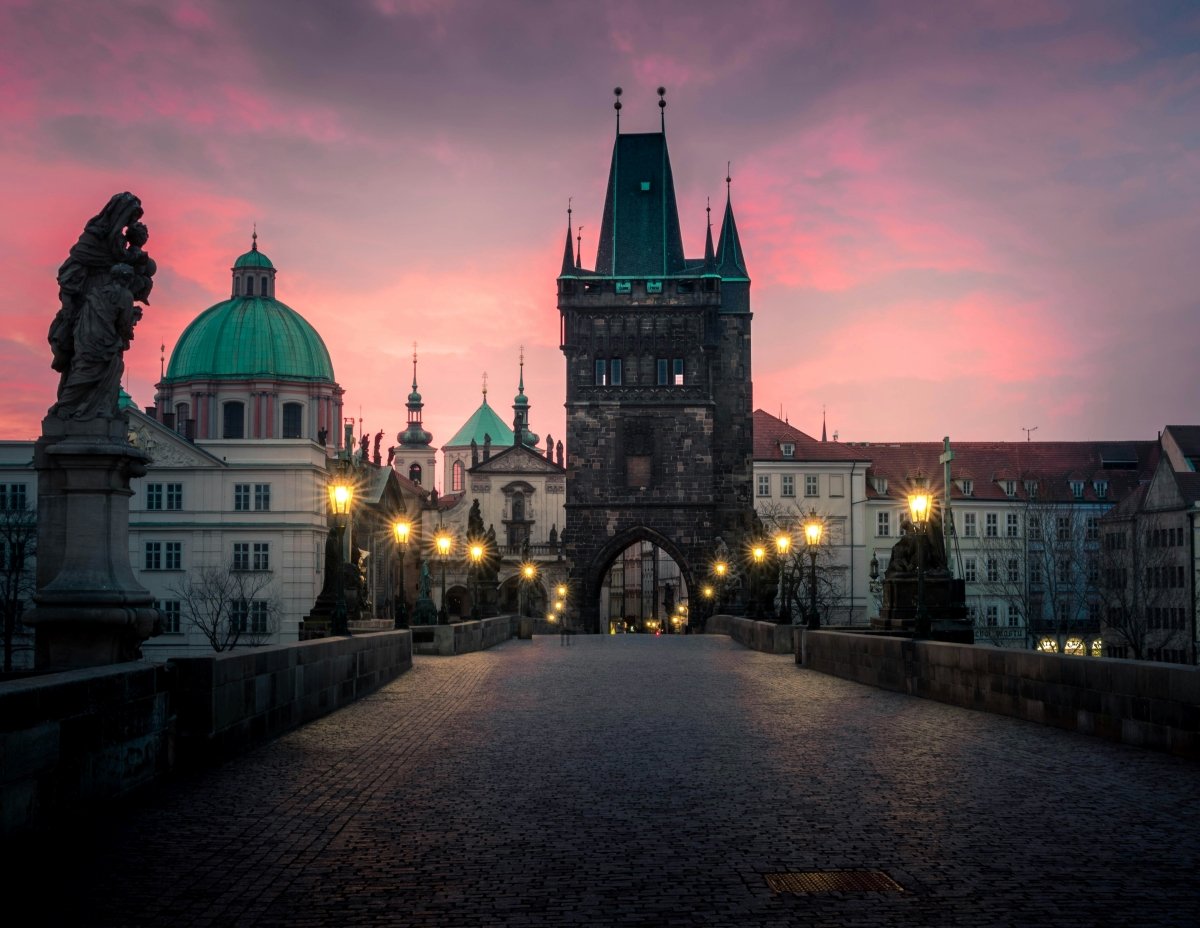
Prague is stunning year-round, but winter transforms it into something out of a Gothic fairy tale. Snow-dusted spires, medieval bridges lit by gas lamps, Christmas markets selling mulled wine—it’s atmospheric as hell and perfect for anyone who loves that moody European vibe.
Why It’s Photogenic AF
Prague’s architecture is insanely photogenic, from the Astronomical Clock to Charles Bridge to Prague Castle. Add winter lighting, snow, and those moody gray skies, and you’ve got endless opportunities for dramatic shots. The Christmas markets (which run through early January) add twinkling lights and festive atmosphere to already gorgeous squares.
What to Do
- Walk Charles Bridge at Dawn: Beat the crowds and catch the bridge in soft morning light with mist rising from the Vltava River
- Explore Prague Castle: Europe’s largest ancient castle complex, with stunning Gothic cathedral and panoramic city views
- Visit the Christmas Markets: Old Town Square and Wenceslas Square host atmospheric markets with handmade crafts and Czech treats
- Climb the Astronomical Clock Tower: The views over snow-dusted red roofs are absolutely worth the stairs
Budget Tips
Prague remains one of Europe’s most affordable capital cities. Quality hotels run €60-100/night, traditional Czech meals cost €8-12, and beer is famously cheaper than water. Many museums and attractions offer free entry one day per week. Skip expensive tourist-trap restaurants near Old Town Square—walk 10 minutes in any direction for authentic food at half the price.
Getting There
Prague’s Václav Havel Airport connects to virtually every European city, with budget flights often under €100 round-trip. The city center is accessible via airport express bus (€2) or taxi (€20-30).
Final Thoughts
Winter in Europe isn’t about escaping the cold—it’s about embracing it. These five destinations prove that some places are actually better when temperatures drop. You’ll deal with shorter days and the occasional need for serious layering, but in return, you get landscapes that look like they’ve been lifted from fantasy novels, way fewer tourists, and travel experiences that feel genuinely special.
The best part? Winter is technically off-season for most of Europe, meaning better prices on flights and hotels, plus you can actually enjoy these places without fighting through massive crowds for photos. Sure, you’ll need to pack smart and plan around limited daylight, but those magical blue hours and long evenings create lighting conditions that summer simply can’t match.
Whether you’re a serious photographer hunting for that perfect shot, a budget traveler looking for affordable European adventures, or someone who just wants to experience something genuinely beautiful, winter in Europe delivers. So grab your warmest coat, charge your camera batteries, and get ready for some of the most photogenic travel experiences of your life.
Pro tip for all destinations: Bring extra camera batteries—they drain fast in cold weather. Keep them warm in inside pockets when not shooting, and consider bringing a microfiber cloth to wipe condensation off your lens when moving between temperatures.
Disclaimer
Travel information including prices, weather conditions, and accessibility can change. Always verify current entry requirements, travel restrictions, and local conditions before booking your trip. Prices mentioned are approximate and based on 2024/2025 winter season averages—your actual costs may vary depending on booking timing, travel style, and seasonal fluctuations.
While every destination featured is accessible to travelers of all backgrounds and abilities, some activities (like hiking viewpoints or ice cave tours) may present physical challenges. Many locations offer alternative accessible experiences—check with local tourism offices for specific accessibility information.
This guide represents personal travel recommendations and experiences. Your individual experience may differ. Always practice responsible tourism, respect local customs and environments, and travel sustainably whenever possible.