


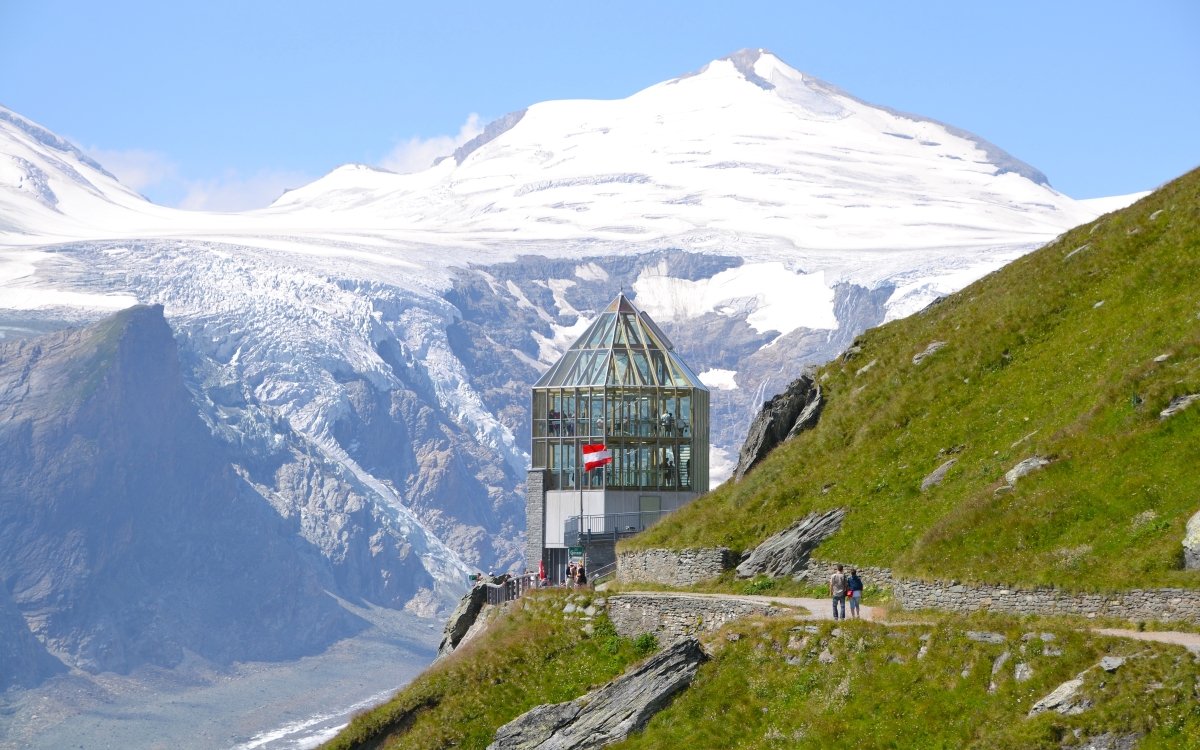
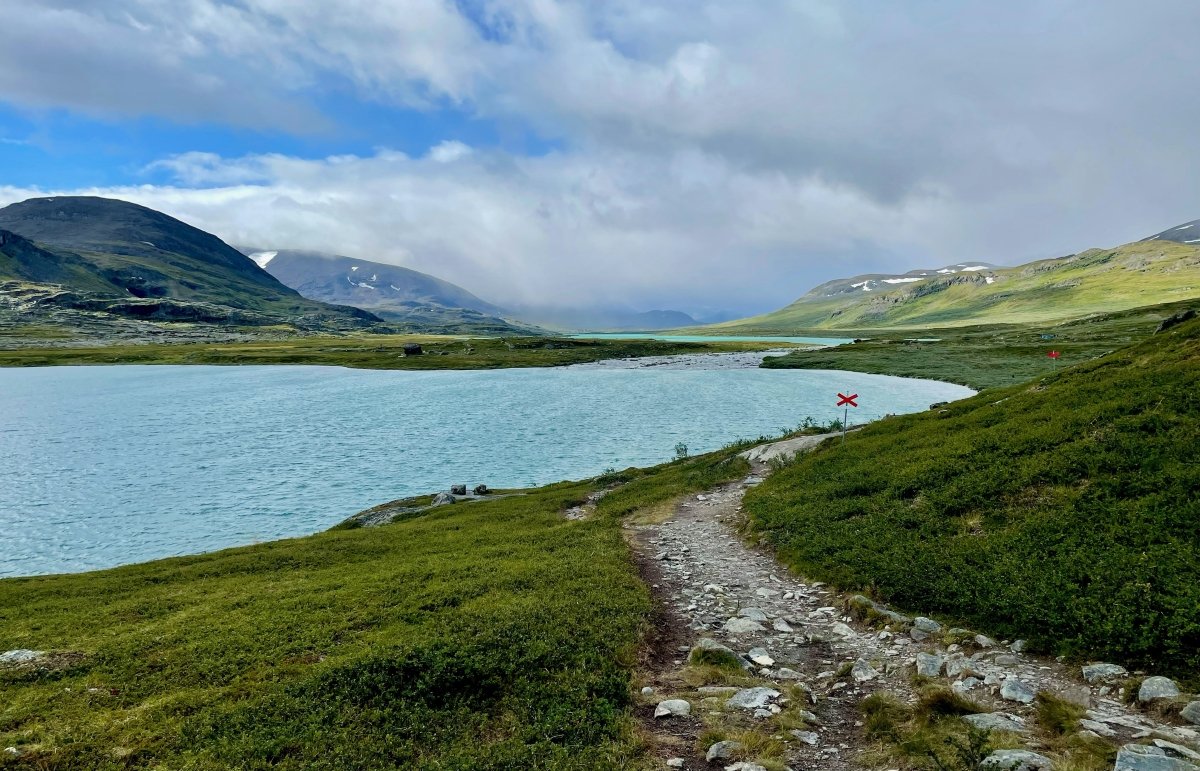
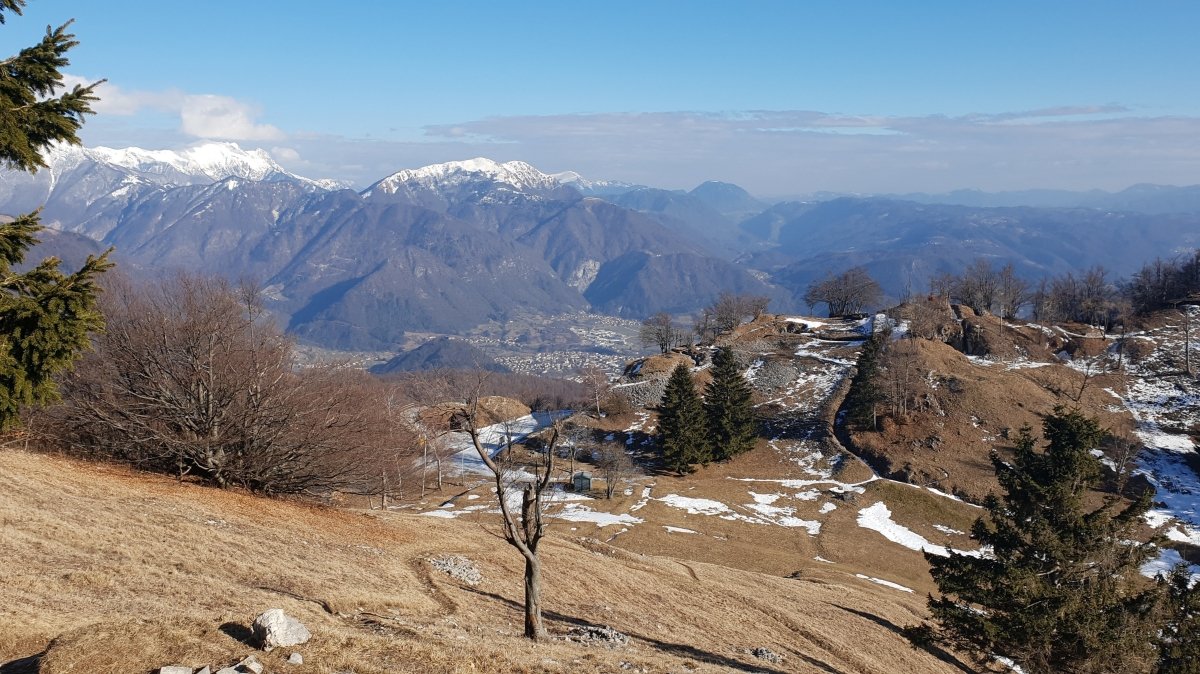
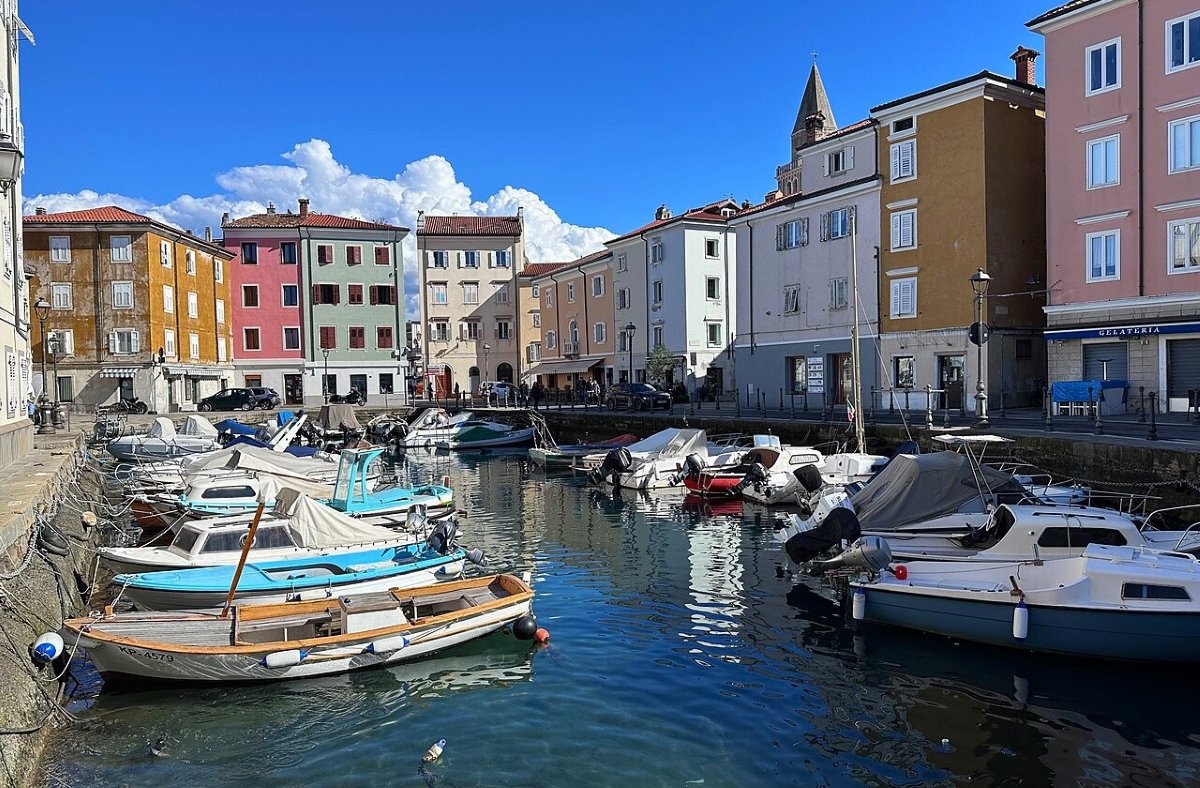

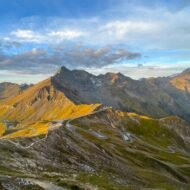
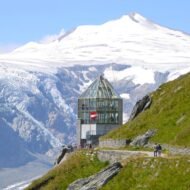
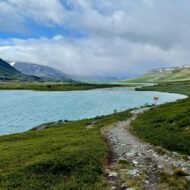
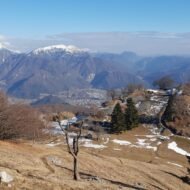





TL;DR: Europe’s Top Eco Trails , The Eco-Trail Essentials , No time to read it all? Here’s what you need to know: Europe has some seriously gorgeous eco-certified trails that don’t trash the environment. From Austrian Alpine bliss to Portuguese coastal vibes, these five trails prove that responsible tourism and unforgettable hiking aren’t mutually exclusive. Most offer wallet-friendly eco-lodges, public transport access, and community-focused tourism. Read on to find your next adventure.
- Know Before You Go
- Why You Should Care About Eco-Trails (And Your Instagram Will Thank You)
- 1. The Alpe-Adria Trail: The “Pleasure Trail” of Europe
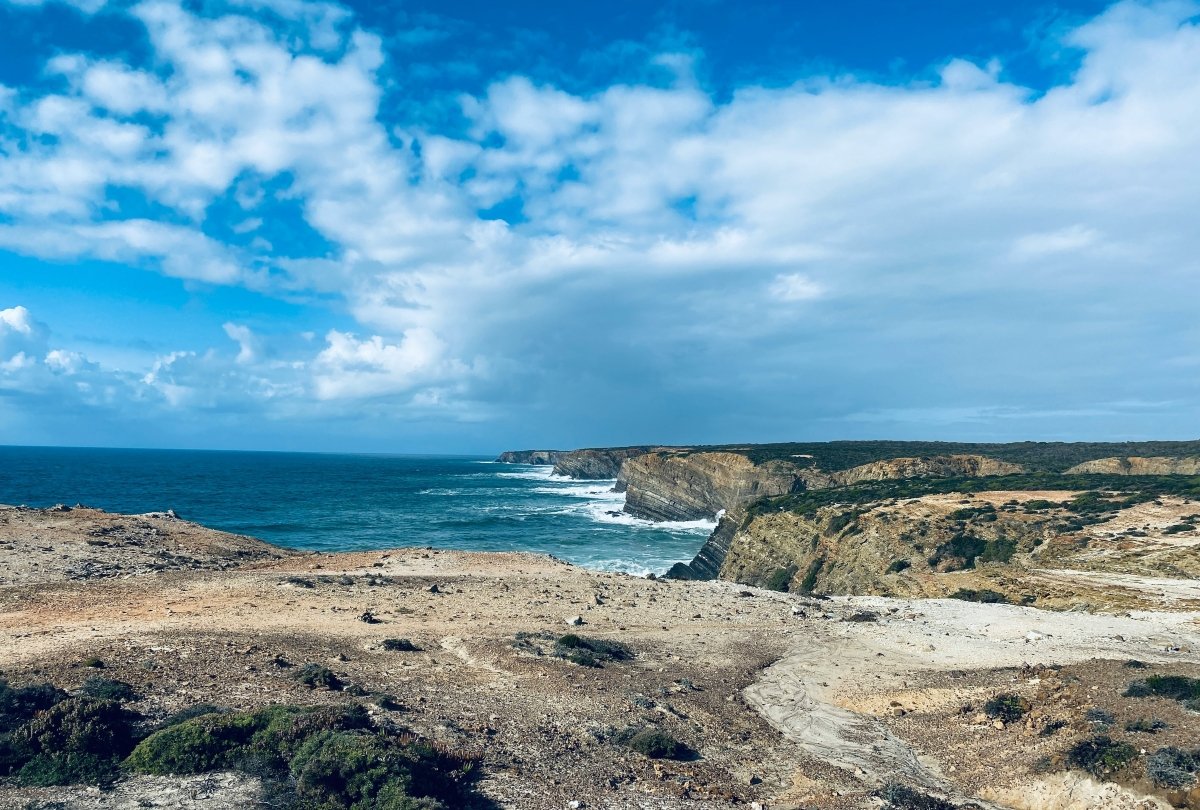
- 2. Rota Vicentina: Where Wild Atlantic Meets Local Livelihoods
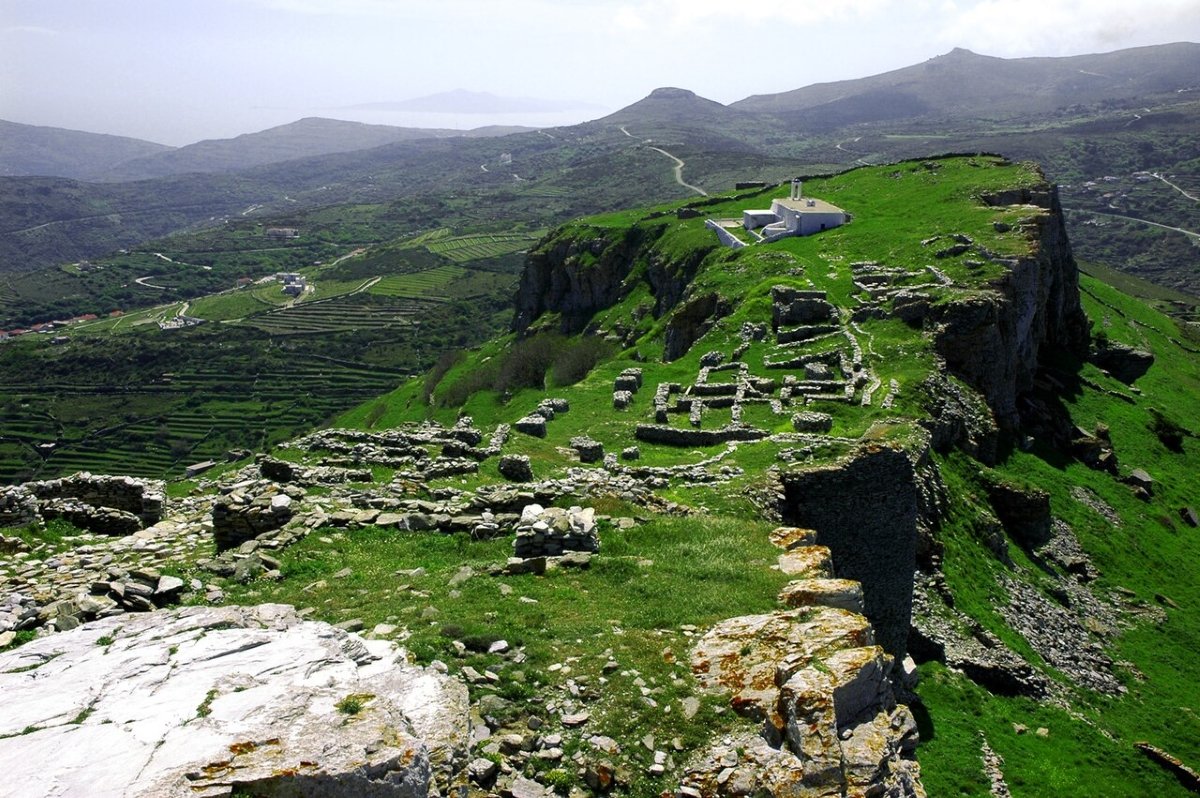
- 3. The Andros Route: Ancient Paths and Volunteer-Powered Preservation
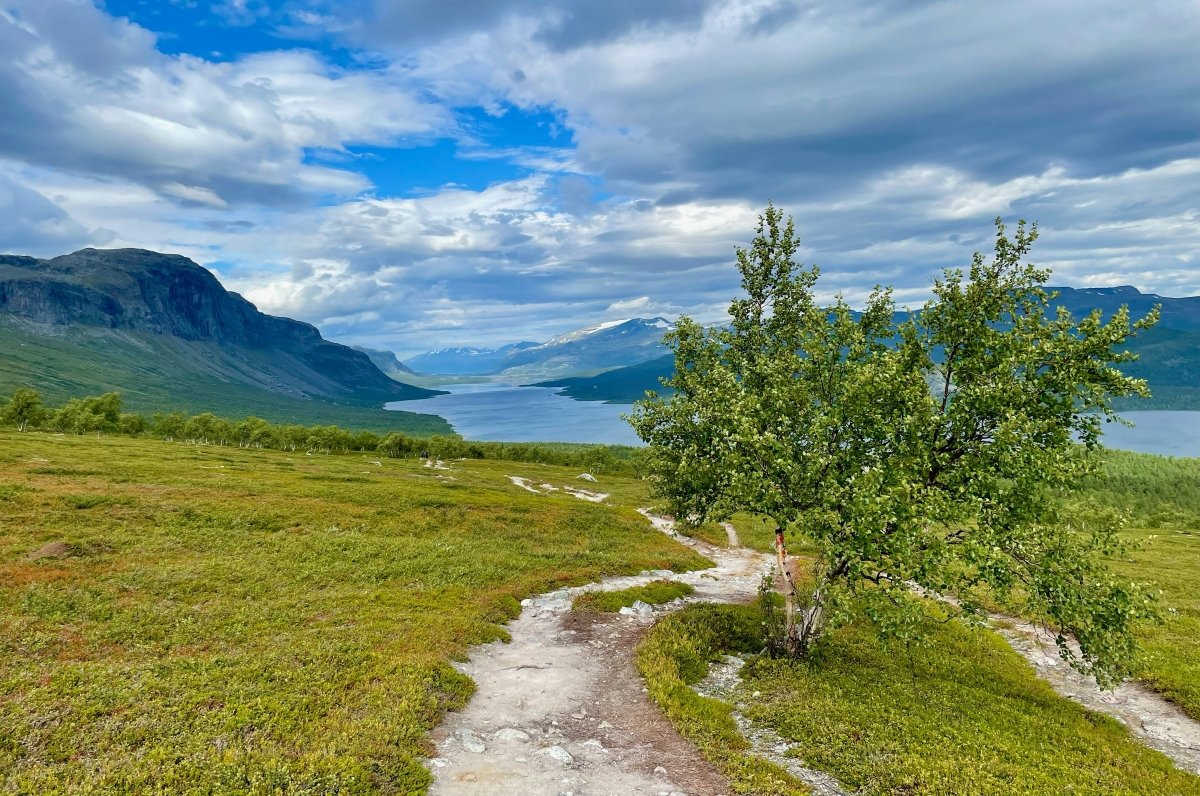
- 4. Kungsleden: Arctic Wilderness Meets Indigenous Respect
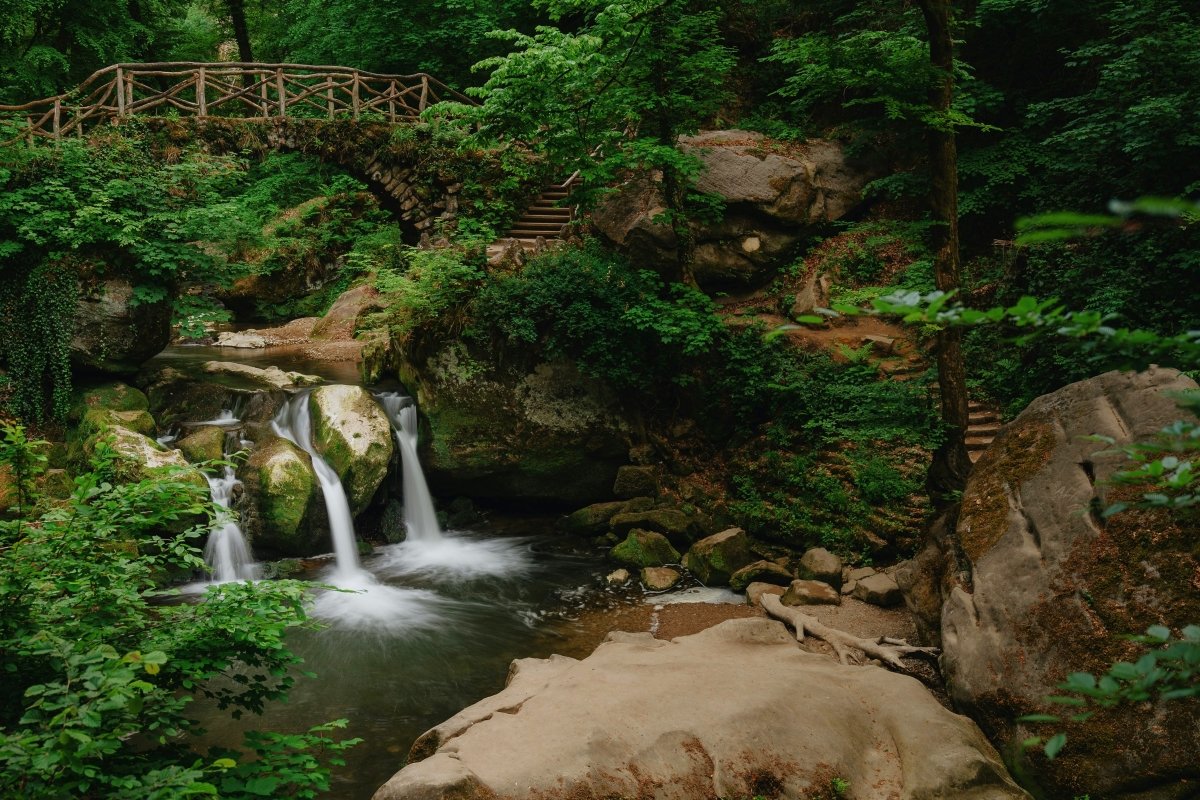
- 5. The Mullerthal Trail: Luxembourg’s Secret Weapon
- The Bottom Line
- Important Disclaimer
Know Before You Go
| Trail | Difficulty | Best Season | Duration |
|---|---|---|---|
| Alpe-Adria (Austria, Slovenia, Italy) | Moderate to Hard | June – September | 43 stages |
| Rota Vicentina (Portugal) | Easy to Moderate | April – October | 12+ days |
| Andros Route (Greece) | Easy to Moderate | May – October | 5–10 days |
| Kungsleden (Sweden) | Moderate to Hard | July – August | 6–10 days |
| Mullerthal Trail (Luxembourg) | Easy | April – October | 3–5 days |
Why You Should Care About Eco-Trails (And Your Instagram Will Thank You)
Look, hiking is amazing. But hiking where the locals actually benefit from your visit? Where the mountains aren’t getting trampled into oblivion? That’s the stuff that keeps you coming back. These five European trails have cracked the code on sustainable tourism—and we’re here to spill the tea on why they’re worth the flight.
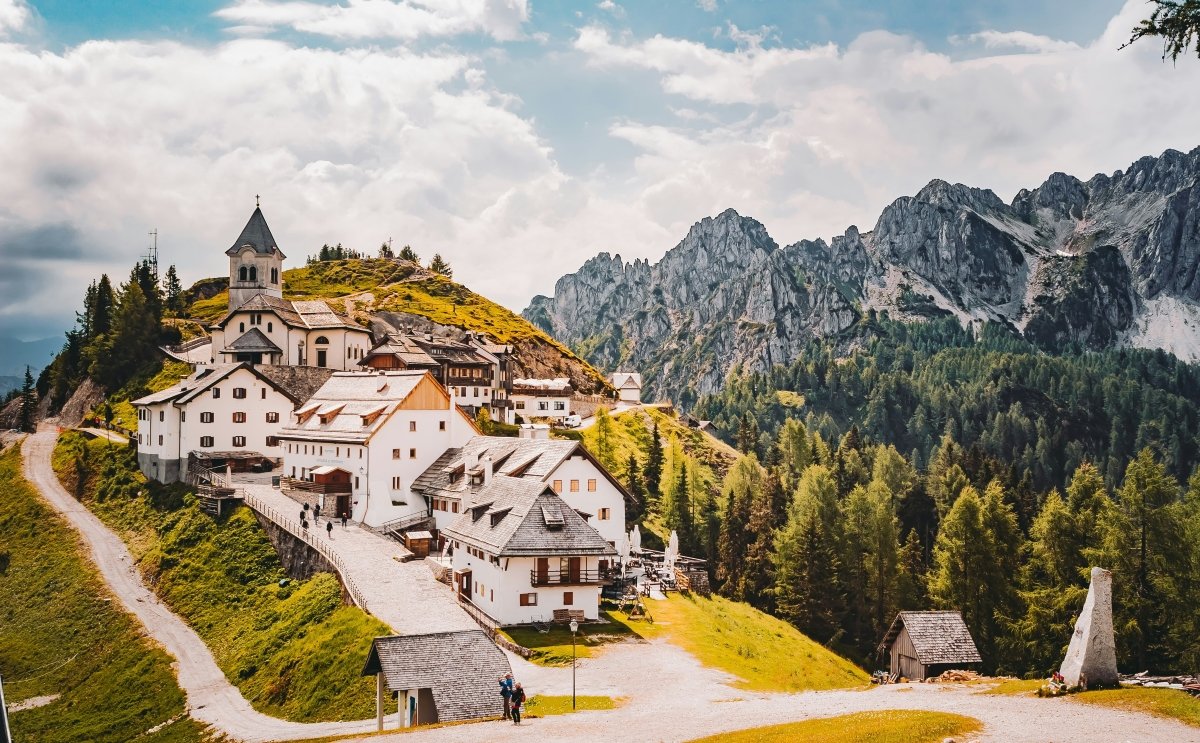
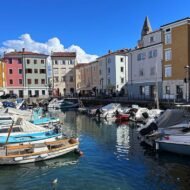
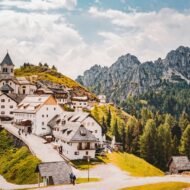
1. The Alpe-Adria Trail: The “Pleasure Trail” of Europe
The Vibe
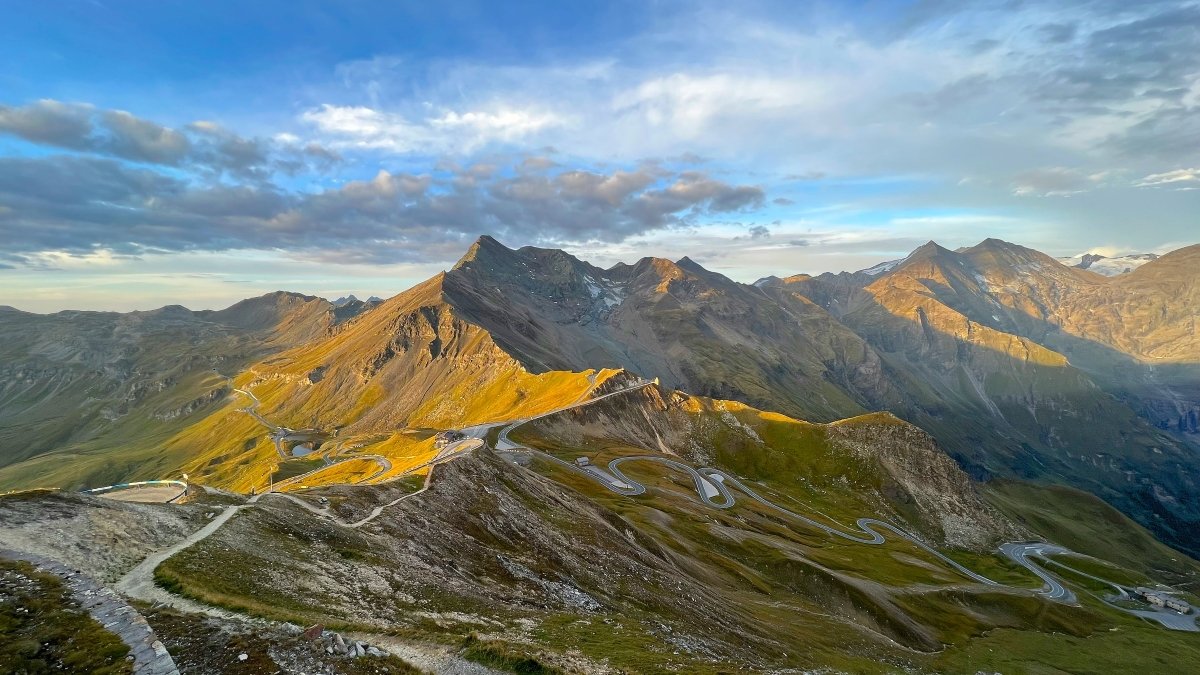
Think slow food, but for hiking. This 43-stage Alpine masterpiece stretches across Austria, Slovenia, and Italy, encouraging travelers to linger rather than rush. You’re not just passing through—you’re moving through like you’re actually enjoying life. Revolutionary concept, right?
Why It’s an Eco-Champion
The Alpe-Adria Trail operates on the principle of “Slow Movement,” which sounds like something a wellness influencer invented, but it actually works. A dedicated Booking Center exclusively promotes eco-certified guesthouses, meaning your accommodation euros go directly to places that actually give a damn about the environment. The trail prioritizes public transport links between stages, so you can literally leave your rental car behind without guilt.
The Highlight
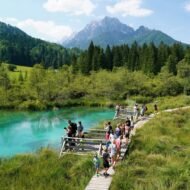
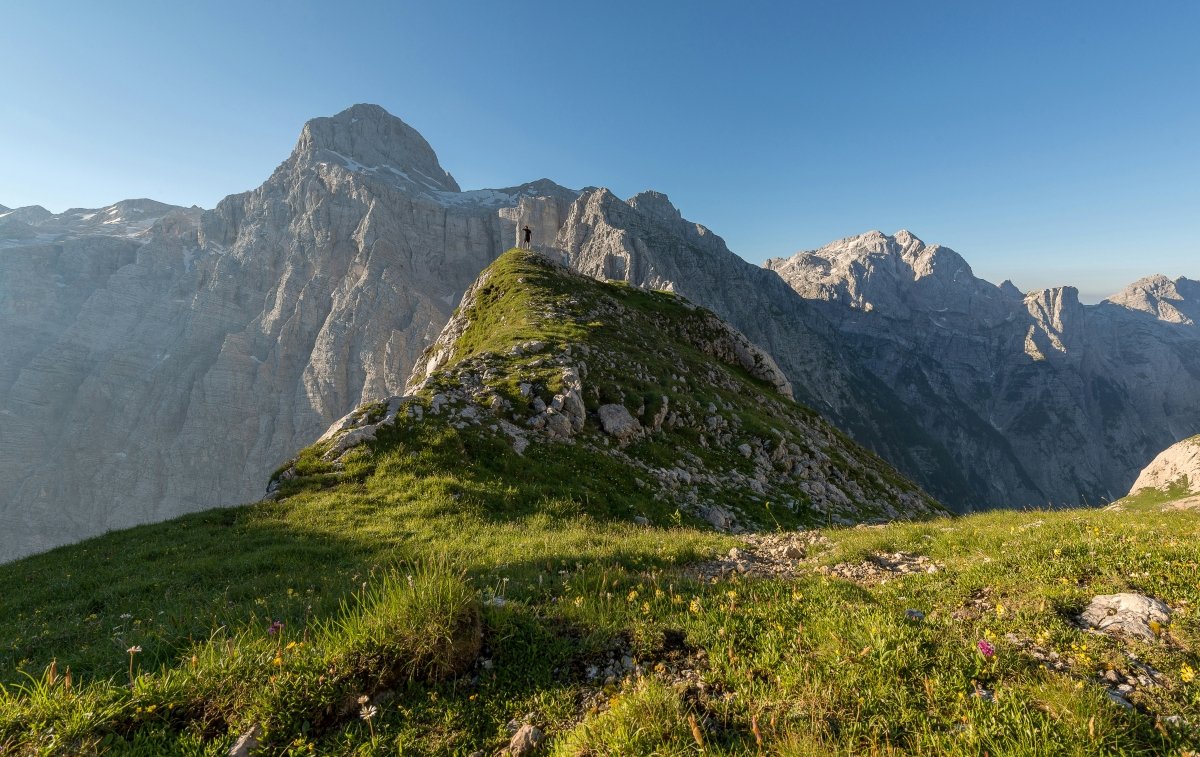
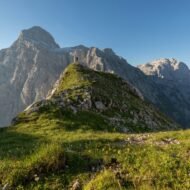
The Slovenian section through Triglav National Park is basically the golden standard for trail sustainability. Crystal-clear waste management systems, volunteer-led biodiversity protection, and medieval paths that have been restored to their former glory. It’s what responsible tourism looks like when it’s actually doing its job.
2. Rota Vicentina: Where Wild Atlantic Meets Local Livelihoods
The Vibe
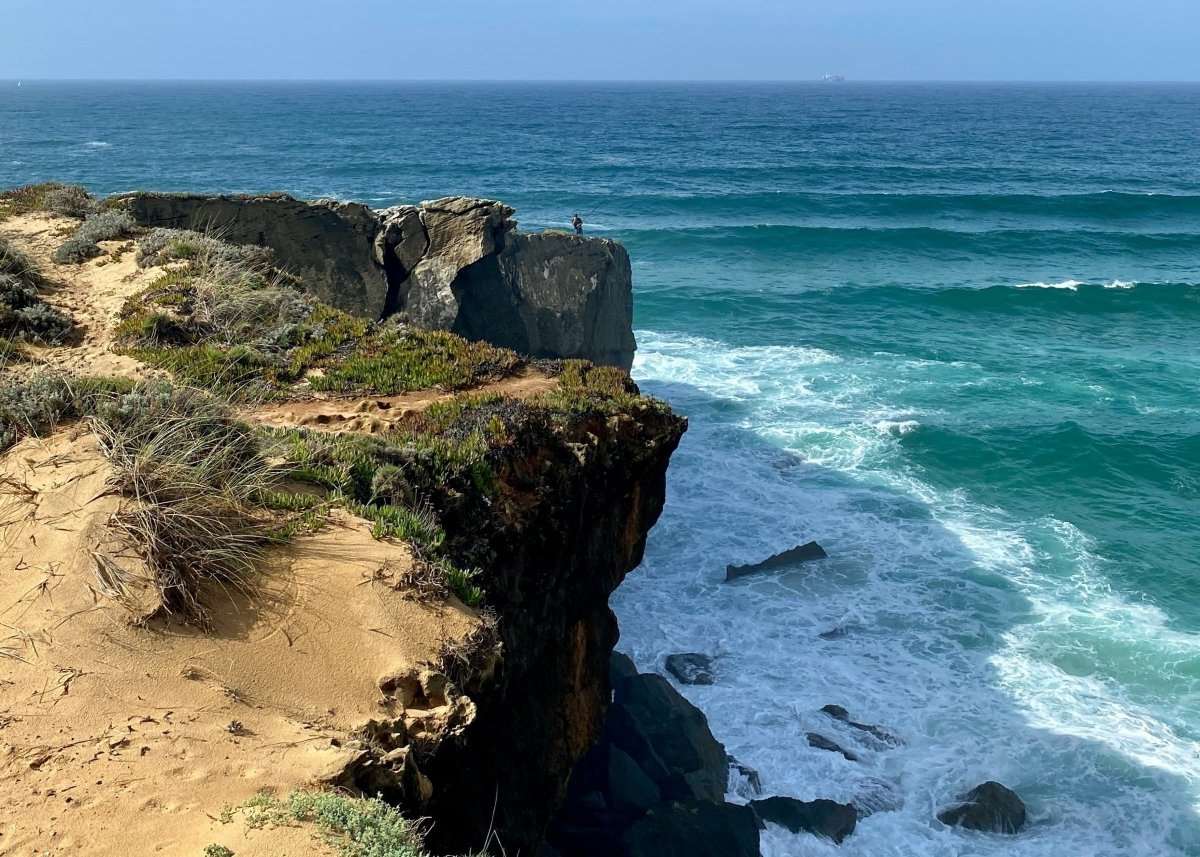
Dramatic coastal cliffs. Cork oak forests. Tiny fishing villages that haven’t sold their souls to mass tourism. The Rota Vicentina in Portugal’s Alentejo and Algarve regions is basically what happens when a trail is designed by people who actually live there.
Why It’s an Eco-Champion
Here’s the thing: the Rota Vicentina isn’t just a trail operated by a for-profit company. It’s a nonprofit association dedicated to sustainable regional development. They cap hiker volumes to protect fragile coastal dunes (radical concept: limiting tourism to protect nature!), and they work directly with local farmers and artisans to ensure that your money actually stays in the community instead of disappearing into some corporate coffers in Lisbon.
The Highlight
3. The Andros Route: Ancient Paths and Volunteer-Powered Preservation
The Vibe
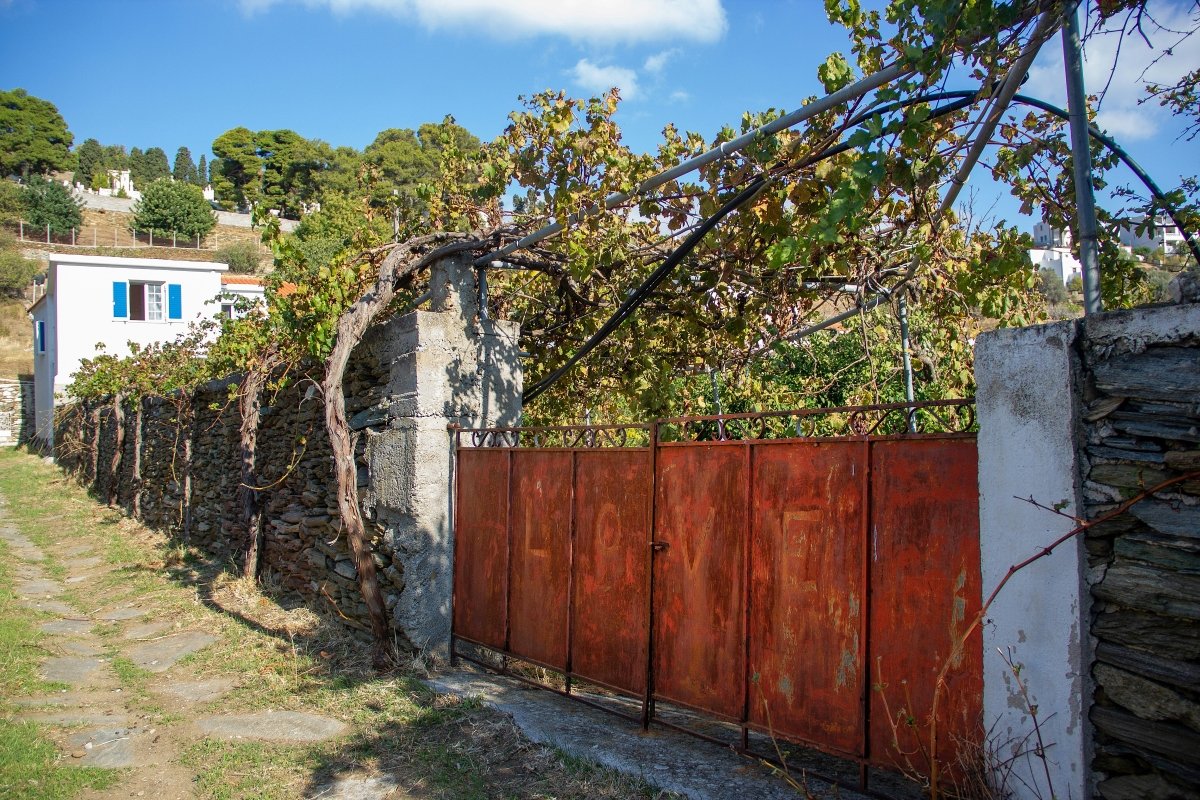
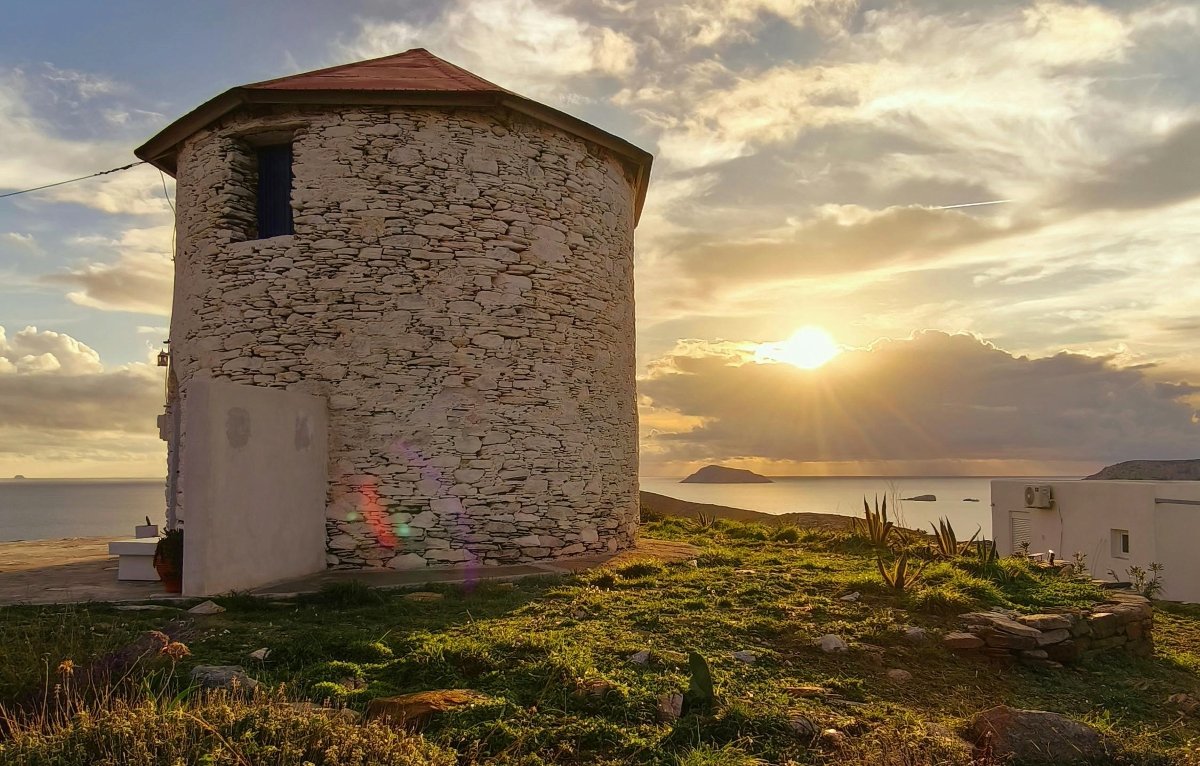
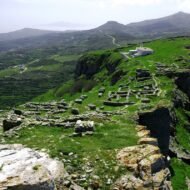
A Cycladic island with ancient stone pathways, tumbling waterfalls, and an actual commitment to sustainability. Andros is Greece’s quiet overachiever, doing serious environmental work while other islands are still figuring out recycling.
Why It’s an Eco-Champion
Andros was the first island in Europe to snag the prestigious “Leading Quality Trails – Best of Europe” certification. The entire trail network is maintained almost entirely by volunteers through the Andros Routes organization. These aren’t paid staff burning out after a season—these are locals who love their island and want to keep it beautiful.
The Highlight
Rather than bulldozing new paths, Andros practices strategic “upcycling.” Medieval pathways that were buried under decades of overgrowth get carefully uncovered and cleared. You’re hiking on history, literally. Plus, the restoration work on ancient dry-stone walls prevents soil erosion while preserving agricultural heritage. It’s so clever it might actually hurt.
4. Kungsleden: Arctic Wilderness Meets Indigenous Respect
The Vibe
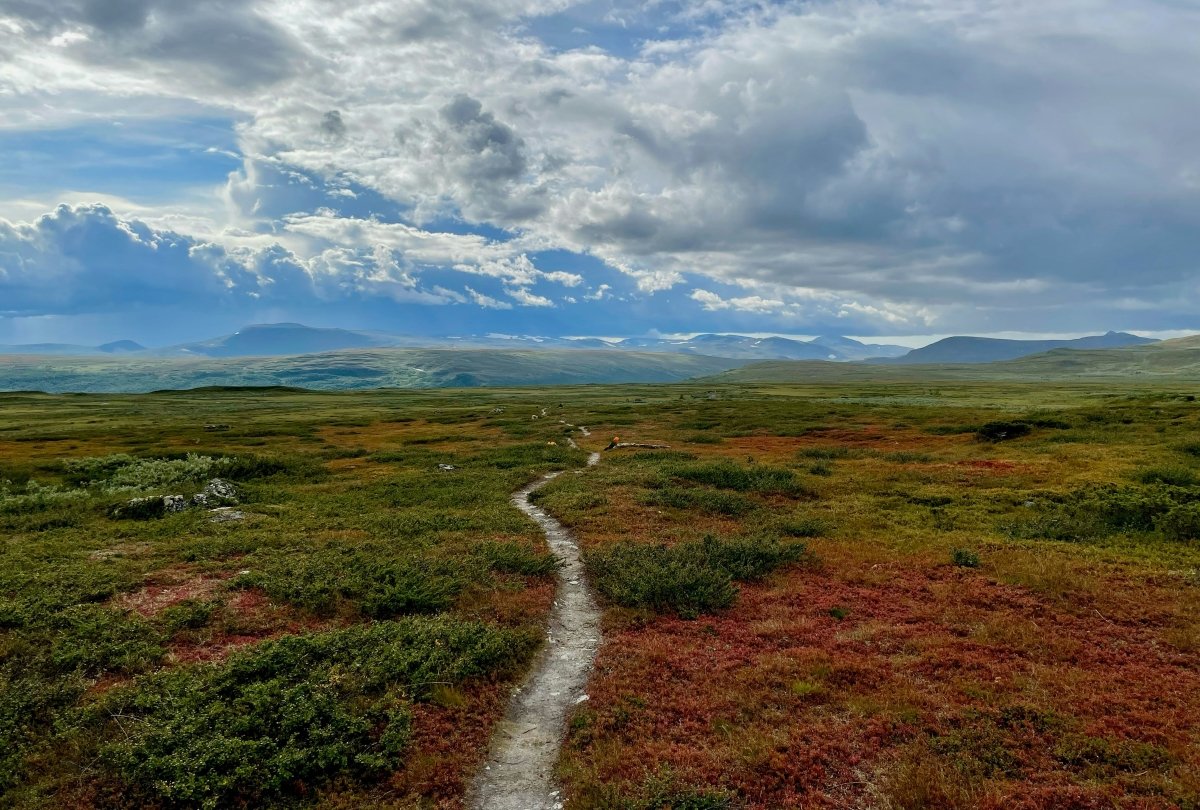
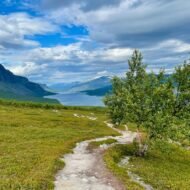
Sweden’s King’s Trail delivers the full Arctic experience: vast tundra, pristine wilderness, and the kind of silence that makes you forget the internet exists. Also, you might see a glacier melting in real-time, which is both beautiful and terrifying.
Why It’s an Eco-Champion
Kungsleden operates under the Swedish principle of Allemansrätten (the Right to Roam), a legal framework that gives everyone access to nature. But here’s where they get serious: the Swedish Tourist Association has moved toward “climate-smart” mountain cabins powered by solar energy with strict waste-separation systems. They also maintain active partnerships with the indigenous Sami people to ensure hiking routes don’t mess with reindeer herding. Respecting indigenous land use? Groundbreaking.
The Highlight
The Abisko to Kebnekaise section is education in motion. Interpretive signage explains the climate crisis and glacier retreat, turning your hike into an unnerving but essential moment of climate awareness. You’ll finish the trail understanding exactly what’s at stake in the Arctic.
5. The Mullerthal Trail: Luxembourg’s Secret Weapon
The Vibe
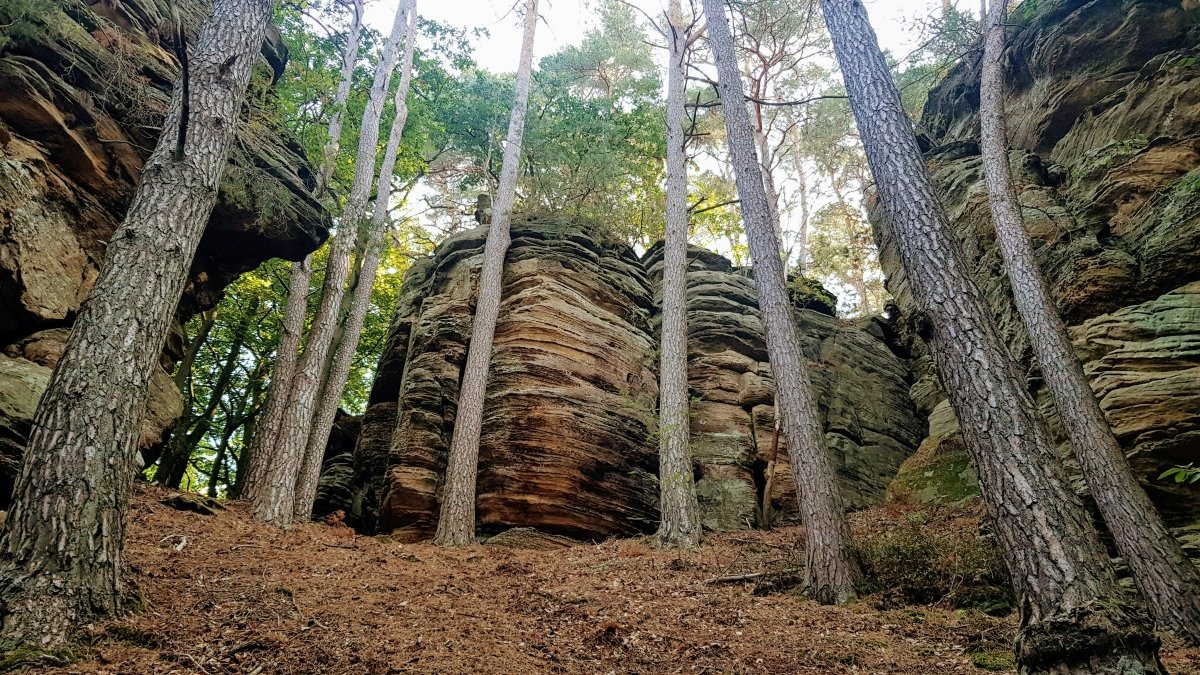
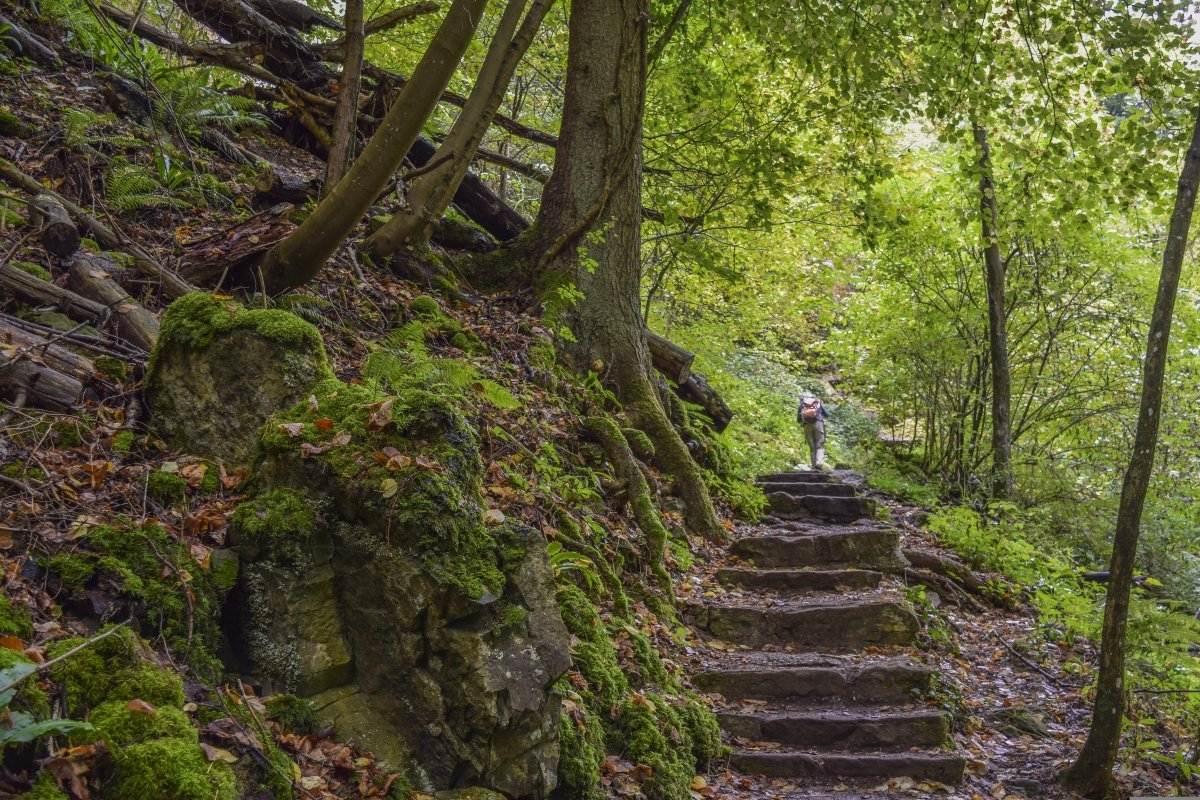
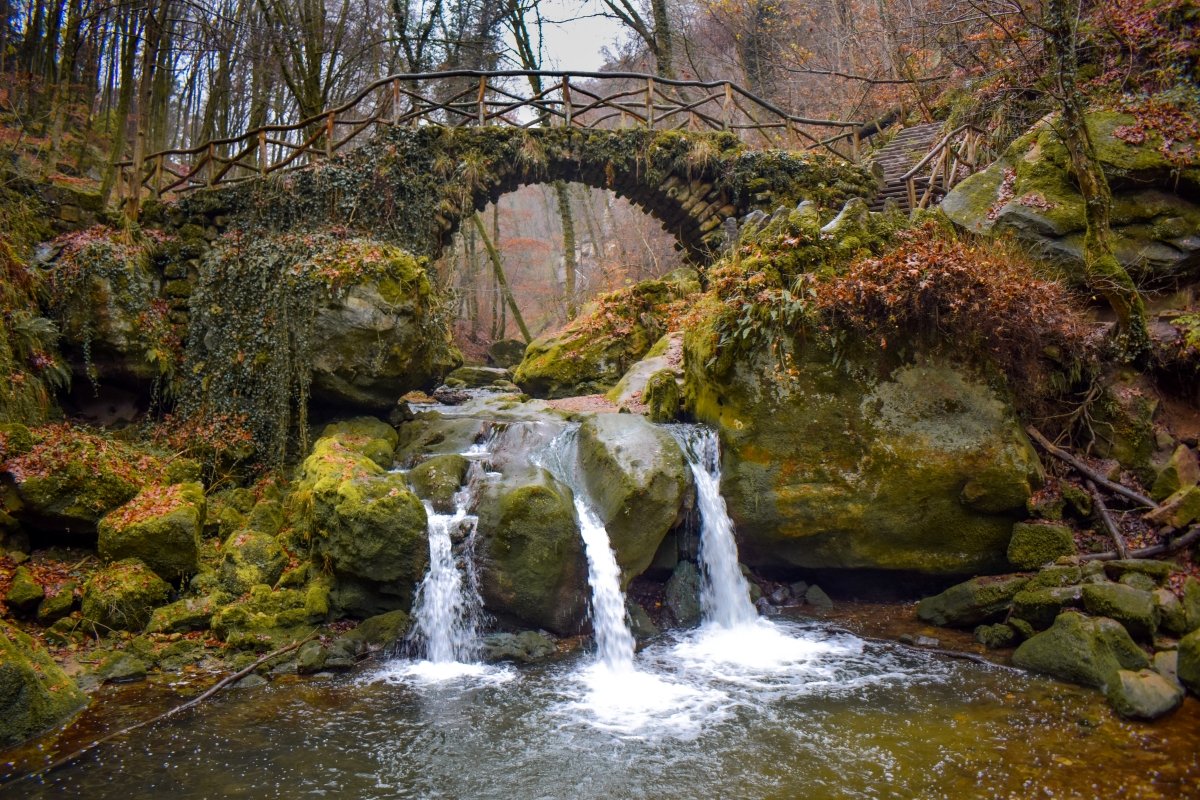
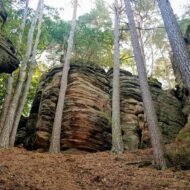
Mossy sandstone cliffs, beech forests, and canyon formations that make you feel like you’re hiking through a fairy tale. Luxembourg’s “Little Switzerland” is where dramatic landscapes meet smart infrastructure.
Why It’s an Eco-Champion
This region is another recipient of the “Leading Quality Trails” certification, and for good reason. They’ve pioneered “DIRTT” (Developing Intereuropean Resources for Trailbuilder Training) techniques—basically, they’ve figured out how to build hiking paths that naturally manage water runoff and prevent erosion, even with heavy foot traffic. It’s like they gave trails an engineering degree.
The Highlight
The absolute game-changer? Free public transportation access. Seriously. You don’t need a rental car. Your whole trail experience is carbon-light. Luxembourg just made the eco-conscious hiking game infinitely more accessible, and honestly, every other country should be taking notes.
The Bottom Line
These five European trails prove that hiking like you care about the planet isn’t just possible—it’s actually more rewarding. You get better experiences, more authentic connections with local communities, and the bonus of zero guilt about destroying pristine landscapes. That’s a win-win-win in anyone’s book.
Whether you’re looking for Slow Movement philosophy in the Alps, community-focused tourism in Portugal, volunteer-maintained paths in Greece, climate-conscious infrastructure in Sweden, or car-free adventures in Luxembourg, there’s an eco-trail with your name on it. The only question is: which one will you pick?
Important Disclaimer
Trail conditions, accessibility, and certification status can change. Always check official trail websites for the most current information about difficulty ratings, seasonal closures, accommodation options, and public transport connections before planning your trip. Environmental conditions and weather patterns may vary significantly by season. Respect all local regulations, cultural sites, and indigenous land management practices. Leave no trace, stay on marked paths, and support local communities by booking through recommended accommodations and guides. Safe travels!
Ready to explore? Start planning your eco-adventure today—your conscience (and the planet) will thank you.