

Ready to trade crowded city squares for pristine wilderness? These European national parks are calling your name – and trust us, they’re worth every penny of that flight.
- 1. Plitvice Lakes National Park, Croatia
- 2. Swiss National Park, Switzerland
- 3. Vatnajökull National Park, Iceland
- 4.Ordesa y Monte Perdido National Park, Spain
- 5. Killarney National Park, Ireland
- 6. Triglav National Park, Slovenia
- 7. Cairngorms National Park, Scotland
- 8. Hohe Tauern National Park, Austria
- 9. Jotunheimen National Park, Norway
- 10. Peneda-Gerês National Park, Portugal
- Planning Your European National Parks Adventure
- Final Thoughts
Planning your next European adventure but tired of the same old tourist traps? While everyone’s fighting for the perfect Eiffel Tower selfie, smart travelers are discovering Europe’s incredible national parks – where million-dollar views come free (well, almost), and the only crowds you’ll encounter are herds of curious wildlife.
From dramatic fjords that’ll make you question reality to ancient forests straight out of a fairy tale, Europe’s national parks offer something magical for every type of adventurer. Whether you’re a hardcore hiker, a weekend warrior, or someone who just wants to breathe some seriously fresh air, these natural wonderlands deliver experiences that no city break can match.
1. Plitvice Lakes National Park, Croatia
User Rating: 9.2/10 ⭐
Picture this: 16 terraced lakes connected by waterfalls, all nestled in a lush forest that changes colors like a mood ring throughout the seasons. Plitvice Lakes isn’t just Croatia’s oldest national park – it’s basically nature showing off.
Biodiversity Spotlight: Home to over 1,400 plant species and crucial habitat for brown bears, wolves, and lynx. The park’s unique travertine formations have been developing for over 4,000 years, creating those Instagram-worthy turquoise pools.
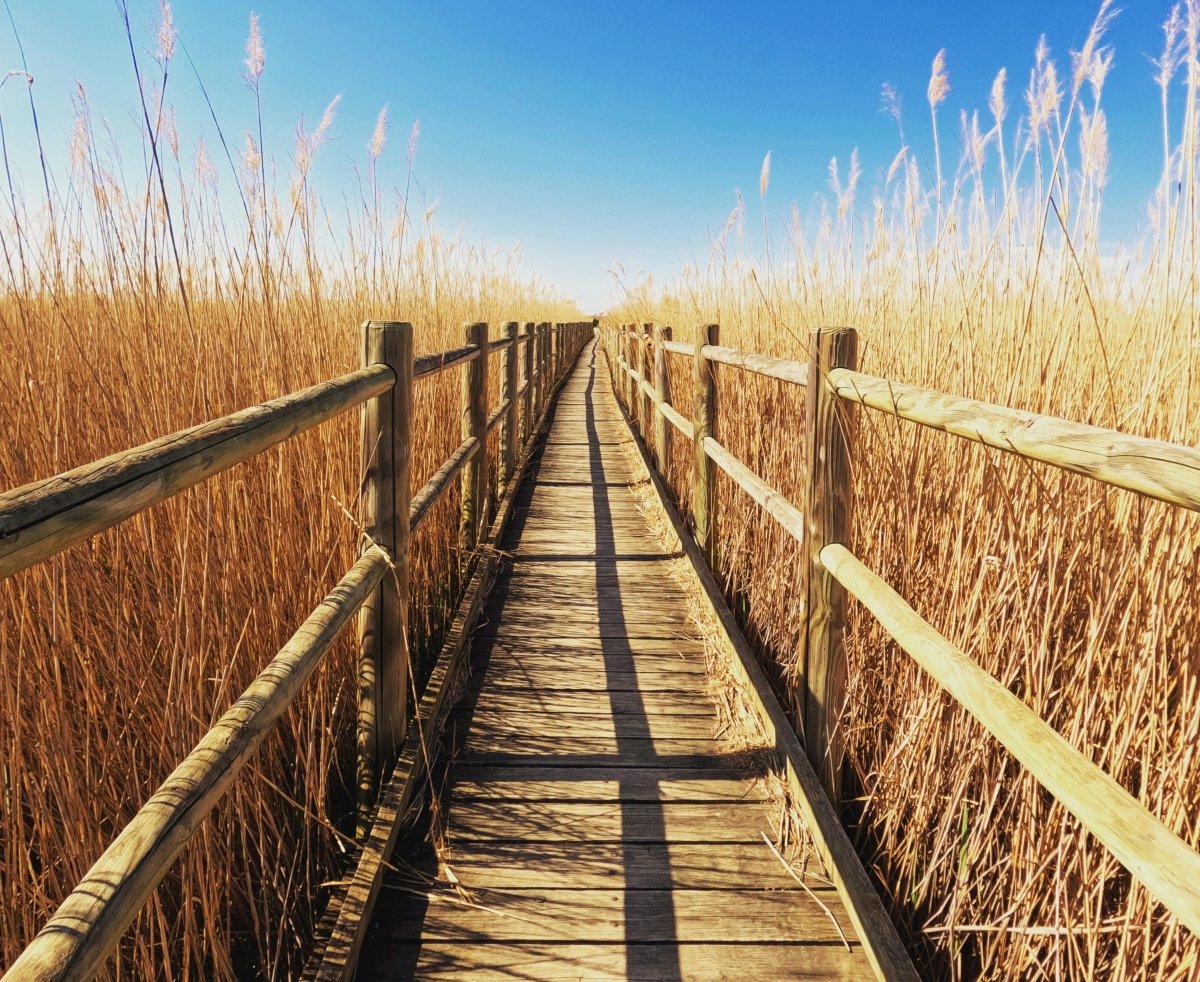
Fun Fact: The wooden walkways spanning the lakes stretch for 18 kilometers – that’s longer than many city marathons! The park’s pristine waters are so clear you can see fish swimming 20 meters below.
Activities by Season:
- Summer: Hiking, boat rides across Kozjak Lake, photography workshops, swimming (in designated areas only)
- Winter: Cross-country skiing, snowshoeing, frozen waterfall photography (though some trails close)
Getting There & Staying:
- Entry: €15-40 depending on season
- Campervan Options: Several designated areas near park entrances, plus campgrounds in nearby villages
- Accommodations: Park hotels, guesthouses in Korenica and Slunj
Pro Tip: Visit early morning or late afternoon for fewer crowds and better lighting – your camera will thank you.More read..
2. Swiss National Park, Switzerland
User Rating: 9.0/10 ⭐
Switzerland’s oldest national park proves that good things come in perfectly preserved packages. Established in 1914, this Alpine paradise is where nature gets to be nature – no human interference allowed.
Biodiversity Spotlight: Over 5,000 plant species including rare Alpine flowers, plus ibex, red deer, and golden eagles. The strict conservation rules mean wildlife here behaves like humans don’t exist – which is pretty refreshing.
Fun Fact: This park is so committed to staying wild that they don’t even remove fallen trees. It’s been a UNESCO Biosphere Reserve since 1979, and camping is completely forbidden to protect the ecosystem.
Activities by Season:
- Summer: 80km of hiking trails, wildlife watching, guided nature walks, botanical tours
- Winter: Cross-country skiing, winter hiking (limited trails), wildlife tracking
Getting There & Staying:
- Entry: Free (yes, really!)
- Campervan Options: None within the park, but nearby Zernez and S-chanf have facilities
- Accommodations: Mountain huts, hotels in surrounding villages
Special Events: National Park Days in August with guided tours and educational programs. More read…
3. Vatnajökull National Park, Iceland
User Rating: 9.4/10 ⭐
Covering 14% of Iceland, Vatnajökull is where fire meets ice in the most spectacular way possible. This isn’t just a park – it’s another planet that happens to be on Earth.
Biodiversity Spotlight: Despite harsh conditions, the park supports Arctic foxes, reindeer, and over 30 bird species. The glacier lagoons are crucial breeding grounds for seals, while geothermal areas create unique microclimates for rare plants.
Fun Fact: The park contains Europe’s largest glacier by volume, with ice up to 950 meters thick. Some ice caves here are older than recorded history, and new ones form every year as the glacier shifts.
Activities by Season:
- Summer: Glacier hiking, ice cave tours, boat trips in glacier lagoons, Northern Lights hunting (late summer)
- Winter: Ice climbing, aurora photography, super jeep tours, ice cave exploration
Getting There & Staying:
- Entry: Free for most areas, guided tours €50-200
- Campervan Options: Designated camping areas throughout the park
- Accommodations: Glacier hotels, guesthouses, camping
Don’t Miss: Jökulsárlón glacier lagoon – it’s like watching icebergs perform ballet in slow motion. More read…
4.Ordesa y Monte Perdido National Park, Spain
User Rating: 8.9/10 ⭐
Hidden in the Spanish Pyrenees, this UNESCO World Heritage site is where dramatic limestone cliffs meet pristine valleys. It’s like the Grand Canyon had a European cousin who went to finishing school.
Biodiversity Spotlight: Home to over 1,500 plant species, including endemic Pyrenean flowers. Brown bears (though rare), chamois, and golden eagles call this rugged landscape home.
Fun Fact: Monte Perdido (Lost Mountain) is the third-highest peak in the Pyrenees at 3,355 meters. The park’s famous Cola de Caballo waterfall drops 50 meters in a single cascade.
Activities by Season:
- Summer: Hiking the famous GR11 trail, rock climbing, canyon exploration, wildflower photography
- Winter: Snowshoeing, winter mountaineering, cross-country skiing
Getting There & Staying:
- Entry: Free
- Campervan Options: Camping areas in Torla and nearby villages
- Accommodations: Mountain refuges, rural hotels, camping More read…
5. Killarney National Park, Ireland
User Rating: 8.7/10 ⭐
Ireland’s first national park is where emerald landscapes meet ancient oak forests and crystal-clear lakes. It’s basically every Irish postcard come to life, minus the leprechauns (probably).
Biodiversity Spotlight: The last remaining native Irish oak forests, plus red deer herds that have roamed here for centuries. Over 160 bird species, including the rare white-tailed sea eagle, recently reintroduced.
Fun Fact: The park contains Ireland’s highest mountain, Carrauntoohil (1,038m), and the famous Lakes of Killarney have inspired poets and musicians for centuries. The park’s ancient yew trees are over 700 years old.
Activities by Season:
- Summer: Hiking, cycling, boat trips on the lakes, traditional jaunting car rides, fishing
- Winter: Walking, photography, cozy pub visits in nearby Killarney town
Getting There & Staying:
- Entry: Free
- Campervan Options: Several campsites around Killarney town
- Accommodations: From luxury castle hotels to budget B&Bs
Special Tip: The Ring of Kerry passes right through – perfect for a scenic road trip. More read…
6. Triglav National Park, Slovenia
User Rating: 8.8/10 ⭐
Slovenia’s only national park packs Alpine drama, emerald rivers, and fairy-tale villages into one perfectly sized package. Named after the country’s highest peak, it’s like Switzerland but without the price shock.
Biodiversity Spotlight: Over 7,000 animal species, including brown bears, lynx, and chamois. The Soča River valley is famous for its marble trout, found nowhere else in the world.
Fun Fact: Lake Bled, on the park’s edge, has a church on an island that’s been a pilgrimage site for over 1,000 years. Triglav mountain appears on Slovenia’s flag and coat of arms.
Activities by Season:
- Summer: Hiking, rafting on the Soča River, climbing, paragliding, lake swimming
- Winter: Skiing, winter hiking, ice climbing, traditional Alpine festivals
Getting There & Staying:
- Entry: Free for most areas
- Campervan Options: Designated spots near Bled and Bohinj
- Accommodations: Mountain huts, lake resorts, eco-lodges More read..
7. Cairngorms National Park, Scotland
User Rating: 8.6/10 ⭐
Britain’s largest national park is where Scottish Highlands meet ancient Caledonian forests. It’s rugged, remote, and absolutely stunning – like Scotland distilled into its purest form.
Biodiversity Spotlight: Home to 25% of Britain’s threatened species, including red squirrels, capercaillie (giant grouse), and Scottish wildcats. The ancient pine forests are remnants of the original Caledonian Forest.
Fun Fact: The park contains five of the UK’s six highest mountains and some of the darkest skies in Europe – perfect for stargazing. Whisky lovers take note: several famous distilleries operate within the park boundaries.
Activities by Season:
- Summer: Munro bagging (peak climbing), wildlife watching, whisky tours, Highland Games
- Winter: Skiing, winter mountaineering, Northern Lights viewing, cozy pub sessions
Getting There & Staying:
- Entry: Free
- Campervan Options: Wild camping allowed (with restrictions), designated sites available
- Accommodations: Highland lodges, B&Bs, camping More read..
8. Hohe Tauern National Park, Austria
User Rating: 9.1/10 ⭐
Austria’s largest national park is an Alpine wonderland where 3,000-meter peaks meet ancient glaciers. It’s like The Sound of Music but with more dramatic mountain scenery (and fewer Nazis).
Biodiversity Spotlight: Over 10,000 species including golden eagles, bearded vultures, and Alpine ibex. The park protects Central Europe’s largest continuous wilderness area above treeline.
Fun Fact: Contains the highest waterfall in Europe (Krimml Falls at 380m) and Austria’s highest peak (Grossglockner at 3,798m). The park spans three Austrian states and has been protecting this wilderness since 1981.
Activities by Season:
- Summer: High-altitude hiking, glacier tours, wildlife photography, Alpine climbing
- Winter: Ski touring, winter mountaineering, thermal spa visits
Getting There & Staying:
- Entry: Free for most areas, guided tours available
- Campervan Options: Alpine campgrounds, mountain parking areas
- Accommodations: Mountain huts (Hüttes), spa hotels, family pensions More read…
9. Jotunheimen National Park, Norway
User Rating: 9.0/10 ⭐
“Home of the Giants” lives up to its name with Norway’s highest peaks and most dramatic landscapes. This is where serious hikers come to test their mettle against some of Europe’s wildest terrain.
Biodiversity Spotlight: Arctic and Alpine species including wild reindeer, wolverines, and over 150 bird species. The park protects crucial habitat corridors between mountain ranges.
Fun Fact: Contains Norway’s two highest peaks (Galdhøpiggen and Glittertind) and some of the oldest rocks in Europe – over 1.7 billion years old. The park inspired many Norwegian folk tales about trolls and giants.
Activities by Season:
- Summer: Multi-day hiking, peak bagging, glacier crossing, midnight sun photography
- Winter: Cross-country skiing, winter camping, Northern Lights viewing
Getting There & Staying:
- Entry: Free
- Campervan Options: Designated areas, wild camping permitted
- Accommodations: Mountain lodges (DNT huts), hotels in nearby villages
Important: This park is for experienced hikers – weather can change rapidly at high altitude. More read..
10. Peneda-Gerês National Park, Portugal
User Rating: 8.5/10 ⭐
Portugal’s only national park is where ancient villages meet pristine wilderness. It’s like stepping back in time while walking through some of Europe’s most unspoiled landscapes.
Biodiversity Spotlight: Over 800 plant species, including rare endemic orchids. Home to Iberian wolves, wild ponies (Garrano horses), and over 200 bird species. The park protects some of Europe’s last remaining Atlantic oak forests.
Fun Fact: Contains traditional granite villages where people still live much as their ancestors did centuries ago. The park’s Roman road (Geira) is still partially intact after 2,000 years.
Activities by Season:
- Summer: Hiking ancient trails, swimming in natural pools, visiting traditional villages, wildflower photography
- Winter: Mild hiking, cultural tours, thermal spring visits
Getting There & Staying:
- Entry: Free
- Campervan Options: Several camping areas, wild camping allowed in designated zones
- Accommodations: Rural tourism quintas, traditional pousadas, camping More read…
Planning Your European National Parks Adventure
Best Time to Visit: May through September for most parks, though each offers unique winter experiences. Spring brings wildflowers and fewer crowds, while autumn offers stunning colors and comfortable hiking weather.
Budget Considerations: Most European national parks have free or low-cost entry (€5-40), making them incredibly budget-friendly compared to other attractions. Accommodation ranges from free wild camping to luxury eco-lodges.
Campervan Life: Europe is incredibly campervan-friendly, with most national parks offering designated areas or nearby facilities. Wild camping rules vary by country, so always check local regulations.
Accessibility: Many parks offer accessible trails and facilities, with detailed information available on official websites. Contact park services directly for specific accessibility questions.
Final Thoughts
Europe’s national parks prove that the continent’s greatest treasures aren’t always found in museums or cathedrals – sometimes they’re hiding in plain sight, waiting for adventurous souls to discover them. Whether you’re chasing waterfalls in Croatia, tracking wildlife in Scotland, or conquering peaks in Austria, these natural wonders offer experiences that no amount of city sightseeing can match.
Pack your hiking boots, charge your camera, and prepare for adventures that’ll give you stories worth telling for years to come. Europe’s wild side is calling – will you answer?
Disclaimer: Information in this article is current as of publication date. Entry fees, accommodation availability, and activity options may change seasonally or due to conservation needs. Always check official park websites for the most current information before traveling. Weather conditions in mountainous areas can change rapidly – proper preparation and equipment are essential for safety. Some activities may require permits or guides. Travel insurance is recommended for all outdoor activities.