













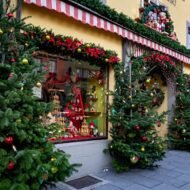


TL;DR: Fairy-tale Christmas destinations in Europe 2025 , Skip the crowded Christmas markets in London and Paris—these five lesser-known European gems offer snow-dusted medieval streets, twinkling lights, and the kind of storybook magic that’ll make your Instagram explode. From Austrian lakeside villages to Transylvanian castles, here’s where to find Europe’s most enchanting Christmas experiences in 2025.
- 1. Hallstatt, Austria — The Alpine Village That Broke the Internet
- 2. Brașov, Romania — A Snowy Transylvanian Christmas Gem
- 3. Český Krumlov, Czech Republic — A Medieval Christmas Dream
- 4. Rothenburg ob der Tauber, Germany — Germany’s Most Christmassy Town
- 5. Colmar, France — The Ultimate Alsace Christmas Wonderland
- Final Thoughts: Creating Your Fairy-Tale Christmas
- Disclaimer
Look, we’ve all seen those generic Christmas market photos. Mulled wine, wooden stalls, same vibe in every major city. But what if I told you there are places in Europe where Christmas feels less like a tourist trap and more like stepping into a snow globe designed by the Brothers Grimm?
These five destinations aren’t just beautiful—they’re the kind of places that make you understand why fairy tales were invented in Europe. Whether you’re planning a romantic getaway, a family adventure, or a solo trip to rediscover your holiday spirit, these towns deliver the festive magic without the overwhelming crowds of traditional hotspots.
1. Hallstatt, Austria — The Alpine Village That Broke the Internet
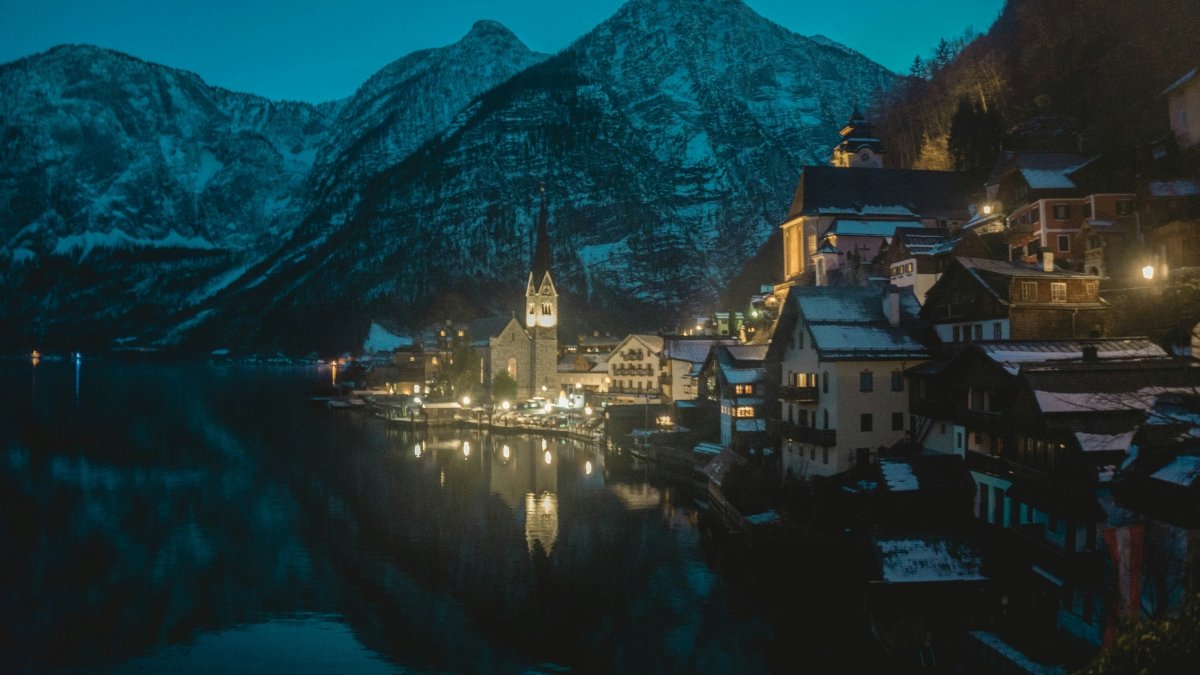
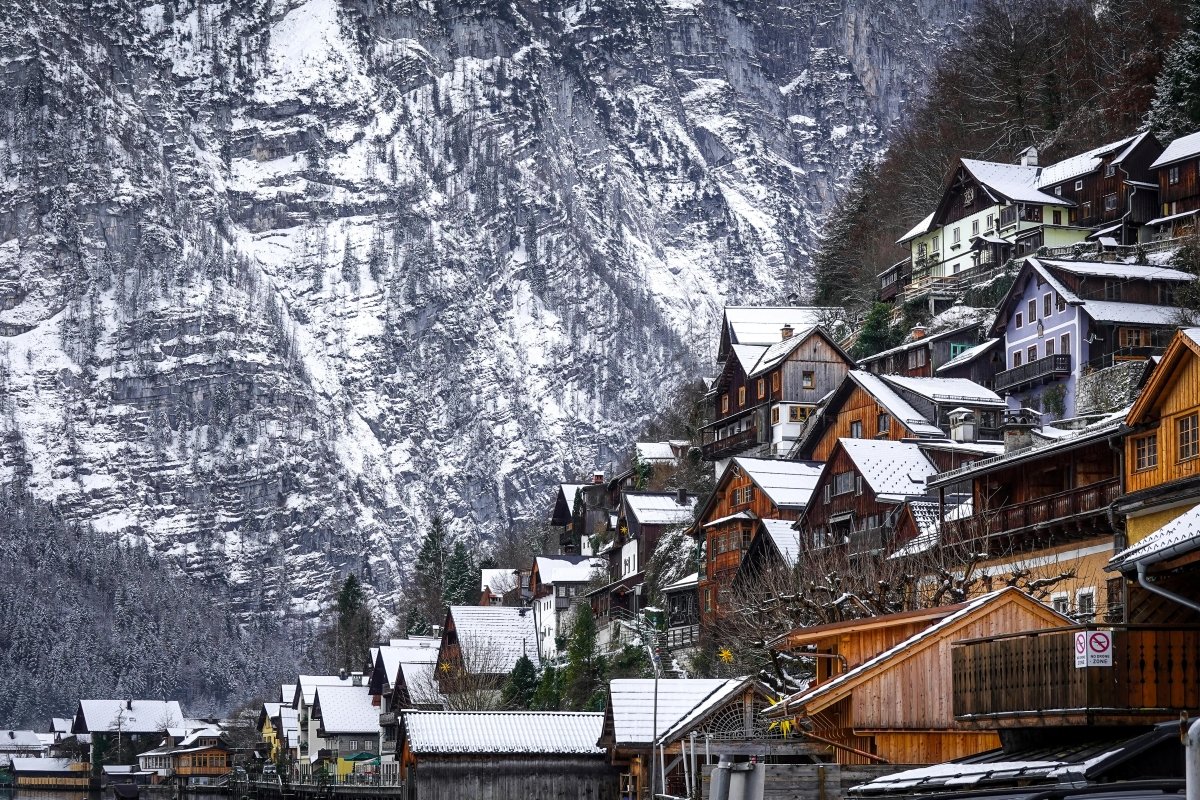
If you’ve been online in the past five years, you’ve probably seen Hallstatt. This impossibly picturesque lakeside village looks like it was photoshopped into existence—except it’s been sitting between the mountains and Hallstätter See since prehistoric times.
Why Visit for Christmas?
Winter transforms Hallstatt from “ridiculously beautiful” to “are you kidding me right now?” Snow blankets the Alpine peaks, the lake reflects twinkling lights like a mirror, and the whole village gets wrapped in a cozy, intimate atmosphere that feels worlds away from bustling city markets.
The Christmas market here is refreshingly small—just a handful of wooden chalets in the main square. But that’s exactly the point. You’re not fighting through crowds; you’re sipping Glühwein while gazing at 16th-century houses adorned with handmade wreaths and garlands. The surrounding mountains create this natural amphitheater effect that makes everything feel more magical.
Practical Tips
Getting there: The closest major airport is Salzburg (90 minutes by car). You can also take a scenic train journey from Vienna, though it requires transfers and takes about 4 hours. Public transport works, but renting a car gives you flexibility to explore the Salzkammergut region.
When to go: Early December through early January. Be aware that Hallstatt has become victim to its own beauty—it gets absolutely mobbed during peak season (especially by tour groups from Asia). Weekdays in early December or the first week of January offer the best balance of festive atmosphere and manageable crowds.
Where to stay: Book accommodations months in advance—seriously. Heritage Hotel Hallstatt and Seehotel Grüner Baum offer lakefront views that’ll spoil you forever. Budget travelers should look at guesthouses in nearby Obertraun (10 minutes away) where prices are significantly lower.
Don’t miss: Take the funicular up to the Salzwelten salt mines for panoramic views of the snow-covered village below. The skywalk platform is Instagram gold. Also, the bone house (Beinhaus) at St. Michael’s Chapel is delightfully macabre if you want a break from pure holiday cheer.
Budget estimate: €150-250 per day including mid-range accommodation, meals, and activities. It’s pricey, but the backdrop is literally priceless.
2. Brașov, Romania — A Snowy Transylvanian Christmas Gem
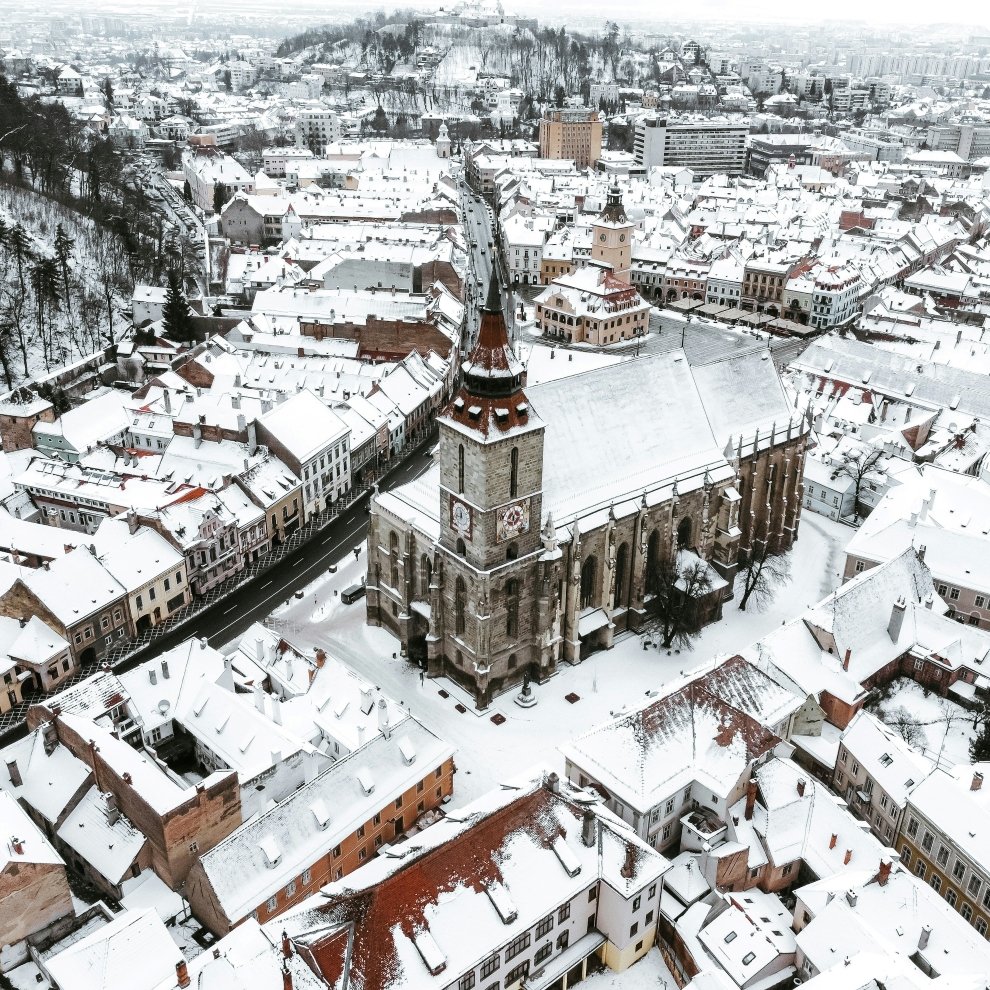
Forget everything you think you know about Romania. Brașov is where Gothic architecture meets genuine warmth, where medieval towers watch over contemporary cafés, and where you can have an incredible Christmas experience for a fraction of Western European prices.
Why Visit for Christmas?
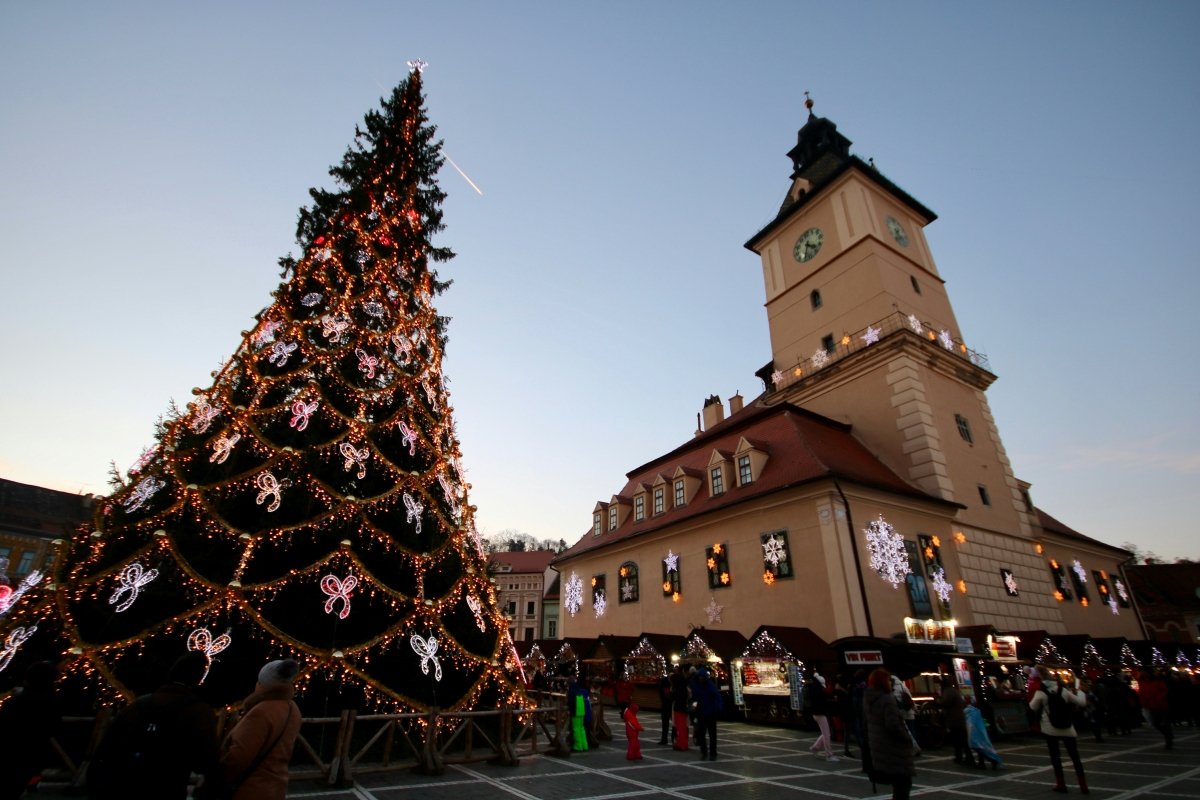
Brașov’s Christmas market sprawls across Council Square (Piața Sfatului), surrounded by pastel-colored baroque buildings and watched over by Mount Tâmpa. The vibe is authentic and local—Romanians actually celebrate here, it’s not just designed for tourists. You’ll find traditional Romanian holiday foods like cozonac (sweet bread) and sarmale (cabbage rolls) alongside the usual market fare.
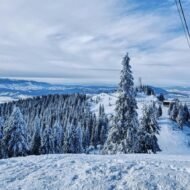
The real draw? This is your gateway to exploring Transylvania’s winter wonderland. The Carpathian Mountains turn into a snowy paradise, and those famous castles take on an entirely different character under December skies.
Practical Tips
Getting there: Fly into Bucharest (2.5-3 hours by car or train to Brașov) or look for direct flights into Brașov-Ghimbav International Airport from select European cities. The train journey from Bucharest offers beautiful mountain scenery.
When to go: December 1st through January 7th. Romania celebrates Christmas on December 25th but also observes Orthodox Christmas on January 7th, meaning festivities last longer than in most European countries. The market typically runs through early January.
Day trips you can’t skip:
- Bran Castle (30 minutes): Yes, the “Dracula’s Castle.” It’s touristy but genuinely atmospheric in winter, and the Christmas market at its base sells exceptional Romanian handicrafts.
- Peleș Castle (45 minutes): One of Europe’s most stunning castles, period. The neo-Renaissance architecture covered in snow is breathtaking.
- Sinaia: A charming mountain resort town perfect for a day of exploring or skiing.
Where to stay: The Council Square area puts you in the heart of everything. Hotel Bella Muzica offers historic charm with modern amenities. For budget travelers, Brașov has excellent hostels and guesthouses starting at €20-30 per night.
Food highlights: Try mici (grilled meat rolls), papanași (fried dough with sour cream and jam), and warm up with vișinată (sour cherry liqueur). Romanian cuisine is hearty, delicious, and criminally underrated.
Budget estimate: €60-100 per day. Romania offers incredible value—you can eat like royalty and stay in lovely accommodations without breaking the bank.
3. Český Krumlov, Czech Republic — A Medieval Christmas Dream
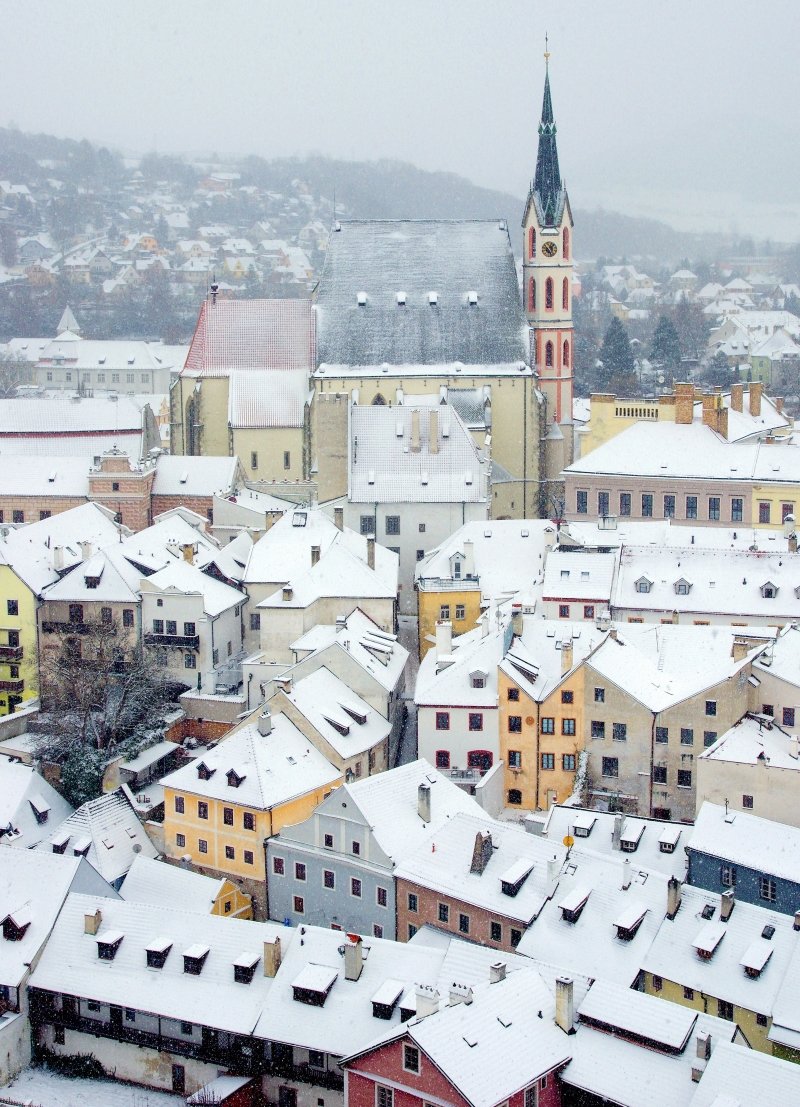
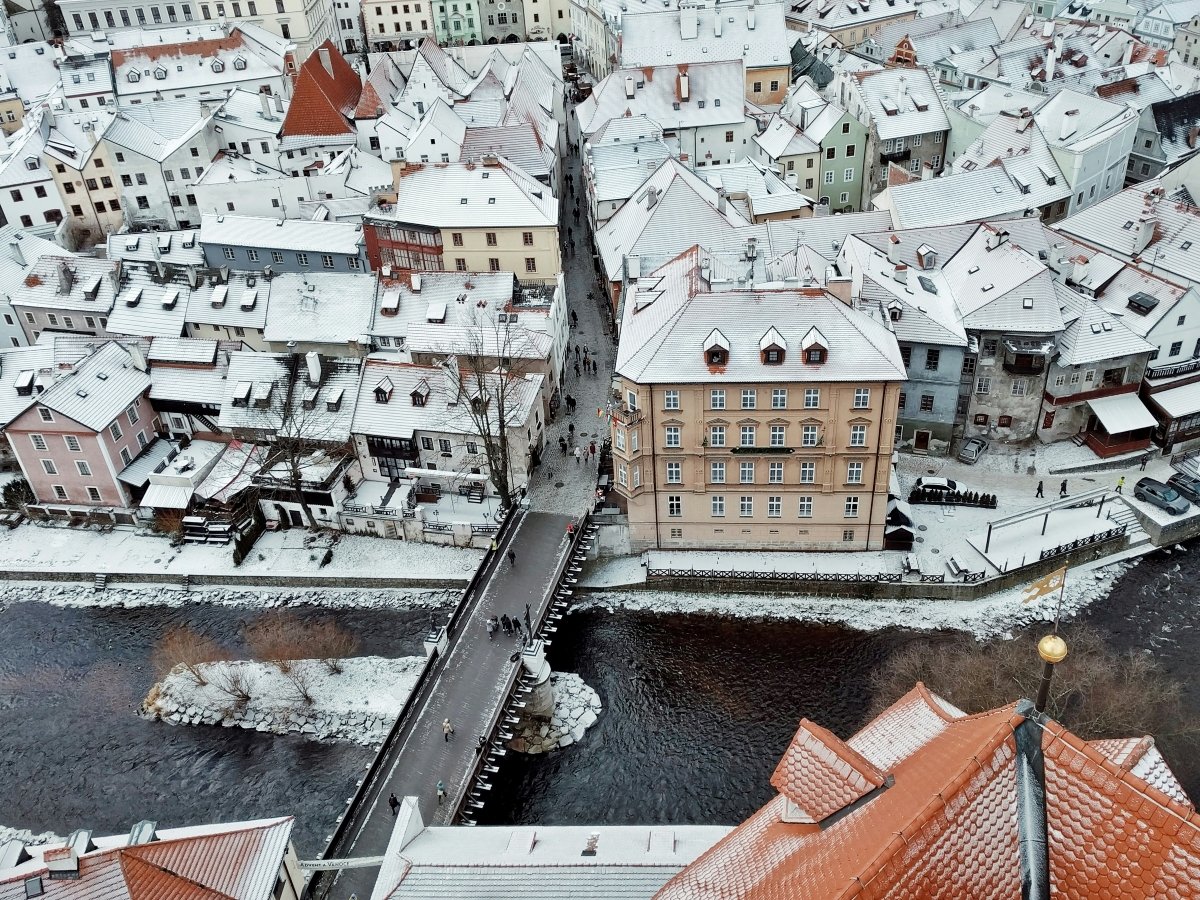
This UNESCO World Heritage town feels like someone freeze-framed the Middle Ages and decided to throw the world’s most charming Christmas party in it. The Vltava River loops around the Old Town in a horseshoe, creating this natural island of red-roofed buildings crowned by a massive castle complex.
Why Visit for Christmas?
Český Krumlov in December is intimacy personified. The Christmas market fits perfectly in the small main square (Náměstí Svornosti), never overwhelming the town’s medieval character. Cobblestone streets get dusted with snow, castle windows glow with candlelight, and the lack of cars in the historic center creates this peaceful, timeless atmosphere.
The Czech Republic does Christmas markets exceptionally well—think traditional wooden toys, handmade ornaments, and trdelník (chimney cakes) that are actually from here, not just tourist bait. The mulled wine (svařák) is excellent, and locals are genuinely friendly to visitors without the tourist-trap attitude you find in Prague.
Practical Tips
Getting there: The nearest major airport is in Prague (2.5 hours by bus or car). Private transfers are convenient but pricey; the Student Agency bus service offers comfortable, affordable rides with Wi-Fi and coffee service. Alternatively, rent a car in Prague and enjoy the scenic drive through South Bohemia.
When to go: Late November through December 26th for the main Christmas market. The town is spectacular in early January too, when you get winter beauty without the market crowds.
Castle exploration: The Český Krumlov Castle complex is massive—second largest in the Czech Republic after Prague Castle. The baroque castle theater is one of only a few preserved worldwide. Book the extended castle tour in advance. The tower climb (162 steps) offers incredible panoramic views worth the leg burn.
Where to stay: Book early—there are limited accommodations in the historic center. Hotel Růže (a converted monastery) offers luxury with history. For mid-range, Pension Barbakán sits right below the castle. Budget travelers should look for rooms in local homes or small pensions slightly outside the center.
Beyond the market: Explore the Egon Schiele Art Centrum, take a winter kayak tour on the Vltava (yes, really—with proper gear), or just wander the atmospheric streets discovering hidden courtyards and craft shops.
Budget estimate: €80-130 per day. Czech Republic offers good value, though Český Krumlov is pricier than rural areas. Prague is more expensive, so staying here saves money while offering better atmosphere.
4. Rothenburg ob der Tauber, Germany — Germany’s Most Christmassy Town
If someone told you to imagine a German Christmas town and you pictured Rothenburg, you’d already be exactly right. This place takes Christmas so seriously that it runs a Christmas store year-round (Käthe Wohlfahrt Weihnachtsdorf, a multi-story temple to holiday decorations that’ll destroy your luggage weight limit).
Why Visit for Christmas?
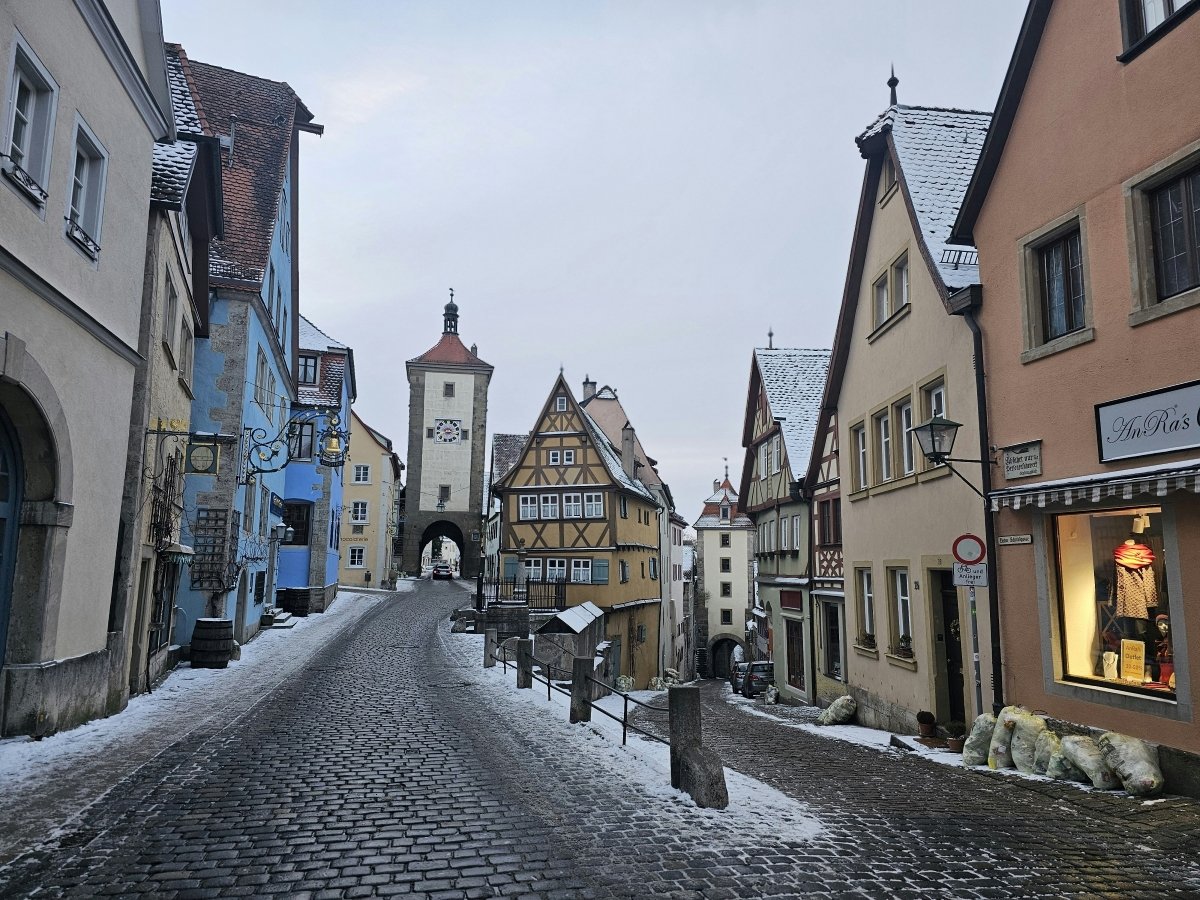
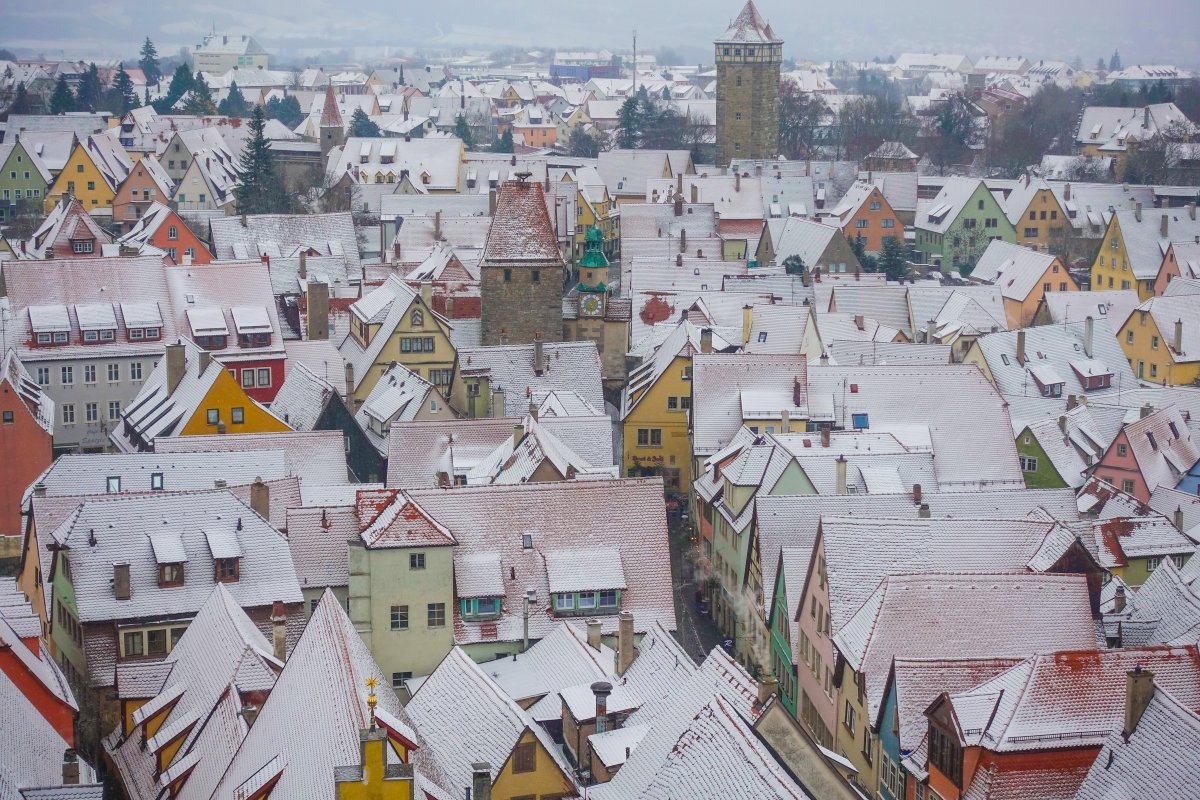
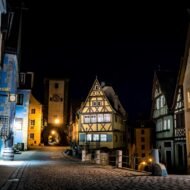
Rothenburg is where the German Christmas tradition gets turned up to eleven. The town sits on the “Romantic Road” tourist route and has been meticulously preserved—it survived WWII largely intact, and locals work hard to maintain its medieval character. At Christmas, it becomes the Platonic ideal of a festive German town.
The Reiterlesmarkt (Christmas market) fills the Marktplatz with the scent of roasted almonds and bratwurst. The architecture—half-timbered houses, Gothic churches, medieval walls—creates the perfect backdrop for wooden stalls selling Lebkuchen (gingerbread), hand-carved nutcrackers, and glass ornaments.
Practical Tips
Getting there: The nearest major airports are Nuremberg (90 minutes) or Frankfurt (2.5 hours). Train connections require transfers but are doable. Renting a car makes the most sense, especially if you want to explore other Romantic Road towns like Dinkelsbühl or Nördlingen.
When to go: The Reiterlesmarkt typically runs from late November through December 23rd. The opening ceremony on the Friday before the first Advent Sunday is magical, with lights illuminated simultaneously across town.
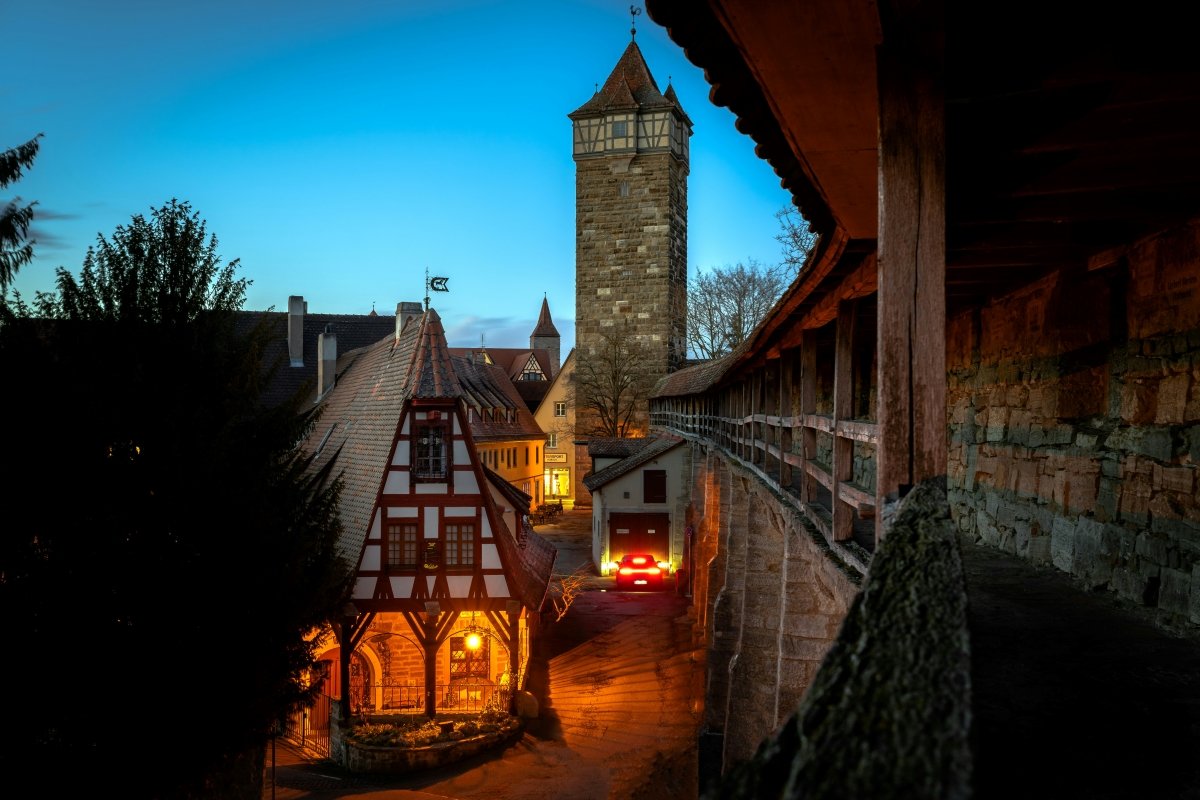
Walk the wall: Rothenburg’s medieval walls are almost completely intact, and you can walk along them for spectacular views over the red-roofed town. It’s free, takes about 2 hours to complete the full circuit, and offers completely different perspectives on the Christmas market below.
Where to stay: Hotel Eisenhut is the luxury choice (parts date from the 15th century). For mid-range, Gasthof Goldener Greifen offers traditional German hospitality. The town has numerous vacation rentals that can be more economical for groups or families.
Don’t miss:
- The Night Watchman Tour (offered in English) is entertaining and informative
- Climb the Rathaus (Town Hall) tower for panoramic views
- Visit the Medieval Crime Museum (yes, really—it’s fascinating)
- Schneeballen (snowball pastries) at every bakery—they’re a local specialty
Crowd warning: Rothenburg is popular with tour buses. Arrive early morning or stay overnight to experience the town when day-trippers have left. The evening atmosphere when the market lights up and crowds thin is absolutely worth planning around.
Budget estimate: €100-160 per day. Germany is moderately expensive, and tourist towns command premium prices, but the quality of accommodations and food justifies the cost.
5. Colmar, France — The Ultimate Alsace Christmas Wonderland
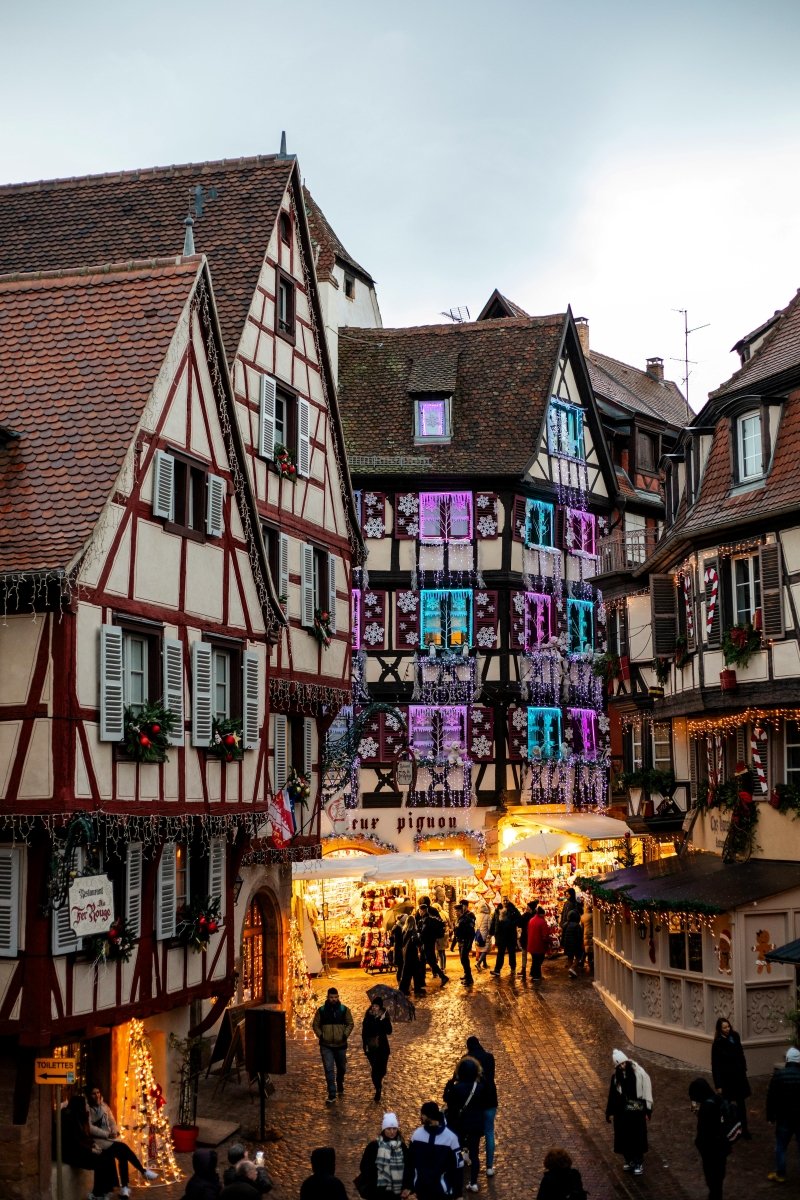
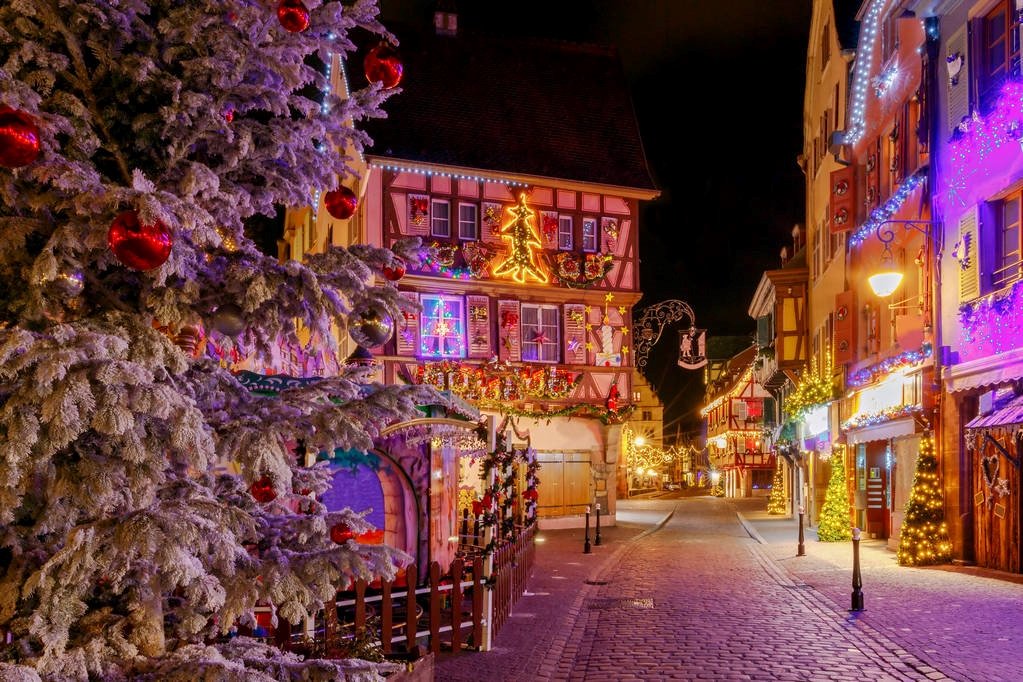
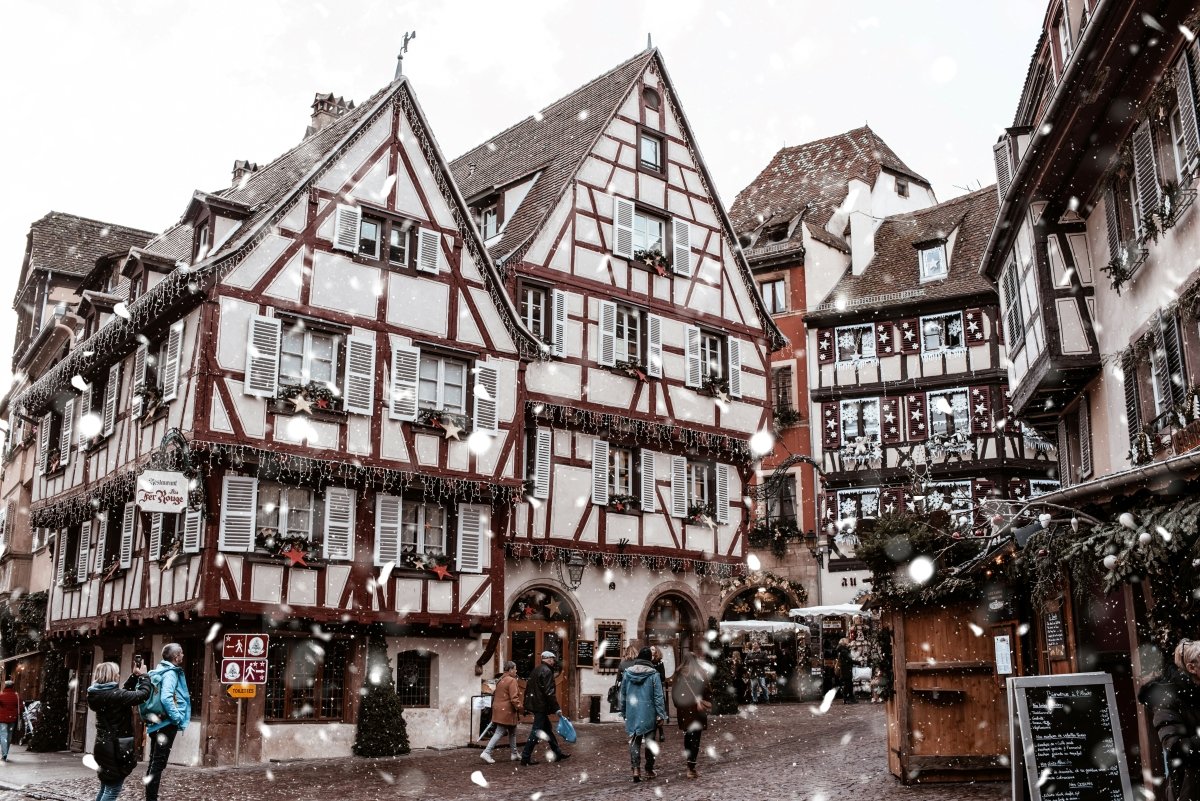
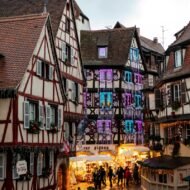
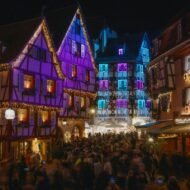
Colmar doesn’t just do Christmas—it performs Christmas like a Broadway production. This Alsatian gem hosts five different Christmas markets across the town, each with its own theme and character. The half-timbered houses look like illustrations from a children’s storybook, canals wind through the historic center, and the entire region smells like cinnamon and baking bread.
Why Visit for Christmas?
Alsace invented the modern Christmas market tradition (Strasbourg hosted the first in 1570), and Colmar represents it at its finest. Unlike larger Strasbourg, Colmar maintains a manageable size—you can walk everywhere while still having days’ worth of exploration.
The architecture alone is worth the trip: candy-colored medieval houses with timber frames, flower boxes (yes, even in winter), and architectural details at every turn. The Petite Venise (Little Venice) district becomes impossibly romantic with Christmas lights reflecting off the canal waters.
Practical Tips
Getting there: The nearest airports are EuroAirport Basel-Mulhouse-Freiburg (1 hour), Strasbourg (1 hour), or Zurich (2 hours). The TGV high-speed train connects Colmar to Paris in about 2.5 hours, making it accessible for a long weekend. The train station is walking distance from the historic center.
When to go: Colmar’s Christmas markets run from late November through December 29th—longer than most European markets. Each weekend in December offers special events and entertainment. Weekdays are significantly less crowded than weekends.
The five markets:
- Place de la Cathédrale: The main market with traditional crafts
- Place des Dominicains: Indoor market inside a Gothic church (yes, inside)
- Koïfhus: Children’s market with activities for families
- Place Jeanne d’Arc: Regional products and gastronomy
- Petite Venise: The most photogenic setting
Where to stay: Book accommodations well in advance—Colmar is hugely popular in December. Hôtel Le Colombier offers boutique charm in the heart of the old town. For budget travelers, look at accommodations in nearby towns like Turckheim or Eguisheim (both worth visiting anyway) and take short train or bus rides into Colmar.
Food and wine: This is Alsace—the wine is exceptional and affordable. Try Gewürztraminer or Riesling at any market stall. Food highlights include choucroute (sauerkraut with meats), tarte flambée (thin-crust pizza-like dish), bredele (Christmas cookies), and pain d’épices (spiced bread). Winstubs (traditional Alsatian taverns) offer cozy dining with regional specialties.
Day trips:
- Eguisheim: A circular medieval village routinely voted among France’s most beautiful
- Riquewihr: Another stunning wine village
- Strasbourg: The capital of Christmas markets, just 40 minutes by train
- Wine route villages: Dozens of picturesque towns along the Alsace Wine Route
Budget estimate: €120-200 per day. France isn’t cheap, and Alsace during Christmas commands premium prices, but the experience—food, wine, atmosphere—justifies the expense. Self-catering in an apartment rental can reduce costs significantly.
Final Thoughts: Creating Your Fairy-Tale Christmas
These five destinations share something beyond pretty architecture and twinkling lights—they offer authentic experiences where locals genuinely celebrate alongside visitors. You won’t feel like you’re walking through a movie set designed for tourists; you’ll feel like you’ve been invited to someone’s hometown celebration.
Planning tips for all destinations:
- Book everything early: Accommodations, train tickets, any special experiences—December is peak season, and the best options disappear fast.
- Pack properly: These are all cold-weather destinations. Layering, waterproof boots, warm accessories, and a good coat are non-negotiable. Cobblestone streets in snow/ice require proper footwear.
- Consider travel insurance: Winter weather can disrupt travel plans. Comprehensive insurance covering cancellations, delays, and medical emergencies provides peace of mind.
- Check COVID-19 and travel requirements: Requirements change, so verify entry requirements, vaccination rules, and any health protocols before booking.
- Mix experiences: Balance market visits with other activities. Museums, castle tours, nature walks, and simply wandering atmospheric streets create a richer experience than market-hopping alone.
- Embrace flexibility: Weather, crowds, and unexpected closures happen. Building buffer time into your itinerary reduces stress and allows for spontaneous discoveries.
The sustainable choice: These smaller destinations benefit more from your tourism than overcrowded hotspots. Your money goes directly to local businesses, you’re not contributing to overtourism problems, and you’ll have more authentic interactions with locals.
Solo travelers: All five destinations are safe and manageable for solo travel. Colmar and Český Krumlov are particularly solo-friendly with compact centers and good English proficiency.
Families: Rothenburg and Colmar offer the most activities specifically designed for children. All five destinations are walkable, avoiding the stress of navigating public transport with kids.
Couples: Hallstatt and Český Krumlov win for romantic atmosphere, though honestly, all five deliver fairytale romance in spades.
The truth about these places? Photos don’t do them justice. The way snow muffles sound on cobblestone streets, how mulled wine tastes after walking through cold mountain air, the smell of roasting chestnuts mixing with pine and cinnamon—these are experiences you feel more than see.
Europe’s Christmas magic isn’t just alive in these five towns; it’s thriving, genuine, and waiting to make you believe in fairy tales again. Whether you visit one destination or create a multi-stop itinerary, you’re not just taking a Christmas trip—you’re stepping into the stories that inspired every holiday tradition you grew up with.
Start planning now, pack your sense of wonder, and prepare for a Christmas that finally lives up to all those holiday movies you’ve been watching your entire life.
Disclaimer
Travel information accuracy: This guide provides general information current as of late 2024/early 2025. Opening hours, prices, market dates, and travel requirements can change. Always verify details with official tourism websites, accommodation providers, and transportation services before finalizing plans.
Pricing: Budget estimates are approximate and based on average spending for moderate travelers. Your actual costs will vary based on accommodation choices, dining preferences, activities, and travel style. Currency exchange rates fluctuate and impact costs for international travelers.
Seasonal variations: Christmas market dates, hours, and specific offerings change yearly. Some markets close December 24th-25th, others stay open through early January. Contact local tourism offices for current information.
Weather dependency: Winter weather is unpredictable. Snow enhances the fairy-tale atmosphere but can also disrupt transportation, close attractions, and make walking difficult. Check forecasts regularly and maintain flexible plans.
COVID-19 and health: Health and safety protocols continue evolving. Verify current entry requirements, vaccination rules, testing requirements, and capacity limitations for your specific travel dates and nationality. Travel restrictions can change rapidly.
Accommodation competition: These destinations are extremely popular during December. Booking 6-12 months in advance isn’t excessive—it’s often necessary for preferred lodging, especially in smaller towns with limited options.
Personal responsibility: This guide doesn’t replace professional travel advice. Purchase appropriate travel insurance, understand your coverage, maintain awareness of your surroundings, protect your belongings, and follow local laws and customs.
Accessibility: Not all destinations are equally accessible for travelers with mobility limitations. Cobblestone streets, medieval buildings without elevators, and winter conditions create additional challenges. Contact accommodations and attractions directly regarding accessibility needs.
Individual experiences vary: Your experience will be unique based on weather, crowds, personal preferences, and countless unpredictable factors. What delights one traveler might disappoint another—manage expectations and embrace the journey.
Affiliate disclosure: This guide contains no affiliate links or sponsored content, but we encourage you to support local businesses, guides, and accommodation providers in these destinations who make the magic possible.
Environmental consideration: Tourism impacts these small, historic towns. Practice responsible travel by respecting local customs, following waste disposal rules, supporting sustainable businesses, and considering environmental impact when planning transportation.
Safe travels, and may your fairy-tale Christmas be everything you’re hoping for—and then some.