


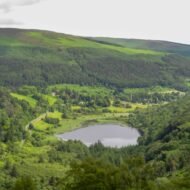
TL;DR: Glendalough in County Wicklow is a stunning glacial valley featuring ancient monastic ruins, pristine lakes, and epic hiking trails just an hour from Dublin. Perfect for day trips or weekend getaways with something for every traveler.
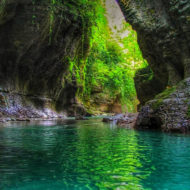
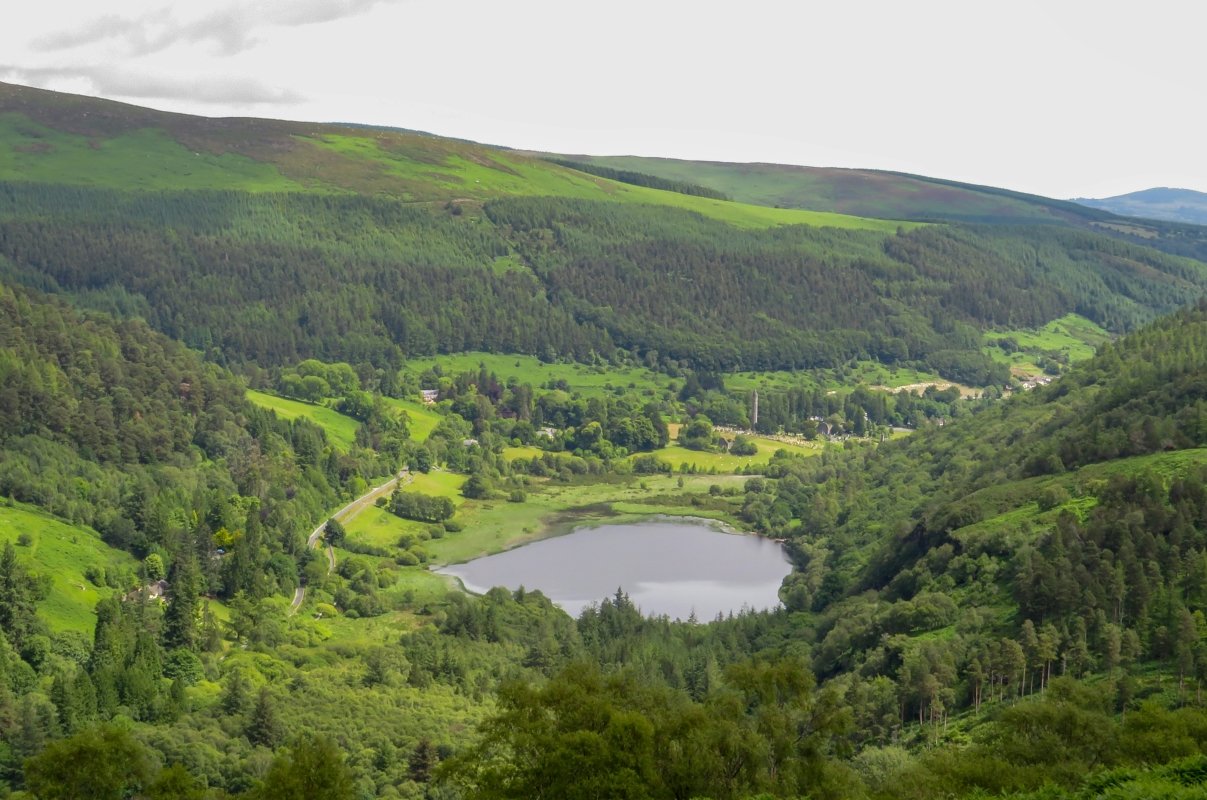
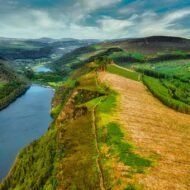
Picture this: you’re standing beside a mirror-like lake, surrounded by towering mountains, with a 1,000-year-old round tower reflecting in the water. Welcome to Glendalough, Ireland’s “Valley of Two Lakes” – a place so breathtaking it’ll have you questioning why you ever considered anywhere else for your Irish adventure.
What Makes Glendalough Special?
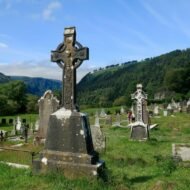
Glendalough isn’t just another pretty Irish valley (though it’s absolutely gorgeous). This glacial wonderland carved out by ice thousands of years ago combines jaw-dropping natural beauty with incredible history. We’re talking about one of Ireland’s most important monastic sites, founded by Saint Kevin in the 6th century, nestled in what’s arguably the country’s most photogenic landscape.
The Famous Monastic Site
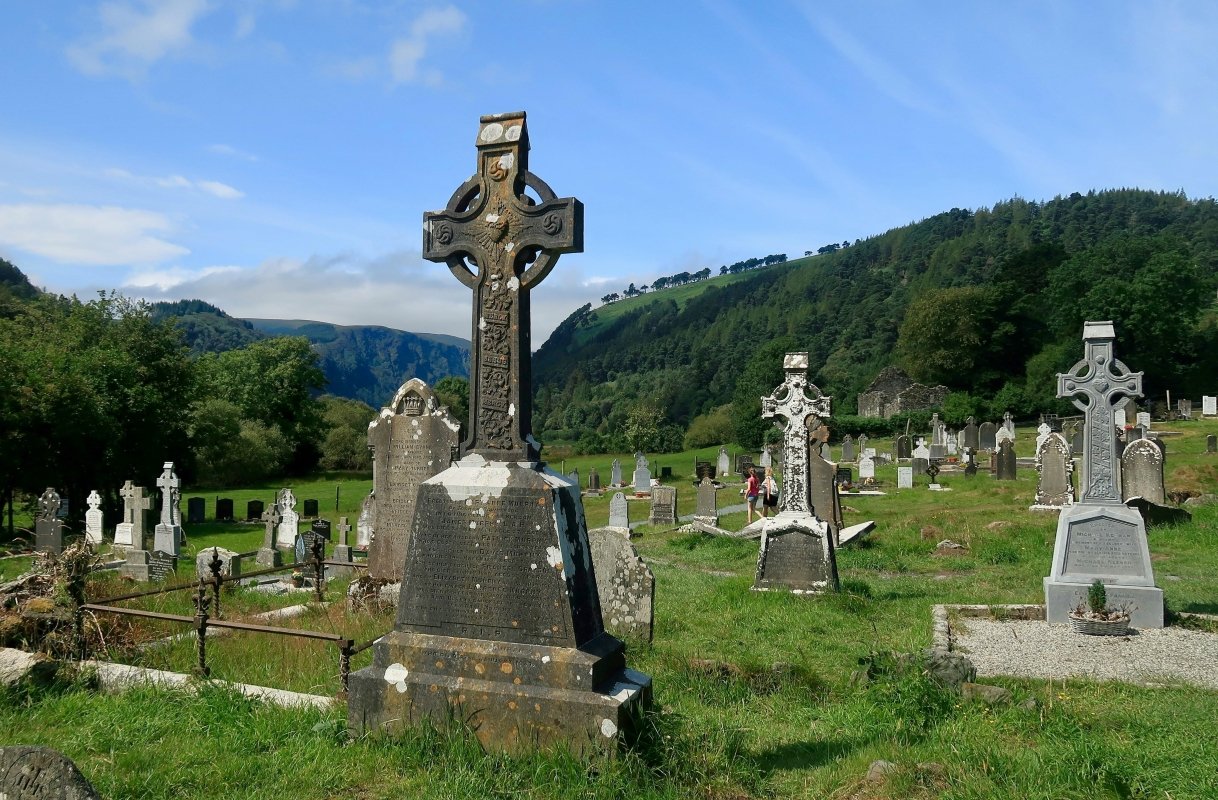
The star attraction here is definitely the ancient monastic settlement. Saint Kevin chose this remote valley as his hermitage around 545 AD, and it eventually grew into one of Ireland’s premier centers of learning, earning the nickname “The Oxford of Ireland.”
Must-see ruins include:
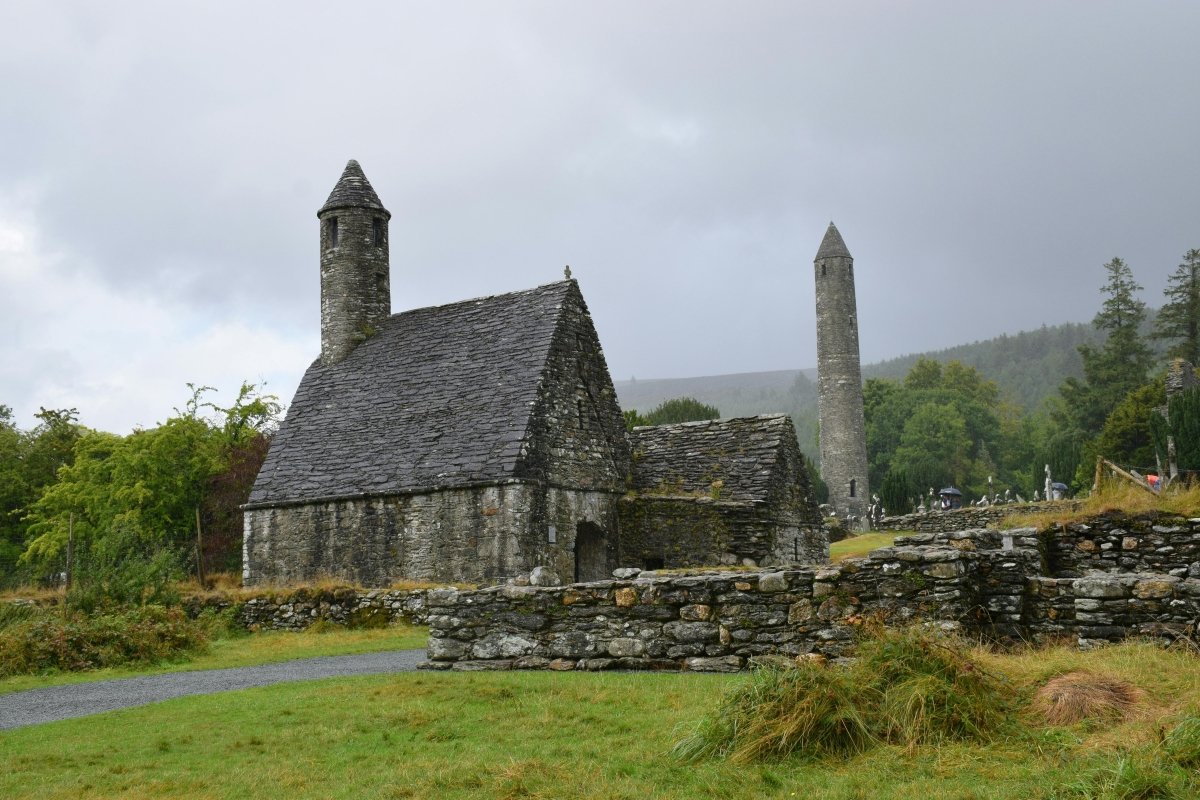
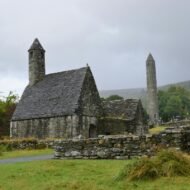
The iconic Round Tower stands 30 meters tall and has been Glendalough’s calling card for over a millennium. These towers served multiple purposes – bell towers, storage areas, and safe refuges during Viking raids. Pro tip: the doorway is positioned high above ground level, accessible only by ladder, which could be pulled up during attacks.
The Cathedral, dating from the 10th-12th centuries, represents the largest church in the complex. While roofless now, you can still see the beautiful stonework and get a sense of its former grandeur. The sacristy still has its stone roof intact – pretty impressive for a building that’s nearly 1,000 years old.
St. Kevin’s Church, nicknamed “St. Kevin’s Kitchen” because of its distinctive round tower-like bell cot, is probably the most photographed building in the valley. This small stone church is remarkably well-preserved and gives you the best sense of what these buildings looked like in their heyday.
The Two Lakes Experience
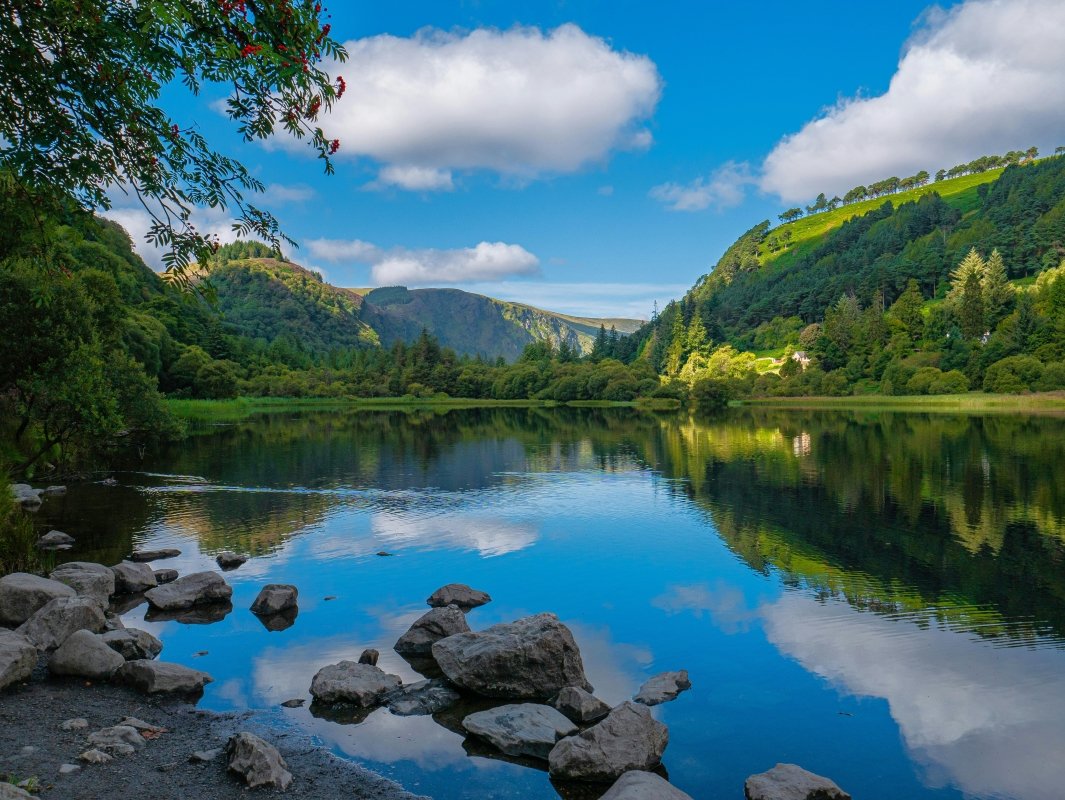
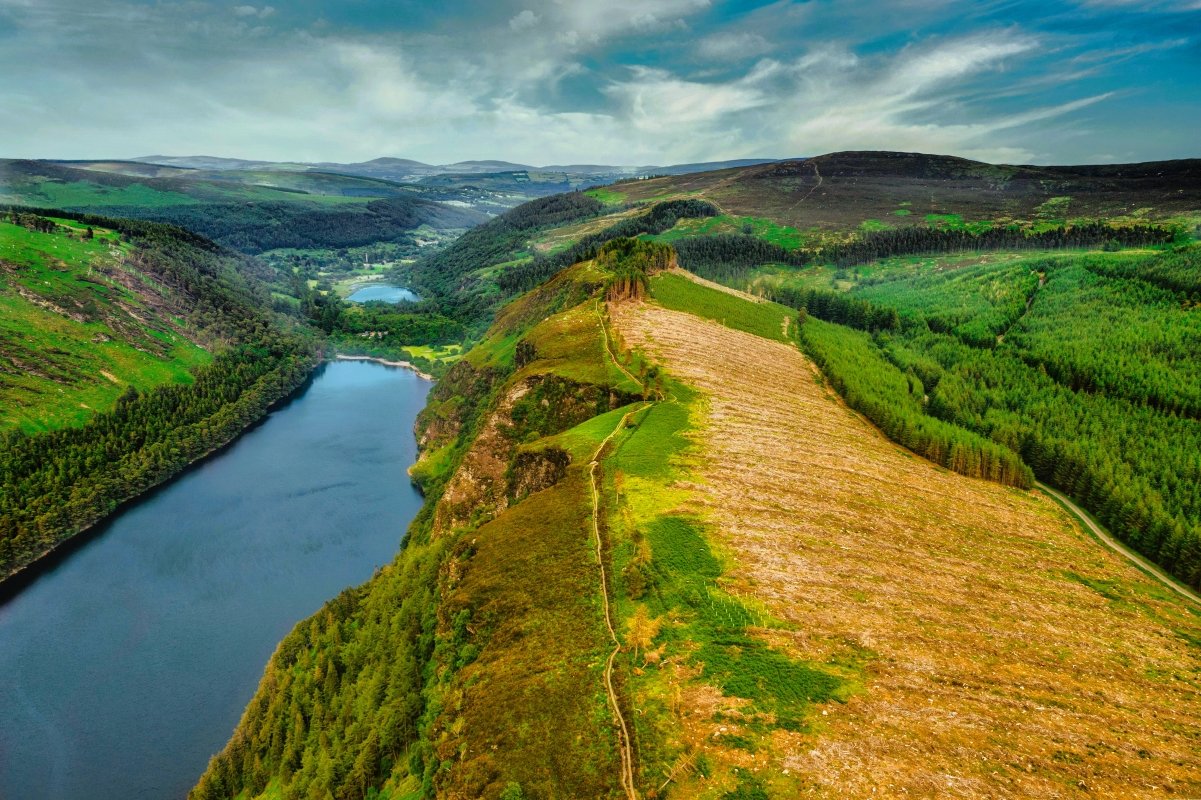
The “two lakes” that give Glendalough its name offer completely different vibes. The Lower Lake sits right beside the monastic site and visitor center, making it super accessible for everyone. It’s perfect for those Instagram shots with the Round Tower, and there’s a lovely boardwalk that accommodates wheelchairs and pushchairs.
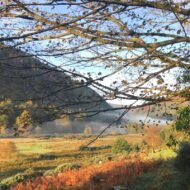
The Upper Lake requires a bit more effort – it’s about a 20-minute walk from the Lower Lake along a well-maintained path. But trust us, it’s worth every step. This lake feels more wild and remote, surrounded by steep valley walls and offering some of the most spectacular scenery in Ireland. The walking path around the Upper Lake provides constantly changing perspectives and photo opportunities.
Hiking and Outdoor Adventures
Glendalough is a hiker’s paradise with trails suitable for every fitness level. The Glendalough Valley Walk is perfect for families and less mobile visitors – it’s mostly flat and takes you past both lakes and all the major ruins.
For more adventurous souls, the Wicklow Way passes right through Glendalough. You can tackle sections of this famous long-distance trail, including the challenging climb up to the Wicklow Gap or the scenic route toward Laragh village.
The Spink and Glenealo Valley circuit is a local favorite – a moderate 11-kilometer loop that takes you up into the mountains for incredible valley views. The trail can be muddy and steep in places, so proper hiking boots are essential.
Trail difficulty guide:
- Easy: Valley floor walks (suitable for all ages and abilities)
- Moderate: Spink loop, Upper Lake circuit
- Challenging: Wicklow Way sections, mountain climbs
Planning Your Visit
Getting There: Glendalough is about 65 kilometers from Dublin city center. If you’re driving, take the M11 toward Wicklow, then the R755 to Laragh and follow signs to Glendalough. There’s a large car park at the visitor center, but it fills up quickly on weekends and during peak season, so arrive early.
Don’t have a car? No problem. Several tour companies run day trips from Dublin, or you can take Bus Éireann route 181 from Dublin to Roundwood, then connect with the local 185 service to Glendalough.
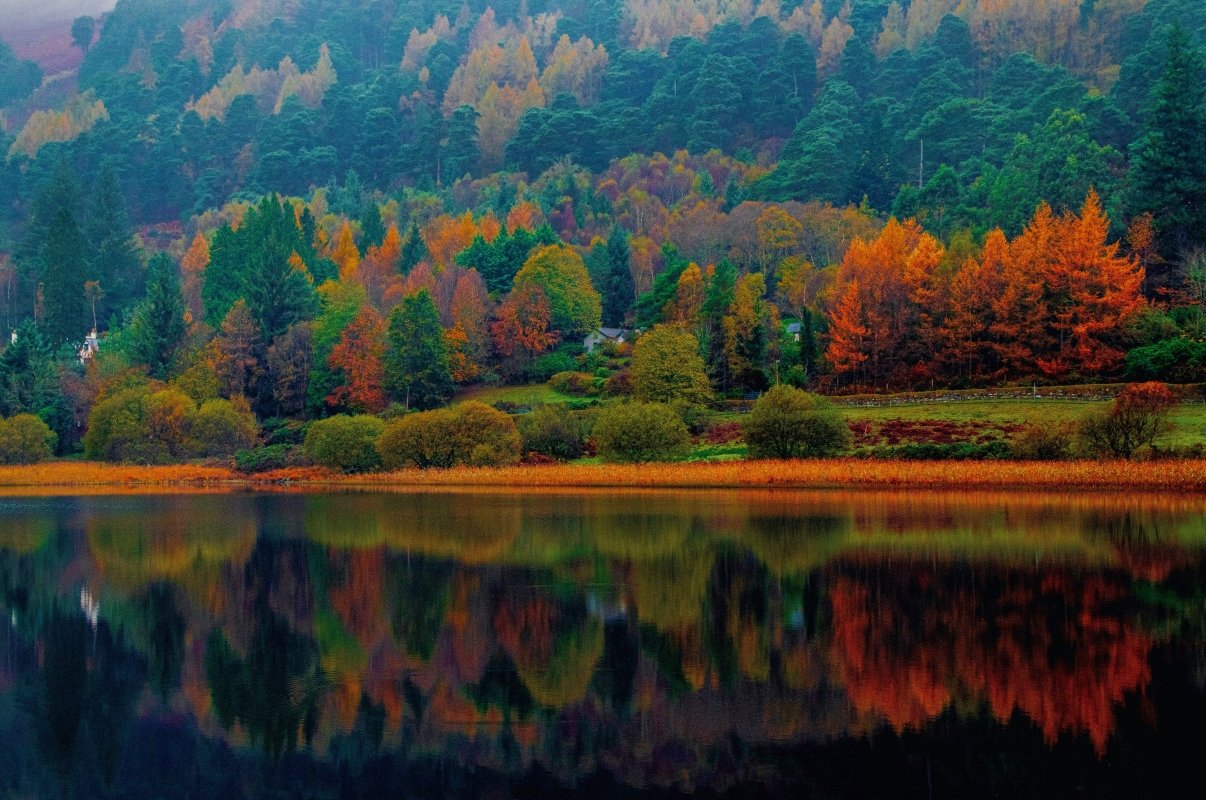
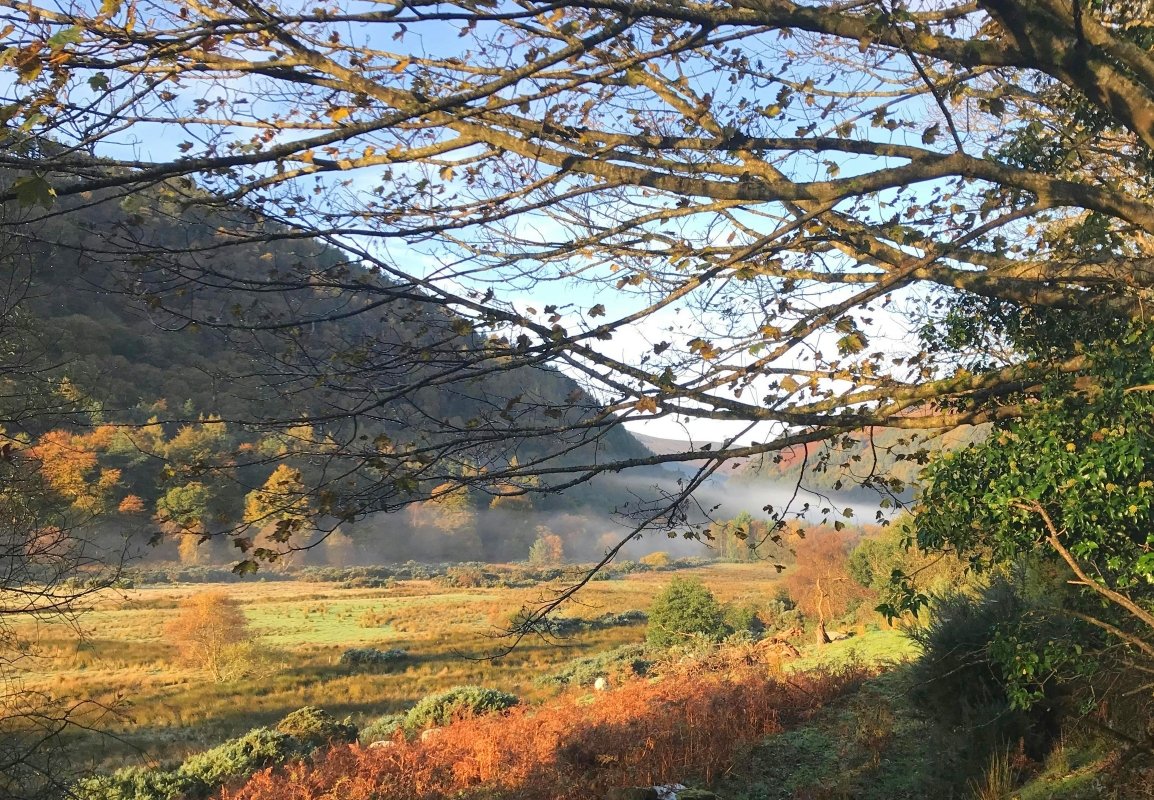
Best Times to Visit: Early morning or late afternoon offer the best light for photography and fewer crowds. Summer brings longer days and warmer weather, but also the biggest crowds. Spring and autumn can be spectacular with wildflowers or fall colors, though weather can be unpredictable. Winter visits have their own magic – fewer tourists, moody skies, and if you’re lucky, frost or snow highlighting the ancient stones.
What to Bring: Ireland’s weather is famously changeable, so layers are your friend. Waterproof jacket and comfortable walking shoes are essential. Don’t forget your camera or phone charger – you’ll be taking loads of photos. If you’re planning any hiking, bring water and snacks, as options are limited once you’re on the trails.
Guided tours: Plenty of Dublin-based companies offer day trips that combine Glendalough with Wicklow highlights like Powerscourt Gardens.
Visitor Information and Facilities
The Glendalough Visitor Centre provides excellent context for your visit with exhibitions about the site’s history, archaeology, and wildlife. The staff are incredibly knowledgeable and can suggest trails based on your interests and fitness level. There’s also a gift shop with quality Irish crafts and books about the area.
Accessibility: The visitor center and Lower Lake area are wheelchair accessible, with designated parking spaces and accessible restrooms. The boardwalk around part of the Lower Lake accommodates wheelchairs and pushchairs, though some areas have gentle slopes.
Food options are limited within the site itself, so consider packing a picnic or plan to eat in nearby Laragh village, which has several excellent restaurants and pubs serving everything from traditional Irish fare to international cuisine.
Beyond the Main Attractions
While most visitors focus on the lakes and monastic site, Glendalough offers so much more. The surrounding Wicklow Mountains National Park provides endless opportunities for exploration. The nearby Wicklow Gap offers stunning mountain views and connects to other beautiful valleys.
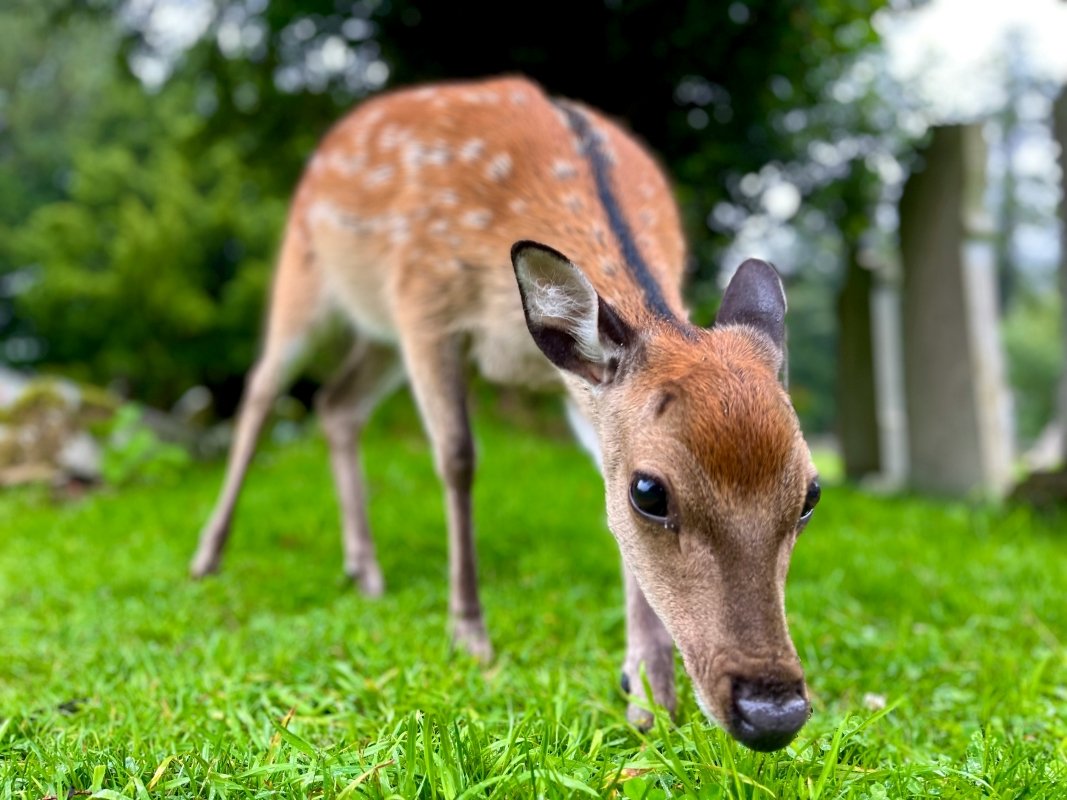
Wildlife enthusiasts will love spotting red deer, mountain goats, and numerous bird species. The valley is particularly rich in plant life, with unique alpine species thriving in the mountain environment.
For those interested in Irish culture, the area hosts various festivals throughout the year, including traditional music sessions in local pubs and seasonal celebrations that connect visitors with authentic Irish traditions.
Making the Most of Your Visit
Consider staying overnight in the area to fully experience Glendalough’s magic. Early morning mist over the lakes and evening light on the mountains create completely different moods from the busy daytime atmosphere. Several excellent accommodations in nearby Laragh and Roundwood offer comfortable bases for exploration.
Photography enthusiasts should plan for multiple visits at different times of day and in various weather conditions. The interplay of light, water, and ancient stone creates endless compositional possibilities.
Whether you’re spending a few hours or a few days, Glendalough offers an unforgettable glimpse into Ireland’s natural beauty and rich cultural heritage. It’s a place that stays with you long after you’ve left – the kind of destination that explains why Ireland captures hearts around the world.
This glacial valley represents everything magical about the Irish landscape: dramatic natural beauty, fascinating history, and that indefinable sense of peace that comes from connecting with something timeless and profound. Pack your sense of wonder along with your camera – you’re going to need both.