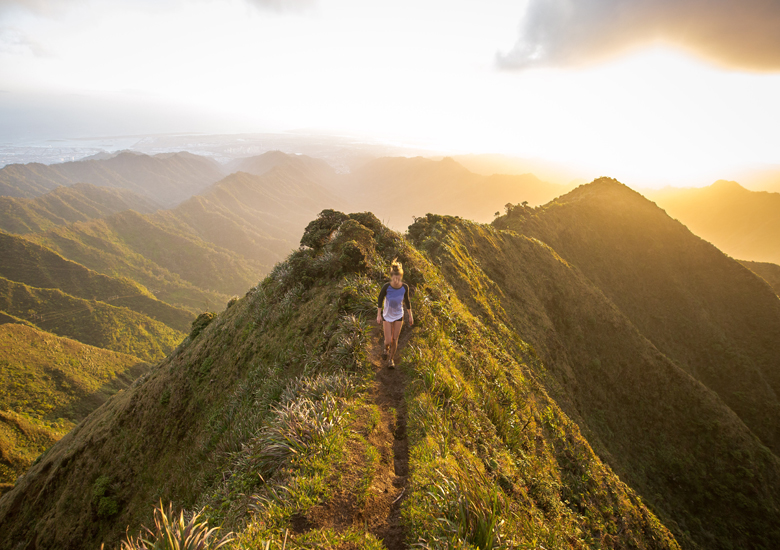



Gunung Mulu National Park, located in the Malaysian state of Sarawak on Borneo, is one of Southeast Asia’s most extraordinary natural wonders. Known for its dramatic limestone landscapes, mysterious caves, and dense rainforests, Mulu offers adventurers, hikers, and nature lovers a paradise filled with unique experiences. Covering nearly 530 square kilometers, this UNESCO World Heritage Site is famous for its giant caves, stunning rock formations, and one of the world’s longest networks of underground caverns. With some of Earth’s most remarkable biodiversity, Gunung Mulu feels like stepping into a different world where nature reigns supreme. If you’re up for a real jungle adventure with sights you won’t find anywhere else, Mulu should definitely be on your travel list!
Established as a national park in 1974, Gunung Mulu was recognized as a UNESCO World Heritage Site in 2000, not only for its remarkable geology but also for its incredible biodiversity. Nestled in the heart of Borneo’s mountainous rainforest, Mulu is home to over 3,500 species of plants, hundreds of bird species, and an intricate network of limestone caves, cliffs, and pinnacles. The park’s name comes from Mount Mulu, which, at 2,377 meters, towers over the park and is a focal point for adventurous trekkers.
Mulu’s caves, especially the Sarawak Chamber, are among the largest in the world. The limestone formations here date back over 5 million years, making the area a geologist’s dream. Its dense jungles, rivers, and mountains provide habitats for countless species of flora and fauna, many of which are found only in Borneo. Gunung Mulu is not just a national park; it’s a testament to the wonders of Borneo’s natural heritage and a key conservation area, preserving an ecosystem that has remained largely untouched by time.
Gunung Mulu National Park Attractions
Gunung Mulu National Park has plenty to explore. Here are some must-see attractions:
- Sarawak Chamber: One of the world’s largest underground chambers, a mind-blowing natural wonder that could fit 40 Boeing 747 planes.
- Deer Cave: Famous for its massive bat colony and spectacular evening bat exodus.
- Clearwater Cave: One of the longest cave systems in the world, featuring a beautiful underground river.
- The Pinnacles: A challenging climb rewards you with breathtaking limestone formations.
- Wind Cave: Known for its stunning stalagmites and stalactites, creating a magical atmosphere.
Gunung Mulu National Park Wildlife
Gunung Mulu is teeming with wildlife, much of it rare and unique to the island of Borneo:
- Bats: The park is home to millions of bats, especially in the Deer Cave, where you can watch a mesmerizing bat exodus every evening.
- Birds: Over 270 species, including hornbills, kingfishers, and the elusive Bornean peacock-pheasant.
- Insects and Arachnids: From giant centipedes to dazzling butterflies, the park is a haven for insect enthusiasts.
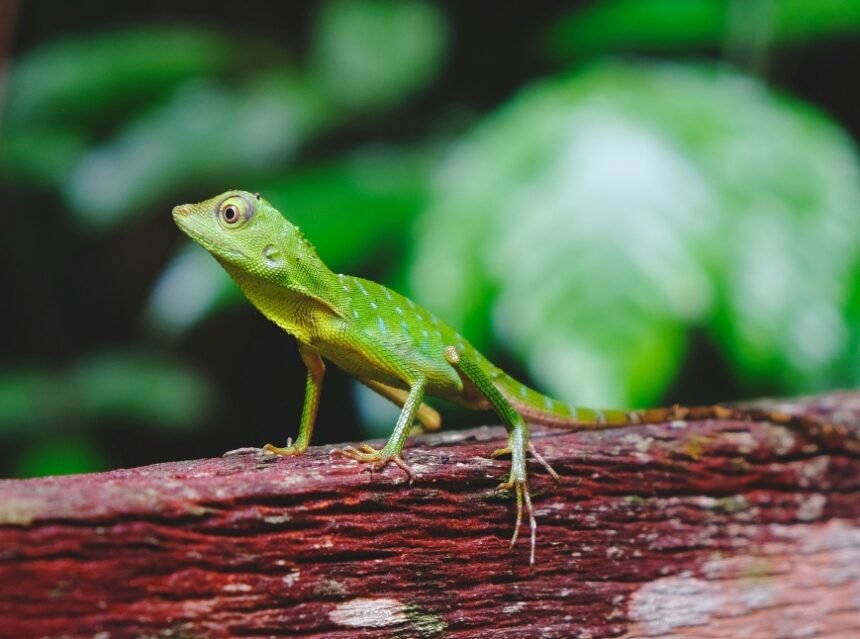
- Reptiles and Amphibians: Snakes, frogs, and lizards abound, many of them adapted to the dense rainforest.
- Primates: You may spot macaques, Bornean gibbons, and langurs during your hikes.
Gunung Mulu National Park Activities
From cave exploration to jungle treks, Gunung Mulu is an adventure playground:
- Cave Tours: Explore the massive Deer, Lang, Wind, and Clearwater caves with a guide to witness stunning rock formations and underground rivers.
- Night Walks: Discover the jungle’s nocturnal life, from frogs to glow-in-the-dark fungi.
- Trekking to the Pinnacles: This intense, multi-day trek leads to the famous limestone Pinnacles, with epic views as the reward.
- The Headhunters’ Trail: A 12-kilometer trail used historically by headhunting tribes, now an adventurous trek through the jungle.
- Canopy Walk: Take a stroll through the treetops on one of the longest canopy walkways in the world, for a unique perspective on the rainforest.
Gunung Mulu National Park Best Time to Visit
The best time to visit Gunung Mulu is during the dry season, which runs from March to October. During this period, trails and caves are more accessible, and activities like trekking and caving are safer and more comfortable. However, Mulu is located in a tropical rainforest, meaning that rainfall can happen year-round, so it’s wise to be prepared for occasional showers. The wet season, from November to February, can bring heavier rain, which may limit certain activities and cause some trails to be muddy and challenging.
Gunung Mulu National Park Practical Information
- Entry Fees: The park charges an entry fee, and there are additional fees for specific cave tours and guided activities.
- Guides: For most cave tours and hikes, hiring a guide is required to ensure safety and maximize your experience.
- Packing Essentials: Lightweight, moisture-wicking clothing, sturdy hiking shoes, insect repellent, waterproof gear, and a headlamp for cave exploration are all essential.
- Accommodation: The park offers simple lodges and chalets for those staying overnight, and accommodations in nearby Mulu are available as well.
[put_wpgm id=298]
Gunung Mulu National Park Getting There
The easiest way to get to Gunung Mulu National Park is by flying to Mulu Airport from Kuching, Kota Kinabalu, or Miri. From the airport, the park entrance is only a short drive away, and many accommodations offer pick-up services. Alternatively, you can take a combination of riverboat and jungle trekking routes, but these are longer and typically for those seeking an extra adventure.
Gunung Mulu National Park Nearby Attractions
- Niah National Park: Famous for its ancient caves and prehistoric rock paintings, located closer to Miri.
- Lambir Hills National Park: Known for its waterfalls, scenic trails, and diverse bird species.
- Kuching: Sarawak’s capital city, where you can explore local culture, food, and handicrafts.
- Kinabalu National Park: In Sabah, this is another UNESCO site and home to Mount Kinabalu, Borneo’s highest peak.
Final Thoughts
Gunung Mulu National Park offers an unforgettable adventure into Borneo’s wilderness. Whether you’re gazing up at the limestone Pinnacles, exploring the mystical caves, or watching the bat exodus at Deer Cave, Mulu promises experiences that will stay with you forever. This park is not only a hub of adventure but also a haven for conservation and a tribute to Borneo’s natural beauty. Visiting Mulu means immersing yourself in an ancient, thriving ecosystem that’s both exciting and humbling. So, lace up your hiking boots, bring your sense of wonder, and prepare for an adventure like no other!