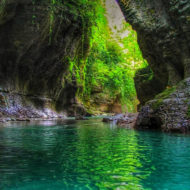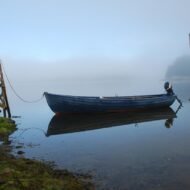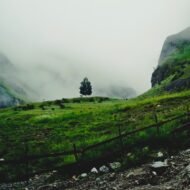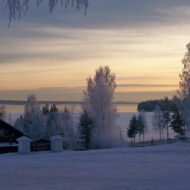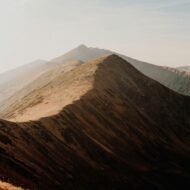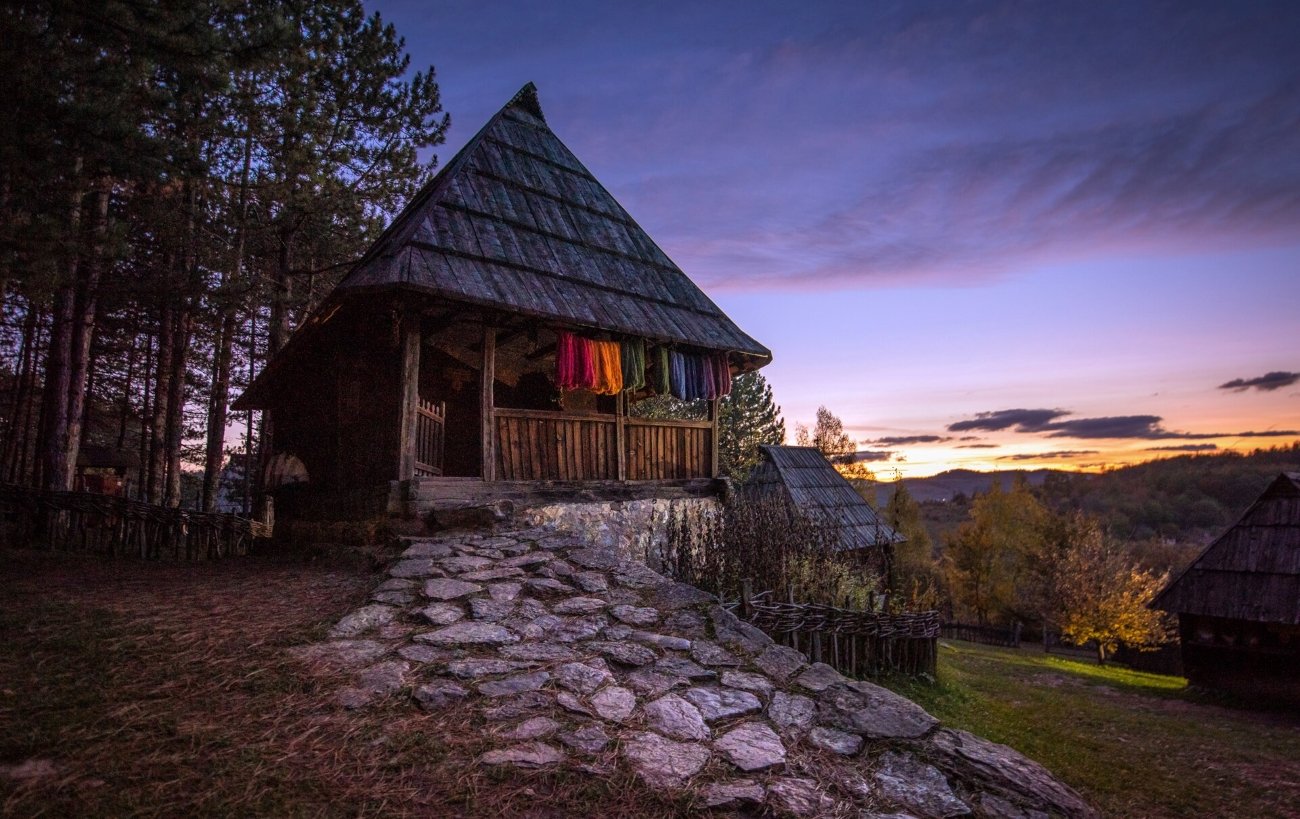


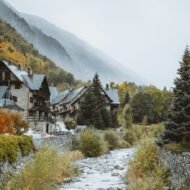
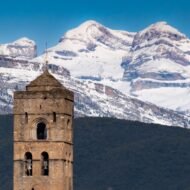
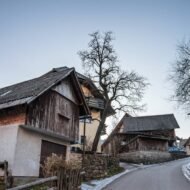
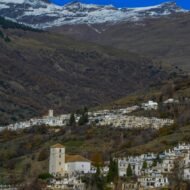
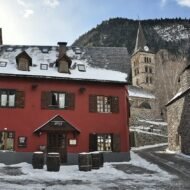
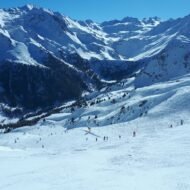
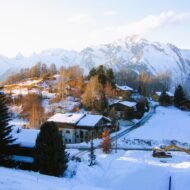
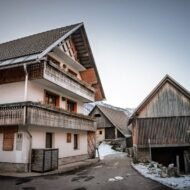
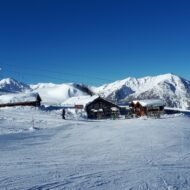
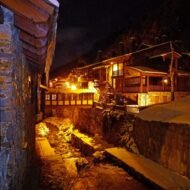
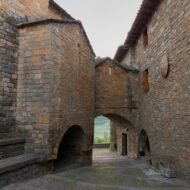
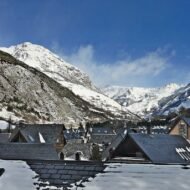
Hidden European mountain villages worth exploring , Tired of crowded Alpine resorts? These six under-the-radar mountain villages across Slovenia, Spain, Switzerland, and Andorra offer authentic experiences, stunning scenery, and way fewer selfie sticks. From Slovenia’s glacial lake hideaway to Spain’s white-washed Moorish gem, here’s your complete guide to Europe’s best-kept mountain secrets.
- 1. Lake Bohinj & Stara Fužina, Slovenia
- Why You’ve Never Heard of It (But Should)
- Winter Weather Reality Check
- Where to Stay
- Food & Where to Eat It
- Shopping & Local Crafts
- Outdoor Adventures
- Cultural Traditions to Know
- Events Worth Planning Around
- Budget Breakdown (Per Day)
- Useful Information
- 2. Arties (Val d’Aran), Lleida Province, Catalonia, Spain
- The Catalonia Nobody Talks About
- Winter: The Real Deal
- Accommodation Scene
- Aranese Cuisine: Hearty Mountain Food
- Shopping Experience
- Outdoor Activities Year-Round
- Cultural Immersion
- Don’t-Miss Events
- Budget Considerations
- Practical Details
- 3. Capileira, Spain (Las Alpujarras, Granada)
- Where Moorish History Meets Mountain Magic
- Winter in the South (It’s Different)
- Where to Rest Your Head
- Alpujarran Cuisine: North African Soul
- Shopping the Alpujarran Way
- Outdoor Paradise
- Cultural Deep Dive
- Annual Events
- Money Talk
- Practical Information
- 4. Aínsa, Aragon, Spain
- Medieval Perfection Without the Crowds
- Winter Expectations
- Sleeping in a Medieval Town
- Aragonese Mountain Food
- Shopping Scene
- Outdoor Activities Galore
- Cultural Insights
- Events Calendar
- Budget Breakdown
- Useful Details
- 5. Haute-Nendaz, Canton Valais, Switzerland
- Switzerland’s Best-Kept (Expensive) Secret
- Winter: Peak Swiss Experience
- Accommodation (Yes, It’s Expensive)
- Swiss Valais Cuisine
- Shopping Options
- Outdoor Activities (Winter & Summer)
- Cultural Elements
- Events Worth Attending
- The Money Question (It Hurts)
- Practical Information
- 6. Arinsal, Andorra
- The Microstate’s Mountain Gem
- Winter Reality
- Where to Stay
- Andorran Mountain Food
- Shopping Paradise
- Outdoor Adventures
- Cultural Quirks
- Events & Festivals
- Budget Breakdown
- Practical Information
- Quick Recap: Which Village Is Right for You?
- Disclaimer
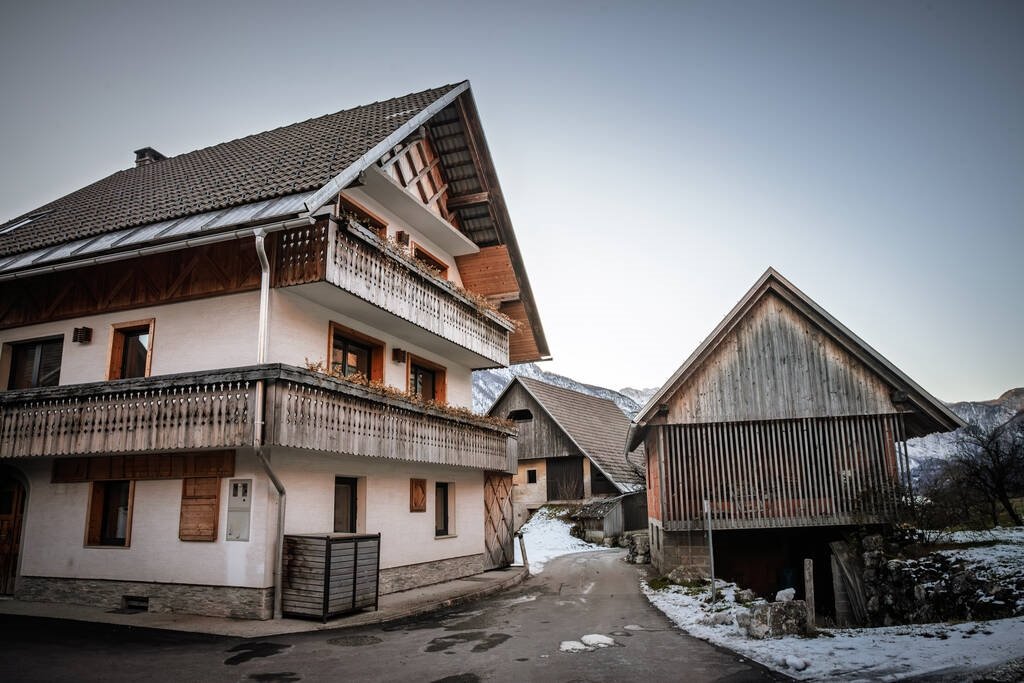
1. Lake Bohinj & Stara Fužina, Slovenia
Why You’ve Never Heard of It (But Should)
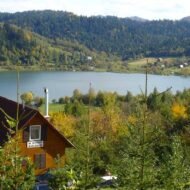
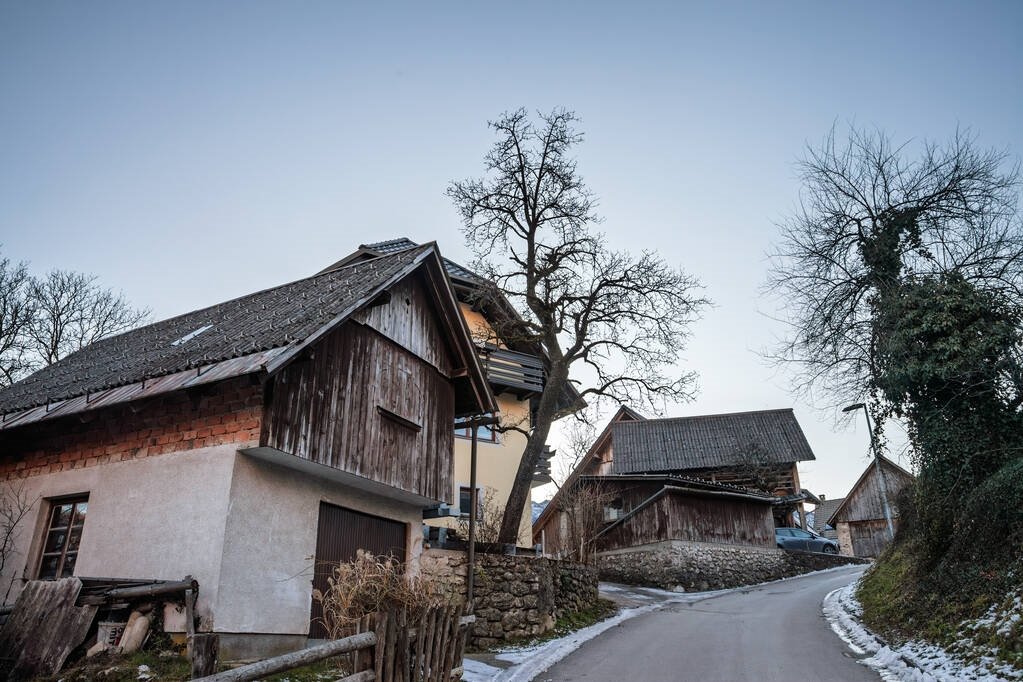
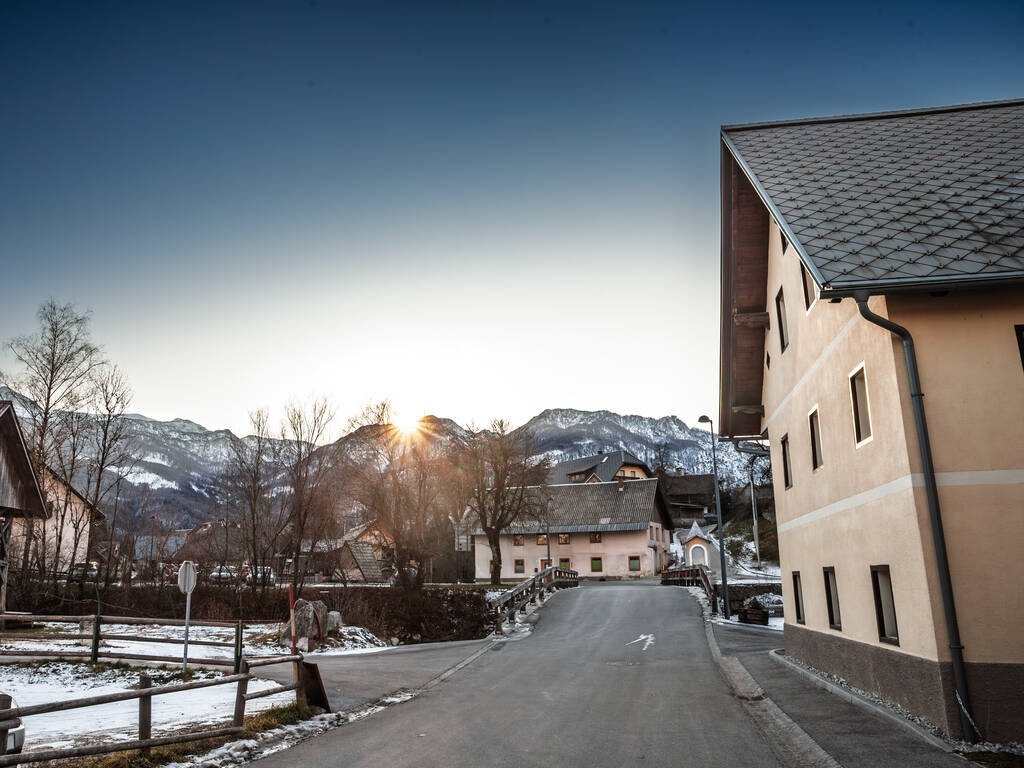
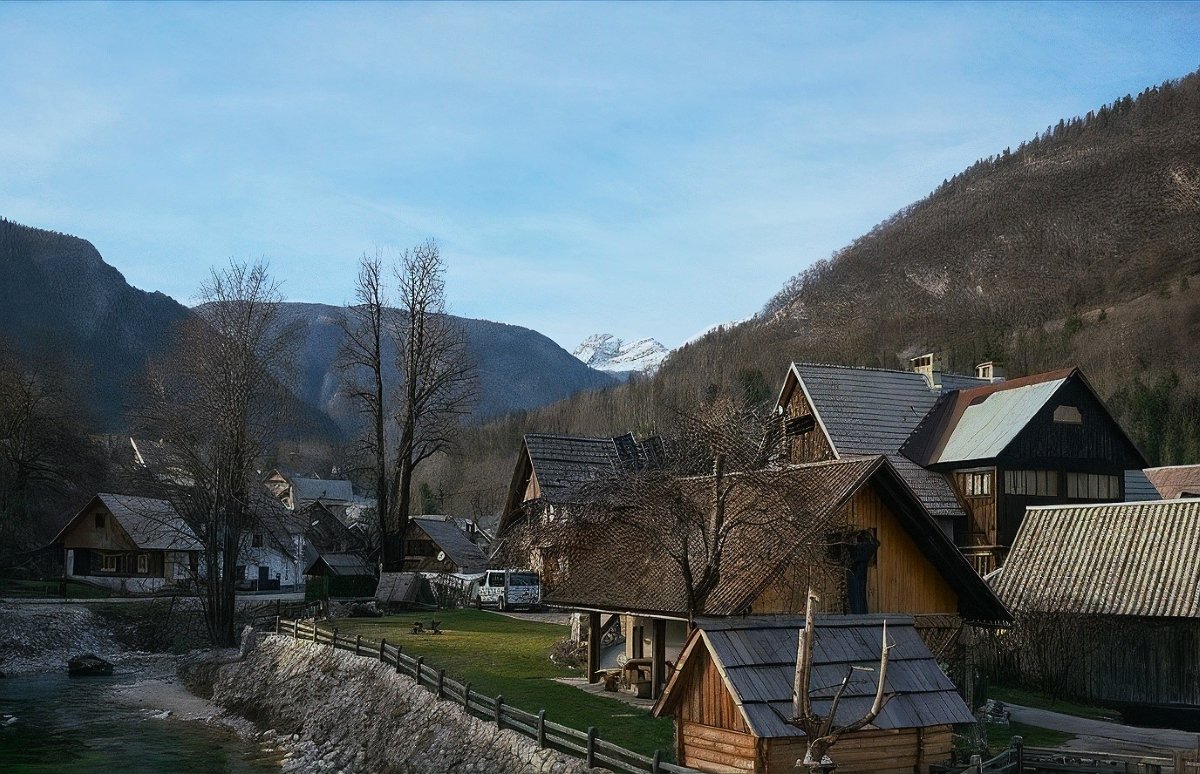
While everyone’s cramming into Lake Bled for that Instagram shot, locals quietly escape to Lake Bohinj—Slovenia’s largest glacial lake and the country’s best-kept secret. The tiny village of Stara Fužina sits on the eastern shore, population barely 500, but what it lacks in size it makes up for in authenticity.
Interesting Facts:
- Lake Bohinj is part of Triglav National Park, Slovenia’s only national park
- The lake’s crystal-clear water comes directly from mountain streams—it’s literally drinking quality
- The area inspired much of Slovenia’s national poet France Prešeren’s work
- Traditional “opanci” (peasant shoes) are still handmade here by local craftspeople
Winter Weather Reality Check
December-March: Expect -5°C to 5°C (23°F to 41°F). Snow blankets the valley from December through March, transforming the area into a winter wonderland. The lake sometimes freezes partially, creating ethereal ice formations. Pack layers—mountain weather changes fast.
Best Time: September-October for hiking, or January-February for cross-country skiing without the crowds.
Where to Stay
Budget (€40-80/night):
- Guesthouses and “sobe” (private rooms) in local homes—check Booking.com or ask at the tourist office
- Eco-camp Bled offers affordable cabin stays year-round
Mid-Range (€80-150/night):
- Hotel Center Bohinjsko Jezero offers lake views and traditional Alpine charm
- Apartments in Stara Fužina village provide kitchen facilities (great for budget meals)
Splurge (€150+/night):
- Hotel Kristal features wellness facilities and mountain-view rooms
- Sunrose 7 offers boutique luxury with sustainable practices
Food & Where to Eat It
Slovenian mountain cuisine is hearty, meat-forward, and surprisingly affordable. Don’t miss:
- Žganci: Buckwheat or corn porridge (less exciting than it sounds, trust me)
- Kranjska klobasa: Slovenian sausage that’ll ruin all other sausages for you
- Potica: Rolled pastry with walnut filling—basically Christmas in your mouth
- Štruklji: Rolled dumplings with various fillings
Where to eat:
- Gostilna Erlah (traditional, family-run, excellent prices)
- Strud’l restaurant (modern take on traditional dishes)
- Planinska koča pri Triglavskih jezerih (mountain hut with authentic atmosphere)
Budget tip: Hit up Mercator supermarket in Bohinjska Bistrica for picnic supplies. Lake-side lunches beat restaurant prices.
Shopping & Local Crafts
This isn’t a shopping destination, but that’s the point. What you will find:
- Hand-carved wooden items at local workshops
- Honey from mountain apiaries (Slovenia is obsessed with beekeeping)
- Traditional wool products and felt slippers
- Local dairy products—the cheese here is exceptional
The weekly market in nearby Bled (8km away) offers more variety on Saturdays.
Outdoor Adventures
Summer/Fall:
- Hiking to Savica Waterfall (30-minute easy walk, €3 entry)
- Stand-up paddleboarding on the lake (rentals €15-20/hour)
- Via ferrata routes for thrill-seekers
- Cycling the 12km loop around the lake
Winter:
- Cross-country skiing through silent forests
- Ice skating on designated lake areas
- Snowshoeing in Triglav National Park
- Sledding down Vogel ski slopes (much smaller than major resorts)
Cultural Traditions to Know
- Kurentovanje: Pre-Lenten carnival (February) features furry “Kurent” creatures chasing away winter
- Respect the mountains—Slovenians take their nature seriously
- Sunday is family day—many businesses close
- Learn “dober dan” (good day) and “hvala” (thank you)—locals appreciate the effort
Events Worth Planning Around
- Bohinj Hiking Festival (September): Guided walks, workshops, local food
- Cow’s Ball (mid-September): Traditional festival celebrating cattle returning from mountain pastures—wonderfully bizarre
- New Year’s Eve bonfire at the lake—magical and crowd-free
Budget Breakdown (Per Day)
Shoestring (€40-60):
- Accommodation: €40
- Food: €15 (supermarket + one meal out)
- Activities: €5 (most hiking is free)
Comfortable (€100-150):
- Accommodation: €80-100
- Food: €30-40 (two meals out, coffee breaks)
- Activities: €15-20
Luxury (€200+):
- Accommodation: €150+
- Food: €50+
- Activities/Spa: €30+
Useful Information
Getting There:
- Ljubljana Airport: 55km (rent a car or take bus to Bled, then local bus)
- Direct bus from Ljubljana: €8-12, 2 hours
- Car rental recommended for flexibility (€25-40/day)
Getting Around:
- Walking and cycling cover most needs
- Local bus connects villages (infrequent in winter)
- Taxi from Bohinjska Bistrica: €10-15
Language:
- Slovenian primary, but English widely spoken in tourist areas
- German also common among older generations
Cell Service/WiFi:
- Excellent coverage throughout
- Most accommodations offer free WiFi
Best Travel Apps:
- Triglav National Park app (trail maps, offline)
- Moovit (public transport)
- Google Translate with Slovenian downloaded offline
2. Arties (Val d’Aran), Lleida Province, Catalonia, Spain
The Catalonia Nobody Talks About
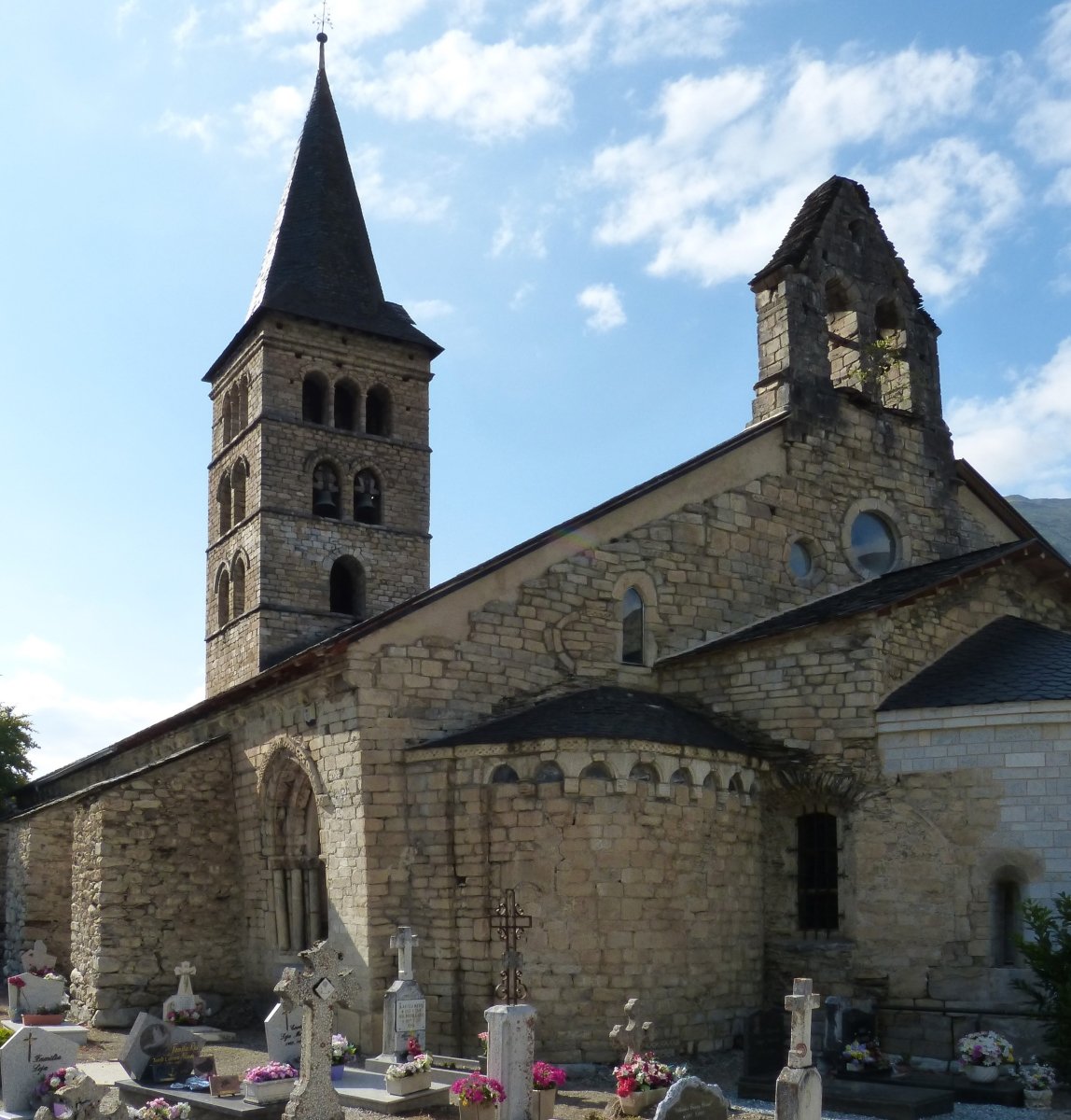
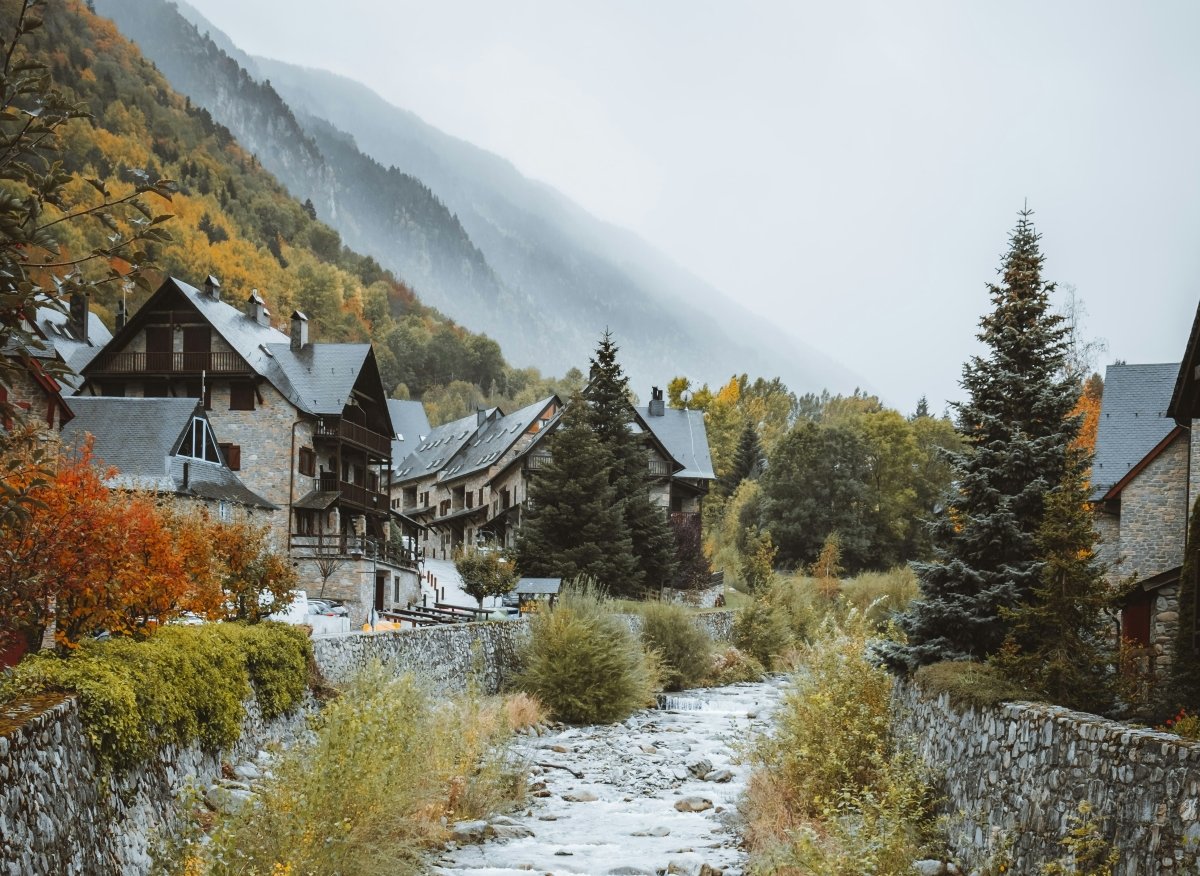
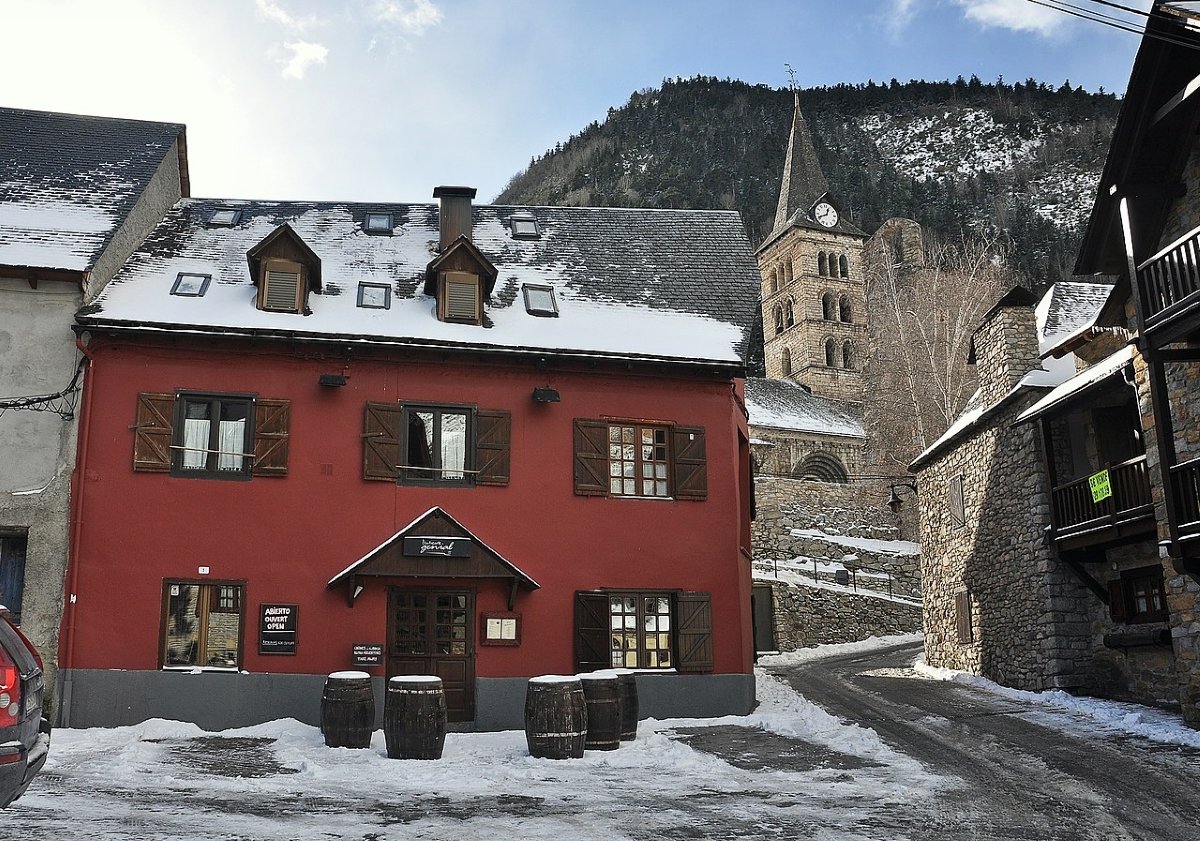
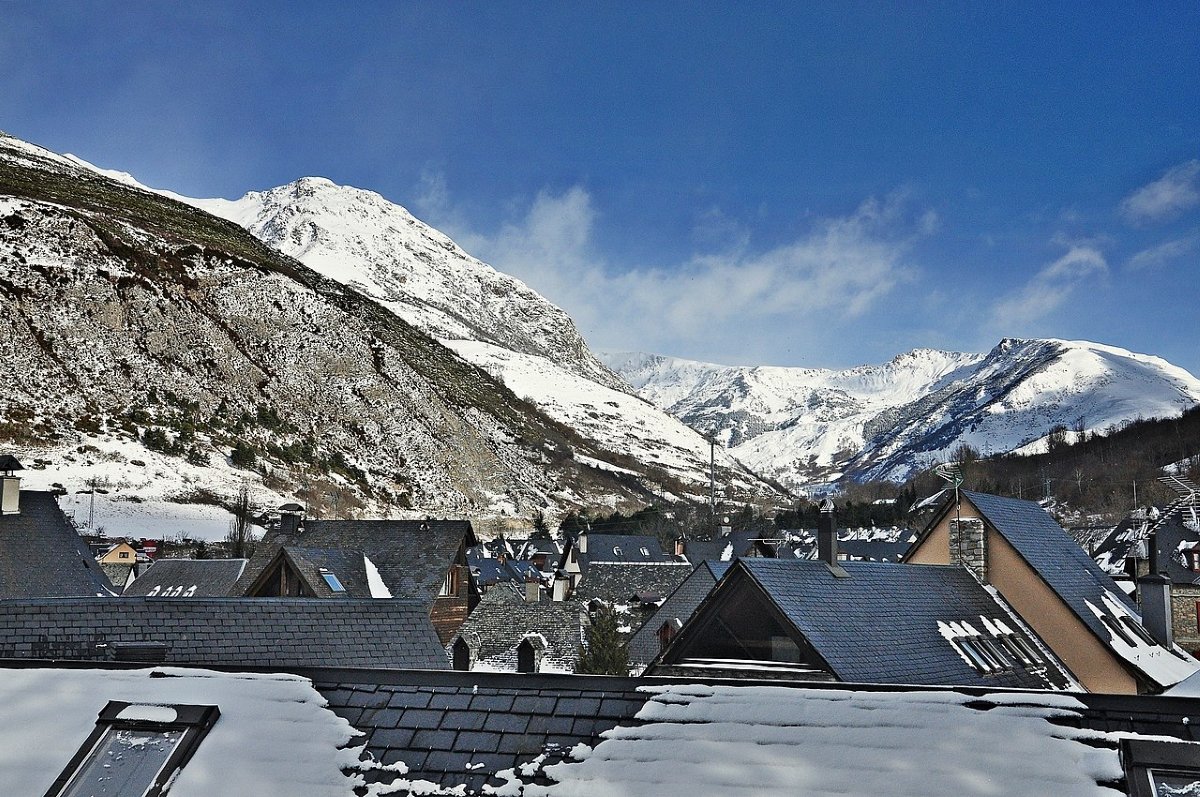
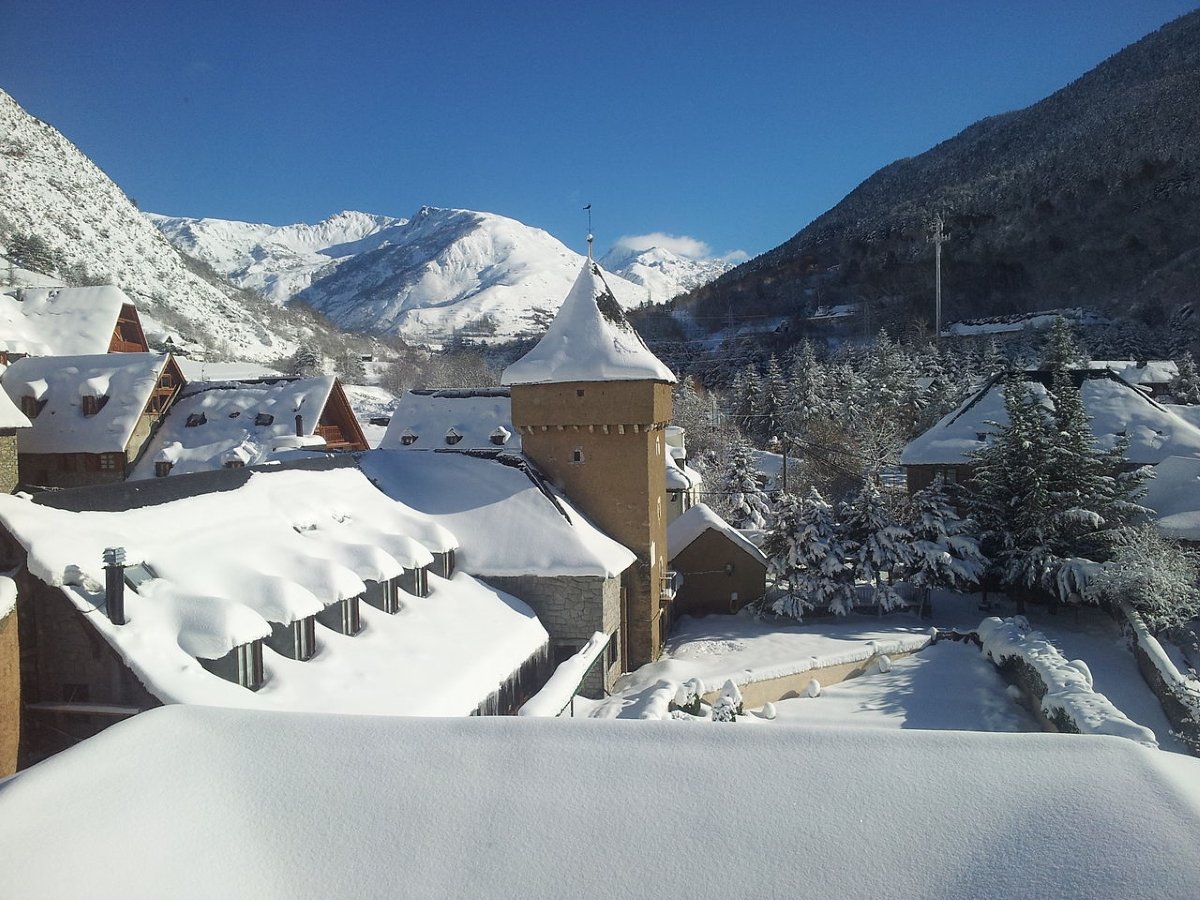
Tucked in the Pyrenees on the French border, Val d’Aran is Catalonia’s geographical oddity—its rivers flow north to France, and locals speak Aranese (a variant of Occitan) before Spanish or Catalan. Arties, with its 500 residents, sits at 1,143m elevation and looks like someone copy-pasted a medieval village into a mountain postcard.
Interesting Facts:
- Val d’Aran was isolated from Spain for centuries—only accessible from France until 1948
- The valley has its own microclimate, receiving more rain than surrounding areas
- Arties’ 12th-century Romanesque churches survived the Spanish Civil War unscathed
- The local language, Aranese, is experiencing a revival with bilingual education
Winter: The Real Deal
December-March: -2°C to 8°C (28°F to 46°F). Heavy snowfall is guaranteed—Val d’Aran receives some of the Pyrenees’ heaviest snow. The Baqueira-Beret ski resort (Spain’s premier ski destination) is 8km away, but Arties itself stays charmingly village-like.
Expect: Well-cleared roads, cozy restaurants packed with locals, and that crisp mountain air that makes your cheeks hurt. January-February is peak snow season.
Accommodation Scene
Budget (€50-90/night):
- Casa rural (countryside B&Bs) offer the best value and local flavor
- Albergue refuges for hikers and budget travelers
- Check Aranweb.com for local apartment rentals
Mid-Range (€90-160/night):
- Hotel Valarties combines modern comfort with stone architecture
- Parador de Arties (government-run historic hotel) offers reliable quality
- Many hotels include breakfast and spa access
Splurge (€160-400+/night):
- Parador de Arties (yes, it spans categories) has luxury rooms
- Private mountain chalets with incredible valley views
- Boutique hotels in nearby Vielha for more options
Aranese Cuisine: Hearty Mountain Food
The valley’s cuisine blends Catalan, French, and mountain traditions. Prepare for carbs and meat.
- Olla aranesa: The valley’s signature stew with vegetables, white beans, and various pork parts
- Cargols a la llauna: Grilled snails (better than you think)
- Civet de porc senglar: Wild boar stew
- Crema de Sant Joan: Burnt cream dessert (think crème brûlée’s ancestor)
Where to eat:
- Casa Irene (Michelin-starred, but not stuffy, €60-80/person)
- Era Lucana (traditional Aranese, €25-35/person)
- Restaurant Eth Restilhèr (locals’ favorite, excellent value)
Pro tip: Lunch is the main meal (2-4pm). Many restaurants close Monday-Tuesday outside peak season.
Shopping Experience
Limited but quality:
- Fromatge artisan cheese shops (the valley’s raw milk cheese is outstanding)
- Wool products and handmade blankets
- Local honey and charcuterie
- Small art galleries featuring local artists
The nearby town of Vielha (10 minutes) has more comprehensive shopping, including outdoor gear stores.
Outdoor Activities Year-Round
Winter:
- Skiing at Baqueira-Beret (day pass €60-68, equipment rental €25-35)
- Snowshoeing tours through silent forests
- Dog sledding experiences (€80-120 per person)
- Ice climbing for experienced climbers
Summer/Fall:
- Hiking the Camí Reiau (historic royal path)
- Mountain biking on marked trails
- White-water rafting on the Garonne River
- Rock climbing in the Aigüestortes National Park
Cultural Immersion
- Eth Haro: Traditional torch procession on June 23rd (St. John’s Eve)—seriously magical
- Romanesque church circuit—Arties has three medieval churches worth visiting
- Local festivals happen almost monthly—ask your host what’s on
- Respect the language—signs are in Aranese first, which confuses even Spaniards
Don’t-Miss Events
- Hèstas dera Nhèu (Snow Festival, January): Traditional celebrations in medieval dress
- Festa Major (August): Village patron saint festival with concerts and traditional dancing
- Hèsta deth Haro (late June): Midsummer fire festival across Val d’Aran villages
- Autumn Mushroom Season (October-November): Foraging culture is huge here
Budget Considerations
Daily Budget:
Low (€60-80):
- Accommodation: €50
- Food: €20-25 (picnic lunch, budget dinner)
- Activities: €5-10
Moderate (€130-180):
- Accommodation: €90-120
- Food: €40-50
- Activities: €20-30
High (€250+):
- Accommodation: €160+
- Food: €60-80
- Ski passes/guides: €70+
Money-saving tips:
- Self-cater breakfast and lunch from local shops
- Visit shoulder season (May-June, September-October) for 30-40% cheaper accommodation
- Many hiking trails and churches are free
Practical Details
Getting There:
- Barcelona: 340km, 3.5-4 hours by car via N-230 (watch for the Vielha Tunnel)
- Toulouse, France: 160km, 2.5 hours
- Bus from Barcelona (Alsa): €35-40 one-way, 4-5 hours
- No train service—you need a car or bus
Getting Around:
- Car essential for flexibility (rentals from €30/day)
- Local buses connect valley towns (irregular schedule)
- Taxis available but expensive (€15-25 between villages)
Language Notes:
- Trilingual signage: Aranese, Catalan, Spanish
- English in tourism spots, less in traditional restaurants
- Download Spanish/Catalan on Google Translate
Connectivity:
- Good cell coverage in villages
- Some mountain trails have no signal
- Free WiFi in most accommodations
3. Capileira, Spain (Las Alpujarras, Granada)
Where Moorish History Meets Mountain Magic
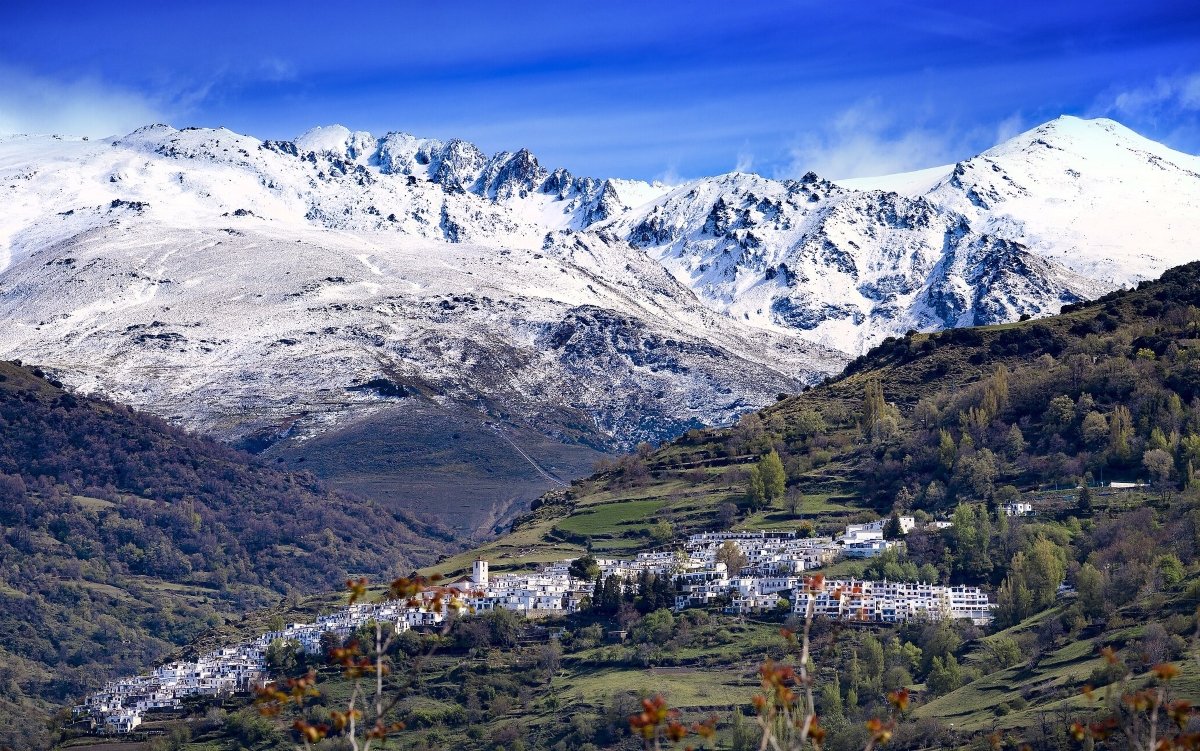
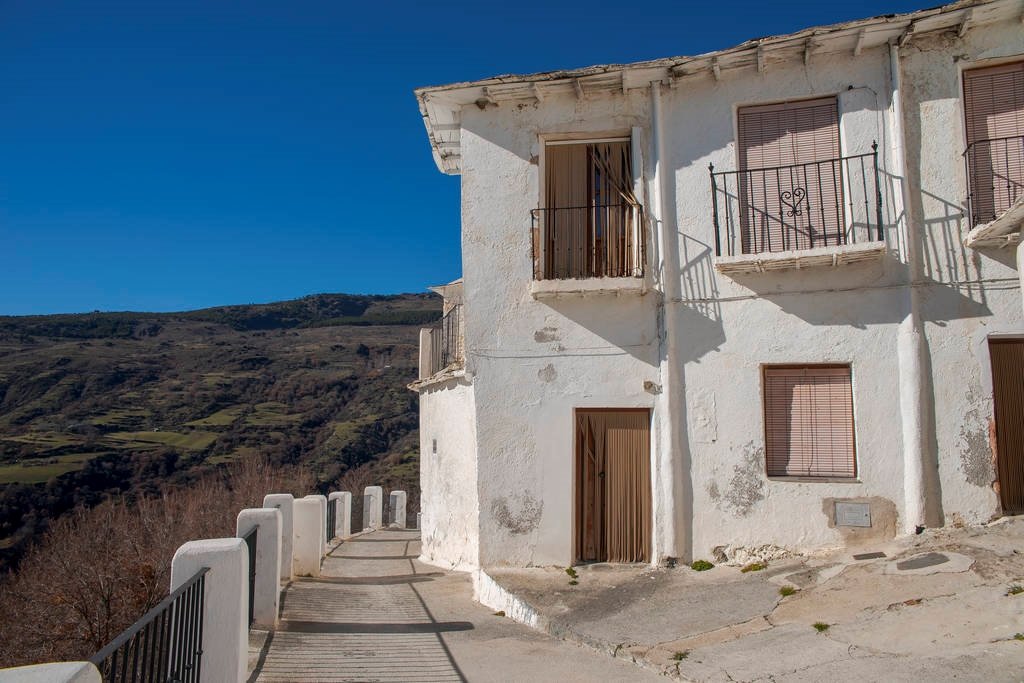
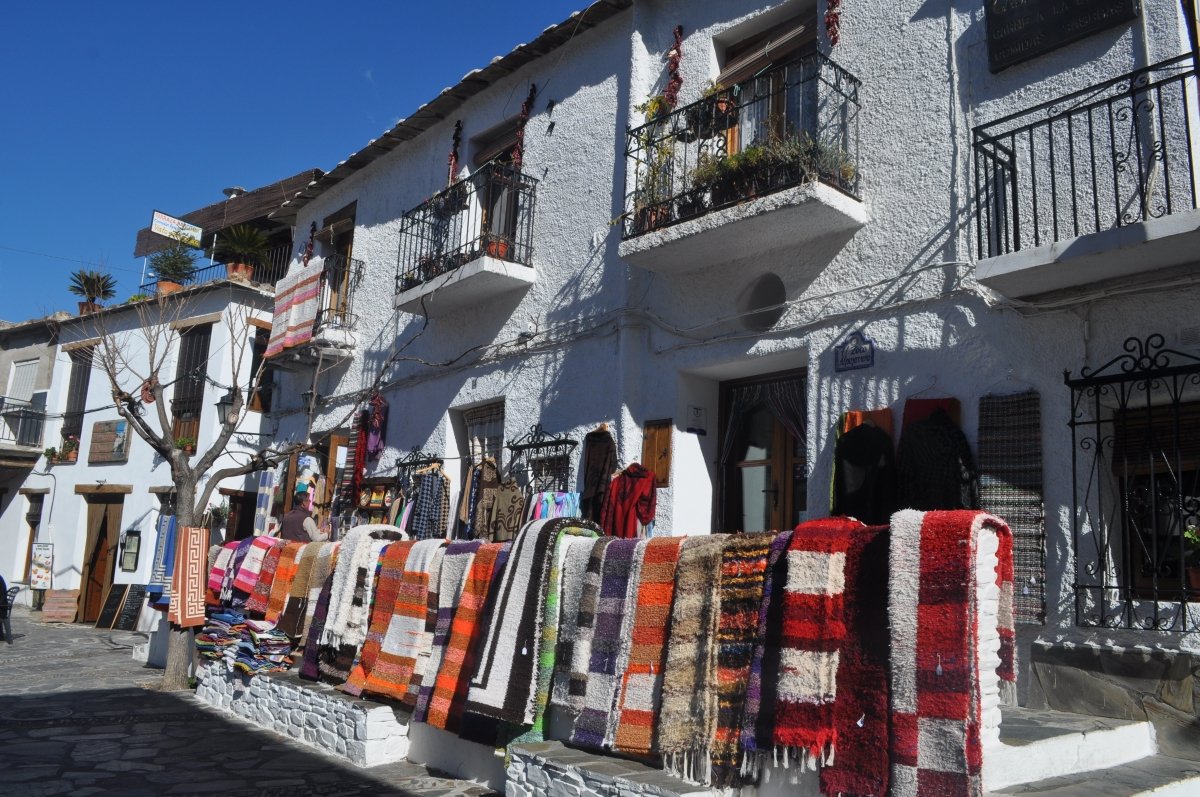
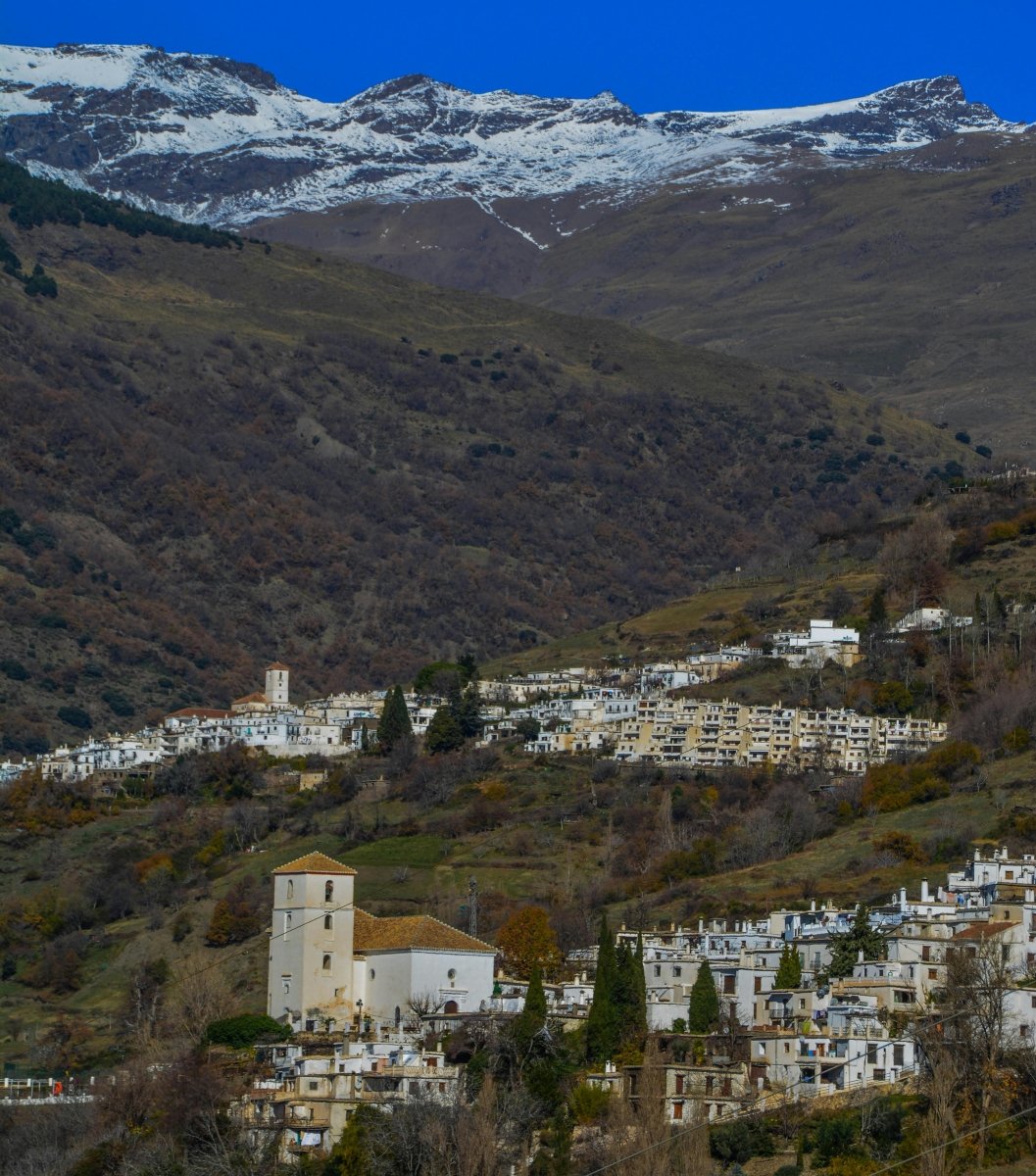
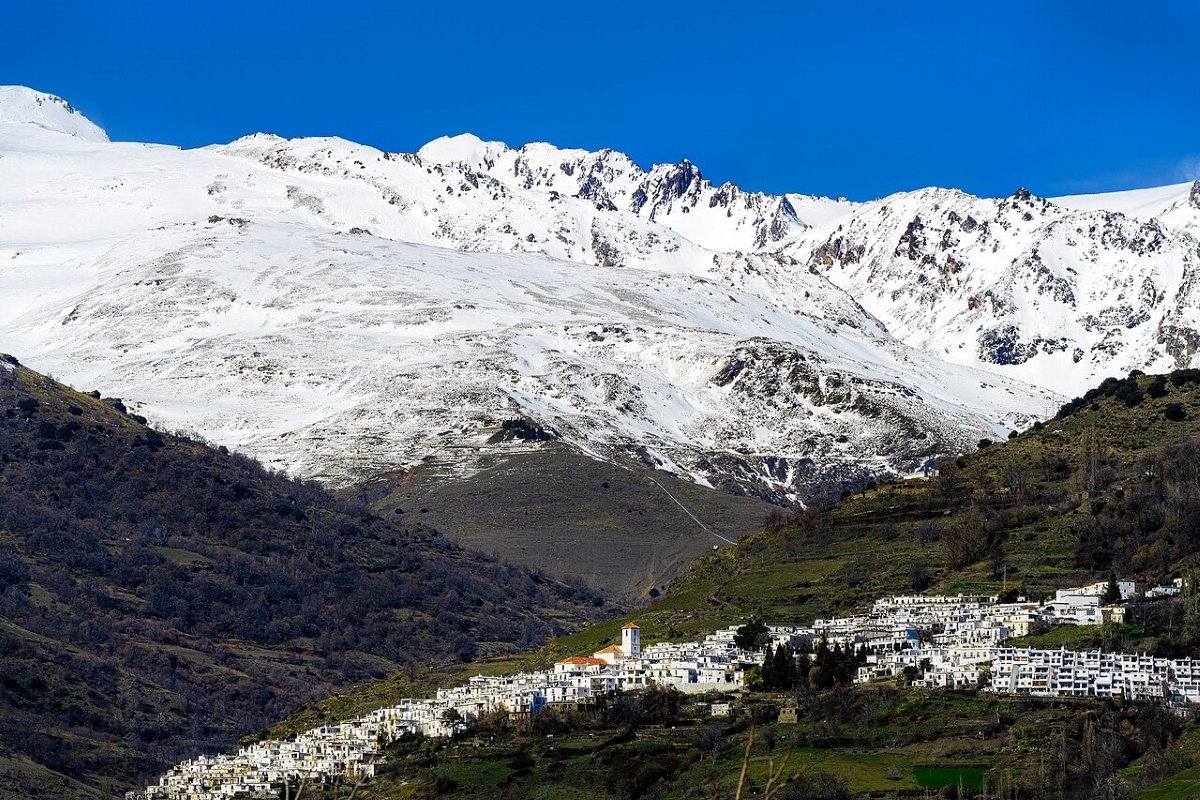
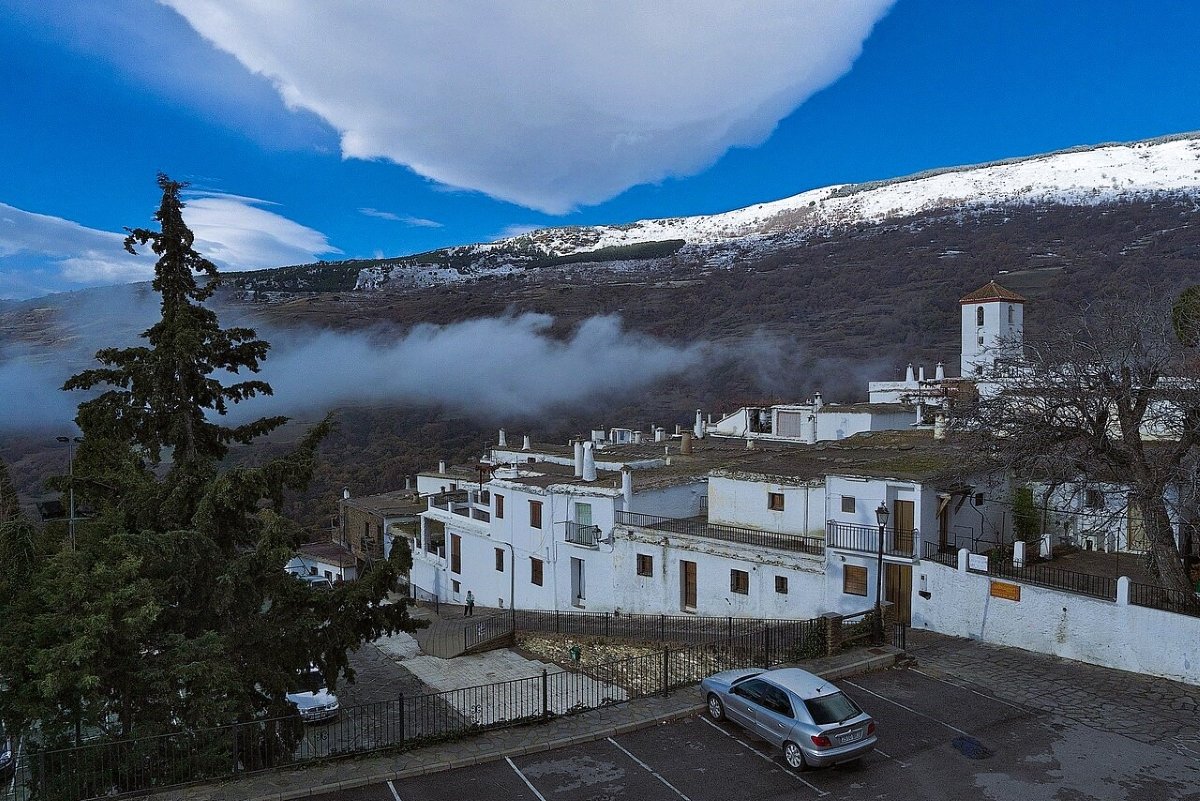
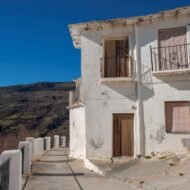
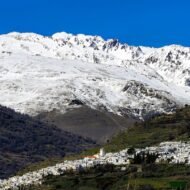
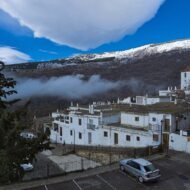
At 1,436m in the Sierra Nevada’s southern slopes, Capileira is the highest village in the Poqueira Gorge—one of Spain’s most stunning valleys. White-washed houses cling to impossibly steep terrain, and the last Moorish rebellion happened in these mountains in the 1500s. This is Spain, but not the Spain you know.
Interesting Facts:
- The Alpujarras was the last stronghold of Spanish Muslims after Granada fell in 1492
- Gerald Brenan, the British writer, made the region famous with his book “South from Granada”
- Traditional Alpujarran architecture uses flat roofs made of launa (local clay mixed with stones)
- The region produces jamón serrano that competes with Jabugo and Teruel hams
Winter in the South (It’s Different)
November-March: 5°C to 15°C (41°F to 59°F) during the day, often dropping below freezing at night. Snow dusts the village occasionally, while the Sierra Nevada peaks above glisten white. This is Mediterranean mountain climate—you might need a jacket in the morning and shorts by afternoon.
Pro tip: The Sierra Nevada ski resort (Spain’s southernmost skiing!) is a 45-minute drive. You can ski in the morning and be in Granada by lunch.
Where to Rest Your Head
Budget (€40-70/night):
- Pensiones and hospedajes—family-run guesthouses with basic but clean rooms
- Cortijo-style apartments (traditional Alpujarran farmhouses converted to rentals)
- Camping Trevélez nearby (€15-20 per tent pitch)
Mid-Range (€70-120/night):
- Hotel Real de Poqueira with stunning gorge views
- Casa rural rentals with full kitchens
- B&Bs run by expat Europeans (British, German, Dutch) who settled here decades ago
Splurge (€120-200+/night):
- Finca Los Llanos boutique hotel with infinity pool
- Luxury cave house conversions (yes, seriously)
- Private villas overlooking the valley
Alpujarran Cuisine: North African Soul
The food here is distinctly different from coastal Spanish cuisine—it reflects centuries of Moorish influence.
- Plato Alpujarreño: The regional dish—fried eggs, chorizo, morcilla, jamón, and potatoes piled high
- Migas: Fried breadcrumbs with chorizo and grapes (comfort food personified)
- Choto al ajillo: Baby goat in garlic sauce
- Soplillos: Almond meringue cookies found in every panadería
Where to eat:
- El Corral del Castaño (terrace with gorge views, great value)
- Casa Julio (the plato Alpujarreño is massive)
- Tapas bars along Calle Carretera—locals stand at the bar, you should too
Budget hack: Order drinks at bars and you’ll get free tapas. Seriously. That’s how it works in Granada province.
Shopping the Alpujarran Way
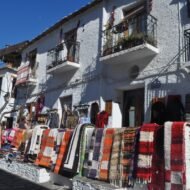
- Jarapas: Traditional colorful woven rugs made on wooden looms—buy them here, not in Granada tourist shops
- Ceramics with Moorish geometric patterns
- Local honey (chestnut honey is exceptional)
- Artisan goat cheese from mountain herds
- Handmade leather goods
The village hosts a small artisan market on weekends (check locally for exact dates).
Outdoor Paradise
Hiking:
- The Poqueira Gorge trail connects Pampaneira-Bubión-Capileira (3 hours round trip, easy-moderate)
- Summit Mulhacén (3,479m)—Spain’s highest peak—from Capileira (full day, experienced hikers)
- Barranco de Poqueira waterfalls (1 hour easy hike)
Other Activities:
- Horse riding through chestnut forests
- Mountain biking on old Moorish trails
- Rock climbing (limestone walls around the gorge)
- Paragliding from nearby launch sites
Winter addition:
- Drive to Sierra Nevada for skiing (Spain’s highest resort, often sunny)
- Snowshoeing in the high mountains
- Simply enjoying warm sun on the village plaza while mountains tower above
Cultural Deep Dive
- Festival of Moors and Christians (September): Re-enactment of historical conflicts with costumes and mock battles
- Respect siesta (2-5pm)—the village essentially closes
- Traditional music features North African-influenced instruments
- The local dance, the “baile Alpujarreño,” still happens at festivals
- Many residents are alternative-lifestyle expats attracted by the area’s bohemian vibe
Annual Events
- Semana Santa (Easter Week): Solemn processions through steep streets
- San Antonio Festival (January 16-17): Bonfires and blessing of animals
- Moors and Christians Festival (September): Week-long celebration in rotating villages
- Harvest Festivals (October-November): Celebrating chestnuts, wine, and olives
Money Talk
Daily Spending:
Tight Budget (€40-60):
- Accommodation: €40
- Food: €15-20 (self-catering plus tapas)
- Activities: Free hiking
Comfortable (€90-130):
- Accommodation: €70-80
- Food: €30-40 (meals out)
- Activities: €10-20
Comfortable+ (€150-200):
- Accommodation: €120+
- Food: €50
- Guides/activities: €30+
Money-saving gold: This region is significantly cheaper than coastal or northern Spain. A great meal costs €15-20, not €30-40.
Practical Information
Getting There:
- Granada Airport: 70km, 90 minutes by car
- Málaga Airport: 140km, 2-2.5 hours
- Bus from Granada (Alsa): €7-10, 2 hours, 2-3 daily buses
- Car rental strongly recommended (€20-35/day from Granada)
Getting Around:
- The village is entirely walkable (though steep!)
- Car needed for exploring other Alpujarras villages
- Infrequent buses connect valley villages
- Local taxi service available (€10-20 to nearby villages)
Language:
- Spanish essential—little English outside main hotels
- Andalusian Spanish drops consonants (difficult even for Spanish learners)
- Download Spanish on translation apps
WiFi/Connectivity:
- Decent in the village center
- Spotty in surrounding mountains
- Most accommodations have WiFi
Accessibility Note:
- Very steep streets and steps—challenging for mobility issues
- Some newer hotels have elevators
- Driving to viewpoints offers access to scenery without hiking
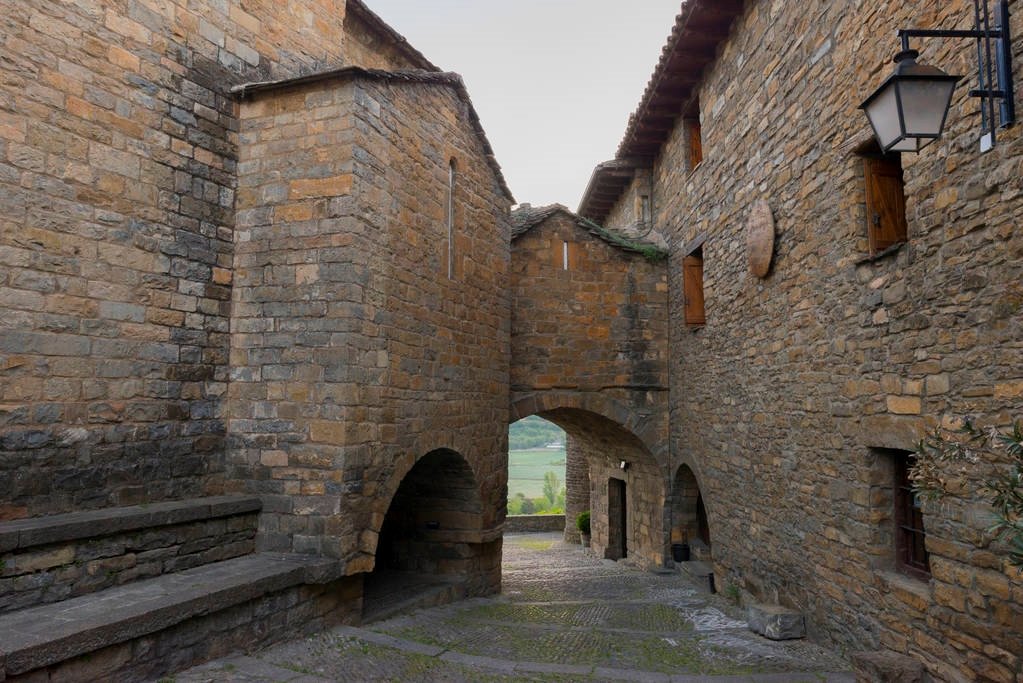
4. Aínsa, Aragon, Spain
Medieval Perfection Without the Crowds
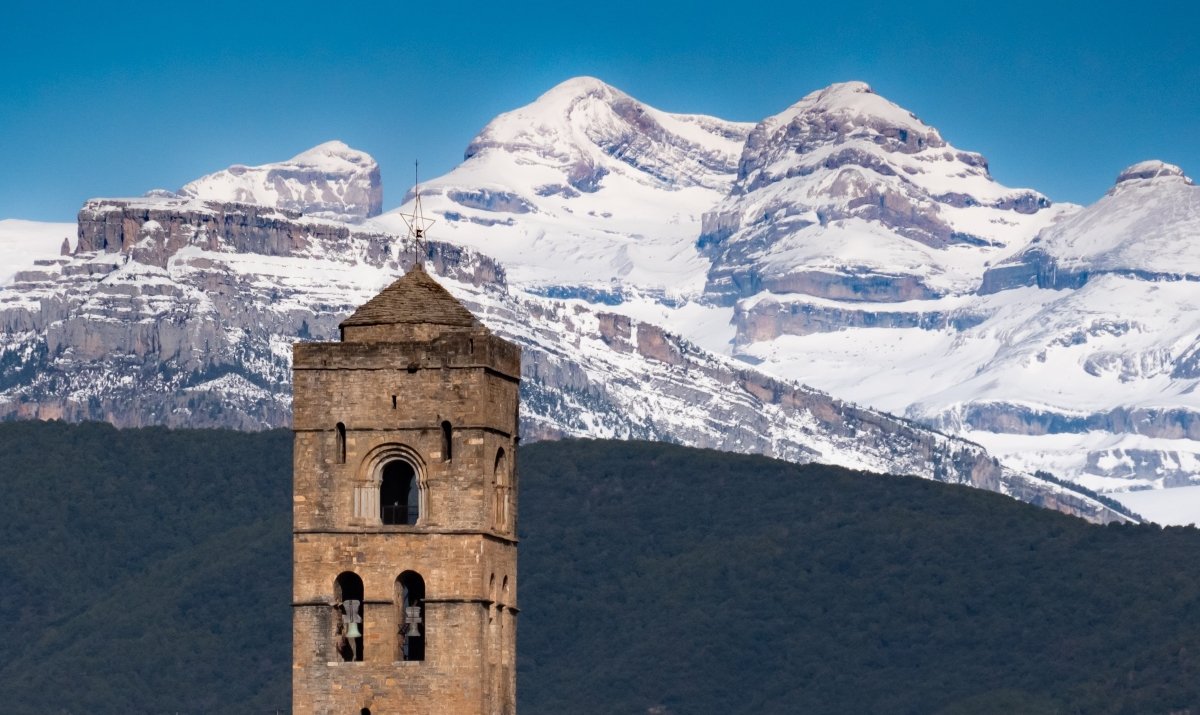
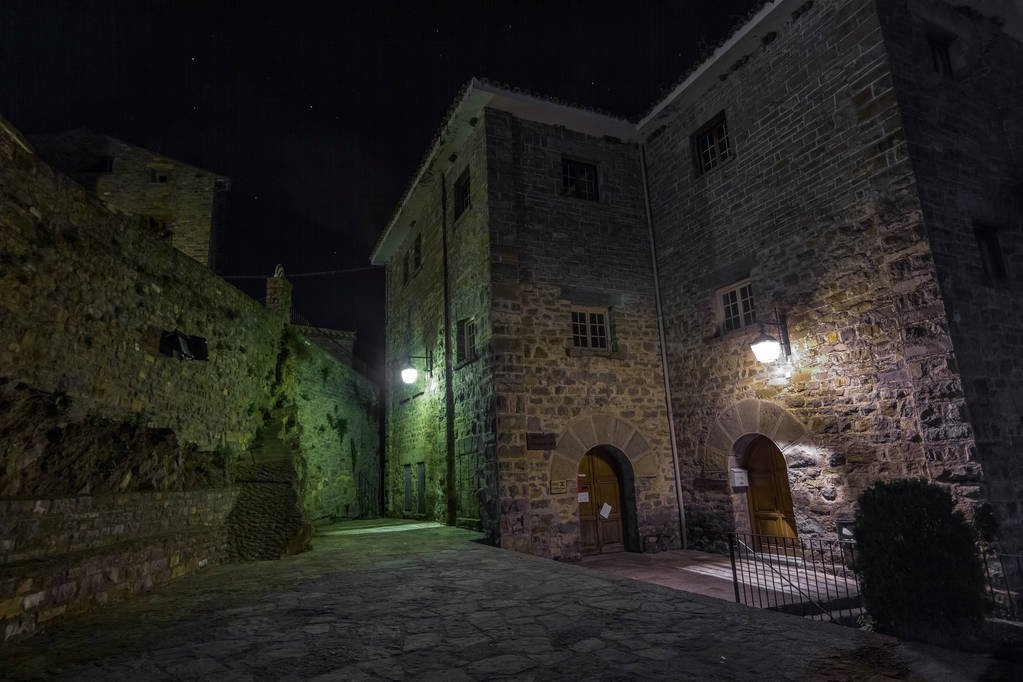
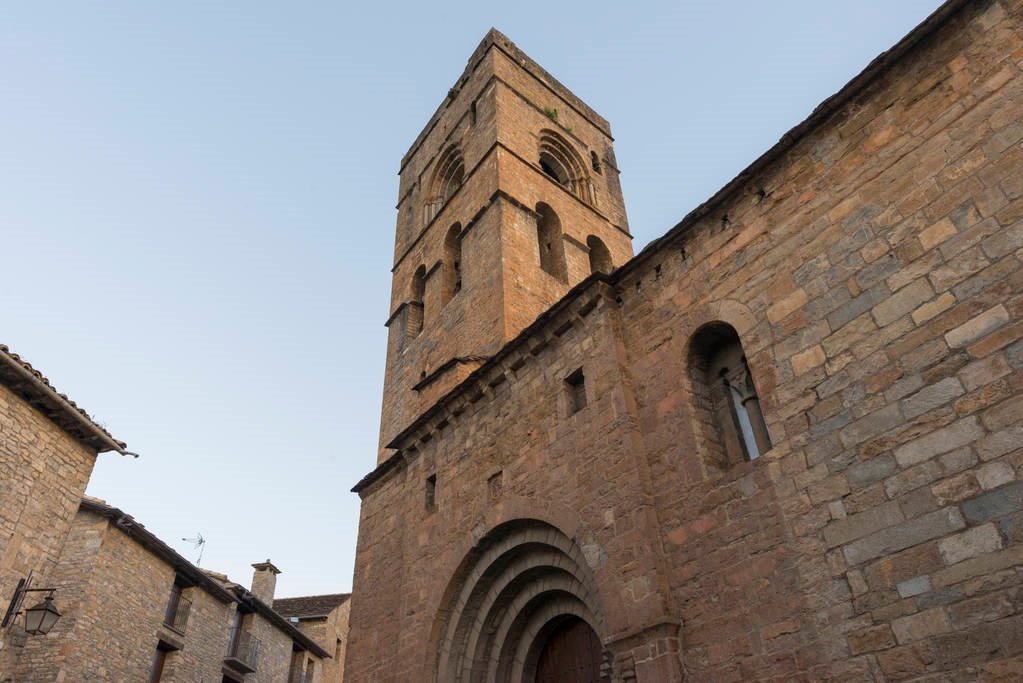
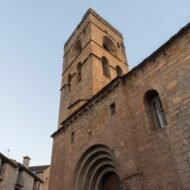
Aínsa isn’t technically a village (population 2,100), but it feels like one—especially in the walled medieval quarter that sits on a promontory above the confluence of two rivers. This is one of Spain’s most beautiful historic towns, with Pyrenees peaks forming a dramatic backdrop, yet it remains mysteriously under-touristed.
Interesting Facts:
- The entire old town is a Spanish National Monument and BIC (site of cultural interest)
- Founded in the 11th century during the Christian Reconquest of Spain
- The town’s name supposedly comes from King García Jiménez seeing a burning cross on an oak tree before battle
- It’s the gateway to Ordesa y Monte Perdido National Park—Spain’s answer to Yosemite
Winter Expectations
December-March: 2°C to 12°C (35°F to 54°F). Snow is possible but not guaranteed in town; the Pyrenees above are reliably snow-covered. Cold, crisp nights and often sunny days. Definitely jacket weather, but milder than Alpine destinations.
Best time: Late spring (May-June) for wildflowers or September-October for perfect hiking weather and fewer visitors.
Sleeping in a Medieval Town
Budget (€45-80/night):
- Albergue Mora de Nuei hostel (€20-25 for dorm bed)
- Pensiones in the new town (outside medieval walls)
- Rural apartments in nearby villages (€50-60/night)
Mid-Range (€80-140/night):
- Hotel Sanchez with traditional Aragonese décor
- Casa Maza and other small hotels in converted historic buildings
- Casas rurales (rural houses) sleeping 4-6 people (great for groups)
Splurge (€140-250+/night):
- Hospedería de Aínsa—stunning rooms in the main plaza
- Hotel Los Siete Reyes boutique property
- Luxury rural retreats in the surrounding countryside
Aragonese Mountain Food
Hearty, meat-focused, and delicious. Aragon is all about locally-sourced mountain ingredients.
- Ternasco de Aragón: Roast lamb with DO (protected origin) status—the region’s pride
- Migas del pastor: Shepherd’s breadcrumb dish with grapes and chorizo
- Chiretas: Aragon’s unique sausage made with lamb and rice
- Crespillos: Fried sweet fritters (a festival food)
Where to eat:
- Restaurante Bodegón de Mallacán (traditional, incredible ternasco)
- Callizo Restaurant (modern Aragonese, €30-45/person)
- Bodegas del Sobrarbe (wine bar with excellent tapas)
Tip: Lunch menus (menú del día) offer three courses plus wine for €12-18—unbeatable value.
Shopping Scene
Limited but charming:
- Artisan shops selling local crafts in the medieval quarter
- Outdoor gear stores for hikers heading to Ordesa
- Small food shops with local cheese, honey, and cured meats
- Weekly market on Friday mornings (produce, cheese, bread)
Nearby Barbastro (30km) has more comprehensive shopping including supermarkets.
Outdoor Activities Galore
Hiking:
- Ordesa National Park (45 minutes away)—world-class trails including Cola de Caballo waterfall
- Añisclo Canyon walks
- Vía ferrata routes for climbing enthusiasts
- The Camino de Santiago passes near Aínsa
Other Adventures:
- White-water rafting on the Cinca River
- Canyoning in nearby gorges
- Mountain biking on marked trails
- Rock climbing (the region has hundreds of routes)
Winter:
- Skiing at nearby resorts (Baqueira-Beret 2 hours, smaller resorts closer)
- Snowshoeing in the Pyrenees
- Exploring the medieval town without summer crowds
Cultural Insights
- The Castle Legend: A burning cross (Cruz de Sobrarbe) supposedly appeared before the Battle of Aínsa in 724 AD
- Fiestas: September biennial medieval fair transforms the town (next one: September 2026)
- The Plaza Mayor is one of Spain’s most beautiful squares—porticoed and perfectly preserved
- Local festivals involve “gigantes y cabezudos” (giants and big-headed figures parading)
Events Calendar
- Medieval Fair (first weekend of September, every odd year): The big one—jousting, market, period costumes
- Morisma Festival (varies by year): Mock battles between Moors and Christians
- Holy Week Processions (Easter): Solemn religious celebrations
- San Juan Bonfires (June 23): Midsummer fire celebrations
Budget Breakdown
Daily Costs:
Economical (€50-75):
- Accommodation: €45-60
- Food: €15-20 (menú del día, self-catered breakfast/snacks)
- Activities: Free hiking or €10 for parking
Standard (€100-140):
- Accommodation: €80-100
- Food: €30-40
- Activities/entrance fees: €15-20
Comfortable (€180-250):
- Accommodation: €140+
- Food: €50-70
- Guided activities: €40-60
Useful Details
Getting There:
- Zaragoza Airport: 160km, 2 hours by car
- Barcelona: 280km, 3-3.5 hours
- No direct train—bus or car only
- Bus from Huesca city: €8-12, 2 hours, 2-3 daily
- Car rental essential for exploring the region
Getting Around:
- The old town is compact and walkable
- Car needed for national park access and exploring valleys
- Taxis available but limited
- Bike rental available in summer months
Language:
- Spanish (Castilian) primary
- Some English in tourist information and main hotels
- Aragonese language exists but rarely spoken today
Connectivity:
- Good WiFi in accommodations
- Cell service reliable in town, patchy in mountains
- Some hiking trails have no signal
Best Apps:
- Wikiloc for hiking trails
- Spain’s Meteo weather app
- Google Maps (offline maps essential)
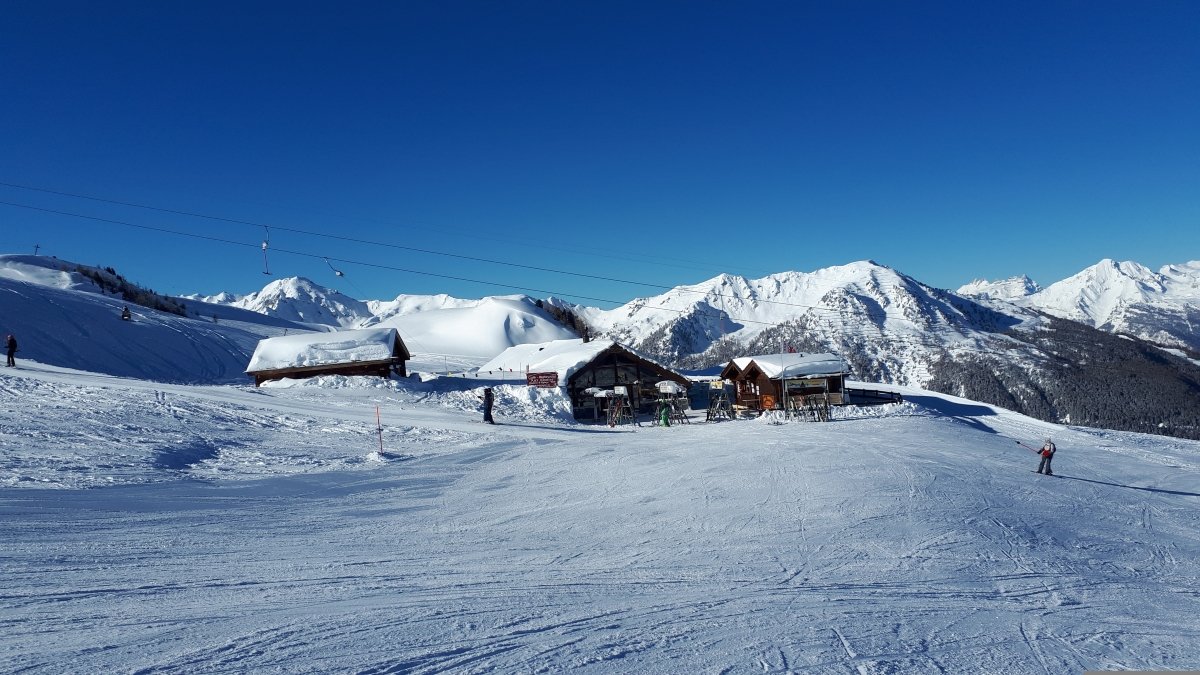
5. Haute-Nendaz, Canton Valais, Switzerland
Switzerland’s Best-Kept (Expensive) Secret
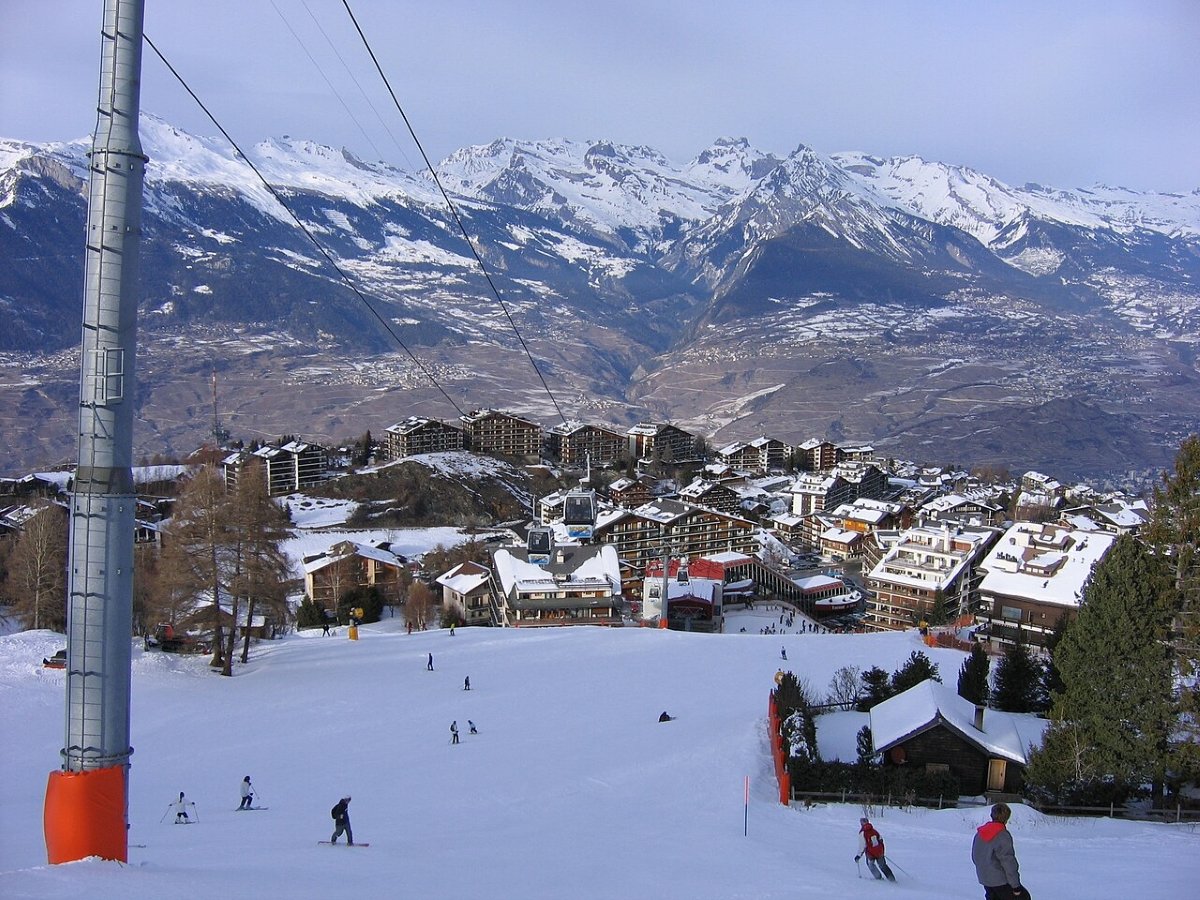
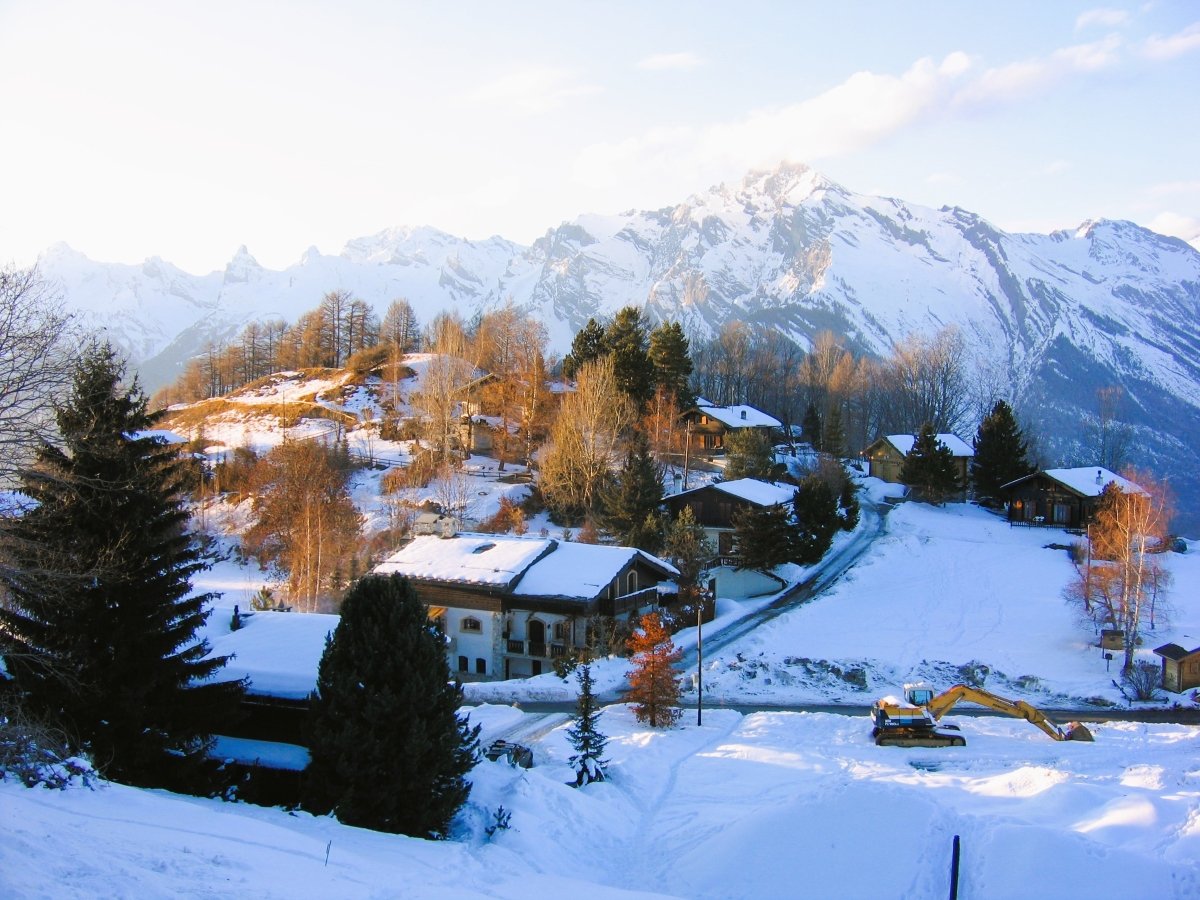
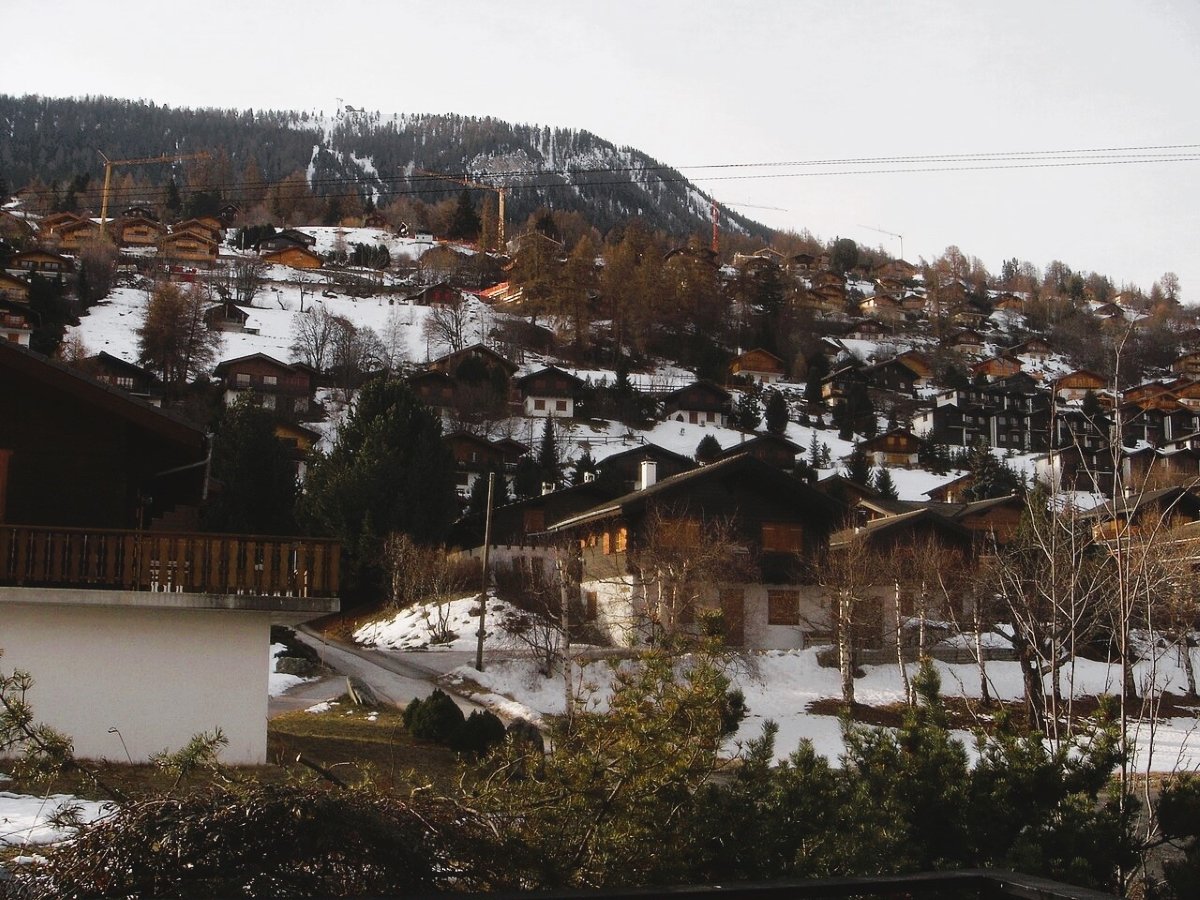
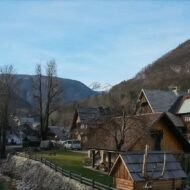
Let’s be honest upfront: this is Switzerland, so “budget” is relative. But Haute-Nendaz (1,365m) offers Swiss Alpine perfection without Zermatt or St. Moritz prices or crowds. Part of the massive 4 Vallées ski area, this traditional Valaisan village delivers authentic Swiss mountain culture with stunning views of the Rhône Valley and Alps beyond.
Interesting Facts:
- The name “Nendaz” comes from “Nant d’Ei,” meaning “water spring” in the old Valais dialect
- The village has preserved over 60 traditional wooden mazots (storage huts on stilts)
- Nendaz sits directly across from Verbier but costs significantly less
- The region produces Fendant wine—Valais’s crisp white that pairs perfectly with raclette
Winter: Peak Swiss Experience
November-April: -8°C to 4°C (18°F to 39°F). Reliable heavy snowfall from December onward. The 4 Vallées ski area offers 410km of slopes, and Haute-Nendaz is one of the quieter access points. January-February sees the coldest temperatures and best snow conditions.
Expect: Pristine slopes, fondue restaurants, that peculiar Swiss efficiency where everything just works, and prices that’ll make your credit card weep.
Accommodation (Yes, It’s Expensive)
Budget (CHF 80-150/night, €85-160):
- Hostel-style accommodation (rare but exists)
- Studio apartments (self-catering saves money)
- Private rooms in chalets
- Check local rental sites for deals outside peak weeks
Mid-Range (CHF 150-300/night, €160-320):
- Hotel Nendaz 4 Vallées with wellness facilities
- Apartment hotels with kitchenettes
- Traditional chalet rentals (especially economical for groups of 6-8)
Luxury (CHF 300-600+/night, €320-640+):
- Five-star chalets with private spa
- Luxury apartments with chef service
- High-end hotels with Michelin-starred restaurants
Money-saving tip: Rent an apartment and self-cater. Swiss restaurant prices are brutal (CHF 25-35 for a basic meal).
Swiss Valais Cuisine
Traditional Valais food is mountain peasant cuisine elevated to art form.
- Raclette: Melted cheese scraped onto potatoes—Valais’s most famous dish
- Fondue moitié-moitié: Half Gruyère, half Vacherin cheese fondue
- Assiette Valaisanne: Platter of dried meats (viande séchée), cheese, bread
- Taillé aux greubons: Pastry with crackling
- Papet Vaudois: Leek and potato dish with sausage
Where to eat:
- Restaurant Le Grenier (traditional Valais, CHF 30-50/person)
- Buvette de la Tracouet (mountain restaurant, spectacular views)
- Chez Romeo for pizza (one of the more affordable options, CHF 20-30)
Reality check: Budget CHF 40-60 (€43-64) per person for a sit-down meal with drinks. Ouch.
Shopping Options
- Coop and Migros supermarkets (Swiss staples—quality but expensive)
- Small shops selling Swiss chocolate, cheese, and wine
- Outdoor sports equipment shops
- Local artisan crafts at weekly market (Wednesday mornings in summer)
Pro tip: Buy basics at valley-level supermarkets before coming up (20-30% cheaper).
Outdoor Activities (Winter & Summer)
Winter:
- Skiing/snowboarding 4 Vallées (day pass CHF 78/€83, multi-day better value)
- Cross-country skiing on 15km of groomed trails (free!)
- Snowshoeing tours through pristine forests
- Winter hiking on prepared paths
Summer:
- 300km of marked hiking trails
- Paragliding from the Tracouet plateau (unforgettable but pricey: CHF 180-220)
- Mountain biking (rentals CHF 45-60/day)
- Via ferrata climbing routes
- Swimming in Lac de Cleuson (glacial lake—bracing!)
Cultural Elements
- Valais dialect: A distinct Swiss German dialect incomprehensible even to other German-Swiss
- Traditional cow fighting (Combats de Reines)—a Valais institution where cows determine hierarchy
- Wine culture—Valais produces excellent whites like Fendant and Petite Arvine
- The apéro (pre-dinner drinks) is a sacred social ritual
Events Worth Attending
- Combat de Reines Finals (May, autumn): Traditional cow fighting championships
- Yodeling Festival (varies): Because it’s Switzerland
- Fête de la Musique (June 21): Free concerts throughout the village
- Christmas Market (December): Small but charming Swiss mountain Christmas market
The Money Question (It Hurts)
Daily Budget:
Tight (CHF 120-160/€130-170):
- Accommodation: CHF 80-100
- Food: CHF 30-40 (self-catering, one budget meal out)
- Activities: CHF 10-20 (free hiking/cross-country skiing)
Comfortable (CHF 250-350/€270-375):
- Accommodation: CHF 150-200
- Food: CHF 60-80 (self-catering breakfast/lunch, dinner out)
- Lift passes/activities: CHF 70-80
Splurge (CHF 500+/€535+):
- Accommodation: CHF 300+
- Food: CHF 100+ (all meals out)
- Ski passes/guides: CHF 100+
Harsh reality: Switzerland is expensive. Period. But the quality, cleanliness, and efficiency are unmatched.
Practical Information
Getting There:
- Geneva Airport: 160km, 2-2.5 hours (train to Sion, then bus)
- Train to Sion: Frequent, efficient (this is Switzerland after all)
- PostBus from Sion to Haute-Nendaz: CHF 12.60, 40 minutes, runs hourly
- Car rental: CHF 60-100/day (expensive but offers flexibility)
Getting Around:
- Free ski bus between Nendaz villages (with guest card)
- Cable cars connect to ski area and higher villages
- Walking works for the village center
- PostBus for valley connections
Money Matters:
- Swiss Francs (CHF) only—many places don’t accept Euros
- Credit cards widely accepted
- ATMs available but fees are steep for non-Swiss cards
- Contactless payment everywhere
Language:
- French primary (Valais is francophone)
- Swiss German widely understood
- English in tourist services, less common than you’d expect
- Learn basic French greetings—it’s appreciated
Apps & Tools:
- SBB Mobile (Swiss train app—essential)
- MeteoSwiss (accurate weather forecasts)
- 4 Vallées app (ski area maps, lift status)
- Postbus app (bus schedules)
Connectivity:
- Excellent WiFi everywhere
- 5G coverage even on mountain tops
- This is Switzerland—connectivity is never an issue
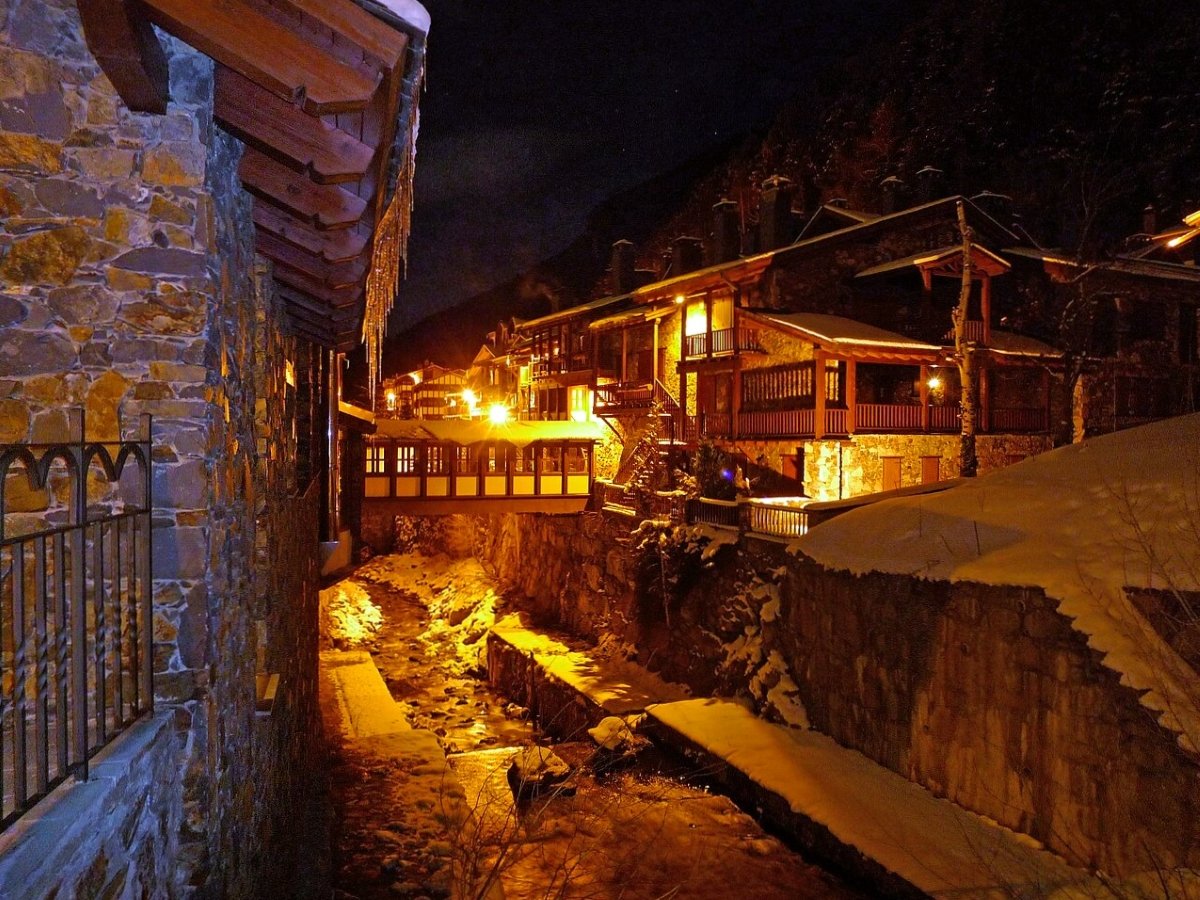
6. Arinsal, Andorra
The Microstate’s Mountain Gem
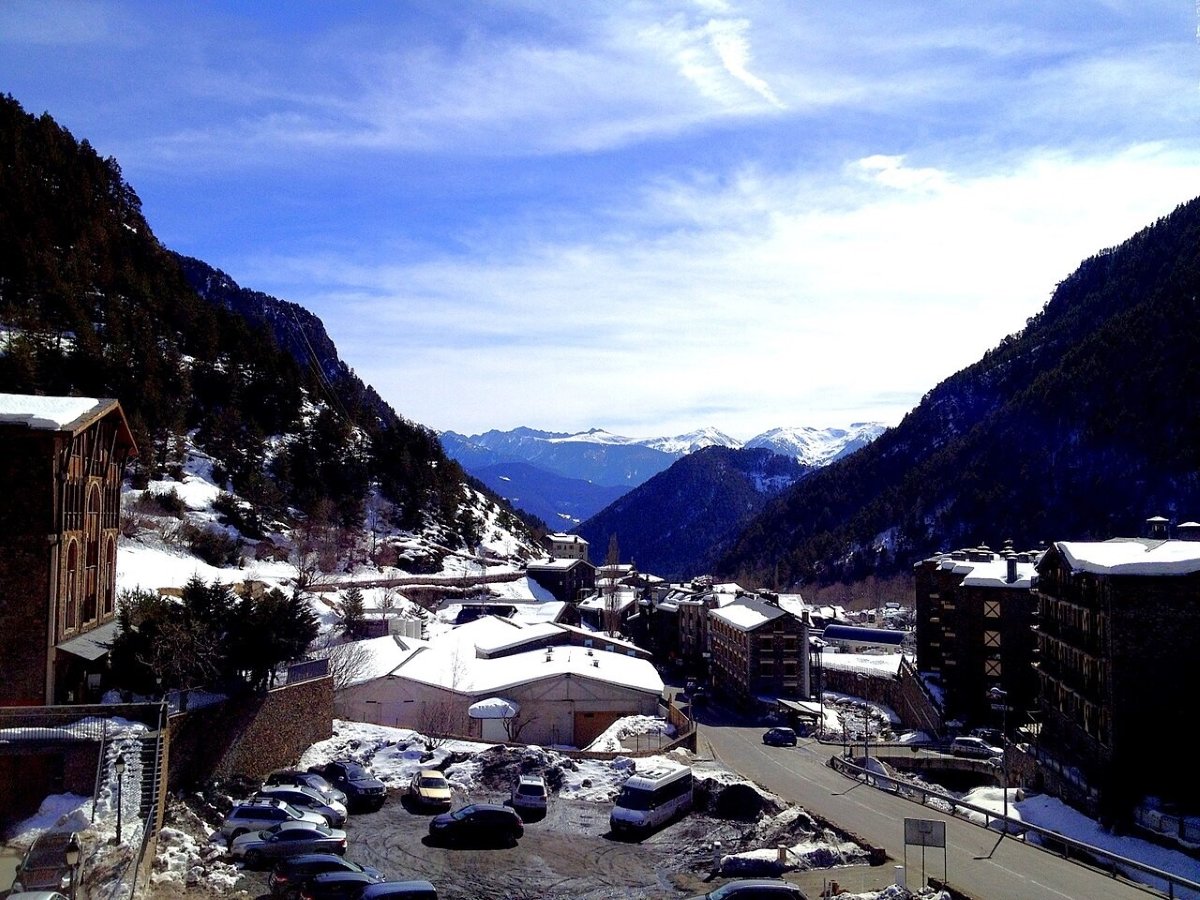
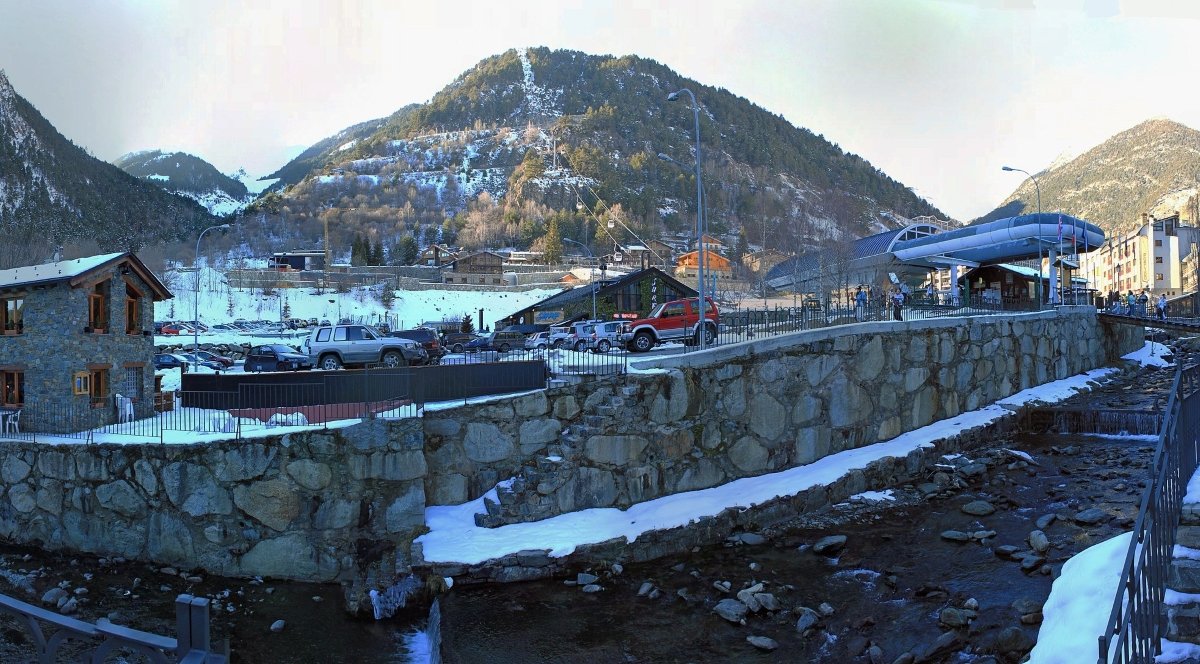
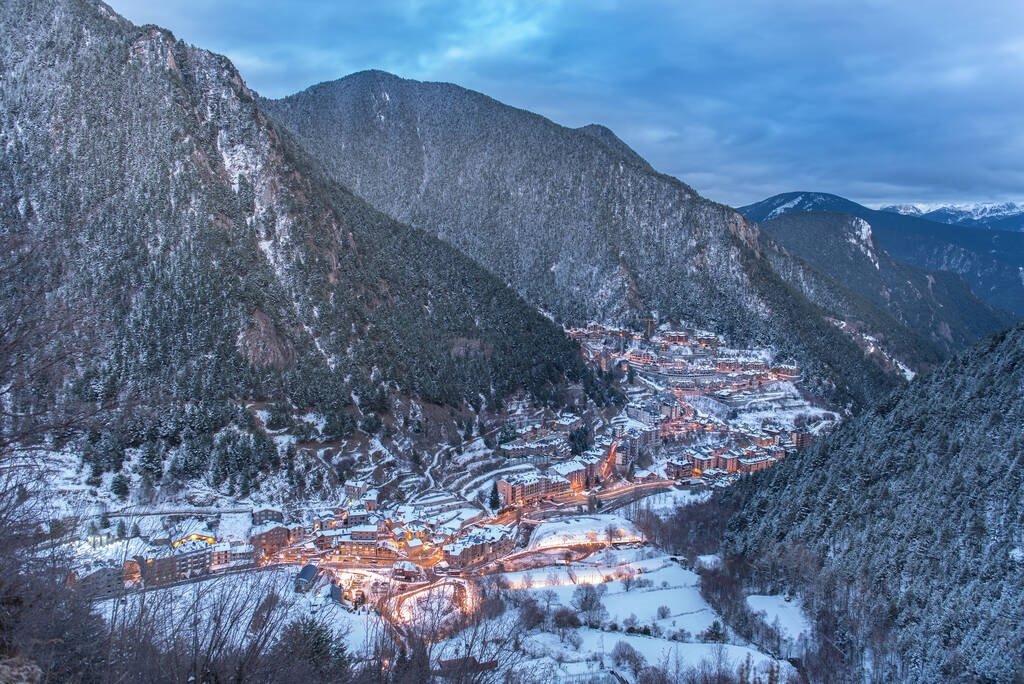
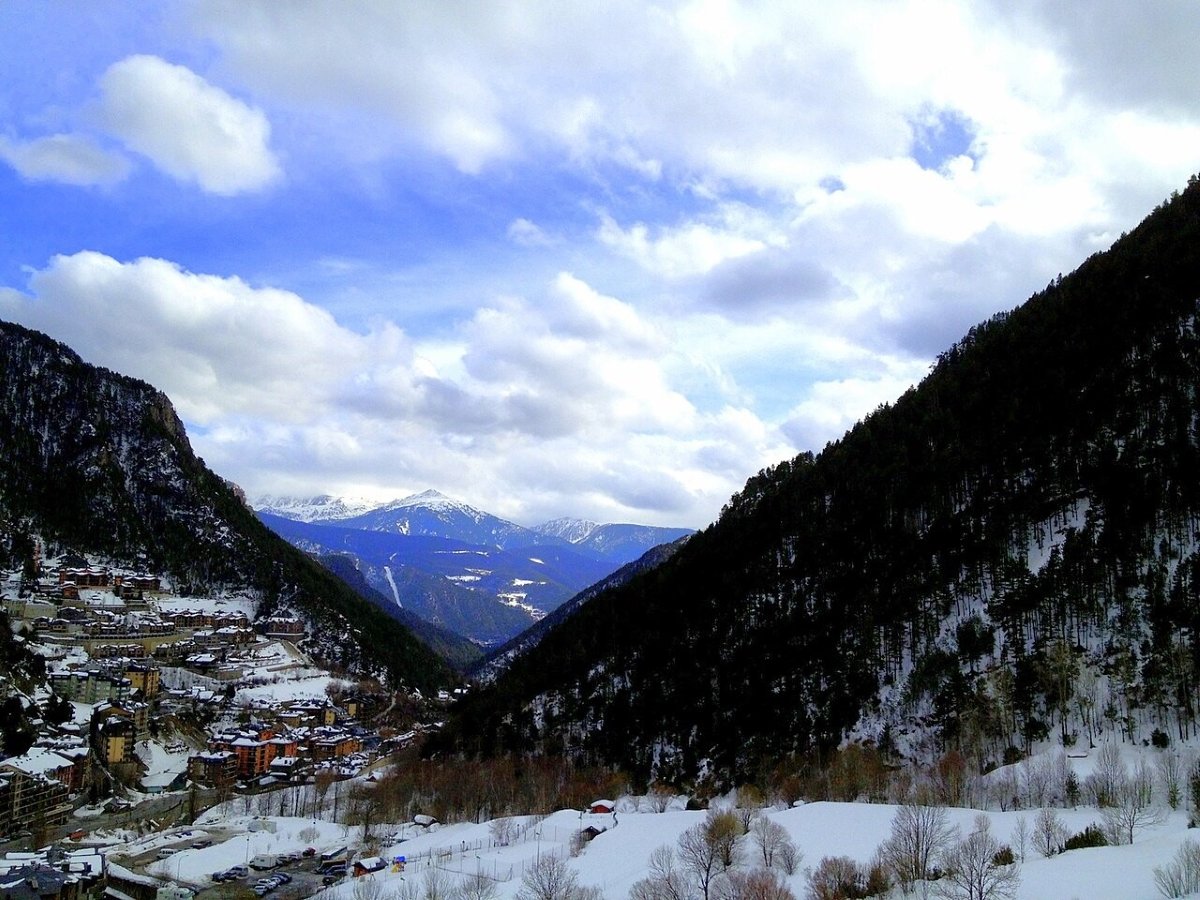
Andorra—that tiny nation sandwiched between France and Spain that everyone forgets about—hides some serious mountain charm. Arinsal (1,550m) sits in the Vallnord ski area and manages to feel authentically Andorran (if that’s a thing) while offering modern ski resort amenities. Plus, tax-free shopping. Because why not?
Interesting Facts:
- Andorra is one of the world’s smallest countries (468 km²) and has no airport or train station
- The country has never had its own currency—uses the Euro despite not being in the EU
- Catalan is the official language (only country where this is true)
- Andorra has the world’s highest life expectancy (around 83 years)
- It’s technically still a feudal state with two co-princes (the French President and Spanish Bishop of Urgell)
Winter Reality
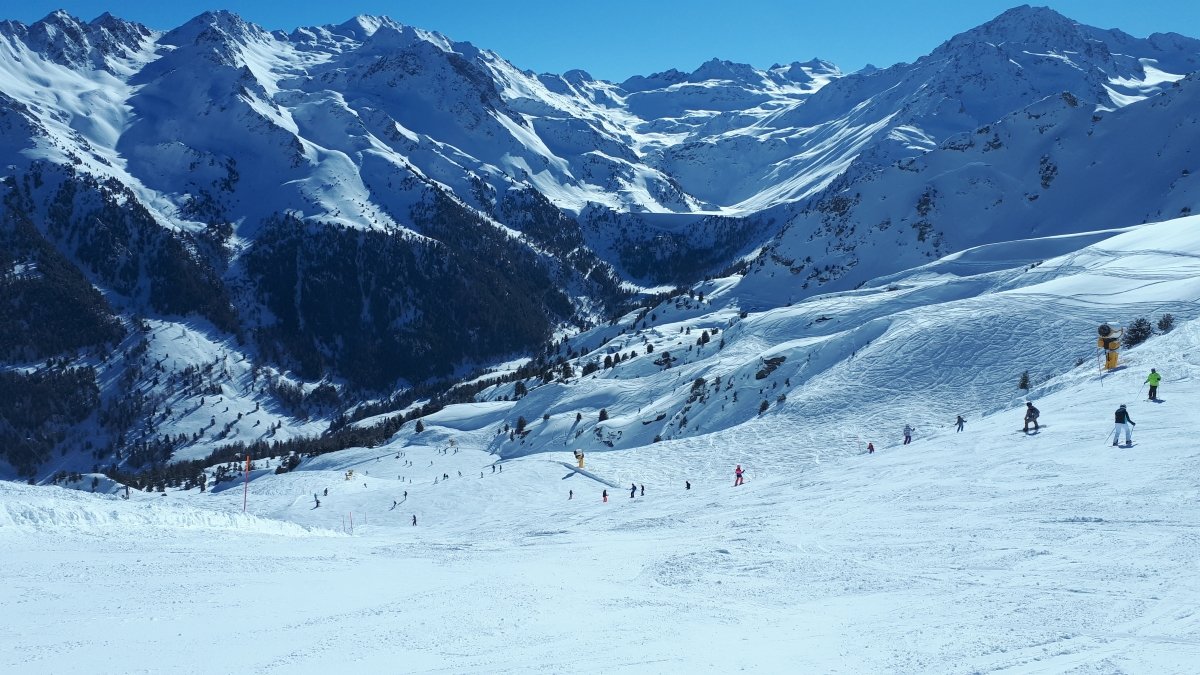
December-March: -5°C to 5°C (23°F to 41°F). Reliable snow from December through March. The Vallnord-Pal Arinsal ski area offers 63km of slopes—not massive, but perfectly formed for a week’s skiing. Andorra’s microclimate means good snow conditions despite being relatively southern.
Best for: Intermediate skiers, families, and anyone wanting affordable Alpine skiing without Switzerland prices.
Where to Stay
Budget (€40-80/night):
- Hotel Sant Gothard and similar basic hotels
- Apartments through local agencies (great for groups)
- Pensions with half-board options
Mid-Range (€80-150/night):
- Hotel Xalet Verdú with spa facilities
- Apart-hotels with kitchenettes
- Nordic Hotel (modern, central location)
Luxury (€150-300+/night):
- Hotel Poblado with full spa and mountain views
- Luxury apartments with designer interiors
- All-inclusive resort packages
Insider tip: Accommodation is significantly cheaper than neighboring France or Switzerland, and the quality is solid.
Andorran Mountain Food
Andorran cuisine blends Catalan and French influences with mountain practicality.
- Trinxat: Mashed cabbage, potatoes, and bacon (ultimate comfort food)
- Escudella: Hearty meat and vegetable stew
- Coques: Savory or sweet flatbreads (like pizza’s mountain cousin)
- Crema Andorrana: Burnt cream dessert similar to crème brûlée
Where to eat:
- Borda de l’Avi (traditional borda—stone mountain hut converted to restaurant)
- Surf Restaurant (surprisingly good given the landlocked location)
- Cisco’s (affordable pizza and pasta, €10-18/person)
Budget reality: Restaurant meals run €15-30/person—much more affordable than Switzerland, on par with Spain.
Shopping Paradise
This is where Andorra shines—tax-free shopping makes it a regional shopping destination.
What to buy:
- Electronics (cameras, phones—20-30% cheaper than neighboring countries)
- Perfume and cosmetics (duty-free prices)
- Alcohol and tobacco (significantly cheaper, though customs limits apply)
- Sports equipment and ski gear
- Designer goods at outlet prices
Main shopping:
- Andorra la Vella (the capital, 20 minutes away) has massive shopping centers
- Arinsal itself has basic shops and a few sports stores
- Compare prices before assuming everything’s cheaper—some items aren’t discounted
Customs warning: EU has strict limits on duty-free goods entering from Andorra (€300 worth, 1L spirits, 200 cigarettes per person).
Outdoor Adventures
Winter:
- Skiing/snowboarding Vallnord (day pass €54, much cheaper than Swiss resorts)
- Snowshoeing through Coma de Arcalís
- Dog sledding experiences
- Ice skating at Canillo Ice Palace (15 minutes away)
Summer:
- Hiking to Coma Pedrosa (Andorra’s highest peak at 2,942m)
- Mountain biking on marked trails (Vallnord Bike Park)
- Via ferrata routes
- Fishing in mountain streams (permit required)
- Zip-lining at Naturland adventure park
Cultural Quirks
- Language confusion: Official Catalan, but Spanish and French widely spoken, some English in tourist areas
- Tax haven culture: The entire country runs on banking and tourism
- Church heritage: Beautiful Romanesque churches dot every village
- No army: Andorra hasn’t had a military since 1993
- Siesta: Like Spain, many shops close 1-4pm
Events & Festivals
- Candelera Festival (early February): Traditional fire festival throughout Andorra
- Sant Antoni (mid-January): Blessing of animals and bonfires
- National Day (September 8): Andorran independence celebrations
- Total Fight Masters (winter): Ski and snowboard competition
- Christmas Markets (December): Small but festive throughout the country
Budget Breakdown
Daily Costs:
Budget (€50-80):
- Accommodation: €40-50
- Food: €20-25 (self-catering, cheap eats)
- Ski pass/activities: €15-20 (or €54 for ski day)
Mid-Range (€120-170):
- Accommodation: €80-100
- Food: €40-50 (meals out)
- Ski pass/activities: €54-70
Comfortable (€200-300):
- Accommodation: €150+
- Food: €60-80
- Full ski day with rentals/lunch: €100+
Value verdict: Andorra offers the best price-to-quality ratio of any Alpine destination, though it’s not as charming as some others.
Practical Information
Getting There:
- No airport or train station in Andorra (seriously!)
- Barcelona Airport: 200km, 3 hours by bus
- Toulouse Airport: 180km, 2.5-3 hours
- Bus from Barcelona (Andorra by Bus): €35-45 return, multiple daily
- Car rental recommended (€25-40/day from Barcelona or Toulouse)
Getting Around:
- Free ski buses connect Arinsal to other Vallnord villages
- Regular buses to Andorra la Vella (€2-3)
- Taxis available but expensive (€15-30 to capital)
- The country is small—everywhere is close
Border Crossings:
- You’ll cross French or Spanish borders to enter
- Random customs checks (looking for tax-free shopping abuse)
- Passports checked despite Schengen area proximity
- Keep receipts for purchases
Money:
- Euros used (despite not being in EU)
- ATMs everywhere, no fees from Andorran banks
- Credit cards widely accepted
- Prices clearly marked, no hidden costs
Language Tips:
- Catalan official, but you can get by with Spanish or French
- English in ski areas and main shops
- “Bon dia” (good day), “gràcies” (thank you) in Catalan appreciated
- Most signs trilingual (Catalan, Spanish, French)
Connectivity:
- Good WiFi in accommodations
- Andorran mobile network or roaming (check rates)
- Cell coverage excellent even on slopes
Quick Recap: Which Village Is Right for You?
Best for Authentic Experience: Lake Bohinj & Stara Fužina, Slovenia
- Most untouched by mass tourism
- Best value for money
- Incredible natural beauty without crowds
Best for Foodies: Arties, Spain (Val d’Aran)
- Michelin dining in a mountain village
- Unique Aranese cuisine
- Wine and cheese culture
Best for History Buffs: Aínsa, Spain & Capileira, Spain
- Perfectly preserved medieval architecture (Aínsa)
- Moorish heritage and white villages (Capileira)
- Living history you can walk through
Best for Winter Sports: Haute-Nendaz, Switzerland & Arinsal, Andorra
- Haute-Nendaz: Premium Swiss skiing, massive 4 Vallées area
- Arinsal: Budget-friendly skiing, tax-free shopping bonus
Most Photogenic: Capileira, Spain
- White-washed houses cascading down mountains
- Dramatic gorge and Sierra Nevada backdrop
- Instagram gold
Best Weather Year-Round: Capileira, Spain
- Mediterranean mountain climate
- Mild winters, perfect summers
- 300+ days of sunshine
Best Budget Option: Capileira, Spain or Lake Bohinj, Slovenia
- Affordable accommodations, meals, activities
- Free hiking everywhere
- Low-cost authentic experiences
Best for Families: Arinsal, Andorra
- Affordable skiing for all abilities
- Safe, compact village
- Shopping for parents, slopes for kids
Most Off-the-Beaten-Path: Lake Bohinj, Slovenia
- Least likely to encounter other tourists
- Most locals, least tourist infrastructure
- Genuine discovery feeling
Disclaimer
Accuracy: All information was accurate as of January 2026, but mountain villages change. Always verify:
- Accommodation availability and prices (especially during peak seasons)
- Bus/transport schedules (mountain routes change seasonally)
- Weather conditions before traveling (mountain weather is unpredictable)
- COVID-related or other travel restrictions for your nationality
- Road conditions in winter (some passes close seasonally)
Prices: Costs mentioned are approximations and fluctuate based on:
- Season (peak winter/summer vs shoulder seasons can mean 50-100% price differences)
- Exchange rates (especially for Switzerland and UK visitors)
- Specific dates (weekends, holidays cost more)
- Booking timing (last-minute vs advance)
Safety: Mountain activities carry inherent risks:
- Always check weather before hiking or skiing
- Tell someone your plans when heading into backcountry
- Carry appropriate gear, food, water, and navigation tools
- Consider hiring guides for technical routes or unfamiliar terrain
- Purchase comprehensive travel insurance covering mountain activities
Accessibility: Mountain villages present challenges for visitors with mobility limitations:
- Steep streets, stairs, and uneven surfaces are common
- Not all accommodations have elevators or ground-floor rooms
- Winter ice and snow add additional obstacles
- Research specific accessibility before booking
Cultural Respect: These are real communities, not theme parks:
- Respect local customs and quiet hours
- Dress appropriately (especially in rural Spain)
- Learn basic phrases in the local language
- Support local businesses over international chains
- Follow Leave No Trace principles on trails
Sustainable Travel: Help preserve these special places:
- Use public transport where possible
- Support locally-owned businesses
- Avoid plastic waste (bring reusable water bottles)
- Stay on marked trails
- Consider visiting in shoulder seasons to reduce overtourism
Author’s Note: This guide reflects research and personal insights as of January 2026. Mountain communities evolve—that’s part of their charm. The best experiences often come from wandering, asking locals for recommendations, and embracing the unexpected. Safe travels!
Ready to escape the tourist crowds? These six mountain villages offer what travel brochures promise but rarely deliver—authentic experiences, stunning scenery, and the chance to see Europe the way it used to be. Pick your village, pack your bags, and discover the mountains that locals have been keeping to themselves.
Questions about any of these destinations? Drop a comment below and I’ll help you plan your perfect mountain escape.
Happy travels!