


TL;DR Lahıc is a 2,000-year-old mountain village in Azerbaijan famous for its UNESCO-recognized copper crafts, cobblestone streets, and unique Tat culture. Located 3-4 hours from Baku at 1,200m elevation, it offers authentic handicraft workshops, traditional architecture, and stunning Caucasus mountain views. Best visited April-October for hiking and crafts, with excellent guesthouses providing homemade cuisine and cultural immersion.
- Why Lahıc Should Be Your Next Adventure
- Getting There: The Journey is Half the Adventure
- What Makes Lahıc Absolutely Unique
- Beyond the Crafts: Hidden Treasures
- Where to Stay: Guesthouses That Feel Like Home
- Foodie Paradise: Taste the Mountains
- When to Visit: Timing is Everything
- Shopping: What to Buy and What to Skip
- Cultural Immersion: Connect with Locals
- Day Trip vs. Overnight: Making the Choice
- Budget Breakdown
- Insider Tips from Travelers
- Beyond Lahıc: Extend Your Adventure
- The Real Talk: Managing Expectations
- Sustainable Travel: Leave Only Footprints
- Final Verdict: Is Lahıc Worth It?
Why Lahıc Should Be Your Next Adventure
Forget everything you think you know about tourist traps. Lahıc (also spelled Lahij or Lagich) isn’t just another pretty village – it’s a living, breathing time capsule where master coppersmiths still hammer away using techniques passed down through 20 generations. This isn’t some reconstructed theme park; it’s the real deal.
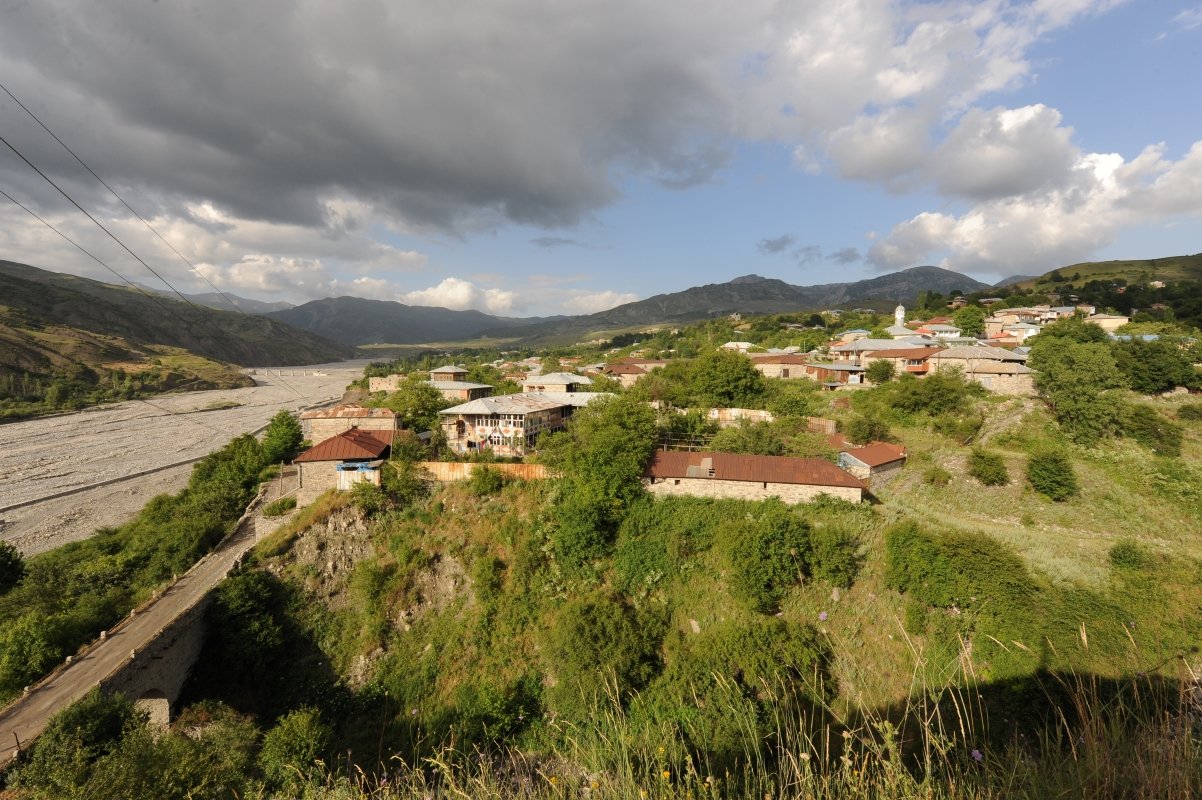
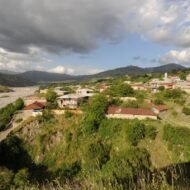
Nestled in the Greater Caucasus Mountains at 1,200 meters above sea level, Lahıc has been quietly perfecting the art of metalwork since the 3rd-4th centuries. The village made headlines in 2015 when UNESCO recognized its copper craftsmanship as Intangible Cultural Heritage of Humanity – and trust me, once you hear that rhythmic hammering echoing through cobblestone streets, you’ll understand why.
Getting There: The Journey is Half the Adventure
Coordinates: 40°51′11″N 48°23′35″E
From Baku (3-4 hours)
Your adventure starts with a drive through some of Azerbaijan’s most spectacular scenery. Most travelers take the route via Tazakand, turning off the main highway for the final 30-40 minute mountain ascent through the Girdimanchay River Canyon.
Pro tip: The road is completely sealed (no longer dirt), but expect some potholes and bumpy stretches. It’s steep and narrow with cliffs on one side and sheer drops on the other. If you’re prone to motion sickness or have a fear of heights, consider hiring a professional driver who knows these mountain roads inside out.
Transport Options
- Private car with driver: Most popular and stress-free option (around $60-80 for day trip)
- Rental car: Possible with a regular sedan, but mountain driving experience recommended
- Public transport: Take a bus to Ismayilli, then find shared transport or taxi to Lahıc
Important note: Some tour operators mention that Lahıc may have limited access during 2025 due to road construction, so check current conditions before traveling.
What Makes Lahıc Absolutely Unique
The Copper Masters
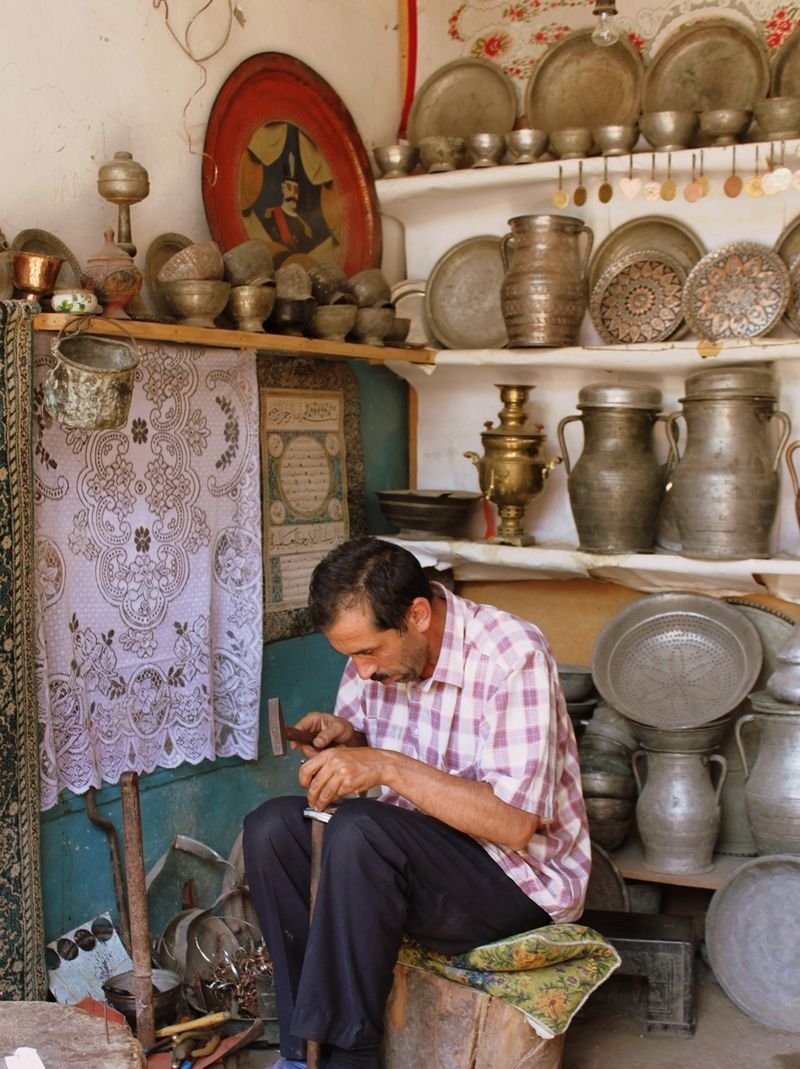
This is where Lahıc truly shines. The Aliyev family started copper craft here in 1725, and by the 19th century, Lahıc had become Azerbaijan’s main copper center with about 200 workshops. Today, only five workshops remain, making this craft even more precious.
What’s mind-blowing? In 1878, Lahıc copperware won a gold medal at the Paris World Exposition. Today, you’ll find Lahıc pieces in museums from London’s British Museum to Moscow’s State Historical Museum.
Must-see workshops:
- Watch master craftsmen create over 40 types of copper items
- See traditional techniques using nothing but hammer, anvil, and chisel
- Buy authentic pieces directly from the artisans (prices range from $10-200+)
The Language That Time Forgot
Here’s something that’ll blow your mind: Lahıc residents speak Lahiji, one of the most isolated variations of the Tat language, very close to Persian and belonging to the Iranian branch of Indo-European languages. This makes Lahıc linguistically unique in Azerbaijan!
Architecture That Defies Earthquakes
Due to frequent earthquakes, locals developed sophisticated construction techniques using alternating layers of stone and wood. The result? Houses that have stood for centuries and a 1,000-year-old sewage system that still works perfectly today.
Beyond the Crafts: Hidden Treasures
The Ancient Infrastructure
Lahıc has a water supply and sewage system that’s almost 1,500 years old, with each quarter having its own spring, mill, bath, mosque, and madrasa. This level of urban planning from the medieval period is absolutely remarkable.
Mountain Adventures
Don’t miss Pestar Lake at 1,505 meters above sea level – there are beautiful views of mountains and forests, plus springs and waterfalls along the road, with the closest waterfall just 2km away.
Traditional Medicine Culture
Many shops called “Attar” sell various medicinal herbs and tools. Local healers independently collect mountain herbs like saffron (for liver health), cloves (for cheerfulness), and thyme (for digestion).
Where to Stay: Guesthouses That Feel Like Home
Top-Rated Options
Lahıc Guest House by Rustam (Most Popular)
- Nine bedrooms with private bathrooms, plasma TV, mountain views
- English-speaking owner with local insights
- Delicious homemade meals with fresh, locally sourced ingredients including freshly pressed apple juice
- Garden setting, 5-minute walk from main street
- Price: Around $40-60 per night including breakfast
Ancient Lahij Guest House (Highest Rated)
- Rated 8.9 by recent guests
- Family-run with restaurant, shared kitchen, barbecue facilities
- Some units are soundproof with mountain view balconies
- English-speaking hosts
What to Expect
Guest houses typically offer spacious, clean rooms with modern amenities, homemade traditional meals, and warm hospitality from owners who provide local insights. Most include breakfast and offer dinner upon request.
Foodie Paradise: Taste the Mountains
The cuisine here reflects Lahıc’s unique Tat heritage with influences from Persian, Azerbaijani, and Caucasian traditions. Must-tries include:
- Traditional Tat dishes prepared with organic ingredients from mountain gardens
- Fresh trout from mountain streams
- Mountain honey and herbal teas
- Homemade preserves from local fruits
- Fresh dairy products from village livestock
Pro tip: Many guesthouses serve meals made from ingredients grown in their own gardens, creating an authentic farm-to-table experience.
When to Visit: Timing is Everything
Peak Season (April-October)
- Summer (June-August): Perfect for hiking and outdoor activities
- The cool mountain air makes traveling here especially appealing in summer
- Spring/Fall (April-May, September-October): Budget-conscious travelers should consider March-May when hotel prices are generally lowest
Winter Considerations
Ice and snow cut Lahıc off from the valley for weeks at a time in winter, but visit in winter and you’re likely to be the only tourist in town – perfect for authentic experiences!
Shopping: What to Buy and What to Skip
Must-Buy Items
- Authentic copper pieces: From $10 for small items to $200+ for elaborate works
- Traditional carpets: You can buy carpets from all recognized schools: Cuban, Shirvan, Ganja, Kazakh, Karabakh, and Tabriz
- Medicinal herbs from local Attar shops
- Handmade knives and metalwork
Shopping Tips
- Copper plates are extremely heavy, so consider shipping options if traveling light
- Bargaining is expected and encouraged
- Buy directly from workshops for authenticity
- Wait until Sheki to buy silk kelagayi scarves – they’re not Lahıc’s specialty
Cultural Immersion: Connect with Locals
Museum Visit
The small Lahıc History Museum is housed in a former mosque, displaying traditional cooking instruments, ancient weapons, pottery, and portraits of local artists. Admission is minimal (donation expected).
Language Exchange
Lahıc is the only village in Azerbaijan where visitors are greeted in English, with a “Welcome to Lahij” poster at the entrance. Many locals speak multiple languages, making cultural exchange easy.
Workshops and Classes
Some guesthouses offer:
- Traditional cooking classes
- Copper crafting demonstrations
- Carpet weaving workshops
- Herb foraging walks
Day Trip vs. Overnight: Making the Choice
Day Trip Pros
- Less expensive
- Covers main attractions
- Good for limited schedules
Overnight Pros (Recommended)
- Experience village life after day-trippers leave
- Better photo opportunities (golden hour in mountains)
- Deeper cultural immersion
- Support local economy more meaningfully
- Visit in off-peak times and you might be the only tourist in town
Budget Breakdown
Daily Costs (Per Person)
- Guesthouse: $25-50 (including breakfast)
- Meals: $15-25 (dinner at guesthouse)
- Transport from Baku: $20-40 (shared car)
- Shopping: $20-200+ (depending on copper purchases)
- Activities: $5-15 (museum, hiking)
Total daily budget: $85-330 depending on accommodation and shopping choices
Insider Tips from Travelers
Photography Tips
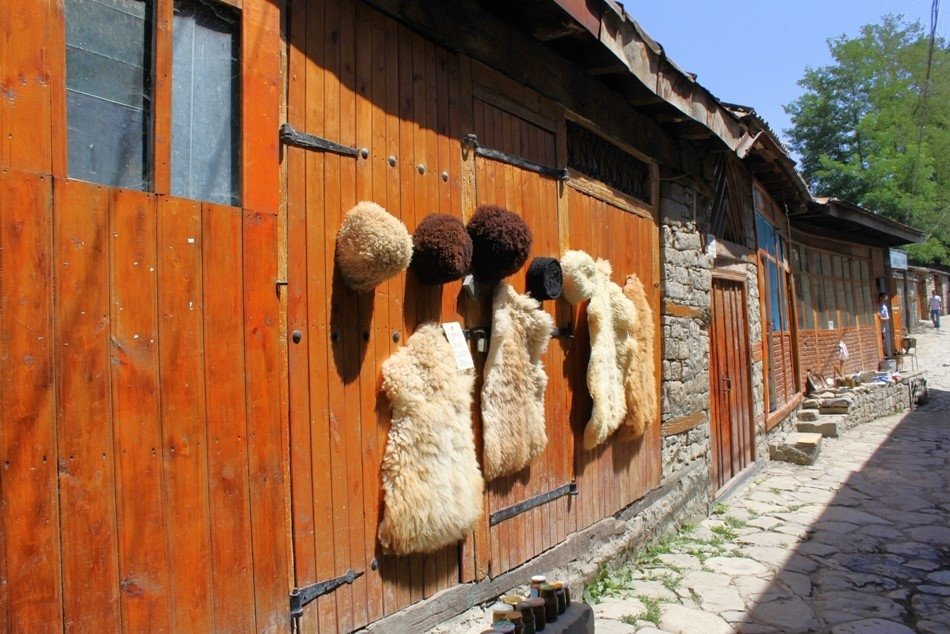
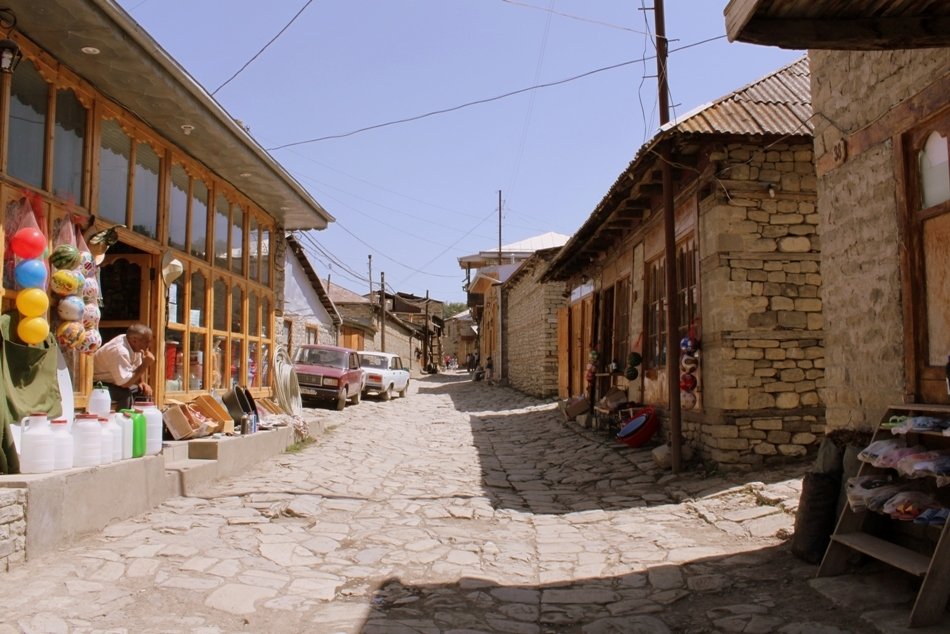
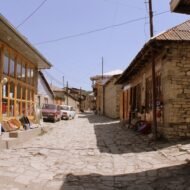
- The village has a pure and ancient atmosphere despite tourism, with beautiful stone streets and traditional architecture
- Best light: Early morning and late afternoon
- Respect workshop owners before photographing their work
Cultural Sensitivity
- Dress modestly when visiting religious sites
- Ask permission before photographing people
- Learn a few words in Azerbaijani – locals appreciate the effort
- Even new homes are built following medieval architectural canons to maintain building uniformity
Practical Advice
- Bring cash – card acceptance is limited
- Pack layers – mountain weather changes quickly
- Wear comfortable walking shoes for cobblestones
- Download offline maps – internet can be spotty
Beyond Lahıc: Extend Your Adventure
Combine with Other Destinations
- Shamakhi: Historic mosques and mausoleums (1 hour away)
- Sheki: Silk production and Khan’s Palace (3 hours)
- Quba: Apple orchards and nearby Khinaliq village
- Gabala: Modern resort town with cable cars
Multi-Day Itineraries
3-Day Caucasus Loop: Baku → Lahıc → Sheki → Baku 5-Day Mountain Explorer: Add Quba/Khinaliq and Gabala Week-Long Cultural Deep Dive: Include all mountain villages plus Shamakhi
The Real Talk: Managing Expectations
Let’s be honest – Lahıc can feel touristy, especially during summer weekends when throngs of people flock here from Baku. But here’s the thing: the tourism actually helps preserve the crafts and culture that make this place special.
If you’re looking to get completely off the beaten path in Azerbaijan, this might not be the best choice. However, for experiencing authentic traditional crafts and mountain culture, Lahıc remains unbeatable.
Sustainable Travel: Leave Only Footprints
- Support local craftsmen by buying authentic pieces
- Stay in family-run guesthouses
- Respect the ancient architecture and don’t climb on stone walls
- Pack out all trash
- Use refillable water bottles (spring water is excellent here)
Final Verdict: Is Lahıc Worth It?
Absolutely yes – with the right expectations. Lahıc offers something increasingly rare: a place where you can witness 2,000-year-old traditions being practiced by master craftsmen who learned from their fathers and grandfathers.
Sure, it’s not undiscovered, but that’s partly why the infrastructure exists to give you a comfortable, authentic experience. This amazing city of craftsmen emerged in the heart of the mountains as if by magic and successfully lived up to the 20th century without changing its appearance or lifestyle.
Whether you’re a craft enthusiast, architecture lover, cultural explorer, or mountain adventurer, Lahıc delivers an experience that’s both educational and genuinely moving. Just don’t expect to leave empty-handed – those copper pieces have a way of calling to you from the workshop shelves!
Bottom line: Lahıc proves that some places become popular precisely because they deserve to be. In a world of manufactured experiences, this village offers the real thing – and that’s worth the winding mountain journey to get there.
Have you visited Lahıc? Share your experiences and tips in the comments below! For more off-the-beaten-path destinations in the Caucasus, subscribe to our newsletter.