




TL;DR: Lisieux is a charming Norman town that punches way above its weight. Famous for Saint Thérèse, sure—but there’s also half-timbered houses, killer cheese, apple brandy that’ll knock your socks off, and easy access to the D-Day beaches and Deauville. Perfect for a 2-3 day stop or a base for exploring Normandy without the tourist crowds.
Look, I’ll level with you: Lisieux probably wasn’t on your France bucket list. Paris? Obviously. The D-Day beaches? For sure. But a mid-sized town in Calvados that most people can’t pronounce? (It’s “lee-zee-UH,” by the way.)
Here’s the thing, though—Lisieux is exactly the kind of place that makes a trip to France memorable. It’s real, it’s beautiful, and it’s refreshingly free of tour groups elbowing each other for the perfect Instagram shot.
Why Lisieux Should Be on Your Radar
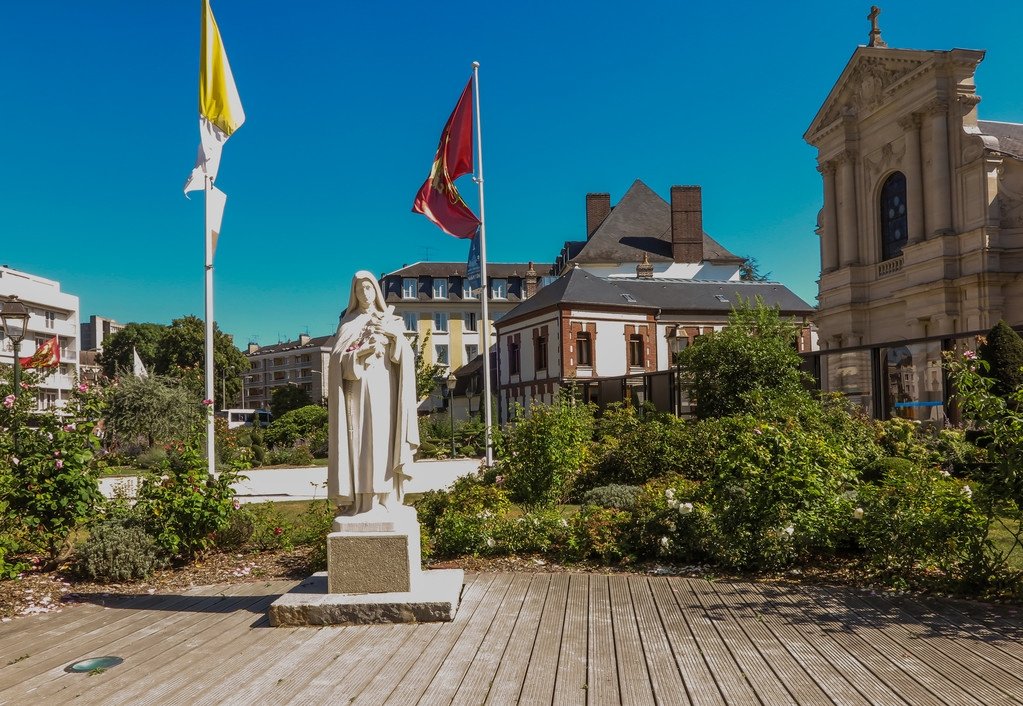
Lisieux is the second-most visited pilgrimage site in France (after Lourdes), thanks to Saint Thérèse of Lisieux, one of Catholicism’s most beloved saints. The Basilica of Sainte-Thérèse dominates the skyline—and honestly, whether you’re religious or not, it’s an architectural knockout. Built between 1929 and 1954, this Romano-Byzantine beauty can hold 4,000 people and features stunning mosaics that’ll have you craning your neck for hours.
But even if religious sites aren’t your thing, stick around. This town’s got layers.
The Old Town Will Transport You Back in Time
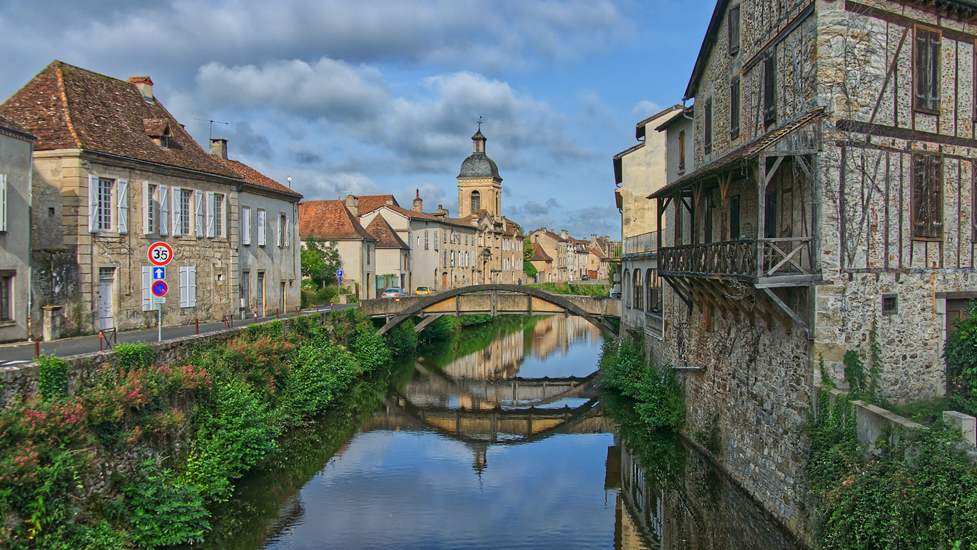
The historic center—what the locals call Vieux Lisieux—survived the brutal WWII bombings that destroyed much of the town. Wander through Place François Mitterrand and you’ll find gorgeous half-timbered houses (called colombages) that date back to the 16th and 17th centuries. The Cathedral of Saint Peter is a Gothic masterpiece from the 12th century, with soaring arches and stained glass that filters light like liquid gold.
Pro tip: Go early in the morning or late afternoon when the streets are quieter. You’ll feel like you’ve stumbled onto a movie set—in the best possible way.
Food & Drink: Welcome to Calvados Country
Let’s talk about what really matters: the food. Normandy is France’s dairy heartland, and Lisieux sits right in the middle of it all.
Cheese: You’re in Camembert territory here (literally—the village of Camembert is 30 minutes away). Pop into any local market and grab some authentic, unpasteurized Camembert, along with Livarot and Pont-l’Évêque. These cheeses don’t mess around—they’re pungent, creamy, and absolutely incredible with a fresh baguette.
Calvados: This apple brandy is serious business here. Every meal ends with a trou normand—a shot of Calvados between courses to “make a hole” for more food. Visit Domaine Dupont or another local producer for tastings. Fair warning: it’s stronger than you think.
Cider: Normandy does cider better than anywhere else in France. Order cidre bouché—the sparkling, slightly sweet version that pairs perfectly with crepes or local seafood.
Where to Eat: Try Aux Acacias for traditional Norman cuisine (think pork with cream sauce and apple tart). Le Bistrot du Boucher is your spot for excellent steak and local sausages. And don’t skip the Lisieux Market on Saturday mornings—it’s where locals shop, and you’ll find everything from fresh oysters to artisan honey.
Beyond the Town: Day Trips You Can’t Miss
Lisieux’s location is golden. You’re perfectly positioned to explore some of Normandy’s greatest hits:
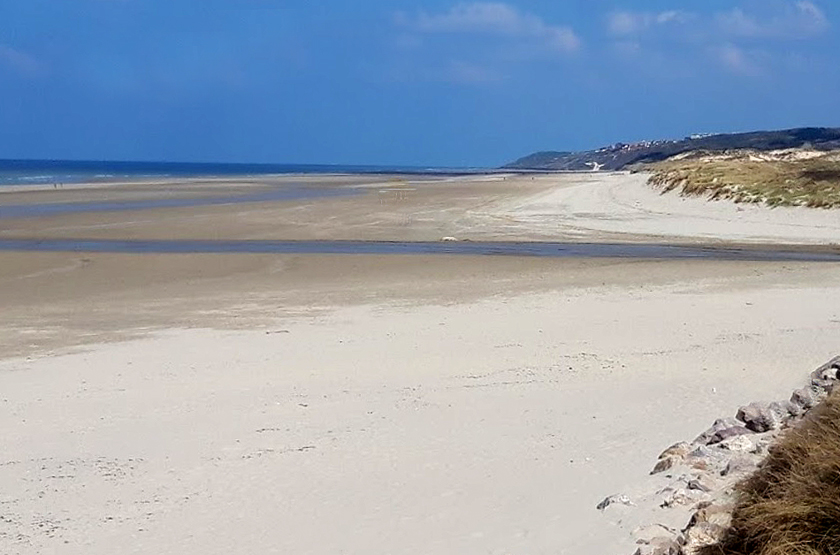
Deauville & Trouville (30 minutes): Fancy a beach day? These twin resort towns offer sandy beaches, seafood restaurants, and that French Riviera vibe—but cooler and less pretentious.
Château de Vendeuvre (20 minutes): A stunning 18th-century château with magnificent gardens and Europe’s first miniature furniture museum. Quirky and absolutely charming.
Practical Stuff You Need to Know
Getting There: Lisieux has a train station with direct connections to Paris Saint-Lazare (2 hours) and Caen (30 minutes). If you’re driving, it’s right off the A13 motorway.
When to Visit: May through September offers the best weather, but it’s also peak pilgrimage season. April and October are sweet spots—fewer visitors, pleasant weather, and lower prices. The town hosts a Sainte-Thérèse Festival in late September with processions and events.
Getting Around: The town center is totally walkable. For day trips, having a car is ideal, but there are regional buses and organized tours if you prefer not to drive.
Where to Stay:
- Grand Hôtel de l’Espérance offers old-school French hospitality right in the center
- Ibis Styles Lisieux is a solid mid-range option
- For something special, stay at a countryside chambre d’hôte (B&B) just outside town—you’ll get homemade breakfasts and insider tips from locals
Language: Like much of rural France, English isn’t universally spoken, but people appreciate any effort to speak French. Learn “bonjour,” “merci,” and “l’addition, s’il vous plaît” (the check, please), and you’ll be golden.
The Real Lisieux
Here’s what I love about Lisieux: it doesn’t try too hard. It’s not polished for tourists. You’ll see elderly locals doing their daily shopping, students grabbing coffee, workers on lunch breaks. The town has a pulse that’s distinctly Norman—a bit reserved, deeply proud, and incredibly warm once you scratch the surface.
Is it the most exciting city in France? Nope. Will it change your life? Probably not. But it offers something increasingly rare: an authentic slice of French provincial life, without the crowds, the inflated prices, or the tourist traps.
Plus, any place that considers apple brandy an essential part of digestion clearly has its priorities straight.
Quick Recap
- Must-See: Basilica of Sainte-Thérèse, Cathedral of Saint Peter, Old Town half-timbered houses
- Must-Eat: Authentic Camembert, Calvados, Norman cider, apple tart
- Must-Do: Saturday morning market, day trip to D-Day beaches or Honfleur
- Best For: History buffs, food lovers, travelers looking to experience authentic Normandy
- Duration: 2-3 days, or use as a base for exploring the region
Disclaimer: This guide reflects conditions and recommendations as of early 2025. Prices, opening hours, and travel restrictions can change, especially for religious sites during special events or pilgrimages. Always check official websites before visiting. The author is not affiliated with any businesses mentioned. While Lisieux is generally safe for all travelers, some religious sites may have dress codes (covered shoulders and knees). Alcohol consumption laws in France apply—drink responsibly and never drink and drive, especially after sampling that Calvados!