





TL;DR: The Madeira Flower Festival (May 1-25, 2026) transforms Funchal into a floral wonderland with massive parades, living flower carpets, vintage car shows, and kid-friendly events. Most events are FREE. Peak dates: Children’s Parade (May 3), Main Flower Parade (May 4). Book accommodation early—this is Madeira’s biggest spring event!
- What Makes the Madeira Flower Festival So Special?
- When Is the Madeira Flower Festival in 2026?
- The Main Events: What You Can’t Miss
- The Allegoric Flower Parade (May 4)
- The Wall of Hope Ceremony (May 3)
- The Flower Carpets
- The Classic Auto Parade (May 11)
- The Flower Exhibition (May 1)
- Beyond the Big Events: Hidden Gems
- Practical Planning: Making the Most of Your Visit
- Accommodation Strategy
- Getting to Madeira
- Weather and What to Pack
- Festival Budget Breakdown
- Food and Drink Highlights
- Getting Around During the Festival
- Beyond the Festival: Exploring Madeira
- Tips from Festival Veterans
- Accessibility and Inclusive Travel
- Sustainable Festival Practices
- Common Questions Answered
- Final Thoughts
- Disclaimer
Picture this: You’re standing on a cobblestone street in Funchal, surrounded by the intoxicating scent of thousands of fresh flowers. Kids in traditional costumes are creating a massive flower mural. Classical music drifts from nearby squares. And tomorrow? Over 1,200 performers will parade through the streets on elaborate floats dripping with exotic blooms. Welcome to the Madeira Flower Festival—arguably the most Instagram-worthy celebration in all of Portugal.
If you’ve been scrolling through travel feeds lately and stumbled upon those jaw-dropping images of streets literally carpeted in flower petals, you’ve found your next destination. Let’s dive into everything you need to know about experiencing this spectacular spring festival.
What Makes the Madeira Flower Festival So Special?
The Madeira Flower Festival (locally called Festa da Flor) isn’t just another flower show. It’s a month-long love letter to spring, celebrating the subtropical island’s incredible botanical diversity. Since 1954, this festival has evolved from a modest rose celebration into one of Europe’s most vibrant cultural events.
What sets it apart? It’s the sheer scale combined with authentic local participation. This isn’t a tourist spectacle—it’s a community celebration where generations come together to honor the island’s natural bounty. You’ll see grandmothers meticulously arranging flower carpets alongside schoolchildren, professional florists competing with amateur enthusiasts, and vintage car collectors merging their passion with floral artistry.
The festival’s timing is perfect too. Madeira’s subtropical climate means that while much of Europe is still shaking off winter, this “Floating Garden of the Atlantic” is exploding with color. Azaleas, orchids, bird of paradise, proteas, agapanthus, and dozens of endemic species all bloom simultaneously, creating nature’s own fireworks display.
When Is the Madeira Flower Festival in 2026?
Mark your calendars: May 1-25, 2026. That’s nearly four full weeks of floral festivities!
While events run throughout the month, here are the can’t-miss dates:
- Thursday, May 1: Festival kickoff with the 70th Flower Exhibition at Largo da Restauração (7:00 PM – 10:00 PM)
- Saturday, May 3: Children’s Parade and Wall of Hope ceremony (morning)
- Sunday, May 4: The MAIN EVENT—Allegoric Flower Parade (4:30 PM – 7:00 PM)
- Monday, May 11: Madeira Flower Classic Auto Parade (4:30 PM – 6:30 PM)
- Throughout May: Flower carpets, exhibitions, workshops, and concerts
Pro tip: If you can only spare a long weekend, aim for May 2-5. This captures the Children’s Parade and the spectacular Sunday parade—the absolute highlights of the festival.
The Main Events: What You Can’t Miss
The Allegoric Flower Parade (May 4)
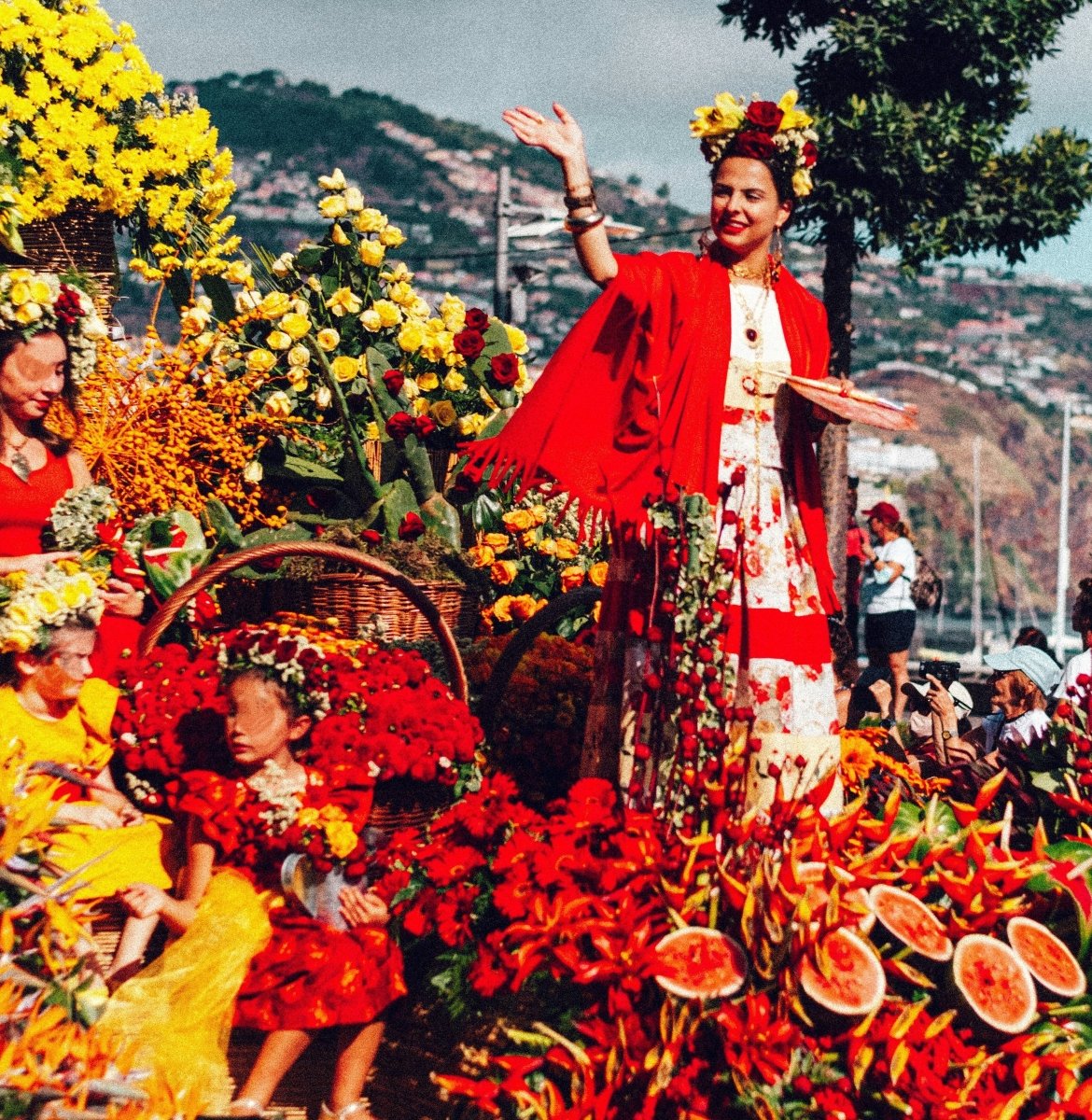
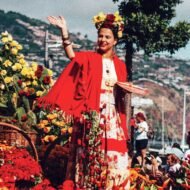
This is the crown jewel. Imagine the Rose Parade in Pasadena meets Carnival in Rio, but with a distinctly Portuguese charm and about a million flowers. Over 1,200 participants—from toddlers to grandparents—parade through downtown Funchal on elaborate floats designed around floral themes.
Each float is a masterpiece of imagination and horticulture. Some replicate famous landmarks entirely in flowers. Others tell stories from Madeiran folklore using human performers in costumes covered with fresh blooms. The choreography, music, and costumes are months in the making, with groups rehearsing their routines since winter.
The Route: The parade starts at Praça da Autonomia, travels along Avenida do Mar (the waterfront avenue), loops around Francisco Sá Carneiro Roundabout, and continues up Francisco Sá Carneiro Avenue.
Viewing Options:
- Free standing: Get there by 3:00 PM to claim your spot along the route. The waterfront areas fill up fastest but offer the best photo opportunities with the harbor as backdrop.
- Reserved seating: Grandstand seats are available for purchase (typically €10-25) through the tourism office or local travel agencies. These guarantee your view without the crowd crush.
- Live webcam: If you can’t make it in person, the Funchal Marina Live Webcam streams the parade—though honestly, you’ll miss the scent, which is half the magic.
The Wall of Hope Ceremony (May 3)
This is where the feels happen. On Saturday morning, hundreds of children from schools across Madeira arrive at Praça do Município, each carrying a single flower from their home gardens. Together, they create a massive floral mural—the “Wall of Hope”—as a symbolic gesture for peace.
The ceremony concludes with the release of white doves and a children’s show. It’s intimate, moving, and a beautiful reminder that the festival isn’t just about spectacle—it’s about community and continuity.
Why attend: This event showcases the festival’s deeper meaning. Locals consider this the spiritual heart of the celebration, and visitors who make time for it consistently rate it as their most memorable moment.
The Flower Carpets
Throughout the festival, local artists and community groups create intricate “carpets” made entirely from flower petals, leaves, and natural materials. These ephemeral artworks appear on streets around Avenida Arriaga and other central locations in Funchal.
Each carpet tells a story—religious themes, folk tales, geometric patterns, or abstract designs. Teams work through the night laying out their designs petal by petal, knowing their creation will last only a few days before being swept away. It’s art as meditation, beauty as service.
Where to find them: Grab a festival map from the tourism office on Avenida Arriaga. The best carpets are typically along the Central Square, but part of the fun is wandering side streets and discovering hidden gems.
The Classic Auto Parade (May 11)
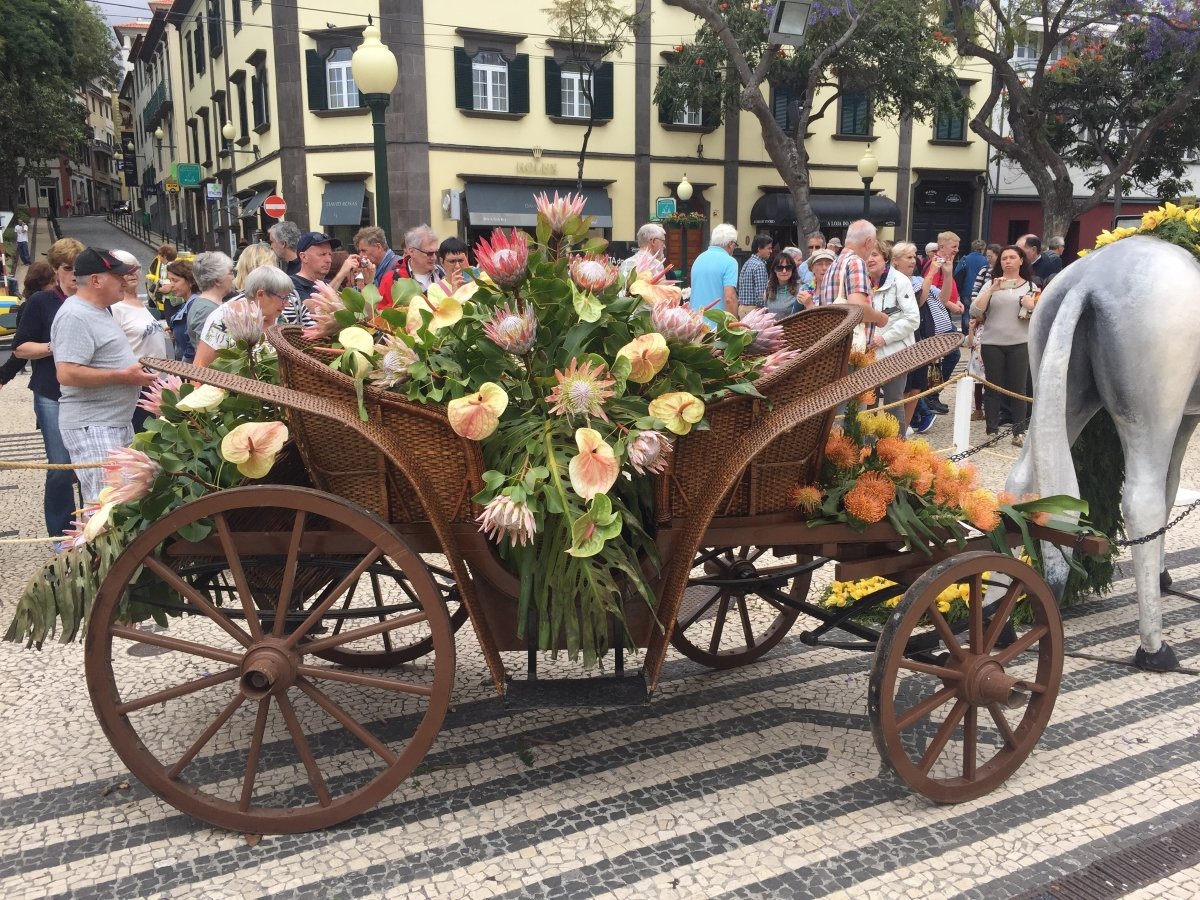
Gearheads and flower lovers unite! This quirky event pairs beautifully restored vintage cars with creative floral decorations. Picture a 1960s Jaguar E-Type hood ornament surrounded by orchids, or a 1950s VW Beetle roof covered in bird of paradise blooms.
The Auto Parade follows a similar route to the main parade but with a more relaxed vibe. Car owners clearly adore their vehicles, and the juxtaposition of chrome and petals creates surprisingly gorgeous photo opportunities.
When: Sunday, May 11, 4:30 PM – 6:30 PM
The Flower Exhibition (May 1)
Opening night features the 70th Regional Floriculture Competition at Largo da Restauração. Professional and amateur florists compete in various categories, creating formal arrangements around the theme “Ornaments and Flowers.”
This is your chance to see the technical side of floristry—understanding composition, color theory, and the structural challenges of working with living materials. The exhibition remains open throughout the festival with various workshops and demonstrations.
Beyond the Big Events: Hidden Gems
Flower and Regional Products Market
At Avenida Arriaga’s Central Square, you’ll find a market that’s part plant nursery, part food hall, part craft fair. Browse stalls selling endemic plant species you can actually take home (check import regulations for your country!). Sample bolo do caco (the famous Madeiran garlic bread), sip craft cider or poncha (the island’s traditional rum cocktail), and watch folk groups perform.
Timing: Open daily throughout the festival, typically 10:00 AM – 8:00 PM.
Budget tip: This is where locals shop, so prices are reasonable. You can assemble a fantastic lunch from market stalls for under €15.
Flower Workshops
Ever wondered how professionals create those perfect arrangements? Sign up for hands-on workshops covering orchid care, ikebana techniques, sustainable floristry, and even cooking with edible flowers.
Booking: Check the official Visit Madeira website or inquire at the tourism office. Most workshops are free or low-cost (€5-10) but require advance registration.
Living Statues
Throughout downtown Funchal, street performers transformed into “living statues” blend seamlessly with flower installations. These talented artists hold poses for hours, occasionally moving in slow motion or interacting with surprised passersby. It’s free entertainment that adds to the festival’s theatrical atmosphere.
Flower Fashion Show
For something completely different, catch the Madeira Flower Collection fashion show (dates vary, typically mid-May). Local designers create avant-garde pieces inspired by Madeira’s flora, resulting in wearable art that’s equal parts couture and botanical installation.
Practical Planning: Making the Most of Your Visit
Accommodation Strategy
Book early. We’re talking 6-9 months in advance if possible. The Flower Festival attracts visitors globally, and Funchal’s hotels fill up fast. Prices rise significantly during peak festival days (May 2-5).
Where to stay:
- Luxury splurge: Belmond Reid’s Palace, Savoy Palace (rooftop pools, walkable to all events, impeccable service)
- Mid-range comfort: Pestana CR7 (yes, that CR7—Cristiano Ronaldo’s hotel), The Vine Hotel
- Budget-friendly: Pensão Residencial Seagull, Hotel do Carmo
- Apartment rentals: Check Airbnb or Booking.com for apartments in the hotel zone or old town—often better value for groups or longer stays
Location matters: Stay within walking distance of Avenida Arriaga and the waterfront. You’ll save time, taxi fares, and frustration dealing with festival-related street closures.
Getting to Madeira
Funchal’s Cristiano Ronaldo International Airport (yes, everything here is Cristiano Ronaldo-themed) has direct flights from major European cities: London, Lisbon, Porto, Frankfurt, Paris, and others. Budget carriers like easyJet, Ryanair, and Wizz Air often have competitive fares.
Flight booking tip: Prices spike in April-May. If you find a good deal in January or February, grab it. Consider flying into Lisbon and connecting—sometimes this yields better pricing, plus you can explore Portugal’s capital.
From the airport: It’s about 30 minutes to central Funchal. Taxis cost €25-35, airport shuttles run €5-8 per person, or rent a car if you plan to explore beyond the city.
Weather and What to Pack
May in Madeira is glorious—mild, sunny, with temperatures around 18-23°C (64-73°F). However, Madeira’s microclimates mean weather varies wildly by location and time of day.
Pack:
- Comfortable walking shoes (you’ll log serious miles on cobblestones)
- Light layers (mornings are cool, afternoons warm, evenings breezy)
- Light rain jacket (brief showers happen even in spring)
- Sunscreen and hat (UV is strong despite moderate temps)
- Camera with extra battery (you’ll be shooting constantly)
- Compact backpack for daily exploration
- Formal outfit if you plan to dine at upscale restaurants
Festival Budget Breakdown
Free activities:
- Flower Parade (standing viewing)
- Wall of Hope ceremony
- Flower carpets
- Auto Parade
- Living statues
- Market browsing
Ticketed elements:
- Grandstand parade seating: €10-25
- Workshops: Free-€10
- Palheiro Gardens Golf Classic: Green fees apply
Daily expenses (mid-range):
- Accommodation: €80-150 per night
- Meals: €30-50 per day
- Drinks: €10-20
- Transportation: €10-20
- Souvenirs: €20-50
Sample 4-day budget:
- Accommodation: €480 (4 nights x €120 average)
- Food/drink: €240
- Parade seating: €40
- Transportation: €80
- Activities/souvenirs: €100
- Total: €940 (approximately $1,025 USD)
Food and Drink Highlights
The festival market and temporary food stalls offer excellent opportunities to taste regional specialties:
- Bolo do caco: Flatbread with garlic butter—utterly addictive
- Espetada: Beef skewers cooked over laurel wood
- Lapas: Grilled limpets with garlic butter (don’t knock it till you try it)
- Poncha: Traditional cocktail of rum, honey, lemon juice, and sugar cane
- Madeira wine: From bone-dry Sercial to ultra-sweet Malmsey
- Passion fruit everything: Juice, mousse, ice cream—this island is obsessed, rightfully so
Restaurant recommendations:
- Armazém do Sal: Upscale Portuguese in a converted salt warehouse
- Il Gallo d’Oro: Michelin two-star (splurge-worthy)
- Taberna Madeira: Authentic, affordable, locals’ favorite
- Santa Maria: Beachfront dining with festival views
Getting Around During the Festival
Funchal’s old town is compact and walkable, but the festival creates some navigation challenges:
Street closures: Major routes close for parades and flower carpet installations. Check daily schedules and plan accordingly.
Public transportation: Buses continue running but with route modifications. The tourism office provides updated maps.
Taxis and ride-sharing: Demand surges during peak hours. Book ahead or expect waits.
Walking: Honestly your best bet for festival central areas. You’ll also stumble upon spontaneous performances and hidden flower displays.
Beyond the Festival: Exploring Madeira
If you’re extending your trip beyond festival days (highly recommended), Madeira offers incredible diversity:
Natural Wonders
- Levada walks: Ancient irrigation channels create hiking trails through laurel forests and along mountain ridges. Levada do Caldeirão Verde and Levada das 25 Fontes are stunning.
- Cabo Girão: Europe’s highest sea cliff (580m) with a glass-bottom skywalk
- Pico do Arieiro: Drive to the third-highest peak for sunrise above the clouds
- Porto Moniz natural pools: Volcanic rock formations create natural swimming pools
Cultural Experiences
- Monte Toboggan Rides: Slide down steep streets in a wicker basket—gloriously bonkers
- Blandy’s Wine Lodge: Tour and tasting of historic Madeira wines
- Mercado dos Lavradores: The main market—flowers, fish, fruit, and local life
- Sé Cathedral: 16th-century Gothic cathedral with intricate wooden ceiling
Day Trips
- Porto Santo: Golden sand beaches (rare for Madeira), reached by ferry or short flight
- Eastern tip (Ponta de São Lourenço): Dramatic peninsula hike with volcanic geology
- Northwest villages: Seixal, São Vicente, Ribeira Brava—authentic coastal charm
Tips from Festival Veterans
Arrive early everywhere: Locals and repeat visitors know the best viewing spots fill up hours before events start. For the main parade, claim your spot by 2:00 PM if you want a prime position.
Follow the flowers: Don’t just hit the “official” locations. Wander side streets, peek into courtyards, explore residential neighborhoods. Many homes create their own displays that never make tourist maps.
Chat with locals: Madeirans are incredibly proud of their festival and eager to share stories. Strike up conversations at the market, ask florists about their techniques, and you’ll gain insights no guidebook can provide.
Pace yourself: Four weeks of festivities means you don’t need to cram everything into two days. Choose your must-see events, leave buffer time for spontaneous discoveries, and rest when needed.
Check for updates: The official program sometimes shifts due to weather or logistics. The Visit Madeira website and local tourism office have current information.
Consider shoulder dates: If you arrive just before the festival starts or stay after it ends, you’ll find lower accommodation prices while still catching some events. Flower carpets often remain intact for days after official closing.
Download offline maps: Cell service can be spotty in crowds. Having offline maps prevents getting lost during street closures.
Bring cash: While most places accept cards, market stalls, street food vendors, and workshop fees often require cash. ATMs can run low during peak festival days.
Photography Tips
- Golden hour magic: Shoot flower carpets during early morning or late afternoon when angled light enhances colors and textures
- Get low: Crouch or lie down for dramatic perspectives of carpets and installations
- People in context: Include locals working on displays or children at the Wall of Hope for emotional storytelling
- Details matter: Close-ups of individual arrangements show artistry that wide shots miss
- Parade strategy: Arrive early to scope the best angles. The waterfront offers beautiful backdrop options. Overcast days actually create better lighting than harsh sunshine.
Accessibility and Inclusive Travel
Funchal has improved accessibility significantly, though the historic old town’s steep hills and cobblestones present challenges:
Wheelchair access:
- The main parade route along Avenida do Mar is flat and paved
- Reserved grandstand seating includes accessible sections
- Many hotels offer accessible rooms (book specifically)
- Taxis can accommodate wheelchairs (call ahead)
Family-friendly:
- Children’s events throughout (especially May 3)
- Playgrounds near main festival areas
- Family restrooms at major venues
- Many restaurants welcome kids enthusiastically
LGBTQ+ travelers:
- Portugal is among Europe’s most LGBTQ+-friendly countries
- Madeira’s tourist areas are welcoming and inclusive
- No significant safety concerns
Language:
- Portuguese is official, but English is widely spoken in tourist areas
- Learning basic Portuguese phrases (obrigado/obrigada, por favor, bom dia) earns smiles
- Translation apps work well for restaurants and shops
Dietary restrictions:
- Vegetarian options increasingly available
- Vegan choices more limited but improving
- Gluten-free awareness growing (communicate needs clearly)
- Allergies taken seriously at reputable restaurants
Sustainable Festival Practices
The Madeira Flower Festival prioritizes environmental responsibility:
What organizers do:
- Flowers sourced locally to minimize transport emissions
- After the festival, flowers are composted or distributed to social institutions
- Flower carpets use biodegradable materials
- Promotion of endemic species supports conservation awareness
What you can do:
- Use refillable water bottles (Madeira’s tap water is excellent)
- Minimize single-use plastics
- Support local businesses over international chains
- Respect flower installations (don’t touch or pick)
- Use public transportation or walk when possible
- Leave only footprints, take only photos
Common Questions Answered
Is the festival worth it if I’m not a huge flower fan?
Absolutely. While flowers are the star, the festival is really about celebration, community, music, culture, and spectacular visual displays. Even the most flower-ambivalent visitors find themselves charmed by the energy and craftsmanship.
Can I bring flowers home?
Some plant species require phytosanitary certificates for international transport. Market vendors can advise on what’s legally exportable. Seeds are often easier than living plants.
What if it rains?
The parade happens rain or shine (welcome to island life!). Flower carpets are vulnerable to heavy rain, but locals work miracles repairing them. Bring a light rain jacket and embrace the adventure.
Are events crowded?
Peak events like the Sunday parade draw significant crowds, but it rarely feels overwhelming. Arrive early, be patient, and remember that shared joy is part of the experience.
Do I need to speak Portuguese?
Not essential. Tourist areas have excellent English. However, attempting Portuguese basics enhances interactions and shows respect for local culture.
Is Madeira expensive?
Compared to mainland Portugal, slightly more expensive due to island logistics. Compared to most Western European destinations, reasonable. Food and accommodation cost less than Spain, France, or Italy.
Can I visit other Portuguese islands during my trip?
Porto Santo is easily accessible. The Azores require a separate flight and really deserve their own trip—they’re 1,000+ km away and completely different in character.
Final Thoughts
The Madeira Flower Festival represents something increasingly rare: an authentic cultural celebration that welcomes visitors without losing its soul. While tourism is obviously important to Madeira’s economy, this festival began as—and remains—a local community event celebrating seasonal renewal and natural abundance.
What makes it genuinely special isn’t just the visual spectacle (though that alone justifies the trip). It’s watching three generations of a family spend hours meticulously creating a flower carpet that will last only days. It’s seeing schoolchildren’s faces light up as they place flowers on the Wall of Hope. It’s the pride in local guides’ voices as they explain the endemic species on parade floats.
In an age of Instagram-optimized experiences designed primarily for social media content, the Madeira Flower Festival offers something deeper. Yes, you’ll take incredible photos. But you’ll also witness artistry created for its own sake, community built through shared effort, and beauty celebrated simply because beauty matters.
Whether you’re a hardcore botanist, a cultural traveler seeking authentic experiences, a photography enthusiast chasing that perfect shot, or someone who just wants to stand in a street filled with flowers and feel spring joy—this festival delivers.
The only real question is: which May will you finally make it happen?
Disclaimer
All information in this guide reflects the 2025 festival as a template for planning 2026. While the festival follows consistent patterns, specific dates, times, and programming details may change. Always verify current information through official sources:
- Official website: visitmadeira.com
- Tourism office: Avenida Arriaga, Funchal (open daily)
- Email: info@visitmadeira.pt
- Phone: +351 291 211 900
Event schedules, routes, and ticketing may be modified due to weather, public safety, or other considerations. The author has made every effort to ensure accuracy but cannot guarantee that all details remain current. Prices mentioned are approximate and subject to change.
This article contains no affiliate links and reflects independent travel research and experience. The author receives no compensation from hotels, restaurants, tour operators, or other services mentioned.
Travel insurance is recommended for all international trips. Check visa requirements, health recommendations, and travel advisories for your specific citizenship before booking.
Enjoy the festival, respect the community, and travel responsibly!
About This Guide
Last updated: February 2026 | Word count: 4,200+ | Reading time: 18 minutes
Did this guide help you plan your Madeira Flower Festival adventure? Share it with fellow travelers who need to know about this incredible event!






 transforms Funchal into a floral wonderland with massive parades)